A modular dust collector can be approved for supply yet still create a receiving problem if the site has measured one set of constraints and logistics has planned against another. The practical question before dispatch is whether the approved shipment envelope, gate-to-unloading route, unloading allocation, and staging sequence match the actual site. This is a project-specific fit check, not a generic dimensional pass, and unresolved differences are easier to correct before the load leaves than after it arrives.
Start with the Approved Shipment and the Actual Site
ISO 10006:2017 supports tailoring quality-management arrangements to a project’s characteristics, environment, and interested parties, which is a useful frame for organizing site-readiness inputs. It does not provide access dimensions, ground criteria, staging rules, lifting requirements, or a readiness verdict. A modular dust collector site access unloading staging checklist works best as a comparison against approved shipment and measured site data, not as a generic site approval.
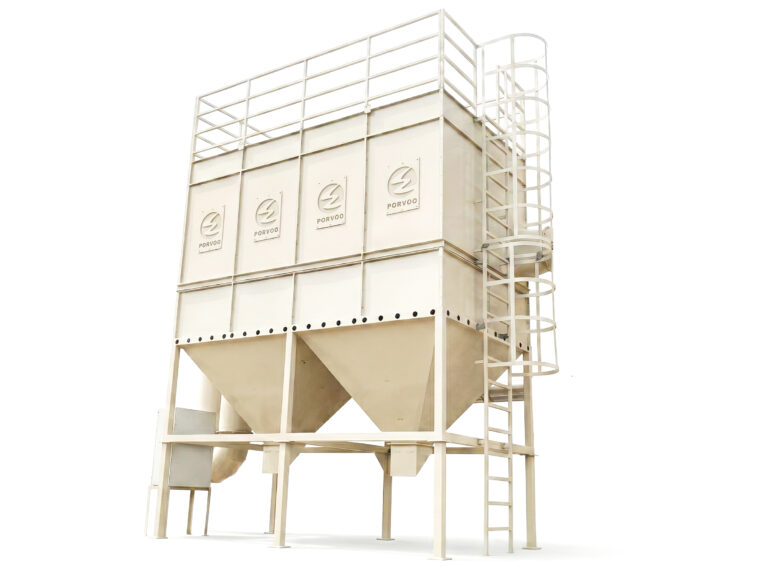
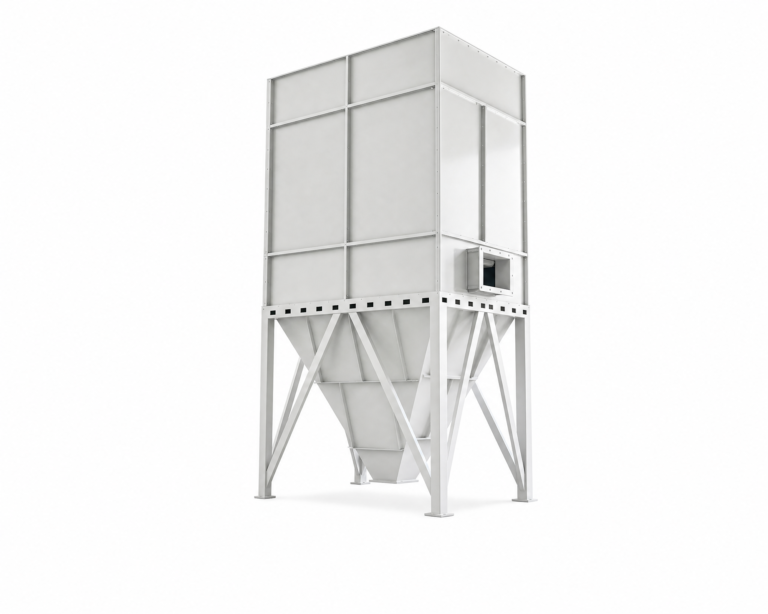
For a modular pulse jet dust collector receiving check, start with the approved transport and module data — package identity, dimensions, load information, sequence, and preservation requirements — and compare it with measured site conditions. The relevant modular pulse jet dust collector entry can orient the equipment category, but the shipment envelope, lifting data, and site fit remain project confirmations. This receiving check also belongs in the broader project-information and acceptance-planning process, where project-specific information is gathered and reviewed.
Map the Delivery Route from Gate to Unloading Point
Route mapping starts with the planned vehicle or load envelope from the logistics package, not with a general road-width assumption. The site data should then record gate and entry constraints, internal turns and slopes, surface condition, overhead and side obstructions, operating-hour restrictions, and the final approach to the unloading point. No minimum values are supplied here; the comparison is against the approved shipment and transporter requirements for the specific project.
| Route segment or feature | Site data to record | Project reference needed for comparison |
|---|---|---|
| Gate and entry | Available width, height, restrictions, and operating window | Planned vehicle and load envelope |
| Internal route | Turns, slopes, surface condition, and obstructions | Transporter’s route requirements |
| Overhead and side clearance | Measured constraints and obstacle locations | Approved package dimensions |
| Final approach | Direction, maneuvering constraints, and unloading-point access | Approved arrival and unloading plan |
Define the Unloading Interface Without Assigning Unverified Duties
Incoterms 2020 allocates costs, risks, and obligations between buyer and seller, and the selected rule changes the physical handoff: under DAP, delivery occurs before unloading, while DPU includes seller unloading. Only the incorporated rule and contract determine duties; the Incoterms source does not prove site access, select unloading equipment, define lifting work, allocate local responsibilities, or establish PORVOO scope.
For planning, confirm the chosen contract term and named place, unloading party and scope, approved package identity and load data, planned unloading equipment interface, support conditions, exclusion-zone arrangements, permits, and competent-party review. This is planning data, not a lifting or safety procedure.
| Interface | Data or decision to confirm | Source of confirmation |
|---|---|---|
| Commercial handoff | Incoterm and precise named place | Contract and incorporated rule |
| Unloading responsibility | Party and scope | Contract or responsibility matrix |
| Load information | Approved package identity and load data | Supplier or approved shipping package |
| Equipment interface | Planned unloading equipment and applicable load information | Competent lifting/logistics party using approved data |
| Site support | Surface, access, operating constraints, and local controls | Site and authorized project parties |
Check Staging Space Against the Module Sequence
Staging is not just available area. Record usable footprint and access, surface and approach conditions, access to the erection point, expected staging duration, environmental exposure, security or protection needs, and whether packages need to remain in installation order. Any preservation or stacking limits should come from approved project documents rather than being inferred from a generic checklist.
| Staging factor | Site observation | Project confirmation needed |
|---|---|---|
| Available area | Measured usable footprint and access | Approved package arrangement |
| Surface and approach | Observed condition and movement constraints | Competent site/logistics review |
| Sequence | Planned order of package placement | Approved erection or module sequence |
| Exposure and protection | Expected environmental and site conditions | Project-approved preservation needs |
| Duration and control | Expected staging period and access restrictions | Agreed logistics and site plan |
Return Conflicts for Project Confirmation Before Dispatch
Compare route, unloading, and staging findings with the approved packing and module plan, then classify each comparison as confirmed, unresolved, or conflicting. Conflicts should be returned to the authorized supplier, logistics, lifting, facility, and project parties for confirmation before dispatch. This step makes gaps visible; it does not assign roles or approve a workaround.
| Comparison area | Status to record | Required next action |
|---|---|---|
| Route vs transport envelope | Confirmed, unresolved, or conflicting | Provide measured constraint and approved shipment reference |
| Unloading point vs plan | Confirmed, unresolved, or conflicting | Confirm contract allocation and competent-party review |
| Staging vs package sequence | Confirmed, unresolved, or conflicting | Reconcile area, access, and approved sequence |
| Local restrictions vs arrival plan | Confirmed, unresolved, or conflicting | Escalate to authorized site and project contacts |
Frequently Asked Questions
Q: Our entrance is wide enough. What else could prevent the modules from reaching the unloading point?
A: The full route still needs comparison with the approved vehicle and load envelope. Record available height, turns, slopes, surfaces, obstructions, operating restrictions, and the final approach, then provide the measured constraints with the relevant shipment references.
Q: If the shipment is DPU, can we leave the unloading-point assessment to the delivery arrangement?
A: DPU includes seller unloading, but it does not establish that the site’s access or support conditions suit the unloading plan. Confirm the precise named place, approved load data, equipment interface, site constraints, and competent-party review alongside the contractual responsibility split.
Q: How can we judge whether an available yard is suitable for temporary staging?
A: Compare its usable area and access with the approved package arrangement and module sequence. Also record surface condition, expected duration, exposure, and protection needs; preservation and stacking limits must come from the approved project documents.
Q: What should we send back if a route or staging constraint conflicts with the shipment plan?
A: Send the measured constraint, its location, the affected approved package or transport reference, and a clear confirmed, unresolved, or conflicting status. The authorized supplier, logistics, site, and project parties can then reconcile the mismatch before dispatch.