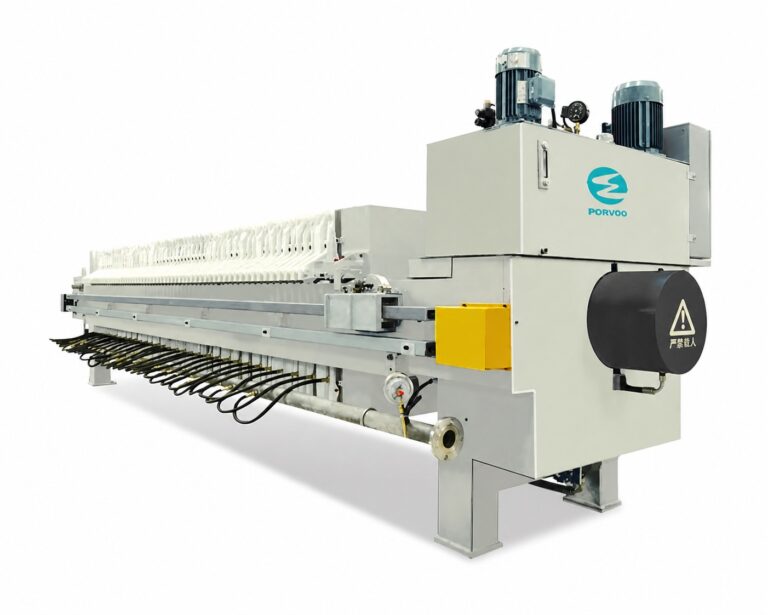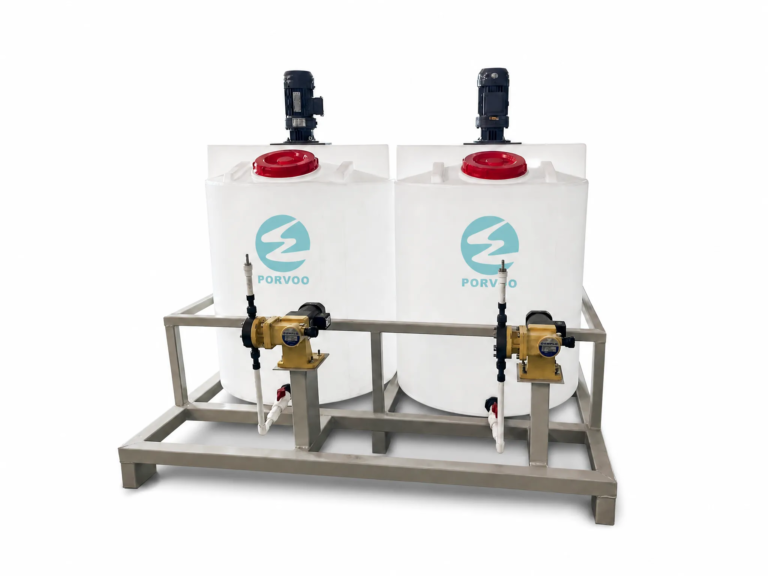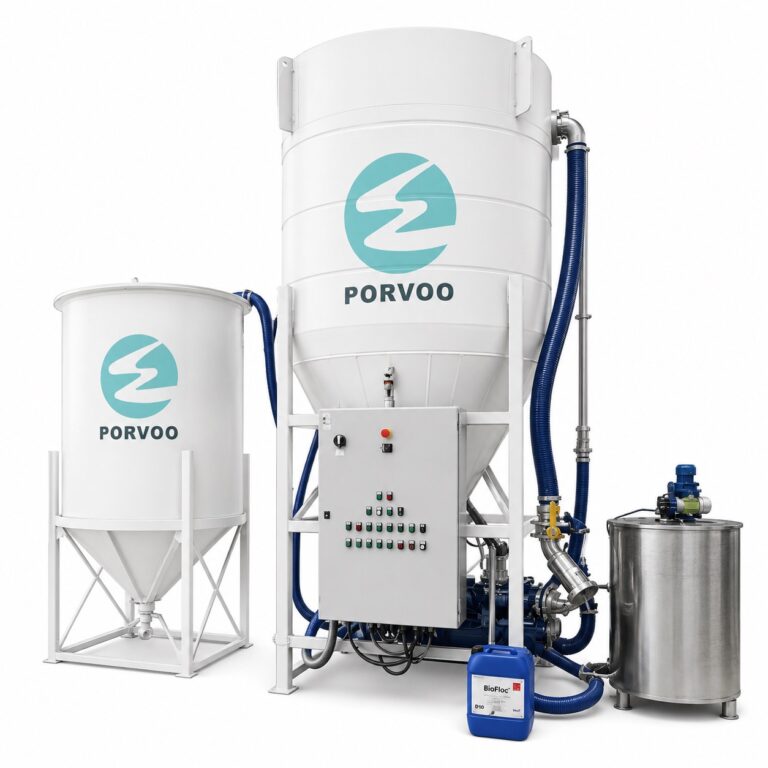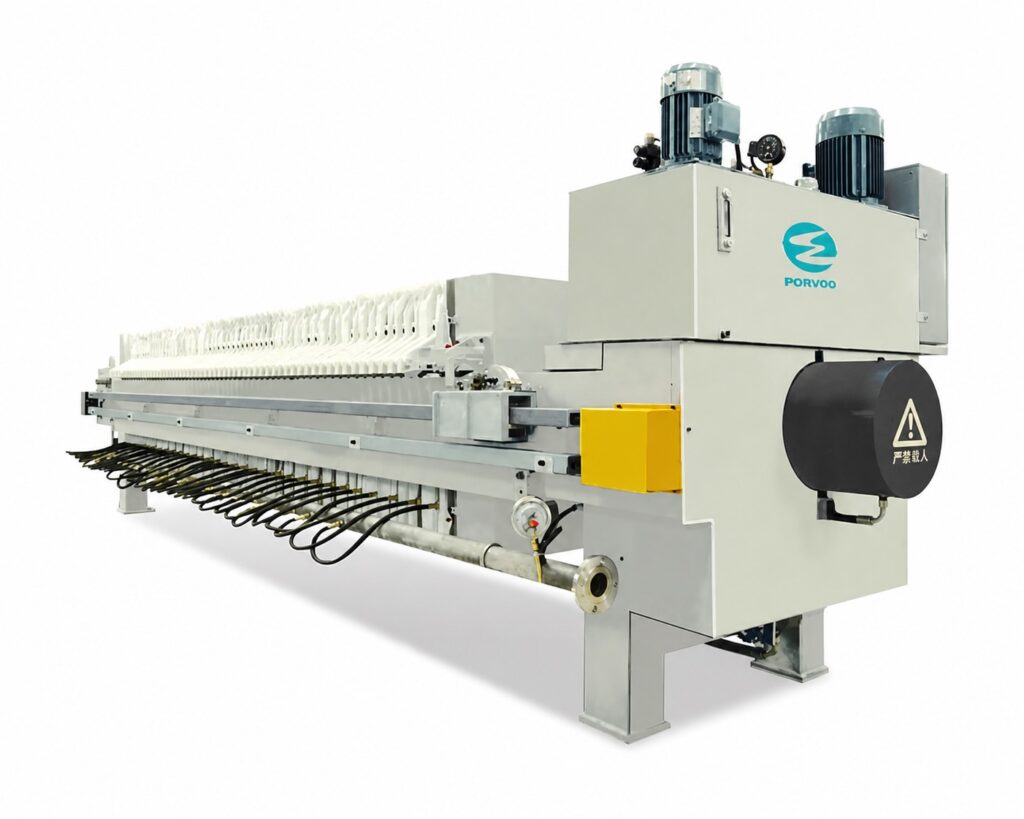
Secondary cake squeezing for application-specific dewatering targets
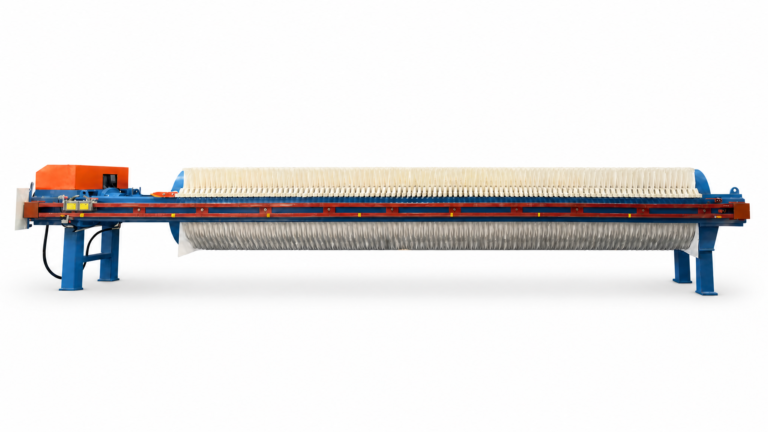
A membrane filter press adds a controlled squeeze stage after the initial pressure-filtration stage. The decision to add it should be based on the value of further cake consolidation, additional liquid recovery, washing performance or cycle optimization in your specific process—not on a blanket assumption that every slurry needs a membrane press.
What Makes a Membrane Filter Press Different?
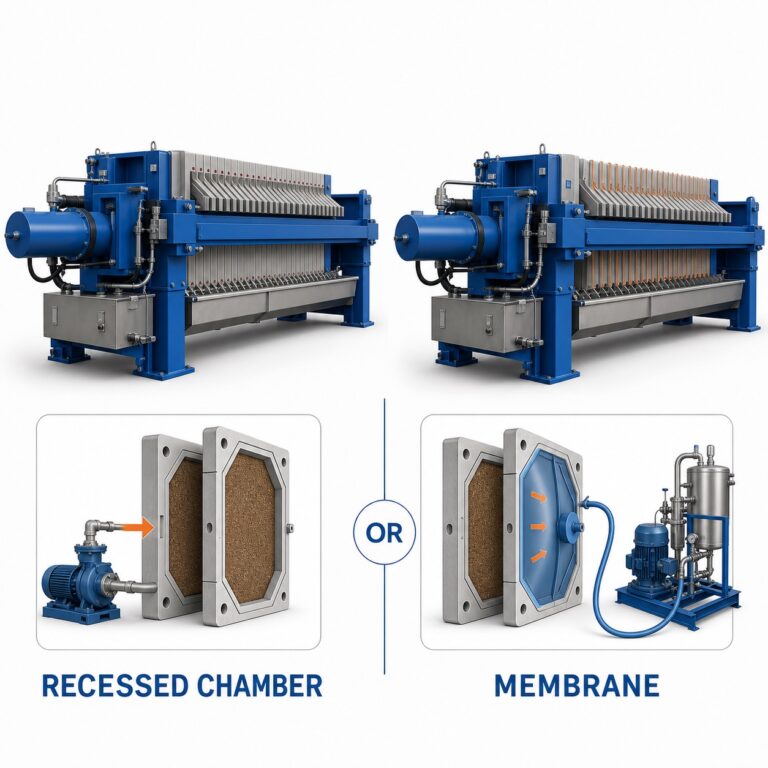
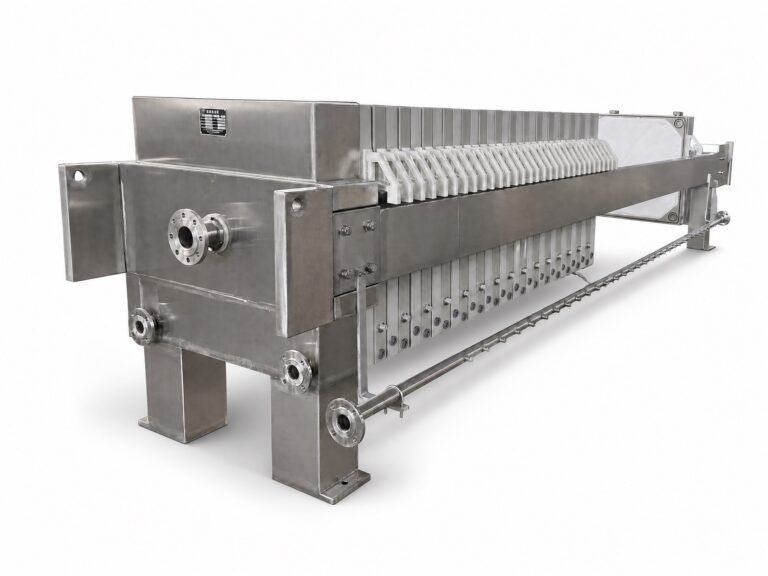
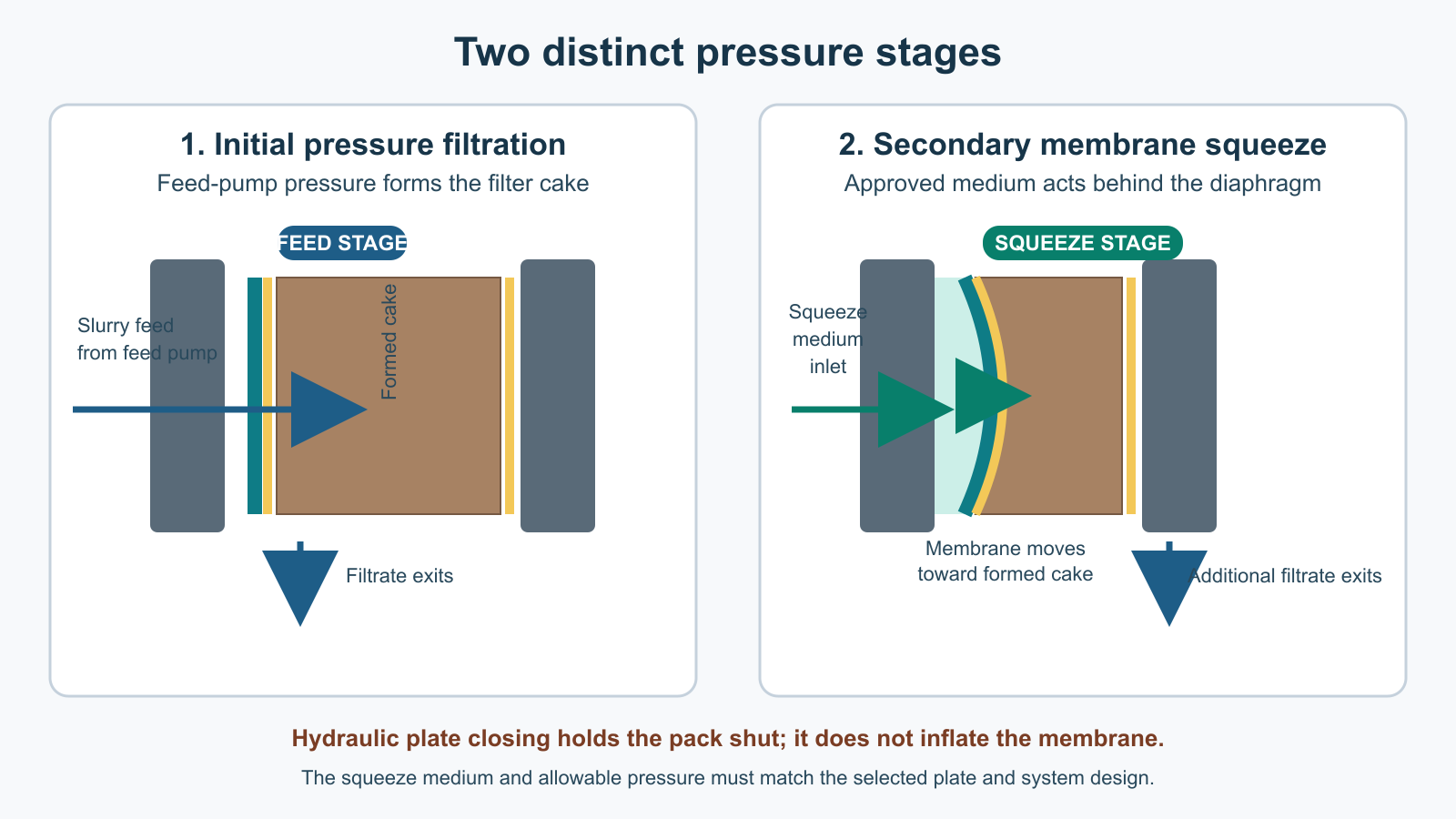
Like a recessed chamber press, a membrane press first uses a feed pump to move slurry into closed, cloth-lined chambers. Liquid passes through the cloth and plate drainage channels as filtrate, while retained solids form a filter cake.
The difference comes after a stable cake has formed. A controlled liquid or gas medium—whichever the selected plate and system design permits—is introduced behind a flexible, impermeable diaphragm. The diaphragm moves toward the cake and applies a secondary mechanical squeeze. The displaced liquid leaves through the normal filtrate path.
This is cake-forming pressure filtration with an added mechanical squeeze. It is not reverse osmosis, ultrafiltration, microfiltration or ceramic-membrane filtration. The hydraulic closing system holds the plate pack sealed; it does not provide the membrane squeeze.
How the Membrane Squeeze Cycle Works
- Close and secure the plate pack. The closing system develops the force needed to keep the chambers sealed for the specified filtration cycle.
- Fill the chambers. The feed pump introduces slurry. Filtrate passes through the cloth, while solids accumulate on the cloth surfaces.
- Complete primary filtration. The operating endpoint is determined from the process and control strategy. A sufficiently formed cake is required before squeezing.
- Apply the membrane squeeze. After the feed stage ends or is isolated as designed, the approved squeeze medium enters the cavities behind the flexible diaphragms. The expanding surfaces compress the formed cake and displace more liquid.
- Carry out configured post-treatment. Cake washing, core blowing or air blow may be sequenced where the process and supplied system require them. These are options, not inherent steps on every press.
- Release pressure before opening. Squeeze pressure is relieved and the system confirms a safe state before the hydraulic closure retracts, the plates open and the cake is discharged.
The endpoint for each stage should come from pressure, flow, time and process-response data appropriate to the slurry. A longer or higher-pressure step is not automatically a better one.
When Membrane Squeezing Adds Process Value
The extra squeeze stage is worth evaluating when it produces a measurable downstream benefit that exceeds the added equipment, utility and maintenance burden.
A defined cake-moisture target matters
Additional mechanical compression may reduce residual cake moisture when the formed cake remains compressible. The achievable result depends on the slurry, conditioning, cake thickness, feed endpoint, squeeze program and cloth.
Recovered liquid has process value
Further filtrate recovery may matter when the liquid is valuable, reusable or costly to send downstream. Its quality and reuse route still need separate verification.
Cake washing must be controlled
A formed, consolidated cake can support a more controlled washing sequence in suitable product-recovery or purification duties. Washing effectiveness must be established for the actual cake structure.
The slow end of feed filtration limits the cycle
For some slurries, transferring part of the final dewatering duty from feed pumping to a squeeze stage can improve the total cycle. This is not universal and should be confirmed by test work or operating data.
When a chamber press may remain the better choice
A recessed chamber filter press may be sufficient when feed-pressure filtration already meets the required cake condition and production schedule, or when the added squeeze utilities, controls, membranes and maintenance do not create enough process value.
Membrane Plate Configurations
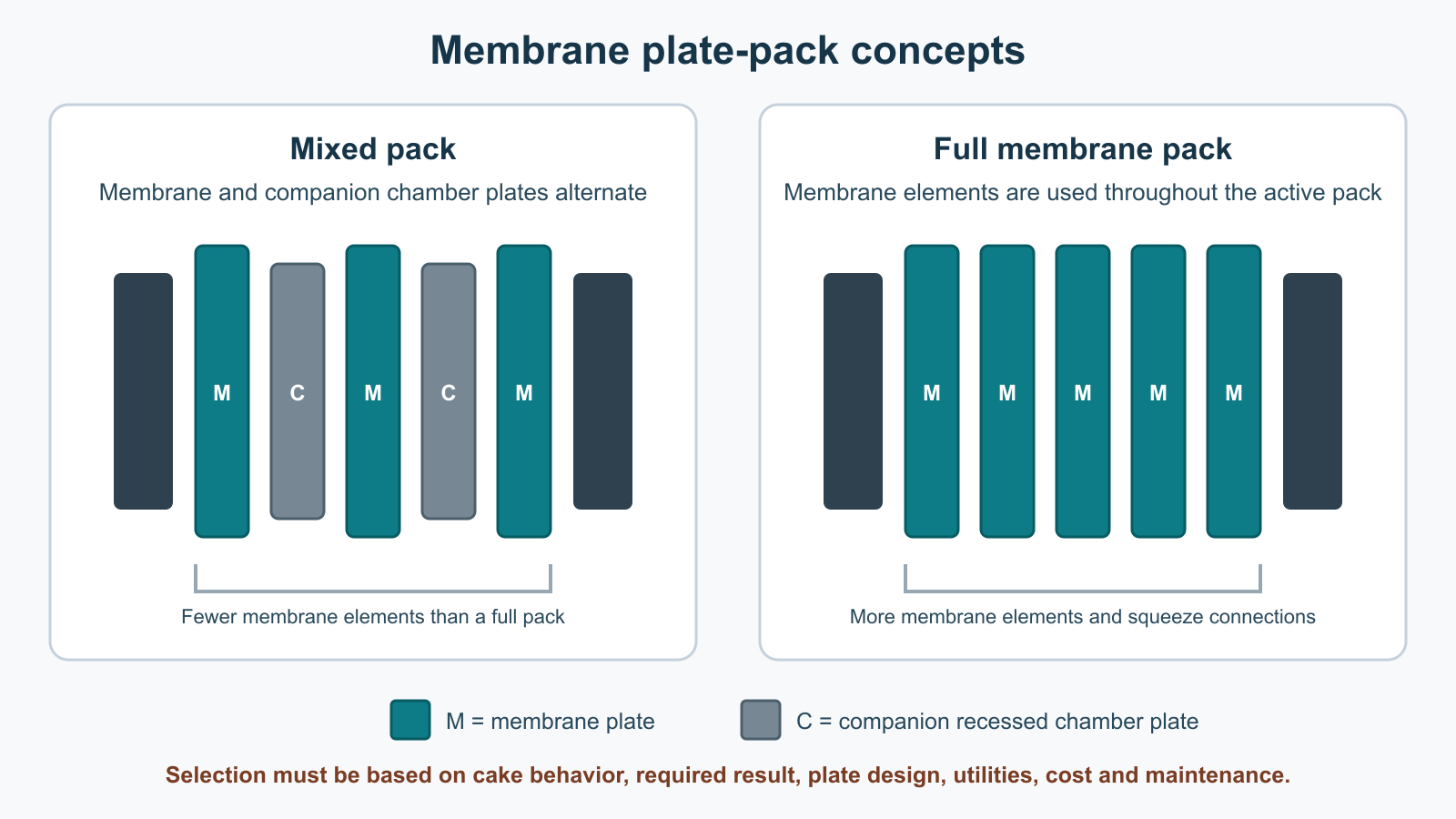
Plate-pack selection is part of process design. Two concepts commonly encountered in the market are a mixed pack and a full membrane pack. The appropriate arrangement depends on the proposed machine, the cake response and the process objective.
Mixed pack
Membrane plates alternate with companion recessed chamber plates. This can reduce the number of membrane elements and squeeze connections relative to a full membrane pack, but the result still depends on cake behavior and the selected plate geometry.
Full membrane pack
Membrane elements are used throughout the active plate pack. This increases the membrane content and may be selected for a specific squeezing objective, subject to the press design and test result.
Fixed or replaceable diaphragm
A fixed diaphragm is integrated into the plate assembly, while a replaceable design allows the flexible face to be renewed separately. Chemical compatibility, temperature, expected wear, hygiene requirements and replacement practice all affect the choice.
Plate material and cake thickness
Plate body, diaphragm material and chamber depth must suit the slurry chemistry, temperature, solids behavior and mechanical duty. These are engineered selections, not universal specifications.
Squeeze Medium and Utility Requirements
Water and compressed air are both used in membrane-filter-press designs, but they are not automatically interchangeable. The diaphragm supplier, press design, process hazard review and operating conditions determine the approved medium and pressure range.
| Design question | What must be established |
|---|---|
| Squeeze medium | Approved liquid or gas, compatibility with the diaphragm, contamination risk, temperature and site safety requirements. |
| Pressure generation | Dedicated water skid, compressor interface or other approved supply; operating and relief limits must follow the selected plate design. |
| Control and isolation | Pressure measurement, regulated admission, non-return protection, isolation valves, interlocks and confirmed depressurization before opening. |
| Consumption and recovery | Available utility capacity, batch demand, return or drain route, water quality and any separation needed between squeeze utility and process liquid. |
| Abnormal conditions | Response to pressure deviation, membrane leakage, failed isolation, incomplete release or unavailable utility. |
Final utility data should be issued with the selected equipment configuration. It should not be inferred from another manufacturer’s plate or a generic pressure value.
Membrane vs. Recessed Chamber Filter Press
| Selection point | Recessed chamber press | Membrane press |
|---|---|---|
| Primary dewatering action | Feed-pump pressure drives filtration and cake formation. | Feed-pump pressure first forms the cake; a later diaphragm movement adds mechanical compression. |
| Secondary squeeze | Not part of the standard recessed-chamber mechanism. | Yes, using the approved controlled squeeze medium. |
| Typical decision objective | Meet the required cake and cycle with a simpler plate pack and fewer squeeze-system components. | Create measurable value from further consolidation, liquid recovery, washing or cycle optimization. |
| Utilities and controls | No membrane-inflation utility is required. | Requires an approved squeeze supply, distribution, pressure control, isolation, release and safeguards. |
| Maintenance | Focuses on plates, cloths, sealing surfaces, hydraulics and feed/filtrate systems. | Adds diaphragms, squeeze connections, hoses or manifolds, valves and pressure-control equipment. |
| Performance decision | Neither construction has a universal cake-moisture, throughput or cycle-time result. Selection should use representative process data and, where necessary, sample testing. | |
For a broader selection overview, see industrial filter press configurations.
Automation and Process Control
Membrane construction and automation level are separate choices. A membrane press may be manual, semi-automatic or fully automatic according to the supplied machine and operating plan.
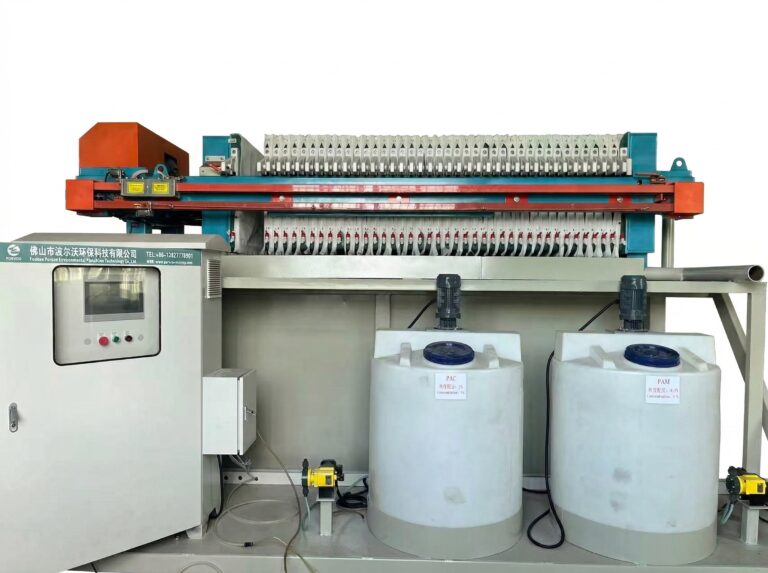
Possible automation functions can include hydraulic closing, feed-pump sequencing, squeeze-medium valves, pressure and flow instruments, safe pressure-release interlocks, automatic plate shifting, cake-release assistance, cloth washing, drip trays, conveyors and PLC/HMI control. The quotation should identify which functions are standard, optional or outside the selected scope.
The control sequence should prevent squeezing before an acceptable cake has formed and prevent plate opening until feed, core and squeeze pressures are safely released. Access guarding and safety devices must match the final machine and site risk assessment.
Applications and Process Integration
A membrane press can be evaluated for industrial sludge or process slurries when the business case is tied to a defined cake, filtrate, washing or production target. Suitability depends more on the material’s filtration and compression behavior than on the industry label alone.
A complete evaluation should cover the upstream and downstream interfaces:
- slurry source, variability, storage and feed conditioning;
- feed-pump curve and controlled filling strategy;
- filtrate routing, quality objective and return or disposal route;
- approved squeeze-medium supply, control skid and release route;
- configured cake washing, core blow or air blow;
- cake drop clearance, collection, conveyor or downstream handling;
- cloth-wash water, drainage, access and maintenance space; and
- electrical, instrument-air and control-system interfaces.
Explore the wider filtration equipment range when the process question is not yet limited to a filter press.
Membrane Inspection and Maintenance
- Inspect flexible surfaces. Look for cracking, blistering, distortion, abrasion, leakage or damage around attachment and sealing areas.
- Check squeeze connections. Examine hoses, couplings, plate connections, manifolds and isolation valves for leakage, wear and secure support.
- Verify pressure protection. Maintain instruments, regulators, relief devices and interlocks according to the approved design and inspection plan.
- Keep plates and cloths aligned. Wrinkled cloths, trapped cake and damaged sealing surfaces can create leaks and uneven loading.
- Confirm complete pressure release. The press must not be opened or serviced until all relevant pressure sources are isolated and safely relieved under the site’s procedure.
- Track diaphragm life by duty. Chemical exposure, temperature, cycle frequency, pressure history and solids abrasion all influence inspection and replacement intervals.
Spare-parts planning should identify whether the selected diaphragm is fixed or replaceable and which plate, face, seal, cloth and connection parts are specific to that design.
Technical Data and Configuration
Project values should be completed only after the slurry and operating objective have been reviewed. The fields below separate machine data from application-dependent results.
| Item | Project-specific selection |
|---|---|
| Plate size and number | Specified for the selected press and required filtration duty |
| Filtration area and chamber volume | Specified for the selected plate pack and chamber geometry |
| Membrane pack | Mixed or full pack, if available and justified by the process |
| Diaphragm construction and material | Fixed or replaceable; material selected for process compatibility |
| Maximum allowable feed pressure | Specified for the selected machine, plates and operating temperature |
| Approved squeeze medium and pressure | Specified for the selected diaphragm and utility system |
| Filtrate discharge and cake treatment | Open or closed discharge and configured washing/blow steps, if offered |
| Automation level | Manual, semi-automatic or automatic functions as quoted |
| Wetted-part compatibility | Selected from slurry chemistry, temperature and cleaning method |
| Cake moisture, cycle time and throughput | Application-dependent; establish from representative data or testing |
Membrane Filter Press Questions
Is a membrane filter press always fully automatic?
No. Membrane plates define the cake-squeeze mechanism. Plate shifting, cloth washing, cake handling and PLC sequencing are separate automation choices.
Is hydraulic plate closing the membrane squeeze?
No. The hydraulic closure keeps the plate pack sealed. Membrane squeezing uses a controlled, approved medium behind the diaphragm after initial cake formation.
Does membrane squeezing always produce a drier cake?
It can remove additional liquid from a compressible formed cake, but the amount depends on the material and operating conditions. A numeric result requires representative evidence.
Can air and water be used interchangeably?
No. The squeeze medium must be approved for the membrane plate, pressure system, process conditions and site safety requirements.
How should we decide whether the added stage is worth it?
Compare the tested or measured improvement in cake handling, liquid recovery, washing or total cycle against the added capital cost, utilities, controls, inspection and diaphragm maintenance.
Request a Membrane Press Evaluation
Send the current operating result and the improvement you need. Useful inputs include slurry source, solids concentration, particle and compressibility behavior, pH, temperature, daily volume, available operating hours, current cake moisture and cycle, target cake or filtrate condition, available squeeze utilities, site space and desired automation.
PORVOO can then determine whether a membrane stage is worth evaluating and what evidence is needed before equipment selection.