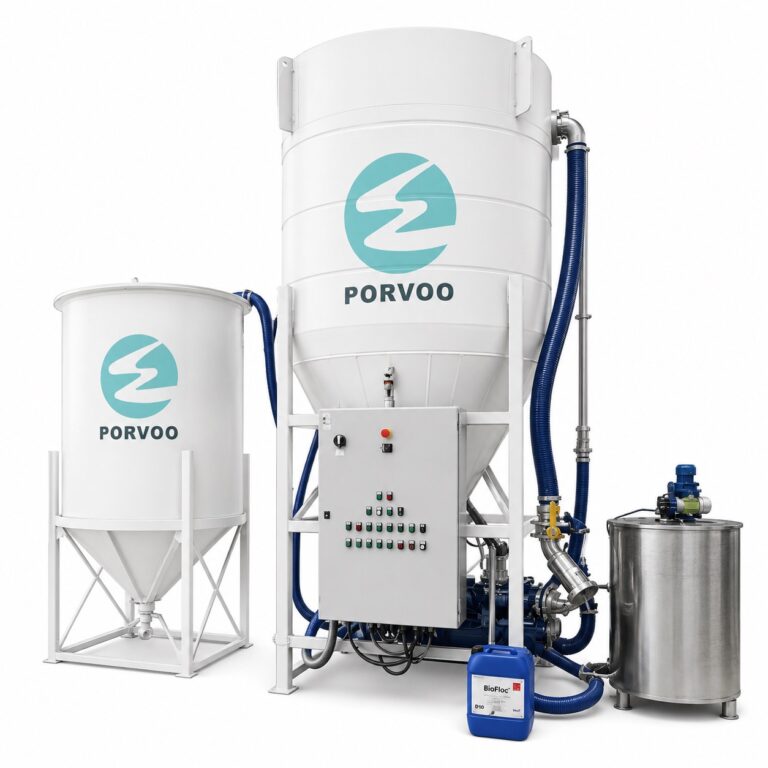
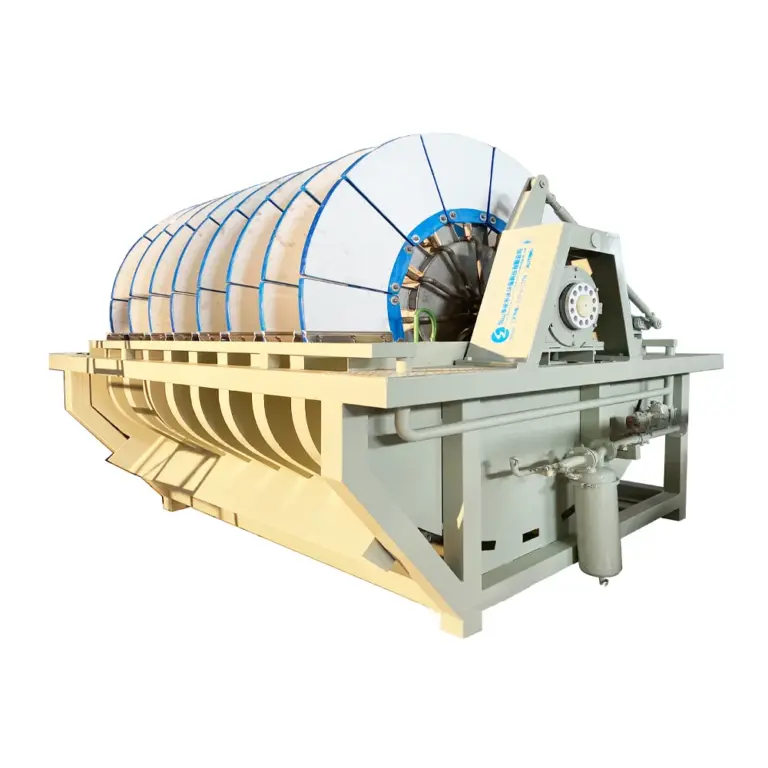
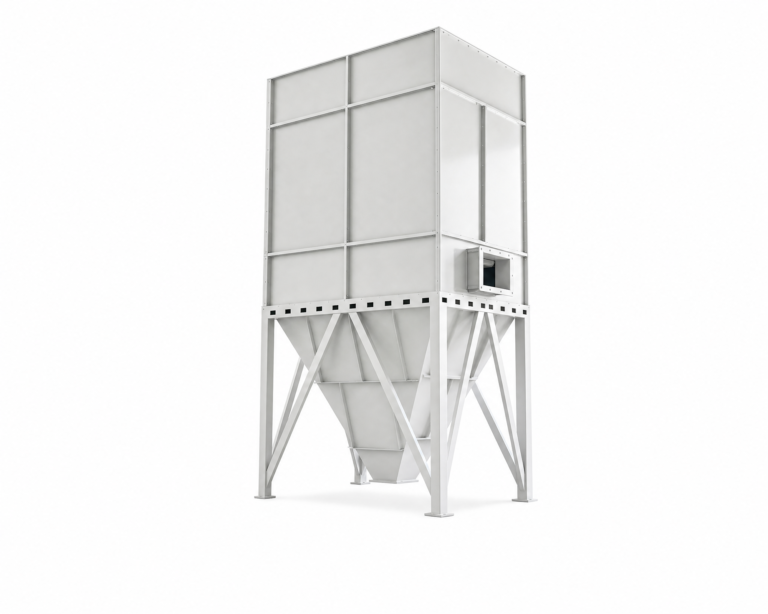
Choosing a process water recovery (PWR) system before the feed water has been properly tested turns equipment selection into guesswork. The module mix, the dosing strategy, and the sludge-handling scope all depend on what the water actually contains and how that composition moves across shifts and operating conditions, so the testing plan a buyer runs before issuing specifications determines whether the proposals that come back are comparable at all.
Define the Production Conditions the Samples Must Represent
A water sample is only as useful as the production condition it represents. If a plant draws a single grab sample during a stable run and sends it to a lab, the result describes that moment and nothing else. The feed a PWR system must handle over its service life includes the variation introduced by shift changes, product changeovers, cleaning events, shutdowns and startups, and any recirculated streams that return to the same circuit the system will treat.
Each of these conditions changes the water in a different way. A shift change can shift the mix of materials entering the process. A product changeover can introduce a different particle size distribution, a different chemical additive, or a different solids loading than the run before it. A cleaning event can release accumulated solids or cleaning chemistry into the water circuit in a short burst rather than a steady stream. A shutdown or startup can produce water that differs from either steady-state condition on either side of it. A recirculated stream carries forward whatever the upstream treatment step left in the water, so it can concentrate certain characteristics that a single-pass sample would miss entirely.
The consequence for sampling design is direct: if the sampling plan captures only one of these conditions, the resulting data describes only that condition, and any PWR configuration built from it is sized and dosed for a feed that may not reflect what actually reaches the system across a full operating cycle. Where a plant operates with relatively uniform production and few recirculated loops, a narrower sampling window may still capture the relevant variation. Where production includes multiple product types, scheduled cleaning cycles, or water that is already being recirculated through part of the existing circuit, the sampling plan needs enough coverage across time to capture how each of those conditions changes the feed.
Before specifying a system, the project team should confirm which of these conditions exist at the site, which ones recur on a schedule that sampling can be planned around, and which ones are irregular enough that the sampling plan needs a separate strategy to capture them when they occur.
Plan Sampling Points Across the Existing Water Circuit
Where in the circuit a sample is taken changes what the sample means. A sample taken at the point where water first leaves the production process describes raw feed characteristics. A sample taken after any existing pretreatment, settling, or partial recycling describes a different stream, one that has already been altered by whatever treatment or mixing happens upstream of that point. A sample taken at the location where recovered water would be reintroduced describes the reuse target, not the feed.
This distinction matters because a PWR proposal has to be built around a defined task: treat a specific stream, to a specific condition, for delivery to a specific point in the circuit. If sampling points are not mapped against the existing wastewater route, a supplier reviewing the data cannot tell whether a given result describes the water their system would actually receive, water that has already passed through some other step, or water from a different branch of the circuit entirely.
Mapping the existing circuit also surfaces interfaces that affect configuration. If water from more than one source converges before reaching the point where a PWR system would be installed, each contributing source may need its own sampling point so the combined feed can be understood rather than assumed. If part of the circuit already recirculates water through an existing pretreatment step, samples taken before and after that step describe different design problems, and conflating them can lead to sizing a module for a condition it will not actually see.
The sampling plan should also identify where the recovered water is meant to return. Whether that point is the same process step the water came from, a different step with different quality requirements, or a non-process use within the site changes the reuse target the whole system is designed to meet. Mapping this route before sampling begins, rather than after results are in hand, lets the project team place each sample against a known position in the circuit and avoid collecting data that cannot be tied to a defined decision.
Measure pH and Suspended Solids With Suitable Methods
| Wastewater characteristic | Referenced method | What the method supports | Decision boundary |
|---|---|---|---|
| pH | ISO 10523:2008, Water quality — Determination of pH | Measurement of pH in water, including wastewater within the method’s scope | A pH result does not by itself set a discharge limit, reuse limit, or universal dosing rule. |
| Suspended solids | ISO 11923:1997, Water quality — Determination of suspended solids | Determination by filtration through glass-fibre filters, subject to the method’s stated interferences | The result does not establish a treatment guarantee or legal limit. |
pH and suspended solids are two of the most basic wastewater characteristics to measure, but the value of either result depends on using a method suited to the measurement and on reading the result as a measured condition rather than a built-in limit.
pH describes the acidity or alkalinity of the water at the time of sampling. ISO 10523:2008, Water quality — Determination of pH, provides a method for measuring pH in water, including wastewater within its scope. A pH reading is useful because it can affect how chemistry behaves later in treatment, including how dosing chemicals perform and how solids settle or bind. But a single pH number does not, by itself, define what dosing rate a system should use or what reuse condition the water must meet. pH varies with the same production conditions described earlier, so a pH result collected at one point in time represents that moment, and a project team should know whether pH is stable across shifts and products or whether it moves enough to matter for dosing design.
Suspended solids describe the particulate material carried in the water, and ISO 11923:1997, Water quality — Determination of suspended solids, provides a method based on filtration through glass-fibre filters, subject to the interferences the method itself identifies. A suspended-solids result tells the project team how much particulate material a sample contained at the time of testing. It does not, on its own, establish how a full treatment train will perform, because suspended solids measured in a lab sample do not capture how those solids will behave across a larger volume, a longer time, or the handling steps a PWR system applies to them.
The practical implication is that both measurements need to be run on samples that represent the conditions established earlier, and the resulting numbers need to be handed to a supplier as measured feed characteristics rather than as a specification the system is being asked to guarantee. A single pH or suspended-solids result taken under one condition tells a supplier less than a set of results taken across the conditions that are expected to vary, because the supplier needs to understand the range the system will face, not just one point within it.
Characterize Grit, Settling, Sludge, and Chemical Variability
Beyond pH and suspended solids, several other characteristics shape how a PWR system should be configured, and each describes a different physical behavior of the water.
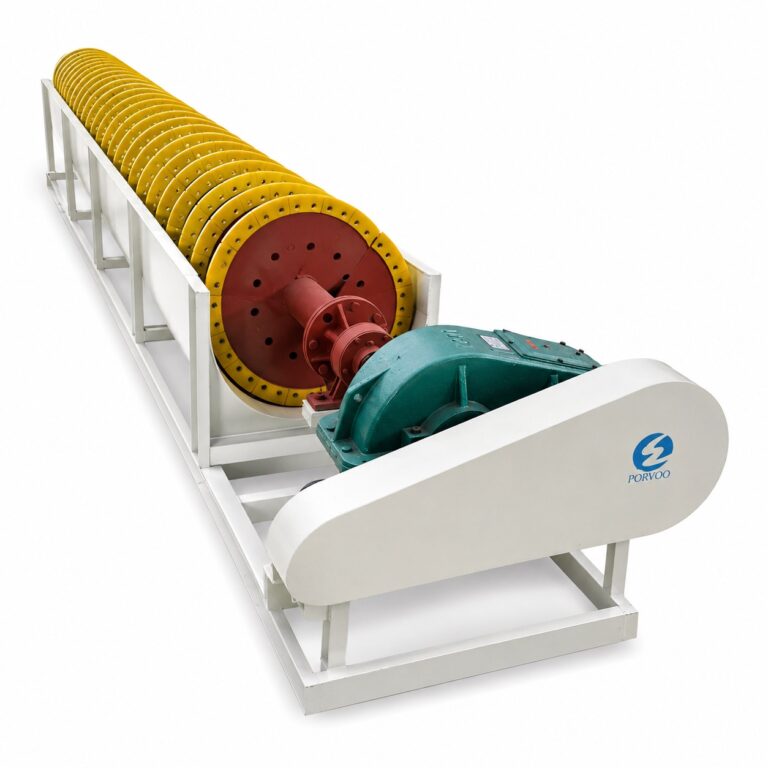
Grit refers to larger, denser particulate material that behaves differently from fine suspended solids. Where grit is present in meaningful amounts, it can affect pumps, dosing equipment, and filtration components differently than fine solids do, because grit tends to settle out, abrade surfaces, or accumulate in locations fine solids would pass through. Characterizing grit separately from suspended solids matters because a treatment configuration built only around fine-solids data may not address material that behaves on a different physical basis.
Settleability describes how readily solids in the water separate out under gravity, given time. Two samples with identical suspended-solids readings can settle at different rates if the particle size, density, or associated chemistry differs between them. Settling behavior affects how a clarification step is sized and how it performs, so observing settling directly, rather than inferring it from a suspended-solids number alone, gives the project team information the suspended-solids test does not provide.
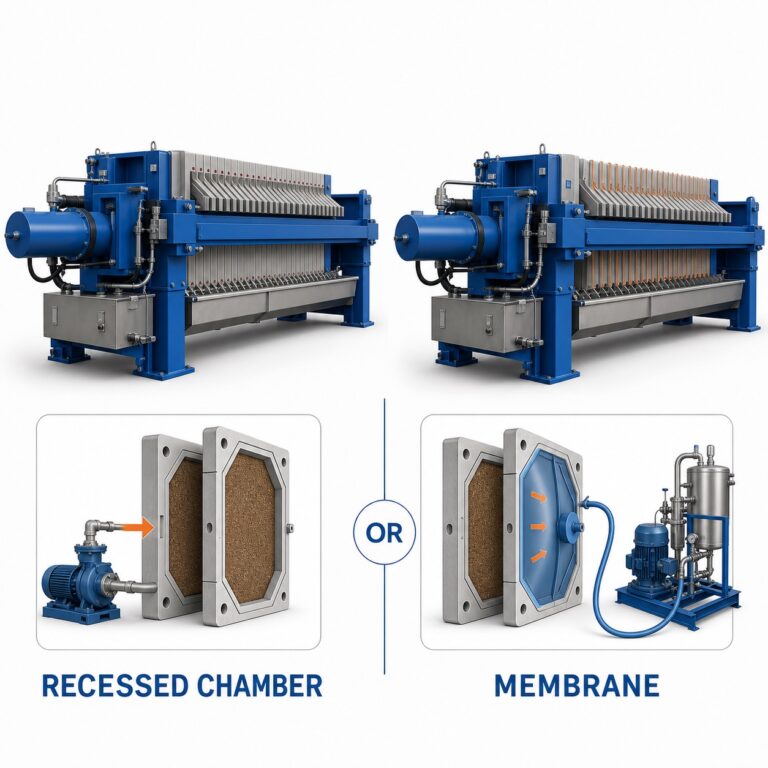
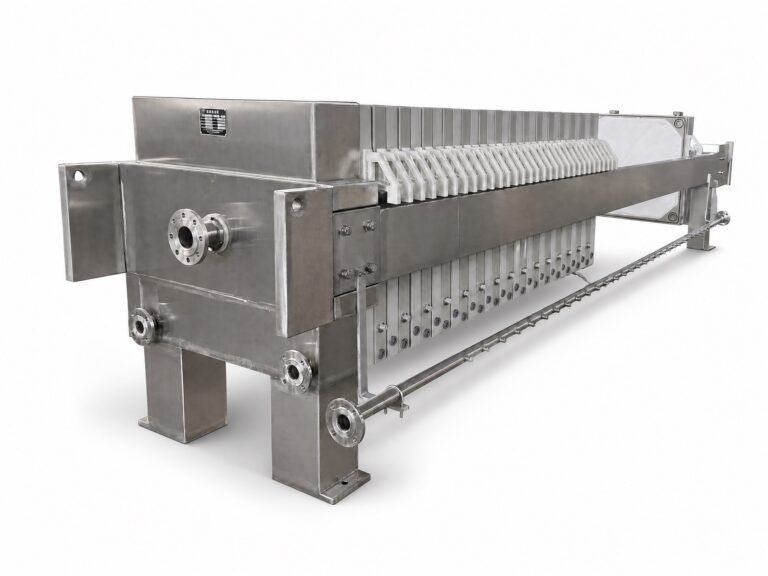
Sludge behavior describes how solids that have been separated out actually handle afterward, including whether the resulting material is dense or dilute, and how it responds to the equipment intended to concentrate or dewater it. This behavior depends on the same upstream characteristics, so documenting it as part of the test program connects the feed characterization to the downstream handling task rather than leaving that connection to be discovered later.
Chemistry that can affect clarification or handling includes any dissolved or suspended constituents, beyond pH, that influence how solids aggregate, how dosing chemicals perform, or how the resulting sludge behaves. Where such chemistry is present and variable, the project team should document it alongside the physical measurements, because a clarification or dosing step tuned to one chemical condition may not perform the same way under a different one. Each of these characteristics should be documented as feed information for the project rather than left as an assumption inferred from suspended solids or pH alone.
Connect Each Test Result to a PWR Module Decision
| Test or observation set | PWR scope decision it informs | Boundary to retain |
|---|---|---|
| Variation across shifts, products, cleaning events, shutdowns, and recirculated streams | Define the feed conditions the PWR Modular Water Recycling System proposal must address. | Sampling design and frequency remain project-specific. |
| Large-particle grit findings | Decide whether the Large Particle Grit Removal module should be tied to a defined grit-removal task. | Grit findings are one part of the feed characterization. |
| pH and chemistry that can affect clarification or handling | Review the role of the PAM/PAC Intelligent Chemical Dosing System in the proposed scope. | pH is a measured process variable, not a universal dosing rule. |
| Suspended solids, settleability, and sludge behavior | Define the clarification and sludge-handling task within the PWR proposal. | A suspended-solids measurement does not establish a treatment guarantee. |
The reason to run these tests before selecting a system is that each result, once collected, maps to a distinct configuration decision rather than feeding a single generic specification.
Variation observed across shifts, products, cleaning events, shutdowns, and recirculated streams defines the range of feed conditions a PWR Modular Water Recycling System proposal has to address. Without this range, a supplier reviewing the project can only size a configuration around whatever single condition the data happens to represent, which may not reflect the feed the system actually receives once installed.
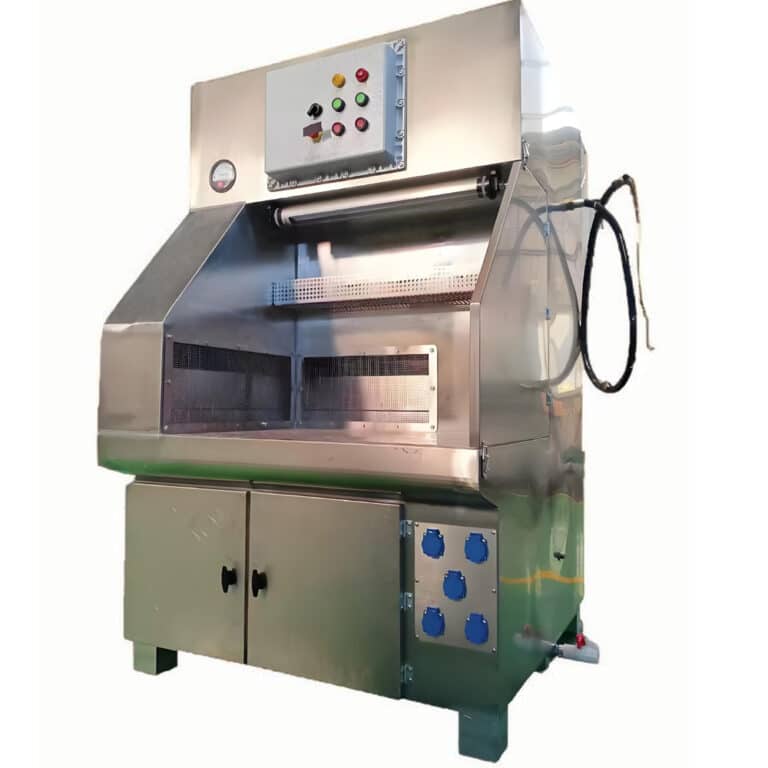
Where grit has been identified as present, that finding informs whether a Large Particle Grit Removal step belongs in the proposed scope, positioned to protect downstream pumps, dosing equipment, and filtration from the physical effects grit produces. Grit findings are one part of the overall feed characterization, not a standalone basis for the full system design, so they should be read alongside the other characteristics rather than in isolation.
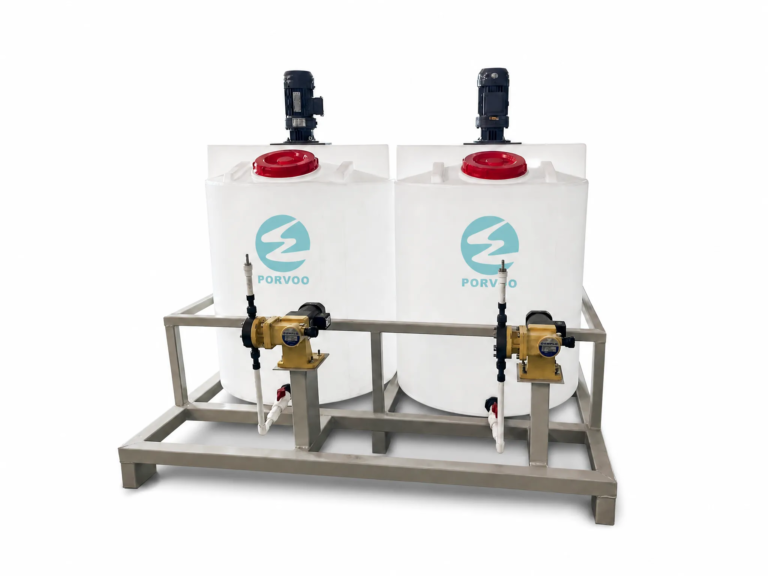
pH results and the chemistry that affects clarification or handling inform the role a PAM/PAC Intelligent Chemical Dosing System plays within the proposed scope. Because pH is a measured process variable rather than a fixed dosing rule, the dosing configuration a supplier proposes should be reviewed against the actual pH range and chemistry observed, rather than against a single assumed value.
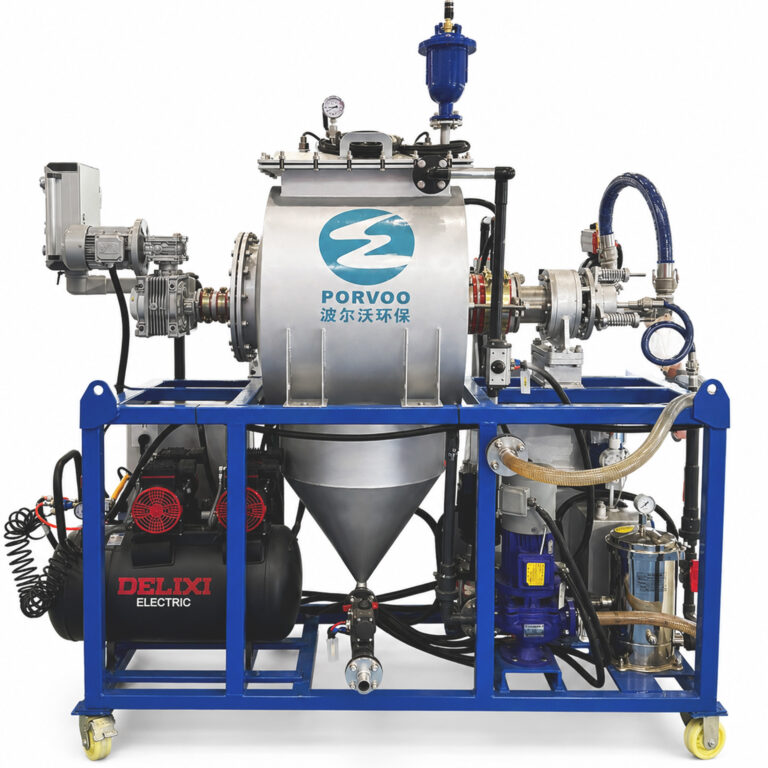
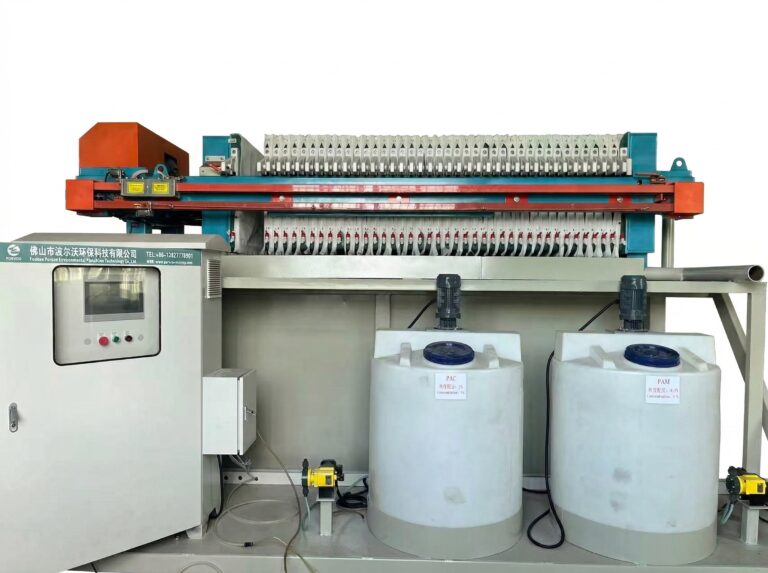
Suspended-solids results, settleability observations, and sludge behavior together define the clarification and sludge-handling task the proposal must cover. A suspended-solids measurement on its own describes the particulate loading at the time of sampling; it does not establish what a treatment train built around that number will achieve, so settling and sludge behavior need to be reviewed alongside it before the clarification and handling scope is set.
Where the feed shows limited variation and simple solids behavior, a narrower module set may address the defined task. Where the feed varies substantially across the conditions tested and includes grit, variable chemistry, and sludge that behaves differently depending on upstream conditions, the proposal needs a broader scope reviewed against each of these findings individually rather than against suspended solids alone.
Package Feed Data and Reuse Targets for Supplier Review
| Package component | Information to provide | Review task supported |
|---|---|---|
| Representative operating conditions | Shifts, products, cleaning events, shutdowns, and recirculated streams covered by the sampling plan | Check which feed variations the samples represent. |
| Measurement record | pH and suspended-solids results, the methods used, and applicable method boundaries | Separate measured feed data from dosing, reuse, legal, or treatment conclusions. |
| Solids and handling characterization | Grit, settleability, sludge behavior, and chemistry that can affect clarification or handling | Define the clarification and handling questions the proposal must address. |
| Existing water circuit | Sampling points and the existing wastewater route | Place each proposed module within a defined route. |
| Reuse objective | Intended reuse point and reuse target | Tie the proposed PWR scope to a defined reuse task. |
Once the testing described above is complete, the value of that work depends on how it is packaged for the parties who will propose a configuration. A supplier reviewing a project can only match a proposed scope to the feed if the data submitted distinguishes measured conditions from the conclusions those measurements do and do not support.
The package should identify the operating conditions the sampling plan covered, so a reviewer can see which shifts, products, cleaning events, shutdowns, and recirculated streams are represented in the data and which, if any, remain uncharacterized. It should include the pH and suspended-solids results together with the methods used to generate them and the boundaries those methods carry, so the measured feed data is kept separate from any dosing, reuse, or treatment conclusion that has not yet been established. It should include the grit, settleability, sludge-behavior, and chemistry observations that define the clarification and handling questions the proposal needs to address. It should map the existing water circuit, including the sampling points used and the existing wastewater route, so each proposed module can be placed within a known position in that circuit rather than left to assumption. And it should state the intended reuse point and the reuse target the recovered water is meant to meet, so the proposed scope is tied to a defined task rather than a general improvement.
This is the stage at which the project information the customer has assembled enters PORVOO’s configuration and quotation review: the feed data, the circuit map, and the reuse objective together give a reviewer enough to match proposed modules to the conditions the site actually presents, rather than to a generic specification. Where the submitted package leaves a condition unaddressed, such as a recirculated stream that was not sampled or a reuse target that has not been defined, that gap should be resolved before the review proceeds, because a configuration proposed against incomplete feed data carries the same uncertainty forward into the equipment selection it is meant to support.
Frequently Asked Questions
Q: How can I tell whether the wastewater samples are representative enough for PWR selection?
A: Check that the sampling plan covers the operating changes most likely to alter the feed, including shifts, products, cleaning events, shutdowns, and recirculated streams. Record which conditions each sample represents so bidders can see whether important variations were captured; sampling points, frequency, preservation, and laboratory requirements remain project-specific.
Q: Are pH and suspended-solids results enough to define the PWR system scope?
A: No. Use them alongside observations of grit, settleability, sludge behavior, and chemistry that can affect clarification or handling, then relate the full set of findings to the existing wastewater route and intended reuse point.
Q: Does using a referenced pH or suspended-solids method prove that the water meets a reuse or discharge requirement?
A: No. The method supports a defined measurement, but it does not establish a reuse or discharge limit, a legal conclusion, a dosing rule, or a treatment guarantee. Compare the result with the project-specific requirement that applies to the intended reuse point or wastewater route.
Q: What information should every bidder receive so PWR proposals can be compared on the same basis?
A: Give each bidder the operating conditions covered by the samples, sampling points, existing wastewater route, pH and suspended-solids results with the methods used, solids and handling observations, and the intended reuse point and target. Ask each bidder to tie every proposed module to a defined task within that shared project picture.
Q: How should grit, pH, chemistry, and solids findings affect module selection?
A: Treat them as scope questions rather than automatic module choices. Use grit findings to assess whether a defined large-particle removal task is needed, pH and relevant chemistry to review the role of intelligent chemical dosing, and suspended solids, settleability, and sludge behavior to define clarification and sludge-handling needs.