
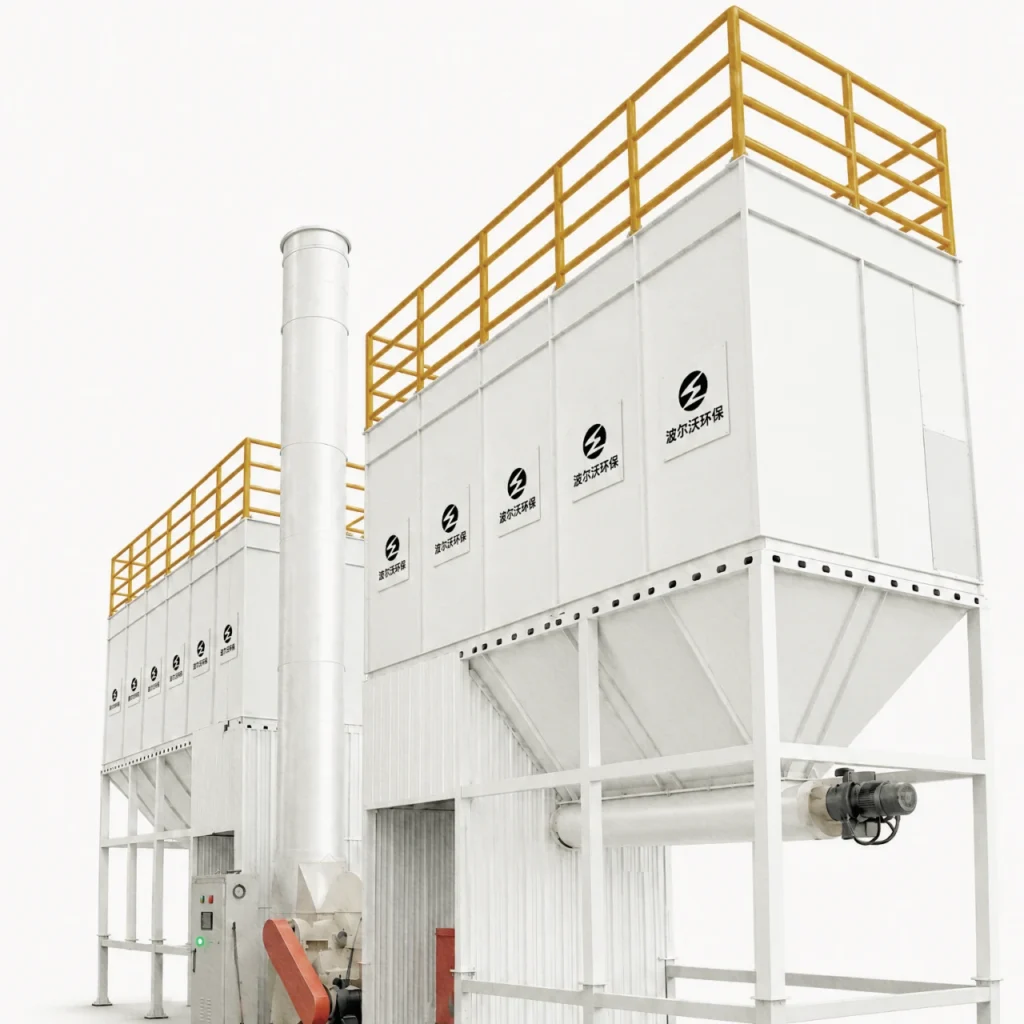
PORVOO’s 6–12 chamber pulse jet baghouses serve central dust extraction systems with multiple machines or production areas. Start with the airflow required when those sources run together, then check filter area, fan duty and how dust will leave the hoppers. Use the sectional packing plan and the installed layout to check how the baghouse will reach its final position.
The product image is a configuration rendering of a baghouse with a raised service platform.
Size the collector for the lines that run together
List each extraction hood and its required airflow. Group the hoods by operating mode, including production, changeovers and any planned new lines. Record which branches remain open in each mode. Use the largest simultaneous duty to shortlist the collector, then have the duct and fan design checked for the operating modes the plant actually uses.
For example, three lines requiring 12,000, 10,000 and 8,000 m³/h need 30,000 m³/h when all three run together. A planned 10,000 m³/h branch raises that total to 40,000 m³/h if it runs at the same time. In this example, 40,000 m³/h is above the listed POR64-5 range and within the listed POR64-6 and POR64-8 ranges. Compare those two models’ filter areas and installed layouts for the expanded duty before choosing the housing.
If two production areas have very different dust characteristics or operating schedules, ask about separate collectors as well. Separate trains may be easier to service independently or may allow different filter media. If one baghouse must continue operating while a section is serviced, specify that requirement so the design can be checked for isolation and available filter area in that mode.
POR64 high-capacity model range
| Modelo | Chambers | Caudal de aire (m³/h) | Filter area (m²) | Bags |
|---|---|---|---|---|
| POR64-6 | 6 | 27,600–46,000 | 384 | 384 |
| POR64-8 | 8 | 36,800–61,400 | 512 | 512 |
| POR64-10 | 10 | 46,000–76,800 | 640 | 640 |
| POR64-12 | 12 | 55,000–92,000 | 768 | 768 |
Airflow and filter area are preliminary selection values. Within the 27,600–38,400 m³/h overlap, the POR64-6 offers 384 m² of filter area versus 320 m² for the POR64-5. At a given airflow, the extra area lowers the air-to-cloth ratio. The 3–5 chamber Modular Pulse Jet Dust Collector shows the calculation at 30,000 m³/h and explains when a 5-chamber unit is worth quoting.
Confirm the selected bag media and operating airflow for the dust loading, gas temperature, moisture and cleaning cycle. Flag any risk of sticky dust or condensation before choosing bags. Have the quotation identify the operating conditions used to size the collector.
Match the fan and dust discharge to the whole system
Fan duty and duct branches
Ask for the required airflow and static pressure together on the fan selection. The pressure allowance should cover the most demanding operating duct path, including hoods, fittings, the operating filter and the exhaust route. Confirm the filter pressure drop used for the selection and its expected range during operation. On a multi-branch system, agree how extraction airflow will be checked at individual hoods when the main production combinations are running.
Pulse cleaning and compressed air
Confirm the required pressure, air demand and air quality at the collector’s compressed-air connection. Agree how the controller will monitor the pressure drop across the filter and how the pulse sequence is set. Include the pressure-drop reading at the agreed airflow in the commissioning record so maintenance staff have a baseline.
Hoppers and dust removal
Choose the discharge arrangement with the material handler. For individual bins, show where each bin can be removed and emptied. For a shared screw conveyor or other conveying system, confirm outlet positions, available headroom and who supplies the conveyor and controls. Agree how the system will respond if discharge stops while the fan is running.
Plan sectional shipping and site assembly
What to confirm before delivery
Review the packing list alongside the general arrangement drawing. The packing list gives the dimensions and weights of the sections and identifies parts packed separately. Use it to confirm container count with the freight forwarder. The drawing shows where each section goes and how it connects to the support frame, service platform and ducting.
Have the installer confirm the staging area, route to the foundation and overhead space for lifting. Before releasing the order, agree who provides site lifting, assembly, ducts, wiring and air lines, and who checks the assembled collector at startup. See the PORVOO shipment gallery for more equipment handling and loading views.
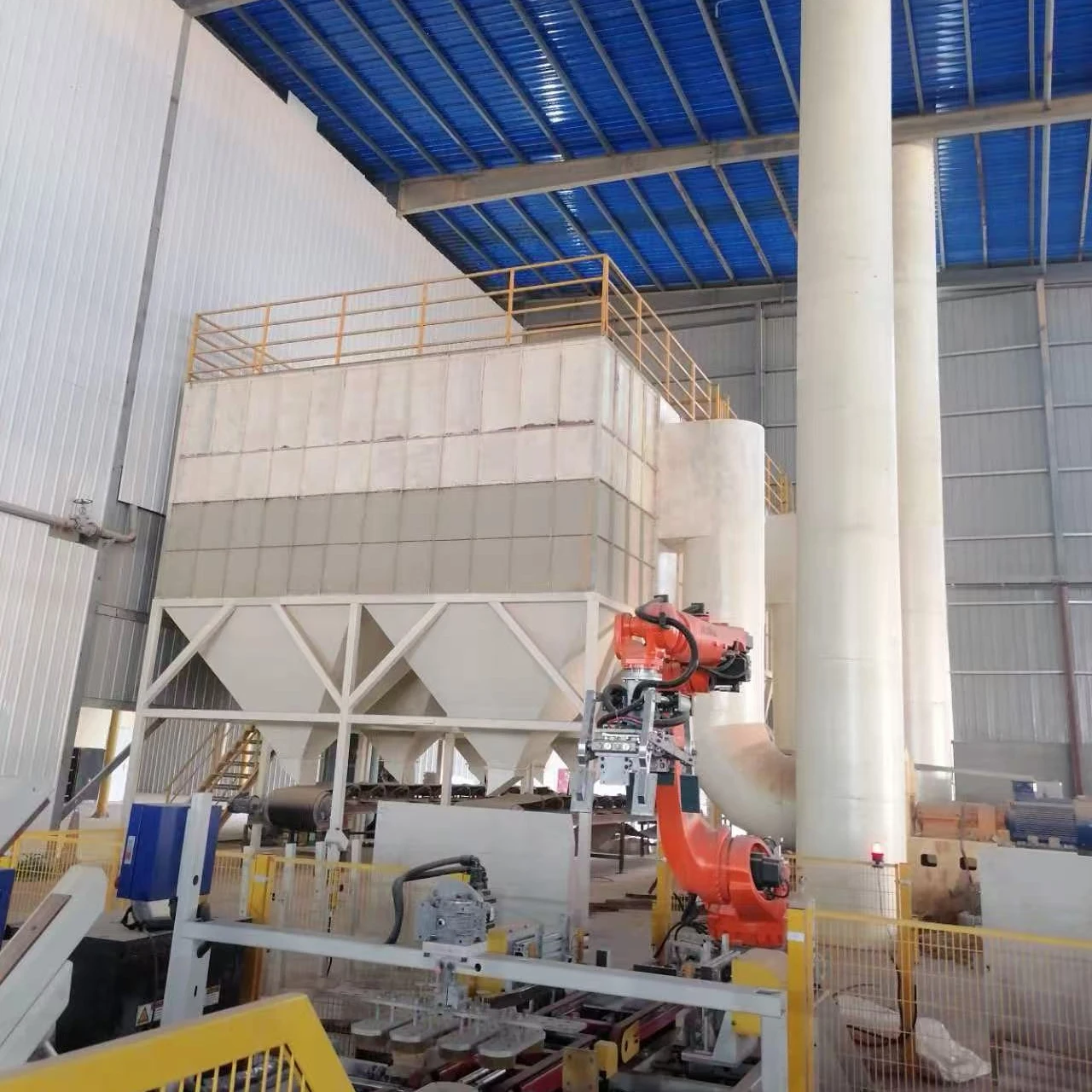
Equipment and installation views
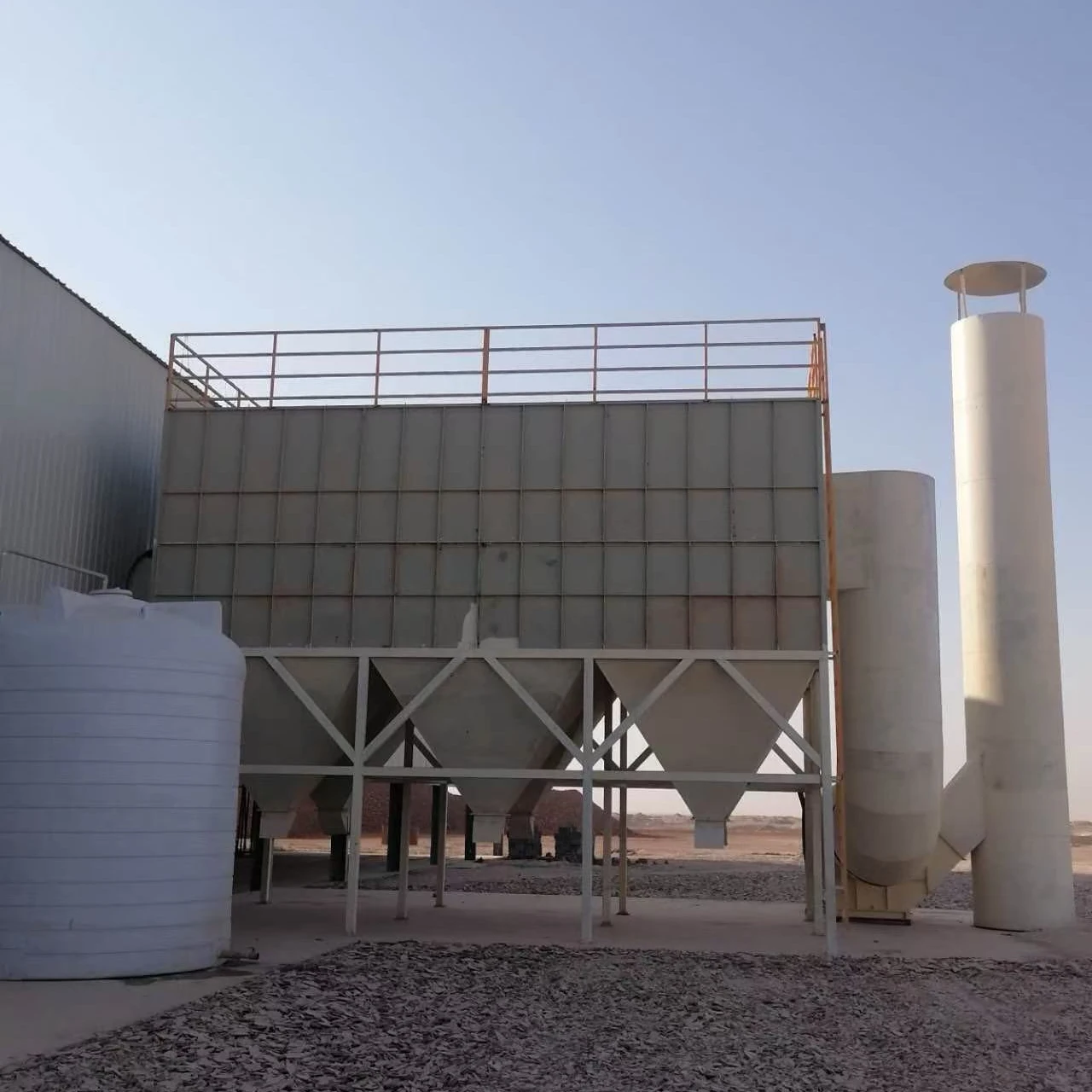
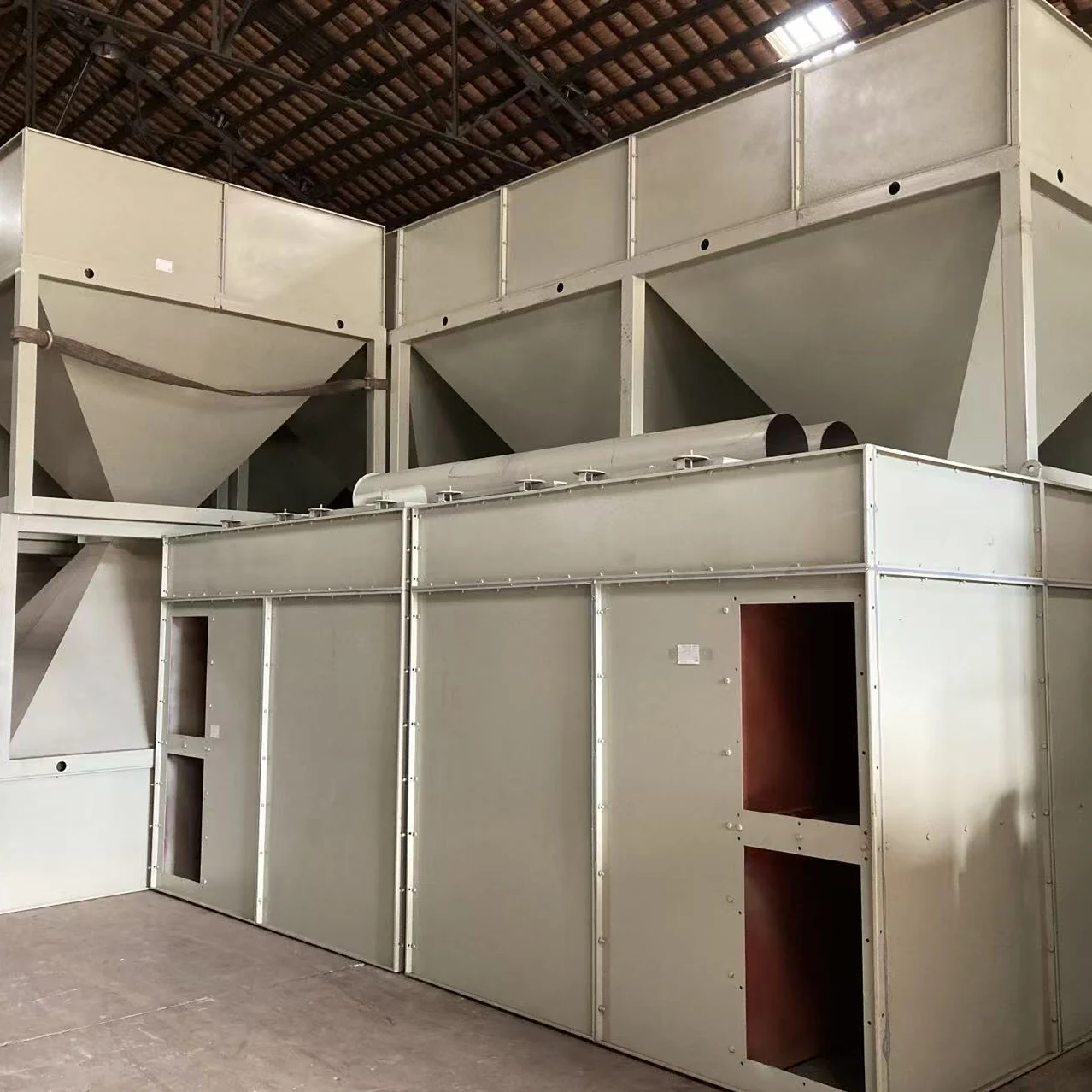
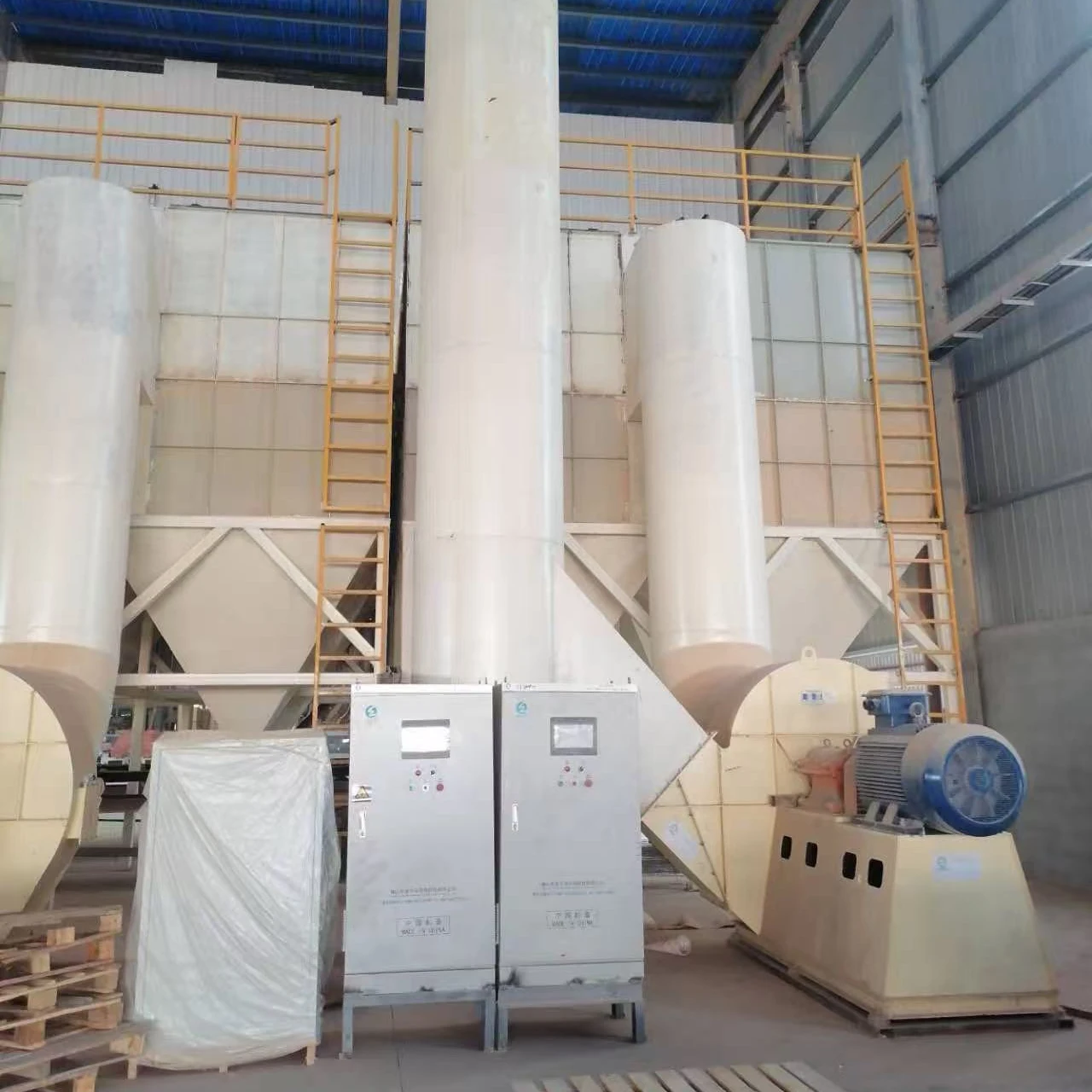
Request a selection and layout review
Send a hood schedule with simultaneous operating modes, a plant layout with duct routes, and the dust type, inlet loading, temperature and moisture data. Mark the hopper discharge location, the available space for filter changes and the route the shipping sections must take to reach the foundation.
For a comparable quotation, ask to see the proposed model and filter area, fan operating point, discharge arrangement, main section dimensions and the split between factory and site scope. Flag any planned expansion or phased installation so both duties can be checked before the layout is finalized.



















