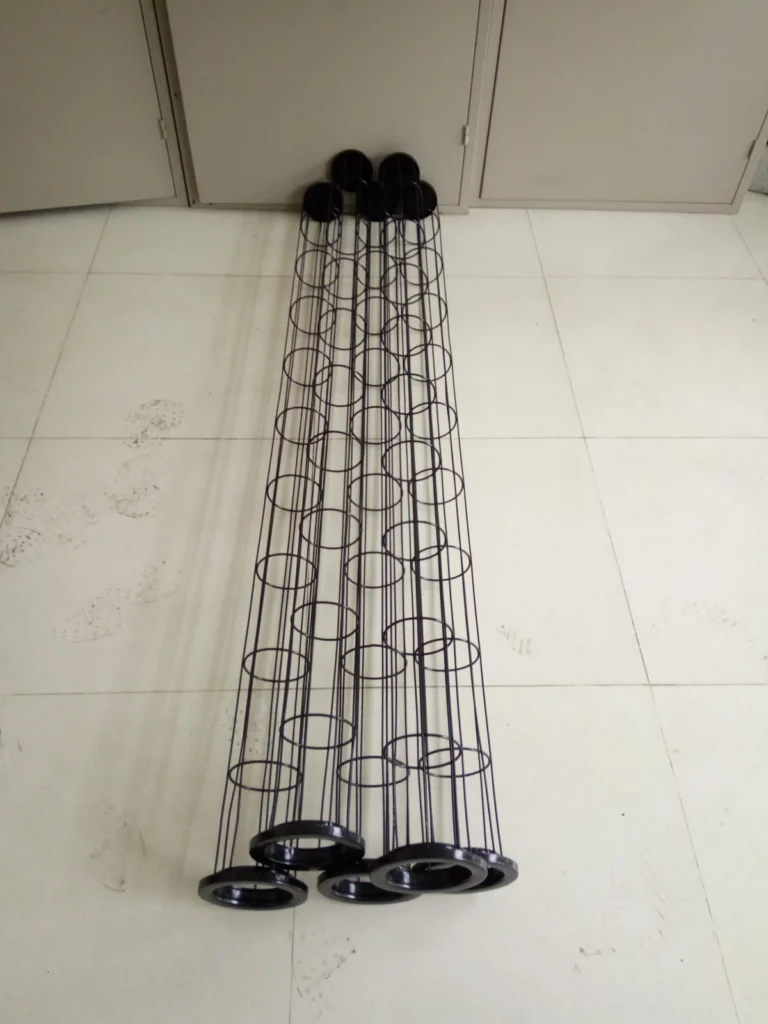
A wastewater filter can separate a suspended fraction when the feed and medium are compatible. Define the contaminant and where the treated stream goes before choosing a filtration or polishing stage.
Separate by contaminant form
Measure suspended solids and characterize their size or settleability. For a metal, ask the laboratory whether the result is dissolved or total. For oil, distinguish free oil from stable emulsions. Similar inlet concentrations can call for different treatment because the contaminant is in a different form.
Compare treatment stages
Screens and depth filters can protect downstream equipment from particles. A clarifier or flotation stage can reduce the load on fine filtration. Address dissolved material with an appropriate separate process and validate membrane candidates using representative chemistry, fouling behaviour and reject-stream handling.
Use paired samples
Document inlet and outlet sampling points and the conditions during sampling. Report each analyte and its outlet concentration with the measured reduction. Confirm outlet limits or reuse targets independently and agree what conditions a supplier trial must reproduce.
Allow for waste and maintenance
Ask how much backwash, retained solids or concentrate the system sends to other plant areas. Compare media service, cleaning downtime and peak flow or solids loading before selecting equipment.
Recursos relacionados
- PORVOO Clean Tech
- Equipos de filtración PORVOO
- Industrial Water Filtration & Water Treatment Systems – Filtra Systems
- Tratamiento de aguas residuales industriales | Veolia Water Technologies
- Soluciones de filtración y tratamiento de aguas residuales industriales de Graver Technologies
- Soluciones para el tratamiento de aguas residuales industriales - Alfa Laval
- Soluciones para el tratamiento de aguas residuales industriales | Xylem US