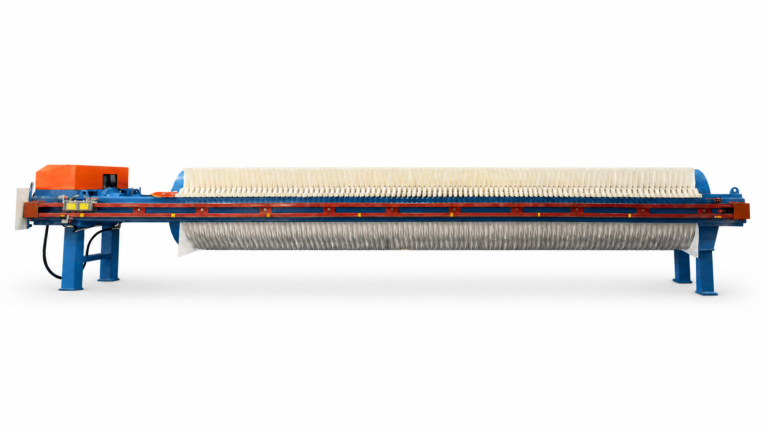
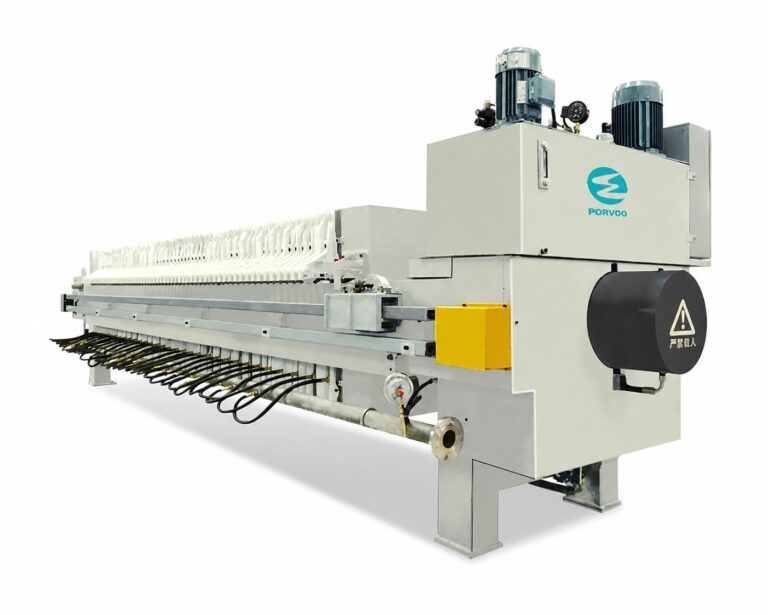
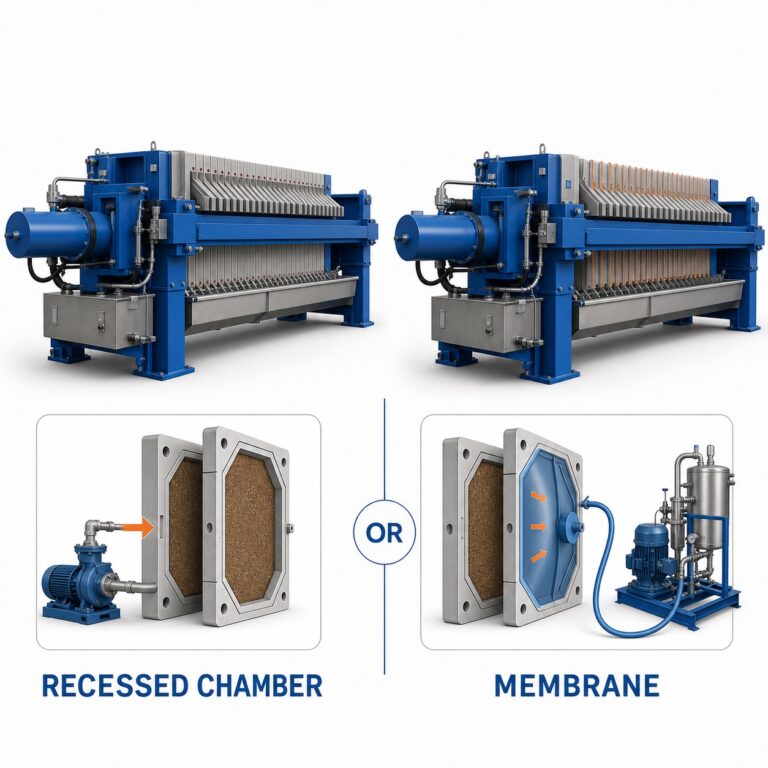
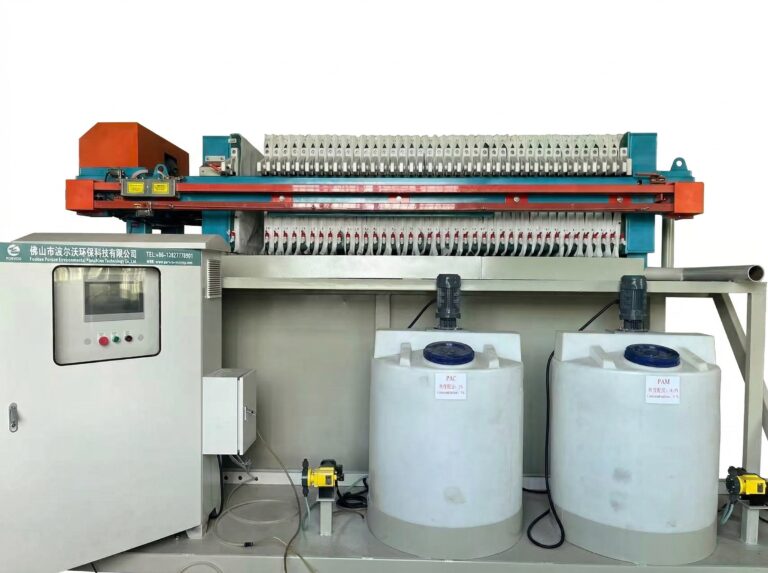
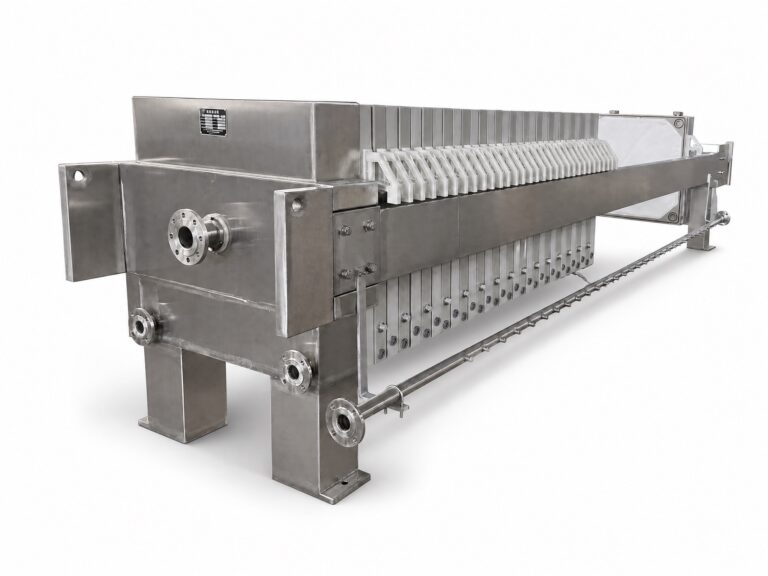
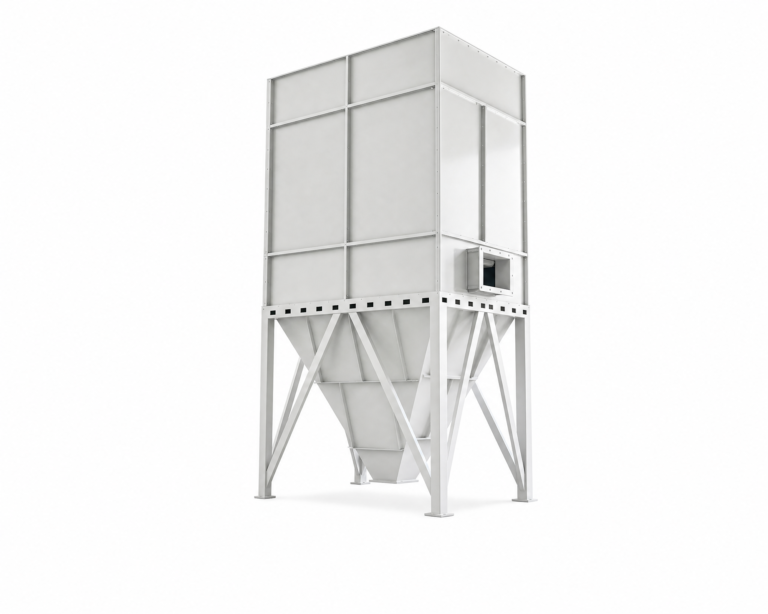
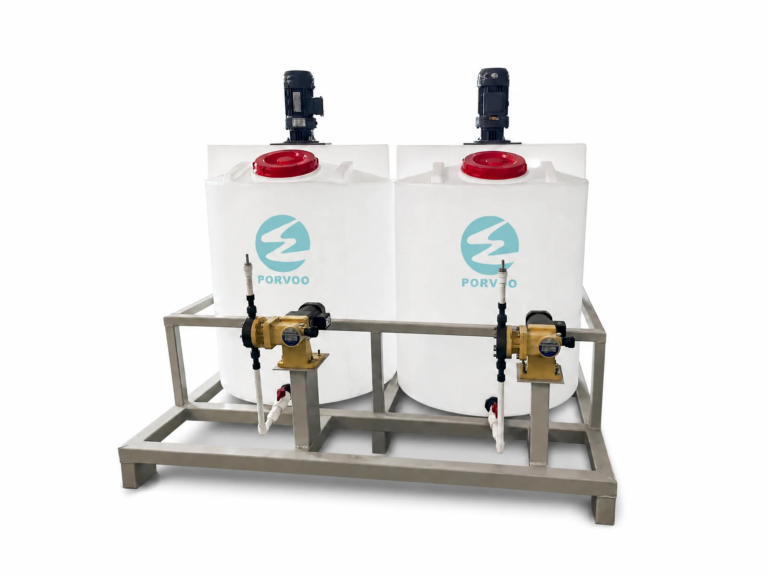
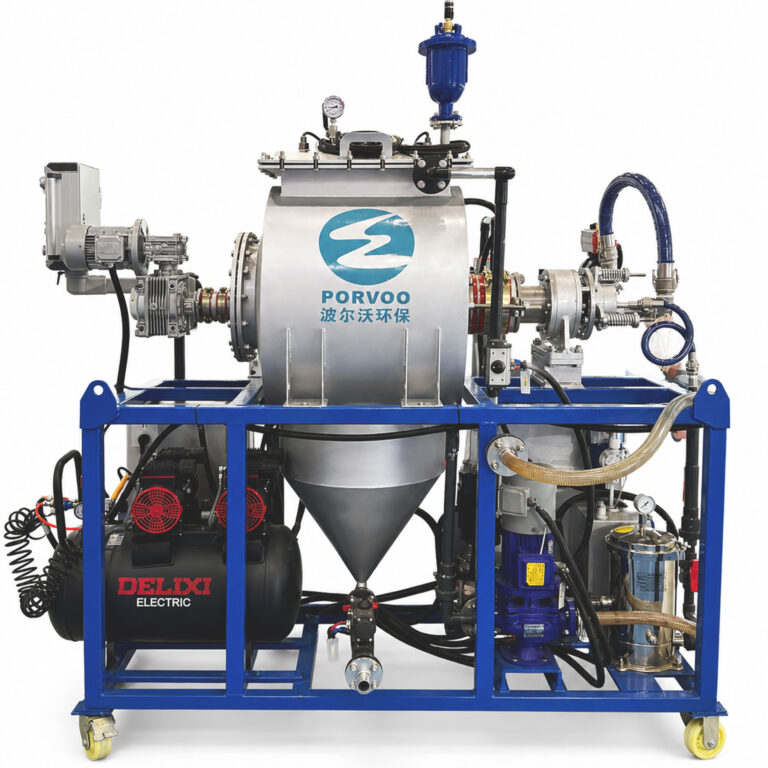
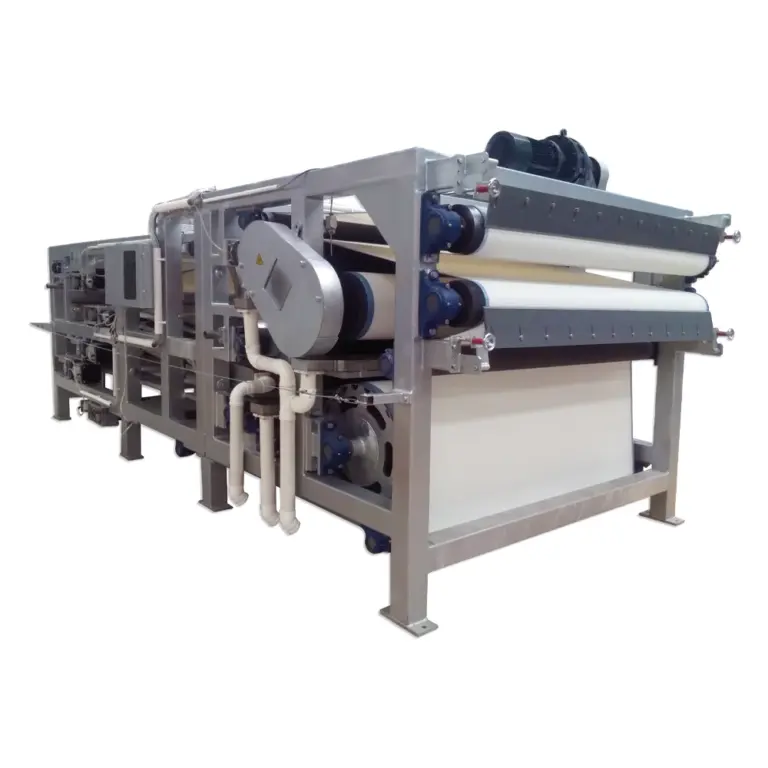
A membrane press separates a feed into cake and filtrate. Measure both outlets and confirm their destinations before describing any reduction in waste or site water use.
How is dewatering measured?
Record feed solids, capture and cake dry solids through a complete cycle. If reporting moisture, state the wet-basis method and test conditions.
Which industry examples are transferable?
Use only examples with identified material, configuration and acceptance conditions. Trial the plant’s feed where those differ.
What environmental changes can be verified?
Weigh material hauled and measure accepted reuse at its receiving point. Include treatment rejects, cleaning water, utilities and any further treatment.
How should another method be compared?
Use the same slurry and cake and filtrate targets, including full cycles and auxiliary equipment. Compare actual residual handling routes.
What maintenance affects the result?
Track cloth, membrane and seal condition, pressure and release. Recheck outputs after service and record complete cycle and utilities.
How can the process be improved?
Change one setting at a time on representative feed and compare accepted outputs. Confirm that a drier cake does not shift more solids or work to another stage.
What should a new feature demonstrate?
Ask which configuration is actually offered and test it against the measured limitation. Retain unsuccessful or interrupted runs in the record.
When can waste reduction be stated?
State the material balance, period, accepted reuse and actual disposal. Report remaining cake, reject and service waste within the same boundary.