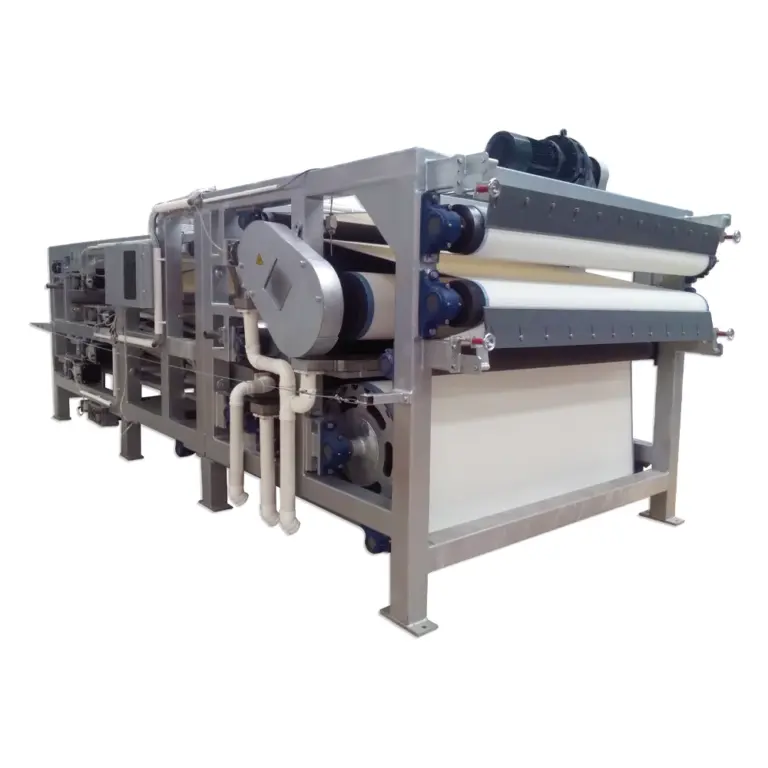
In the realm of industrial processes, filtration plays a crucial role in maintaining efficiency, product quality, and environmental compliance. Among the various filtration methods available, belt press filtration has emerged as a powerful solution for solid-liquid separation in numerous industries. This article delves into the intricacies of optimizing industrial filtration processes, with a particular focus on belt press technology.
Industrial filtration processes are essential for removing impurities, separating components, and ensuring the quality of products across a wide range of sectors. From wastewater treatment to food and beverage production, effective filtration is the backbone of many manufacturing and processing operations. The belt press, a continuous dewatering device, has gained popularity due to its ability to handle high volumes of slurry and produce drier solids than many alternative methods.
As we explore the world of belt press filtration, we'll uncover the key factors that influence its performance, the industries that benefit most from this technology, and the latest innovations driving its evolution. By understanding the principles behind belt press operation and the strategies for optimization, industrial operators can significantly enhance their filtration processes, leading to improved product quality, reduced waste, and increased operational efficiency.
"Belt press filtration is revolutionizing industrial dewatering processes, offering a continuous and efficient method for solid-liquid separation that outperforms many traditional techniques."
How does a belt press work in industrial filtration processes?
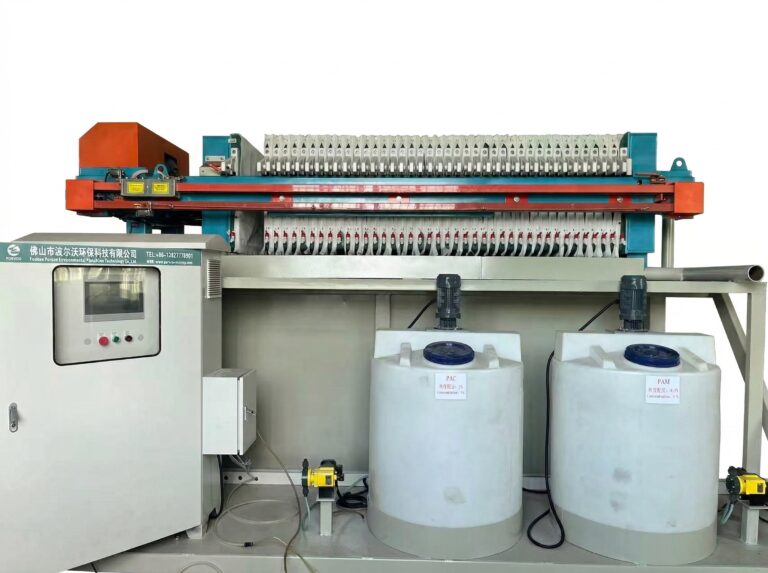
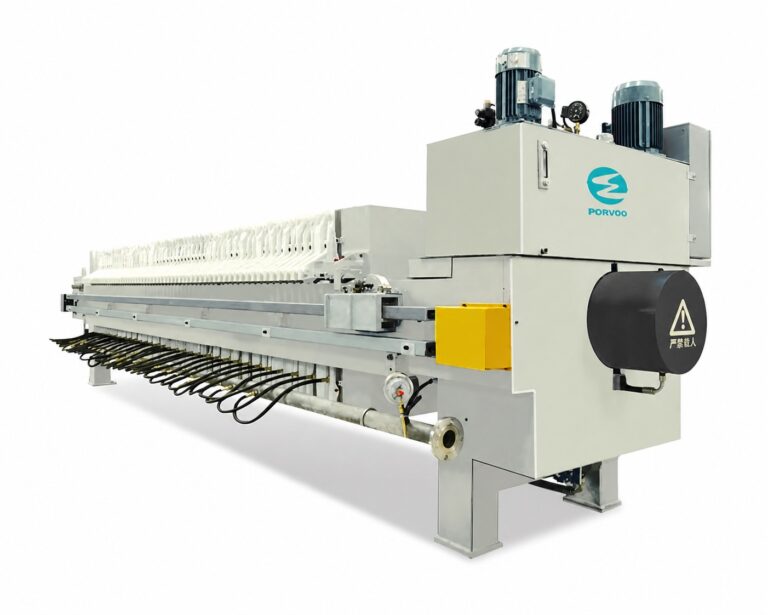
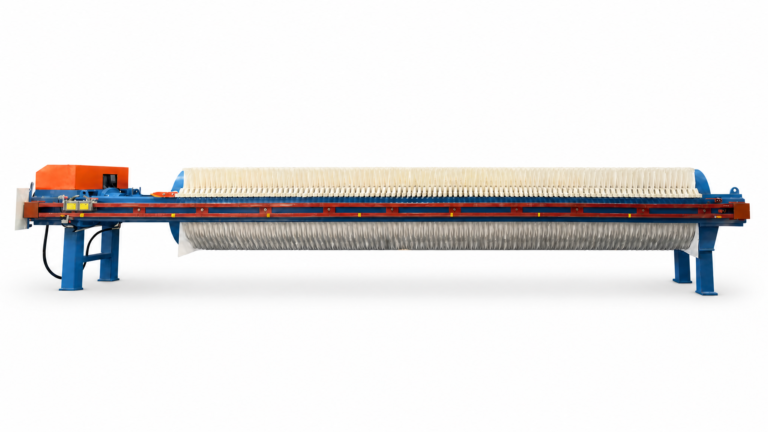
At the heart of belt press technology lies a simple yet ingenious concept. The belt press utilizes two continuous belts that compress the feed material, squeezing out liquid while retaining solids. This process begins with the gravity drainage zone, where free water is removed from the slurry as it travels along a porous belt.
As the material progresses through the press, it encounters increasing pressure applied by the belts. This pressure gradient is carefully controlled to optimize dewatering without compromising the integrity of the solids. The result is a continuous stream of dewatered material that can be easily collected and processed further.
The efficiency of a belt press is largely dependent on factors such as belt speed, pressure applied, and the characteristics of the feed material. By fine-tuning these parameters, operators can achieve optimal results for their specific application.
"The belt press's ability to handle a wide range of feed materials and produce consistently dry solids makes it an invaluable tool in industrial filtration processes."
| Belt Press Component | Function |
|---|---|
| Gravity Drainage Zone | Initial free water removal |
| Wedge Zone | Gradual pressure increase |
| High-Pressure Zone | Maximum dewatering |
| Discharge End | Collection of dewatered solids |
What industries benefit most from belt press filtration?
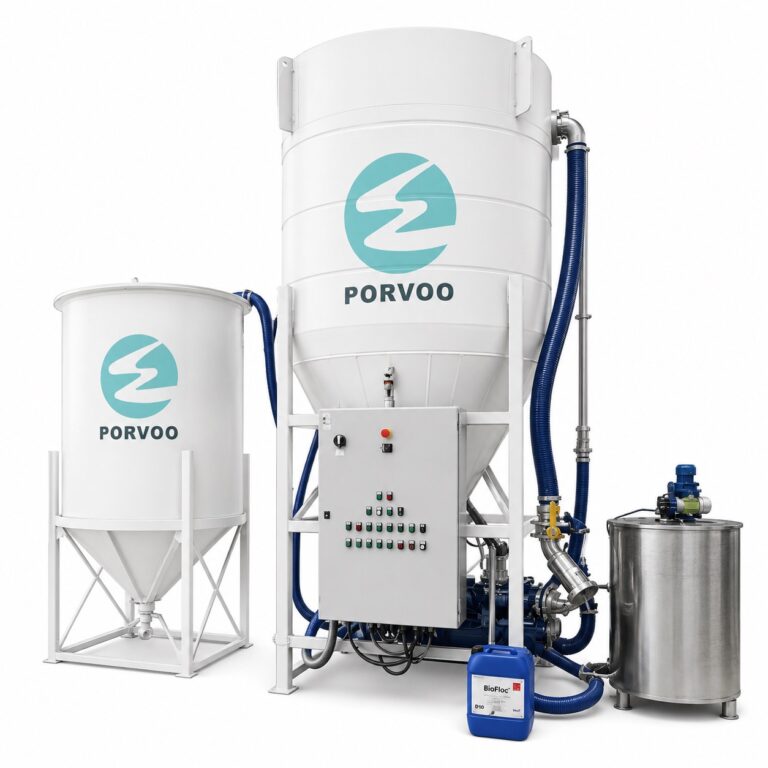
Belt press filtration has found applications across a diverse range of industries, each benefiting from its unique capabilities. In the wastewater treatment sector, PORVOO belt presses are instrumental in dewatering sludge, reducing disposal costs, and improving environmental compliance. The food and beverage industry relies on belt presses for separating solids from process streams, ensuring product quality and resource recovery.
Mining operations utilize belt presses to dewater mineral slurries, facilitating easier handling and transportation of valuable materials. In the paper and pulp industry, these devices play a crucial role in recovering fibers and chemicals from process streams, contributing to both economic and environmental sustainability.
The versatility of belt press technology extends to chemical processing, where it aids in the separation of precipitates and the recovery of valuable compounds. Agricultural applications include the dewatering of animal manure for easier disposal or use as fertilizer.
"The adaptability of belt press filtration to various industrial needs has made it an indispensable tool for improving process efficiency and product quality across multiple sectors."
| Industry | Belt Press Application |
|---|---|
| Wastewater Treatment | Sludge dewatering |
| Food & Beverage | Solid-liquid separation |
| Mining | Mineral slurry dewatering |
| Paper & Pulp | Fiber and chemical recovery |
| Chemical Processing | Precipitate separation |
What are the key factors in optimizing belt press performance?
Optimizing belt press performance is crucial for maximizing efficiency and achieving desired outcomes in industrial filtration processes. Several factors play a significant role in this optimization process, including feed characteristics, belt selection, pressure control, and maintenance practices.
The characteristics of the feed material, such as solids content and particle size distribution, greatly influence the effectiveness of the belt press. Proper preconditioning of the feed, often through the use of flocculants or coagulants, can significantly enhance dewatering efficiency.
Selecting the right belt material and design is crucial for optimal performance. Factors such as porosity, tensile strength, and chemical resistance must be considered to ensure compatibility with the feed material and process conditions.
Precise control of pressure throughout the different zones of the belt press is essential for achieving the desired level of dewatering without compromising the integrity of the solids. Advanced control systems allow for real-time adjustments based on feed variations and process requirements.
"The synergy between feed preparation, equipment selection, and process control is the key to unlocking the full potential of belt press filtration in industrial applications."
| Optimization Factor | Impact on Performance |
|---|---|
| Feed Preconditioning | Enhances dewatering efficiency |
| Belt Selection | Ensures compatibility and longevity |
| Pressure Control | Optimizes solid-liquid separation |
| Maintenance Practices | Prolongs equipment life and consistency |
How can automation improve belt press filtration efficiency?
In the era of Industry 4.0, automation has become a game-changer in optimizing industrial filtration processes, particularly in belt press operations. By integrating advanced sensors, control systems, and data analytics, automation can significantly enhance the efficiency and reliability of belt press filtration.
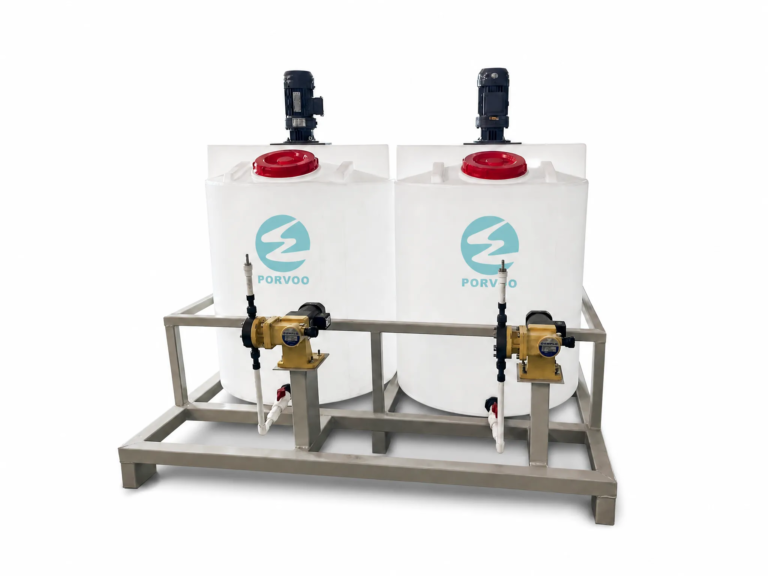
Real-time monitoring of key parameters such as feed consistency, belt speed, and pressure allows for immediate adjustments to maintain optimal performance. Automated dosing systems for flocculants and coagulants ensure consistent feed preparation, leading to more predictable and efficient dewatering results.
Predictive maintenance algorithms can analyze operational data to forecast potential issues before they lead to downtime. This proactive approach not only minimizes unexpected interruptions but also extends the lifespan of the equipment.
"Automation in belt press filtration is not just about reducing manual intervention; it's about creating a smarter, more responsive system that adapts to changing conditions in real-time."
| Automation Feature | Benefit |
|---|---|
| Real-time Monitoring | Immediate process optimization |
| Automated Dosing | Consistent feed preparation |
| Predictive Maintenance | Reduced downtime and extended equipment life |
| Data Analytics | Improved decision-making and process refinement |
What are the latest innovations in belt press technology?
The field of belt press filtration is constantly evolving, with new innovations aimed at improving efficiency, reducing energy consumption, and expanding the range of applications. One significant development is the introduction of multi-layer belt designs that enhance dewatering capacity while maintaining a compact footprint.
Advanced materials science has led to the creation of belts with superior durability and filtration properties. These new materials offer improved chemical resistance, longer lifespans, and better solid-liquid separation performance across a wider range of feed characteristics.
Energy-efficient drive systems and regenerative braking technologies are being incorporated into modern belt presses, reducing power consumption and operational costs. Additionally, modular designs are gaining popularity, allowing for easier customization and scalability to meet specific industrial needs.
"The ongoing innovation in belt press technology is pushing the boundaries of what's possible in industrial filtration, opening up new opportunities for process improvement and sustainability."
| Innovation | Impact |
|---|---|
| Multi-layer Belts | Enhanced dewatering capacity |
| Advanced Materials | Improved durability and performance |
| Energy-efficient Systems | Reduced operational costs |
| Modular Designs | Greater flexibility and scalability |
How does belt press filtration compare to other dewatering methods?
When evaluating industrial filtration processes, it's essential to consider how belt press technology stacks up against alternative dewatering methods. Compared to centrifuges, belt presses generally have lower energy requirements and can handle a wider range of feed consistencies. They also tend to produce drier solids than many other continuous dewatering devices.
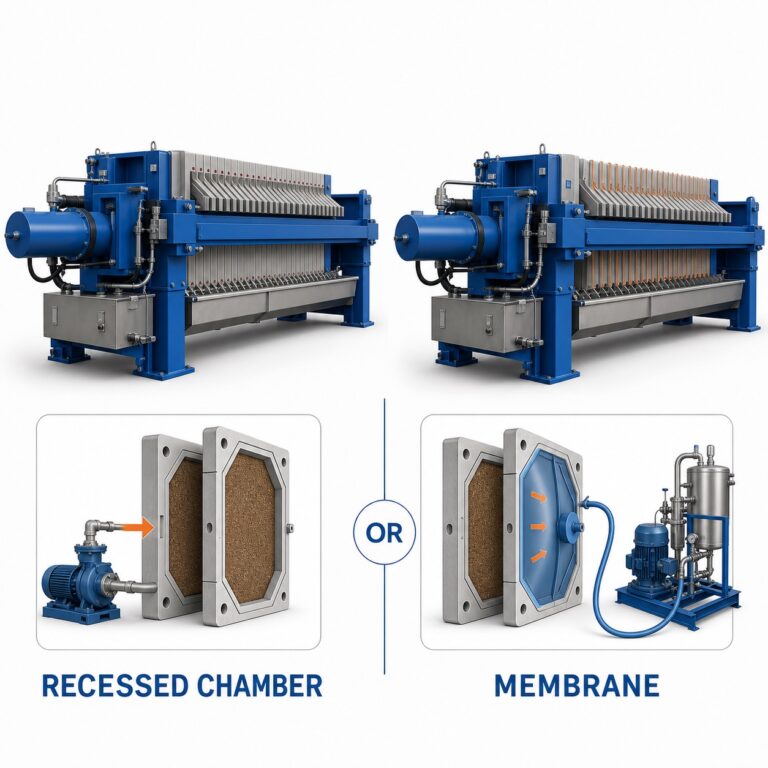
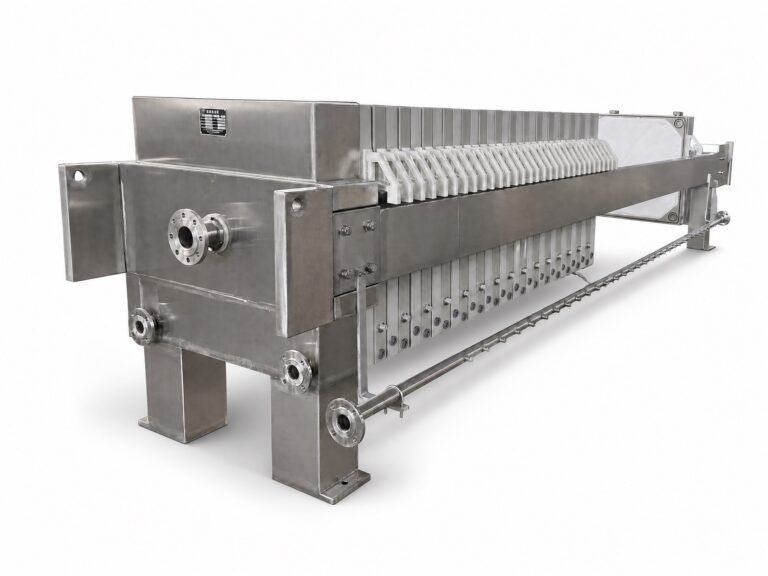
In contrast to filter presses, belt presses offer continuous operation, which can be advantageous for high-volume applications. However, filter presses may achieve slightly higher solids content in some cases. Screw presses, another alternative, are often more compact but may not match the throughput capabilities of a belt press for certain materials.
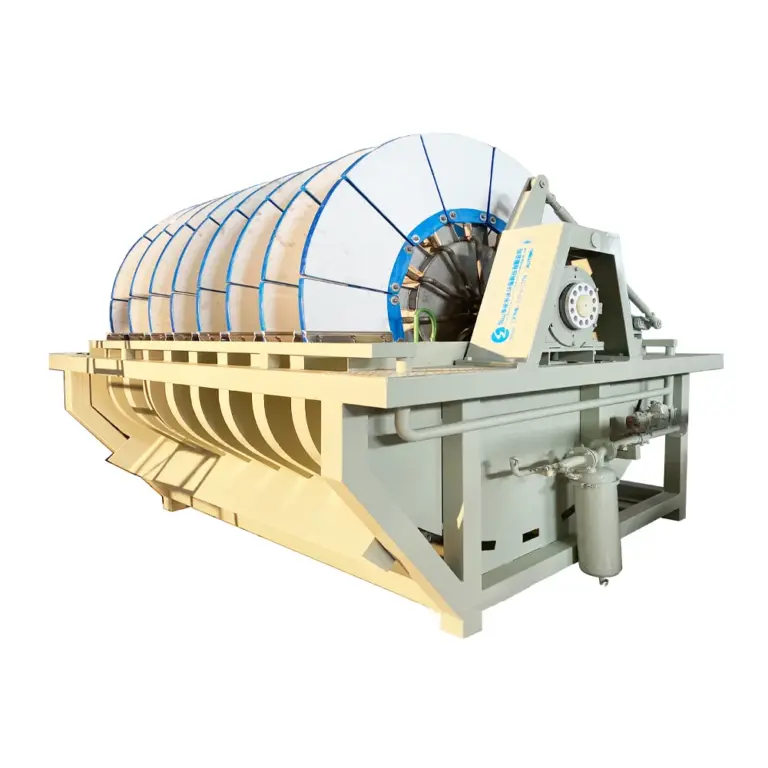
Vacuum filters can be effective for some applications but typically consume more energy and may struggle with materials that form an impermeable cake. Belt presses, with their gradual pressure increase, can often handle such materials more effectively.
"The versatility and efficiency of belt press filtration make it a compelling choice for many industrial applications, though the optimal dewatering method ultimately depends on specific process requirements and material characteristics."
| Dewatering Method | Advantages | Limitations |
|---|---|---|
| Belt Press | Continuous operation, versatile | Moderate cake dryness |
| Centrifuge | High-speed separation | Higher energy consumption |
| Filter Press | High solids content | Batch operation |
| Screw Press | Compact design | Limited throughput |
| Vacuum Filter | Effective for certain materials | Higher energy use |
What are the environmental benefits of optimizing belt press filtration?
Optimizing belt press filtration in industrial processes can yield significant environmental benefits, aligning with the growing emphasis on sustainability in manufacturing and waste management. By improving the efficiency of solid-liquid separation, belt presses help reduce the volume of waste that needs to be transported and disposed of, thereby decreasing the carbon footprint associated with these activities.
In wastewater treatment applications, optimized belt press operation leads to drier sludge, which not only reduces disposal costs but also opens up opportunities for beneficial reuse, such as in agriculture or energy production. This approach supports the circular economy concept by transforming waste into valuable resources.
The reduced energy consumption of modern belt presses, compared to some alternative dewatering methods, contributes to lower greenhouse gas emissions. Additionally, the ability to recover and reuse process water through efficient filtration helps conserve this precious resource, particularly important in water-stressed regions.
"Optimized belt press filtration is not just a matter of operational efficiency; it's a key component in the broader strategy for environmental sustainability in industrial processes."
| Environmental Benefit | Impact |
|---|---|
| Reduced Waste Volume | Lower transportation and disposal emissions |
| Resource Recovery | Support for circular economy initiatives |
| Energy Efficiency | Decreased greenhouse gas emissions |
| Water Conservation | Reduced strain on water resources |
In conclusion, optimizing industrial filtration processes through the use of belt press technology offers a multitude of benefits across various industries. From improved operational efficiency and product quality to significant environmental advantages, belt presses have proven to be a versatile and effective solution for solid-liquid separation challenges.
As we've explored, the key to maximizing the potential of belt press filtration lies in understanding the fundamental principles of its operation, leveraging automation and innovative technologies, and carefully considering the specific requirements of each application. By doing so, industrial operators can achieve superior dewatering results, reduce operational costs, and contribute to more sustainable manufacturing practices.
The continuous evolution of belt press technology, driven by ongoing research and development, promises even greater capabilities in the future. As industries increasingly focus on efficiency, sustainability, and resource recovery, the role of advanced filtration processes like those offered by belt presses will only grow in importance.
By embracing these technologies and optimizing their implementation, businesses can not only improve their bottom line but also play a crucial role in advancing industrial sustainability. As we move forward, the synergy between innovative filtration solutions and responsible industrial practices will undoubtedly shape the future of manufacturing and environmental stewardship.
External Resources
Exploring Industrial Filtration Types & Applications | R.P. Fedder – This resource provides a comprehensive overview of industrial filtration, including the selection of filtration mediums, various filtration mechanisms, and the types of equipment used. It also covers applications in industries such as oil and gas, water treatment, pharmaceuticals, and food and beverage.
Process Filtration for Industrial Applications – Rosedale Products – This article focuses on the importance of filtration in various industrial applications, including machine tool manufacturing, plastic extrusion, and metalworking. It highlights the use of specific filter systems and technologies to maintain process efficiency and product quality.
Industrial Filtration Process: Steps, Importance, and Uses | R.P. Fedder – This resource details the steps involved in the industrial filtration process, its importance, and its various uses across different industries. It covers types of filters such as EMI/RFI filters, electronic filters, and fluid filters, and discusses factors to consider when choosing an industrial filtration system.
Common Industrial Uses of Filtration – Perforated Tubes, Inc. – This article outlines the common uses of industrial filtration, including protecting equipment, purification, safety, product isolation, and efficiency. It emphasizes the role of filtration in maintaining industrial operations and compliance with safety standards.
Exploring Filtration: Types, Uses, & Industry Applications – Saifilter – This resource explores different types of filtration such as gravity, pressure, vacuum, centrifugal, and membrane filtration. It discusses the advantages and disadvantages of each method and their applications in industries like water treatment, oil and gas, and pharmaceuticals.
Industrial Filtration Systems and Solutions – This page from Eaton provides information on industrial filtration systems, including filter housings, cartridges, and bags. It covers applications in various industries and highlights the importance of proper filtration for equipment protection and process efficiency.
Industrial Filtration Applications – This resource from 3M details the various applications of industrial filtration, including air and gas filtration, liquid filtration, and water treatment. It also discusses the different types of filters and their uses in maintaining industrial hygiene and product quality.
Industrial Filtration Solutions – This page from Parker Hannifin offers insights into industrial filtration solutions, including hydraulic filters, air filters, and water filters. It emphasizes the importance of filtration in maintaining the performance and longevity of industrial equipment and systems.