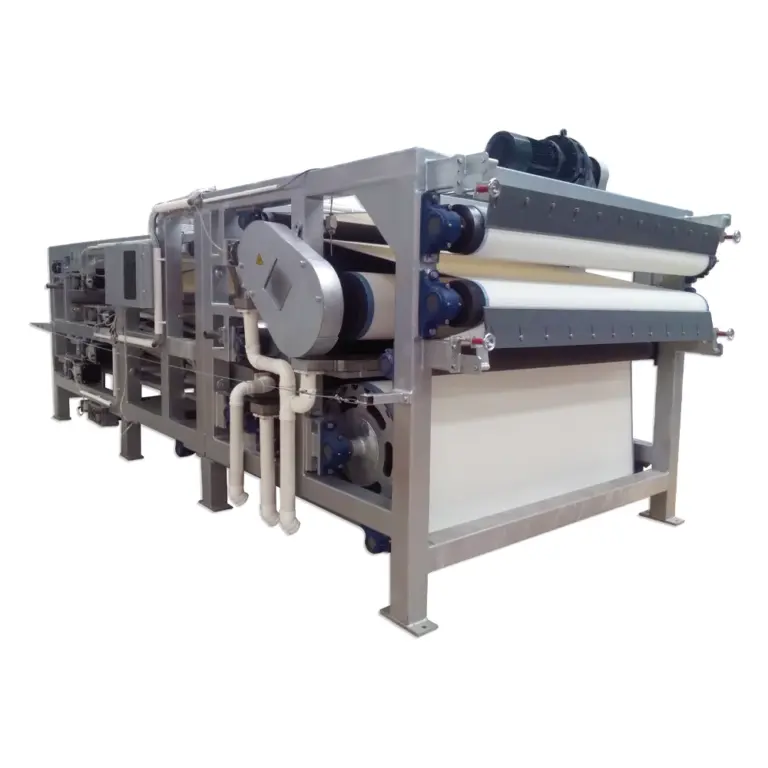
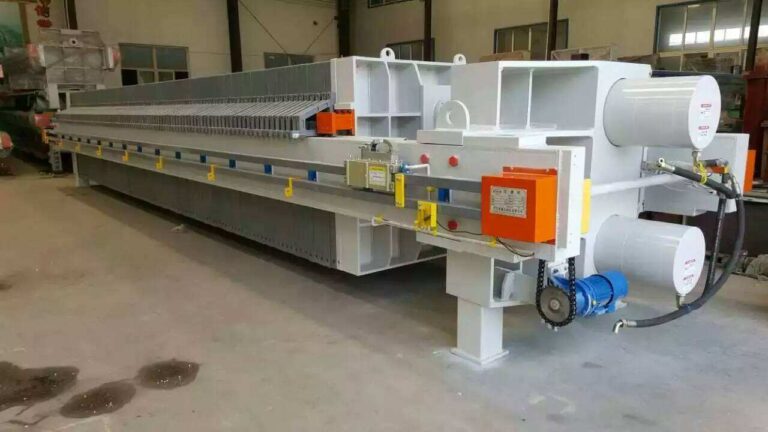
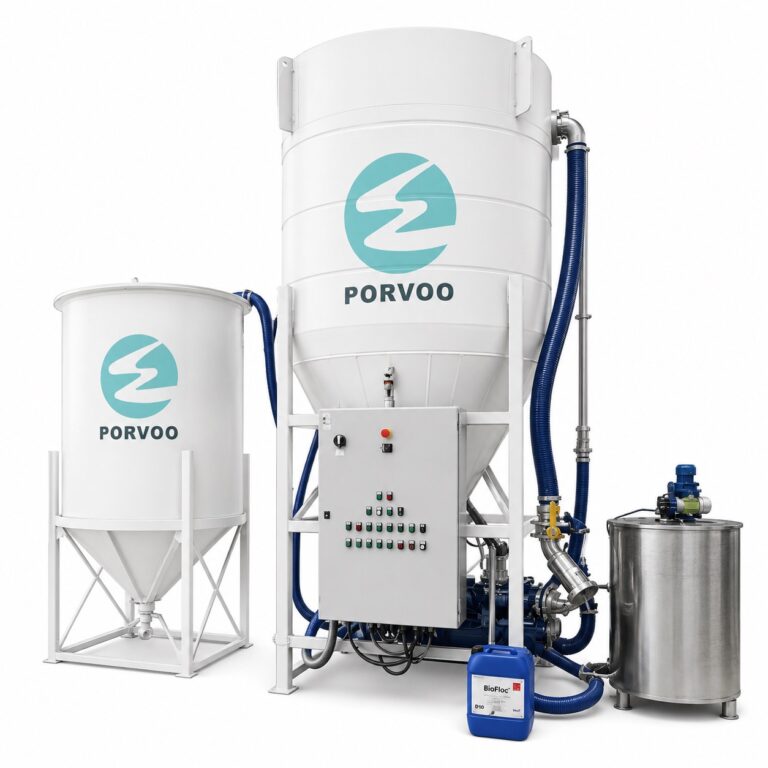
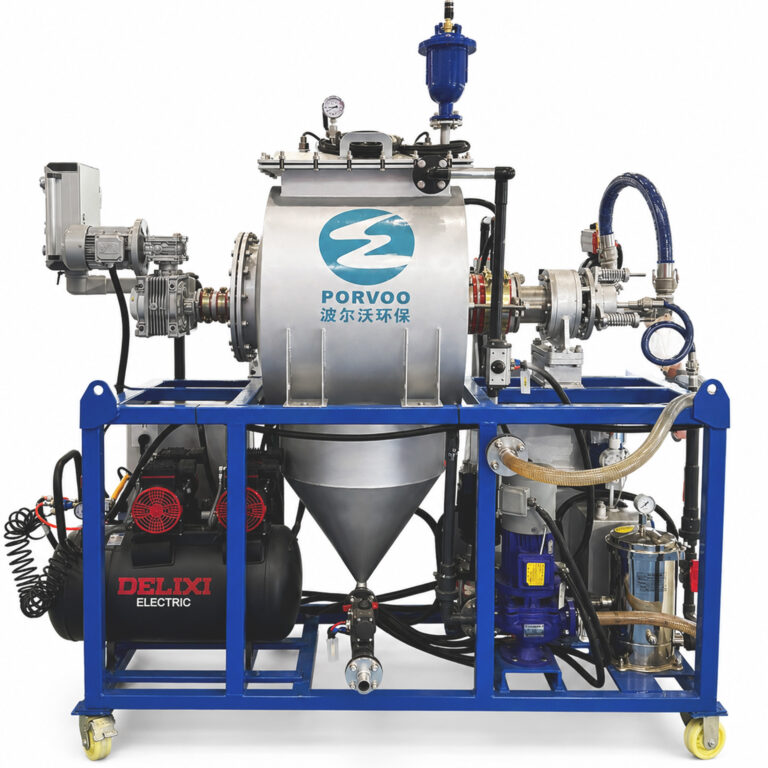
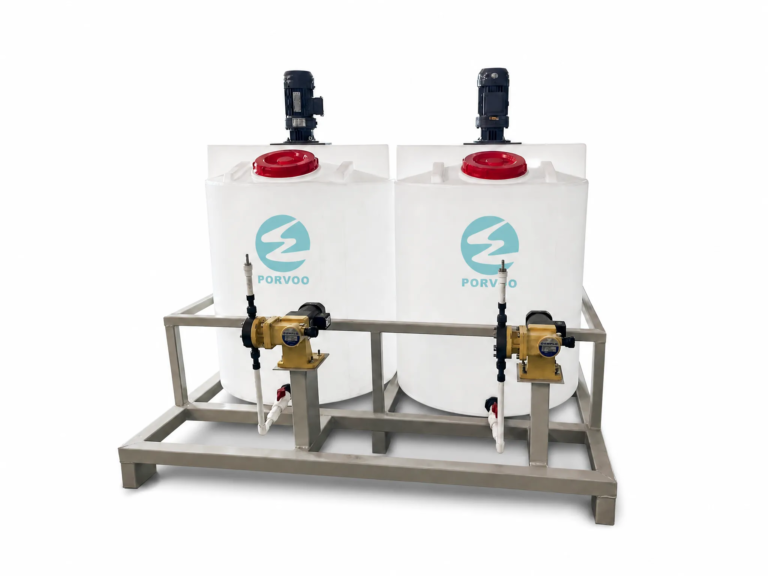
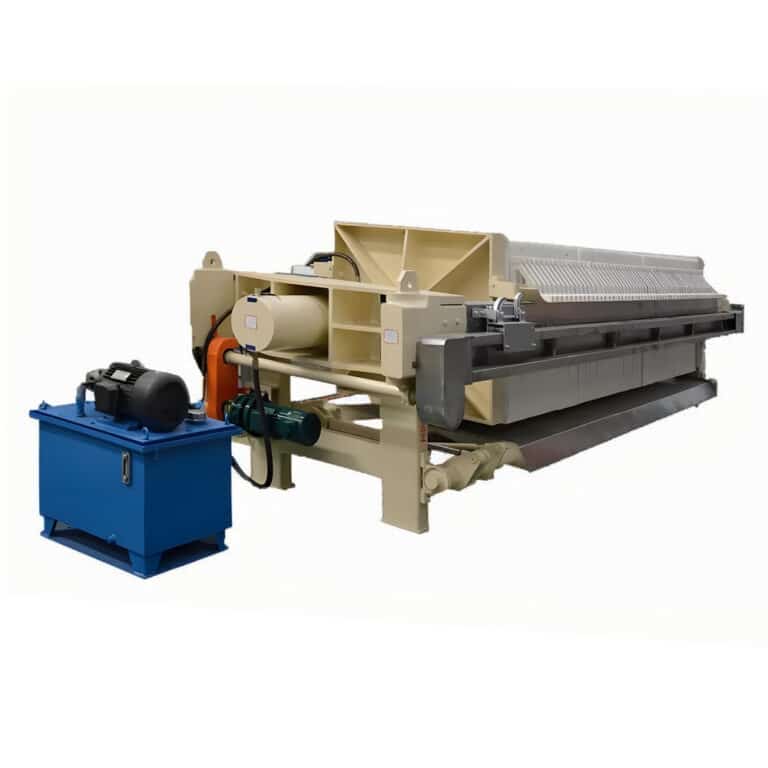
Plants often specify a dewatering system for glaze wastewater—coagulation and filter pressing being the common default—and only discover after commissioning that the cake cannot be returned to the slip circuit because the coagulant has shifted the glaze chemistry. The reverse mistake is less visible but equally costly: a membrane concentration system installed to recover reusable glaze concentrate that quietly changes ionic speciation as concentration factors rise, slowly undermining casting performance. In both cases, the procurement decision was made before the plant defined what it actually needed from the separated material. The practical judgment required before any equipment is specified is simple to state and difficult to enforce: decide first whether the target product is a reusable liquid concentrate, clarified water for process reuse, or a disposable solid, then work backward to the technology.
Define whether the target is concentrate or cake
The most expensive selection error in glaze wastewater treatment is not choosing the wrong membrane or the wrong press—it is choosing a technology that produces the wrong physical form. A plant that needs a liquid glaze concentrate to return to formulation cannot recover that value from a filter cake, regardless of how well the press performs. A plant that needs a handleable solid for off-site disposal does not benefit from a membrane system sized to preserve glaze chemistry in the retentate.
Before touching equipment specifications, confirm which of the three possible recovery goals actually applies to your operation.
| Recovery Goal | Preferred Technology | Why It Matters |
|---|---|---|
| Reusable liquid glaze concentrate | Membrane concentration | Delivers a controlled concentrate without chemical additives that could alter glaze chemistry |
| Clarified water for process reuse | Membrane (permeate side) | Produces high-quality permeate; concentrate still needs a use or discharge path |
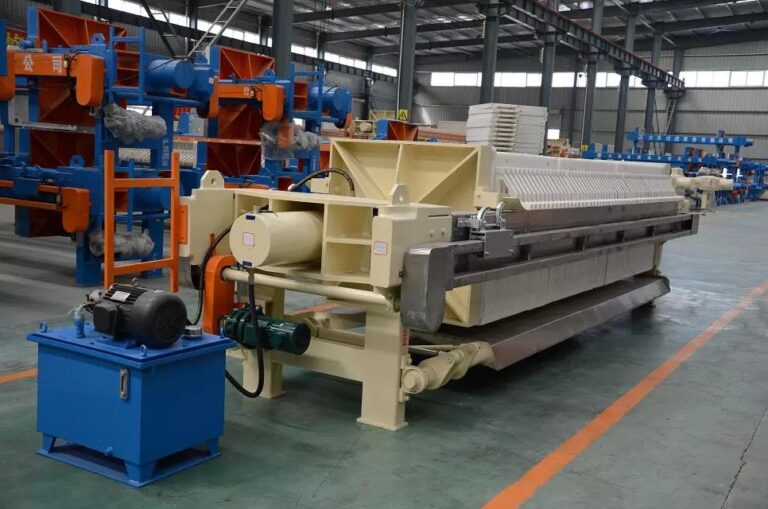
| Disposable solid cake | Coagulation + filter press | Produces a handleable cake suitable for landfill or external disposal, though additives may limit reuse value |
The mapping in this table should be treated as a planning framework, not a universal rule. Whether membrane concentration can genuinely deliver a reusable glaze concentrate without chemically altering it depends on site-specific glaze formulation, the solids loading in the wastewater stream, and what concentration factor the retentate must reach before it is useful. Similarly, coagulation and pressing can produce a disposable solid efficiently, but whether that cake meets external disposal acceptance criteria—particularly leachability—must be confirmed before the route is locked. The critical point is that all three goals imply different success criteria, different downstream handling infrastructure, and different definitions of what “working” means when you commission the system.
The recovery goal defines the success criterion; equipment type only determines whether that criterion is achievable.
A common drift in procurement is that the stated goal is reusable concentrate, but the process actually designed is a clarification system sized around hydraulic throughput. The permeate quality gets specified carefully; the concentrate stability, concentration factor, and re-entry path into slip formulation get deferred. That deferral shows up at startup when the concentrate either cannot be used at the concentration it reaches or requires dilution and pH correction before it re-enters the circuit—erasing much of the recovery value that justified the membrane investment.
Compare membrane fouling with chemical sludge burden
The operational cost of either route does not live in the capital equipment—it lives in the daily maintenance burden that each technology generates. These burdens are structurally different and they favour different plant capabilities.
Membrane concentration moves the treatment burden onto fouling management and cleaning cycles. Coagulation and filter pressing move it onto chemical dosing consistency and mechanical media condition. Neither is inherently easier; they require different skills, different consumables, and different failure modes in operation.
| Operational Factor | Membrane Concentration | Coagulation & Filter Pressing |
|---|---|---|
| Primary burden | Membrane fouling and cleaning cycles | Chemical sludge volume and cloth blinding |
| Cleaning/maintenance discipline | Scheduled chemical cleaning (CIP) and integrity checks | Cloth washing, replacement, and sludge handling routines |
| Chemical consumption | Cleaning chemicals (acids, alkalis, antiscalants) | Coagulant, flocculant, and conditioning chemicals |
| Waste stream generated | Concentrated cleaning waste and membrane reject | Sludge cake and spent filter media |
| Consumable replacement | Membrane modules (periodic) | Filter cloths and plates (wear-dependent) |
The fouling risk on the membrane side is shaped by glaze wastewater composition. Fine ceramic particles, colloidal silica, and organic binders from slip additives all contribute to membrane fouling at rates that vary considerably between glaze types and production schedules. CIP frequency is not a fixed parameter—it is a response to actual trans-membrane pressure trends, and in practice it may need to be adjusted during seasonal changes in raw material or changes in glaze recipe. Plants that treat the CIP schedule as fixed after commissioning often allow fouling to accumulate beyond the recoverable range, shortening membrane service life.
On the coagulation and pressing side, the sludge volume generated is larger than the original settled solids because coagulant precipitates add mass to the cake. That volume increase has a direct effect on cake handling frequency, press cycle time, and off-site disposal cost. Cloth blinding in filter presses treating ceramic slurries is a real operating problem—fine particles load cloth pores unevenly and can cause press throughput to drop significantly before the maintenance team identifies cloth condition as the cause. Plants without a structured cloth inspection routine often attribute throughput loss to dosing problems and chase the wrong variable.
Check additive effects on recovered glaze value
This is the section that procurement teams most often skip, and the one that creates the most expensive rework.
If the recovered material—whether cake or concentrate—has any intended reuse path, the chemistry of any additive introduced during treatment must be evaluated against that reuse application before the treatment route is finalised. There is no generalised compatibility table that clears coagulants and flocculants for use in ceramic glaze circuits. That compatibility must be established through targeted trials against the specific glaze formulation.
The risk on the coagulation side is concrete: common inorganic coagulants introduce aluminium, iron, or calcium ions into the separated solid. In glaze formulations, even small changes in aluminium or iron loading can affect fired colour, surface texture, and thermal expansion. A cake that looks like recovered glaze material may produce fired ware with colour drift or surface defects that only appear after firing—too late to reverse. Before adopting any coagulant, the candidate chemistry should be tested against glaze rheology in the unfired state and fired surface quality in the finished product. This is not a precautionary exercise; it is a baseline process validation step.
Additive compatibility with the target glaze formulation must be confirmed before treatment chemistry is finalised, not after pilot commissioning.
The membrane route has a different but less obvious risk. Membrane concentration does not introduce foreign ions, which is its principal process advantage for glaze recovery. However, as the concentration factor rises, the ionic balance in the retentate changes relative to the original slip. Species that were present in low concentration in the wastewater become concentrated alongside the target solids. Whether that shift affects casting performance or fired properties depends on the glaze system and on what ionic species were present in the wastewater to begin with. This is not a reason to dismiss membrane concentration, but it is a reason to validate retentate chemistry at the target concentration factor before assuming the concentrate drops cleanly back into the slip circuit.
Match equipment choice to final solids route
The final solids route is the decision that most tightly constrains equipment feasibility—more than flow rate, more than suspended solids concentration, and often more than budget. A system that produces the right physical output but an output that cannot be accepted by the next step in the plant’s material circuit has failed regardless of its hydraulic performance.
Confirm the final solids destination before locking the equipment configuration.
| Final Solids Route | Preferred Equipment Configuration | Key Check Before Selection |
|---|---|---|
| Liquid concentrate returned to glaze formulation | Membrane concentration | Glaze chemistry and concentrate stability are preserved |
| Dewatered cake sent to off-site disposal | Coagulation + filter press | Disposal acceptance criteria and leachability |
| Cake recycled as ceramic body raw material | Coagulation + filter press (controlled additives) | Additive chemistry does not harm body performance |
| Clarified water + residual solids | Possible hybrid (membrane + filter press) | Overall recovery value and handling costs justify the extra equipment |
Several of these routes carry validation requirements that must be completed before the equipment selection is meaningful. For liquid concentrate returned to glaze formulation, stability testing of the concentrated retentate is necessary—concentrated glaze slurries can gel, settle unevenly, or develop changed rheology compared to the original slip, and those changes must be characterised before the recovery loop is designed. For cake sent to off-site disposal, leachability must be confirmed against the disposal site’s acceptance criteria; cake with high heavy-metal loading from certain pigmented glazes may not meet standard landfill thresholds.
For cake recycled as ceramic body raw material, the process data supporting this route is limited. It represents a potential opportunity in operations where body formulation can tolerate the chemical variability of recovered glaze solids, but it should be approached as a pilot trial, not assumed as a standard practice. The additive chemistry introduced during coagulation and pressing must be specifically evaluated against body performance before this route is committed to in the process design.
The hybrid configuration—membrane filtration combined with filter pressing of the concentrate—only makes technical sense if the recovery value of the clarified water and the recovered solids together justifies the capital and operating complexity of running both systems. That justification should be quantified before the hybrid is specified, not assumed on the basis that more equipment recovers more value.
Include cleaning dosing and cloth workload
Operational workload is where the two routes diverge most in terms of what the plant’s maintenance team actually does each day. Both systems require sustained attention; neither can run without structured maintenance discipline. The type of attention required is different enough that it should be assessed against the plant’s existing skill base before equipment is selected.
The workload breakdown across both routes maps onto distinct labour focuses.
| Workload Element | Membrane Concentration | Filter Press Route |
|---|---|---|
| Routine cleaning | Regular membrane CIP cycles; downtime for cleaning | Cloth washing and cake discharge cycles; potential blinding |
| Chemical dosing tasks | Preparing and dosing cleaning chemicals | Preparing and dosing coagulant/flocculant |
| Cloth/filter media changes | Membrane replacement at long intervals | Filter cloth replacement based on wear and blinding |
| Labour focus | Monitoring trans-membrane pressure and cleaning frequency | Sludge handling, cloth condition, and press mechanical checks |
Membrane CIP frequency is driven by actual TMP trends, not by a fixed calendar; a plant without consistent TMP monitoring will lose control of cleaning timing.
For membrane systems treating glaze wastewater, the practical CIP discipline involves monitoring trans-membrane pressure as the primary indicator of fouling load, preparing and dosing cleaning chemicals correctly (acid wash, alkali wash, and antiscalant management have different sequencing requirements depending on the fouling type), and performing integrity checks at intervals to catch early membrane damage before it compromises permeate quality or concentrate purity. The chemical preparation step is often underestimated in staffing plans—cleaning chemical mismanagement is one of the more common causes of premature membrane degradation in industrial installations.
For the coagulation and filter press route, the key workload risk is cloth condition management. Operators in ceramic wastewater applications frequently allow cloth blinding to progress further than is operationally acceptable because the performance decline is gradual and gets attributed to other causes. A structured cloth inspection and washing schedule, with defined replacement triggers, prevents the cumulative throughput loss that builds quietly over a press campaign. Coagulant and flocculant dosing also requires consistency; under-dosing produces soft, poorly dewatered cakes that increase press cycle time and raise handling difficulty, while over-dosing adds unnecessary chemical mass to the cake and increases sludge volume without improving separation.
Select after recovery value is quantified
Equipment selection should be the last step in this process, not the first. The sequence that avoids capital and operational regret runs: define recovery goal → confirm final solids route → validate additive compatibility → quantify net recovery value → select equipment. Most procurement processes run that sequence in reverse, beginning with equipment comparison and treating the recovery questions as secondary.
The net recovery value calculation must include all four components to be decision-relevant: the market value of recovered glaze material or water at the concentration and quality actually achievable; the avoided cost of raw material purchase or freshwater intake that the recovered material displaces; the disposal cost of whatever solid or waste stream the treatment system generates; and the operating cost of the treatment system itself, including chemicals, consumables, energy, and labour. Framing the decision on capital cost alone systematically undervalues membrane systems, which carry higher membrane replacement cost but may avoid disposal liability and raw material cost that the coagulation-and-pressing route incurs.
The decision also changes materially depending on production variability. A plant running a narrow range of glaze formulations with stable solids loading in the wastewater stream is a reasonable candidate for membrane concentration, because fouling behaviour will be more predictable and concentrate chemistry more consistent. A plant with high recipe variability, frequent colour changes, and wastewater composition that shifts substantially between campaigns may find that membrane fouling behaviour becomes difficult to manage without either over-engineering the CIP system or accepting variable concentrate quality. In that operating context, coagulation and pressing may be operationally more robust even if it traps glaze value in the cake.
The technology that performs better on paper under stable conditions may not perform better in the actual operating variability of the plant.
Neither route should be selected on the basis of generic industry comparisons. The viable option is the one whose operational burden the plant can actually sustain, whose output the plant can actually use or dispose of, and whose net recovery value—calculated against the plant’s actual production data—is positive over a realistic operating horizon.
Before specifying equipment, the decision sequence requires three things to be confirmed in writing: what the recovered product actually needs to be (liquid concentrate at a defined concentration factor, clarified water for reuse, or dewatered solid); what the acceptable additive chemistry is given the glaze formulation and the intended solids route; and what the quantified net recovery value is for each candidate route based on the plant’s own production volumes and disposal or raw material costs. None of these can be delegated to the equipment supplier to define during quotation.
If those three questions are unanswered, equipment selection is premature. Commissioning a system against undefined success criteria produces either a plant that runs and doesn’t recover the expected value, or a plant that doesn’t run in the way it was specified and requires process modifications after installation. Both outcomes are more expensive than extending the front-end definition phase before procurement is locked.
Frequently Asked Questions
Q: Our plant hasn’t defined whether we need recovered concentrate, clarified water, or a disposable cake. How do we determine that before looking at equipment?
A: Begin by mapping where the glaze wastewater is generated and what the plant can realistically reuse. If the slip formulation can accept a liquid concentrate without chemical interference, that points toward membrane concentration as a candidate. If no reuse path exists and off-site disposal is the only compliant route, then a dewatered cake from coagulation and pressing is the practical target. The decision depends on whether the plant can reabsorb the recovered material into its production process, not on equipment specifications.
Q: After we’ve quantified recovery value and chosen a candidate technology, what is the immediate next step?
A: Run a pilot trial with actual wastewater from your production line, not just a bench test. The pilot should validate the achievable concentration factor or cake moisture, confirm that the recovered material performs acceptably in the slip or disposal route, and generate real fouling or sludge volume data under site conditions. This verifies your planning assumptions before you commit to full-scale equipment.
Q: At what scale of operation does membrane concentration become uneconomical compared to a simple filter press?
A: There is no fixed volume threshold, but when daily glaze wastewater flow is below a few cubic meters and the recovery value of the concentrate is low, the capital and cleaning overhead of a membrane system rarely justify the recovered material. At that scale, filter pressing with an optimized chemical dose usually offers a simpler operational burden and a faster payback, provided the cake disposal route is compliant.
Q: Which route has a lower total cost of ownership over the equipment lifespan—membrane concentration or coagulation and filter pressing?
A: Membrane systems typically carry higher upfront capital and membrane replacement costs, but they can offset raw material purchases and reduce disposal costs if the concentrate is reused. Coagulation and pressing have lower capital and simpler consumable costs but generate larger sludge volumes that increase disposal expenses and may forfeit recoverable glaze value. The total cost difference depends entirely on the spread between recovered glaze value and disposal cost; there is no universal winner without a site-specific calculation.
Q: If our calculated net recovery value is positive but small, is the added maintenance complexity of membrane concentration still worth it?
A: Only if the plant has the operational discipline to sustain consistent CIP and TMP monitoring. Without that discipline, a small recovery gain can quickly be erased by fouling-related downtime or premature membrane replacement. In a plant with limited maintenance staff, a marginally positive net recovery value may not justify the workload, making coagulation and pressing the more robust choice even though it leaves glaze value trapped in the cake.