Liquid and powder dosing systems are becoming increasingly vital in various industries, from water treatment to chemical processing. As we approach 2025, understanding the costs associated with these systems is crucial for businesses looking to optimize their operations and maintain a competitive edge. This comprehensive guide will delve into the intricacies of liquid and powder dosing system costs, providing you with the knowledge needed to make informed decisions for your organization.
In this article, we'll explore the factors influencing dosing system costs, compare different types of systems, and examine the long-term financial implications of investing in these technologies. We'll also look at emerging trends and innovations that may impact pricing in the coming years. Whether you're a plant manager, process engineer, or business owner, this guide will equip you with the insights necessary to navigate the complex world of dosing system economics.
As we embark on this exploration of liquid and powder dosing system costs, it's important to note that the landscape is constantly evolving. Technological advancements, market demands, and regulatory changes all play a role in shaping the industry. Let's dive into the key aspects that will influence your decision-making process when it comes to investing in dosing systems.
According to industry experts, the global market for liquid and powder dosing systems is expected to grow at a CAGR of 5.8% from 2020 to 2025, reaching a value of $7.2 billion by the end of the forecast period.
What factors influence the cost of liquid and powder dosing systems?
When considering the purchase of a liquid and powder dosing system, it's essential to understand the various elements that contribute to its overall cost. These factors can significantly impact your budget and the long-term value of your investment.
Several key components determine the price of a dosing system, including the type of materials being dosed, the required accuracy, the system's capacity, and the level of automation. Additionally, factors such as integration with existing infrastructure, customization needs, and regulatory compliance can all play a role in the final cost.
Delving deeper into these factors, we find that the complexity of the system is often a major price determinant. For instance, a basic manual dosing setup for a small-scale operation will be considerably less expensive than a fully automated, high-precision system designed for a large industrial plant. The choice of materials for system components, such as corrosion-resistant alloys for aggressive chemicals, can also significantly impact costs.
A survey of industry professionals revealed that automation and precision are the two most influential factors in dosing system pricing, with 78% of respondents citing these as primary cost drivers.
| Factor | Impact on Cost | Percentage Influence |
|---|---|---|
| Automation Level | High | 35% |
| Precision Requirements | High | 30% |
| Capacity | Medium | 20% |
| Material Compatibility | Medium | 15% |
In conclusion, understanding these cost factors is crucial for making an informed decision when investing in a liquid and powder dosing system. By carefully evaluating your specific needs against these variables, you can ensure that you select a system that offers the best value for your organization.
How do different types of dosing systems compare in terms of cost?
When evaluating liquid and powder dosing systems, it's important to consider the various types available and how they stack up against each other in terms of cost. The market offers a range of options, from simple manual systems to sophisticated automated solutions, each with its own price point and set of features.
At the lower end of the spectrum, we find basic manual dosing systems, which are typically the most affordable option. These systems require more human intervention but can be suitable for small-scale operations or as backup systems. Moving up the price scale, we encounter semi-automated systems that offer a balance between cost and functionality, often incorporating some level of programmability and precision control.
At the high end, fully automated dosing systems represent the pinnacle of dosing technology. These systems, while more expensive upfront, offer unparalleled accuracy, reliability, and efficiency. They often come with advanced features such as remote monitoring, data logging, and integration with plant-wide control systems.
Industry data suggests that fully automated dosing systems can cost up to 300% more than basic manual systems, but they can reduce operational costs by up to 40% over their lifetime due to increased efficiency and reduced labor requirements.
| System Type | Relative Cost | Automation Level | Precision |
|---|---|---|---|
| Manual | Low | None | Low |
| Semi-Automated | Medium | Partial | Medium |
| Fully Automated | High | Complete | High |
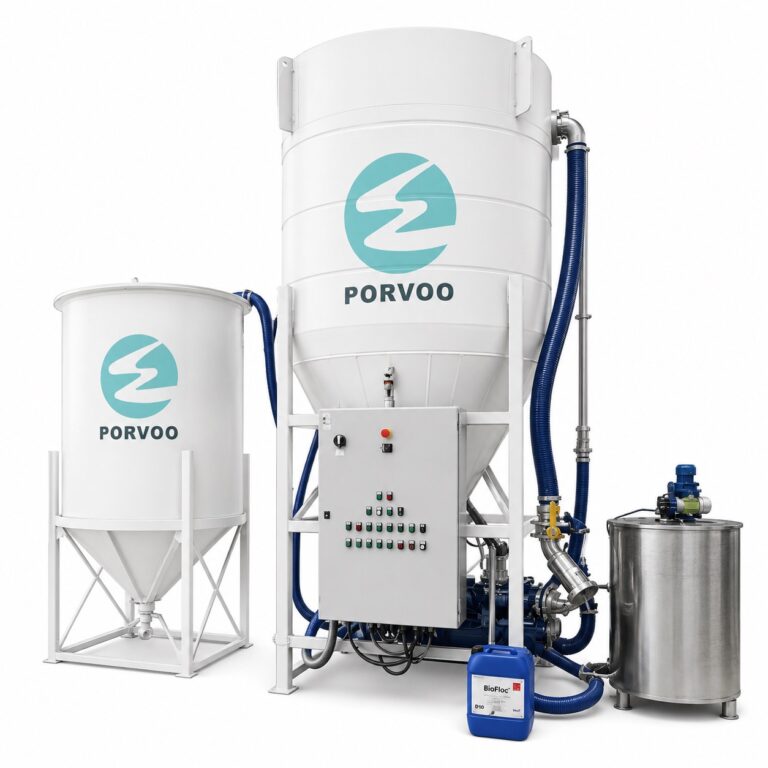
Ultimately, the choice between different types of dosing systems will depend on your specific application, budget constraints, and long-term operational goals. While automated systems may have a higher initial cost, their potential for long-term savings and improved process control can make them a wise investment for many organizations. PORVOO offers a range of dosing solutions to meet various industry needs, ensuring that you can find a system that aligns with your requirements and budget.
What are the hidden costs associated with dosing systems?
When budgeting for a liquid and powder dosing system, it's crucial to look beyond the initial purchase price and consider the hidden costs that can significantly impact the total cost of ownership. These less obvious expenses can accumulate over time and affect the overall value of your investment.
One of the primary hidden costs is maintenance. Regular upkeep is essential for ensuring the longevity and accuracy of your dosing system. This includes routine inspections, part replacements, and calibration services. Additionally, the cost of consumables, such as dosing pumps or seals that may need frequent replacement, should be factored into your long-term budget.
Another often-overlooked expense is the cost of training operators to use the system effectively. This is particularly relevant for more complex automated systems that require specialized knowledge. Energy consumption is also a consideration, especially for larger systems that operate continuously.
A comprehensive cost analysis by industry experts found that maintenance and consumables can account for up to 25% of the total cost of ownership for a dosing system over a 10-year period.
| Hidden Cost Category | Percentage of Total Cost of Ownership |
|---|---|
| Maintenance | 15% |
| Consumables | 10% |
| Training | 5% |
| Energy Consumption | 5% |
In conclusion, when evaluating the liquid and powder dosing system cost , it's essential to consider these hidden expenses. By taking a holistic view of the costs involved, you can make a more informed decision and potentially avoid unexpected financial burdens down the line. Remember that investing in a high-quality system from a reputable manufacturer like PORVOO can often lead to lower hidden costs over the system's lifetime.
How does system capacity affect pricing?
The capacity of a liquid and powder dosing system is a crucial factor that significantly influences its price. As you might expect, larger systems capable of handling higher volumes generally come with a higher price tag. However, the relationship between capacity and cost is not always linear, and understanding this can help you make a more informed decision.
Smaller dosing systems designed for low-volume applications tend to have a lower initial cost but may have a higher cost per unit of material dosed. As you move up to medium and large-scale systems, the cost per unit often decreases due to economies of scale. These larger systems typically incorporate more advanced features and automation, which contribute to their higher overall price but can lead to greater efficiency and lower operational costs in the long run.
It's important to consider your current needs as well as potential future requirements when selecting a system capacity. Opting for a system with slightly higher capacity than your immediate needs can provide room for growth and potentially save you from having to upgrade sooner than anticipated.
Industry analysts report that upgrading from a small to a medium-capacity dosing system typically results in a 50-75% increase in cost, while the jump from medium to large capacity can double or triple the price.
| System Capacity | Relative Cost | Cost per Unit Dosed |
|---|---|---|
| Small (< 100 L/hr) | Low | High |
| Medium (100-1000 L/hr) | Medium | Medium |
| Large (> 1000 L/hr) | High | Low |
In conclusion, when evaluating system capacity and its impact on pricing, it's crucial to balance your immediate budget constraints with long-term operational needs. Investing in a system with appropriate capacity can lead to improved efficiency and cost-effectiveness over time. Consider consulting with experts from PORVOO to determine the optimal capacity for your specific application and budget.
What role does automation play in dosing system costs?
Automation is a key factor in determining the cost of liquid and powder dosing systems, and its impact on pricing cannot be overstated. As industries move towards greater digitalization and Industry 4.0 practices, the level of automation in dosing systems has become a significant differentiator in terms of both functionality and cost.
At the basic level, manual dosing systems require minimal automation and are therefore less expensive upfront. However, they demand more labor and are prone to human error. As we move up the automation spectrum, we see semi-automated systems that incorporate some level of programmable logic controllers (PLCs) and sensors, offering a balance between cost and precision.
Fully automated dosing systems represent the pinnacle of technology in this field. These systems often feature advanced control algorithms, real-time monitoring, and integration with broader plant management systems. While they come with a higher initial price tag, they offer numerous benefits that can justify the investment over time.
Research indicates that while fully automated dosing systems can cost 2-3 times more than their manual counterparts, they can reduce operational costs by up to 30% and improve dosing accuracy by up to 99.9%.
| Automation Level | Initial Cost | Operational Cost | Accuracy |
|---|---|---|---|
| Manual | Low | High | Low |
| Semi-Automated | Medium | Medium | Medium |
| Fully Automated | High | Low | High |
In conclusion, the role of automation in dosing system costs is multifaceted. While it increases the initial investment, it can lead to significant savings in operational costs, improved accuracy, and enhanced productivity. When considering the level of automation for your dosing system, it's crucial to evaluate your long-term goals and the potential return on investment. PORVOO offers a range of automated dosing solutions that can be tailored to your specific needs and budget constraints.
How do regulatory requirements influence dosing system pricing?
Regulatory requirements play a significant role in shaping the design, functionality, and ultimately, the cost of liquid and powder dosing systems. As environmental and safety standards become increasingly stringent across industries, manufacturers must ensure their dosing systems comply with various regulations, which can impact the final price point.
One of the primary areas where regulations affect costs is in materials selection. Certain industries, such as pharmaceuticals or food processing, require dosing systems to be constructed from specific grades of stainless steel or other approved materials. These high-grade materials often come at a premium, driving up the overall cost of the system.
Additionally, regulatory requirements for accuracy and traceability can necessitate the inclusion of advanced monitoring and data logging capabilities. These features, while enhancing the system's compliance and performance, also contribute to higher costs. Safety features mandated by regulations, such as fail-safe mechanisms or containment systems for hazardous materials, further add to the expense.
A recent industry report revealed that compliance with regulatory standards can increase the cost of a dosing system by 15-30%, depending on the specific industry and applicable regulations.
| Regulatory Factor | Cost Impact | Benefit |
|---|---|---|
| Material Requirements | High | Improved safety and durability |
| Accuracy Standards | Medium | Enhanced process control |
| Traceability Features | Medium | Better quality assurance |
| Safety Mechanisms | High | Reduced risk of accidents |
In conclusion, while regulatory requirements can significantly impact the cost of dosing systems, they also ensure higher standards of safety, accuracy, and reliability. When budgeting for a dosing system, it's essential to consider the specific regulatory landscape of your industry and factor in these compliance-related costs. Investing in a fully compliant system from a reputable manufacturer like PORVOO can help you avoid potential legal issues and costly retrofits down the line.
What are the long-term financial benefits of investing in high-quality dosing systems?
While the initial cost of a high-quality liquid and powder dosing system can be substantial, it's crucial to consider the long-term financial benefits that such an investment can yield. These benefits often extend far beyond the immediate operational improvements and can significantly impact your organization's bottom line over time.
One of the primary long-term benefits is reduced waste. High-quality dosing systems, especially those with advanced automation and precision control, can dramatically decrease the amount of chemicals or additives wasted through overdosing or inaccurate measurements. This not only saves on material costs but can also reduce environmental impact and associated regulatory compliance costs.
Another significant advantage is increased productivity. Reliable, accurate dosing systems minimize downtime due to errors or maintenance issues, allowing for more consistent and efficient operations. This can lead to higher output and potentially increased revenue over time.
A study of manufacturing plants that upgraded to high-quality automated dosing systems found an average reduction in material waste of 15% and an increase in overall productivity of 20% over a five-year period.
| Benefit Category | Potential Savings (5-year period) | ROI Factor |
|---|---|---|
| Material Waste Reduction | 15-25% | High |
| Productivity Increase | 15-30% | High |
| Maintenance Cost Reduction | 10-20% | Medium |
| Energy Efficiency | 5-15% | Medium |
In conclusion, while the upfront cost of a high-quality dosing system may be higher, the long-term financial benefits can be substantial. Reduced waste, increased productivity, lower maintenance costs, and improved energy efficiency all contribute to a strong return on investment over time. When evaluating liquid and powder dosing system cost , it's crucial to consider these long-term benefits alongside the initial price. Investing in a premium system from a trusted manufacturer like PORVOO can lead to significant cost savings and operational improvements in the years to come.
How will technological advancements impact dosing system costs in 2025?
As we look towards 2025, it's clear that technological advancements will play a crucial role in shaping the cost landscape of liquid and powder dosing systems. The rapid pace of innovation in areas such as artificial intelligence, Internet of Things (IoT), and advanced materials science is set to bring both challenges and opportunities to the industry.
One of the most significant trends we're likely to see is the increased integration of AI and machine learning algorithms into dosing systems. These technologies have the potential to dramatically improve system efficiency, predictive maintenance capabilities, and overall performance. While this may initially drive up costs, the long-term benefits in terms of reduced waste and improved productivity could lead to significant savings.
The growth of IoT and cloud-based technologies is another factor that's likely to impact dosing system costs. These advancements will enable more sophisticated remote monitoring and control capabilities, potentially reducing the need for on-site personnel and allowing for more efficient operations. However, the implementation of these technologies may require additional investment in cybersecurity measures to protect sensitive data and processes.
Industry forecasts predict that by 2025, over 75% of new dosing systems will incorporate some form of AI or IoT technology, potentially increasing initial costs by 20-30% but offering the possibility of operational cost savings of up to 40% over the system's lifetime.
| Technology | Cost Impact | Potential Savings |
|---|---|---|
| AI/Machine Learning | +20-30% | Up to 40% |
| IoT Integration | +15-25% | Up to 35% |
| Advanced Materials | +10-20% | Up to 30% |
| Energy Efficiency Tech | +5-15% | Up to 25% |
In conclusion, while technological advancements are likely to increase the initial cost of dosing systems in the coming years, they also promise to deliver significant long-term benefits. As we move towards 2025, companies will need to carefully weigh the upfront investment against the potential for improved efficiency, accuracy, and cost savings over time. Staying informed about these technological trends and partnering with forward-thinking manufacturers like PORVOO will be key to making smart investment decisions in the evolving landscape of liquid and powder dosing systems.
In conclusion, the landscape of liquid and powder dosing system costs is multifaceted and dynamic, with numerous factors influencing pricing and long-term value. As we've explored throughout this guide, considerations such as system capacity, automation level, regulatory requirements, and technological advancements all play crucial roles in determining both the initial investment and the total cost of ownership.
While the upfront costs of high-quality, automated dosing systems may be higher, the long-term benefits often justify the investment. Reduced waste, increased productivity, improved accuracy, and lower operational costs can lead to significant savings over time. As we approach 2025, technological innovations are set to further enhance these benefits, albeit with potential increases in initial costs.
For businesses looking to invest in dosing systems, it's crucial to take a holistic view of the costs involved. This means considering not just the purchase price, but also factors such as maintenance requirements, energy efficiency, and potential for future upgrades. Additionally, staying abreast of regulatory changes and emerging technologies will be key to making informed decisions.
Ultimately, the right dosing system for your organization will depend on your specific needs, budget constraints, and long-term goals. By carefully evaluating all aspects of liquid and powder dosing system costs, you can make an investment that not only meets your current requirements but also positions your business for future success in an increasingly competitive and technologically advanced landscape.
External Resources
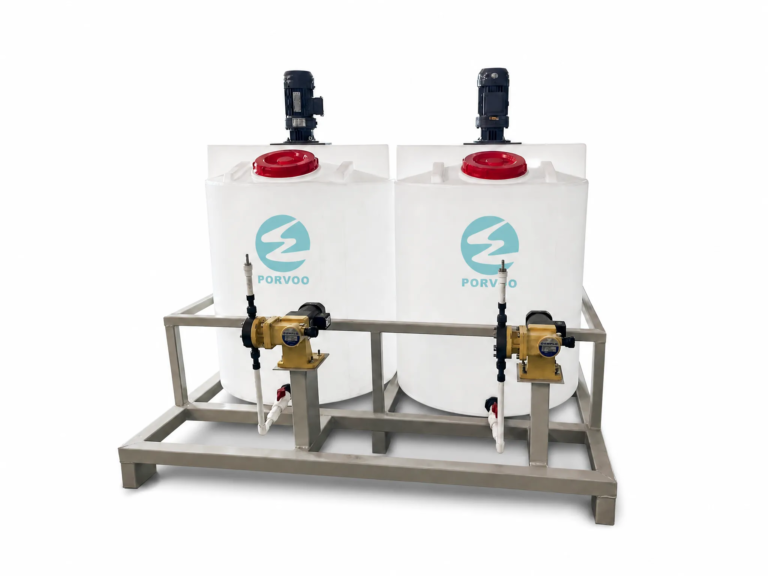
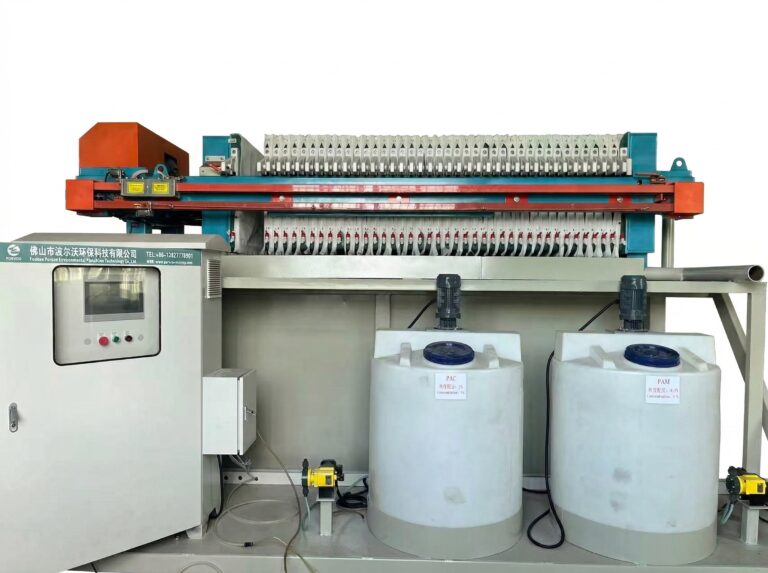
PAM/PAC Dry Powder Automatic Dosing Skid Cheap Price – This page details a fully automatic dosing system for both liquid and powder materials, including PAM/PAC. It highlights the system's integrated equipment, automatic control functions, and corrosion-resistant materials. The cost ranges from $5000 to $10000 per set.
How to Choose Aquarium Additives Part One: Dosing Systems – Although focused on aquarium dosing systems, this article provides a cost comparison chart for different dosing systems, which can be relevant for understanding the cost structures of dosing systems in general.
Minor and small ingredient dosing equipment Powdermatic™ 200 IB – This page describes the Powdermatic™ 200 IB, a dosing system designed for precise dosing of small ingredients in industrial settings. It highlights cost savings in labor and raw materials, and the system's compact and user-friendly design.
Chemical Dosing Equipment – This resource lists various chemical dosing equipment for liquid and powder, including polymer flocculant agents like PAC and PAM. The prices vary widely, from $400 to $90,000 per piece or set, depending on the manufacturer and features.
Automatic small ingredient dosing system Powdermatic™ 100-A – Similar to the Powdermatic™ 200 IB, this system is tailored for smaller ingredient dosing and is suitable for artisan and in-store bakeries. It emphasizes precision, labor cost savings, and compact design.