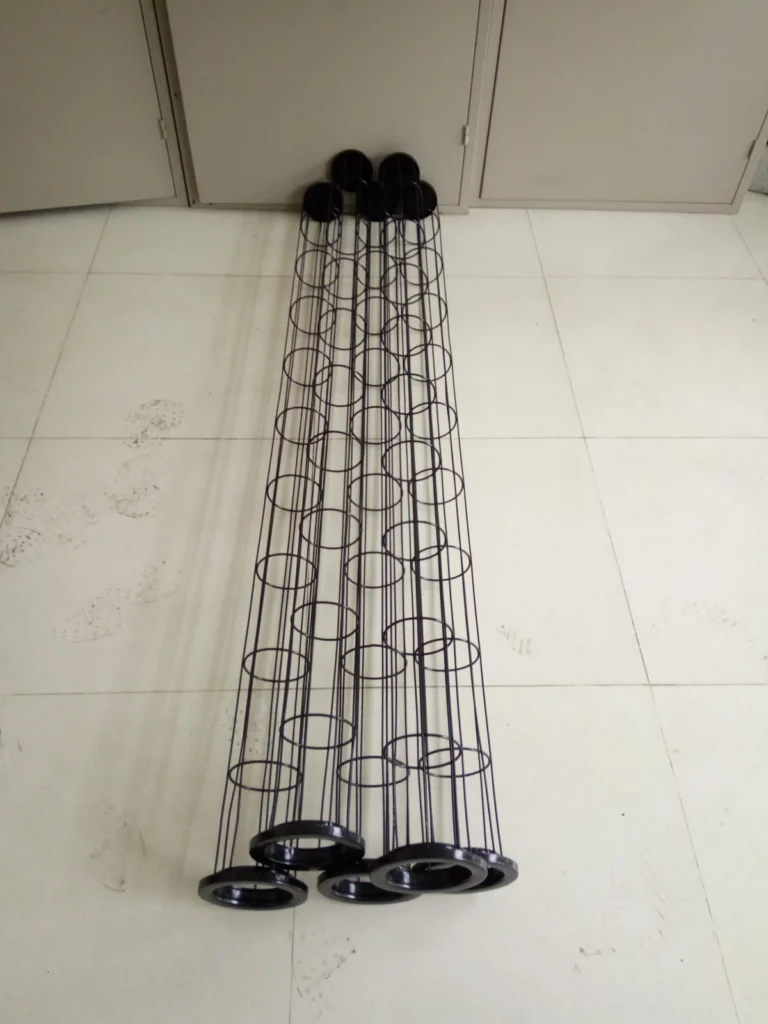
Portable industrial dust collection is one option for controlling releases from a defined process. Measure what the offered unit does under the actual layout and operating conditions.
What are the primary sources of industrial process contamination?
List points where the process releases contaminants, and distinguish the main source from dust carried in by nearby work. Record the material and process conditions.
How do portable units address industrial contamination challenges?
Compare local extraction at the actual source and work position. Observe escapes, interference with the task and changes as the filter loads.
What industries benefit most from portable contamination control units?
Identify a suitable application by the released material, work frequency and installation constraints. Confirm configuration, site responsibilities and service access before using an industry label to decide.
What technologies are driving the evolution of portable contamination control?
Test instruments and controls under normal work and loss of a signal. Ask what measurements are taken and how they identify actual changes in performance.
How do portable units compare to static contamination control systems?
Compare portable and fixed options at the same source duty and accepted capture. Include setup time, connected services, maintenance and multiple stations where applicable.
What are the key considerations when implementing portable contamination control units?
Define the work area and equipment boundary, specify airflow and filter information, and arrange site measurement. Document the exact setup, inlet position and filter condition.
How can manufacturers optimize the performance of portable contamination control units?
Use observations at the source, measured flow and the required outlet or exposure record to verify an adjustment. Avoid using an element rating as the workstation result.
What future developments can we expect in portable contamination control technology?
Ask for trial data for the offered options. Track outlet data and operator interventions across representative shifts before estimating their value.