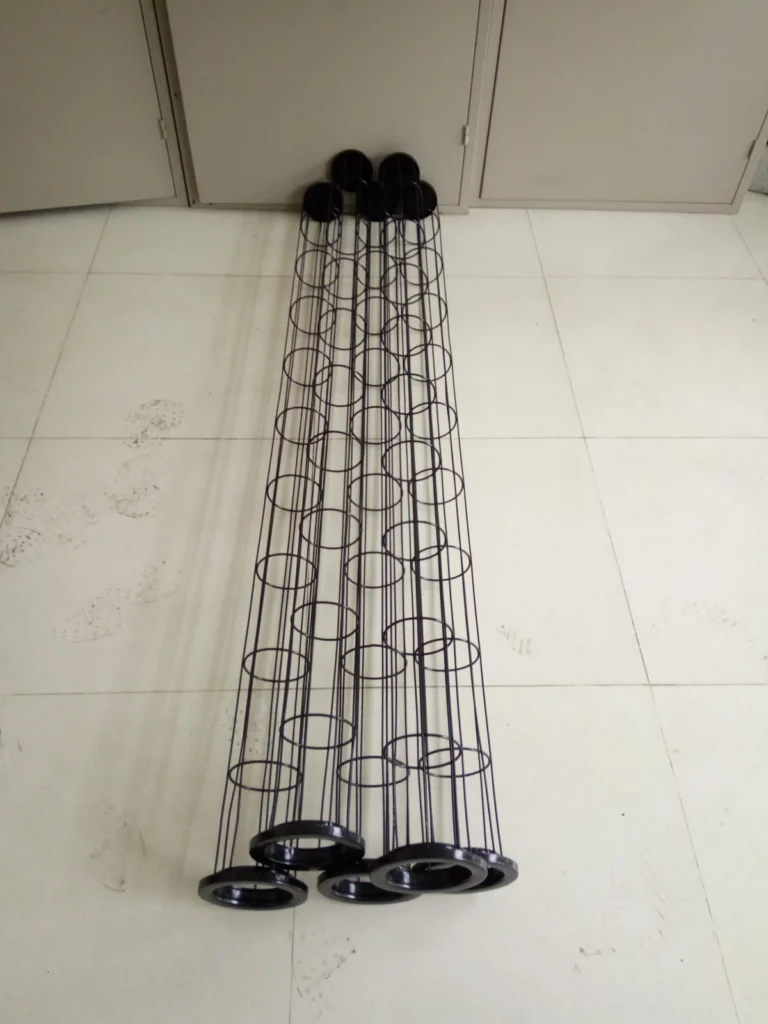
A safety feature should be evaluated as part of the supplied downdraft table and the installed operation. Ask which tasks and materials the evidence covers and have the site assess the remaining risks.
What are the primary components of a downdraft table's filtration system?
Record the actual element, housing and seals in the quotation. Ask how the filter’s rating and installed airflow will be verified.
How do airflow control mechanisms enhance safety in downdraft tables?
Confirm which readings represent actual performance. Review limits, alarms and response with the operator and the supplier before acceptance.
How should buyers evaluate a quoted spark-control feature?
Ask what application the feature was evaluated for and what restrictions the supplier identifies. Have a qualified professional decide if the configured system and facility are suitable for the material and task.
How do ergonomic features contribute to operator safety in downdraft tables?
Check reach, height, fixtures and access with operators performing representative work. Uneven loading and uncomfortable positions can move the task away from effective extraction.
What safety certifications should be considered when choosing a downdraft table?
Confirm which standard, edition, certifier and model the supplier’s document covers. Workplace obligations and exposure evaluation remain specific to the installed use and the people doing the work.
How do maintenance features impact the long-term safety of downdraft tables?
Verify access to filters, collection and inspection points. Request supported service procedures and a check that the system has returned to accepted performance after work.
What advancements in control systems enhance the safety of modern downdraft tables?
Review how alarms, indicators and operator controls behave under normal and interrupted service. Confirm who can change settings and how those changes are recorded.
Related resources
- PORVOO
- Downdraft table safety features
Downdraft tables — Clean Air Company — Manufacturer overview of downdraft tables; select the configuration for the actual dust and process.