Las operaciones de procesamiento de la piedra —corte, esmerilado, pulido— generan aguas residuales con una distribución de partículas finas que se comporta de forma diferente a la de la mayoría de los efluentes industriales. Las partículas finas de carbonato cálcico y sílice, de tamaño inferior a 10 micras, presentan cargas superficiales variables en función del tipo de piedra, y la composición química cambia aún más cuando entran en el circuito los fluidos de corte o el agua recirculada rica en minerales. Las plantas que fijan una dosis de PAC y PAM en la puesta en marcha y la mantienen sin cambios suelen descubrir el problema demasiado tarde: sólidos en suspensión que vuelven a colarse en las líneas de reutilización, ciclos de la prensa de filtro que se alargan o un aumento de la humedad de la torta sin ninguna causa evidente por parte de la prensa. Para acertar con la secuencia de dosificación es necesario comprender cuáles son las exigencias reales del efluente antes de fijar cualquier volumen de producto químico y, a continuación, mantener la disciplina necesaria para realizar ajustes cuando cambien las condiciones.
Comprueba el pH y los sólidos antes de ajustar la dosis de productos químicos
No existe una dosis de producto químico válida para todo el rango de funcionamiento de una planta de procesamiento de piedra. Las variaciones del pH modifican la carga superficial de las partículas finas de la piedra, y la concentración de sólidos en suspensión varía en función de la intensidad de la producción, el tipo de material y la relación de recirculación. Considerar una dosis establecida durante la puesta en marcha en seco como referencia de trabajo para la producción en húmedo es una de las razones más habituales por las que las plantas en sus primeras etapas de funcionamiento presentan un rendimiento inferior al esperado en cuanto a la sedimentación.
La medición del pH y de los sólidos en suspensión antes de cada ajuste de la dosificación proporciona los dos datos más útiles para establecer la dosis de PAC y seleccionar la densidad de carga del PAM. En el caso del PAC, el pH controla directamente la especiación de los productos de hidrólisis del aluminio o del hierro y su eficacia en la neutralización de la carga. En el caso del PAM, la densidad de carga debe ajustarse a la carga superficial real de las partículas coloidales, que en las aguas residuales de la industria de la piedra se ve influida tanto por el tipo de mineral como por el fondo iónico del agua. Un PAM de alta densidad de carga —normalmente en el rango de 55-80 mol% para los grados catiónicos— puede ser adecuado para circuitos de alta salinidad o alta conductividad, pero ese rango debe considerarse como un punto de partida para la confirmación mediante pruebas de jar con el agua de la planta, y no como una cifra que se pueda aplicar directamente a partir de una ficha técnica.
El objetivo operativo de la coagulación es la neutralización de la carga: llevar el potencial zeta de la suspensión tratada a un valor comprendido aproximadamente entre −5 y +5 mV. Ese intervalo indica que la repulsión coloidal se ha reducido lo suficiente como para que se produzca la floculación. Los métodos de ensayo para el pH y los sólidos en suspensión están bien establecidos: la norma ISO 10523 para la medición del pH y la norma ISO 11923 para los sólidos en suspensión mediante filtración gravimétrica proporcionan los marcos de medición que permiten una caracterización de referencia coherente antes de realizar ajustes en la dosis. Omitir la caracterización de referencia significa que cualquier cambio en la dosis es, en la práctica, un ajuste a ciegas, y la única información de retorno llega cuando el rendimiento de sedimentación o la calidad del filtrado ya se han deteriorado.
Ajustar la coagulación y la floculación en función de las partículas finas de piedra
Las partículas finas procedentes del corte de piedra no son sólidos en suspensión genéricos. Su tamaño de partícula, su química superficial y su densidad interactúan con la química de los coagulantes y floculantes de tal manera que las selecciones de dosis estándar resultan poco fiables. Hay dos ajustes que tienen un efecto desproporcionado en el resultado: el peso molecular del PAM aniónico seleccionado y el momento en que se añade el polímero tras el PAC.
El peso molecular del PAM determina la longitud de los puentes. En el caso concreto de las aguas residuales procedentes del corte de piedra, el PAM aniónico con pesos moleculares superiores a 8 millones ha demostrado una eliminación de la turbidez en el rango de 98–99,31 TP3T en condiciones optimizadas —un valor de referencia que orienta la selección del floculante durante la adquisición y las pruebas de dosificación, pero que no constituye una garantía de rendimiento en todas las configuraciones—. La mejora que supone añadir PAM al PAC solo también es sustancial; el uso combinado puede aumentar la velocidad de sedimentación en un orden de magnitud en comparación con el PAC sin polímero, lo que tiene implicaciones directas en el dimensionamiento de los tanques de sedimentación y la frecuencia de retirada de lodos.
La secuencia es tan importante como la química. El PAC necesita un tiempo de contacto para hidrolizarse y adsorberse en las superficies de las partículas finas antes de que se introduzca el polímero. Añadir PAM demasiado rápido tras el PAC interrumpe la etapa de adsorción, dejando sitios de puente en el polímero sin una cobertura suficiente de la superficie de las partículas. Se ha identificado un intervalo de contacto de aproximadamente 45 segundos entre la adición de PAC y la dosificación del polímero como un objetivo operativo práctico para mejorar la sinergia entre la adsorción y el puenteo, así como el contenido de sólidos en la torta en las etapas posteriores. En el caso de afluentes de alta conductividad, los ajustes de la densidad de carga —aproximadamente entre 10 y 15 mol% más por cada aumento de 5.000 µS/cm por encima del valor de referencia— ayudan a mantener la neutralización de la carga cuando, de otro modo, la fuerza iónica suprimiría la compresión de la doble capa y desestabilizaría los flóculos.
| Qué ajustar | Objetivo / Umbral | Por qué es importante |
|---|---|---|
| Peso molecular del PAM aniónico | >8 millones de MW | Consigue una eliminación de la turbidez de entre 98 y 99,31 TP3T en las aguas residuales procedentes del corte de piedra |
| Sinergia entre PAM y PAC | Velocidad de sedimentación entre 10 y 15 veces mayor que la del PAC solo | Reduce el tamaño del depósito y mejora el rendimiento |
| Intervalo de contacto entre el PAC y el polímero | 45 segundos después de añadir el PAC | Maximiza la sinergia entre la adsorción y la formación de puentes y mejora el contenido de sólidos en la torta |
| Densidad de carga catiónica para los cambios en la conductividad | Aumentar entre 10 y 15 mol% por cada aumento de 5.000 µS/cm por encima del valor de referencia | Evita que los flóculos se desestabilicen debido a los cambios en la demanda de carga |
Estas cifras sirven de referencia para las decisiones relativas al diseño y al ajuste de las dosis; deben validarse mediante ensayos en jarras con el agua real de la instalación antes de incorporarlas a los procedimientos operativos.
Evita las sobredosis que provoquen residuos o lodos pegajosos
El modo de fallo derivado de una sobredosis de PAM catiónico es contrario a lo que cabría esperar y, a menudo, se malinterpreta. Cuando la dosis supera el margen de neutralización de la carga, se produce una inversión de la carga: la superficie de las partículas adquiere una carga neta positiva debido al exceso de polímero catiónico, lo que vuelve a dispersar los coloides que ya estaban empezando a desestabilizarse. El resultado —turbidez residual y sedimentación deficiente— parece idéntico al de una dosis insuficiente. Las instalaciones que responden añadiendo más producto químico aceleran el problema.
Esto crea una trampa diagnóstica. Cuando el arrastre de sólidos aumenta tras un incremento de la dosis, el instinto es seguir aumentando la dosis. Sin un control del potencial zeta ni pruebas en frasco, no hay una forma sencilla de distinguir, solo mediante la observación visual, entre una inversión de carga y una neutralización inadecuada de la carga. La medida de seguridad práctica consiste en establecer un límite máximo de dosis durante las pruebas iniciales —la dosis máxima a la que la sedimentación sigue mejorando— y considerar cualquier superación de ese límite como una alarma del proceso, en lugar de como una herramienta de corrección.
La sobredosificación también tiene consecuencias en lo que respecta a los lodos. El exceso de polímero que no se incorpora por completo a la estructura de los flóculos puede producir un lodo pegajoso y difícil de deshidratar, lo que aumenta la duración del ciclo de prensado y, con el tiempo, puede provocar la obstrucción de las telas del filtro prensa. El coste químico de la sobredosificación es solo la parte visible del impacto; el coste oculto se acumula en las horas de funcionamiento del filtro prensa y en la frecuencia de sustitución de las telas. Mantenerse dentro del intervalo efectivo de neutralización de la carga es una decisión relacionada tanto con los costes de mantenimiento como con la química.
Adaptar la respuesta de sedimentación al momento de la retirada de lodos
Las aguas residuales con piedra, debidamente dosificadas y floculadas, se sedimentarán más rápido de lo que la mayoría de los operadores esperan la primera vez que se ajusta correctamente la composición química. Las aguas residuales de cantera tratadas en condiciones optimizadas de PAM-PAC pueden alcanzar velocidades de sedimentación en el rango de 100 a 150 mm/min, una cifra de diseño que sirve de referencia para determinar el momento de la extracción, más que un umbral universal. A ese ritmo, la capa de lodos sedimentados se acumula rápidamente, y una programación de la extracción diseñada para una sedimentación más lenta puede provocar que los lodos se acumulen, se compriman y resulten difíciles de resuspender o bombear.
Un rastrillado excesivo —es decir, accionar el mecanismo de extracción con demasiada frecuencia— puede alterar un lecho de flóculos que aún se está sedimentando y volver a poner en suspensión las partículas antes de que se hayan consolidado por completo. Por el contrario, un rastrillado insuficiente permite que los lodos se compacten hasta alcanzar una densidad que sobrecargue la capacidad de bombeo y pueda provocar una distribución desigual de los lodos en el tanque. La programación correcta se determina midiendo en qué punto se estabiliza la interfaz de la capa de lodos con la dosis y el caudal de funcionamiento, y estableciendo luego los intervalos de extracción en función de ese comportamiento observado, en lugar de basarse en un temporizador fijo.
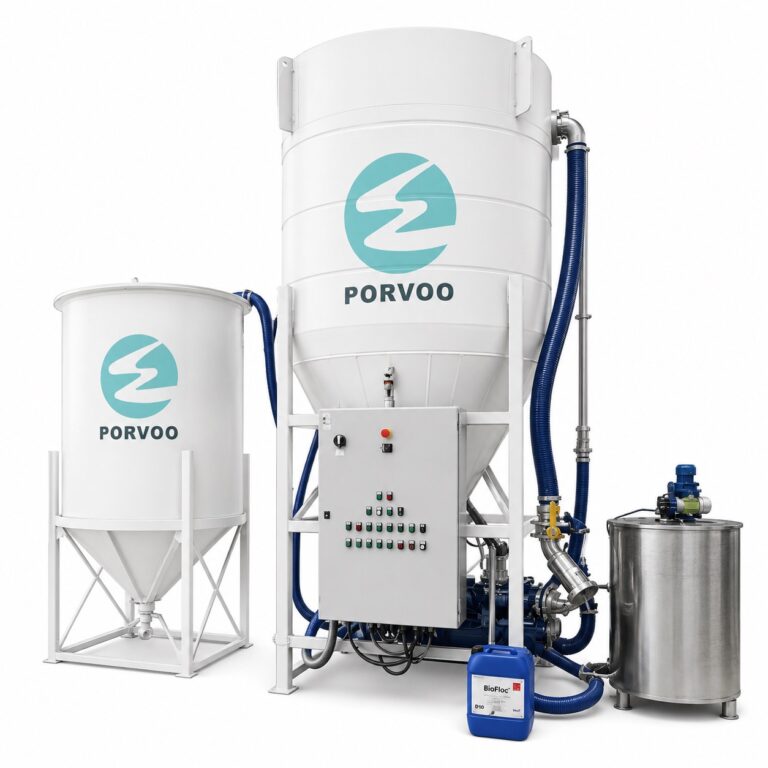
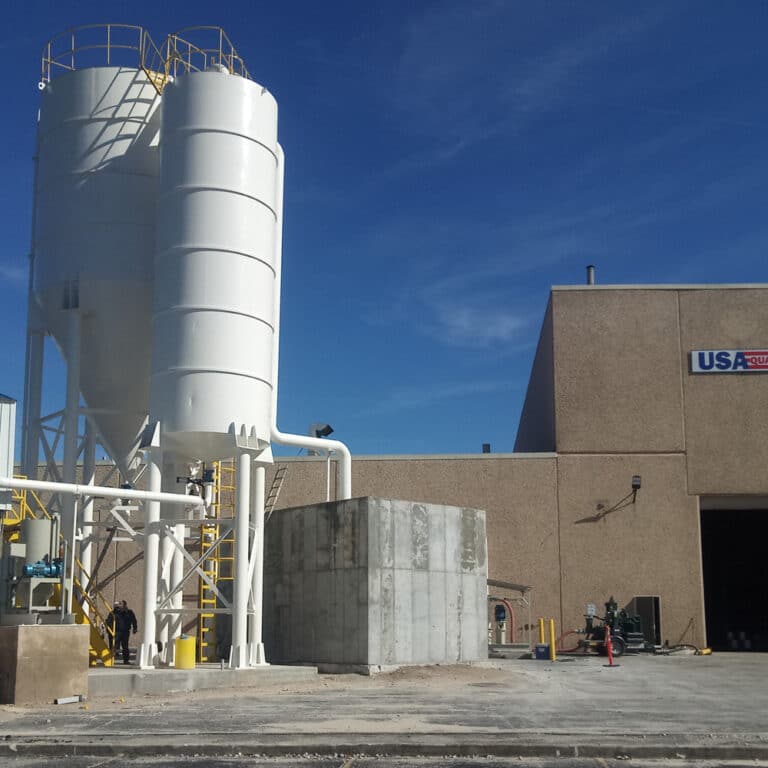
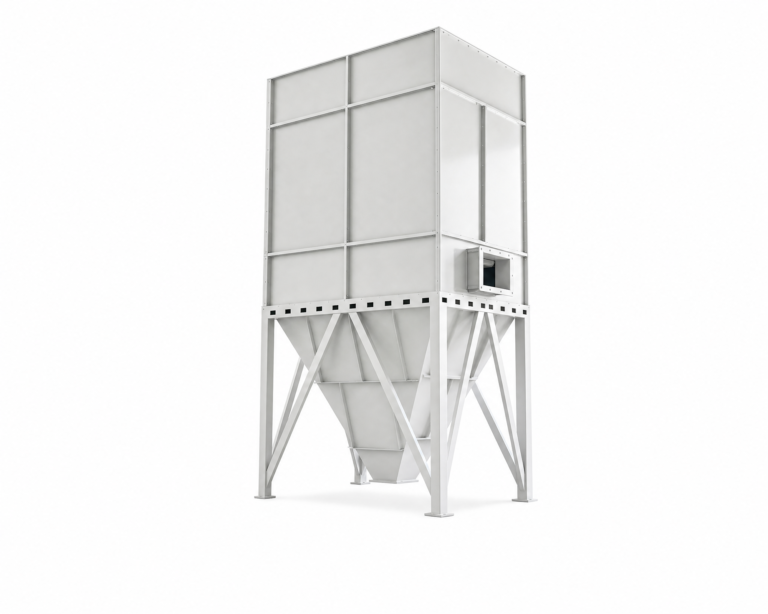
Para las plantas que utilizan un Torre de sedimentación vertical para reciclar aguas residuales, la geometría compacta de un depósito vertical modifica la relación entre la velocidad de sedimentación y la velocidad de ascenso de la capa de sedimentos en comparación con un clarificador de fondo plano. La lógica de temporización de la extracción debe validarse en función de la configuración específica del depósito, en lugar de transferirse directamente desde un diseño de sedimentador diferente.
Comprueba la calidad del filtrado tras los cambios en el prensado
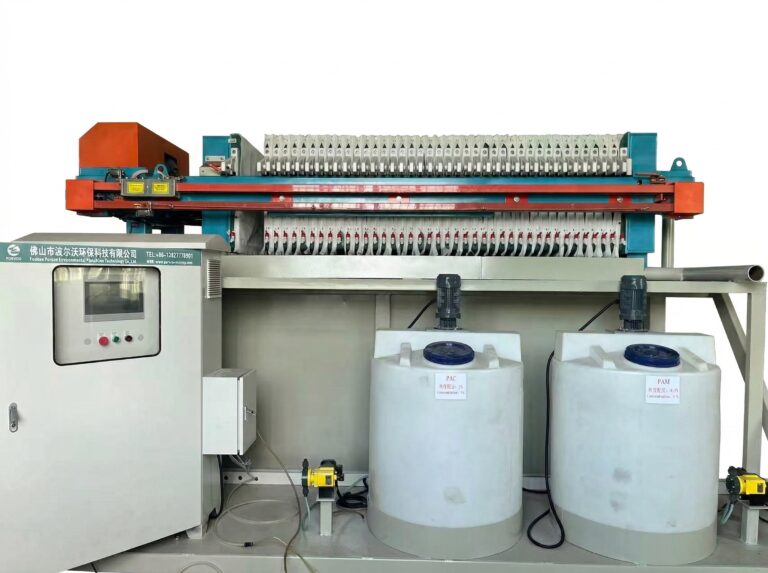
La calidad del filtrado es la confirmación definitiva de que la secuencia de dosificación funciona, pero suele ser la última comprobación que se realiza. Cuando se modifica un ciclo de prensado para mejorar el rendimiento o reducir el tiempo de prensado, los cambios pueden redistribuir la carga química y alterar el grado de compactación de los lodos. Si la humedad de la torta aumenta y se alarga el tiempo del ciclo para compensarlo, el efecto combinado puede ser que los sólidos en suspensión del filtrado vuelvan a acercarse al umbral de reutilización o lo superen.
Con una secuencia PAM-PAC bien optimizada, los sólidos en suspensión del filtrado pueden reducirse por debajo de las 10 ppm, lo que permite su reutilización directa en circuitos de corte o trituración sin necesidad de un tratamiento de pulido adicional. Esa cifra es un punto de referencia de diseño para la viabilidad de la reutilización, no una norma de vertido, y debe verificarse según los criterios de reutilización reales de la planta. La medición de la turbidez según la norma ISO 7027-1 ofrece un control práctico, tanto en línea como fuera de línea, de la claridad del filtrado durante la verificación, especialmente cuando no se dispone de una medición precisa de los sólidos en suspensión en cada intervalo de revisión.
El aumento del contenido de sólidos en el pastel que se consigue con una secuencia correcta también es significativo para la rentabilidad de la gestión de los lodos. Se ha constatado que una sincronización optimizada de la adición de PAC seguida de PAM, con el intervalo de contacto adecuado, mejora el contenido de sólidos en el pastel en aproximadamente 4,6 puntos porcentuales en comparación con la adición sin secuencia. Esta mejora reduce la masa de lodos que hay que eliminar por unidad de aguas residuales tratadas, un factor que merece la pena cuantificar a la hora de estimar los costes operativos, ya que el transporte de lodos suele ser uno de los mayores costes variables en el presupuesto medioambiental de una planta de procesamiento de piedra. Esta cifra refleja un resultado específico documentado, no un resultado típico para todas las configuraciones de prensas y tipos de piedra.
Si la calidad del filtrado empeora tras un cambio en los parámetros de la prensa, la causa principal no siempre se encuentra en la propia prensa. Una hidratación inadecuada del PAM, un pico de conductividad que no ha activado la dosificación correspondiente o una solución de polímero que ha superado su periodo de eficacia son causas previas que provocan síntomas en la calidad del filtrado que parecen ser problemas de la prensa. Modificar los ajustes de la prensa en respuesta a ello puede enmascarar el problema real, mientras que la degradación efectiva continúa.
Relacionar la selección de la bomba dosificadora con la variabilidad del caudal
La precisión en la dosificación de productos químicos a caudales variables depende en gran medida de la capacidad de la bomba para adaptarse a esa variabilidad sin alterar las propiedades químicas del producto que está suministrando. Hay dos problemas —uno mecánico y otro relacionado con los sistemas de control— que suelen pasarse por alto hasta después de la puesta en marcha, cuando el rendimiento de la floculación ya es irregular.
El riesgo mecánico es la degradación por cizallamiento del PAM de peso molecular ultraalto. Las bombas de cavidad progresiva suelen prescribirse para el servicio con polímeros, ya que manejan soluciones viscosas sin pulsaciones significativas. Sin embargo, a velocidades elevadas, el cizallamiento generado en la geometría del estator y el rotor puede romper físicamente las largas cadenas poliméricas que confieren al PAM de alto peso molecular su eficacia de formación de puentes. El polímero degradado llega al punto de dosificación aún presente químicamente, pero debilitado estructuralmente —una condición que no genera ninguna alarma, ningún cambio visible en la solución ni ninguna señal inmediata del proceso—. El rendimiento de la floculación se ve mermado de forma imperceptible, y el funcionamiento parece químicamente correcto mientras que la relación dosis-respuesta se deteriora. Por eso es importante tener en cuenta las limitaciones de velocidad de la bomba durante la especificación del equipo, y no solo después de que aparezcan los problemas.
El riesgo en cuanto al control radica en una dosificación basada en el caudal sin información sobre la calidad. El control proporcional al caudal mantiene una relación constante entre el producto químico y el caudal, lo cual es adecuado cuando la calidad del afluente es estable. Las aguas residuales del procesamiento de la piedra no siempre son estables: los turnos de producción, los cambios de material y la acumulación por recirculación alteran la demanda de dosificación sin modificar el caudal volumétrico. Sin información en tiempo real sobre la turbidez o la corriente de flujo que alimente la lógica de dosificación, el sistema no puede distinguir un pico en la demanda de dosificación de un cambio en el caudal. La dosificación proporcional vinculada a la medición de la calidad es una mejora práctica para cualquier instalación basada en el caudal.
| Elemento del sistema | Recomendación | Riesgo si se ignora |
|---|---|---|
| Velocidad de la bomba de cavidad progresiva | Mantén las revoluciones por minuto por debajo de 150 al dosificar PAM de peso molecular ultraalto. | La degradación por cizallamiento reduce la eficacia de la floculación y supone un desperdicio de productos químicos |
| Lógica de control de dosificación | Utiliza una dosificación proporcional vinculada a la turbidez en tiempo real o a la corriente de agua, y no basada únicamente en el caudal. | No se adapta a los cambios en la calidad del agua, lo que provoca una dosificación insuficiente o excesiva. |
Las decisiones relativas a la selección de las bombas y a la lógica de control deben documentarse en el alcance de la solicitud de presupuesto para el sistema de dosificación de productos químicos, de modo que ambas restricciones se tengan en cuenta a lo largo del proceso de adquisición, en lugar de resolverse de manera informal durante la instalación.
Establecer los rangos de funcionamiento que el personal puede mantener
Un sistema de dosificación que funciona bien durante la puesta en marcha pero cuyo rendimiento se deteriora en cuestión de semanas suele deberse a una de estas dos causas: la solución de PAM se prepara de forma irregular, o bien el personal no cuenta con un protocolo estructurado para responder a las anomalías del proceso. Ambas situaciones se pueden prevenir y requieren rangos de funcionamiento definidos que sean lo suficientemente específicos como para poder aplicarse sin necesidad de asistencia técnica en cada turno.
La preparación del PAM es la etapa que con mayor frecuencia se descuida en las operaciones de dosificación de las plantas de tratamiento de residuos. La concentración, la temperatura del agua, la velocidad del agitador y el tiempo de hidratación influyen en que el polímero se disuelva formando una solución homogénea o en que queden partículas de gel sin disolver que bloquean parcialmente los puntos de inyección y no contribuyen en absoluto a la floculación. Un polímero que no se ha disuelto completamente supone un desperdicio de producto químico, produce flóculos débiles y da lugar a un rendimiento irregular que resulta difícil de detectar sin una investigación específica.
| Comprobación de funcionamiento | Criterio / Desencadenante | Respuesta / Importancia |
|---|---|---|
| Preparación de la solución de PAM | 0,1–0,31 TP3T (concentración p/v), agua ≥15 °C, velocidad de la punta del agitador ≤3 m/s, hidratación ≥45 min | Una preparación adecuada evita la aparición de «ojos de pez» y la degradación del polímero |
| Comprobación puntual semanal de la viscosidad | >Disminución de la viscosidad del 15% en una solución envejecida durante menos de 4 horas | Indica una disolución insuficiente; flóculos débiles y desperdicio de producto químico |
| Protocolo para picos de COD/conductividad | Aumento de la turbidez según el método 30% con respecto al valor de referencia | Aumento inmediato de la dosis de 15% por vía oral, con revisión cada 2 horas |
El control puntual semanal de la viscosidad es una herramienta práctica de alerta temprana que la mayoría de las plantas omite hasta que un problema de rendimiento obliga a investigar. Una caída significativa de la viscosidad en una solución recién preparada indica una hidratación incompleta, un hallazgo que debería dar lugar a una revisión del procedimiento de preparación antes de realizar cualquier ajuste en la dosis. Ajustar la dosis en respuesta a una floculación débil causada por un polímero mal preparado no resolverá el problema y puede llevar al sistema a una sobredosificación.
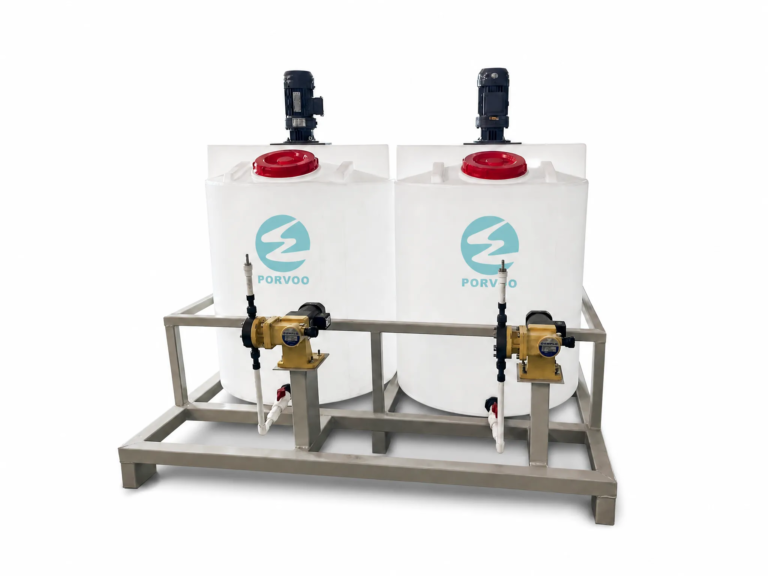
Los protocolos para situaciones de anomalía constituyen la otra laguna. Sin una respuesta definida ante picos de turbidez o conductividad, los operadores o bien no hacen nada —porque no hay instrucciones— o bien realizan ajustes no estructurados que son difíciles de revertir. Un protocolo por niveles que vincule un umbral de activación definido a un aumento específico y limitado en el tiempo de la dosis ofrece a los operadores una línea de actuación justificable y limita la desviación acumulativa de la dosis. Los umbrales de activación y las magnitudes de los incrementos sugeridos en la tabla deben validarse con datos de referencia específicos de cada emplazamiento antes de incorporarlos a los procedimientos operativos. Para los emplazamientos que utilicen un Sistema inteligente de dosificación de productos químicos PAM/PAC Gracias a la medición integrada del caudal y la calidad, estos protocolos pueden integrarse en la lógica de control; sin embargo, dicha lógica sigue necesitando los mismos datos de referencia calibrados de los que dependen los protocolos manuales.
Para obtener más detalles sobre cómo se relacionan la coagulación, la sedimentación y la gestión de los lodos a lo largo de todo el ciclo de tratamiento, véase el análisis que figura en Sistemas de dosificación química y clarificadores: Cómo las plantas industriales alinean la sedimentación por coagulación y la manipulación de lodos antes de la reutilización del agua abarca la lógica de secuenciación que se aplica tanto al procesamiento de piedra como a aplicaciones similares con sólidos finos.
Los errores de dosificación más habituales en las aguas residuales del procesamiento de piedra no son aleatorios, sino que siguen un patrón: se omite la caracterización inicial en la puesta en marcha, la dosis se fija durante la puesta en servicio y nunca se revisa, y las limitaciones de las bombas o del proceso de preparación no se abordan hasta que el rendimiento se deteriora. La consecuencia práctica es que los problemas de calidad del filtrado y las ineficiencias del ciclo de prensado se diagnostican en una fase equivocada, después de que ya se hayan modificado los parámetros de prensado en respuesta a lo que, en realidad, es un problema químico.
Antes de ajustar cualquier parámetro operativo, la secuencia de decisiones más importante es la siguiente: confirmar que el pH del afluente y los sólidos en suspensión se encuentran dentro del rango para el que se diseñó la dosis actual; verificar que la preparación del PAM esté produciendo una solución totalmente hidratada; comprobar que la velocidad de la bomba y la lógica de control no estén degradando de forma imperceptible ni la precisión del suministro ni la integridad del polímero; y solo entonces interpretar los resultados de la sedimentación y del filtrado como una señal significativa sobre el rendimiento de la dosificación. Las instalaciones que incorporan esa secuencia a su rutina operativa consiguen una calidad estable del agua reutilizada y menores costes de gestión de lodos; las que tratan la dosificación química como un parámetro fijo se ven obligadas a perseguir los síntomas.
Preguntas frecuentes
P: ¿Qué deben hacer los operarios si el tipo de piedra cambia durante la producción y la dosis actual se ha ajustado para un material diferente?
R: Considera cualquier cambio en el material como una nueva condición de referencia y vuelve a realizar pruebas en frasco antes de aplicar una dosis revisada. Los diferentes minerales de los sedimentos presentan cargas superficiales distintas —el carbonato cálcico y las partículas finas de sílice se comportan de manera diferente bajo las mismas condiciones químicas de PAC y PAM— y una dosis optimizada para un material puede provocar una inversión de carga o una neutralización incompleta en otro. Mida el pH y los sólidos en suspensión en el nuevo afluente, confirme que el potencial zeta está volviendo al rango objetivo de −5 a +5 mV, y ajuste la densidad de carga y el volumen de PAC a partir de esa nueva referencia, en lugar de aumentar o reducir la dosis existente a ojo.
P: ¿En qué momento tiene sentido invertir en un sistema de monitorización en tiempo real de la corriente o la turbidez, en lugar de recurrir a pruebas manuales con frascos y controles periódicos?
R: La información sobre la calidad en tiempo real resulta rentable cuando la calidad del afluente varía entre turnos o con los cambios en la producción, y cuando el coste de la sobredosificación, el arrastre de sólidos o la prolongación de los ciclos de prensado supera el coste de la instrumentación y la integración. La dosificación basada únicamente en el caudal no puede detectar un pico en la demanda de dosificación provocado por un cambio de material o una acumulación por recirculación; solo responde al caudal volumétrico. Las plantas que experimentan oscilaciones frecuentes e impredecibles de la turbidez o que mantienen una producción continua a lo largo de varios turnos suelen recuperar rápidamente el coste de la instrumentación gracias a la reducción del desperdicio de productos químicos y a una calidad más constante del filtrado.
P: ¿Sigue siendo aplicable el intervalo de contacto de 45 segundos entre el PAC y el PAM cuando una planta funciona con un caudal inferior al previsto durante la producción fuera de las horas punta?
R: El intervalo de 45 segundos es un objetivo de tiempo de contacto, no un ajuste del temporizador, por lo que debe reevaluarse en función de las condiciones reales de mezcla con un caudal reducido. A un caudal más bajo, tanto la velocidad en la tubería como la intensidad de la mezcla en línea disminuyen, lo que puede significar que el PAC llegue al punto de inyección del polímero con menos turbulencia —lo que prolonga el tiempo de contacto efectivo— o, en algunas configuraciones, con una mezcla insuficiente para distribuir el coagulante de manera uniforme antes de que llegue el polímero. El enfoque correcto consiste en verificar que la etapa de hidrólisis y adsorción del PAC se haya completado antes del contacto con el polímero, comprobando los sólidos del sedimento y la respuesta de sedimentación al caudal reducido; a continuación, ajustar la distancia entre los puntos de inyección o la velocidad de flujo si el tiempo de contacto se ha desplazado fuera del intervalo efectivo.
P: Si los sólidos en suspensión del filtrado se mantienen sistemáticamente por debajo de 10 ppm, pero la humedad de la torta es superior a la esperada, ¿es probable que la causa sea la secuencia de dosificación o se debería revisar primero la prensa?
R: Comience por revisar la secuencia de dosificación antes de ajustar los parámetros de la prensa. Una buena claridad del filtrado confirma que la neutralización de la carga y la floculación están produciendo flóculos bien formados; sin embargo, un alto contenido de humedad en la torta puede deberse a que el polímero no esté completamente hidratado, a un intervalo de contacto demasiado corto para el ritmo de producción actual o a que el peso molecular del PAM sea insuficiente para las exigencias de compresibilidad del lodo que se está prensando. Modificar los ajustes de la prensa —tiempo de ciclo, presión de prensado— en respuesta a un problema de naturaleza química reducirá el rendimiento sin resolver la causa subyacente y puede dificultar la identificación de la causa raíz. Verifique las condiciones de preparación del PAM y confirme el intervalo de secuenciación antes de considerar la humedad de la torta como un problema de la prensa.
P: ¿Merece la pena la mayor complejidad química que supone el tratamiento combinado con PAM y PAC para las pequeñas empresas de procesamiento de piedra que actualmente utilizan únicamente PAC?
R: En el caso de operaciones en las que la capacidad del tanque de sedimentación o el coste de transporte de lodos constituyan una limitación, probablemente merezca la pena evaluar esta combinación, incluso a pequeña escala. La mejora en la velocidad de sedimentación que se consigue al añadir PAM al PAC —que, según los datos, permite una sedimentación entre 10 y 15 veces más rápida que con el PAC solo— reduce el volumen efectivo del tanque necesario para lograr la misma clarificación, lo que puede resultar muy importante cuando no se dispone del espacio o del capital necesarios para un sedimentador de mayor tamaño. La complejidad añadida radica principalmente en la disciplina de preparación del PAM y el control de la secuencia de operaciones; si esos pasos no se pueden llevar a cabo con la mano de obra y el equipo existentes, no se obtendrá el beneficio de forma fiable. Una prueba estructurada en jarra con el agua de la instalación es la forma más económica de cuantificar la mejora real de la sedimentación antes de comprometerse con la infraestructura adicional de productos químicos y manipulación.