Fine abrasive solids from ceramic polishing behave differently from the coarser particles found in glazing or grinding effluent — they stay suspended longer, respond poorly to standard dosing protocols, and accumulate gradually in recirculated water before operators notice a problem. By the time turbidity in the reuse tank climbs enough to trigger a visible quality complaint, pump seals and impellers have often already sustained weeks of accelerated wear. The underlying issue is not dosing volume but system architecture: when the reuse tank doubles as the final settling basin, there is no clean separation between water that meets return quality and water that needs further treatment. The decisions that matter most — where to capture solids, how to sequence chemistry, and how to route return streams — need to be made before the system is commissioned, not adjusted reactively after throughput drops.
Define the polishing line tolerance for recycled water
The gap between what comes off the polishing line and what that same line can tolerate as return water is wider than most process engineers expect. Raw polishing effluent carries a typical TSS load around 700 mg/L — a figure dominated by fine glaze fragments and colloidal clay that do not settle quickly under gravity alone. The polishing line, in turn, requires return water at TSS ≤50 mg/L to avoid surface defects and abrasive accumulation in tooling and spray nozzles. That is a 14× reduction in suspended solids loading, which sets the treatment intensity required and rules out any approach that relies primarily on passive settling.
| Parámetro | Raw Effluent Baseline | Treated Water Target |
|---|---|---|
| Sólidos en suspensión totales (SST) | 700 mg/L | ≤50 mg/L |
| pH | 7.5 | 6–9 |
| Demanda química de oxígeno (DQO) | 400 mg/L | – |
The COD figure in the raw effluent baseline is worth tracking as a process indicator, but no treated COD target is derived from the available data, so it should not be used as a routing criterion for reuse decisions. pH sits within a relatively narrow operating window (6–9) that is achievable through normal treatment chemistry without active neutralization in most polishing scenarios. The practical implication of this table is that treatment effort should be concentrated on the TSS reduction pathway — flocculation, dewatering, and return-stream segregation — because that is where the gap between baseline and target is largest and where failures propagate fastest into equipment.
Capture abrasive solids before they circulate through pumps
Pump wear and fouling in polishing water circuits rarely announce themselves through sudden failure. The more common pattern is a gradual rise in maintenance frequency — more frequent seal replacements, impeller inspection intervals that shorten over months — until someone traces the cause back to abrasive loading in the recirculated water. By that point, the system has already been operating outside its intended design envelope for an extended period.
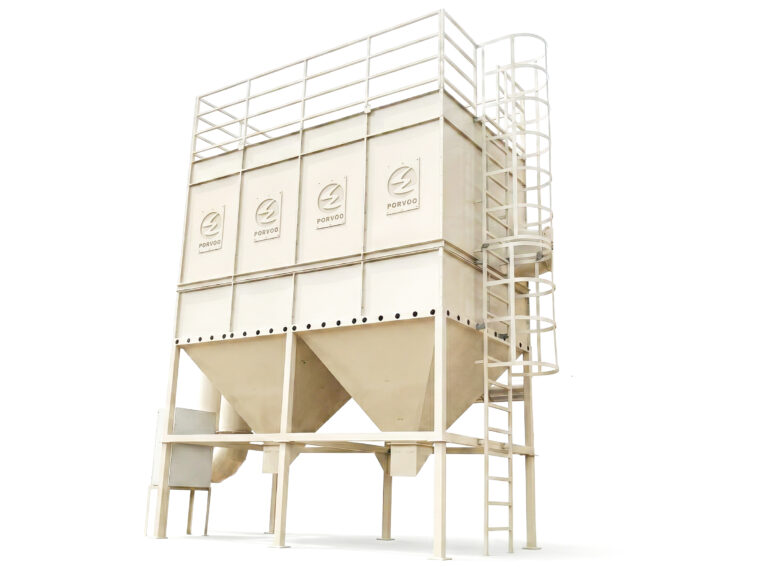
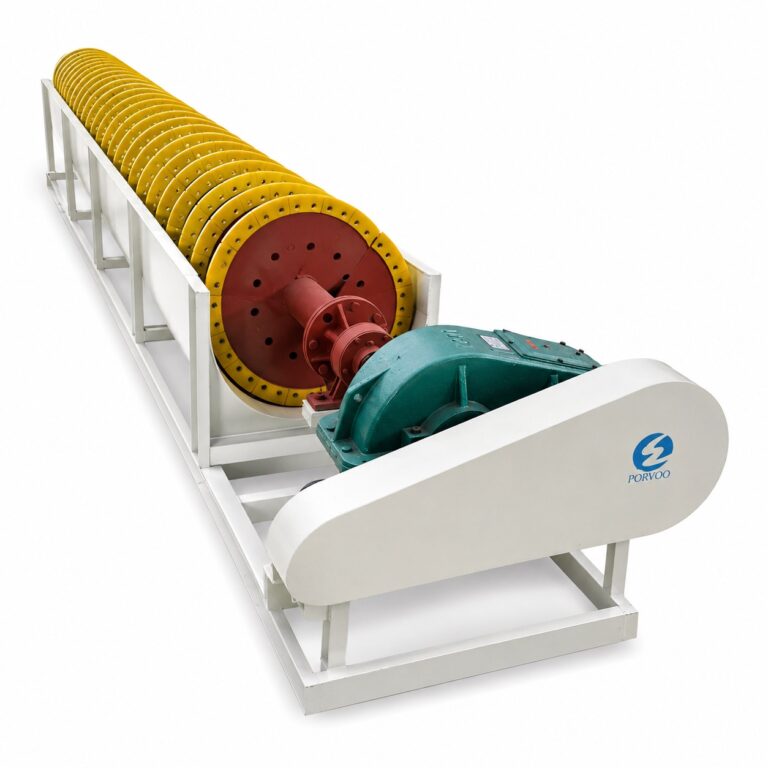
The practical upstream step is to intercept coarse and intermediate particles before they reach pumps and recirculation lines. Screening removes gross solids that would otherwise settle unpredictably in pipework or damage pump internals directly. Primary sedimentation gives denser particles a controlled opportunity to drop out under reduced velocity before the flow enters the treatment circuit. Neither step eliminates fine glaze or colloidal clay — those require chemical conditioning downstream — but removing the coarser fraction reduces the abrasive burden on pumps and prevents larger particles from interfering with floc formation later. A Eliminación de partículas grandes stage upstream of the flocculation tank is a practical way to implement this interception before fine-particle treatment begins.
Skipping this upstream capture step is a design-stage omission that shows up as a maintenance-stage cost. The screening and sedimentation components themselves are not complex, but teams that treat them as optional often discover during the first major pump maintenance interval that the capital saved upfront was spent in accelerated spares consumption.
Match dosing response to fine-particle behavior
Standard single-product flocculation approaches tend to underperform on fine polishing solids because these particles carry mixed surface charges — anionic glaze fragments and clay colloids with different charge densities respond to different conditioning chemistry. A single coagulant or flocculant applied at elevated dose rates often produces weak, loosely bound flocs that are difficult to dewater and carry significant moisture into the sludge.
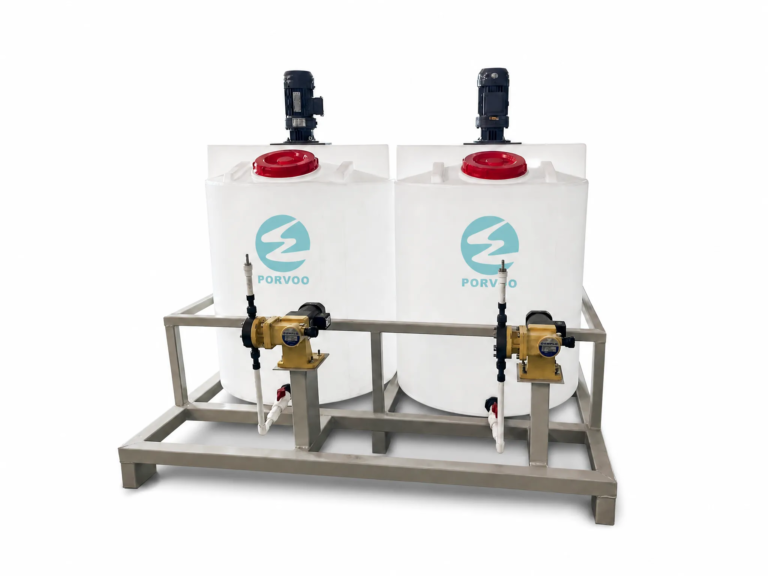
A two-stage approach addresses this by targeting surface charge in sequence. Anionic polyacrylamide (PAM) applied first, within a dosage range of approximately 2–4 ppm, initiates floc bridging on fine particles. A cationic polyamine at 3–5 ppm in the second stage then tightens and strengthens the floc structure by charge neutralization. The practical consequence of getting this sequence right is not just better settling — it is cake that can actually be dewatered to target moisture levels.
| Escenario | Química | Dosage Range |
|---|---|---|
| Stage 1 | Anionic Polyacrylamide (PAM) | 2–4 ppm |
| Stage 2 | Cationic Polyamine | 3–5 ppm |
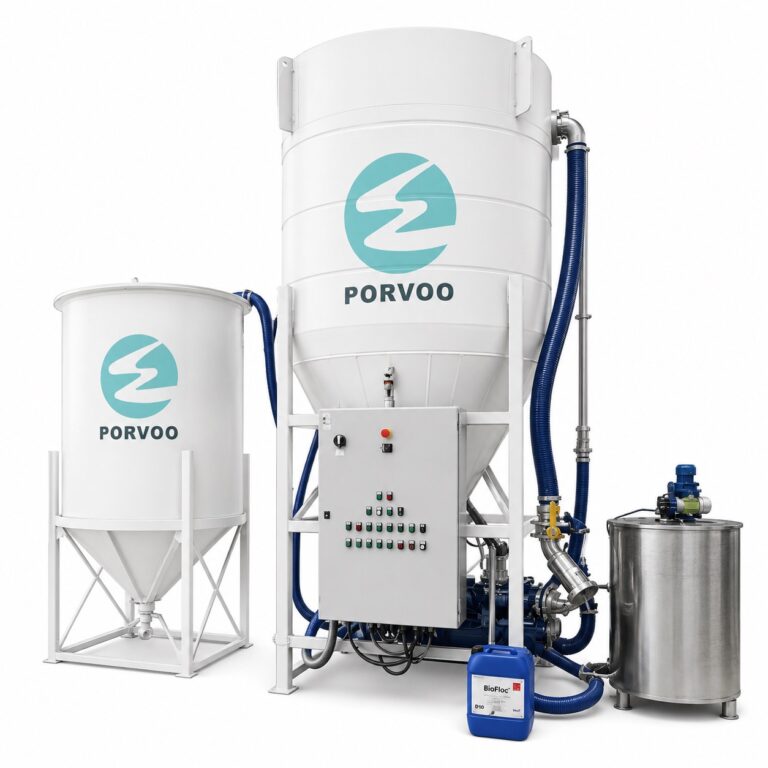
These dosage ranges represent a reported design figure for fine polishing solids; actual optimal dosing depends on influent variation, water temperature, and mixing intensity, so jar testing against site-specific influent is the appropriate starting point before system commissioning. What the sequence cannot accommodate is being treated as interchangeable — applying cationic chemistry first, or combining both in a single dosing point, typically produces floc that breaks apart under shear in downstream piping. For plants integrating an Intelligent Chemical Dosing System, the two-stage architecture should be confirmed in the dosing sequence configuration before acceptance testing, not assumed to be a standard default.
Prevent settled sludge from re-entering the reuse tank
The reuse tank has one reliable function: holding treated water that has already met return quality. Once it becomes the de facto final settling basin — accepting partially treated flow, accumulating sludge on the tank floor, and releasing fine solids back into recirculation through agitation or drawdown — the quality of the return water degrades in ways that are difficult to reverse without draining and cleaning the tank entirely.
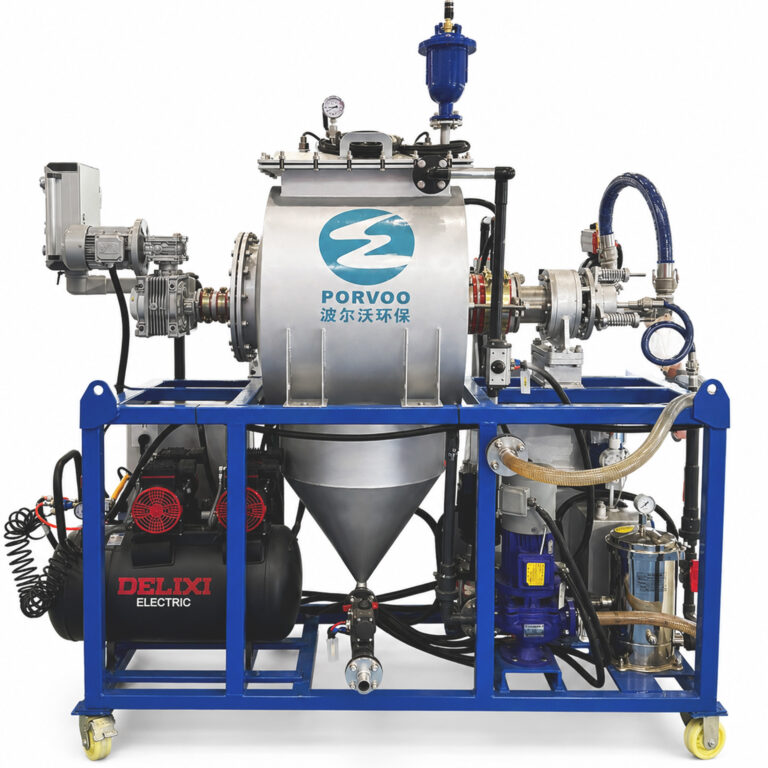
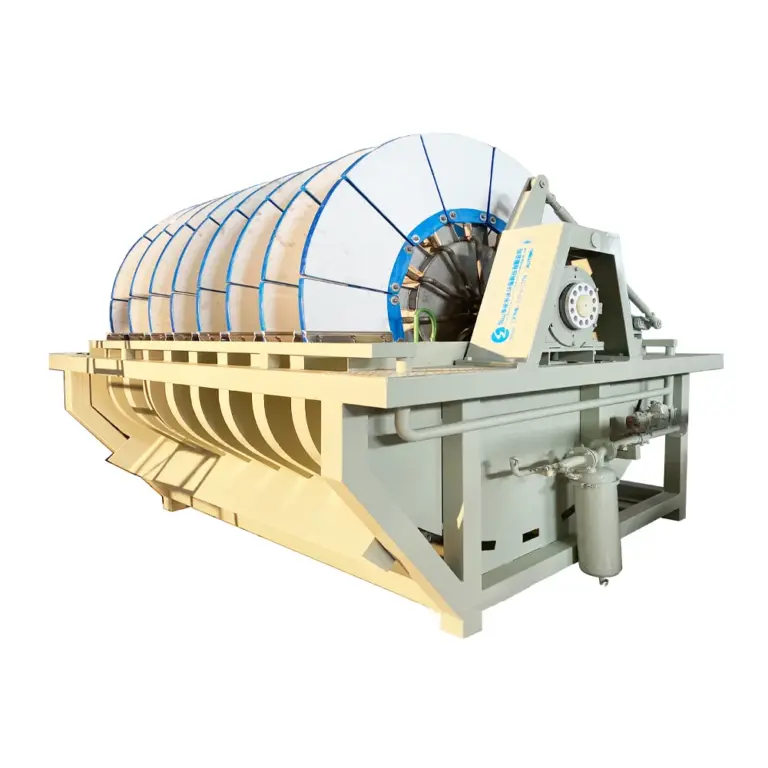
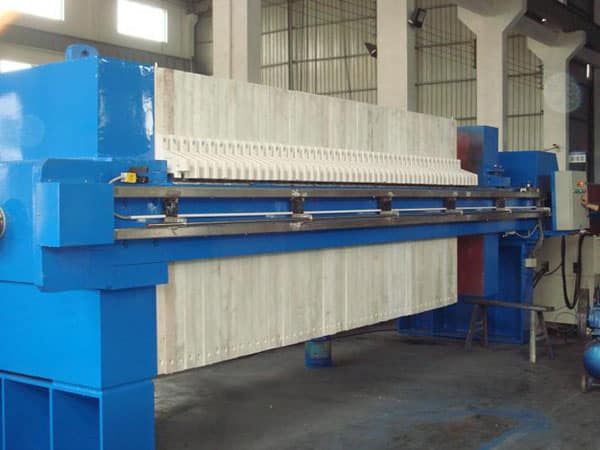
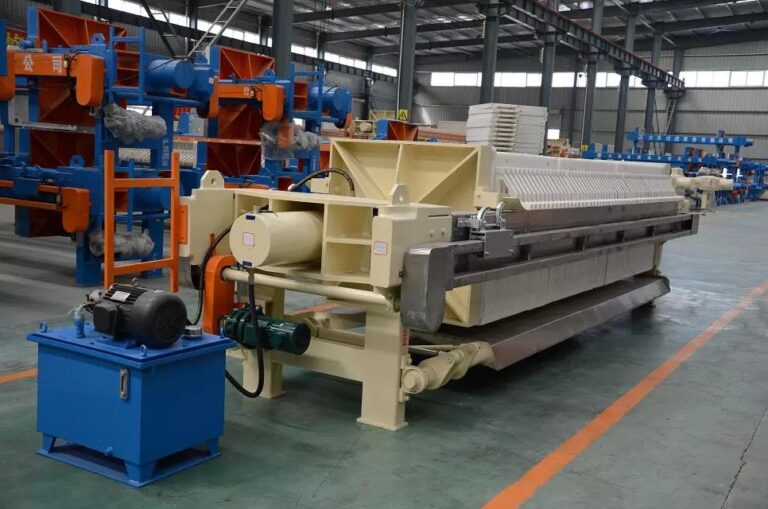
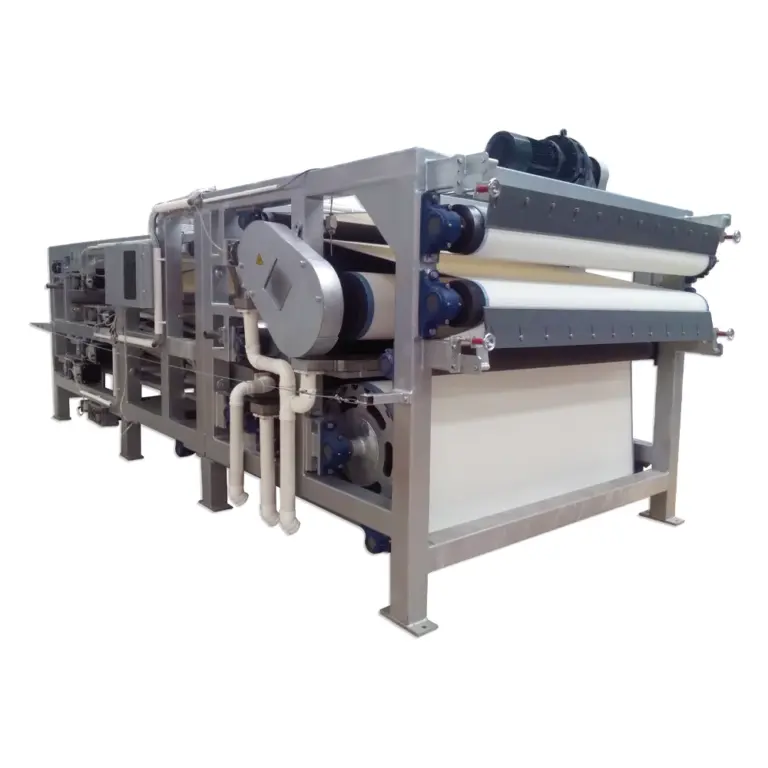
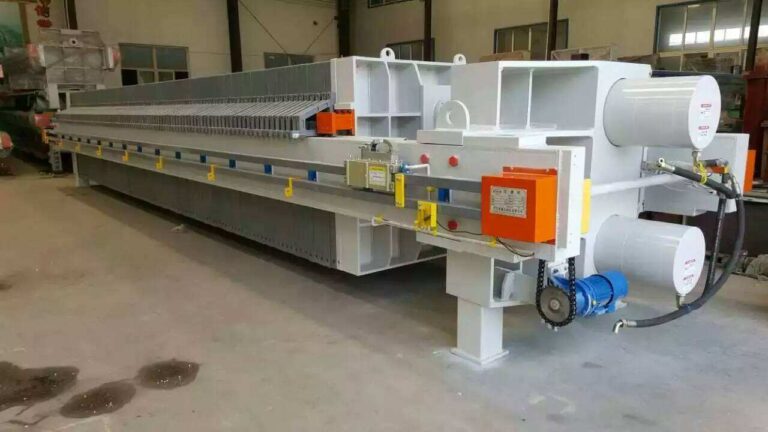
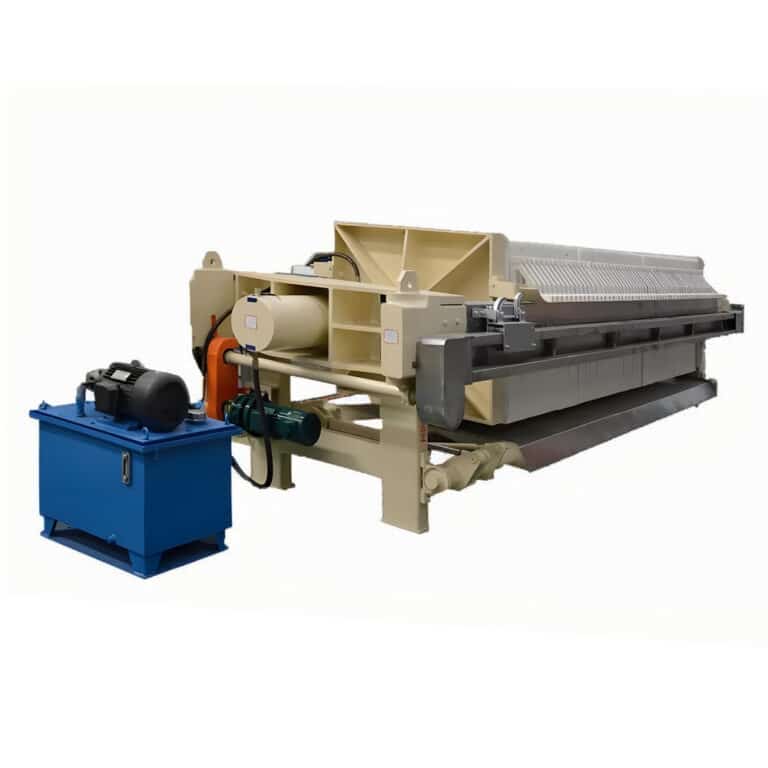
The mechanism that interrupts this cycle is physical removal of solids from the water loop before the clarified fraction reaches the reuse tank. Vacuum dewatering of the flocculated slurry, targeting cake moisture below approximately 25%, extracts the settled sludge as a handleable solid rather than a concentrated slurry that might be re-entrained. At moisture levels above that threshold, sludge behaves more like a thick liquid than a solid, which makes controlled removal more difficult and increases the risk of sludge returning to the water loop through spillage, overflow, or pump-out errors.
The operational failure risk here is not dramatic — sludge does not typically re-enter the reuse tank in a single event. It accumulates incrementally across shifts, particularly during high-throughput periods when dewatering intervals are extended or when sludge hoppers are allowed to overflow. The consequence is a reuse tank TSS that drifts upward over days rather than hours, which is slow enough to miss in routine sampling but fast enough to degrade polishing output quality before the source is identified.
Monitor turbidity and pH after process changes
Turbidity and pH in the reuse circuit do not behave as static parameters — they shift when production inputs change, when chemical batches differ, or when the polishing line transitions between tile formats or surface finishes. The point at which monitoring matters most is not steady-state operation but the window immediately following any of those changes.
The pH 6–9 operating window is referenced in the Ceramic Manufacturing Industry BREF as a discharge guideline threshold, and it also serves as a practical stability indicator for reuse quality. Deviations outside this range — particularly toward acidic conditions from polishing compound accumulation — can destabilize floc formation in the dosing circuit, which reduces TSS capture efficiency precisely when the influent composition is already variable. Turbidity monitoring, conducted using a standardized method such as ISO 7027-1:2016, provides a faster signal than TSS grab sampling during these transition periods because it can be read continuously or at short intervals without laboratory processing.
The practical review check is straightforward: after any production mix change, verify that turbidity and pH in the return stream hold within acceptable bounds before restoring normal dosing rates. If either parameter shifts beyond the design window, the appropriate response is to route return flow to the retreatment path rather than to the reuse tank while chemistry is re-stabilized. Treating post-change monitoring as a brief verification point rather than an ongoing compliance obligation reflects the actual operational context — it is a quality gate triggered by variation, not a continuous measurement burden.
Separate acceptable return water from water needing retreatment
Routing errors in water segregation are asymmetric in their consequences. Sending water that meets return quality to retreatment is wasteful but recoverable. Sending water that exceeds TSS or falls outside the pH window directly to the reuse tank contaminates a larger volume of acceptable water and may require the entire tank to be retreated — a far larger operational disruption than the original routing correction would have been.
| Parámetro | Acceptable for Reuse | Needs Retreatment |
|---|---|---|
| TSS | ≤50 mg/L | >50 mg/L |
| pH | 6–9 | Outside 6–9 range |
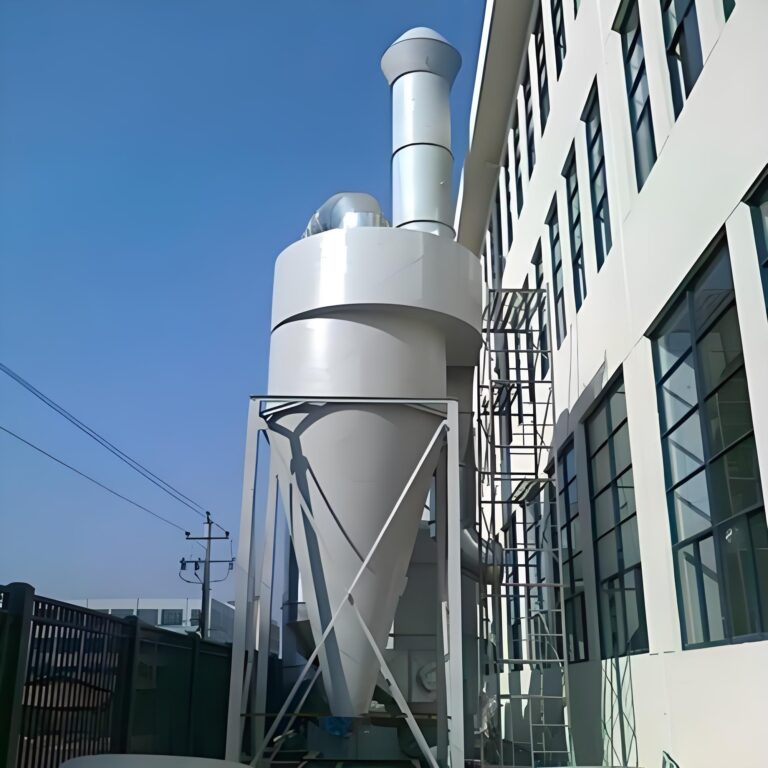
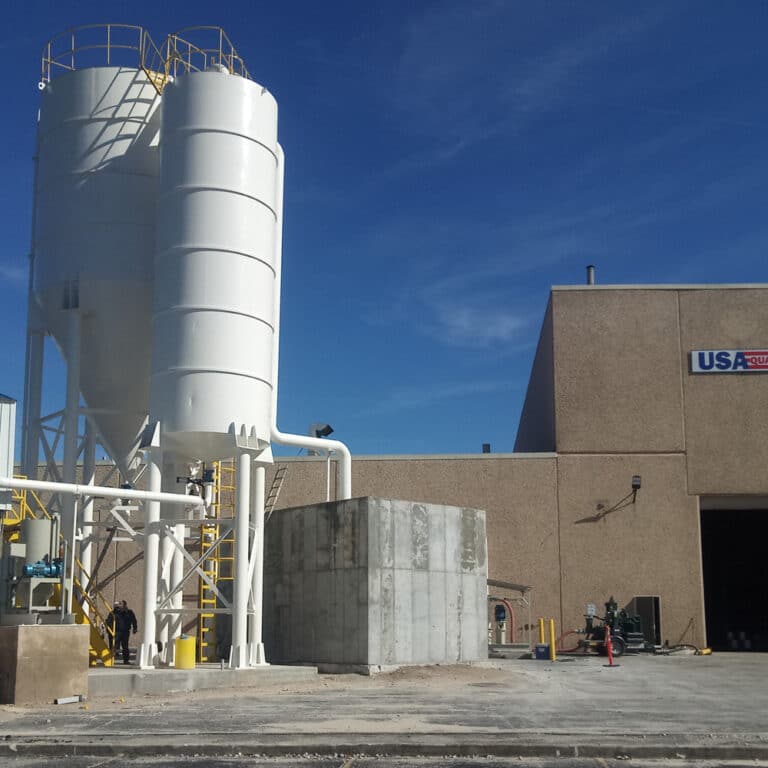
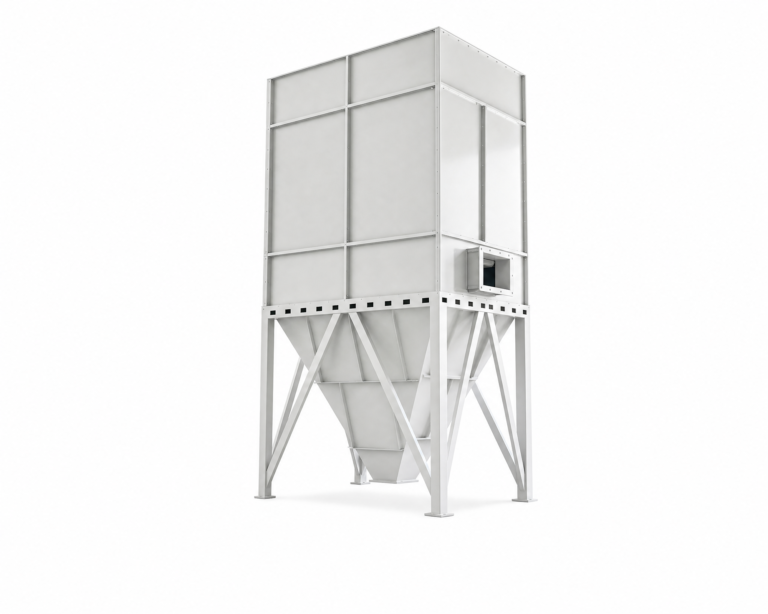
The decision logic here is straightforward in design but often compromised in practice. Systems that lack a dedicated retreatment path — or that have one but route to the reuse tank by default when the retreatment path is at capacity — tend to experience intermittent reuse quality failures that are difficult to diagnose because the contamination event occurs upstream of where operators typically sample. A Torre de sedimentación vertical positioned between the flocculation stage and the reuse tank provides a controlled separation point where overflow clarity can be assessed before the stream enters the return circuit.
High-performing reuse systems have demonstrated that recycled water can supply close to 70% of process water requirements, with water recovery ratios that exceed 100% when condensate and other internal returns are included. These figures are achievable design benchmarks rather than universal expectations, but they reflect what tight routing discipline — combined with disciplined upstream treatment — can realistically produce in a well-configured installation. The capital case for a separate retreatment path is easier to defend when the routing decision also protects the throughput that makes those recovery ratios possible.
Keep reuse stable during production mix changes
Production mix changes — tile format transitions, surface finish changes, or polishing compound substitutions — alter the influent composition arriving at the treatment circuit in ways that can outpace a dosing system configured for stable conditions. The fine particle population shifts in size distribution and surface charge, the organic loading from polishing compounds changes, and the pH tendency of the raw effluent may drift enough to affect floc formation before operators observe a quality change downstream.
The Ceramic Manufacturing Industry BREF documents that ceramic operations achieving high reuse stability have internally reused 99.5% of production and purification waste, including polishing sludge. That figure reflects operations where the treatment circuit is tuned to absorb variable influent without allowing reuse tank quality to drift — not a regulatory benchmark, but evidence that stability through production variation is an achievable operational outcome rather than an aspirational one. The design implication is that the treatment system needs headroom: dosing flexibility to adjust chemical ratios as influent composition changes, dewatering capacity that does not bottleneck when sludge generation increases during high-intensity polishing runs, and monitoring that flags influent shifts before they propagate to the reuse tank.
The most common instability pattern during production changes is a lag in dosing adjustment. Operators aware of the production change but accustomed to fixed dosing rates may not increase PAM or polyamine concentrations until turbidity in the outlet has already risen. Building a short response protocol into shift handover — confirm influent appearance, check dosing pump output, and verify outlet turbidity before the reuse tank receives the post-change flow — closes the lag that otherwise allows a transitional period of degraded water to enter the return circuit.
Stable ceramic polishing wastewater reuse depends on a sequence of decisions that are easier to get right at system design than to correct during operation. The TSS gap between raw effluent and return quality is large enough that no single treatment step closes it reliably — solids capture upstream of pumps, two-stage dosing chemistry configured for fine-particle charge behavior, physical sludge removal before the water loop closes, and disciplined routing between reuse and retreatment streams all contribute to the outcome. Weaknesses in any one of these transfer costs and uncertainty to the others.
Before finalizing equipment selection or acceptance criteria, confirm that the system design explicitly addresses each of these stages: what happens to coarse solids before the dosing circuit, how the two-stage chemical sequence is configured and validated, what the dewatering target is and how sludge exits the loop, and how return water quality is verified before it reaches the reuse tank. Those are the questions that distinguish a system designed for stable reuse from one that achieves acceptable effluent quality on the day of commissioning but drifts under real operating conditions.
Preguntas frecuentes
Q: Does this reuse approach still work if the facility runs multiple polishing compounds with different chemical compositions?
A: Yes, but the dosing system needs reconfiguration headroom rather than fixed set points. Different polishing compounds alter the surface charge distribution of fine particles in the effluent, which shifts the optimal PAM and polyamine ratios. A system locked to a single dosing profile will underperform during compound transitions — jar testing against each compound’s effluent profile before production rollout, rather than after quality problems appear, is the practical way to maintain floc performance across a mixed compound schedule.
Q: At what point does COD loading in the recycled water become a routing criterion rather than just a monitoring figure?
A: The article deliberately excludes COD as a routing trigger because no treated COD target is derivable from the available process data for polishing effluent. COD is useful as a trend indicator — a rising baseline across successive samples suggests organic accumulation from polishing compound residues — but until a facility establishes its own correlation between COD and surface defect rates, routing decisions should stay anchored to TSS and pH, where the thresholds are defined and the failure pathway is direct.
Q: What is the right next step after commissioning the treatment circuit and confirming that outlet TSS meets the ≤50 mg/L target?
A: Verify that the reuse tank itself is not accumulating solids before declaring stable operation. A system that meets outlet TSS on commissioning day can still drift if sludge removal intervals are too long or if the dewatering stage is not keeping pace with sludge generation at full production throughput. The first two to four weeks at full load — not the commissioning test — reveal whether the physical removal pathway is actually keeping the reuse tank clean or whether solids are beginning to build on the tank floor.
Q: Is a vertical sedimentation tower justified for a smaller facility that processes only one tile format and runs at relatively low polishing throughput?
A: Not automatically. The routing discipline a sedimentation tower enforces — separating clarified overflow from the reuse tank before quality can be verified — matters most when influent composition varies or when retreatment path capacity is a real constraint. At low, stable throughput with a single format, a well-sized conventional clarifier with a dedicated retreatment bypass may deliver equivalent separation without the capital outlay. The decision turns on whether the facility anticipates production mix changes or throughput growth; if either is likely, the additional routing control becomes easier to justify.
Q: How does this two-stage flocculation approach compare with single-product high-dose coagulation in terms of dewatering performance?
A: Two-stage sequencing produces denser, more structurally stable floc that dewaters to lower final moisture — the article targets cake below 25% moisture — whereas high-dose single-product coagulation on fine polishing solids typically generates loosely bound floc with higher residual water content. The practical consequence is not just sludge volume: floc that cannot be dewatered below the threshold where it behaves as a handleable solid, rather than a thick slurry, increases the risk of sludge re-entering the water loop during removal. The two-stage approach costs more in chemical management complexity but pays back in dewatering efficiency and reduced reuse tank contamination risk.