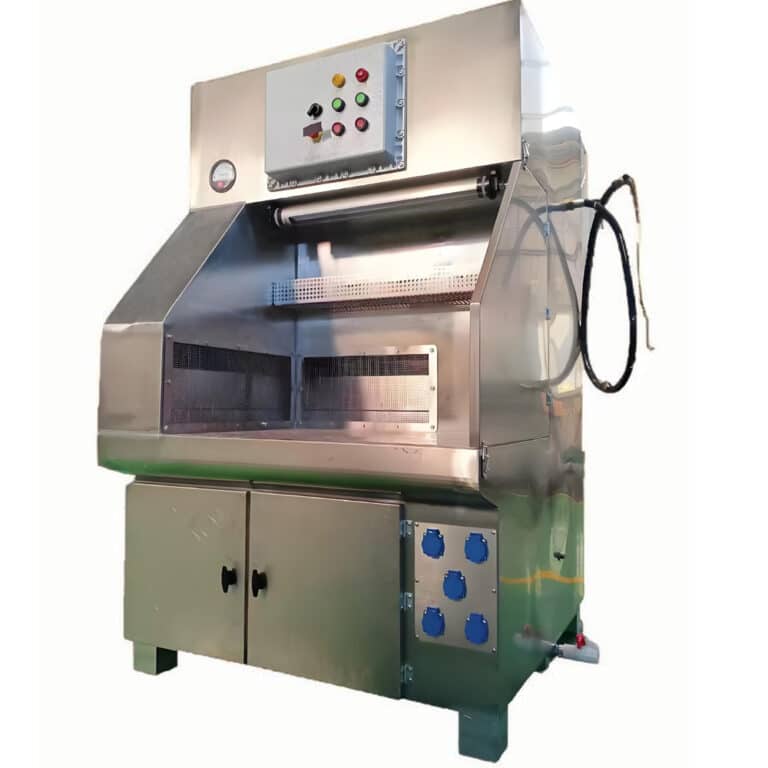
A grinding table looks like a fixed piece of equipment, but the working decision is really about where the operator stands and how far the contaminant source moves during the task. Deciding between one-sided and multi-sided access changes reach, part handling, and the geometry a capture system has to hold onto — and that decision needs to happen before a layout goes to quotation, not after.
Define Access From the Real Grinding Sequence
Access is not a count of open table edges; it is the set of positions the operator and workpiece actually occupy from loading through grinding and unloading. A table can be built with three open sides and still function as a one-sided operation if the task never requires the operator to move around it. Conversely, a table with a single visibly open face can still demand multi-sided use if the workpiece has to be rotated, flipped, or repositioned mid-cycle to reach different grinding faces.
En UK Health and Safety Executive’s HSG258 guidance states that hood design should match how the operator actually performs the work and should apply ergonomic principles rather than a generic layout assumption. That means the starting point for an access decision is not the table geometry but the task sequence: which faces get ground, in what order, with what tool path, and what the operator’s stance and reach look like at each step.
This matters because a layout chosen from equipment catalog geometry, rather than from the task, tends to under- or over-specify access. A table specified for multi-sided approach when the task only ever needs one controlled side adds handling clearance and capture complexity without a task reason. A table specified as one-sided when the part must be flipped or rotated forces the operator to reach across or around the intended capture zone, which changes where the contaminant source sits relative to the hood.
Where a second person or mechanical handling step is part of the sequence — loading a heavy workpiece, indexing a fixture, or transferring a finished part — that interface also defines an access requirement, independent of the grinding motion itself. A handling step that requires an approach from a particular side effectively fixes that side as required, even if the grinding itself could be done from elsewhere.
Recording each grinding face, tool path, workpiece orientation, handling step, stance, reach, and visibility need before comparing one-sided and multi-sided layouts avoids retrofitting the access decision to whatever table shape was assumed first. The sequence should be documented as it happens, not as it would happen under an idealized single approach.
Map Reach and Source Position From Each Side
Once the sequence is defined, each proposed working side needs to be evaluated for what it does to the source’s position relative to the operator and the capture equipment. HSE describes the working zone as the space where the contaminant is actually generated, and specifies that where this zone moves, it must remain inside the capture zone or another control should be considered. This principle applies directly to grinding tables where the workpiece, tool contact point, or dust plume shifts as the operator changes position or reorients the part.
Reach and source position are linked, not independent. When an operator must extend farther to work a face from a given side, the source — the actual point of contact generating dust — tends to move farther from the extraction surface as well. A downdraft surface or side capture arrangement sized for a source close to the working face loses effectiveness as that source is pushed outward by a longer reach, even if the operator’s position stays otherwise similar. This is why mapping reach cannot be separated from mapping the source path: the two move together across the task.
En Canadian Centre for Occupational Health and Safety’s guidance on industrial ventilation hoods supports keeping the operator positioned so they do not sit in the path between the source and the hood. This becomes a live question specifically when multi-sided access is under consideration: an approach from a side opposite the capture element can place the operator’s body, and possibly their breathing zone, directly in the contaminant’s path toward the hood, even if that same approach is otherwise convenient for reaching a grinding face.
| Proposed working side | Grinding faces reached | Active source positions | Operator position relative to source and capture | Handling or visibility constraint |
|---|---|---|---|---|
| Primary side | Record the faces actually reachable | Record the source path through the task | Record normal stance and reach | Record any constrained movement or sightline |
| Additional side | Record the distinct faces that require this side | Record the source path unique to this approach | Record stance and whether the dust path changes | Record the handling reason for opening this side |
Where the source stays close to the table surface and within a consistent envelope across all required sides, one capture arrangement can plausibly serve every position. Where reach on an additional side pushes the source outward or reorients the dust path relative to the hood, that side changes the capture question rather than simply adding a convenience. This is the information the next comparison depends on — not the count of sides being considered, but what happens to reach and source position at each one.
Compare One-Sided and Multi-Sided Access
With reach and source position mapped for each candidate side, the comparison becomes a matter of screening, not preference. One-sided access can be screened as workable where the full task — every grinding face, every handling step, every reorientation — is reachable from a single controlled side without pushing the source outside a stable working zone. This is a coverage question first: if a face cannot be reached without changing sides, one-sided access is not simply preferred less, it is not available as an option.
Multi-sided access can be screened as workable where the part or tool genuinely requires approach from distinct sides — not because a second side is convenient, but because a face, orientation, or handling step cannot be reached from the first. This distinction matters because each additional open approach changes what the capture and enclosure design has to account for. A capture arrangement built around a single stable source position and a single operator stance is a different design problem than one that has to remain effective as the source and the operator both change position between sides.
This is a framing for practitioner decision-making, not a claim that one layout uses less air, is inherently safer, or performs better than the other. Both layouts can meet the same containment intent; the difference is in what has to be engineered to get there. A one-sided layout concentrates the engineering problem into a single, well-defined geometry. A multi-sided layout distributes that problem across however many approaches the task requires, and each one needs its own check against the working-zone and operator-position questions already mapped.
Where the task’s handling step is the only reason a second side seems necessary — for example, a part transfer that could instead be redesigned to occur from the primary side — the access decision is also a chance to reconsider whether the handling step itself, not the grinding operation, is driving the layout. That distinction changes what the buyer is actually solving for: a grinding-face reach problem or a material-handling problem that happens to occur at the same table.
| Dimensión de decisión | One-sided access question | Multi-sided access question |
|---|---|---|
| Task coverage | Can every required grinding face be reached from one side? | Which distinct faces require another approach? |
| Source movement | Does the active source remain in a stable working zone? | How does the source path change between sides? |
| Operator position | Can the operator work without sitting in the contaminant path? | Does any approach place the operator between source and capture? |
| Part handling | Can loading and repositioning occur within the available route? | Are added clearances needed for rotation or transfer? |
| Capture boundary | Can one capture arrangement encompass the full task? | Does each open side alter containment or capture needs? |
Where every required face and handling step maps to one side with a stable source position, one-sided access is the simpler configuration to specify and to hold to a single capture geometry. Where distinct faces or handling steps genuinely require separate approaches, multi-sided access is the layout the task demands, and the project moves to the next question: how to preserve a workable capture geometry across those approaches without treating each one as an independent, uncoordinated opening.
Preserve Capture Geometry While Making the Task Usable
Access and capture pull against each other by nature. Wider or additional approach sides make the task easier to perform but harder to contain, because each open side is a route by which the contaminant source can drift outside the intended capture zone. HSE’s guidance supports several ways of resolving this tension: keeping the hood placement close to the source, sizing the capture zone so that it encompasses the full working zone rather than just its nominal center, using movable or adjustable arrangements when the source itself moves, and basing the work method on ergonomic principles rather than forcing the operator into a stance the layout was not built to accommodate.
These are not alternative solutions to pick from arbitrarily; they correspond to different conditions established during the reach and comparison steps. Where the source stays in a fairly consistent position regardless of which side is used, a fixed capture element — a downdraft surface, or a side or back capture arrangement — may hold the working zone inside the capture zone without further adjustment. Where the source moves meaningfully as the operator changes side or reach, a movable or adjustable capture element becomes relevant, because a fixed hood sized for one source position will not remain effective as that position shifts.
Partial enclosure is a different tool again: it addresses situations where the openness required for task access is broader than a fixed hood can compensate for through placement alone, but where full enclosure would eliminate the reach or visibility the task needs. A partial enclosure trades some of the containment benefit of full enclosure for the access multi-sided or handling-heavy tasks require, and its effectiveness depends on how well its open faces align with the mapped reach and source positions rather than on the enclosure concept alone.
None of these arrangements resolves the airflow or final layout question on paper. Airflow requirements, hood sizing, and the specific combination of capture and enclosure elements remain engineering unknowns until the mapped reach, source path, and access requirements are reviewed against the equipment’s actual configuration. What the buyer can determine independently is whether the proposed access — one-sided or multi-sided — has a plausible capture arrangement that keeps the working zone inside the capture zone under the conditions already mapped, or whether the access requirement as currently defined would place the source outside what any single arrangement could reasonably hold.
Freeze the Layout Brief for Quotation
The output of this process is not a decision announced in isolation — it is a brief specific enough that a supplier can evaluate the access requirement against a real capture and enclosure configuration. That brief should show the preferred and required access sides identified from the actual task sequence, the operator positions and reach envelope mapped for each, the part orientations the grinding sequence requires, the source path across the task, the fixture footprint, the handling clearances needed for loading and transfer, any nearby drafts or air disturbances in the installation area, the operating pattern the table will see, the space available for the equipment and its capture elements, and the validation evidence the facility expects once the equipment is installed.
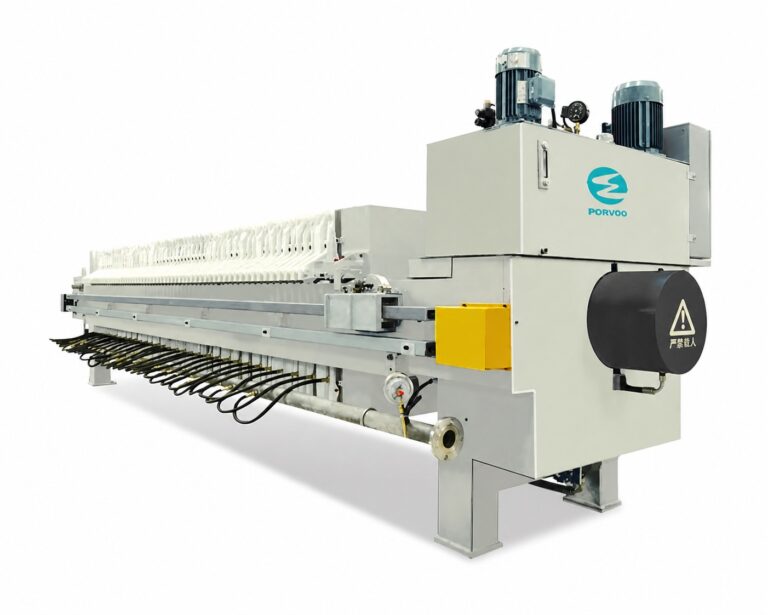
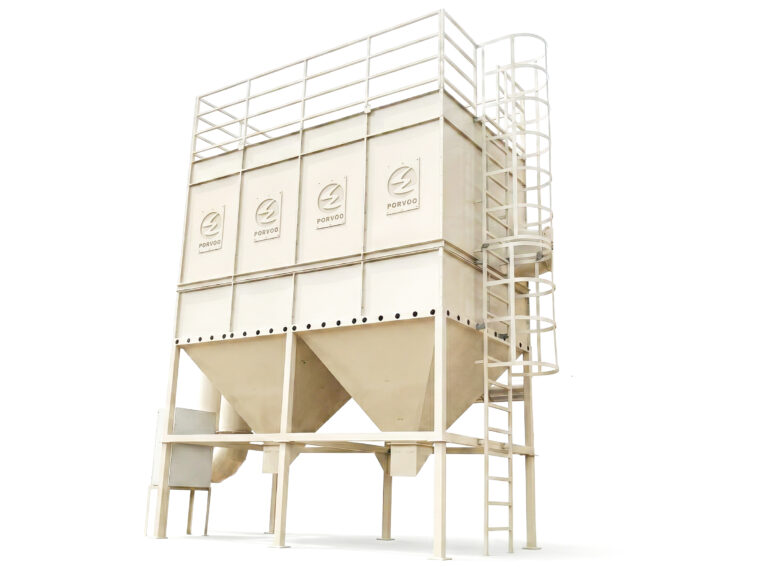
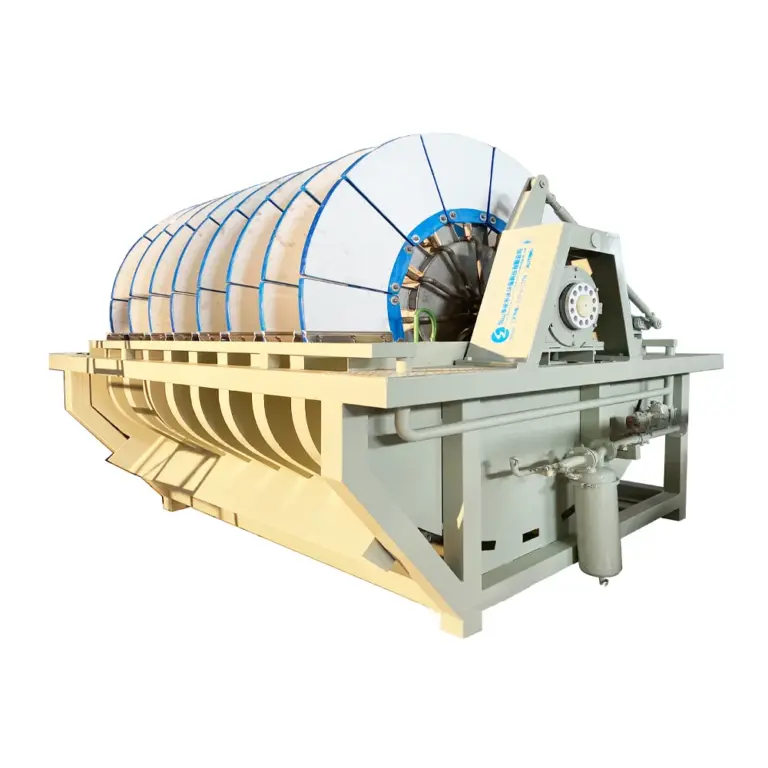
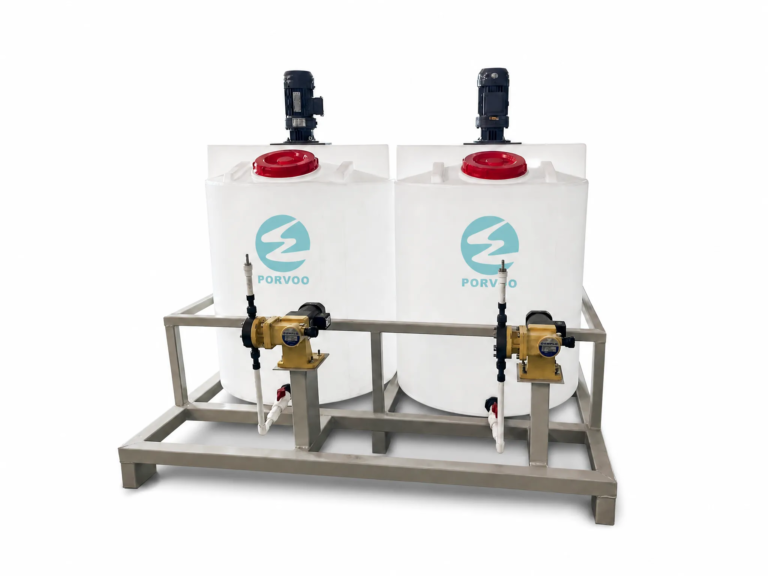
This is the point at which the buyer’s own project information becomes usable by a supplier. PORVOO’s grinding-table family is a relevant starting point for this kind of project-specific access and capture-layout discussion, but the brief itself — the mapped reach, source positions, and access requirements — is what allows a supplier to move from a general product family toward a configuration matched to the task. Handing over a generic request for “a one-sided table” or “a multi-sided table” without the underlying sequence and reach information forces the supplier to guess at exactly the details this process was meant to establish.
Freezing the brief does not mean the access decision is final in every respect. The supplier and buyer still need to confirm the specific configuration, the filtration approach appropriate to the material being ground, the safety controls relevant to the installation, the utilities the equipment will draw on, and the acceptance approach the facility will use to confirm the installed system performs as intended. What the frozen brief does is remove ambiguity about the task itself, so that whatever technical and engineering decisions follow are being made against an accurate description of how the table will actually be used rather than an assumption about how many sides should be open.
Preguntas frecuentes
Q: How can we tell whether one-sided access will work for our grinding task?
A: Map loading, grinding, repositioning, and unloading, then check whether every required face and source position is reachable from that side with usable stance, reach, and visibility. The complete task also needs to remain within the intended capture zone without placing the operator in the dust path.
Q: We need to work from another side of the part. What changes in the capture discussion?
A: Record the distinct faces, source path, stance, and handling reason for that approach. Each additional open side changes the containment and capture question, so the supplier needs to assess whether the proposed surface, side capture, enclosure, or movable concept can cover all required working positions.
Q: What should we freeze before requesting a layout quotation?
A: Distinguish required access sides from preferences and show operator positions, reach, part orientations, tool and source paths, fixture footprint, and handling constraints. Add available space, nearby drafts, operating pattern, and expected validation evidence so the proposed access and capture arrangement can be reviewed together.