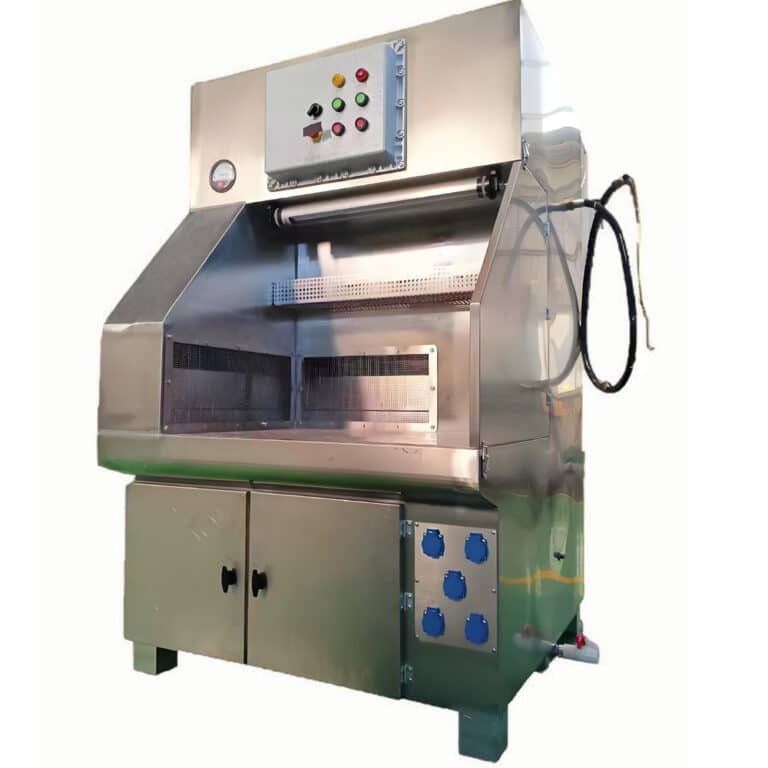
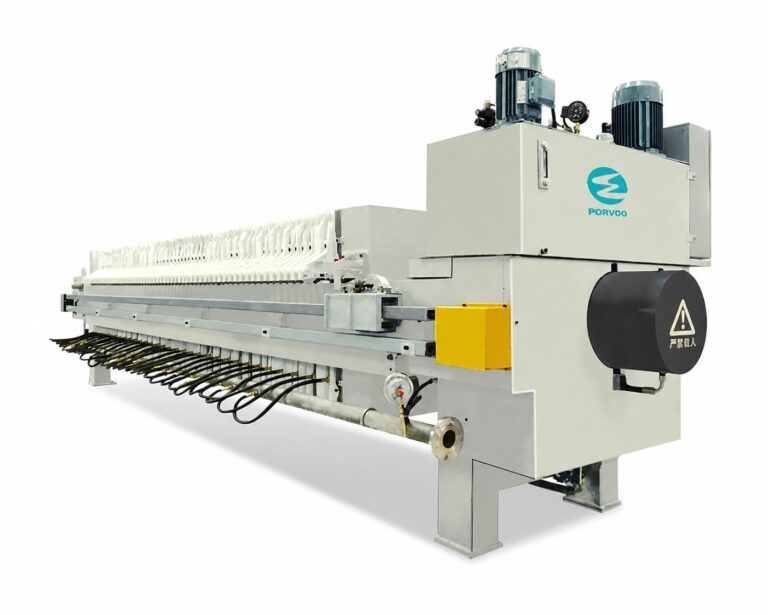
A downdraft table draws air through a working surface. Its usefulness depends on the release point, workpiece and delivered airflow, so verify the actual installation and task.
What is included in the equipment?
Identify the working surface, inlet path, filter or external collector connection and fan. Confirm supplier and site boundaries.
How is capture verified?
Observe escape and measure the required parameters under representative work. Record the inlet geometry, source motion and nearby air currents.
Which arrangement should be compared?
Compare table, hood or enclosure at the same task, material and operator positions. Ask the site’s qualified reviewer to confirm application suitability.
What should component data show?
Request filter identity, fan duty and controls and service instructions. Use whole-unit tests separately from element data.
Which installation conditions matter?
Check workpiece coverage, nearby doors and fans, power and exhaust routing. Confirm responsibility for airflow and any required site measurements.
How should service be planned?
Use supplied instructions and observed loading for inspection and replacement. Record flow and outlet or capture checks before and after maintenance.
How is worker protection assessed?
Have qualified personnel use representative task and exposure measurements. Compare conditions with and without the installation only on a documented method and equivalent duty.
Which new options warrant testing?
Compare monitoring or filter changes at the same flow, loading and accepted capture. Record actual operator response and service.
What should determine selection?
Use demonstrated application fit, accepted performance and service scope. Keep plant operation and test evidence visible alongside the quote.
What inputs support a useful review?
Provide process and material, part sizes, work positions, shifts and site layout. Agree the test method and points before demonstration.
Recursos relacionados
- PORVOO
- Mesa de esmerilado industrial PORVOO de corriente descendente para trabajo en seco y en húmedo
- Mesa de esmerilado industrial PORVOO de corriente descendente para trabajo en seco y en húmedo
- Mesa de esmerilado industrial PORVOO de corriente descendente para trabajo en seco y en húmedo
- Mesa de esmerilado industrial PORVOO de corriente descendente para trabajo en seco y en húmedo
- Mesa de esmerilado industrial PORVOO de corriente descendente para trabajo en seco y en húmedo
- Mesa de esmerilado industrial PORVOO de corriente descendente para trabajo en seco y en húmedo
- Mesa de esmerilado industrial PORVOO de corriente descendente para trabajo en seco y en húmedo
- Mesa de tiro descendente Eurovac
- Mesa baja Dust Right
- Mesas de tiro descendente DualDraw
- Mesa de tiro descendente Super Sucker DIY