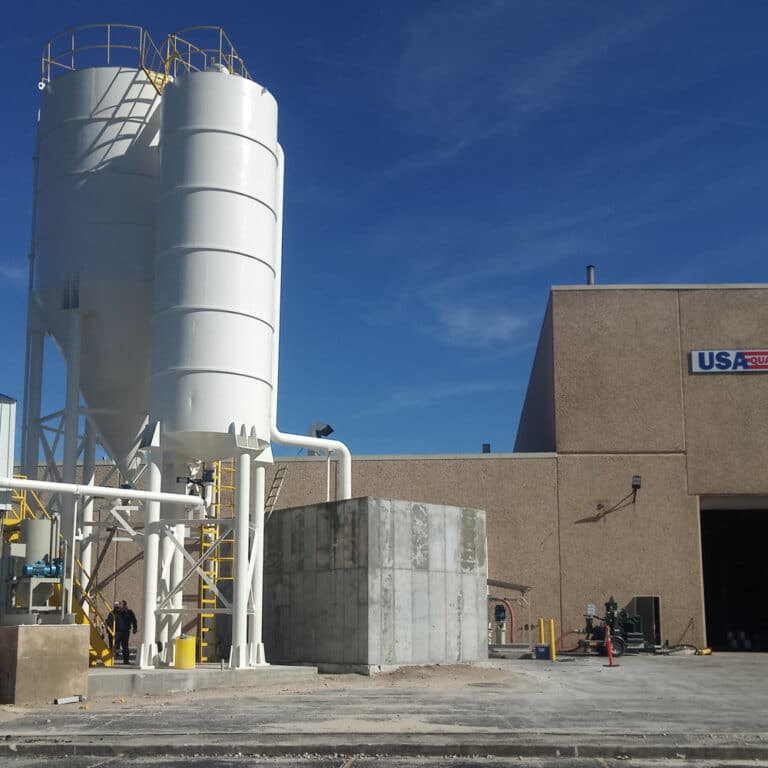
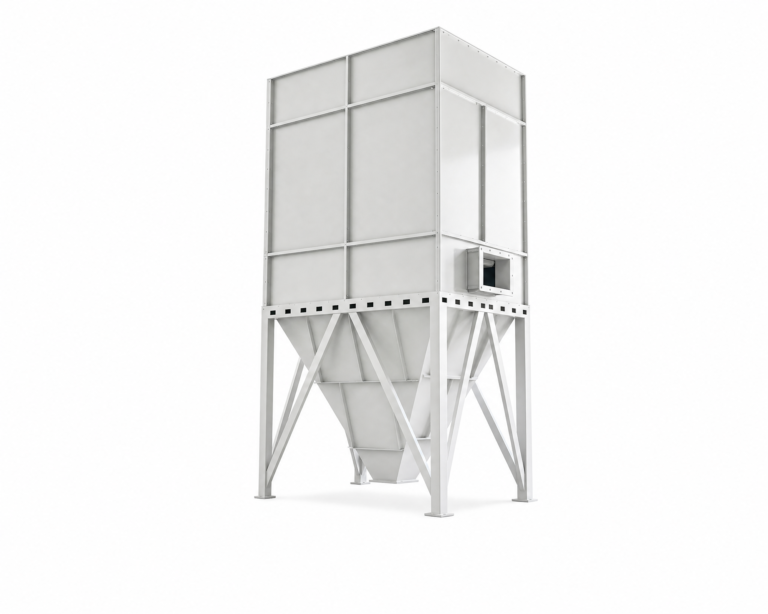
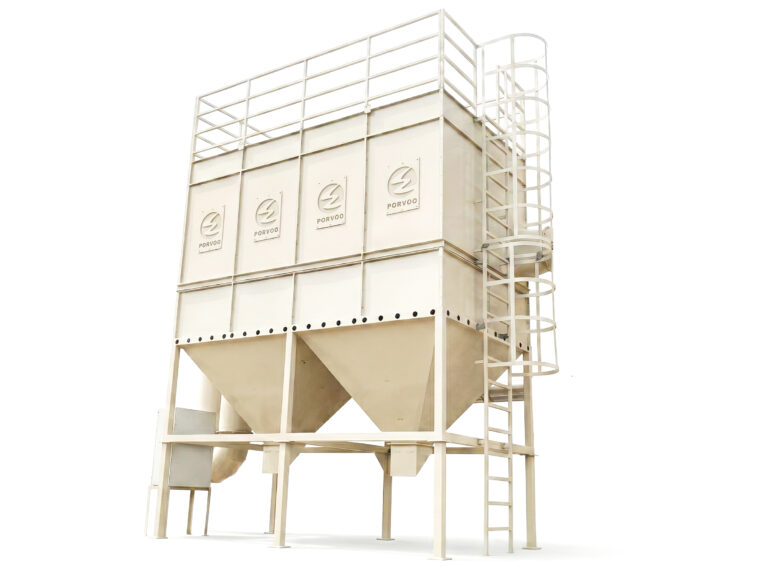
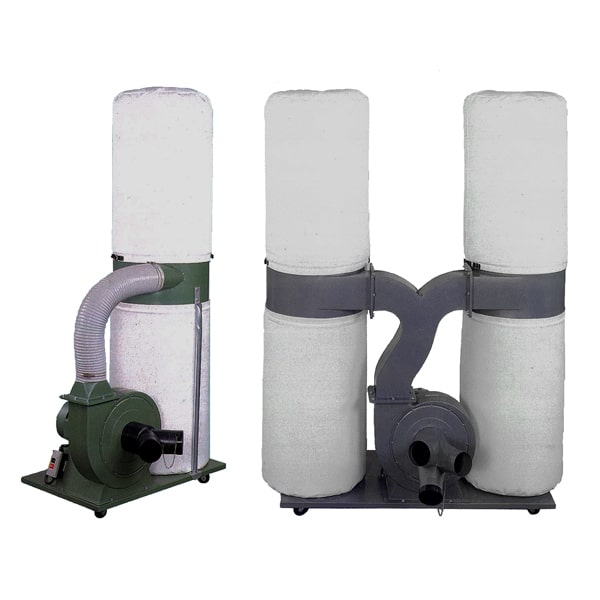
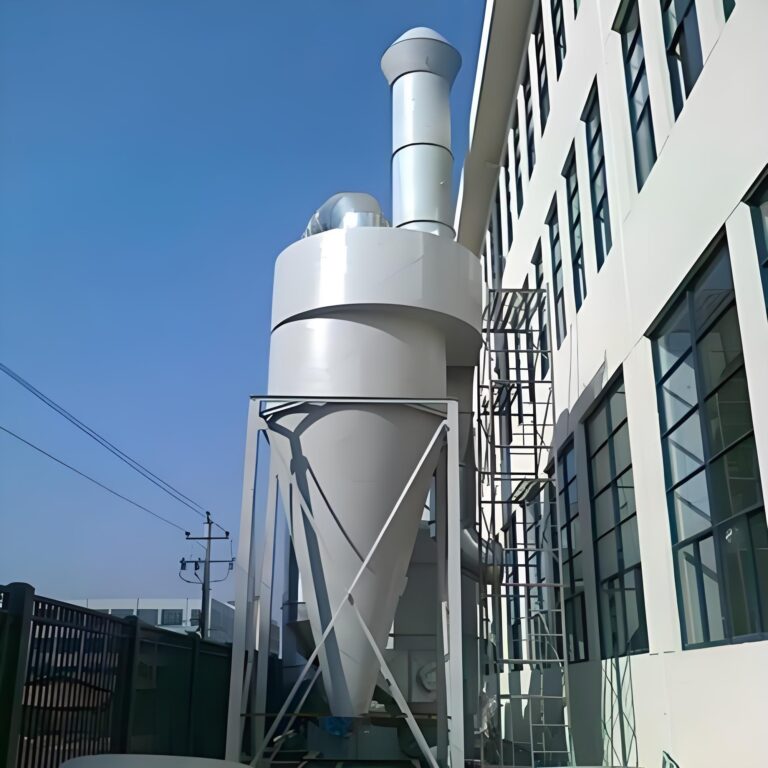
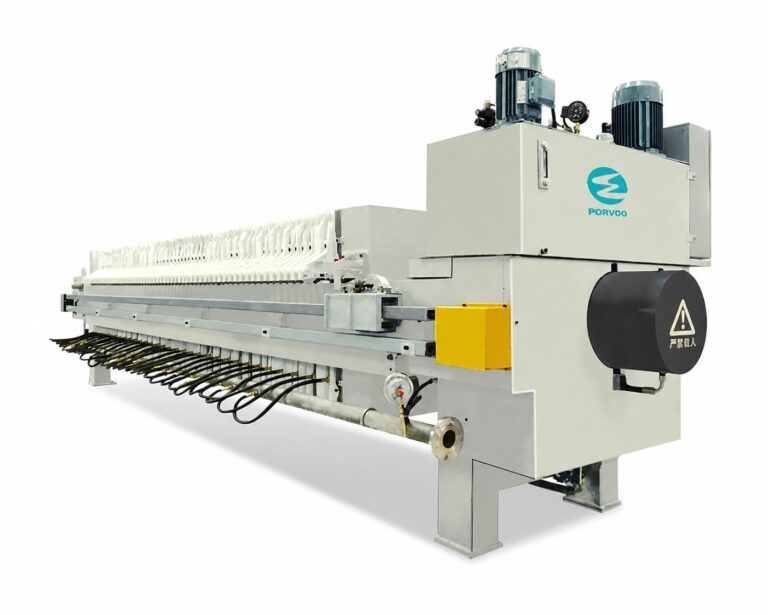
A cyclone separates particles from an airstream using centrifugal action. Its performance and the facility's emission obligations are evaluated on different evidence. Begin with the collection duty and the actual permitted outlet.
Specify the cyclone duty
Identify its place in the system, the expected particle distribution and density, the flow range and whether another collector follows it. Ask for test data or a performance curve showing the size fractions measured and the associated pressure drop.
Confirm the emissions obligations
Have the permit holder identify applicable rules, outlet limits, test methods and recordkeeping in the actual jurisdiction. Pressure, airflow and material-handling trends can be useful voluntarily, but required monitoring should come from the applicable permit and rule.
Match the test to the machine
ASHRAE Standard 199 defines a laboratory method for industrial pulse-cleaned dust collectors. A standalone cyclone is outside that published scope. If there is an in-scope downstream stage, check which equipment the test report actually covers.
Review ownership and acceptance
Ask how the quoted cyclone and the downstream system are verified at representative loads, including conditions that create wear or plugging. Compare fan energy, wear-component access and replacement costs using the supplier's documented operating point.
Related resources
ANSI/ASHRAE Standard 199-2016 — Method of Testing the Performance of Industrial Pulse Cleaned Dust Collectors — Historical 2016 test method for industrial pulse cleaned dust collectors; ANSI lists reaffirmed 199-2016 (R2026). Confirm the applicable edition.
- systèmes de dépoussiérage par cyclone
- PORVOO
- Nous contacter
- ASHRAE published scope of Standard 199