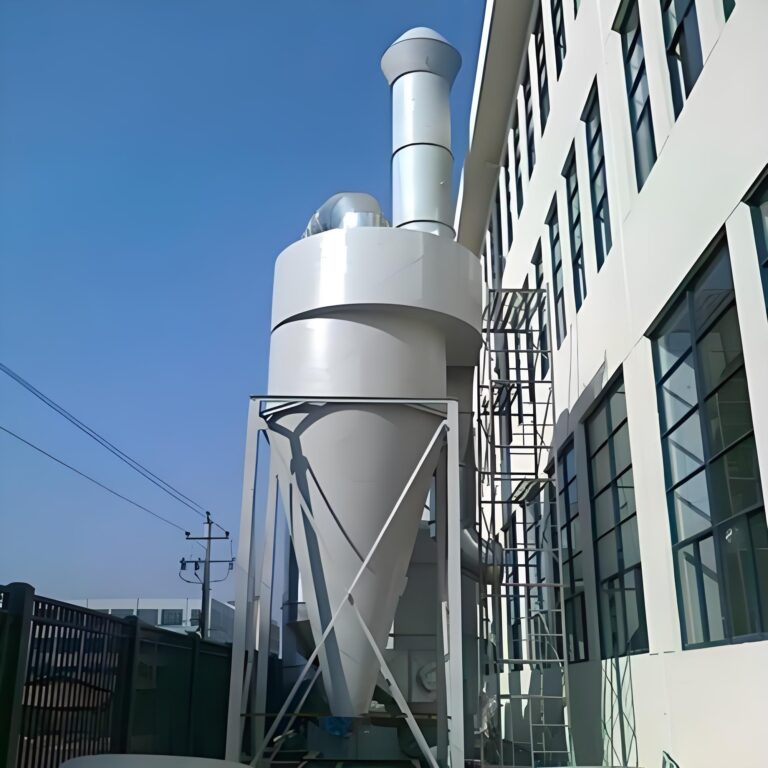
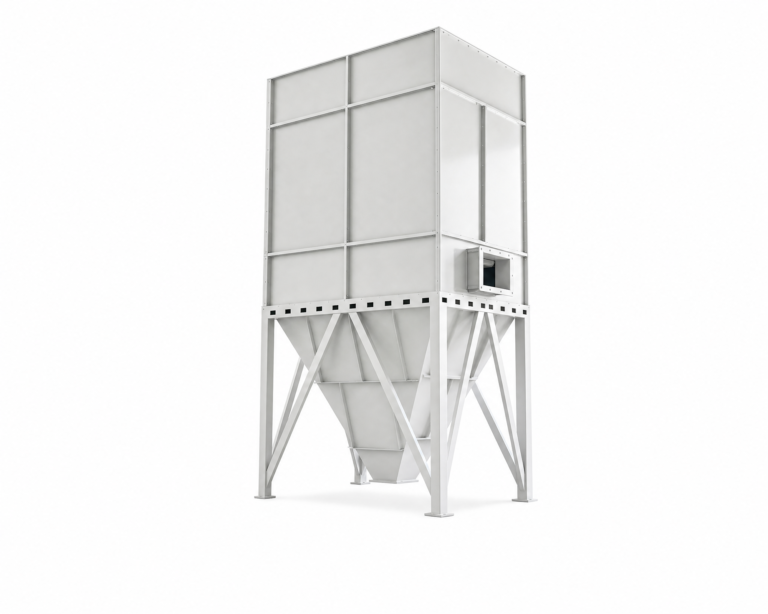
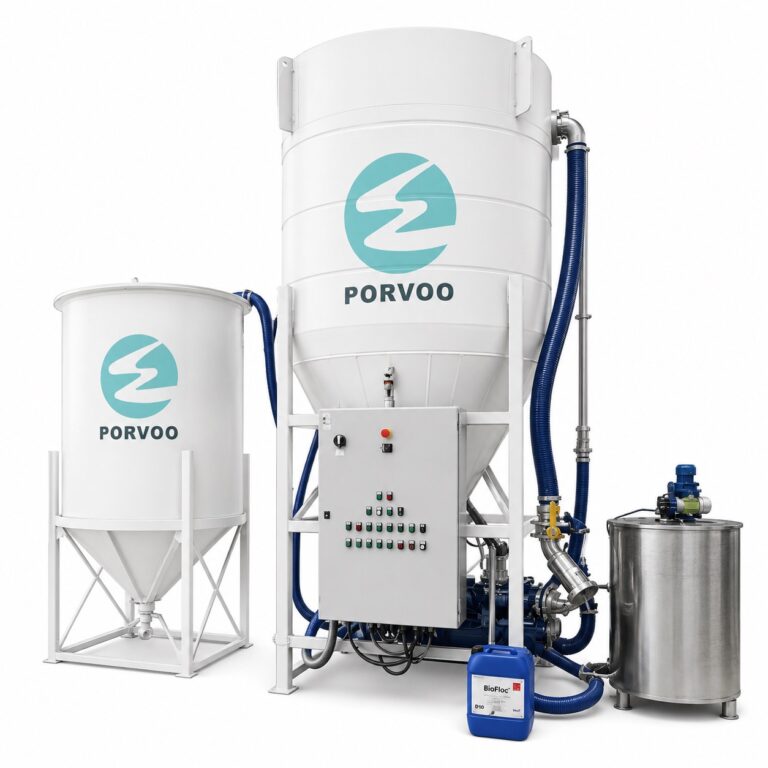
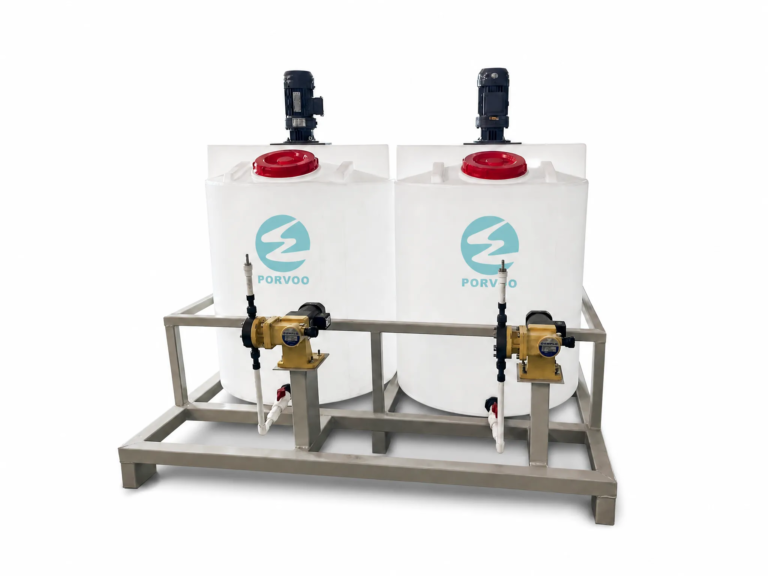
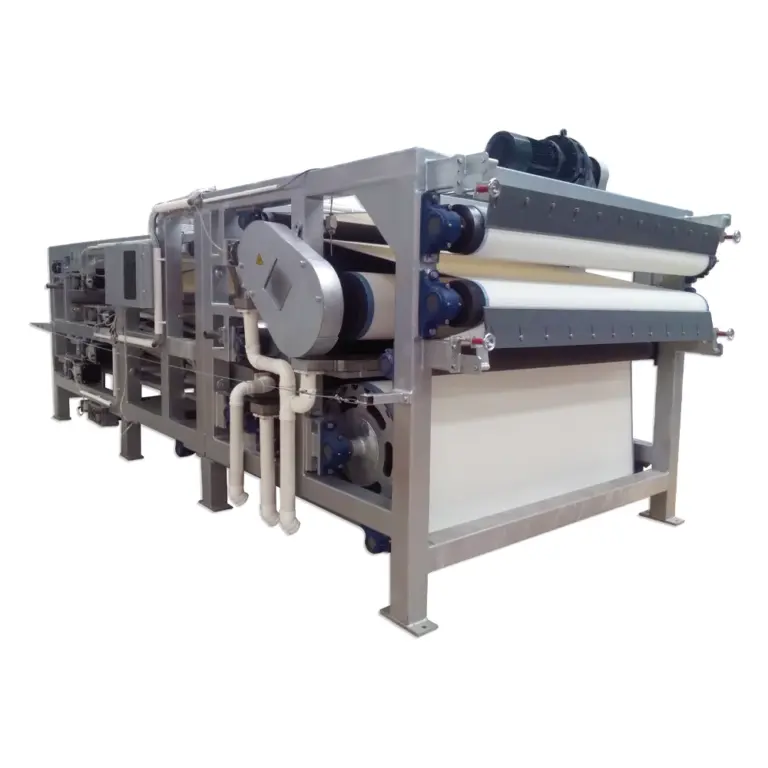
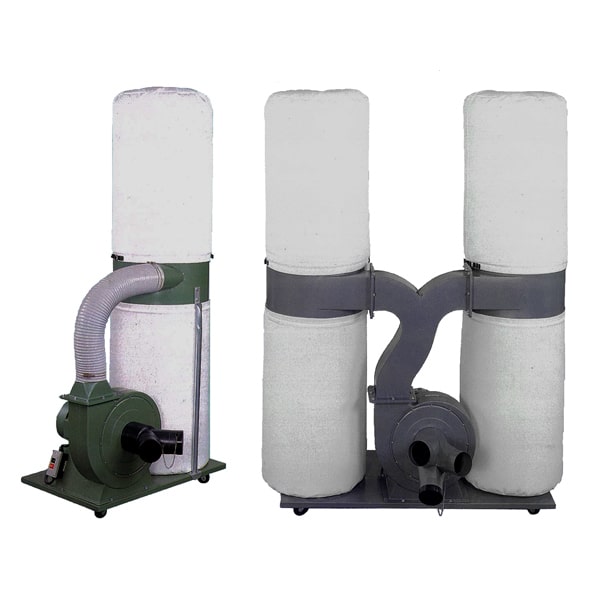
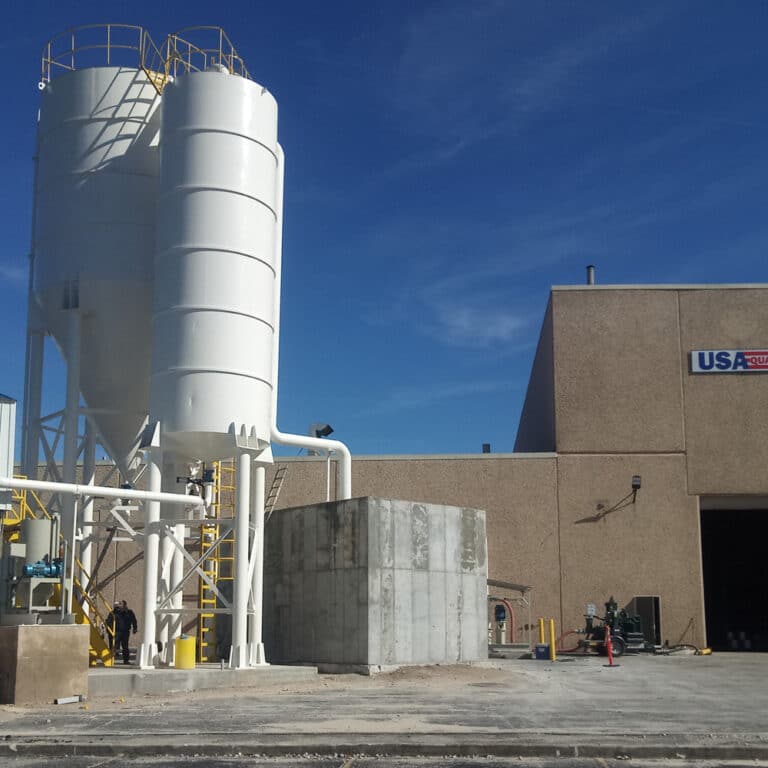
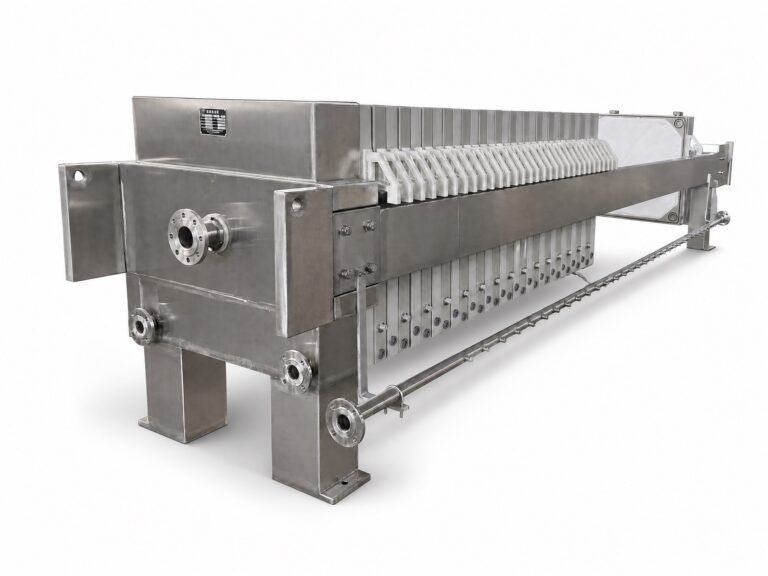
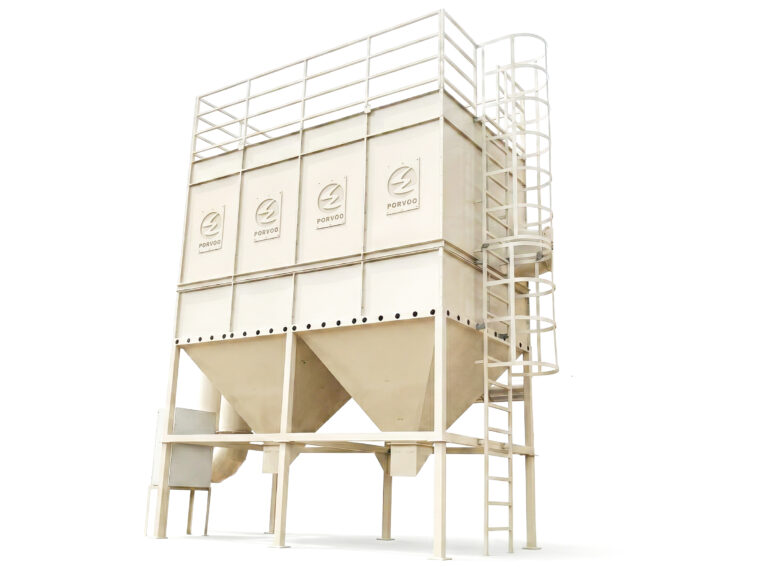
Site readiness for a dust collector is less about having a generic checklist than about knowing which approved project data have been confirmed before shipment and installation release. The same collector envelope can impose different foundation inputs, lifting routes, connection locations, and service access depending on the selected arrangement, shipped-loose items, and site interfaces. If those assumptions are left open, the project team can discover late that the support review, erection plan, or maintenance path was based on a different configuration.
Translate the Approved Collector Package into Site Requirements
Start from the current approved collector arrangement, not from a generic footprint or a similar installed unit. The supplier drawing and technical data for the selected configuration should identify overall dimensions and weight, shipped-loose items, inlet and outlet connection points, dust-disposal arrangement, and the duct, pipe, electrical, or support interfaces that will be completed on site. The Donaldson DFPRE installation, operation, and maintenance manual is a model-specific reference; it supports using confirmed equipment weight and dimensions for foundation review and reserving access to utilities, dust disposal, and maintenance, but it does not establish PORVOO dimensions, anchor details, clearances, scope, suitability, performance, safety, or compliance. For a configurable project, the equivalent PORVOO data package is the controlling reference; for example, the site review for a dépoussiéreur à jet pulsé modulaire should still be tied to the approved project arrangement rather than the product category.
Verify Foundation and Structural Support Inputs
Send the site structural party the confirmed collector weight together with the collected-material, auxiliary-equipment, live-load, and applicable outdoor-load inputs identified in the adopted installation manual. The foundation design, anchor details, and adequacy remain project-specific confirmations for the responsible site discipline; Donaldson model dimensions or anchor details should not be copied into a PORVOO plan.
| Input category | What to confirm for this project | Limite |
|---|---|---|
| Collector data | Current approved weight and overall arrangement | Use the supplier’s current project data; do not infer from another model |
| Collected material | The material load basis used for the support review | Project value remains to be confirmed |
| Auxiliary equipment | Items whose loads act on the support or foundation | Include only items in the approved project scope |
| Live loads | The project basis supplied by the responsible site discipline | The article does not calculate or approve the load |
| Outdoor loads | Whether site wind or snow conditions apply | Values and design rules remain site- and jurisdiction-specific |
The purpose is not to create a universal foundation specification, but to expose missing inputs before they delay fabrication or erection planning.
Reserve Delivery, Erection, and Connection Access
Compare the agreed delivery split and lifting approach with the actual site route and erection area. Because collectors may arrive in modules or with shipped-loose components, the access question is not limited to the largest item; it includes the staging area, lifting position, and the sequence needed to move pieces into place. The same review should reserve a path to the inlet and outlet ductwork and to the electrical and compressed-air connection points, since early utility and installation access decisions are difficult to recover once civil work or adjacent equipment is fixed. Donaldson’s purchasing guidance supports reviewing collector location, size, installation sequence, utility availability, operating responsibility, and the applicable installation manual before installation, but the required clearances, lifting plan, and interface locations for a PORVOO project remain drawing-specific and need confirmation from the current project package.
Protect Maintenance and Dust-Removal Access
Walk the layout through the recurring work that will happen after commissioning: removing collected dust, reaching service covers, changing filtration components, and accessing utilities. A route that works only when production is stopped, or that requires temporary removal of guarding or ductwork, can turn routine maintenance into a planned outage and can discourage timely dust removal. The Donaldson manual supports the need for convenient maintenance access and dust-disposal access, but it does not provide a universal distance for PORVOO equipment. Treat every clearance as a supplier-confirmed dimension tied to the selected configuration, the service method, and the surrounding site.
Close Site Readiness Gaps Before Release to Ship
Convert unresolved items into a short action list before shipment: missing drawing or data, the party expected to confirm it, and the decision it blocks. Typical blockers may include the current arrangement drawing, foundation load confirmation, delivery route and lifting approval, connection-point coordinates, and the maintenance envelope. Release to ship should follow project confirmation of those items against the approved arrangement; a completed site readiness checklist does not by itself prove engineering adequacy or acceptance. For the equipment package itself, confirm the current dépoussiéreur à jet pulsé modulaire configuration and interfaces with PORVOO before releasing fabrication or shipment. If the team still needs wider installation and maintenance context, the Dust Collection System Installation Maintenance Guide can help frame questions to raise, while project-specific values remain subject to the current supplier documents.
Questions fréquemment posées
Q : Is the empty collector weight enough for our structural team to review the foundation?
A : No. Provide the approved collector arrangement and weight together with the collected-material load basis, supported auxiliaries, live-load inputs, and applicable outdoor loads. The responsible structural party needs project-specific values to confirm the support and foundation.
Q : The collector fits within the floor footprint. What else should we check before approving the layout?
A : Check delivery and erection access, site-installed duct and utility connections, and the space needed for recurring service. Dust removal, service-cover access, filtration-component changes, and utility access should remain usable with the selected configuration’s supplier-confirmed clearances.
Q : How should we handle readiness items that still lack supplier drawings or confirmed data?
A : List the missing drawing or value, the party expected to confirm it, and the shipment or installation decision it blocks. Reconcile the current arrangement, support inputs, route, connections, and maintenance envelope through project confirmation before release to ship.