Los fallos en el acondicionamiento de aguas residuales mediante cerámica rara vez salen a la luz durante la revisión del diseño; aparecen en la puesta en marcha, cuando el filtro prensa sigue produciendo torta húmeda o filtrado turbio a pesar de que el sistema de dosificación química parece estar correctamente especificado. La causa subyacente es casi siempre una etapa de acondicionamiento que se definió de forma demasiado imprecisa: no se verificó el pH antes de las pruebas químicas, no se respetó el tiempo de disolución, se seleccionó el tipo de bomba por comodidad en lugar de por la compatibilidad con el polímero, o se añadió PAM sin comprender en qué se diferencia realmente del PAC. Cada una de estas deficiencias produce un patrón de fallo distinto en el filtro prensa, y la solución —una vez que el filtro prensa ya está instalado— consiste en una adaptación de la etapa de acondicionamiento que nunca se tuvo en cuenta en el diseño original. La decisión que resuelve la mayoría de estos problemas se toma antes de seleccionar los productos químicos: comprender cuál es la función de cada producto químico y qué condiciones deben cumplirse antes de que pueda evaluarse su rendimiento. Lo que sigue ofrece a los ingenieros de procesos y a los equipos de EHS el marco necesario para verificar esa lógica de acondicionamiento antes de adquirir la prensa, y no después de que su rendimiento sea insuficiente.
Objetivos independientes de coagulación, floculación y deshidratación
El PAC y el PAM no realizan la misma función, y considerarlos opciones intercambiables conduce al error más común en el acondicionamiento de aguas residuales en procesos cerámicos. El PAC, como coagulante, desestabiliza las partículas en suspensión mediante la neutralización de cargas; en la dosis adecuada, logra una eliminación casi completa de los TSS. Lo que no consigue de forma fiable es capturar la fracción orgánica coloidal que contribuye a la DQO y al color. Un estudio realizado con aguas residuales de pulido cerámico reveló que el PAC por sí solo, a una concentración de 400 mg/L, lograba una eliminación de TSS del 99,71 TP3T, pero dejaba 52,51 TP3T de DQO y 49,621 TP3T de color en el filtrado. Desde el punto de vista de la turbidez, el agua clarificada parece aceptable. Sin embargo, en lo que respecta a la deshidratación, la prensa recibe un material de alimentación que aún contiene partículas orgánicas finas, y estas interfieren en la estructura de la torta, reducen el grado de secado y degradan la calidad del filtrado en las etapas posteriores del proceso.
La adición de PAM aniónico a 1,5 mg/l modifica sustancialmente ambas cifras. Los mismos datos experimentales muestran que la eliminación de la DQO aumenta hasta 87,51 TP3T y la de la color hasta 93,021 TP3T, con una reducción de la dosis de PAC de 400 a 300 mg/l. Esto se debe a que el PAM, en su función de floculante, une las partículas finas y los coloides residuales que el PAC desestabilizó pero que no logró agregar por completo. Los dos productos químicos desempeñan funciones secuenciales: el PAC establece el entorno de carga; el PAM construye la estructura de los flóculos que la prensa puede capturar y comprimir efectivamente.
| Escenario terapéutico | Dosificación | Eliminación del TSS | Eliminación de la DQO | Eliminación del color |
|---|---|---|---|---|
| Solo el PAC | 400 mg/l | 99.7% | 47.5% | 50.38% |
| PAC + PAM aniónico | PAC 300 mg/l + PAM 1,5 mg/l | - | 87.5% | 93.02% |
La consecuencia para el diseño del proceso es que evaluar el rendimiento del PAC basándose únicamente en la eliminación de TSS dará lugar a una lectura optimista que no refleja la calidad del agua de alimentación de la prensa. Un punto de referencia de diseño comúnmente citado sostiene que más del 90% de los casos de aguas residuales con cerámica se tratan eficazmente mediante el uso combinado de PAC y PAM aniónico; considérelo como un punto de partida para la selección de productos químicos, no como una garantía de rendimiento para ningún afluente específico. Cuando la DQO o el color del filtrado supongan una limitación para la reutilización, la combinación es la opción predeterminada más defendible, y la opción de utilizar únicamente PAC debería descartarse, a menos que las pruebas en frasco con las aguas residuales reales confirmen que la carga orgánica es lo suficientemente baja como para que el déficit resulte aceptable.
Controla el pH antes de evaluar el rendimiento del PAM o del PAC
Si la dosis de PAC se ha ajustado en repetidas ocasiones sin que se haya producido ninguna mejora, y se ha añadido PAM sin que ello haya resuelto el problema, la primera variable que hay que comprobar es el pH, y no la dosis de producto químico. El rendimiento del PAC depende en gran medida del pH. Los datos experimentales sobre aguas residuales de cerámica muestran que el PAC a 200 mg/L alcanza su mayor capacidad de eliminación a un pH de 7: eliminación de turbidez del 98,571 TP3T, eliminación de TSS del 98,751 TP3T, eliminación de DQO del 371 TP3T y eliminación de color del 38,371 TP3T. Las desviaciones en cualquier dirección reducen estas cifras, lo que significa que una prueba con PAC realizada fuera del rango óptimo de pH producirá resultados que reflejan la interferencia del pH, y no un rendimiento insuficiente del producto químico.
La implicación práctica es que el pH debe medirse y corregirse antes de interpretar cualquier ensayo con PAC o PAM. No se trata de una especificación de cumplimiento, sino de un paso de caracterización del proceso. Las aguas residuales del pulido cerámico suelen llegar con un pH variable en función de la química del proceso anterior, y sin un ajuste del pH antes de la dosificación, el mismo producto químico en la misma dosis producirá resultados inconsistentes que no podrán atribuirse a una única causa. La norma ISO 10523:2008 proporciona el marco de referencia sobre cómo debe medirse y verificarse el pH en los ensayos de calidad del agua, y el uso de un método de medición coherente es fundamental a la hora de comparar los resultados de los ensayos en frasco entre diferentes lotes o composiciones de afluente.
El riesgo de fallo en este caso es sutil: el pH, que parece adecuado en la entrada, puede variar durante el acondicionamiento a medida que el PAC se hidroliza y el sistema alcanza el equilibrio. Si el punto de dosificación está lejos del punto de medición del pH, o si el bucle de control ajusta el pH después de que el PAC ya se haya inyectado en un entorno hostil para el pH, la coagulación se verá parcialmente inhibida antes incluso de que comience la etapa del polímero. La secuencia y la proximidad del ajuste del pH con respecto a la inyección del PAC son decisiones de diseño, no solo decisiones químicas.
Deja que el flóculo se mezcle el tiempo suficiente sin que se desintegre
Hay dos errores de mezcla distintos que merman la calidad de los flóculos, y se producen en diferentes puntos del proceso. El primero es la disolución insuficiente del PAM en polvo antes de la dosificación. El PAM en forma de polvo requiere entre 30 y 60 minutos de mezcla de bajo cizallamiento en un depósito de disolución antes de que las cadenas de polímero estén completamente hidratadas y activas. Si el tiempo de permanencia en el tanque de preparación es inferior a este —ya sea porque el tanque era de tamaño insuficiente para el ciclo de producción, o porque el sistema se puso en marcha sin permitir la activación completa—, la solución de polímero que entre en la línea de dosificación contendrá material parcialmente disuelto que no actúa como floculante. El flóculo resultante es más débil, y la prensa recibe agregados que se comprimen mal y liberan más partículas finas en el filtrado.
El segundo error se produce durante la dosificación, no durante la preparación. Las cadenas de polímero PAM son sensibles al cizallamiento: el cizallamiento mecánico degrada la estructura de cadena larga que confiere al floculante su capacidad de formación de puentes. Las bombas peristálticas son la recomendación práctica para la dosificación de PAM precisamente porque transportan el fluido a través de tubos flexibles sin exponer el polímero a las fuerzas de cizallamiento que imponen las bombas centrífugas o de engranajes. El uso de una bomba centrífuga para el trasvase de PAM —a menudo elegida porque ya se encontraba en las instalaciones o por su menor coste— es una configuración que puede reducir la resistencia de los flóculos, independientemente de lo bien que se haya gestionado la etapa de disolución. El fallo no siempre es evidente: el sistema dosifica el volumen correcto, la prueba en frasco parece aceptable en condiciones de bajo cizallamiento, y el problema solo se hace evidente en la prensa, cuando la sequedad de la torta es sistemáticamente inferior a la esperada.
Estos dos errores se agravan cuando se acorta la secuencia de puesta en marcha. A menudo, durante la puesta en marcha se omite o se acorta el tiempo de disolución, ya que el equipo se centra en los objetivos de caudal en lugar de en la activación química; además, es posible que la selección de la bomba se haya fijado meses antes en el proceso de adquisición, sin que se haya señalado la sensibilidad al cizallamiento del polímero como criterio de especificación. Vale la pena confirmar ambos aspectos como comprobaciones de aceptación antes de dar el visto bueno al sistema de dosificación.
Conectar los sensores de dosificación a los controles de turbidez, sólidos y filtrado
La dosificación proporcional al caudal es una configuración que protege la calidad del filtrado cuando el caudal de entrada es irregular —lo cual es la condición de funcionamiento habitual en la mayoría de las plantas de fabricación de cerámica con producción por turnos—. El principio es sencillo: a medida que varía el caudal de entrada, los caudales de inyección de PAC y PAM se ajustan en tiempo real para mantener una relación constante entre el producto químico y el caudal, lo que elimina la recalibración manual que, de otro modo, sería necesaria cada vez que cambia el rendimiento. En el caso de una planta que funciona con un rendimiento variable a lo largo del día, esto estabiliza la etapa de acondicionamiento sin necesidad de que el operador intervenga en cada cambio de turno.
Lo que la dosificación controlada por sensores no hace es sustituir el conocimiento previo de la dosis de referencia correcta. La automatización presupone un proceso caracterizado: si la prueba de jarra determinó que el PAC a 300 mg/L y el PAM aniónico a 1,5 mg/L producen flóculos aceptables a un pH de 7 para este afluente específico, el control proporcional al caudal puede mantener esa proporción de forma fiable. Si la dosis de referencia nunca se validó —o se validó en condiciones de afluente que ya no representan la composición química actual de la producción—, el sistema de sensores mantendrá una proporción errónea de forma constante. La turbidez en la salida y los sólidos en suspensión totales (TSS) en el filtrado son los parámetros de control que confirman que la etapa de acondicionamiento está produciendo la calidad de alimentación prevista; no sustituyen a las pruebas en frasco, pero constituyen la verificación operativa de que el proceso caracterizado sigue funcionando según lo previsto.
En el caso de las plantas en las que la calidad del afluente es estable y el caudal es predecible, la dosificación manual con verificaciones periódicas puede resultar suficiente. La automatización resuelve un problema real de variabilidad; su uso está especialmente justificado cuando el caudal o la composición del afluente varían significativamente a lo largo de los periodos de funcionamiento y cuando el coste de una dosificación insuficiente o excesiva tiene un impacto cuantificable en la calidad de la reutilización del filtrado o en el gasto en productos químicos.
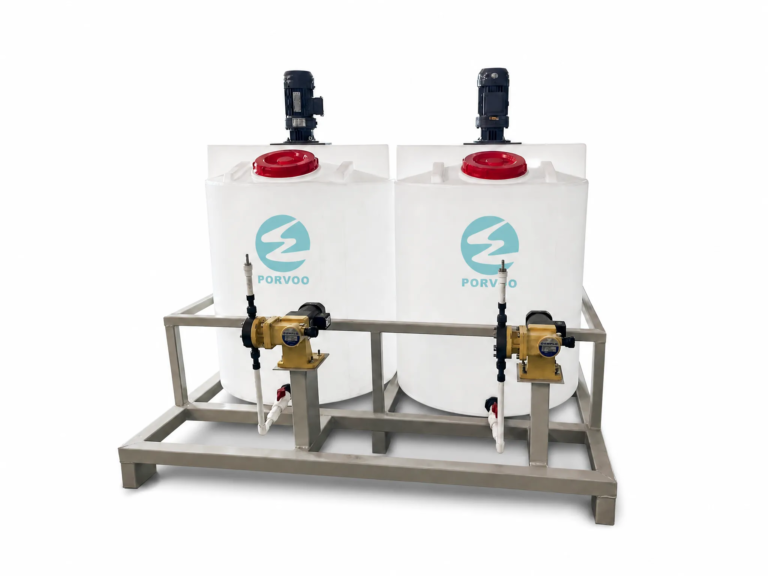
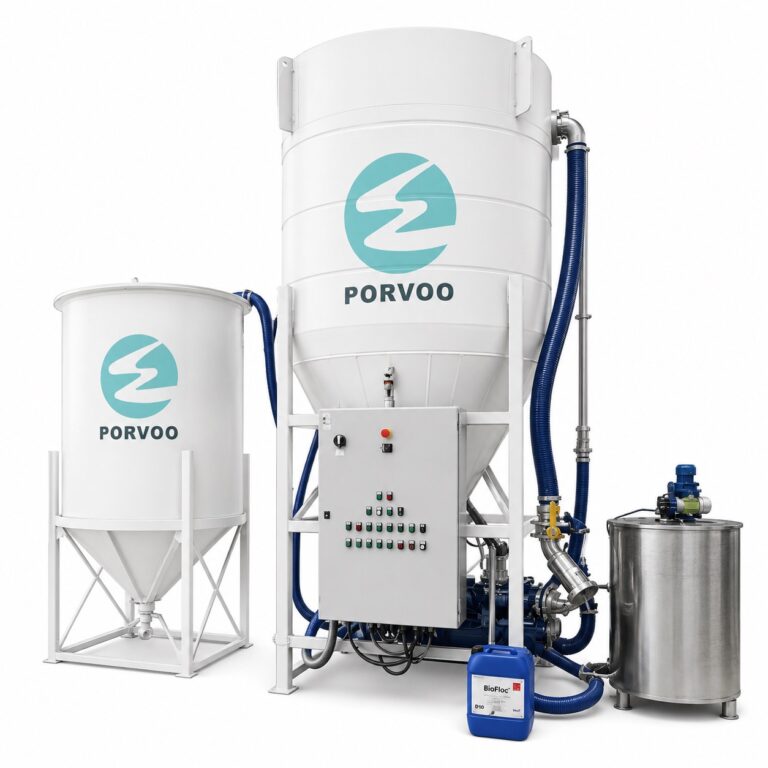
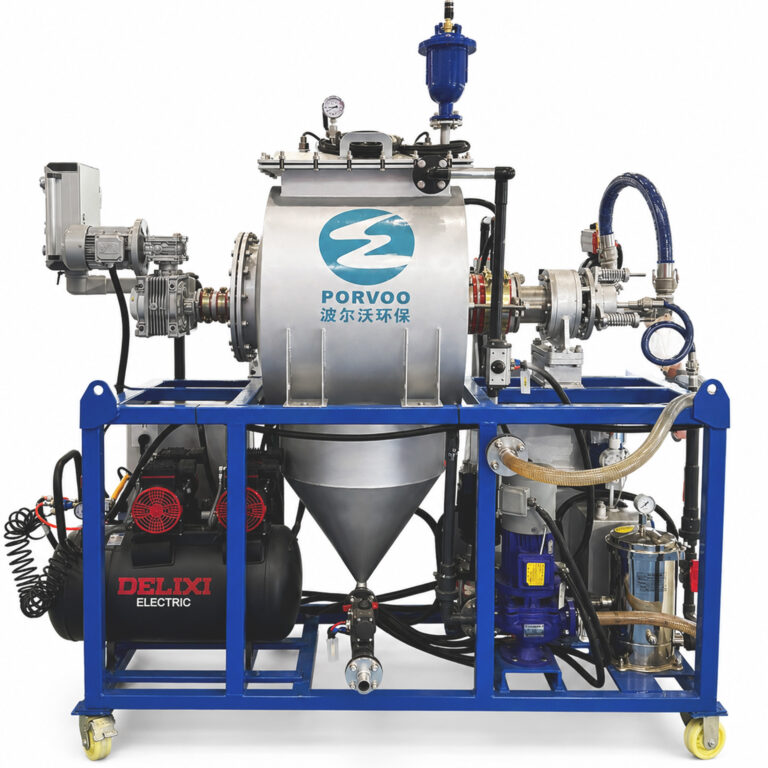
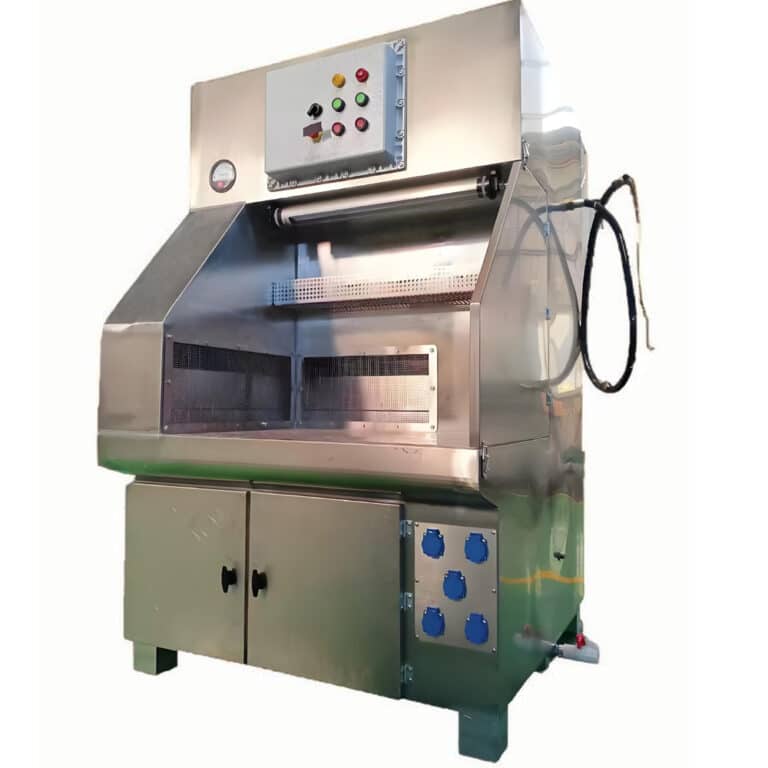
En Sistema inteligente de dosificación de productos químicos PAM/PAC Está diseñado en torno a un control proporcional al caudal con retroalimentación integrada de la turbidez, lo que permite este tipo de ajuste en bucle cerrado sin necesidad de corregir manualmente la dosis en cada turno.
Proteger la prensa contra los flóculos débiles y las partículas finas en suspensión
La prensa de filtro se encuentra al final de la secuencia de acondicionamiento y no dispone de ningún mecanismo para compensar lo que no han logrado las etapas anteriores. Los flóculos débiles —producto de una disolución insuficiente del PAM, una dosificación con alto cizallamiento, un pH incorrecto o un tiempo de residencia de mezcla insuficiente— entran en la prensa como un agregado mal estructurado que se comprime de forma desigual, retiene un exceso de humedad y libera partículas finas a través del medio filtrante hacia el filtrado. Las partículas finas no sedimentadas procedentes de una etapa de sedimentación de tamaño insuficiente o con alimentación insuficiente llegan al filtro prensa en forma de suspensión con alto contenido en sólidos que obstruye la tela filtrante más rápido de lo esperado y reduce el rendimiento por ciclo.
En general, se considera que el PAC produce un lodo que se deshidrata más fácilmente que el lodo formado con otros coagulantes metálicos, como el sulfato férrico o el sulfato de aluminio, aunque esta afirmación se basa más en la experiencia de los profesionales que en una garantía cuantificada de rendimiento. El criterio práctico de planificación es que los lodos tratados con PAC tienden a comportarse mejor en un filtro prensa de membranas, pero esa ventaja solo se consigue si las etapas de coagulación y floculación se han llevado a cabo correctamente. Unos lodos tratados con PAC que entren en el filtro prensa con partículas orgánicas finas residuales debidas a una captura incompleta del polímero, o con una estructura de flóculos degradada por el cizallamiento, no alcanzarán el grado de secado que prevé el diseño del filtro prensa.
La comprobación previa a la puesta en marcha de la prensa debe confirmar: que se ha inspeccionado visualmente el flóculo sometido a ensayo en jarra, con la dosis y el pH previstos, para evaluar su comportamiento de sedimentación y el tamaño de los flóculos; que la etapa de sedimentación cuenta con un tiempo de residencia y un caudal de rebose suficientes para la concentración de lodos sedimentados prevista; y que la claridad del filtrado procedente de la salida de sedimentación cumple con los supuestos de calidad de la alimentación utilizados en la selección de la prensa. Si no se verifica alguna de estas condiciones, es probable que la prueba de aceptación de la prensa arroje resultados que no puedan atribuirse a la propia prensa.
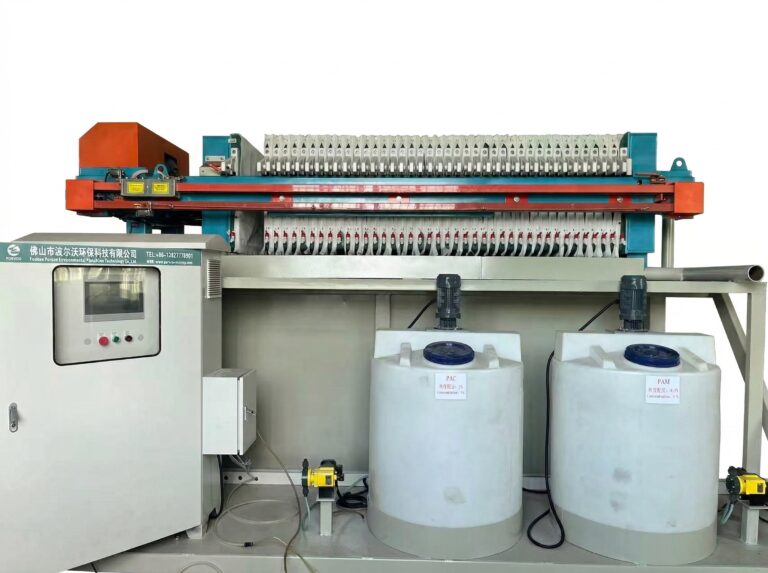
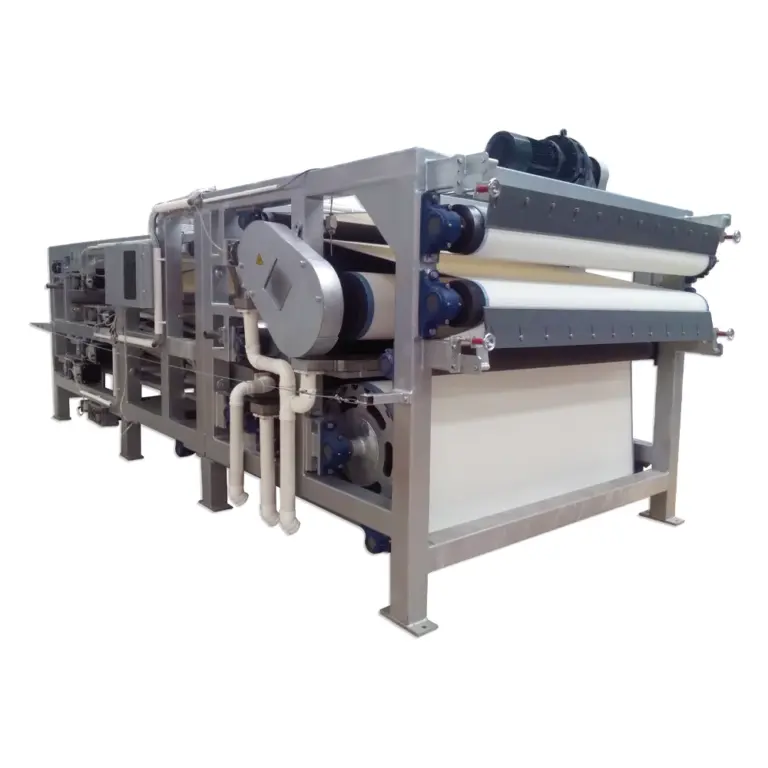
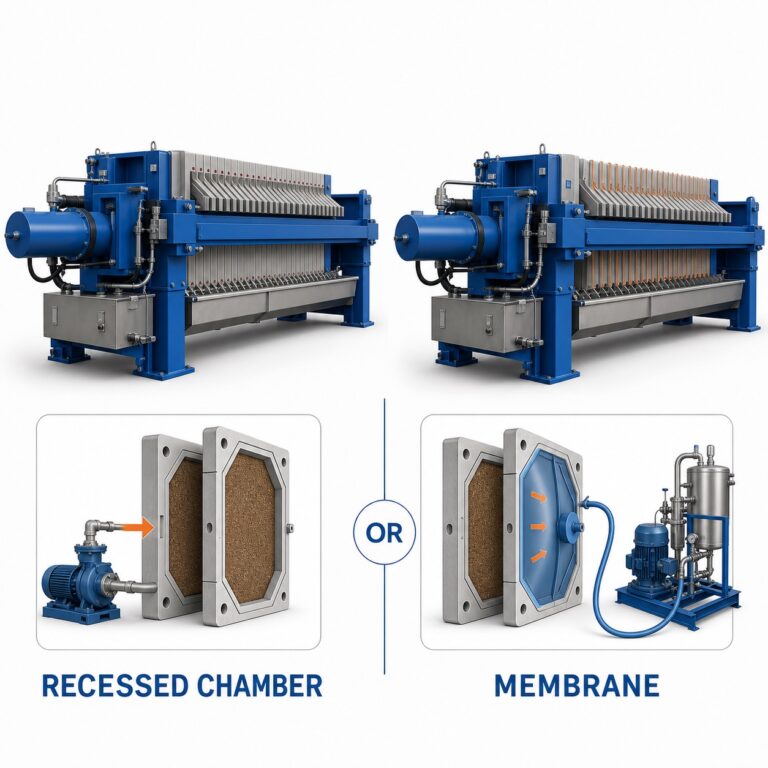
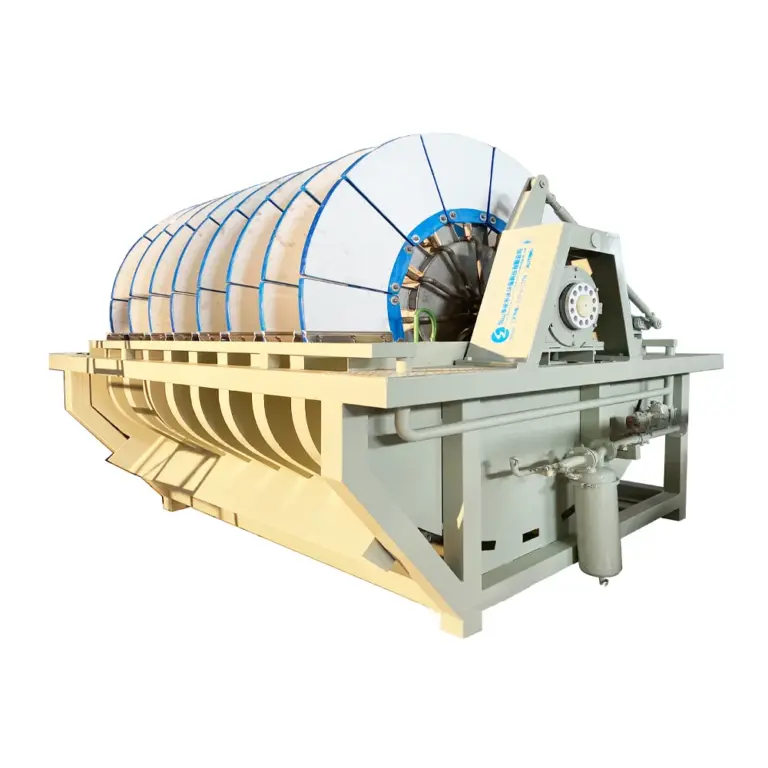
En Filtro prensa de membrana Está diseñado para proporcionar un alto grado de secado del pastel a partir de lodos debidamente acondicionados; el cumplimiento de sus supuestos de rendimiento depende de que se mantenga de forma constante la calidad del material de entrada procedente de la fase de acondicionamiento.
Revisar los límites de suministro de productos químicos en el ámbito de los equipos
El alcance del suministro de productos químicos es uno de los apartados que con mayor frecuencia se definen de forma insuficiente en las solicitudes de presupuesto para sistemas cerámicos de tratamiento de aguas residuales. La cuestión fundamental no es solo qué productos químicos se utilizan, sino qué equipos los gestionan, quién suministra y mantiene dichos equipos, y si las limitaciones físicas de cada producto químico se han tenido en cuenta en el diseño.
El PAC se suministra como un líquido corrosivo con un pH de entre 2 y 4, lo que requiere tanques de almacenamiento de PE o FRP y piezas en contacto con el líquido de PP, PVC o acero inoxidable 316L. No se trata de una simple precaución, sino de un requisito de selección de materiales que afecta a todos los componentes del circuito de manipulación del PAC. Un sistema diseñado con piezas en contacto con el líquido de acero dulce o acero al carbono estándar se corroerá durante su funcionamiento. El sistema de PAM aniónico presenta una serie de limitaciones diferentes: el almacenamiento del polvo requiere un área seca y libre de humedad; el circuito de preparación requiere un alimentador de polvo seco, un depósito de disolución con un mezclador de bajo cizallamiento y una bomba dosificadora peristáltica; y el intervalo de disolución de entre 30 y 60 minutos debe tenerse en cuenta en el dimensionamiento de los depósitos y la frecuencia de los lotes. Estos requisitos no son intercambiables con los del manejo del PAC.
| Química | Formulario de suministro | Almacenamiento y materiales en contacto con el líquido | Equipos clave de dosificación | Notas sobre la trama |
|---|---|---|---|---|
| PAC | Líquido corrosivo (pH 2–4) | Depósito de PE/FRP; partes en contacto con el líquido de PP, PVC o acero inoxidable 316L | Bomba dosificadora resistente a la corrosión | Requiere un recipiente resistente a los ácidos |
| PAM aniónica | Polvo | Zona seca y libre de humedad; no se indican restricciones específicas para las partes en contacto con el líquido. | Alimentador de polvo seco, depósito de disolución con mezclador de bajo cizallamiento, bomba peristáltica | La activación completa requiere una disolución de entre 30 y 60 minutos; sensible al cizallamiento |
Los argumentos económicos a favor de incluir PAM junto con el PAC se ven respaldados por los datos de diseño de un estudio específico: añadir PAM aniónico a una concentración de 1,5 mg/L reduce la dosis necesaria de PAC de 400 a 300 mg/L y recorta el coste del tratamiento por metro cúbico en aproximadamente 22,96%. Se trata de cifras obtenidas en un contexto experimental concreto, cuyo ahorro no está garantizado ni es extrapolable a todas las instalaciones; no obstante, constituyen un dato de planificación válido para la elaboración de presupuestos y para justificar la incorporación de equipos adicionales en el proceso de adquisición. Las opciones de modernización del mezclador de tubería y del PAM catiónico en un solo depósito que figuran en la tabla representan configuraciones de menor coste para situaciones con limitaciones de espacio o de modernización, y cada una de ellas implica una compensación en cuanto al rendimiento o la flexibilidad operativa que debe reconocerse explícitamente en el documento de alcance, en lugar de dejarse a la interpretación durante la fabricación.
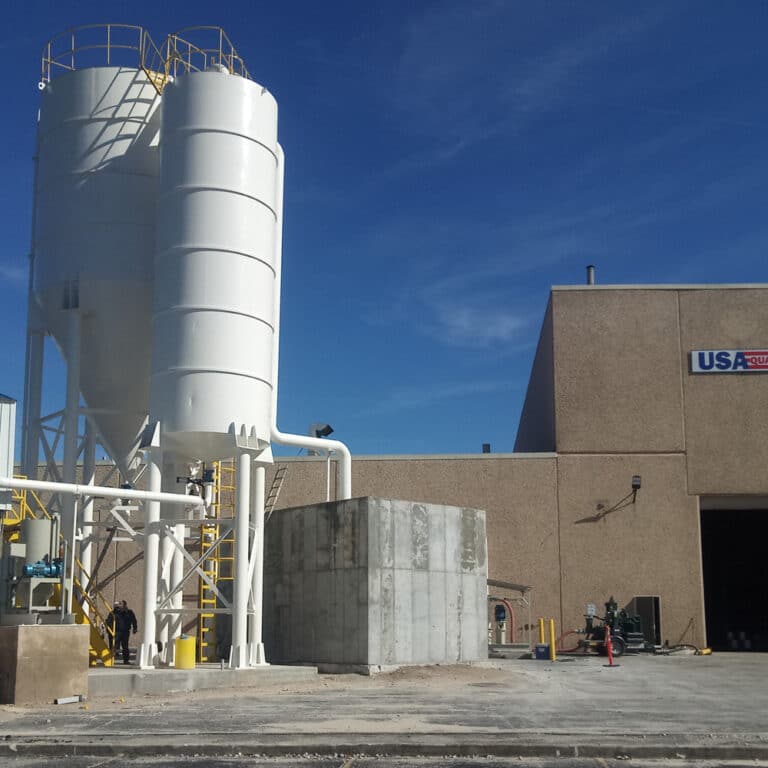
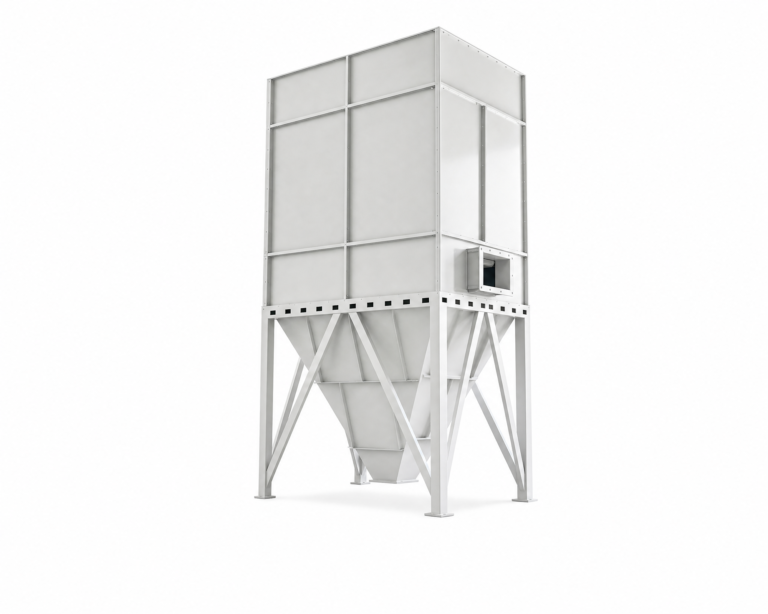
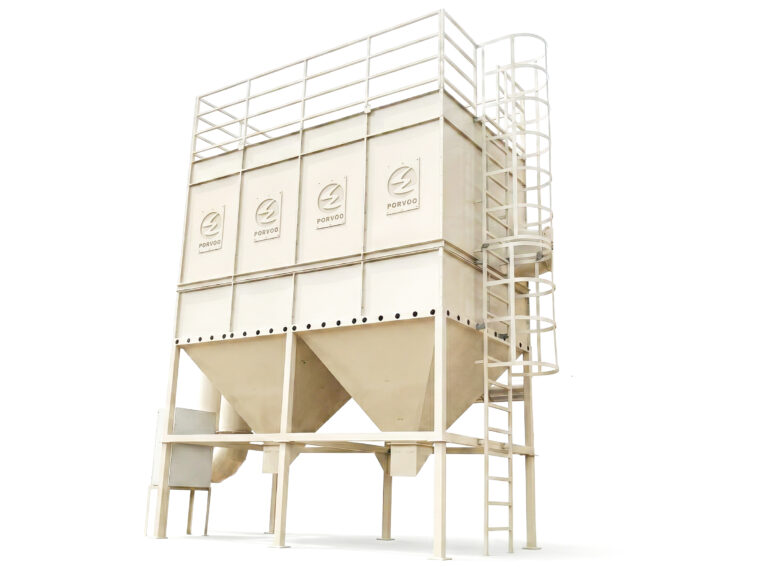
Para obtener más detalles sobre cómo se integra la etapa de sedimentación vertical con la dosificación en un sistema cerámico de reciclaje de aguas residuales, el Torre de sedimentación vertical para reciclar aguas residuales abarca la etapa de sedimentación en la que se recibe el lodo acondicionado antes de que llegue a la deshidratación.
Decide si la automatización de la dosificación resuelve un problema real de variabilidad
A menudo se especifica la automatización antes de caracterizar el proceso subyacente, lo que significa que se configura para estabilizar un régimen de dosificación que no se ha validado para el efluente real. El resultado es un sistema controlado con precisión que administra una dosis de producto químico mal adaptada, de forma sistemática. La secuencia correcta es la siguiente: primero, realizar una prueba en jarra; a continuación, establecer la dosis de referencia con las aguas residuales reales; confirmar el rango de pH y las condiciones de mezcla; y, por último, decidir si la variabilidad del efluente justifica un ajuste automatizado.
Las pruebas en frasco son imprescindibles como requisito previo para el diseño de sistemas de dosificación, incluidos los sistemas automatizados. En ellas se determinan el tipo de producto químico, la secuencia, la dosis y el rango de pH que producen flóculos aceptables para las aguas residuales cerámicas específicas en cuestión. Ninguna configuración de sensores ni algoritmo de control puede sustituir este paso, ya que la automatización requiere un objetivo conocido que mantener, y dicho objetivo se obtiene de las pruebas en frasco, no de supuestos de diseño ni de rangos de dosificación publicados.
Once jar testing has established the baseline, the automation question becomes a straightforward engineering judgment: does the influent flow or composition vary enough across operating periods that manual adjustment cannot maintain consistent feed quality to the sedimentation and press stages? If the answer is yes — as it often is in ceramic plants running multiple product lines or variable shift schedules — then flow-proportional dosing with turbidity feedback is a justified configuration. If the influent is stable and throughput is predictable, simpler manual or semi-automated systems may be adequate and easier to maintain. The decision should be driven by actual operating variability, not by a default assumption that automation is always the higher-performance option.
For reference on how automation parameters and dosing ranges are typically structured for ceramic polishing wastewater across a range of plant capacities, the article on PAM/PAC dosing design parameters for 50–500 m³/day facilities covers sizing and control logic in more detail.
The most important pre-procurement judgment in a ceramic wastewater conditioning system is whether the chemical sequence has been characterized on the actual influent — pH measured and corrected, dissolution time honored, pump type matched to polymer shear sensitivity, and jar test results used to set the baseline dosage. Without that foundation, equipment selection decisions for the press and the dosing system are built on assumed feed quality rather than verified feed quality, and the gap between those two surfaces at commissioning rather than during design.
Before finalizing the chemical dosing scope, confirm whether the RFQ defines material specifications for PAC-wetted components, includes a dissolution tank sized for the required activation time, identifies the pump type for PAM transfer, and specifies how pH is adjusted and where in the sequence. These are the boundary conditions that determine whether the conditioning stage will consistently deliver the floc quality the press was selected to handle — and they are easier to resolve in the scope document than in a retrofit after acceptance testing.
Preguntas frecuentes
Q: What happens if jar testing isn’t possible before the dosing system is commissioned?
A: Commissioning without jar test data means the baseline dosage is unverified, and any automation or manual dosing regime will maintain a ratio that may not match the actual influent — producing consistent but incorrect conditioning. At minimum, collect representative samples before startup and run jar tests off-site or through a lab service; published dosage ranges (such as PAC at 200–400 mg/L) are starting points for testing, not substitutes for it. Skipping this step shifts the characterization work to commissioning, where adjustments are more costly and where the press acceptance test becomes entangled with conditioning problems that should have been resolved earlier.
Q: If cationic PAM is used as a single-tank alternative to separate PAC and anionic PAM systems, what performance trade-off should be expected?
A: Cationic PAM simplifies the equipment layout but is unlikely to match the COD and color removal achieved by the PAC-plus-anionic-PAM combination. The PAC/anionic PAM sequence works because PAC first neutralizes particle charge and then PAM bridges the destabilized colloids, including the organic fines that contribute most to COD and color. Cationic PAM handles both functions in a single product but without the same separation of charge neutralization and floc-building stages. For influents where COD and color in the filtrate are reuse constraints, this trade-off should be tested explicitly in jar trials rather than assumed acceptable at the design stage.
Q: At what point does pH drift during the conditioning process rather than just at the inlet, and how does that change where pH correction equipment should be positioned?
A: pH can shift meaningfully after PAC injection because PAC hydrolyzes as it reacts, consuming alkalinity and acidifying the local environment. This means an inlet pH reading at or near 7 does not guarantee that PAC encounters a pH-7 environment at the dosing point. If the pH measurement and correction point is upstream of PAC injection and residence time between them is long, the system may be adjusting for conditions that no longer represent the reaction zone. The practical correction is to position pH measurement and any lime or acid dosing as close to the PAC injection point as the layout allows, and to verify pH at the point where PAC contacts the wastewater — not only at the inlet.
Q: Does the 22.96% cost reduction from adding anionic PAM hold if the ceramic plant already has an existing PAC-only dosing system it would need to retrofit?
A: Not necessarily — the 22.96% figure reflects chemical cost savings from reduced PAC consumption and is drawn from a specific experimental study, not an installed retrofit. A retrofit adds capital costs for a powder feeder, dissolution tank, peristaltic pump, and piping that are not captured in that figure. Whether the combined chemical savings justify the retrofit capital depends on plant throughput, current PAC spend, and the cost of under-performing dewatering (wet cake disposal, filtrate quality penalties). The economic case should be rebuilt using site-specific chemical prices and actual throughput volumes before the retrofit is approved rather than applying the published percentage directly to a budget estimate.
Q: After the conditioning and press system is accepted, what is the earliest operational sign that the conditioning stage is drifting out of specification before cake dryness visibly deteriorates?
A: Turbidity at the sedimentation outlet is the leading indicator — it will rise before cake dryness changes become obvious, because unsettled fines accumulate gradually in the press feed before their effect on cake structure becomes measurable at discharge. Filtrate clarity from the press is the next check: cloudiness or elevated TSS in the filtrate indicates that fines are passing through the filter medium, which follows from weak floc or incomplete sedimentation rather than a press fault. Monitoring these two points at each shift gives conditioning problems a detection window before they require a press cycle to be identified, which is when the cost of the failure becomes concrete.