Shops that treat dust extraction, slurry drainage, and water reuse as three separate maintenance items typically discover the conflict at the worst possible time: after the floor is poured, the drain lines are set, and the first wet saws are running. The immediate symptom is slurry backing up in undersized channels or recirculating untreated water through suppression lines, but the more serious problem is that dried stone fines re-enter the work area through foot traffic and air movement at concentrations higher than the original dust — because evaporation leaves silica behind. Getting the layout right before fabrication starts means settling the sequence in which sludge removal, tank sizing, and water quality decisions are made, and understanding why those decisions cannot be delegated to whichever team happens to notice the problem first. What follows will help you identify where that sequence breaks down, what the downstream consequences look like at each stage, and what to define before a layout is fixed or a treatment system is scoped.
Recognize engineered stone and quartz as high-priority dust duties
Engineered stone is not simply a harder version of granite. With crystalline silica content reaching up to 95% — roughly three times the silica content of granite — it belongs in a different hazard category entirely, and the control requirements follow from that difference rather than from the general category of “stone fabrication.” Treating it as a moderate dust duty because the shop already handles natural stone is a classification error that tends to surface during an inspection or a health surveillance review, not during normal operation.
The quantitative case for priority is straightforward: dry fabrication generates respirable crystalline silica (RCS) exposures five to ten times higher than wet methods using equivalent tools. That multiplier is not a general caution — it is a design figure that should set the floor for any risk assessment. Regulatory exposure limits have been tightening: the UK limit sits at 0.1 mg/m³, the US and Australia at 0.05 mg/m³, with Australia signalling a move to 0.025 mg/m³. That trajectory matters for any facility planning a multi-year operational life, because controls sized to meet today’s limit may need to be re-evaluated before the equipment is paid off. The OSHA-NIOSH Hazard Alert on worker exposure to silica during countertop manufacturing provides direct hazard characterisation support for this material class and should be treated as a primary reference when scoping controls, not a background document.
The health endpoints — silicosis, lung cancer, COPD — often present with delayed symptom onset, which means workers and supervisors may not associate exposure with effect until the disease is established. That delay is precisely why enforcement agencies treat dry cutting of engineered stone as unacceptable rather than as a managed risk, and why inspection pressure has been increasing rather than stabilising.
| Factor | Evidence / Threshold | Implication for Control Priority |
|---|---|---|
| Crystalline silica content | Up to 95%, roughly three times granite | Extreme inherent hazard; treat as highest-priority dust duty |
| Dry vs wet exposure multiplier | Dry fabrication RCS 5–10× higher than wet with equivalent tools | Wet methods are essential baseline; dry work creates unacceptable peak exposures |
| Workplace exposure limits | UK 0.1 mg/m³, US/Australia 0.05 mg/m³, Australia moving to 0.025 mg/m³ | Regulatory trajectory demands increasingly stringent control proof |
| Enforcement posture | HSE considers dry cutting unacceptable, over 1,000 planned inspections | Enforcement risk reinforces the need for priority compliance |
| Health endpoints | Silicosis, lung cancer, COPD; often delayed symptom onset | Permanent disease risk makes early, thorough control non-negotiable |
The practical implication for procurement and layout decisions is that everything downstream — channel sizing, tank volume, filter press selection, vacuum class — needs to be specified against the hazard profile of engineered stone specifically, not carried over from a natural stone specification or a generic mineral processing standard.
Put source capture and wet methods ahead of cleanup habits
The hierarchy matters here because cleanup habits are not a substitute for source capture — they are what remains after source capture has already failed. Proper wet cutting with adequate water flow reduces airborne silica by 90% or more compared to dry cutting, but that figure depends on maintaining a minimum flow of 0.5 L/min from a mains-connected supply, not a pressurised bottle. Flow rate is a design figure, not a rough guideline; if the tool supply cannot sustain that rate under production conditions, the 90% reduction does not hold.
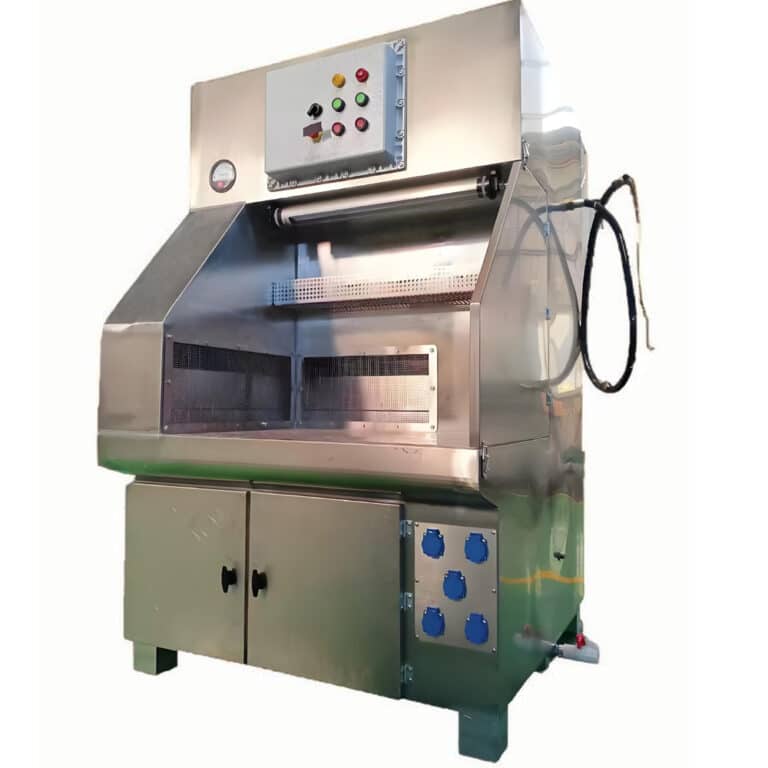
The less obvious problem is that effective wet suppression generates mist, and that mist carries silica. A partially enclosed, externally vented water-wall local exhaust ventilation (LEV) booth is required to capture it — an M-class vacuum positioned nearby does not do the same job. These are not interchangeable options at different price points; they address different exposure routes. In practice, the distinction matters most when a facility starts with a vacuum-based setup and then scales up volume, because mist capture becomes the limiting factor before tool suppression does. The finding from Australian regulatory work that wet cutting alone cannot meet the 0.05 mg/m³ exposure standard reinforces the point: LEV must accompany wet methods rather than be treated as a backup for when wet methods are not in use.
Even with both wet suppression and LEV in place, respiratory protective equipment with an Assigned Protection Factor of at least 20 — a powered air-purifying respirator (PAPR) — remains a requirement. That is not a belt-and-suspenders precaution; it reflects the residual exposure that remains when controls are working correctly. A downdraft grinding table with integrated wet or dry capture can support consistent face velocity at the work surface, but the booth, RPE, and water supply need to be confirmed as a system rather than specified as separate line items.
| Control Measure | Minimum Standard | What to Confirm |
|---|---|---|
| On-tool water suppression | ≥0.5 L/min from mains water, not pressurised bottles | Flow rate and supply type at every tool |
| Wet cutting effectiveness | Reduces airborne silica by ≥90% compared to dry cutting | Wet method always active; no dry passes |
| Mist capture | Partially enclosed, externally vented water-wall LEV booth | Booth presence, containment, external venting |
| Respiratory protective equipment (RPE) | PAPR with Assigned Protection Factor ≥20, even with water suppression and LEV | Fit test, medical clearance, correct APF |
| Vacuum standard | M-class minimum; H-class HEPA for worst dust loads; no dry sweeping or compressed air | Vacuum class, prohibition of dry clean-up methods |
| Australian exposure limit context | Wet cutting alone cannot meet 0.05 mg/m³ | Additional LEV controls must be present for compliance |
Cleanup habits — wet mopping, vacuum work, floor drainage — are still necessary, but their role is to manage residual fines that source capture could not eliminate, not to compensate for source capture that was never properly installed. Sizing and sequencing the cleanup system without first confirming the source capture system is working is a common planning inversion that typically results in housekeeping teams managing an exposure problem that should not reach them.
For further context on capture velocity requirements at the workstation level, see Downdraft Table Capture Velocity Standards: ACGIH Recommended Face Velocity for Grinding Operations.
Keep slurry channels and tanks sized for fine solids
The failure mode that most often goes undetected until it causes operational problems is slurry that dries in channels or on tank walls. Dried slurry has higher silica concentration than the original wet material — water evaporates and leaves the mineral fraction behind — and it re-enters the work area as fine dust through foot traffic, equipment vibration, and air currents. Sloping channels, adequate flow velocity, and removal frequency are not housekeeping refinements; they are primary controls against a secondary exposure source that did not exist in the original dust assessment.
The particle size profile of engineered stone dust makes conventional settling assumptions unreliable. Nano-scale particles below 0.1 micron can take up to 80 days to settle, which is a design figure for retention time, not an operational note. Channels and tanks sized for the coarser fraction of natural stone grinding will carry those ultrafines back into the water loop, raising silica concentration in suppression water with each recirculation cycle. That progressive concentration also reduces suppression efficiency and, if the water is held at temperature in a recirculation tank, creates conditions that should prompt a Legionella management review as part of water reuse planning — not as an afterthought.
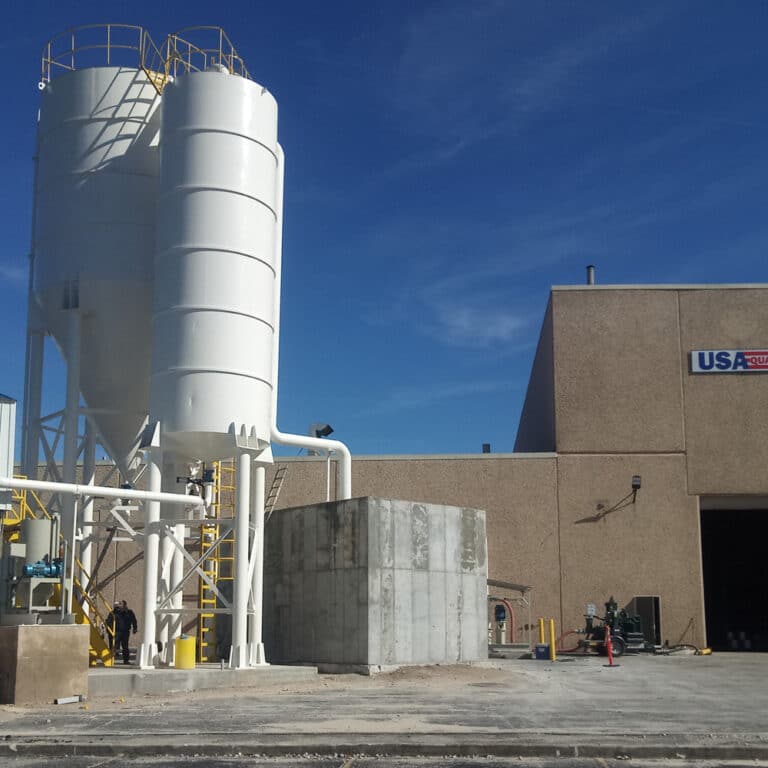
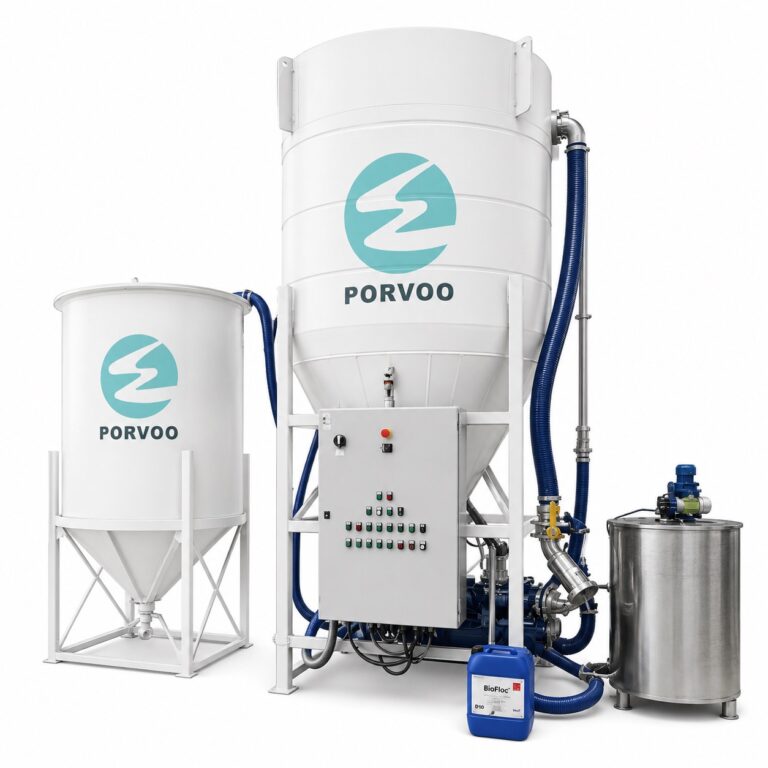
The practical consequence is that settling tank volume needs to be calculated against peak slurry generation rate and worst-case particle size distribution for the specific material being processed, not borrowed from a generic mineral processing reference. A vertical sedimentation tower configured for fine-particle slurry can extend retention time within a compact footprint, but the sizing input — particularly the ultrafine fraction — has to come from the material being processed, not from a standard stone-cutting profile.
| Design Pitfall | Why It Matters | What to Examine |
|---|---|---|
| Slurry allowed to dry in channels or tanks | Becomes a fine dust reservoir resuspended by traffic and air currents; dried slurry has higher silica concentration than original dust | Sloping, capacity, and removal frequency to prevent drying |
| Settling design ignores nano-scale particles | Engineered stone dust includes particles <0.1 µm that can take up to 80 days to settle | Settling channel dimensions and retention time for ultrafines |
| Recirculated water returned without treatment | Raises silica concentration, reduces suppression efficiency, creates Legionella hazard | Water treatment stage before recirculation or reuse |
| Tanks sized without worst-case slurry volume | Overflow or standing shallow slurry increases drying risk | Peak slurry generation rate and hold-up volume assessment |
Turbidity monitoring of recirculated water, using ISO 7027-1:2016 as a testing framework, provides a practical indicator of whether the settling stage is performing as designed. It does not govern channel sizing, but it gives operations teams an early warning that retention time or coagulant dosing is no longer adequate before the suppression system starts working against itself.
Prevent dust and slurry routes from crossing back into work areas
Physical separation of dust and slurry flows from work zones is a layout obligation, not a matter of operational discipline. The same channels and drains that route slurry away from cutting stations become exposure routes when the layout allows slurry to pool, air-dry on surfaces, or travel back through open floor drains. Identifying those routes before the floor is designed costs nothing; finding them after the first production run means either accepting the risk or excavating concrete.
The most commonly observed patterns involve prohibited substitutions: dry sweeping or compressed-air blow-down of slurry residue to save time, which re-suspends dried silica directly into the breathing zone; relying on a portable M-class vacuum where a water-wall LEV booth is required, which misses the mist component entirely; and leaving wet-cut slabs to air-dry on worktables, which converts suppressed slurry back into airborne dust as the water evaporates. Each of these is a control substitution that appears operationally equivalent until the exposure data shows otherwise.
Floor drain routing is a layout decision that is often made by the civil contractor without input from the environmental or process team. Drains connected directly to the sanitary sewer carry slurry into pipework that is not designed for it, creating blockage and downstream exposure points. The correct layout routes all process drainage to a slurry settling or intercepting system before any connection to site drainage. This needs to be specified in the civil brief, not corrected after the fact.
| Route / Practice | Consequence | What to Verify in the Layout |
|---|---|---|
| Dry sweeping or compressed-air blow-down of slurry residue | Re-suspends dried silica dust directly into the breathing zone | Prohibition enforced; M- or H-class vacuum used exclusively |
| Relying only on M-class vacuum where mist is present | Fails to capture airborne mist that a water-wall LEV booth would collect | LEV booth in use, fan and filter integrity, external venting |
| Wet-cut slabs left to air-dry on tables | Stone fines become airborne as water evaporates | Slabs cleaned or covered before drying; no dry residual allowed |
| Floor drains connected directly to sanitary sewer | Slurry clogs pipes and creates downstream exposure points | Slurry settling or intercepting system before drain connection |
Residual risk after layout controls are in place is addressed by RPE and the verification practices covered in a later section — but only if the physical routes have already been closed. A well-designed RPE programme cannot compensate for a layout that allows dried slurry to re-enter the work area; it addresses the residual fraction, not the primary route.
Define sludge removal before water reuse planning
The sequencing error that most commonly delays water reuse commissioning is scoping the treatment system before defining how frequently and by what method sludge will be removed from the process. Sludge removal frequency, settling tank hold-up volume, and recirculation water quality are interdependent — if one is set without reference to the others, at least one of the three will be wrong when the system runs at production rate.
The design goal that should sequence all other decisions is keeping stone fines in a liquid or collected state at all times, never allowing drying. That means wet mopping or squeegee cleaning of tables and floor areas at least once per shift, with slurry removed using low-pressure water or an appropriate vacuum class rather than allowed to accumulate. It means sludge at the bottom of settling tanks removed on a schedule that matches the solids loading rate — not on a fixed calendar that was set during commissioning and never revised when throughput increased.
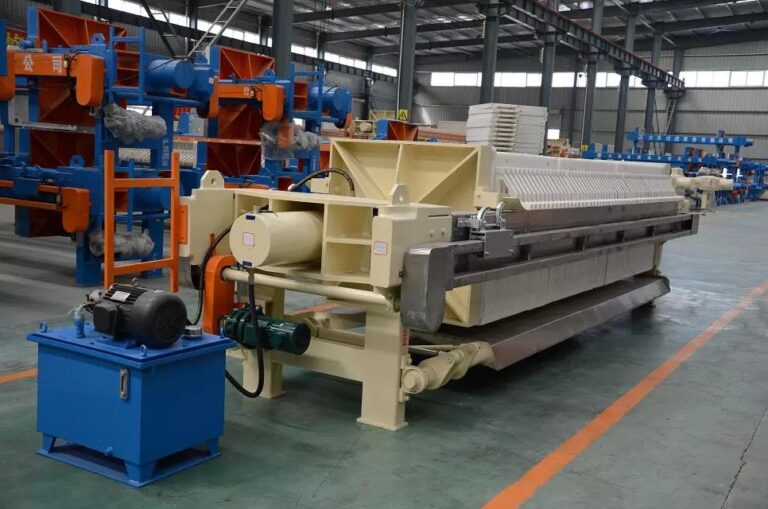
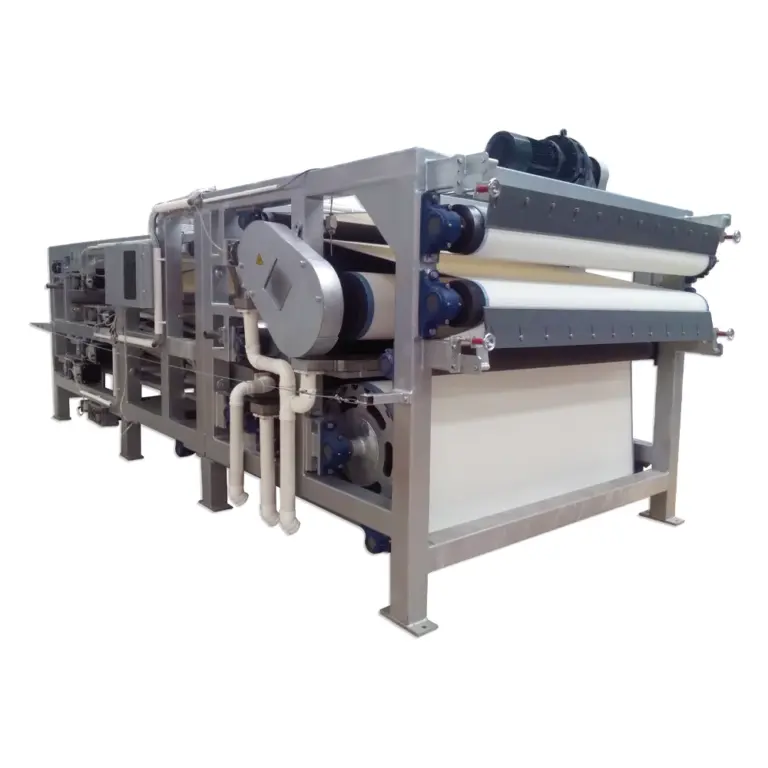
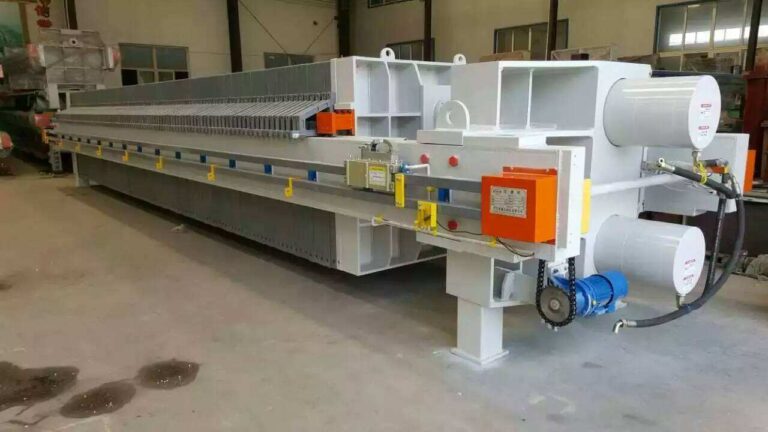
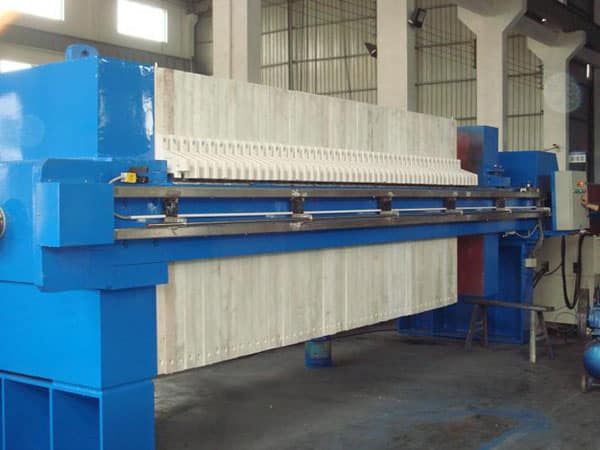
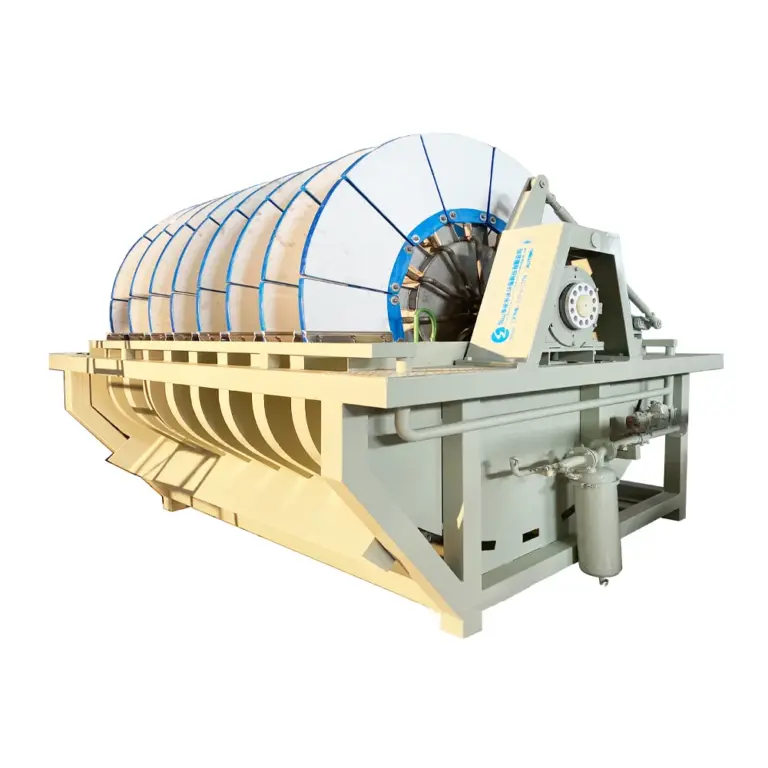
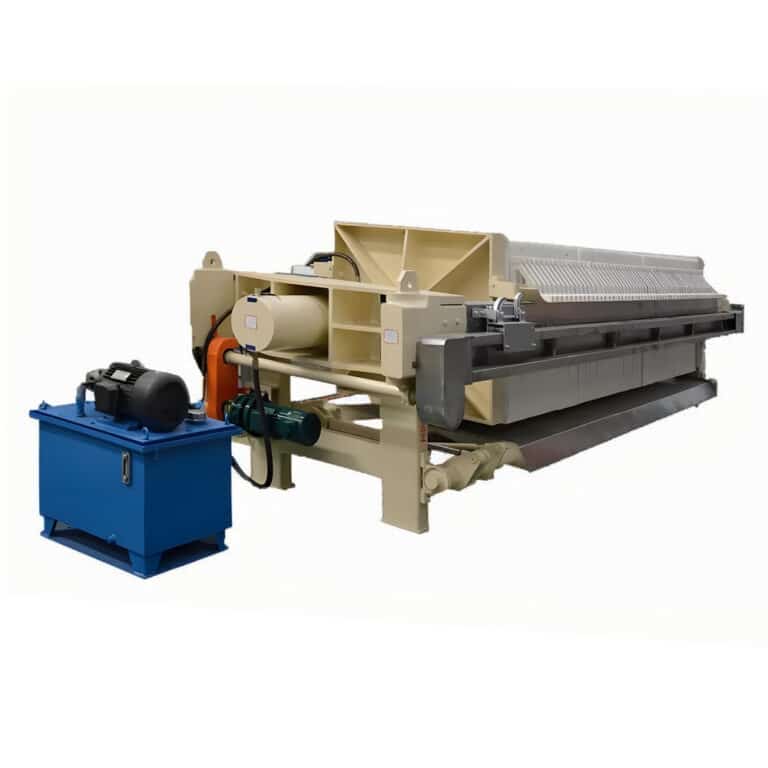
Water reuse planning begins only after the sludge removal sequence is confirmed as adequate for the actual production rate. If the settling stage is undersized or the removal cadence is too long, recirculated water carries progressively higher solids loads back to the tools, which defeats the suppression system and accelerates the concentration of fine silica in the water loop. A membrane filter press, where the press cycle and cake discharge timing are matched to the upstream tank’s fill rate, can be integrated into the sludge removal sequence to produce a stackable, drainable cake rather than a wet sludge that creates a secondary handling problem. The key is that the press capacity and cycle time are confirmed against the settling system output, not specified independently and then connected afterward.
The practical check before commissioning a water reuse loop is: at what solids loading and recirculation rate does the settling system begin to carry fines back upstream? That threshold defines the upper operating limit for the reuse system, and it should be established before the system is accepted, not discovered during the first high-volume production period.
Verify operator practices against the control design
A control system that depends on equipment presence alone will tend to degrade between formal inspections. The gap between what the design assumes and what operators actually do during production is where RCS exposures concentrate, and the specific behaviours that create that gap are well-documented enough that verification should be built around them rather than around equipment condition checks.
The most consistent failure pattern is water flow interruption: operators reduce or stop flow to see the cut line, particularly on detail cuts where water obscures the blade path. This is not a deliberate violation — it is a practical response to a visibility problem — but it eliminates suppression at the moment when fresh silica surfaces are being created. Spot-checking flow continuity during live cuts, not during idle periods, is the only verification method that catches this. A related pattern is the dry finishing pass after a wet cut: the wet phase controls the bulk cut, but a brief dry pass to clean the edge or refine the profile produces the highest airborne concentrations of the entire operation, from freshly fractured surfaces that have not yet been wetted. Auditing end-of-cut routines is a more reliable verification method than auditing the cut itself.
LEV systems require statutory Thorough Examination and Test (TExT) every 14 months under COSHH Regulation 9 in the UK context. Whether or not that specific interval applies in a given jurisdiction, the principle of scheduled functional testing — rather than relying on visual inspection or reported faults — is sound practice and provides a defensible maintenance record. Fan performance, filter integrity, and capture velocity at the booth face should all be within specified ranges before the system is accepted as performing to design.
RPE verification is not only an equipment check. Medical clearance, annual fit testing, and facial hair policy compliance are each prerequisites for the protection factor to be valid. A PAPR with an Assigned Protection Factor of 20 provides that protection only when the seal is intact and the wearer has been confirmed fit — neither of which can be assumed from the presence of the equipment.
| Practice to Verify | Risk if Not Followed | Verification Method |
|---|---|---|
| Water flow left uninterrupted during cutting | Operators may throttle or turn off water to see the cut line, reducing suppression | Spot-check flow continuity during live cuts |
| No dry finishing pass after a wet cut | Dry pass on freshly fractured surfaces produces the highest RCS concentrations | Audit procedures, observe end-of-cut routines |
| LEV Thorough Examination and Test (TExT) completed | Statutory requirement every 14 months under COSHH Regulation 9; missed tests risk reduced capture | Schedule review against TExT certificates |
| RPE fit-tested and worn correctly | Facial hair compromises seal; lack of medical clearance and annual fit testing voids protection | Annual fit-test records, medical clearance, and observe facial hair policy |
Review the layout when material mix changes
A layout that is well-matched to one material specification may be inadequate for a different product without any obvious physical change to the facility. Engineered stone dust differs chemically from natural stone dust — resin binders, pigments, particle charge, and silica polymorph composition all affect how the dust behaves in air, in water, and through a filter. When the material mix changes, those parameters change, and the assumption that existing controls remain adequate is not safe without a specific reassessment.
Substitution with lower-silica engineered stone reduces the RCS generation potential and should be considered a hierarchy-of-controls step when lower-silica materials of equivalent quality are available. The HSE advisory to use stone with the lowest possible crystalline silica content supports this as a material selection criterion, not only a procurement preference. The layout review implication is that a lower-silica material may allow adjustment of capture and filtration parameters — but the review still needs to happen, because the resin and additive fraction remains and may behave differently in the settling and filtration stages than the previous material did.
New resin formulations or pigment systems can alter particle charge and agglomeration behaviour in ways that reduce settling efficiency or change filter cake characteristics. A filter or settling system sized for one material’s particle distribution may carry more fines in the clarified water when the material composition shifts, raising turbidity above the threshold at which water is suitable for recirculation. Confirming that the water treatment stage is still performing within its design envelope after a material change is a straightforward check, but it needs to be scheduled as part of the material qualification process rather than triggered by a visible problem.
| Change Factor | Impact on Dust Behaviour | Layout Control Review Required |
|---|---|---|
| Substitution with lower-silica engineered stone | Reduced RCS generation potential, but other constituents remain | Reassess whether capture and filtration values can be adjusted |
| HSE advisory to use stone with the lowest possible crystalline silica content | Drives material selection decisions that alter baseline risk | Confirm that new material’s risk profile is reflected in the layout |
| New resin, pigment, or additive composition | Alters dust particle charge, agglomeration, and filtration behaviour | Review LEV efficiency, filter media, and settling characteristics |
| Different silica polymorph mix | Changes toxicological profile and respirable fraction behaviour | Reconfirm exposure assessment and control adequacy |
The practical rule is that any change to material composition — not just a major product category switch — should prompt a review of LEV efficiency, filter media performance, settling characteristics, and exposure assessment adequacy before the new material enters regular production. A material change that was never flagged as a trigger for controls review is one of the more common reasons a previously adequate system is found to be performing below expectation during an audit.
The decisions that are most difficult to reverse after a facility is running are the ones made before sludge removal sequences were defined: where slurry channels drain, how wet slabs are staged after cutting, and whether the settling tank volume was sized for the actual particle size distribution of the specific material being processed. Getting those decisions right requires treating dust capture, slurry handling, and water reuse as a single integrated system from the layout stage, not as parallel workstreams that will be reconciled during commissioning.
Before scoping any equipment — settling tower, filter press, LEV booth, or vacuum station — confirm the sludge removal cadence and the water reuse quality threshold first. Those two parameters define the capacity and sequencing requirements for everything else. If either is left open until after equipment is selected, the system will require adjustment under production conditions, which is a more expensive and more disruptive correction than getting the sequence right on paper.
Frequently Asked Questions
Q: Our shop currently fabricates only natural granite — do these controls apply if we start adding engineered stone products to the mix, even occasionally?
A: Yes, and the transition point requires a full controls review before the first engineered stone piece enters production, not after. Engineered stone’s silica content of up to 95% means the hazard profile is categorically different from granite, and controls sized for natural stone — channel dimensions, tank volume, LEV capture velocity, vacuum class — may be inadequate for the new material from the first cut. An occasional material is still a material change that triggers reassessment under the same logic as a full product switch.
Q: Once the sludge removal cadence and water reuse threshold are confirmed, what should be scoped first — the settling system or the filter press?
A: Scope the settling system first. The settling stage defines the solids load and recirculated water quality that the filter press must handle, so specifying the press independently and connecting it afterward risks a mismatch between press cycle time and upstream tank fill rate. The practical sequence is: confirm sludge removal frequency at production rate, size the settling tank against peak slurry generation and worst-case particle size, then specify filter press capacity against the settling system’s output — not against a generic throughput figure.
Q: At what point does recirculated suppression water become unsuitable for reuse, and how should that threshold be set?
A: The upper limit is the solids loading and recirculation rate at which the settling system begins carrying ultrafines back upstream rather than removing them. Because engineered stone generates nano-scale particles below 0.1 micron that can take up to 80 days to settle, the threshold is lower than most natural stone references suggest. Turbidity monitoring against ISO 7027-1:2016 provides an operational early-warning indicator, but the design limit needs to be established during commissioning by testing at production-rate solids loading — not assumed from equipment datasheets or natural stone benchmarks.
Q: Is a portable dust collector a viable alternative to a water-wall LEV booth for shops where a fixed booth installation is not practical?
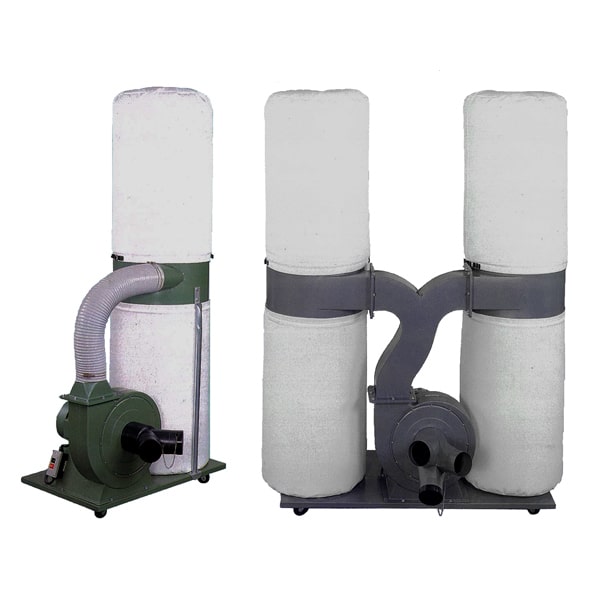
A: No — they address different exposure routes and cannot substitute for each other in this application. A portable dust collector can manage dry dust at a workstation, but wet cutting generates silica-laden mist that requires the enclosure and external venting of a water-wall LEV booth to capture. A portable unit positioned nearby will not intercept that mist fraction. If a fixed booth is genuinely not feasible, the constraint changes what materials and methods can be safely used in that space — it does not make the portable unit an equivalent control.
Q: How should a facility weigh the cost of properly sizing settling tanks and filter press capacity upfront against correcting undersized systems after commissioning?
A: Correction after commissioning is consistently more expensive on both the capital and operational side. Undersized channels and tanks require either excavation or a compensating increase in removal frequency that adds labour and creates scheduling pressure against production. More critically, a system that carries ultrafines back into suppression water progressively raises silica concentration in the water loop, which degrades suppression efficiency and may create a Legionella management obligation — costs that are not visible in the original equipment comparison but emerge under production conditions. The upfront sizing input that most often gets skipped — the actual particle size distribution for the specific engineered stone being processed — is also the input most likely to prevent both problems.