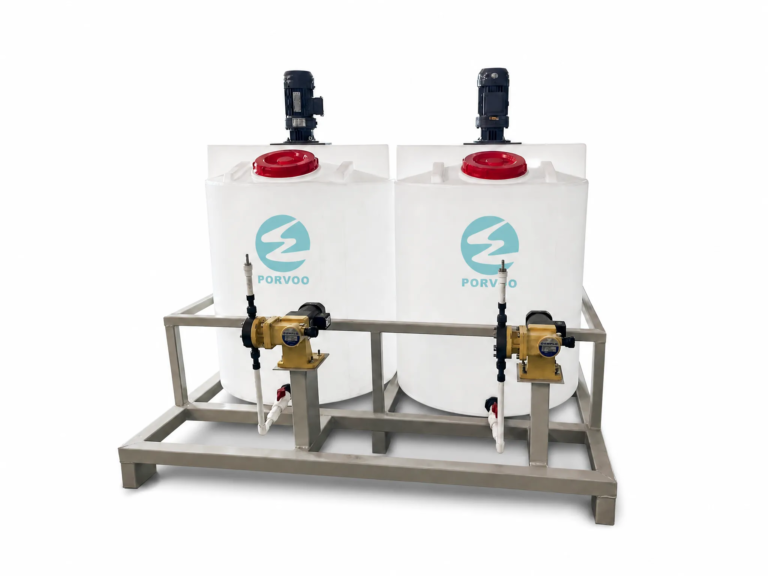
Предприятия, которые рассматривают пылеудаление, отвод шлама и повторное использование воды как три отдельных пункта технического обслуживания, как правило, обнаруживают эту проблему в самый неподходящий момент: после того, как уложен пол, проложены дренажные трубопроводы и запущены первые мокрые пилы. Непосредственным симптомом является скопление шлама в каналах недостаточного сечения или рециркуляция неочищенной воды по линиям подачи воды для подавления пыли, но более серьезная проблема заключается в том, что высохшая каменная мелочь вновь попадает в рабочую зону под воздействием движения людей и воздушных потоков в концентрациях, превышающих исходную концентрацию пыли — ведь при испарении остается кремнезем. Правильная проработка планировки до начала изготовления означает определение последовательности, в которой принимаются решения об удалении шлама, расчете размеров резервуаров и качестве воды, а также понимание того, почему эти решения нельзя делегировать той команде, которая случайно первая заметит проблему. Приведенная ниже информация поможет вам определить, где эта последовательность нарушается, каковы последующие последствия на каждом этапе и что необходимо определить до того, как планировка будет утверждена или будет определен объем работ по системе очистки.
Считать обработанный камень и кварц объектами, требующими первоочередного уборки пыли
Инженерный камень — это не просто более твёрдая разновидность гранита. Благодаря содержанию кристаллического кремнезема, достигающему 95% — что примерно в три раза превышает содержание кремнезема в граните, — он относится к совершенно иной категории опасности, и требования к мерам контроля вытекают именно из этого различия, а не из общей категории “обработка камня”. Рассматривать его как работу со средней степенью запыленности только потому, что на предприятии уже обрабатывают натуральный камень, — это ошибка в классификации, которая, как правило, выявляется во время инспекции или проверки состояния здоровья работников, а не в ходе обычной эксплуатации.
Количественные аргументы в пользу приоритета очевидны: при сухом способе изготовления уровень воздействия вдыхаемого кристаллического кремнезема (RCS) в пять–десять раз превышает аналогичный показатель при влажных методах с использованием эквивалентного оборудования. Этот множитель не является общим предупреждением — это расчетный показатель, который должен служить минимальным ориентиром для любой оценки риска. Нормативные пределы воздействия становятся все более строгими: в Великобритании предел составляет 0,1 мг/м³, в США и Австралии — 0,05 мг/м³, причем Австралия сигнализирует о переходе к значению 0,025 мг/м³. Эта динамика важна для любого предприятия, планирующего многолетний срок эксплуатации, поскольку меры контроля, рассчитанные на соблюдение сегодняшних пределов, возможно, потребуют переоценки еще до того, как оборудование окупится. Предупреждение OSHA-NIOSH об опасности воздействия кремнезема на работников при производстве столешниц содержит прямую информацию о характеристиках опасности данного класса материалов и должно рассматриваться в качестве основного справочного документа при определении мер контроля, а не в качестве справочного материала.
Конечные показатели здоровья — силикоз, рак легких, ХОБЛ — часто сопровождаются отсроченным появлением симптомов, а это означает, что работники и руководители могут не связывать воздействие вредных факторов с последствиями до тех пор, пока заболевание не проявится в полной мере. Именно эта задержка является причиной того, что контролирующие органы рассматривают сухую резку искусственного камня как недопустимую практику, а не как контролируемый риск, и именно поэтому интенсивность проверок не стабилизируется, а продолжает нарастать.
| Фактор | Доказательства / Пороговое значение | Последствия для приоритета управления |
|---|---|---|
| Содержание кристаллического кремнезема | До 95%, что примерно в три раза больше, чем у гранита | Чрезвычайно высокая степень опасности, связанная с природой материала; рассматривать как работу с пылью, требующую наивысшего приоритета |
| Коэффициент экспозиции при сухой и мокрой печати | При сухом производстве показатель RCS на 5–10 раз выше, чем при мокром, при использовании аналогичных инструментов | Мокрые методы являются обязательной базовой линией; работа в сухих условиях приводит к недопустимым пиковым уровням облучения |
| Предельно допустимые концентрации на рабочем месте | Великобритания — 0,1 мг/м³, США/Австралия — 0,05 мг/м³, Австралия переходит на 0,025 мг/м³ | Тенденция в области регулирования требует всё более строгих доказательств соблюдения контрольных требований |
| Позиция в отношении обеспечения соблюдения законодательства | Служба охраны труда, промышленной безопасности и охраны окружающей среды (HSE) считает «сухую» резку недопустимой; запланировано более 1 000 проверок | Риск применения мер принудительного исполнения подчеркивает необходимость уделять первоочередное внимание соблюдению требований |
| Показатели здоровья | Силикоз, рак легких, ХОБЛ; симптомы часто проявляются с задержкой | Постоянный риск заболевания делает раннюю и тщательную профилактику обязательной мерой |
Практическое значение для принятия решений по закупкам и проектированию заключается в том, что все последующие этапы — определение размеров каналов, объема резервуаров, выбор фильтр-пресса, класс вакуума — должны определяться исходя из профиля опасности именно инженерного камня, а не перениматься из технических требований к натуральному камню или общих стандартов по переработке полезных ископаемых.
Следует уделять больше внимания сбору отходов у источника и «мокрым» методам, чем привычкам по уборке
Иерархия здесь важна, поскольку меры по очистке не заменяют меры по локализации источника загрязнения — они являются тем, что остается после того, как меры по локализации источника уже оказались неэффективными. Правильная резка с водой при достаточном расходе воды снижает содержание кремнезема в воздухе на 90% или более по сравнению с сухой резкой, но эта цифра зависит от поддержания минимального расхода 0,5 л/мин из системы, подключенной к водопроводу, а не из баллона под давлением. Расход воды — это расчетный показатель, а не приблизительное руководство; если система подачи воды к инструменту не может поддерживать этот расход в производственных условиях, снижение на 90% не обеспечивается.
Менее очевидная проблема заключается в том, что эффективное подавление влаги приводит к образованию тумана, содержащего кремнезем. Для его улавливания требуется частично закрытая кабина с локальной вытяжной вентиляцией (LEV) с водяной стенкой и внешней вытяжкой — расположенный поблизости пылесос класса M не справляется с этой задачей. Эти варианты не являются взаимозаменяемыми в разных ценовых диапазонах; они предназначены для защиты от разных путей воздействия. На практике это различие имеет наибольшее значение, когда предприятие начинает работу с установкой, основанной на использовании пылесоса, а затем увеличивает объемы производства, поскольку улавливание тумана становится ограничивающим фактором раньше, чем подавление пыли на инструменте. Вывод, сделанный в ходе работы австралийских регулирующих органов, о том, что одна только влажная резка не может обеспечить соблюдение нормы воздействия в 0,05 мг/м³, подкрепляет этот аргумент: локальная вытяжная вентиляция должна сопровождать влажные методы, а не рассматриваться как резервный вариант на случай, когда влажные методы не используются.
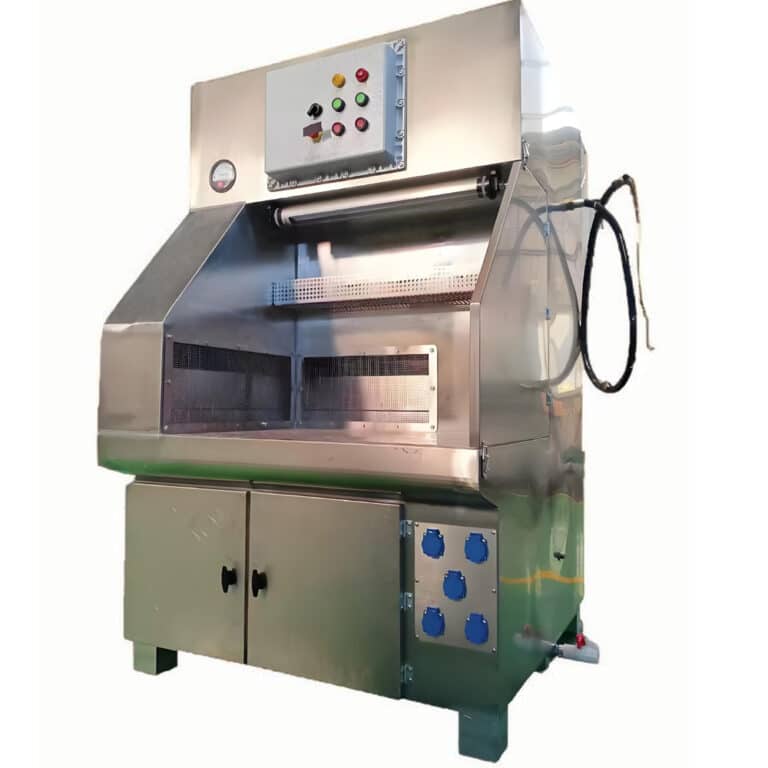
Даже при наличии как системы влажного подавления, так и локальной вытяжной вентиляции (LEV) по-прежнему требуется использование средств защиты органов дыхания с коэффициентом защиты не менее 20 — респиратора с принудительной подачей очищенного воздуха (PAPR). Это не излишняя мера предосторожности; она обусловлена остаточным воздействием, которое сохраняется даже при правильной работе средств контроля. A шлифовальный стол с нисходящим потоком воздуха и встроенной системой улавливания при влажной или сухой обработке может обеспечивать постоянную скорость воздушного потока у рабочей поверхности, однако камера, средства индивидуальной защиты (СИЗ) и система водоснабжения должны рассматриваться как единая система, а не указываться в спецификации отдельными позициями.
| Контрольная мера | Минимальный стандарт | Что необходимо подтвердить |
|---|---|---|
| Подача воды непосредственно на инструмент | ≥0,5 л/мин из водопровода, а не из баллонов под давлением | Расход и тип подачи на каждом инструменте |
| Эффективность мокрой резки | Снижает содержание кремнезема в воздухе на ≥90% по сравнению с сухим резанием | Мокрый метод всегда активен; сухие проходы отсутствуют |
| Улавливание тумана | Частично закрытая кабина LEV с водяной стенкой и внешней вентиляцией | Наличие защитной камеры, локализация, внешняя вентиляция |
| Средства защиты органов дыхания (СЗОД) | Респиратор PAPR с заданным коэффициентом защиты ≥20, даже при использовании водяного подавления и локальной вытяжной вентиляции (LEV) | Проверка подгонки, медицинское заключение, правильный показатель APF |
| Вакуумный эталон | Как минимум класс M; фильтры HEPA класса H для максимальной запыленности; запрещено сухое подметание и использование сжатого воздуха | Класс вакуумности, запрет на применение методов сухой очистки |
| Контекст предельных значений воздействия в Австралии | Одной только влажной резки недостаточно для соблюдения нормы 0,05 мг/м³ | Для обеспечения соответствия требованиям должны быть предусмотрены дополнительные средства управления LEV |
Меры по уборке — влажная уборка, работа пылесосом, дренаж пола — по-прежнему необходимы, но их роль заключается в устранении остаточных мелких частиц, которые не удалось уловить с помощью системы локального улавливания, а не в компенсации отсутствия системы локального улавливания, которая так и не была должным образом установлена. Расчет мощности и определение последовательности действий системы уборки без предварительной проверки работоспособности системы локального улавливания является распространенной ошибкой в планировании, которая, как правило, приводит к тому, что уборочные бригады вынуждены решать проблему воздействия, которая вообще не должна была до них дойти.
Дополнительную информацию о требованиях к скорости захвата на уровне рабочей станции см. в Стандарты скорости захвата стола Downdraft: ACGIH Рекомендуемая скорость движения лица при шлифовальных работах.
Размеры каналов и резервуаров для шлама должны соответствовать размерам мелких твердых частиц
Наиболее распространённым видом неисправности, который зачастую остаётся незамеченным до тех пор, пока не приведёт к эксплуатационным проблемам, является высыхание шлама в каналах или на стенках резервуаров. В высохшей суспензии концентрация кремнезема выше, чем в исходном влажном материале — вода испаряется, оставляя минеральную фракцию, — и она вновь попадает в рабочую зону в виде мелкой пыли в результате движения людей, вибрации оборудования и воздушных потоков. Наклон каналов, достаточная скорость потока и частота очистки — это не просто меры по поддержанию чистоты; это основные средства контроля вторичного источника воздействия, который не был учтен в первоначальной оценке запыленности.
Профиль размеров частиц искусственной каменной пыли делает традиционные предположения об осаждении недостоверными. Наноразмерные частицы размером менее 0,1 микрона могут оседать до 80 дней, что является расчетным показателем времени удержания, а не эксплуатационным указанием. Каналы и резервуары, рассчитанные на более крупную фракцию при измельчении природного камня, будут возвращать эти ультрадисперсные частицы обратно в водяной контур, повышая концентрацию кремнезема в воде для подавления пыли с каждым циклом рециркуляции. Такое постепенное повышение концентрации также снижает эффективность подавления пыли и, если вода поддерживается на определенной температуре в резервуаре рециркуляции, создает условия, которые должны стать поводом для пересмотра мер по борьбе с легионеллой в рамках планирования повторного использования воды — а не в качестве последующей меры.
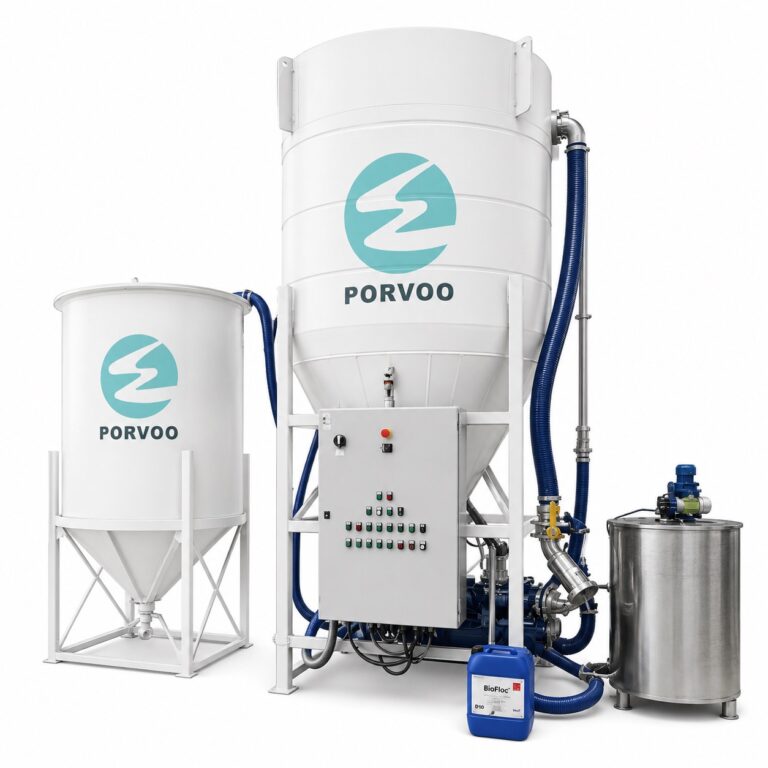
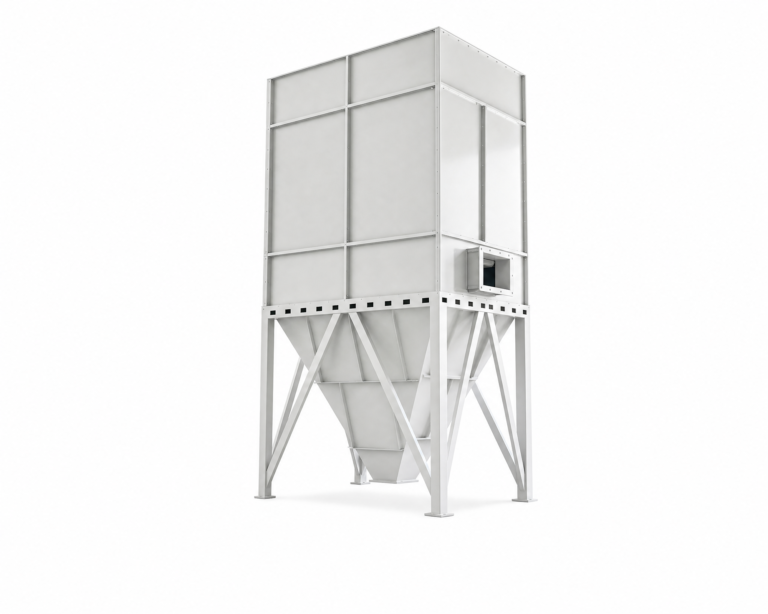
Практическим следствием этого является то, что объем отстойника необходимо рассчитывать с учетом пиковой скорости образования шлама и наихудшего варианта гранулометрического состава для конкретного перерабатываемого материала, а не брать данные из общих справочников по обогащению полезных ископаемых. A вертикальная седиментационная башня, предназначенная для суспензии с мелкими частицами может увеличить время пребывания при компактных габаритах, однако исходные данные о размерах — в особенности о доле ультрамелких частиц — должны определяться исходя из перерабатываемого материала, а не на основе стандартного профиля резки камня.
| Проблемы при проектировании | Почему это важно | Что следует изучить |
|---|---|---|
| Шлам, оставленный для высыхания в каналах или резервуарах | Превращается в резервуар мелкой пыли, которая вновь поднимается в воздух под воздействием дорожного движения и воздушных потоков; в высохшей суспензии концентрация кремнезема выше, чем в исходной пыли | Уклон, вместимость и частота очистки для предотвращения пересыхания |
| В расчетах осаждения не учитываются наноразмерные частицы | В составе искусственной каменной пыли содержатся частицы размером менее 0,1 мкм, оседание которых может занимать до 80 дней | Определение размеров осадочного канала и времени удержания ультрамелких частиц |
| Вода, прошедшая рециркуляцию, возвращается без очистки | Повышает концентрацию кремнезема, снижает эффективность подавления роста микроорганизмов, создает риск развития легионеллеза | Этап очистки воды перед рециркуляцией или повторным использованием |
| Емкости, размеры которых рассчитаны без учета максимального объема шлама | Перелив или скопление неглубокого шлама повышают риск высыхания | Оценка пиковой скорости образования шлама и объёма удержания |
Мониторинг мутности рециркулируемой воды с использованием стандарта ISO 7027-1:2016 в качестве основы для испытаний служит практическим показателем того, работает ли стадия осаждения в соответствии с проектными требованиями. Он не определяет размеры каналов, но дает оперативному персоналу возможность заблаговременно обнаружить, что время пребывания или дозировка коагулянта больше не соответствуют требованиям, до того как система подавления начнет работать против самой себя.
Не допускать, чтобы пути распространения пыли и шлама пересекали рабочие зоны в обратном направлении
Физическое отделение потоков пыли и шлама от рабочих зон является требованием к планировке, а не вопросом производственной дисциплины. Те же каналы и стоки, которые отводят шлам от станций резки, становятся путями воздействия, если планировка допускает скопление шлама, его высыхание на поверхностях или обратное проникновение через открытые напольные стоки. Выявление этих путей до проектирования пола ничего не стоит; обнаружение их после запуска в эксплуатацию означает либо принять риск, либо проводить раскопки в бетоне.
Наиболее часто встречающиеся нарушения связаны с запрещенными заменами: подметание сухим способом или продувка остатков шлама сжатым воздухом с целью экономии времени, что приводит к повторному взвешиванию высохшего кремнезема непосредственно в зоне дыхания; использование переносного пылесоса класса M там, где требуется кабина с локальной вытяжкой (LEV) с водяной стенкой, что полностью упускает из виду компонент в виде тумана; а также оставление плит, вырезанных мокрым способом, для высыхания на рабочих столах, что приводит к превращению удержанной шламовой смеси обратно в воздушную пыль по мере испарения воды. Каждый из этих случаев представляет собой замену мер контроля, которая кажется эквивалентной с операционной точки зрения, пока данные о воздействии не покажут обратного.
Прокладка напольных сливных труб — это проектное решение, которое зачастую принимается подрядчиком по строительным работам без учета мнения специалистов по охране окружающей среды или технологического персонала. Сливы, подключенные напрямую к канализационной сети, направляют шлам в трубопроводы, не рассчитанные на его прохождение, что приводит к засорам и появлению точек утечки ниже по течению. Правильная схема прокладки предусматривает отвод всего технологического стока в систему отстаивания или перехвата шлама до подключения к системе дренажа объекта. Это необходимо указать в техническом задании на строительные работы, а не исправлять задним числом.
| Маршрут / Тренировка | Последствия | Что необходимо проверить в макете |
|---|---|---|
| Сухое подметание или продувка остатков шлама сжатым воздухом | Вновь взвешивает высушенную кремнеземную пыль непосредственно в зоне дыхания | Запрет соблюдается; используется исключительно вакуум класса M или H |
| Использование исключительно вакуума класса M в условиях наличия тумана | Не улавливает воздушный туман, который улавливала бы кабина с системой локальной вытяжки (LEV) и водяной стенкой | Работа стенда LEV, исправность вентилятора и фильтра, внешняя вентиляция |
| Плиты, вырезанные мокрым способом, оставлены на столах для сушки на воздухе | Мелкие частицы камня поднимаются в воздух по мере испарения воды | Плиты должны быть очищены или накрыты до высыхания; не допускается наличие сухих остатков |
| Напольные сливные отверстия, подключенные непосредственно к канализационной сети | Шламовая смесь забивает трубы и создает точки утечки ниже по течению | Система отстаивания или перехвата шлама перед подключением к дренажу |
Остаточный риск после внедрения мер контроля за расположением устраняется с помощью RPE и методов проверки, описанных в следующем разделе, — но только в том случае, если физические пути проникновения уже перекрыты. Даже хорошо разработанная программа RPE не может компенсировать недостатки планировки, при которой высохший шлам может вновь попасть в рабочую зону; она устраняет остаточную долю риска, а не основной путь проникновения.
Определить порядок удаления осадка до начала планирования повторного использования воды
Наиболее распространённой ошибкой при проектировании, которая приводит к задержке ввода системы повторного использования воды в эксплуатацию, является определение масштабов системы очистки до того, как будет решено, с какой частотой и каким способом будет удаляться осадок из технологического процесса. Частота удаления осадка, объём удерживаемой воды в отстойнике и качество рециркулирующей воды взаимосвязаны — если один из этих параметров устанавливается без учёта остальных, то при работе системы в производственном режиме по крайней мере один из этих трёх показателей будет неверным.
Основная цель проектирования, которая должна определять последовательность всех остальных решений, заключается в том, чтобы мелкодисперсные частицы камня постоянно находились в жидком или собранном состоянии, не допуская их высыхания. Это означает влажную уборку столов и полов шваброй или скребком не реже одного раза за смену, при этом шлам следует удалять с помощью воды под низким давлением или пылесоса соответствующего класса, а не допускать его накопления. Это означает, что шлам на дне отстойников должен удаляться по графику, соответствующему скорости поступления твердых частиц, а не по фиксированному календарному графику, установленному во время ввода в эксплуатацию и никогда не пересматриваемому при увеличении пропускной способности.
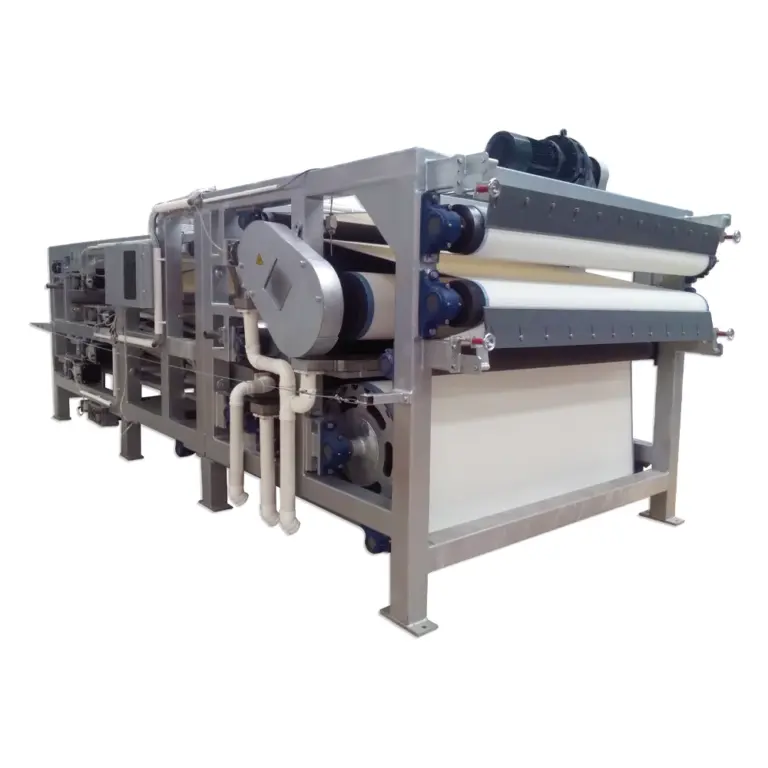
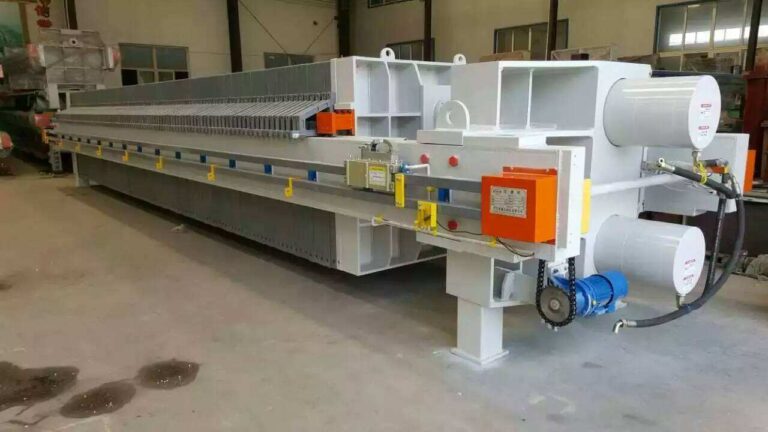
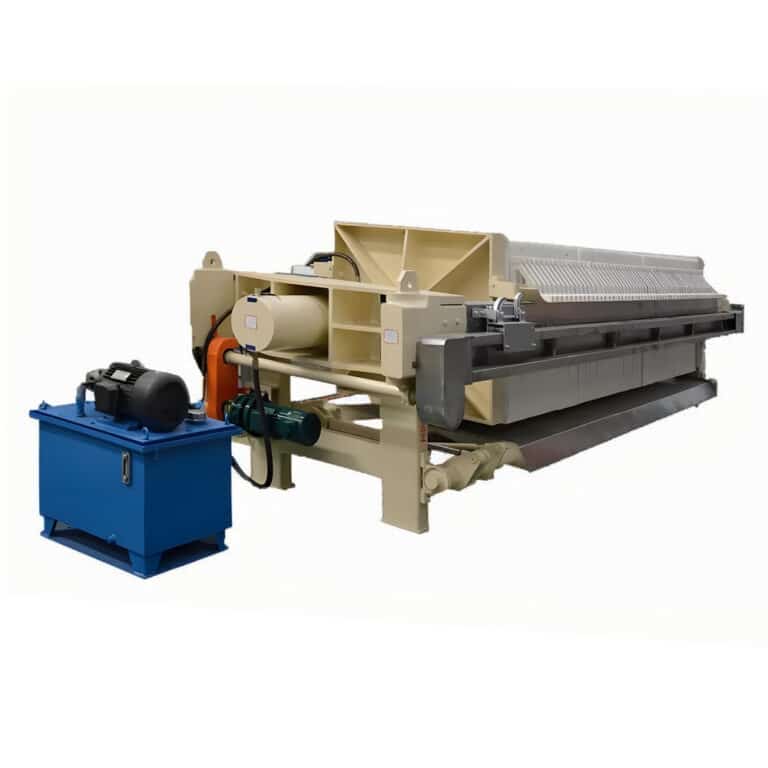
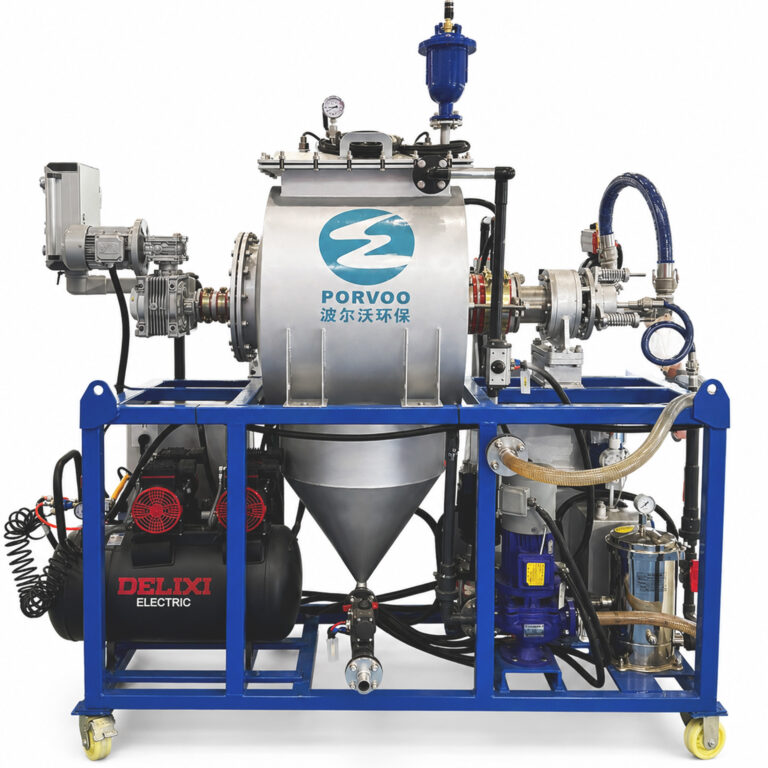
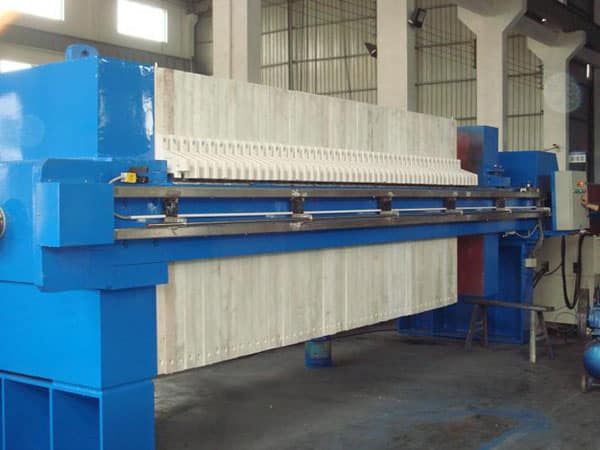
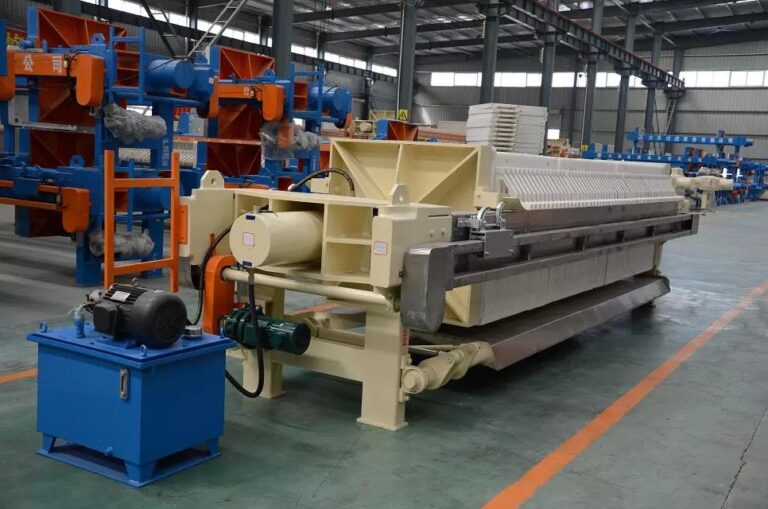
Планирование повторного использования воды начинается только после того, как будет подтверждено, что последовательность удаления осадка соответствует фактической производительности. Если этап отстаивания рассчитан на недостаточную производительность или интервал удаления осадка слишком велик, рециркулируемая вода возвращает в оборудование все более высокие нагрузки твердых частиц, что сводит на нет эффективность системы подавления и ускоряет накопление мелкого кремнезема в водяном контуре. В схему удаления осадка можно интегрировать мембранный фильтр-пресс, цикл работы которого и время выгрузки осадочного слоя согласованы со скоростью наполнения расположенного выше резервуара, что позволяет получать осадочный слой, который можно укладывать в штабеля и сбрасывать, а не влажный осадок, создающий дополнительные проблемы при обращении с отходами. Ключевым моментом является то, что производительность пресса и время цикла согласовываются с производительностью системы отстаивания, а не задаются независимо, а затем подключаются к системе.
Практическая проверка перед вводом в эксплуатацию контура повторного использования воды заключается в следующем: при какой нагрузке твердых частиц и какой скорости рециркуляции система отстаивания начинает возвращать мелкие частицы вверх по потоку? Этот порог определяет верхний предел эксплуатации системы повторного использования, и его следует установить до приемки системы, а не выявлять в ходе первого периода производства с большими объемами.
Сверьте методы работы оператора с проектными параметрами системы управления
Система контроля, основанная исключительно на наличии оборудования, как правило, теряет свою эффективность в период между плановыми проверками. Именно в разрыве между проектными предположениями и тем, что на самом деле делают операторы в процессе производства, сосредоточены риски, связанные с системой контроля (RCS), и конкретные модели поведения, приводящие к возникновению этого разрыва, достаточно хорошо задокументированы, поэтому проверка должна строиться именно на их основе, а не на проверке состояния оборудования.
Наиболее типичной причиной аварий является прерывание подачи воды: операторы уменьшают или полностью прекращают подачу, чтобы увидеть линию реза, особенно при выполнении точных резов, когда вода заслоняет траекторию движения лезвия. Это не является умышленным нарушением — это практическая мера, связанная с проблемой видимости, — но при этом прекращается подача воды именно в тот момент, когда образуются свежие поверхности, содержащие кремнезем. Единственным способом выявления данной проблемы является выборочная проверка непрерывности подачи воды непосредственно во время резки, а не в периоды простоя. Связанная с этим ситуация — сухой финишный проход после мокрой резки: мокрая фаза контролирует основную резку, но краткий сухой проход для очистки кромки или доработки профиля приводит к самым высоким концентрациям в воздухе за всю операцию из-за свежеразломанных поверхностей, которые ещё не были смочены. Проверка процедур, выполняемых в конце резки, является более надёжным методом контроля, чем проверка самой резки.
В соответствии с Правилом 9 COSHH в Великобритании системы LEV подлежат обязательной тщательной проверке и испытанию (TExT) каждые 14 месяцев. Независимо от того, применяется ли именно этот интервал в конкретной юрисдикции, принцип проведения плановых функциональных испытаний — вместо того, чтобы полагаться на визуальный осмотр или сообщения о неисправностях — является надлежащей практикой и обеспечивает обоснованную документацию по техническому обслуживанию. Производительность вентилятора, целостность фильтров и скорость улавливания на входной поверхности камеры должны находиться в пределах установленных значений, прежде чем система будет признана соответствующей проектным характеристикам.
Проверка респираторного защитного оборудования (RPE) — это не просто проверка самого оборудования. Медицинское заключение, ежегодная проверка плотности прилегания и соблюдение правил в отношении растительности на лице — все это обязательные условия для обеспечения действительности коэффициента защиты. Респиратор с принудительной подачей воздуха (PAPR) с установленным коэффициентом защиты 20 обеспечивает такую защиту только в том случае, если герметичность не нарушена и подтверждено правильное прилегание к лицу пользователя — ни о том, ни о другом нельзя судить лишь по наличию самого оборудования.
| Практика для проверки | Риск в случае несоблюдения | Метод проверки |
|---|---|---|
| Во время резки подача воды не прерывается | Операторы могут ограничить или перекрыть подачу воды, чтобы увидеть линию отсечения, что снизит эффективность тушения | Проводите выборочную проверку непрерывности потока во время резки в режиме реального времени |
| После мокрой резки не следует выполнять сухой чистовой проход | Сухой проход по свежеразломанным поверхностям обеспечивает наибольшую концентрацию RCS | Проводить аудиторские процедуры, соблюдать порядок действий по завершении резки |
| Завершено тщательное обследование и тестирование (TExT) системы LEV | Требование законодательства, предусмотренное пунктом 9 Правил COSHH, о проведении проверок каждые 14 месяцев; в случае пропуска проверок возникает риск снижения эффективности улавливания | Сверка графика с сертификатами TExT |
| RPE прошло проверку на плотность прилегания и носится правильно | Волосы на лице ухудшают герметичность; отсутствие медицинского разрешения и ежегодных проверок подгонки лишает защиту смысла | Ежегодные протоколы проверки плотности прилегания респираторов, медицинские справки и соблюдение правил в отношении растительности на лице |
Проверяйте схему при изменении состава материалов
Схема, оптимально подходящая для одной спецификации материала, может оказаться непригодной для другого продукта без каких-либо очевидных физических изменений на производстве. Пыль из искусственного камня химически отличается от пыли из натурального камня — смоляные связующие, пигменты, заряд частиц и состав полиморфов кремнезема влияют на поведение пыли в воздухе, в воде и при прохождении через фильтр. При изменении состава материала эти параметры меняются, и предположение о том, что существующие меры контроля остаются адекватными, не является обоснованным без проведения конкретной повторной оценки.
Замена на искусственный камень с более низким содержанием кремнезема снижает вероятность образования кристаллического кремнезема (RCS) и должна рассматриваться в качестве меры в рамках иерархии средств контроля при наличии материалов с более низким содержанием кремнезема и эквивалентным качеством. Рекомендация HSE по использованию камня с максимально низким содержанием кристаллического кремнезема подтверждает, что это является критерием выбора материала, а не просто предпочтением при закупках. С точки зрения пересмотра технологической схемы это означает, что материал с более низким содержанием кремнезема может позволить скорректировать параметры улавливания и фильтрации — однако пересмотр всё равно необходимо провести, поскольку доля смолы и добавок остаётся неизменной и может вести себя на этапах осаждения и фильтрации иначе, чем предыдущий материал.
Новые составы смол или пигментные системы могут изменять заряд частиц и их агломерационные свойства таким образом, что снижается эффективность осаждения или изменяются характеристики фильтрационного осадка. Фильтр или система осаждения, рассчитанные на определенное распределение частиц в материале, могут пропускать больше мелких частиц в осветленную воду при изменении состава материала, что приводит к повышению мутности выше порогового значения, при котором вода пригодна для рециркуляции. Проверка того, что этап водоподготовки по-прежнему работает в пределах проектных параметров после смены материала, не представляет сложности, но её необходимо планировать в рамках процесса квалификации материала, а не проводить только при появлении видимой проблемы.
| Фактор изменения | Влияние на поведение пыли | Требуется проверка элементов управления макетом |
|---|---|---|
| Замена на искусственный камень с пониженным содержанием кремнезема | Потенциал образования RCS снизился, но остальные компоненты сохранились | Повторно оцените, можно ли скорректировать параметры улавливания и фильтрации |
| Рекомендация HSE по использованию камня с минимально возможным содержанием кристаллического кремнезема | Определяет выбор материалов, влияющий на базовый уровень риска | Убедитесь, что профиль риска нового материала учтён в схеме расположения |
| Новый состав смолы, пигмента или добавки | Изменяет заряд пылевых частиц, их агломерацию и поведение при фильтрации | Проанализировать эффективность LEV, фильтрующие материалы и характеристики осаждения |
| Смесь различных полиморфов кремнезема | Изменяет токсикологический профиль и характеристики вдыхаемой фракции | Повторно подтвердить адекватность оценки воздействия и мер контроля |
Существует практическое правило: любое изменение состава материала — а не только переход на другую основную категорию продукции — должно стать поводом для пересмотра эффективности локальной системы вентиляции (LEV), рабочих характеристик фильтрующих материалов, характеристик осаждения частиц и адекватности оценки уровня воздействия до того, как новый материал поступит в серийное производство. Изменение состава материала, которое никогда не указывалось в качестве повода для пересмотра мер контроля, является одной из наиболее распространенных причин, по которым в ходе аудита выясняется, что система, ранее считавшаяся адекватной, работает хуже ожидаемого.
Решения, которые наиболее сложно изменить после ввода объекта в эксплуатацию, — это те, которые были приняты до определения последовательности операций по удалению осадка: куда сливаются каналы для шлама, как размещаются влажные плиты после резки и был ли объём отстойника рассчитан с учётом фактического распределения частиц по размерам для конкретного перерабатываемого материала. Чтобы принять правильные решения, необходимо с самого этапа проектирования рассматривать улавливание пыли, транспортировку шлама и повторное использование воды как единую интегрированную систему, а не как параллельные рабочие процессы, которые будут согласованы в ходе ввода в эксплуатацию.
Прежде чем определять технические характеристики любого оборудования — отстойника, фильтр-пресса, камеры с локальной вытяжной вентиляцией или вакуумной станции — сначала необходимо уточнить периодичность удаления осадка и порог качества воды для повторного использования. Эти два параметра определяют требования к производительности и последовательности работы всего остального оборудования. Если какой-либо из этих параметров останется неясным до момента выбора оборудования, систему придется настраивать в условиях реального производства, а это более затратное и более нарушающее рабочий процесс исправление, чем правильное определение последовательности на стадии проектирования.
Часто задаваемые вопросы
Вопрос: В настоящее время наша мастерская занимается обработкой исключительно натурального гранита — будут ли эти меры контроля применяться, если мы начнём включать в ассортимент изделия из искусственного камня, даже если это будет происходить лишь изредка?
A: Да, и на этапе перехода необходимо провести полную проверку средств контроля до того, как первый блок искусственного камня поступит в производство, а не после. Содержание кремнезема в искусственном камне, достигающее 95%, означает, что профиль опасности категорически отличается от гранита, и меры контроля, рассчитанные для натурального камня — размеры каналов, объём резервуаров, скорость улавливания локальной вытяжной вентиляцией (LEV), класс вакуума — могут оказаться недостаточными для нового материала уже с первой резки. Даже эпизодическое использование нового материала по-прежнему считается сменой материала, что влечёт за собой переоценку по той же логике, что и при полной смене продукта.
Вопрос: После того как будут определены периодичность удаления осадка и порог повторного использования воды, что следует проработать в первую очередь — систему отстаивания или фильтр-пресс?
A: Сначала определите параметры системы осаждения. Этап осаждения определяет нагрузку по твердым частицам и качество рециркулируемой воды, с которыми должен справляться фильтр-пресс, поэтому если сначала подобрать пресс самостоятельно, а затем подключить его, возникает риск несоответствия между временем цикла пресса и скоростью наполнения резервуара, расположенного выше по потоку. Практическая последовательность действий такова: определить частоту удаления осадка при производственной нагрузке, рассчитать размер отстойника с учетом пикового образования шлама и максимального размера частиц, а затем подобрать производительность фильтр-пресса исходя из производительности системы осаждения, а не из общей цифры пропускной способности.
Вопрос: В какой момент рециркулируемая вода для тушения пожара становится непригодной для повторного использования и как следует установить этот порог?
A: Верхний предел — это нагрузка твердых частиц и скорость рециркуляции, при которых система осаждения начинает переносить ультрамелкие частицы обратно вверх по потоку, а не удалять их. Поскольку при производстве искусственного камня образуются наноразмерные частицы размером менее 0,1 микрона, осаждение которых может занимать до 80 дней, этот порог ниже, чем предполагается в большинстве рекомендаций по природному камню. Мониторинг мутности в соответствии с ISO 7027-1:2016 служит оперативным индикатором раннего предупреждения, однако проектный предел необходимо установить во время ввода в эксплуатацию путем испытаний при производственной нагрузке твердых частиц — а не исходить из технических паспортов оборудования или эталонных значений для натурального камня.
Вопрос: Является ли переносной пылесборник приемлемой альтернативой камере с водяной стенкой и локальной вытяжкой (LEV) для цехов, где установка стационарной камеры нецелесообразна?
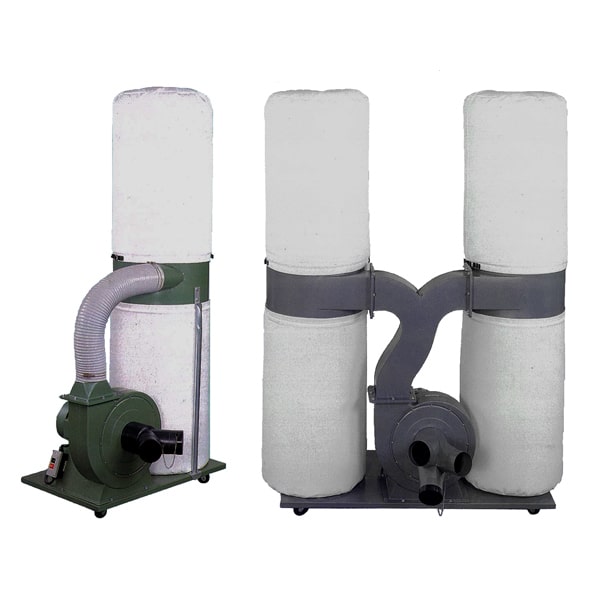
A: Нет — они предназначены для разных путей воздействия и не могут заменить друг друга в данном случае. A переносной пылесборник Можно справиться с сухой пылью на рабочем месте, однако при влажной резке образуется содержащий кремнезем туман, для улавливания которого требуется герметичная камера с водяной стенкой и внешняя вентиляция. Переносной прибор, установленный поблизости, не сможет задержать эту фракцию тумана. Если установка стационарной камеры действительно невозможна, это ограничение определяет, какие материалы и методы можно безопасно использовать в данном помещении — оно не делает переносной установку равноценным средством контроля.
Вопрос: Как предприятию следует сопоставить затраты на правильный расчет размеров отстойников и производительности фильтр-пресса на начальном этапе с затратами на доработку систем, рассчитанных с заниженными параметрами, после ввода в эксплуатацию?
A: Исправление недостатков после ввода в эксплуатацию неизменно обходится дороже как с точки зрения капитальных затрат, так и с точки зрения эксплуатационных расходов. Недостаточный размер каналов и резервуаров требует либо проведения земляных работ, либо компенсационного увеличения частоты очистки, что приводит к дополнительным трудозатратам и создает давление на график производства. Что ещё более важно, система, в которой ультрамелкие частицы попадают обратно в воду для подавления пыли, постепенно повышает концентрацию кремнезема в водяном контуре, что снижает эффективность подавления пыли и может повлечь за собой необходимость мер по борьбе с легионеллой — затраты, которые не видны при первоначальном сравнении оборудования, но проявляются в условиях производства. Исходные данные для расчёта размеров, которые чаще всего упускаются из виду — фактическое распределение частиц по размерам для конкретного вида искусственного камня, подвергаемого обработке, — также являются теми данными, которые с наибольшей вероятностью позволяют предотвратить обе эти проблемы.