Selecting the wrong dewatering technology is a capital-intensive mistake with long-term operational consequences. The choice between a belt filter press and a plate and frame filter press is often oversimplified to a cost-per-ton calculation, ignoring how each system fundamentally shapes plant design, staffing, and lifecycle economics. A flawed selection locks you into higher disposal fees, unpredictable maintenance, and limited process flexibility.
This decision is critical now. Tightening landfill regulations and rising hauling costs make final cake dryness a primary financial driver, not just an operational metric. Simultaneously, the push for automation and resource recovery demands equipment that aligns with future-state operational philosophies. Understanding the seven critical performance differences outlined here is essential for a sustainable, cost-effective investment.
Belt vs Plate and Frame: Core Operational Differences
The Continuous vs. Batch Processing Divide
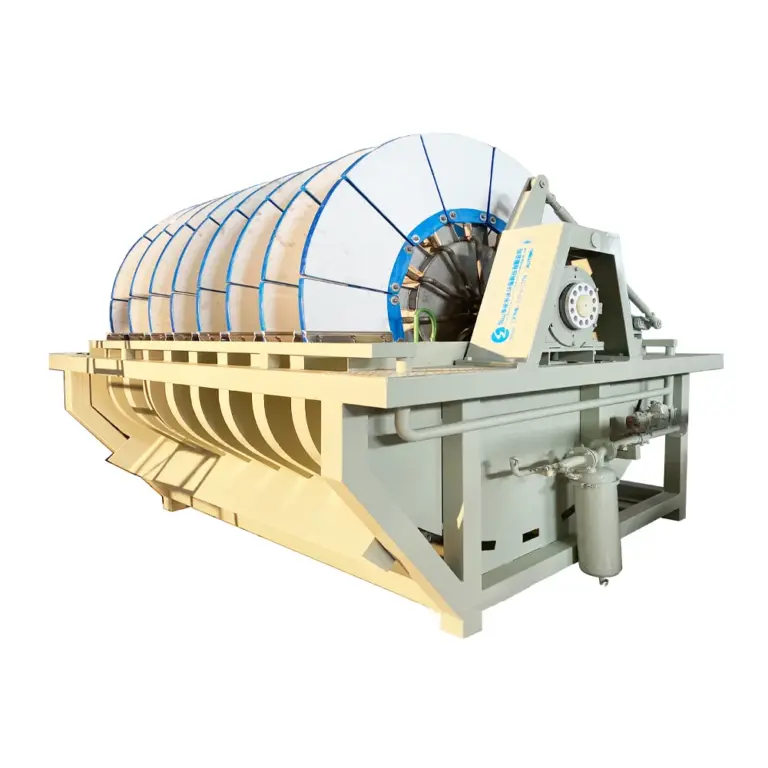
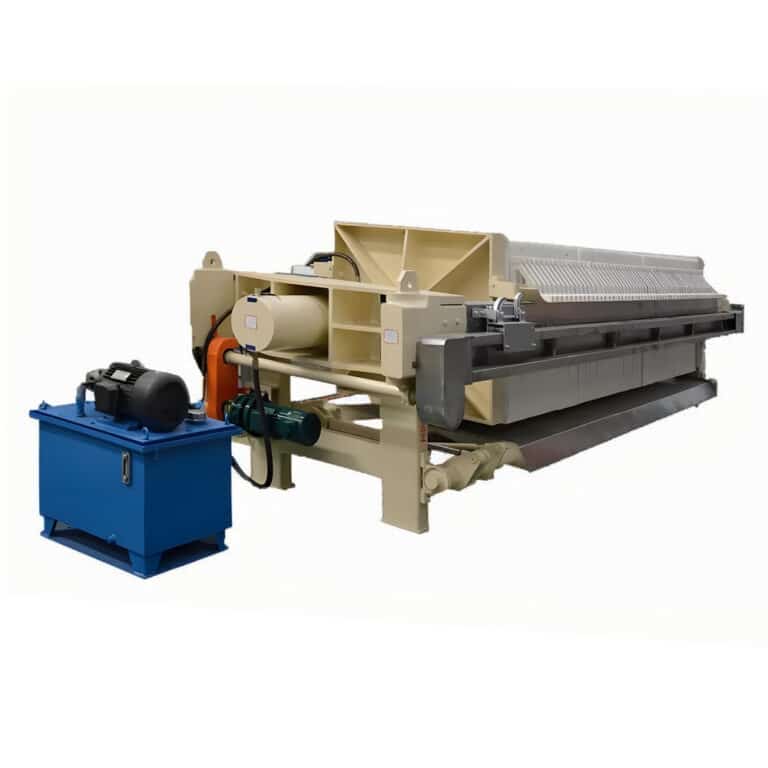
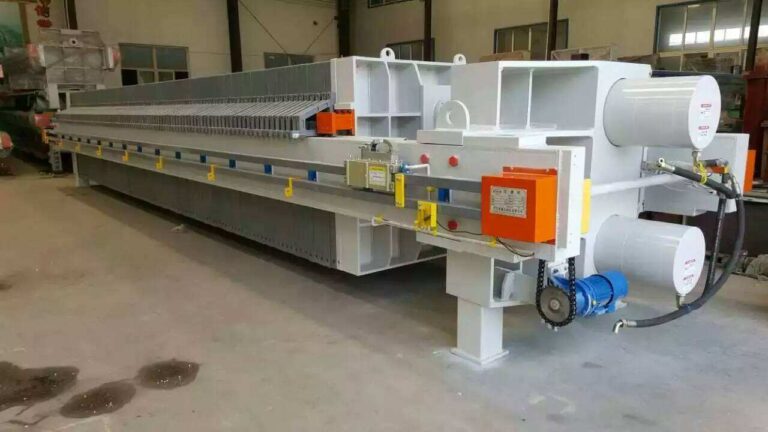
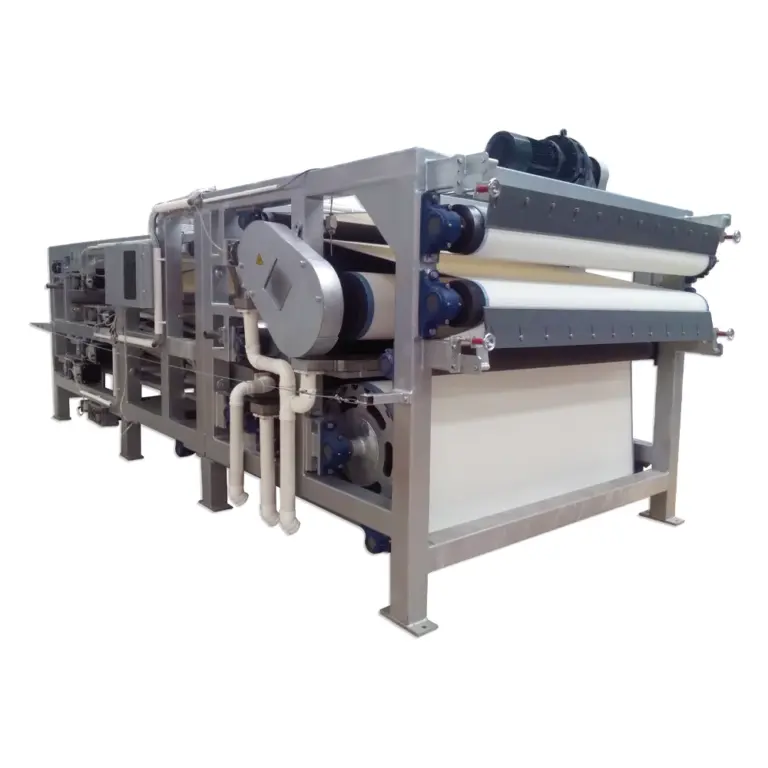
The most fundamental distinction is processing method. A belt filter press operates continuously. Sludge is constantly fed onto a series of dewatering belts, undergoing sequential gravity drainage, wedge pressure, and shear pressure between rollers. In contrast, a plate and frame filter press is a batch processor. Sludge is pumped into sealed chambers formed by filter plates and frames under high hydraulic pressure. The entire cycle of filling, pressing, and cake release must complete before the next batch begins.
Impact on Plant Design and Flow
This core difference dictates plant layout and philosophy. The belt press integrates into a linear, high-throughput system designed for constant flow. The plate and frame press enables a modular, flexible layout. Its batch nature allows for handling varied waste streams with customized cycle times and pressures. This isn’t just about equipment placement; it’s about whether your plant is designed for uninterrupted volume or adaptable, precise processing.
Strategic Implications for Operators
From experience, plants that mistake a highly variable, difficult sludge for a high-volume one often regret choosing a continuous system. The batch processor’s ability to isolate and treat different streams separately provides a level of control and consistency that a continuous system cannot match when feed quality fluctuates.
Cost Comparison: Capital, Operating, and Total Cost of Ownership
Looking Beyond the Sticker Price
Initial capital expenditure often favors the belt filter press, but this is a misleading starting point. The true economic evaluation must be based on Total Cost of Ownership (TCO). Belt presses typically incur higher ongoing operational costs, including significant polymer consumption and more intensive maintenance for belts, rollers, and spray systems.
Quantifying the Operational Cost Drivers
A plate and frame press, particularly modern membrane designs, often uses minimal chemicals and has a simpler mechanical action. Critically, the drier cake it produces dramatically reduces hauling volume and landfill fees. Evidence indicates that the higher operational costs of a belt press can make it 6.5x more expensive annually. The vendor with the higher sticker price often delivers the lowest TCO and best ROI.
The TCO Analysis Framework
The following table breaks down the key cost factors that must be included in any rigorous lifecycle analysis.
Cost Comparison: Capital, Operating, and Total Cost of Ownership
| Cost Factor | Belt Filter Press | Plate & Frame Filter Press |
|---|---|---|
| Capital Expenditure | Typically lower | Typically higher |
| Polymer Consumption | ~0.5 kg/ton | Minimal chemicals |
| Weekly Maintenance | >8 hours | <8 hours |
| Cake Solids Range | 18-25% solids | 25-70% solids |
| Annual Cost Impact | Up to 6.5x higher | Lower TCO |
Source: ANSI/AWWA B130 Belt Filter Press Standard. This standard establishes design and performance benchmarks for belt filter presses, providing the technical context for operational and maintenance cost factors.
Throughput and Capacity: Which System Handles Higher Volume?
Defining Throughput in Context
Throughput capacity is directly tied to operational mode. The belt filter press is engineered for high-volume, large-scale continuous processing, effective for constant, high-flow streams like those from municipal wastewater plants. Its design prioritizes constant feed and discharge. The plate and frame filter press is suited for batch processing of smaller, more concentrated volumes.
The Scalability Trade-Off
This choice locks in your scalability strategy. If your process requires uninterrupted, hands-off throughput of a consistent sludge, the belt press is optimal. If you require precise control over varied or difficult sludge types—even at a lower hourly volume—the batch flexibility of the plate and frame press is superior. Its capacity is measured in cycles per day, not tons per hour.
Aligning Technology with Process Goals
A common oversight is prioritizing nominal hourly rate over achievable daily yield. A batch system processing drier cake in shorter, highly efficient cycles can often outperform a continuous system struggling with poor conditioning and downtime, ultimately moving more dry solids per shift.
Cake Dryness Compared: Which Achieves Higher Solids Content?
The Primary Driver of Disposal Cost
Final cake dryness is the key differentiator for downstream cost. A belt filter press typically produces cake with 18% to 25% solids content by weight, with performance highly dependent on sludge characteristics and polymer conditioning. A plate and frame filter press, utilizing high-pressure hydraulic filtration often exceeding 200 psi, forces more water from the solids.
Achieving Stackable, Drier Cake
Plate and frame systems typically achieve 25% to 50% solids, with modern membrane plate models reaching 40% to 70% solids. This ability to produce a stackable, friable cake is a long-term financial and strategic decision. It reduces hauling costs by up to two-thirds and transforms sludge from a disposal liability into a potential resource for co-processing or alternative fuel.
Data-Driven Dryness Comparison
The performance gap in solids content is clear when comparing standard operational ranges, as shown in the table below.
Cake Dryness Compared: Which Achieves Higher Solids Content?
| Metric | Belt Filter Press | Plate & Frame Filter Press |
|---|---|---|
| Typical Solids Range | 18% – 25% | 25% – 50% |
| High-Performance Range | N/A | 40% – 70% |
| Operating Pressure | Low/medium pressure | >200 psi |
| Hauling Cost Impact | Higher volume | Up to 2/3 reduction |
Source: ISO 11074 Soil quality — Vocabulary. This standard provides the foundational terminology for describing soil and sludge properties, including the solids content critical for evaluating dewatering performance.
Automation and Labor Requirements: A Side-by-Side Look
The Nature of Automated Control
While both systems can be automated, the required oversight differs. A belt filter press, despite automated controls, often benefits from continuous monitoring. Operators may need to adjust belt speed, tension, and polymer feed in response to visible process changes. The plate and frame filter press batch cycle is highly amenable to full automation via Programmable Logic Controllers (PLCs), managing the entire sequence from filling to cake discharge with minimal intervention.
Strategic Staffing Implications
This automation gap creates a staffing implication. The belt press’s continuous system demands a consistent operational presence for monitoring and tweaking. The plate and frame press allows labor to be scheduled around batch cycles and maintenance windows, potentially reducing direct operating labor costs and reliance on highly skilled, constant oversight.
Operational Philosophy in Practice
The table below contrasts the labor and automation profiles, highlighting how the core processing mode dictates the operational model.
Automation and Labor Requirements: A Side-by-Side Look
| Operational Aspect | Belt Filter Press | Plate & Frame Filter Press |
|---|---|---|
| Processing Mode | Continuous | Batch |
| Automation Suitability | Monitoring & adjustment | Full PLC automation |
| Labor Demand | Constant operational presence | Scheduled intervention |
| Skill Requirement | Real-time adjustment | Cycle & maintenance focus |
Source: DIN 19569-5 Wastewater treatment plants — Principles for the design of structures and technical equipment. This standard outlines design principles for wastewater plant equipment, including the integration of automation and operational philosophies that inform labor requirements.
Footprint, Installation, and Maintenance Complexity
Physical and Operational Footprint
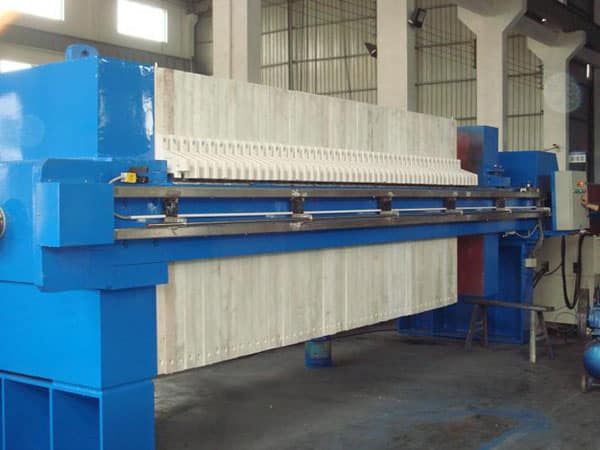
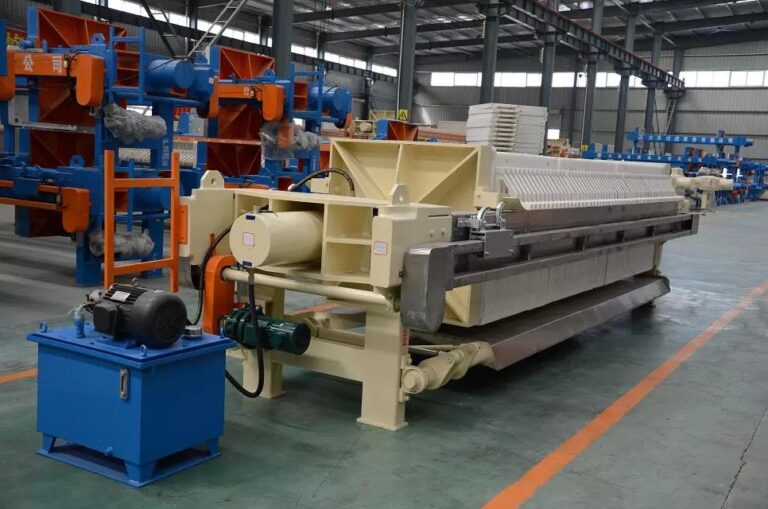
The physical layouts contrast sharply. A belt filter press has a longer, linear footprint to accommodate its series of dewatering stages. A plate and frame press has a more compact, cubic footprint, though it needs clearance for the plate stack to open. This influences not only floor space but also the integration into existing pipework and conveyor systems.
Contrasting Maintenance Regimes
Maintenance complexity is a major differentiator. Belt press maintenance is frequent and preventative, involving belt tracking, wear, roller bearings, and cleaning spray nozzles to prevent blinding. Plate and frame press maintenance focuses on the hydraulic system, periodic filter cloth replacement, and plate inspection. Its batch nature allows for scheduled maintenance during off-cycle times.
The True Cost of Complexity
For facilities with limited technical staff, the mechanical complexity of a belt press can lead to higher downtime and contractor reliance, directly impacting overall plant reliability. The comparative maintenance burden is significant, as detailed below.
Footprint, Installation, and Maintenance Complexity
| Consideration | Belt Filter Press | Plate & Frame Filter Press |
|---|---|---|
| Layout | Long, linear footprint | Compact, cubic footprint |
| Maintenance Focus | Belts, rollers, sprays | Hydraulics, filter cloths |
| Maintenance Frequency | High (prevents blinding) | Scheduled, off-cycle |
| Relative Maintenance Hours | Up to 8x more | Lower |
Source: ANSI/AWWA B130 Belt Filter Press Standard. The standard covers construction and performance requirements, which directly influence the installation footprint and maintenance complexity of belt filter press systems.
Which Filter Press Is Better for Your Specific Waste Stream?
The Non-Negotiable First Step: Feed Analysis
The most critical selection step is analyzing your feed sludge characteristics; a flawed choice here leads to chronic failure. Belt presses can struggle with greasy, oily, or fine abrasive sludges that blind filter belts and compromise gravity drainage. They perform best with well-conditioned, homogeneous biological sludges.
Matching Technology to Material Characteristics
Plate and frame presses, especially membrane designs, handle high solids loads, corrosive materials, variable feeds, and fine particles more effectively due to their sealed, high-pressure environment. This is why comprehensive feed analysis—particle size, consistency, and chemical composition—must precede any procurement decision. The technology must match the material.
Avoiding the Common Pitfall
We’ve observed projects where a belt press was specified based on municipal wastewater benchmarks, only to fail when faced with an industrial waste stream containing fats or fine minerals. Testing with a pilot-scale unit or detailed bench testing is not an optional cost; it’s insurance against a failed capital project.
Key Selection Criteria for Your Wastewater Treatment Project
Prioritize Your Primary Goal
First, define your non-negotiable objective. Is it maximum cake dryness for cost reduction and regulatory compliance, or is it maximum continuous throughput? This single question often points directly to one technology. You cannot optimize for both equally.
Mandate a Detailed Lifecycle Cost Model
Second, build a lifecycle cost model that aggressively quantifies polymer consumption, maintenance labor, energy, and disposal fees—not just capital cost. Use the cost comparison table as your framework. This model must project costs over a 5-10 year horizon.
Future-Proof Your Decision
Third, consider future-state needs. Regulatory trends favor drier cake for “combined fill” disposal. Potential resource recovery or co-processing initiatives may require a certain solids content. Align the technology with your plant’s operational philosophy and staffing model. This holistic approach ensures the chosen system delivers sustainable performance.
The decision hinges on aligning the core technology—continuous dewatering versus high-pressure batch filtration—with your specific waste profile, financial model, and operational capabilities. Prioritize cake dryness and TCO analysis over upfront cost, and let sludge characteristics dictate the viable technology, not the other way around.
Need professional guidance to select and implement the right solid-liquid separation solution for your project? The engineering team at PORVOO specializes in matching filtration equipment to complex industrial and municipal waste streams, ensuring optimal performance and return on investment. For a detailed consultation on your specific application, you can also Contact Us directly.
Frequently Asked Questions
Q: How do we accurately compare the total cost of ownership between a belt press and a plate and frame press?
A: You must move beyond initial capital cost and model a detailed lifecycle analysis. Key operational cost drivers include polymer consumption, which can be ~0.5 kg/ton for belt presses, and maintenance hours, which can be up to 8x higher for belt systems. The drier cake from a plate press (25-70% solids) drastically cuts hauling and landfill fees. This means facilities with high disposal costs should prioritize a TCO model that quantifies these long-term savings, as operational expenses can make one technology 6.5x more expensive annually than another.
Q: Which dewatering system is better for handling variable or difficult waste streams like oily sludges?
A: A plate and frame filter press, especially a membrane plate design, is superior for challenging or inconsistent feeds. Its sealed, high-pressure chamber environment effectively handles greasy materials, fine particles, and variable solids loads that would blind a belt press’s filter media. This performance is rooted in the fundamental design principles for wastewater equipment outlined in standards like DIN 19569-5. If your feed analysis shows complex or changing sludge characteristics, you should select the batch-processing plate and frame press for greater process stability and reliability.
Q: What are the key labor and automation differences between continuous and batch dewatering systems?
A: A fully automated plate and frame press uses a PLC to run its complete batch cycle with minimal operator intervention, allowing labor to be scheduled around cycles. A belt press, despite having controls, often requires continuous monitoring to adjust belt speed, tension, and polymer feed in response to visible process changes. This means facilities with limited technical staff or a goal of reducing direct operating labor should plan for the strategic staffing flexibility offered by an automated batch system versus the constant oversight needed for continuous operation.
Q: How does final cake dryness impact long-term operational strategy and compliance?
A: Achieving higher solids content directly reduces disposal tonnage and cost, with plate and frame presses typically producing 25-70% solids compared to 18-25% for belt presses. This drier, stackable cake can lower hauling expenses by up to two-thirds and transforms sludge from a waste liability into a potential resource for co-processing. For projects facing tightening landfill regulations or aiming for circular economy goals, you should prioritize the system capable of delivering the highest dryness to ensure both financial return and future regulatory compliance.
Q: Which technical standard specifically governs the design and performance of belt filter presses?
A: The primary standard for belt filter press construction and performance in water treatment is ANSI/AWWA B130. This standard covers materials, design, and construction requirements, providing the technical benchmarks manufacturers must meet. When evaluating belt press vendors or specifying equipment, you should require compliance with ANSI/AWWA B130 to ensure the machinery meets established industry performance and safety criteria.
Q: What is the primary operational factor that dictates plant layout and scalability?
A: The core choice between continuous (belt press) and batch (plate and frame press) processing fundamentally shapes your plant’s design philosophy. A belt press demands a linear layout for its sequential dewatering stages and is engineered for constant, high-volume flow. A plate and frame press enables a more modular, compact footprint suited for processing concentrated batches. This means your decision locks in scalability; if your process requires uninterrupted, high-tonnage throughput, plan for the linear system, but if you need flexibility for varied streams, the batch system’s modularity is superior.
Q: How should we approach maintenance planning for each type of filter press?
A: Expect more frequent and complex maintenance from a belt press, involving belt tracking, roller bearings, and spray nozzles, which can require significantly more weekly hours. A plate and frame press needs maintenance focused on its hydraulic system and periodic cloth replacement, which can often be scheduled during off-cycle times. For facilities with limited in-house technical expertise, you should factor in the higher potential for contractor reliance and downtime associated with the mechanically complex continuous system.