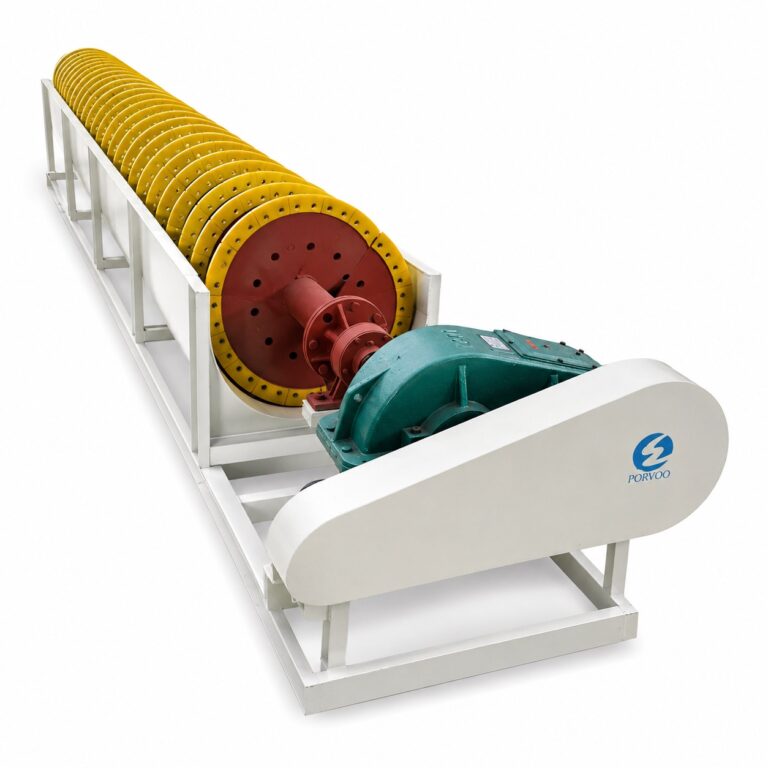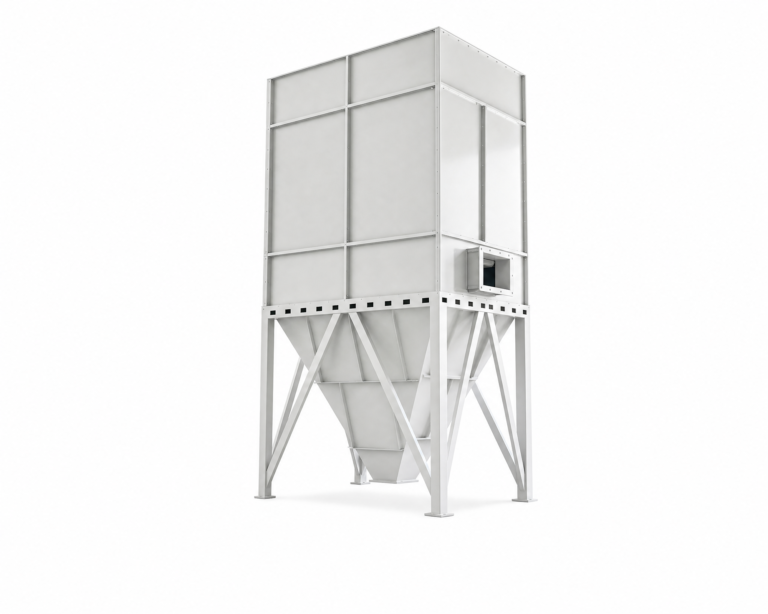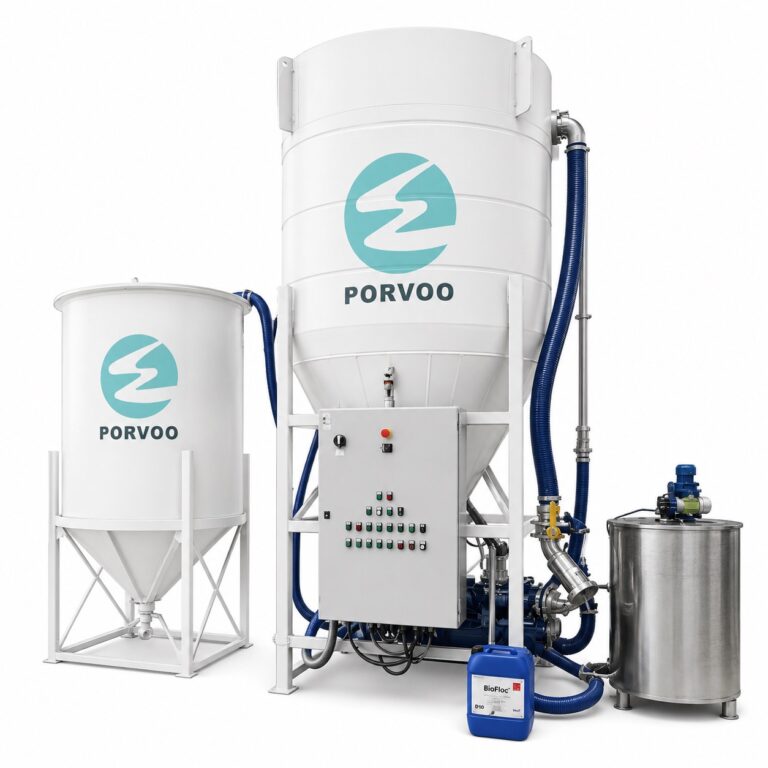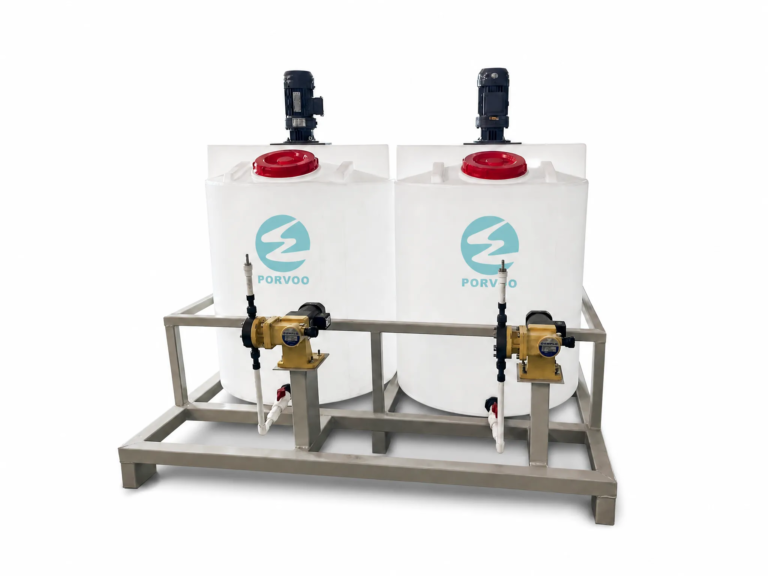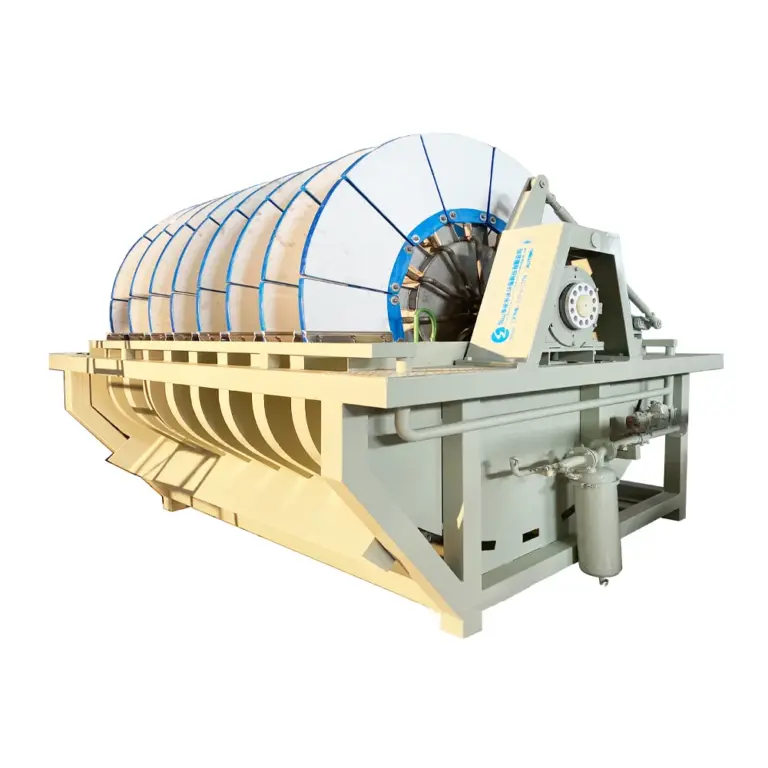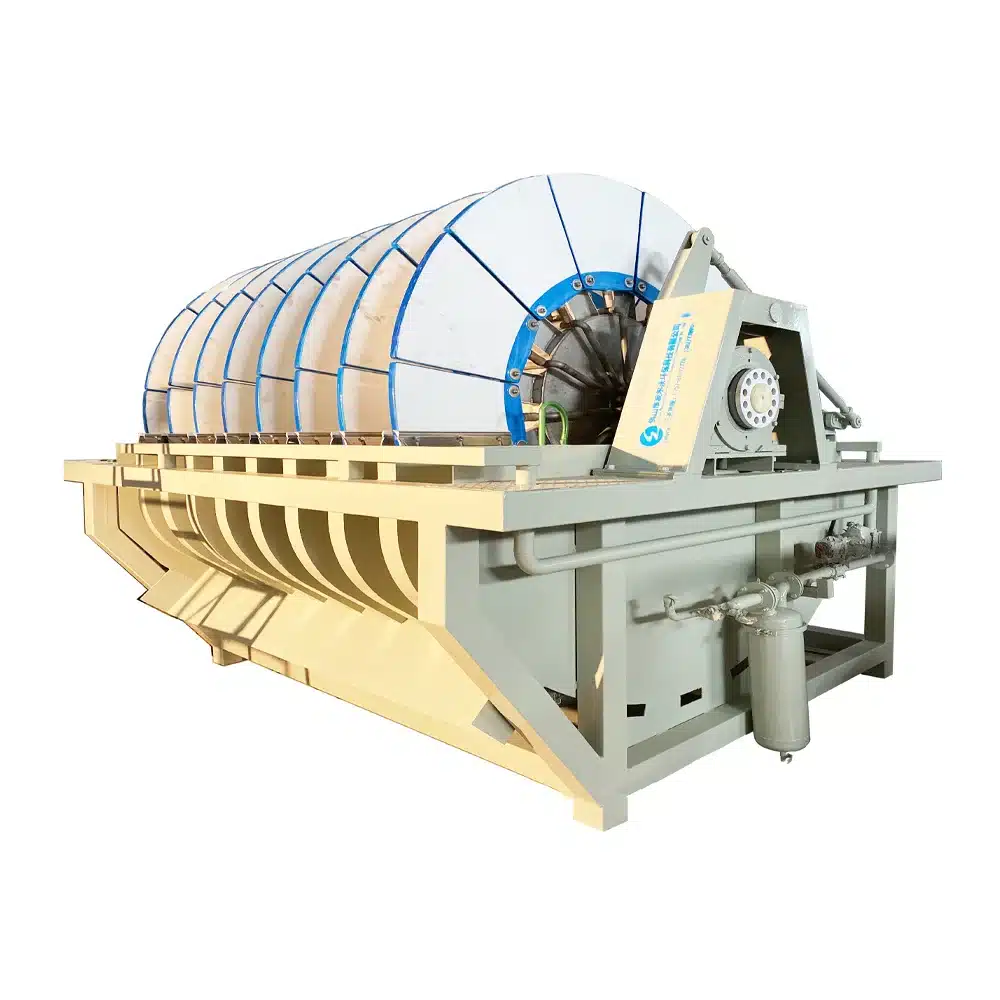
Um filtro de disco cerâmico a vácuo é um sistema de separação contínua de sólidos e líquidos baseado em setores cerâmicos porosos giratórios. Esta página destina-se ao trabalho de adaptação ao processo e seleção de equipamentos: ela explica as informações necessárias para avaliar se o equipamento é adequado para uma pasta e o que deve ser confirmado antes que uma configuração possa ser proposta.
Se você precisar de uma explicação em linguagem simples sobre o ciclo de filtragem, comece por como funciona um filtro de disco cerâmico a vácuo. Para uma avaliação equilibrada do valor potencial e das limitações, consulte Vantagens e critérios de seleção do filtro de disco cerâmico.
Para que o equipamento foi projetado
O filtro separa os sólidos em suspensão do líquido por meio da rotação de setores cerâmicos através de uma pasta. O vácuo aspira o líquido através do meio cerâmico poroso, enquanto os sólidos permanecem na superfície do setor e formam uma camada. A rotação contínua transporta a camada através de uma zona de desaguamento e, em seguida, para a descarga. Uma etapa de limpeza ou regeneração prepara a superfície cerâmica para o próximo ciclo.
Esse padrão operacional permite a desaguagem contínua, mas não garante um determinado nível de umidade do bolo, clareza do filtrado, capacidade ou resultado energético. Esses resultados dependem da matéria-prima, do meio cerâmico selecionado, da área de filtração disponível, dos controles operacionais, da eficácia da limpeza e do restante do processo.
Quando um filtro de disco cerâmico a vácuo pode ser a opção ideal
O material de origem local definido identifica concentrados minerais, rejeitos, precipitados químicos e alguns lodos industriais como áreas de aplicação em potencial. Essa lista é um ponto de partida, não uma declaração de compatibilidade. Uma avaliação adequada deve confirmar como os sólidos em questão interagem com o meio cerâmico e se as condições necessárias para o bolo de filtração e o filtrado são alcançáveis.
Um filtro de disco cerâmico a vácuo é mais indicado para avaliação quando o processo exige filtração contínua e o material de alimentação é capaz de formar uma camada estável e removível sobre uma superfície cerâmica. Ele pode não ser a melhor opção quando o material de alimentação não consegue formar uma camada coesa, obstrui rapidamente o meio filtrante, corrói os materiais em contato com o líquido, apresenta variações fora de uma faixa controlável ou exige um resultado que ainda não tenha sido comprovado com material representativo.
Informações sobre o processo necessárias para a seleção
A seleção de equipamentos deve começar com uma função definida, em vez de uma especificação genérica de capacidade. Os dados a seguir estabelecem o escopo mínimo da análise:
| Entrada | Por que isso é importante |
|---|---|
| Origem da pasta e função no processo | Define se o filtro está recuperando produto, desaguando resíduos ou preparando material para outra etapa. |
| Concentração de sólidos e variação esperada | Afeta a formação da camada de resíduos, o controle do ciclo e a área de filtragem necessária para a operação. |
| Distribuição granulométrica e características dos sólidos | Influencia a escolha do meio, a permeabilidade, a liberação do bolo e o risco de obstrução. |
| Composição química e temperatura da pasta | Estabelece requisitos de compatibilidade para elementos cerâmicos, revestimentos de tanques, vedações, tubulações e práticas de limpeza. |
| Condições exigidas para o bolo e o filtrado | Transforma objetivos gerais, como “bolo mais seco” ou “filtrado mais límpido”, em critérios de aceitação verificáveis. |
| Serviços públicos disponíveis e restrições do local | Define os limites práticos relativos ao vácuo, ao manuseio do filtrado, à potência de acionamento, à água, aos controles, ao acesso e à instalação. |
Sistemas que devem ser analisados em conjunto
Os setores cerâmicos são apenas uma parte da instalação. Uma revisão da configuração também deve abranger o tanque de polpa e o sistema de agitação, o conjunto rotativo, os sistemas de vácuo e de filtrado, a descarga do bolo, a retrolavagem ou outros meios de regeneração, o acionamento e os controles, as proteções, o acesso e o manuseio posterior do bolo e do filtrado.
A escolha dos componentes não pode ser dissociada da alimentação. A velocidade de rotação afeta o tempo disponível para a formação do bolo, a desaguagem e a descarga. A estabilidade do vácuo afeta o movimento do líquido através do meio. O estado do raspador afeta a liberação do bolo. A eficácia da limpeza afeta a permeabilidade ao longo do tempo. Essas relações explicam por que uma análise representativa do material é mais útil do que uma tabela de desempenho universal.
Manutenção e acesso operacional
Uma proposta prática deve demonstrar como os operadores podem inspecionar os setores cerâmicos, o sistema de raspadores, as vedações, o percurso do vácuo, os receptores de filtrado, o acionamento, os sensores e os equipamentos de limpeza. Deve também identificar quais condições são monitoradas durante a operação e como serão investigados casos de filtrado anormal, bolo instável, descarga deficiente ou aumento da carga no sistema de vácuo.
A equipe operacional deve ser capaz de distinguir uma alteração na alimentação de um problema mecânico ou de limpeza. O guia voltado para o operador sobre melhoria da eficiência do filtro de disco cerâmico descreve as variáveis e observações utilizadas nesse trabalho.
Da análise do processo à proposta de configuração
O próximo passo é associar o equipamento proposto a evidências representativas da pasta e a critérios de aceitação explícitos. Quando as evidências existentes forem insuficientes, testes específicos para a aplicação deverão determinar a formação do bolo, o comportamento na descarga, as condições do filtrado, a resposta à limpeza e a estabilidade operacional antes que uma configuração final seja aceita.
Para uma análise da configuração do PORVOO, forneça a função do processo, os dados da pasta, as condições exigidas para o bolo e o filtrado, o cronograma operacional, os serviços de apoio, as restrições do local e qualquer material de teste representativo que esteja disponível. A proposta resultante deve indicar seu escopo de comprovação e quaisquer condições que ainda exijam confirmação.