Tailings Dewatering by Ore Type
Ore type helps identify what to sample. Filter choice depends on the actual tailings stream after grinding, separation, and any thickening or classification. Sample the feed expected at the filter and document the conditions that produce it.
Jump to Cuivre, L'or, Minerai de fer, ou Charbon.
Copper Flotation Tailings
Compare representative changes in grind, clay fraction and reagent carryover. If considering a classified stream, test it separately from full-stream tailings and account for where the remaining fines go. Check whether returned filtrate is acceptable to the receiving circuit.
Gold Tailings
Identify the route that generated the slurry and disclose known residual reagents and treatment steps before shipping samples. Compare whole-stream and classified material only where both correspond to a feasible flowsheet. Include the intended cake destination, especially if it feeds a paste plant.
Iron Ore Tailings
Separate beneficiation tailings data from concentrate filtration data. Capture the range of feed solids and fine fraction expected at the filter, and compare how they affect throughput, cake release and cleaning.
Coal Washery Tailings
Identify whether the filter sees fine coal refuse, thickener underflow or a blended stream. Report known clay and flocculant variation. Test whether the cake will release and transfer at the target load while the filtrate meets the wash-water circuit requirements.
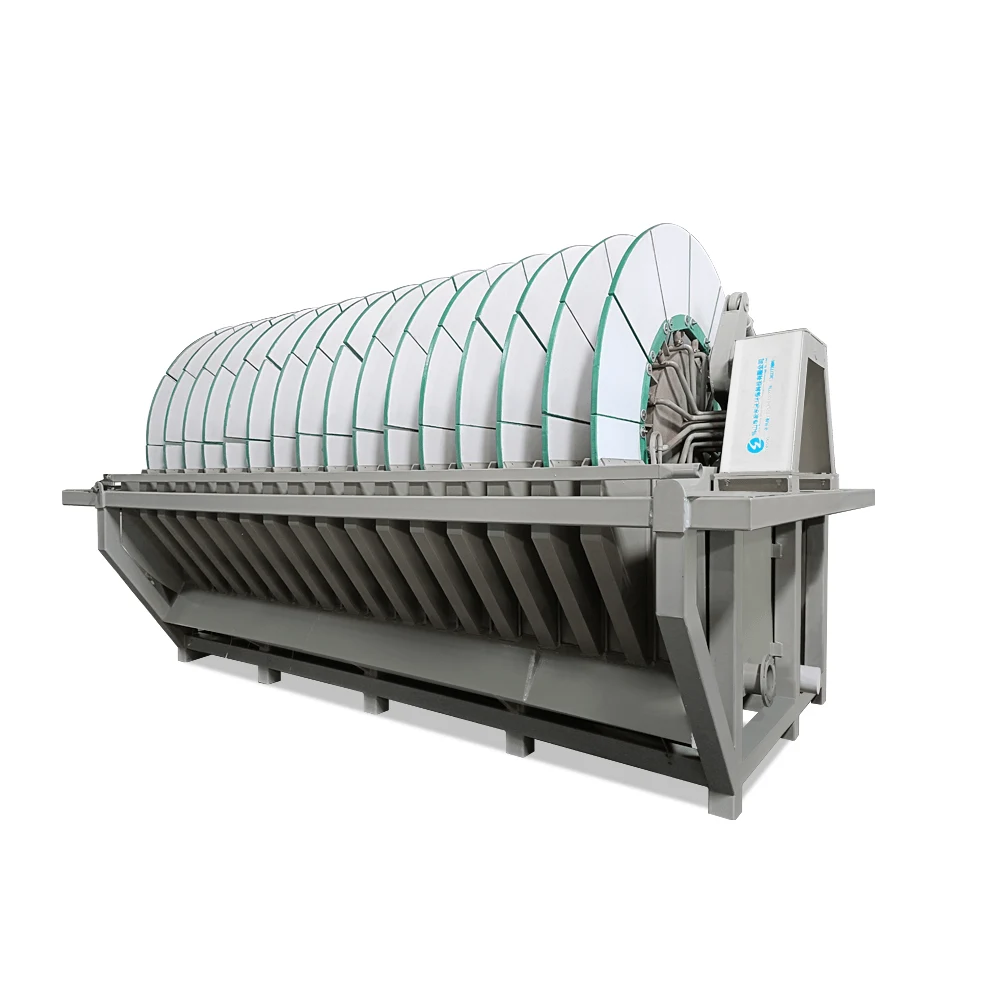
Utilisation representative filtration testwork to compare equipment on the same duty. See récupération de l'eau et cake handover for downstream criteria.
Build the Sample Set Around the Circuit
Use the ore name to identify likely sources of variability. Keep samples from different streams or operating periods separate until the test plan specifies a blend. A single composite can represent average feed and still miss the blend that limits capacity. For each sample, note the solids load, percentage solids by mass, size distribution and any reagents that may affect filtration or water return.
| Stream | Compare in the test plan | Décision approuvée |
|---|---|---|
| Copper flotation | Normal and fine-rich underflow. If classification is proposed, test the selected fraction separately. | Can vacuum sustain output across blends, and where will the excluded fines and filtrate go? |
| Gold processing | Identify whether the sample is flotation or leach residue, the treatment state and the intended cake destination. | Which test and sample handling arrangements apply, and which filtrate quality limits govern reuse? |
| Iron ore beneficiation | Separate the coarse fraction, blended tailings and slimes where each is a real candidate feed. | Does adding ultrafines reduce the unit rate enough to change the filter area or warrant a press trial? |
| Coal preparation | Compare thickener underflow across credible clay and flocculant changes. Document any blending with coarser refuse. | Can the cake release and transfer reliably while the filtrate remains usable in the wash-water circuit? |
When a Feed Change Justifies a Second Route
Start with a vacuum comparison if the intended feed forms and releases a coherent cake. Repeat with the blend or fine fraction likely to limit output. If a change in feed reduces rate, document whether buffering or conditioning is practical at plant scale before assuming more area will solve it. If vacuum cannot meet the cake requirement at useful output, add a pressure trial on the same representative material.
Dans le cadre de la Serra do Sapo iron ore tailings study, adding ultrafines to thickened, coagulated flotation tailings reduced ceramic filtration rate. For that study’s ultrafine-only sample, measurable results were obtained with a press. Use the example to decide which streams to test separately. Project rates and moisture targets depend on your own sample and handling requirements.
Discuss Your Project
Share the ore and process route, sampling point, variations expected through the operating cycle, and the planned destinations for the two outputs.