Les acheteurs qui lancent un appel d’offres pour un système de recyclage de l’eau en céramique sans fournir de données de laboratoire ni de calendrier de production ne reçoivent pas de devis concurrentiels, mais des hypothèses concurrentielles. Les fournisseurs qui ne disposent pas des données réelles concernant les charges en TSS, les pics de débit ou les objectifs de qualité de réutilisation dimensionneront le système à membranes sur la base de chiffres génériques, et ces chiffres deviendront la référence pour la mise en service. Lorsque les charges hydrauliques réelles ou les taux d’encrassement apparaissent, le système présente soit des performances insuffisantes, soit nécessite des ajustements chimiques coûteux et une mise en service prolongée. Le document que vous publiez avant même la première réunion avec un fournisseur détermine si vous comblez l’écart entre les performances prévues et réelles, ou si vous en payez le prix en termes d’avenants et de risques liés aux autorisations.
Fournir le profil de débit et le calendrier de production
Le débit n’est pas une simple valeur numérique. Les fournisseurs doivent comprendre la courbe de la demande sur l’ensemble d’un cycle de travail, et pas seulement la moyenne journalière. Une installation fonctionnant en trois équipes et présentant un pic de lavage le matin provoquera un pic hydraulique qu’un système dimensionné pour un débit moyen ne pourra pas gérer sans la capacité d’un réservoir tampon ou la redondance d’un banc de membranes. Si vous ne fournissez qu’un volume moyen, le fournisseur n’a aucun moyen de faire la distinction entre un processus continu et stable et une opération par lots présentant des pics marqués — or cette distinction détermine directement le dimensionnement du système de dégrillage, le temps de contact de dosage et le temps de séjour de sédimentation.
Le calendrier de production revêt une importance particulière pour une deuxième raison : la capacité future. Si l’usine est en phase d’expansion, ou si une deuxième ligne est prévue dans les cinq ans, le fait de le préciser dans l’appel d’offres permet aux fournisseurs de concevoir leur solution en tenant compte d’une expansion progressive, plutôt que de livrer un système qui devra être entièrement remplacé. La différence entre une conception modulaire et une unité à capacité fixe n’apparaît peut-être pas dans le prix initial, mais elle devient évidente dès que la question de l’expansion est abordée.
Indiquez le volume journalier en m³/jour, le débit horaire de pointe, le débit moyen et le nombre de jours de fonctionnement par an. Précisez également s'il s'agit d'un débit continu, discontinu ou saisonnier. Un système à membranes céramiques dimensionné pour une application industrielle en continu de 13 MGD — comme l'usine xAI de Memphis — fonctionne selon des hypothèses hydrauliques fondamentalement différentes de celles d'une installation de traitement par cycles discontinus utilisant des membranes céramiques ou de la pierre, même si les totaux quotidiens semblent comparables. Les exemples d'échelle sont utiles pour illustrer ce que la technologie est capable de traiter ; ils ne constituent pas des données de conception pour votre site.
Inclure les données relatives à la turbidité, au pH et aux prélèvements de boues (TSS)
Les fournisseurs ne peuvent pas confirmer si un système à membranes céramiques est adapté à vos eaux usées, ni le dimensionner correctement, sans une caractérisation représentative de l’eau d’alimentation. L’erreur la plus courante à ce stade consiste à fournir un seul échantillon prélevé en conditions normales de fonctionnement, pour découvrir ensuite, lors de la mise en service, que les pics de charge en TSS (solides en suspension totaux) lors des lavages de l’équipement ou des changements de produit sont deux à trois fois plus élevés. Ces pics influencent les taux d’encrassement des membranes, la fréquence des lavages à contre-courant et, en fin de compte, la consommation de produits chimiques de nettoyage qui détermine le coût du cycle de vie.
En ce qui concerne les matières en suspension, la norme ISO 11923 propose une méthode gravimétrique de détermination des TSS qui fournit des résultats cohérents et comparables d’un laboratoire à l’autre — ce qui s’avère utile lorsque vous devez comparer des échantillons prélevés à des moments différents ou par des prestataires différents. En ce qui concerne la turbidité, la norme ISO 7027-1 porte sur la mesure néphélométrique et est largement utilisée pour la caractérisation des eaux usées industrielles. Aucune de ces normes ne fixe de seuil de conformité pour votre application ; elles définissent simplement la manière de procéder aux mesures afin que les chiffres aient la même signification pour votre équipe et pour chaque fournisseur recevant l’appel d’offres.
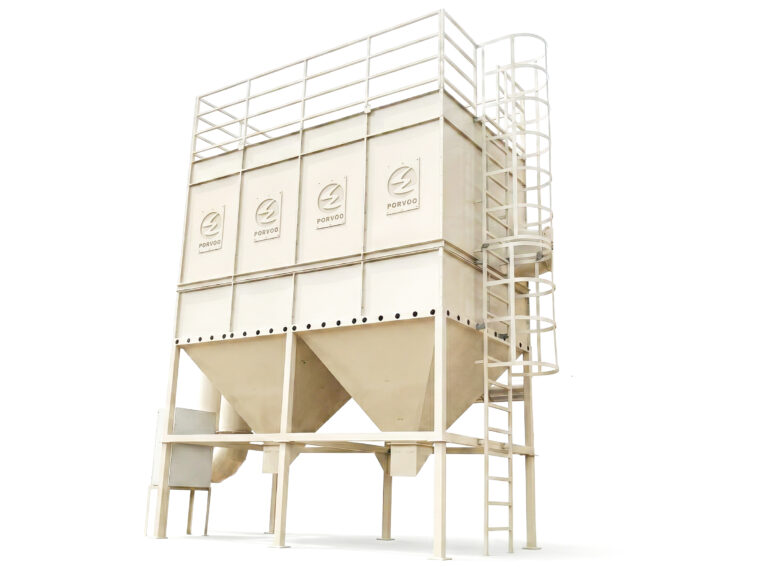
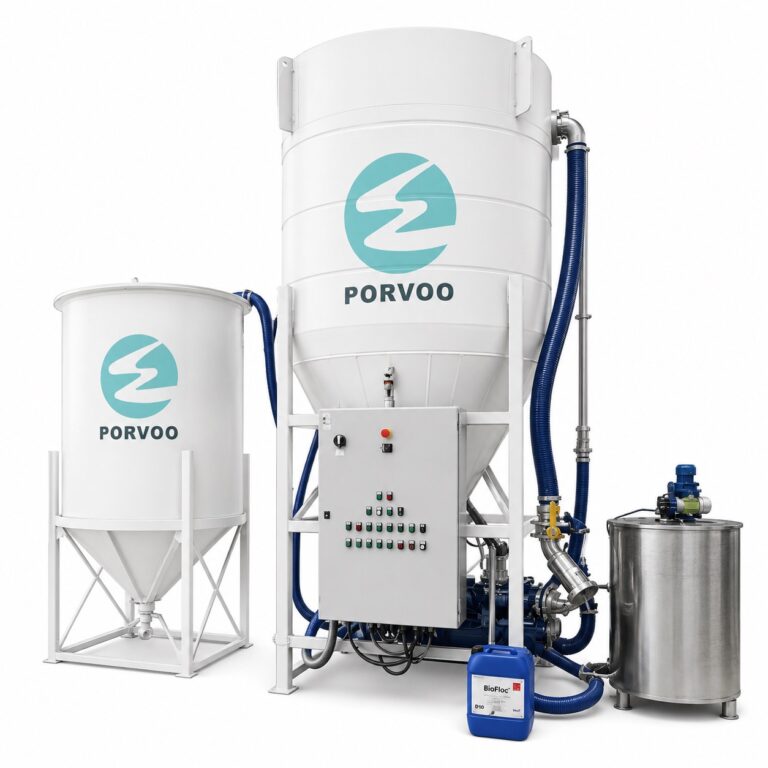
L'ensemble minimal de données doit inclure le TSS (valeurs moyennes et maximales), la turbidité (NTU), la plage de pH tout au long du cycle de production, la plage de température, ainsi qu'une description de tous les intrants chimiques du procédé susceptibles d'atteindre le flux d'eaux usées — tensioactifs, huiles de coupe, coagulants issus de procédés en amont ou tout composé affectant la compatibilité avec les membranes. La caractérisation des boues revêt une importance particulière : la distribution granulométrique et la capacité de sédimentation déterminent si un Tour de sédimentation verticale pour le recyclage des eaux usées permettra d'atteindre le taux de sédimentation prévu par le fournisseur, ou s'il est nécessaire de procéder à une élimination préalable des sables avant l'étape de traitement par membrane.
Si votre site n'a pas procédé récemment à des prélèvements d'eaux usées, considérez cela comme une tâche à réaliser avant l'appel d'offres, et non après l'attribution du marché. Les fournisseurs qui ne disposent d'aucune donnée sur les eaux d'alimentation intégreront des marges de sécurité qui augmenteront les coûts et risquent néanmoins de ne pas cerner le véritable problème d'encrassement.
Points de réutilisation et exigences de qualité fixés par l'État
L'eau traitée doit répondre à un cahier des charges de qualité bien précis. En l'absence d'une utilisation finale déclarée et des exigences de qualité qui y sont associées, les fournisseurs se baseront sur une norme générique applicable aux effluents traités, qui peut correspondre ou non aux besoins réels de votre tour de refroidissement, de votre circuit de process ou de votre autorisation de rejet. Ce décalage, invisible au stade du devis, apparaît lors de la mise en service, lorsque la qualité de l'eau pouvant être obtenue par le système proposé est comparée aux conditions réelles requises par vos équipements en aval.
Les circuits de réutilisation présentent des niveaux de sensibilité à la qualité très variables. Un circuit de refroidissement en boucle fermée peut imposer des limites strictes en matière de matières en suspension, de conductivité et de charge biologique afin de protéger les échangeurs thermiques, tandis qu’une application de refroidissement à passage unique peut se montrer plus tolérante. Le bioréacteur à membrane céramique xAI Memphis produit de l’eau recyclée qui alimente à la fois le système de refroidissement de la centrale électrique TVA Allen et celui de Nucor Steel — deux utilisateurs industriels distincts ayant leurs propres exigences de qualité, qui ont dû être définies avant la conception du système, et non après sa construction.
| Point de réutilisation | Exemple xAI Memphis | Exigences de qualité à préciser dans l'appel d'offres |
|---|---|---|
| Refroidissement des centrales électriques | Centrale électrique « Allen » de la TVA, à refroidissement par eau | Les eaux grises sont acceptées pour le refroidissement ; veuillez préciser les paramètres de qualité requis pour votre installation |
| Refroidissement des aciéries | Acier Nucor refroidi | Les eaux grises sont acceptées pour le refroidissement ; veuillez préciser les paramètres de qualité requis pour votre installation |
| Circuits de refroidissement industriels (généralités) | Eaux grises de haute qualité produites pour les circuits de refroidissement | Définir les normes de qualité requises pour la réutilisation (par exemple, la qualité des eaux grises telle que prévue dans le projet) |
Pour chaque point de réutilisation de votre appel d’offres, précisez les paramètres de qualité requis — limite de TSS, limite de turbidité, plage de pH, contraintes éventuelles en matière de conductivité ou de paramètres biologiques — plutôt que de faire référence de manière générique à la “ qualité des eaux grises ”. Si le rejet dans un réseau d’assainissement municipal ou un cours d’eau récepteur constitue la solution de secours lorsque le système de réutilisation est hors service, indiquez également les limites fixées par l’autorisation pour ce cours d’eau. Les fournisseurs ont besoin de ces deux séries de données pour concevoir correctement la chaîne de traitement et la logique de dérivation.
Définir les limites de l'automatisation des services publics et de l'installation
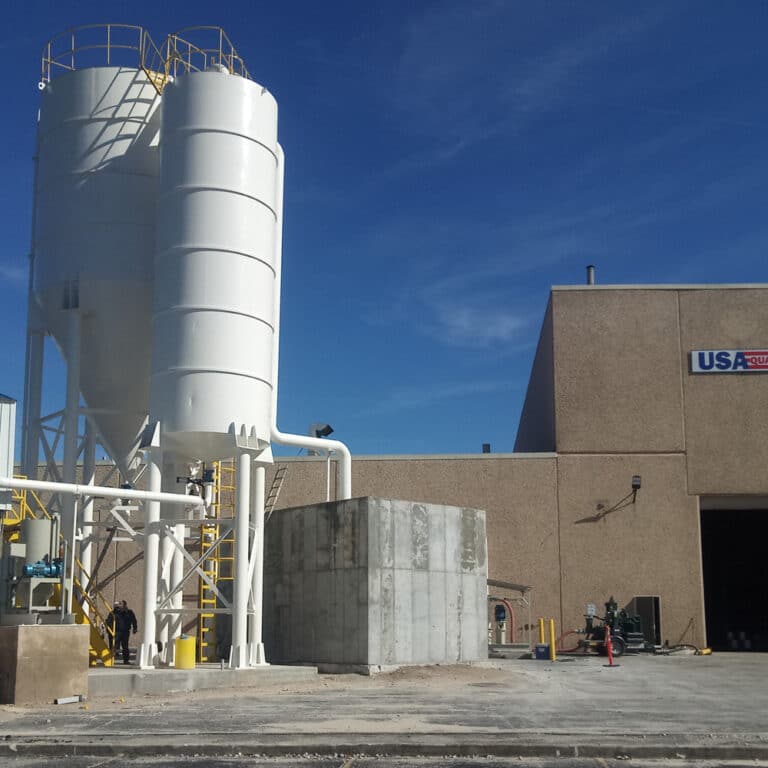
Les contraintes physiques déterminent la conception du système avant même que les choix de procédé ne soient arrêtés. Si vous précisez la surface au sol disponible, la hauteur sous plafond et les limites de charge structurelle, les fournisseurs pourront déterminer si une configuration à sédimentation verticale s’adapte à l’espace disponible ou s’il faut opter pour un agencement horizontal. Si vous ne précisez pas ces éléments, le système standard proposé par le fournisseur risque d’arriver sur site et de nécessiter des travaux de génie civil qui allongeront le délai d’installation de plusieurs semaines.
Les services publics nécessitent la même précision. Indiquez l'alimentation électrique disponible (tension, phase, intensité), la disponibilité et la pression de l'air comprimé, ainsi que la présence ou non d'une alimentation en eau pour le lavage à contre-courant ou la dilution des produits chimiques. La question du périmètre d’automatisation est particulièrement importante : les fournisseurs proposeront des architectures de contrôle différentes selon que vous envisagiez un automate programmable autonome (PLC) avec IHM locale, une intégration dans un système SCADA à l’échelle de l’usine, ou une interface de surveillance à distance. Chacune de ces options correspond à un périmètre de fourniture différent, et sans définition claire du périmètre, deux devis peuvent sembler comparables en termes de prix alors qu’ils supposent des niveaux de travail d’intégration totalement différents.
La définition des limites de l'installation précise également qui est responsable des travaux de génie civil, des raccordements de tuyauterie, des raccordements électriques et de l'assistance à la mise en service. Un fournisseur proposant uniquement la fourniture d'équipements présente un profil de coûts et de risques différent de celui d'un fournisseur proposant un système monté sur châssis incluant la mise en service sur site. Si votre équipe d'approvisionnement doit collaborer avec un entrepreneur sur site, l'appel d'offres doit le préciser et définir où s'arrête le périmètre du fournisseur et où commence celui de l'entrepreneur.
Préciser le périmètre de la fourniture de produits chimiques et de la gestion des boues
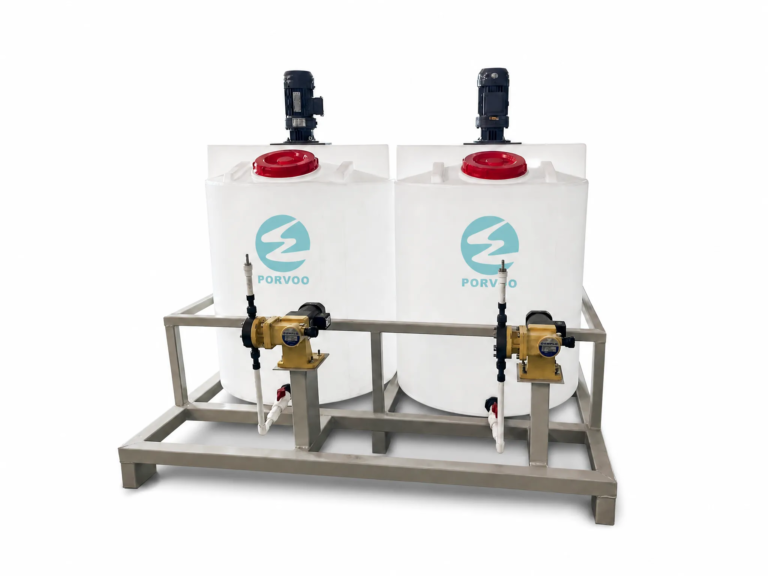
Les systèmes de dosage de produits chimiques nécessitent un approvisionnement en coagulants et en floculants ; la question de savoir qui se charge de l’achat, du stockage et du réapprovisionnement de ces produits chimiques relève du périmètre du marché et doit être tranchée dans l’appel d’offres, et non lors de la négociation du contrat. Si le fournisseur fournit un Système intelligent de dosage de produits chimiques PAM/PAC, ce système nécessite un approvisionnement en PAC et en PAM qui incombe généralement au propriétaire, sauf accord contraire. Si vous ne précisez pas ce point, vous risquez de vous retrouver avec un système de dosage pleinement opérationnel, mais sans chaîne d'approvisionnement en produits chimiques définie, et l'installation ne pourra pas fonctionner tant que cette lacune n'aura pas été comblée.
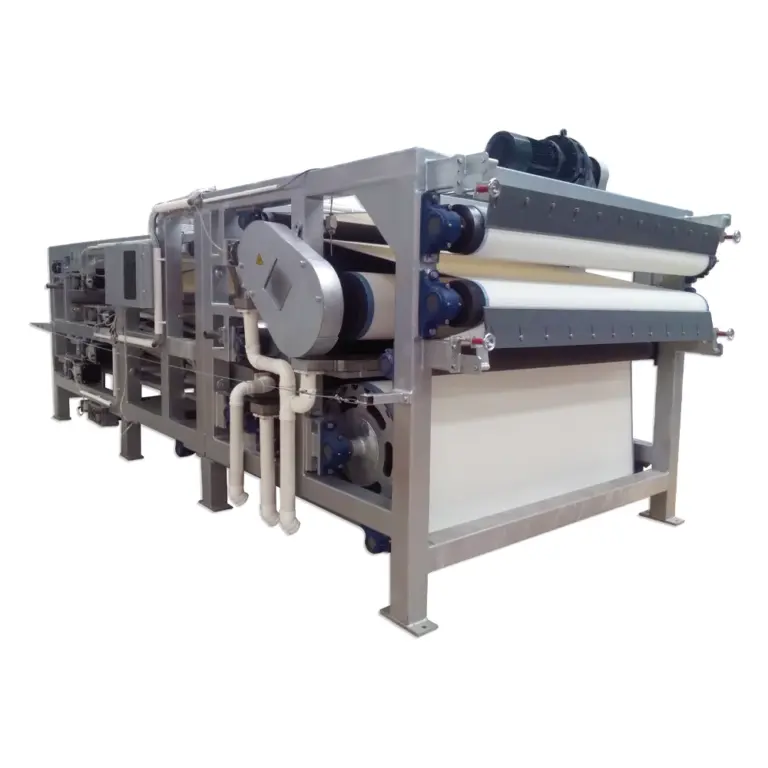
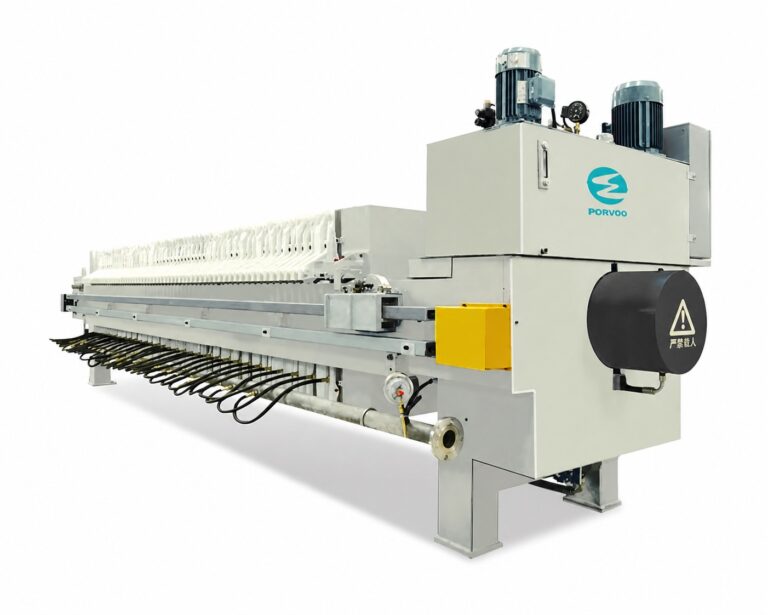
La gestion des boues comporte un risque similaire. Un système de recyclage de l'eau à base de céramique génère des boues concentrées, dont le volume et le mode de traitement dépendent directement de la charge en matières solides de l'eau d'alimentation et de l'équipement de déshydratation choisi. Les acheteurs qui ne précisent pas le parcours des boues — gâteaux vers une décharge, gâteaux vers un prestataire tiers, boues liquides vers le réseau d’assainissement municipal sous autorisation — obligent les fournisseurs à se baser sur un scénario de traitement générique. Cette hypothèse a une incidence sur la présence ou non d’un filtre-presse, sur le taux de séchage visé pour les gâteaux et sur la nécessité ou non d’une capacité de stockage des boues entre les cycles de pressage. Pour savoir comment dimensionner l’équipement de déshydratation en fonction du volume réel de boues, le processus décrit dans Comment calculer la capacité requise du filtre-presse en fonction du volume quotidien de boue et de la concentration de solides ? Cela montre pourquoi c'est la masse quotidienne de matières solides, et non pas uniquement le volume d'eau, qui détermine le choix de la taille de la presse.
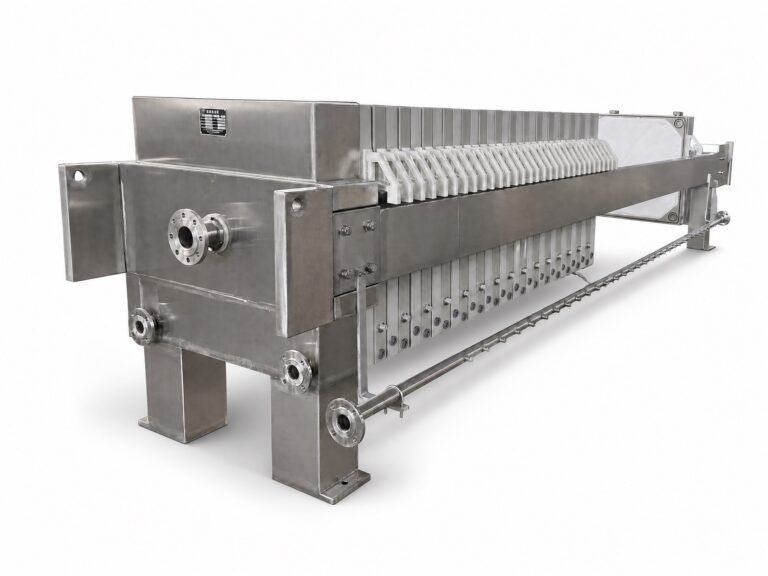
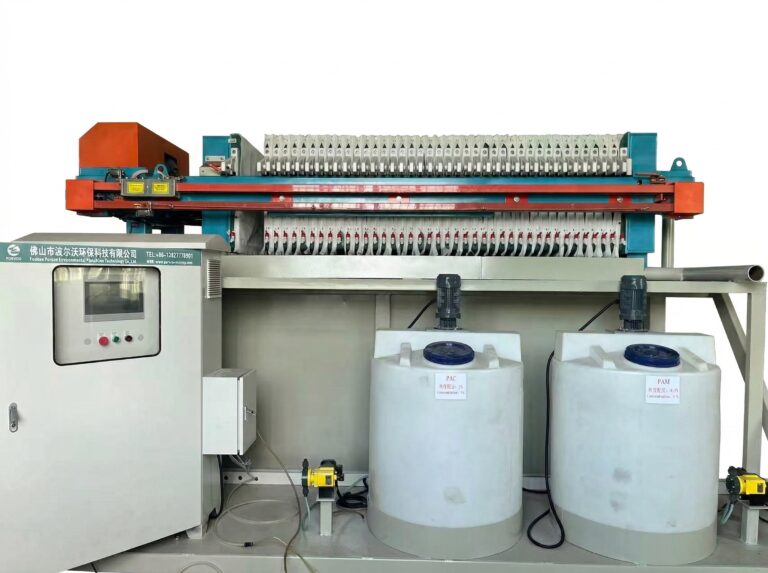
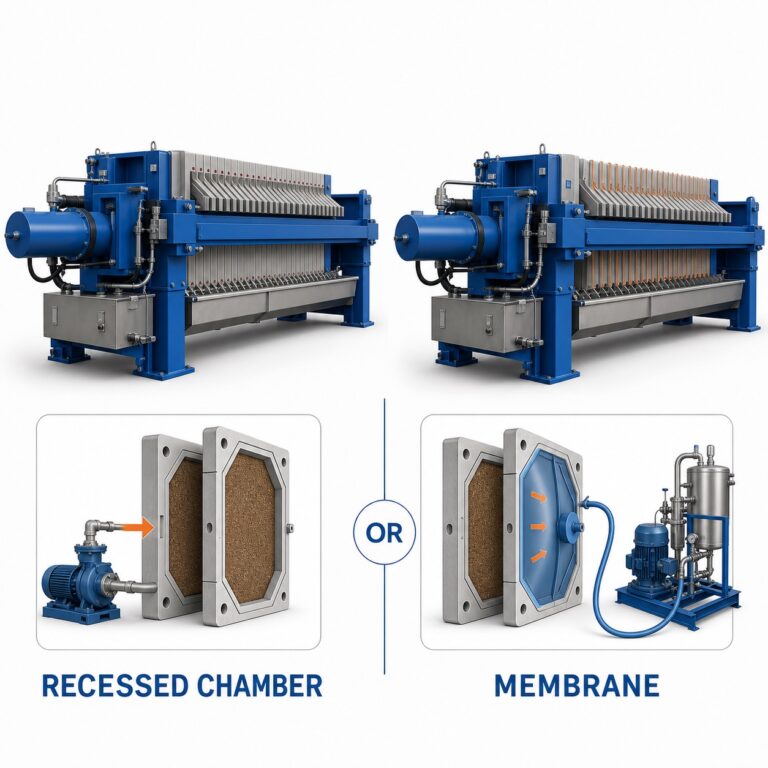
Précisez dans l'appel d'offres : la forme sous laquelle les boues doivent être livrées (liquide ou gâteau déshydraté), la teneur en humidité cible du gâteau si un filtre-presse est prévu, et à quel moment les boues ne relèvent plus de la responsabilité du fournisseur. Si un Filtre-presse à plaques et cadres encastrés doit être intégré au système, précisez si le déplacement automatique des plaques et le lavage des toiles sont nécessaires, car ces éléments ont une incidence tant sur le coût de l'équipement que sur les besoins en main-d'œuvre.
Demandez aux fournisseurs d'énoncer clairement leurs hypothèses de conception
Une comparaison des offres n'est pertinente que si tous les fournisseurs élaborent leur proposition en partant du même problème. Lorsque les acheteurs reçoivent trois devis reposant sur des hypothèses de débit différentes, des caractéristiques d'eau d'alimentation différentes et des définitions différentes de ce qui constitue un effluent traité, le prix le plus bas n'est presque jamais l'option la moins coûteuse : il s'agit généralement de l'offre qui s'est fondée sur les conditions les plus favorables.
Le fait d’exiger des fournisseurs qu’ils énoncent explicitement leurs hypothèses de conception présente deux avantages immédiats. Premièrement, cela rend les offres techniquement comparables, car il est possible d’identifier les divergences entre les hypothèses et de poser des questions de clarification ciblées. Deuxièmement, cela transfère la responsabilité : un fournisseur ayant déclaré par écrit que la conception repose sur une TSS de 800 mg/L ne peut pas prétendre par la suite que l’eau d’alimentation présentait des difficultés inhabituelles lorsque la concentration réelle à l’entrée s’élève à 1 200 mg/L et que le système ne fonctionne pas comme prévu.
La demande de divulgation des hypothèses doit porter au minimum sur : le débit et le facteur de pointe utilisés, les paramètres de qualité de l'eau d'alimentation retenus, l'objectif de qualité de réutilisation pour lequel le système est conçu, la base de calcul des dosages de produits chimiques, ainsi que toutes les conditions dans lesquelles le fournisseur se réserve le droit de réviser la conception ou la garantie de performance. Les fournisseurs qui s'opposent à cette exigence laissent entendre que leur offre intègre une marge importante destinée à couvrir des variables inconnues — ou que leur devis ne constitue pas du tout une proposition de conception de système.
Exiger la définition de critères d'acceptation avant de comparer les prix
Une comparaison des prix sans critères d’acceptation définis ne relève pas de la passation de marché : il s’agit d’un simple exercice d’estimation budgétaire aux conséquences coûteuses en aval. Si vous ne précisez pas ce que le système doit manifestement accomplir avant de l’accepter, vous ne disposez d’aucune base contractuelle pour rejeter un système qui fonctionne mais qui ne permet pas de réaliser les économies d’eau ou d’atteindre la qualité d’eau sur lesquelles reposait le projet.
Le cas du bioréacteur à membrane céramique xAI de Memphis illustre l’ampleur potentielle des résultats qu’un système bien caractérisé peut atteindre : une capacité de traitement de 13 millions de gallons par jour, des économies d’eau annuelles de 4,745 milliards de gallons et une compensation en eau douce équivalente à environ 10 % du prélèvement quotidien dans l’aquifère de Memphis. Il s’agit là de résultats spécifiques au site, dérivés du bilan hydrique et des objectifs opérationnels de ce projet. Ils ne constituent pas des références pour votre installation, mais ils démontrent que lorsque les critères d’acceptation sont définis avec suffisamment de précision — capacité de traitement, qualité de l’eau réutilisée, économies d’eau mesurables —, les performances du système peuvent être suivies et vérifiées. La norme ISO 46001:2019 offre un cadre de planification permettant de structurer les objectifs et les cibles en matière d’efficacité hydrique, ce qui peut aider à traduire les objectifs opérationnels en critères d’acceptation mesurables que votre équipe chargée des achats pourra intégrer dans les négociations contractuelles.
| Paramètre de performance | Démonstration de xAI à Memphis | Critère d'acceptation à préciser dans l'appel d'offres |
|---|---|---|
| Économies d'eau annuelles | 4,745 milliards de gallons par an | Économies d'eau annuelles requises (gallons ou m³) sur la base du bilan hydrique de l'installation |
| Compensation pour les eaux douces | Prélèvement quotidien d'environ 101 TP3T dans l'aquifère de Memphis | Objectif de réduction du pourcentage d'appoint en eau douce ou de prélèvement dans l'aquifère applicable à votre site |
| Capacité de traitement | 13 millions de gallons par jour (MGD) | Capacité minimale de traitement journalière requise (MGD ou m³/jour), en tenant compte des coefficients de conception et de pointe |
| Qualité de l'eau recyclée | Eaux grises de haute qualité pouvant être utilisées pour le refroidissement | Préciser les normes de qualité de l'eau requises pour la réutilisation (par exemple, la qualité des eaux grises telle qu'elle a été atteinte dans le cadre de ce projet) |
Le risque lié à l’omission des critères d’acceptation n’est pas théorique. Un fournisseur dont le système répond à une “ norme de traitement en vue de la réutilisation ” vague aura rempli ses obligations contractuelles même si la conductivité de l’eau traitée est trop élevée pour votre circuit de refroidissement, ou si le système nécessite le double de la quantité de produits chimiques prévue pour maintenir cette qualité en période de charge maximale. Définissez la capacité de traitement journalière minimale avec un facteur de pointe spécifié, les valeurs maximales admissibles de matières en suspension totales (TSS) et de turbidité de l’eau traitée au point de réutilisation, ainsi que le plafond de consommation de produits chimiques au-delà duquel la conception du système est considérée comme non conforme. Ces trois paramètres suffiront à eux seuls à éliminer les offres qui ne résisteraient pas aux conditions réelles d’exploitation.
L'appel d'offres relatif au système de recyclage de l'eau en céramique est le document qui permet de garantir le potentiel de performance de votre système… ou de le compromettre. Les acheteurs qui le considèrent comme un simple exercice de collecte de devis constateront que les lacunes qu’ils ont laissées dans la caractérisation de l’eau d’alimentation, les exigences de qualité pour la réutilisation et le périmètre de traitement des boues se traduiront par des avenants, des retards de mise en service et des problèmes d’intégration qui coûteront plus cher que ne l’auraient fait les travaux préliminaires d’échantillonnage et de définition du périmètre. La différence entre une offre qui permet de mener à bien le projet et une autre qui échoue à la mise en service est presque toujours imputable aux données que l’acheteur a choisi de ne pas collecter avant de lancer l’appel d’offres.
Avant de finaliser le document, assurez-vous que chaque fournisseur se basera sur le même profil de débit, les mêmes données de caractérisation des eaux usées et les mêmes objectifs de qualité de réutilisation déclarés. Exigez ensuite de chaque fournisseur qu’il précise les hypothèses sur lesquelles repose sa conception et définissez les critères d’acceptation sur la base desquels vous évaluerez les performances avant le paiement final. C’est cette séquence — données, définition des limites, transparence des hypothèses, critères de performance — qui donne tout son sens à la comparaison des prix.
Questions fréquemment posées
Q : Nous ne parvenons pas à obtenir les données relatives au TSS maximal ou au débit à temps pour la date limite de l'appel d'offres. Pouvons-nous tout de même publier l'appel d'offres en nous basant uniquement sur les valeurs quotidiennes moyennes ?
R : Oui, mais vous devez demander aux fournisseurs d'indiquer explicitement dans leur proposition les facteurs de pointe supposés et les marges de conception prévues pour l'encrassement. En l'absence de valeurs de pointe mesurées, le système risque d'être sous-dimensionné pour faire face à de véritables pics de demande ; il convient donc d'inclure une obligation contractuelle imposant au fournisseur de vérifier ces hypothèses lors de la phase d'ingénierie détaillée et de signaler tout impact sur les coûts ou le calendrier si les pics réels venaient à dépasser ultérieurement les hypothèses retenues dans l'offre.
Q : Une fois que nous avons envoyé l'appel d'offres contenant toutes les informations demandées, quelle est l'étape la plus importante à franchir avant de comparer les prix proposés ?
R : Écartez toute offre qui ne précise pas clairement ses hypothèses de conception : base de débit, base de qualité de l'eau d'alimentation, objectif de qualité de réutilisation et justification du dosage des produits chimiques. Normalisez ensuite les offres restantes en demandant à chaque fournisseur présélectionné de confirmer ou d'ajuster son périmètre afin qu'il corresponde à un ensemble unique et commun d'hypothèses de référence, de sorte que la comparaison des prix reflète un périmètre technique équivalent.
Q : À partir de quelle échelle de traitement — par exemple, un petit atelier recyclant moins de 20 m³/jour — n’est-il plus nécessaire de fournir l’ensemble des données, et peut-on se fier aux conceptions standard proposées par les fournisseurs ?
R : Il n'existe pas de seuil fixe, mais si votre processus génère un flux d'eaux usées très homogène, à faible teneur en matières solides, sans pics de production ni variations chimiques, un ensemble de données réduit peut être acceptable. Même dans ce cas, fournissez les données de caractérisation disponibles et demandez explicitement au fournisseur de signaler tout risque lié aux performances qu'il résoudrait normalement par un échantillonnage supplémentaire, afin que l'incertitude résiduelle soit clairement identifiée avant de poursuivre.
Q : Qu’est-ce qui revient le plus cher sur l’ensemble du cycle de vie du système : investir dans une analyse des eaux usées réalisée par un tiers avant de lancer l’appel d’offres, ou accepter le facteur de sécurité généreux proposé par un fournisseur, qui entraîne une augmentation de la surface membranaire et de la consommation de produits chimiques ?
R : Un échantillonnage préalable revient presque toujours bien moins cher. Des marges de sécurité exagérées se répercutent en cascade sous la forme d'un coût d'investissement plus élevé, d'une consommation accrue d'énergie et de produits chimiques, ainsi que de cycles de nettoyage plus fréquents, tandis qu'un rapport de caractérisation réalisé une seule fois permet d'éliminer l'incertitude fondamentale qui pousse les fournisseurs à surdimensionner leurs conceptions.
Q : Nous procédons à la modernisation d'un bassin de décantation existant en y installant un module à membranes céramiques ; il ne s'agit pas de construire une nouvelle ligne de traitement. Le processus structuré d'appel d'offres décrit ici vaut-il tout de même la peine d'être suivi ?
R : Oui, et souvent encore davantage. Les projets de rénovation sont soumis à des contraintes strictes en matière d’espace disponible, de hauteur des canalisations existantes et de points de raccordement, ce qui rend les lacunes dans les données directement visibles sous forme de travaux supplémentaires lors de l’installation. Fournir des données précises sur l’espace, les réseaux et les caractéristiques des eaux usées dès l’appel d’offres permet d’éviter que le fournisseur ne propose une solution standard nécessitant des modifications de génie civil imprévues ou des temps d’arrêt prolongés.