When the approved transport package for a modular dust collector is compared against a site’s real access conditions, the conflict is often dimensional rather than technical: a route, gate, overhead service, turning movement, or set-down area that the shipment configuration was never checked against. The decision that follows — keep the arrangement, change the route or delivery position, or ask the supplier to assess a split shipment — carries different consequences for field work, quality evidence, schedule, and future maintenance. Neither a catalog page nor a nominal module label proves access fit; the comparison has to be built from approved shipment data and measured site records.
Prove the Access Mismatch with Approved and Measured Data
An access mismatch is proven by putting two sets of records side by side, not by intuition about vehicle size. UK Health and Safety Executive guidance on vehicles and loads supports informing visiting companies and drivers about site limitations before arrival and checking vehicle and load width, length, height, weight, maneuverability, and route clearances. That guidance is UK workplace-transport material, not a universal dimensional rule, and it does not approve a route, a shipment split, a lifting method, or any PORVOO configuration. Its value here is the discipline it implies: measure and record the route constraints, then compare them against the approved transport-package envelope rather than a catalog page or a module label.
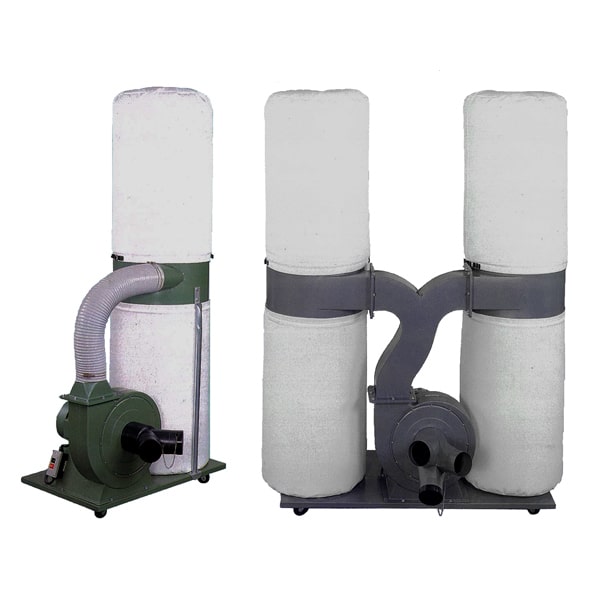
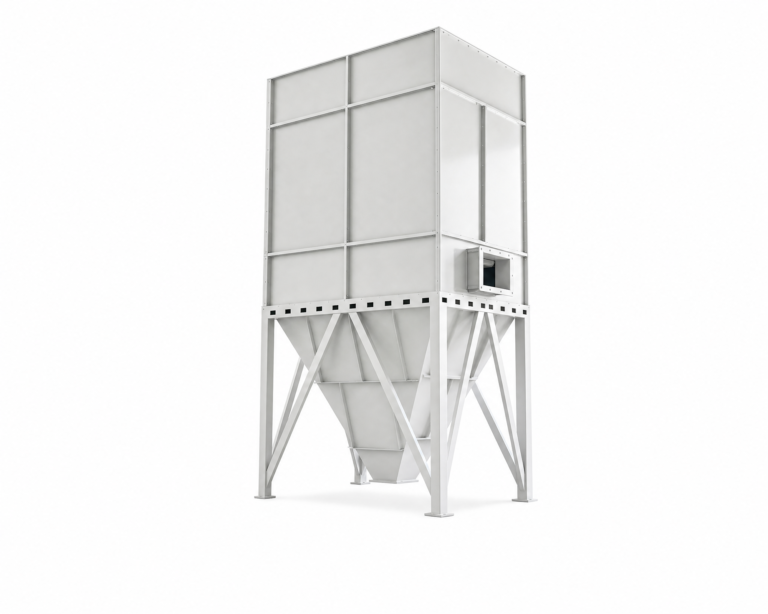
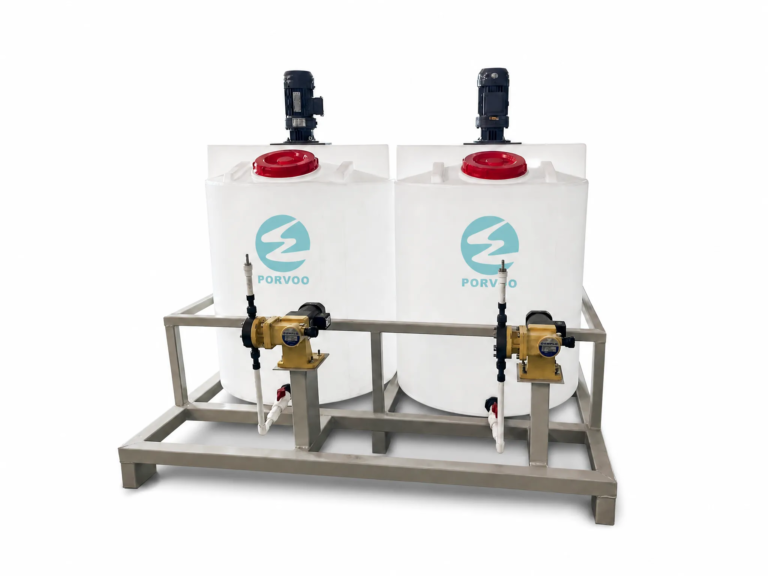
PORVOO's dépoussiéreur à jet pulsé modulaire entry is a reasonable starting point for identifying the collector family involved in an access review. The transport envelope, proposed split points, and field scope for any specific unit remain project-specific and need written confirmation before they are treated as fit.
| Comparison item | Shipment or module record | Site record | Decision status |
|---|---|---|---|
| Width | Approved transport-package width | Measured route and gate constraints | Fits, conflicts, or unresolved |
| Hauteur | Approved vehicle/load envelope | Measured overhead constraints | Fits, conflicts, or unresolved |
| Length and maneuverability | Approved transport arrangement | Turns, slopes, and final-approach observations | Fits, conflicts, or unresolved |
| Poids | Approved vehicle/load data | Known route restrictions for competent review | Fits, conflicts, or unresolved |
| Delivery and set-down position | Approved arrival plan | Measured working and staging space | Fits, conflicts, or unresolved |
Compare the Current Shipment, Another Route, and a Split Review
Once a conflict is documented, the buyer is usually choosing among three courses of action rather than selecting a solution. Keeping the current shipment arrangement, evaluating another route or delivery position, and requesting engineering review of a split shipment are all subject to the same project constraints, and each depends on evidence the buyer may not yet hold. A split shipment is not automatically feasible, cheaper, or better, and an alternate route is not automatically available; both require an authorized assessment against the same constraints as the original arrangement.
| Option | Evidence needed | Key project question |
|---|---|---|
| Keep current shipment arrangement | Confirmed package/vehicle envelope and route | Does the approved arrangement fit every critical constraint? |
| Review another route or delivery position | Measured alternative route and authorized site review | Does it remove the conflict without creating new site or lifting constraints? |
| Request split-shipment review | Proposed split basis and supplier/engineering assessment | Can a controlled split resolve access while preserving an acceptable project outcome? |
What a Split Shipment Could Change Beyond Transport
A split is a configuration change first and a logistics manoeuvre second. If a different split is proposed, the practical questions are whether package count and identification change, whether factory completion moves to the field, whether assembly or connection scope shifts to site, how the lifting and staging sequence is affected, what protection the revised packages need, which drawings and records are revised, and who owns inspection and test responsibilities afterward. These are questions to confirm with the supplier and project team, not automatic consequences of every split.
A split shipment changes what is shipped and who finishes it, so it should be reviewed as a scope decision rather than only a route decision.
| Area to review | Confirmation question | Required project evidence |
|---|---|---|
| Package identity and count | What will be shipped and how will it map to modules? | Revised approved packing or module schedule |
| Factory vs field scope | What completion, assembly, or connection work moves to site? | Approved scope and responsibility matrix |
| Lifting and staging | How does the sequence or working area change? | Competent plans using revised load data |
| Quality evidence | What inspection or test point changes? | Revised project quality or verification plan |
| Documentation | Which drawings and records require revision? | Current controlled document baseline |
Balance Access with Lifecycle Cost, Risk, and Operability
Route access is one variable in a decision that also touches field-work exposure, schedule interfaces, project cost, quality evidence, maintainability, and future operation. ISO 55001:2024 frames asset management as balancing lifecycle performance, risk, and expenditure, which is a more useful lens than logistics convenience alone — although the standard does not establish split-shipment feasibility, savings, timing, risk reduction, spare capacity, or PORVOO adoption. The trade-off for a specific project has to be assessed on that project’s own data and contractual arrangements.
Placing an access-driven shipment change inside the wider project-data and acceptance-planning path — as set out in PORVOO’s discussion of industrial environmental equipment project planning from process data to performance acceptance — helps ensure the revised configuration is judged against the same expectations as the original one.
| Dimension décisionnelle | Question for the project team | Limite |
|---|---|---|
| Logistics | Does the option resolve the measured access conflict? | Requires approved route and load data |
| Field work | What additional or changed site scope is proposed? | Requires competent and contractual confirmation |
| Quality and verification | Can the revised scope be inspected and documented as agreed? | No acceptance result is implied |
| Cost and schedule | What project-specific additions, dependencies, or delays are identified? | No generic savings or timing claim |
| Operation and maintenance | Does the revised configuration alter access or lifecycle needs? | Requires engineering and operator review |
Freeze the Revised Configuration Before Release
If the shipment or physical split changes, the change needs to be controlled rather than confirmed informally. ISO 10007:2017 supports configuration management across the lifecycle, which points toward an approved baseline, identified changes, revised package and module references, current drawings, named interface ownership, and an agreed verification plan before release. The public standard summary does not prescribe split points, field joints, drawings, tests, approvals, or PORVOO change-control practice; it supports the discipline of freezing a revised configuration before it is released. Until those items are authorized by the responsible project parties, alternative arrangements remain proposals.
Release only the configuration that authorized parties have approved as the current baseline.
| Gate | Proceed only when | Hold when |
|---|---|---|
| Configuration | Proposed split is approved and identified | Split basis is informal or unclear |
| Documents | Current drawings, package references, and scope match | Revisions conflict or remain pending |
| Interfaces | Factory, field, logistics, lifting, and site roles are agreed | Ownership is unassigned |
| Vérification | Revised checks and records are agreed | Evidence path is missing |
| Release | Authorized project parties approve the current baseline | Material access or configuration conflict remains |
Questions fréquemment posées
Q : A module appears too large for our gate. Should we request a split shipment immediately?
A : First confirm the conflict using the approved transport-package and vehicle envelope against measured route constraints. Compare retaining the current arrangement, using an alternative route or delivery position, and requesting a supplier engineering review of a split; a nominal module label alone does not establish the need to split.
Q : What makes a split-shipment proposal worth considering beyond whether it fits through the gate?
A : It should resolve the measured access conflict while making any changes to field assembly, lifting and staging, quality checks, cost, schedule interfaces, and maintenance needs visible. Ask which effects apply to the proposed split rather than assuming it is automatically easier or less expensive.
Q : How do we prevent an access-driven split from leaving factory and site work unclear?
A : Require the proposed factory completion and field assembly or connection scope to be identified with agreed interface ownership. Reconcile that scope with revised package identities, drawings, load data, and the verification plan before approving release.
Q : Can dispatch proceed while drawings for an agreed split are still being revised?
A : The revised configuration should be released only when the approved split, current drawings, package references, responsibilities, and verification arrangements agree. Pending or conflicting revisions leave the change unresolved, even if the proposed package sizes appear to fit the route.