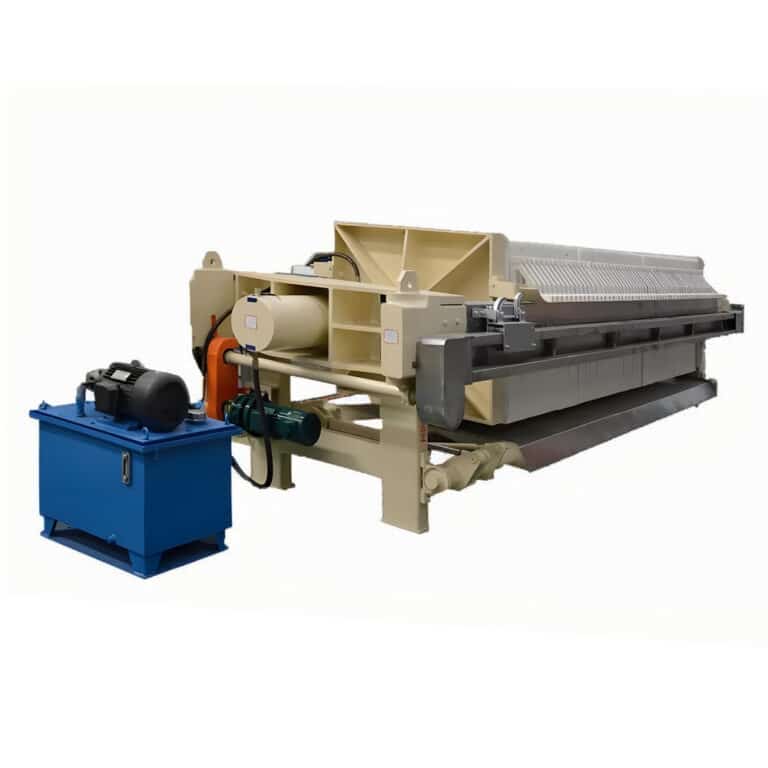
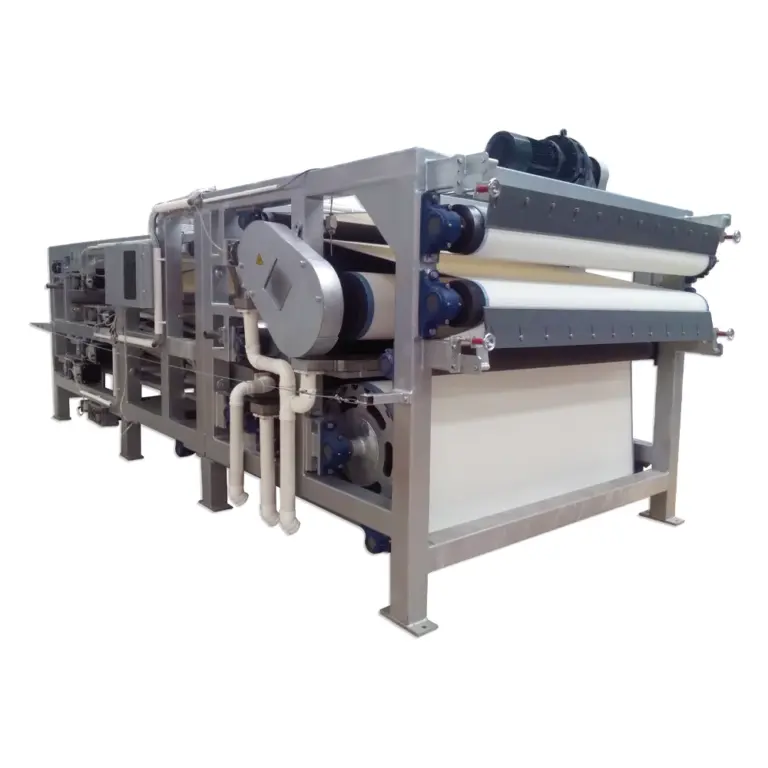
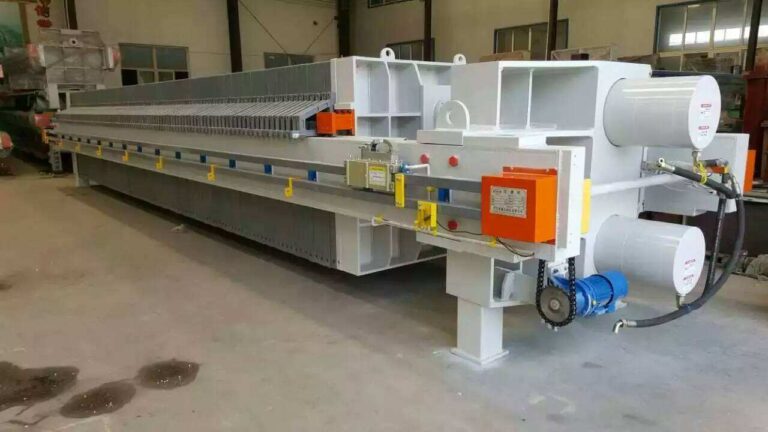
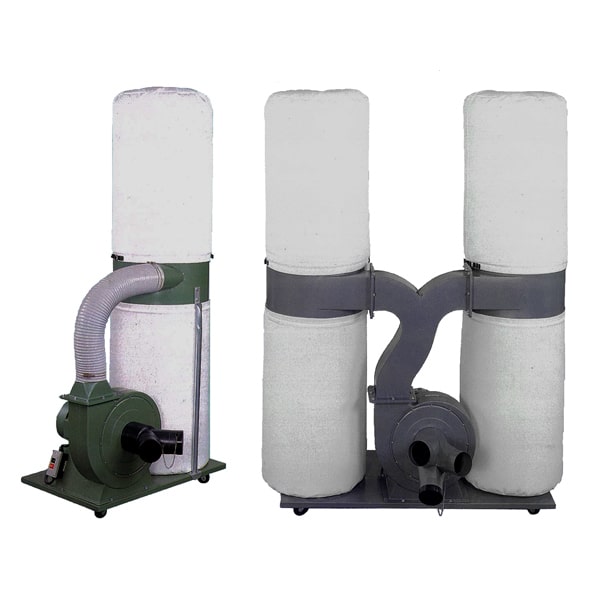
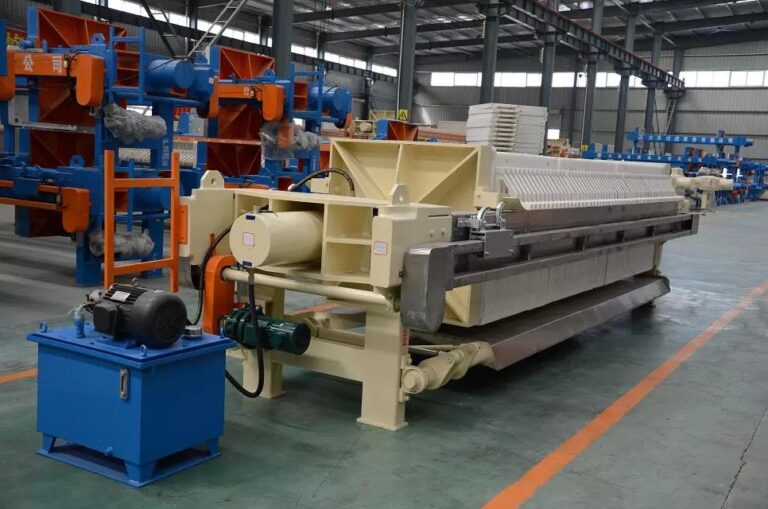
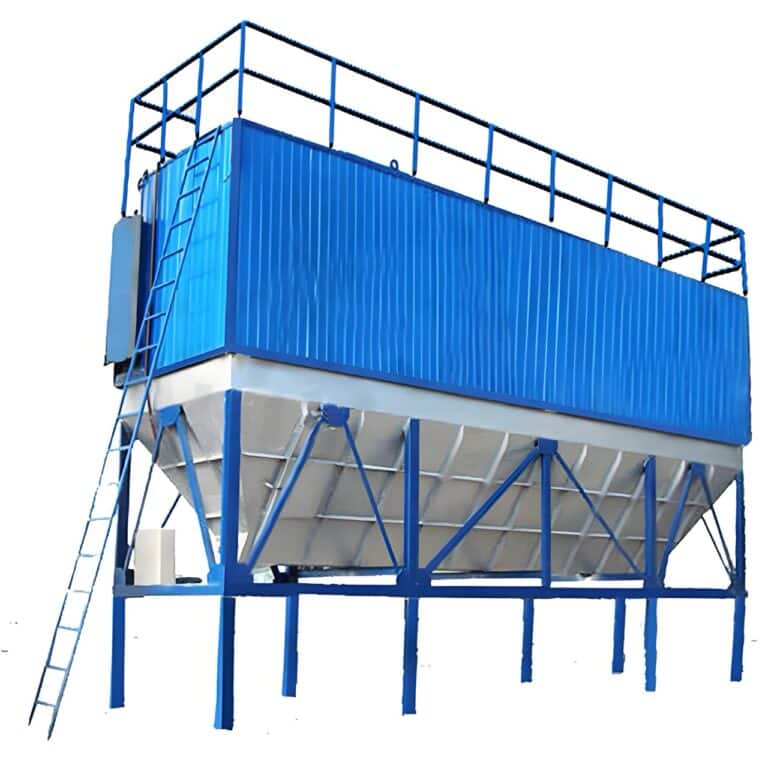
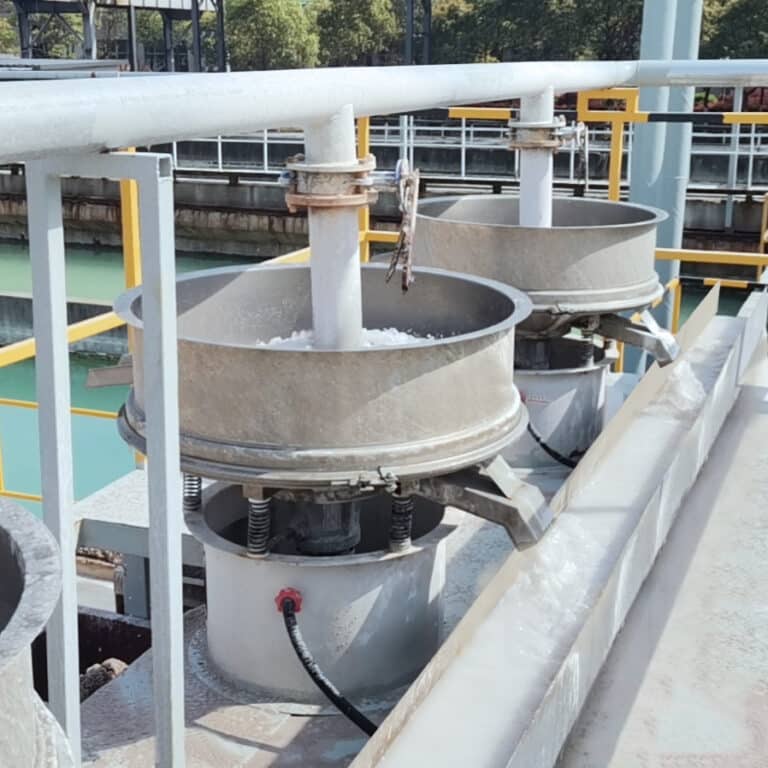
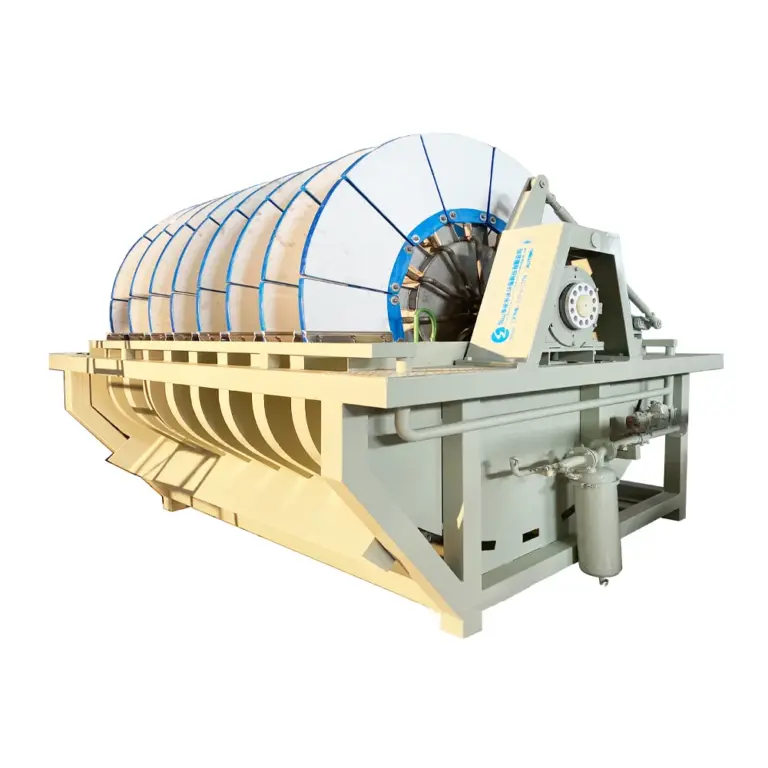
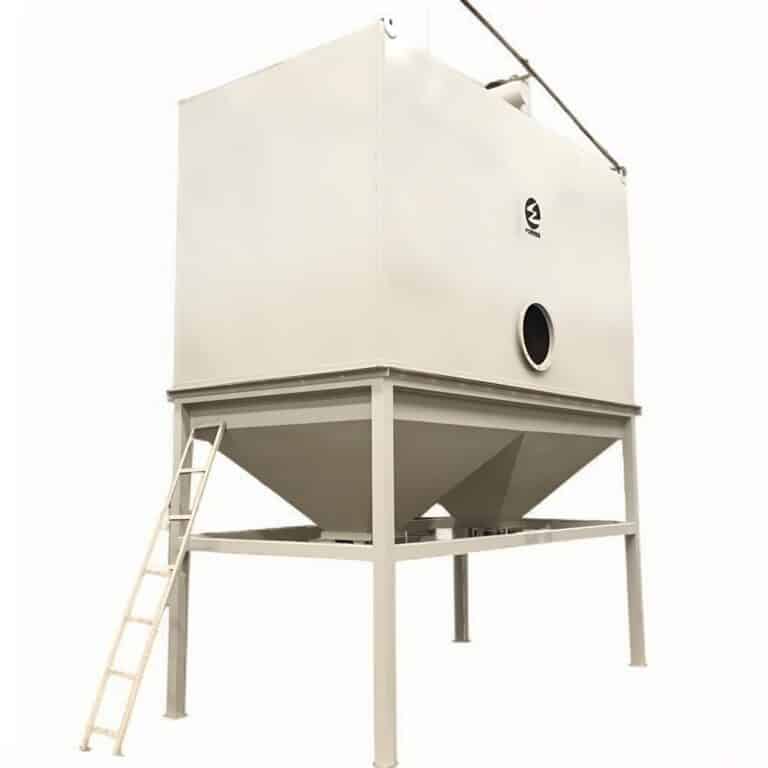
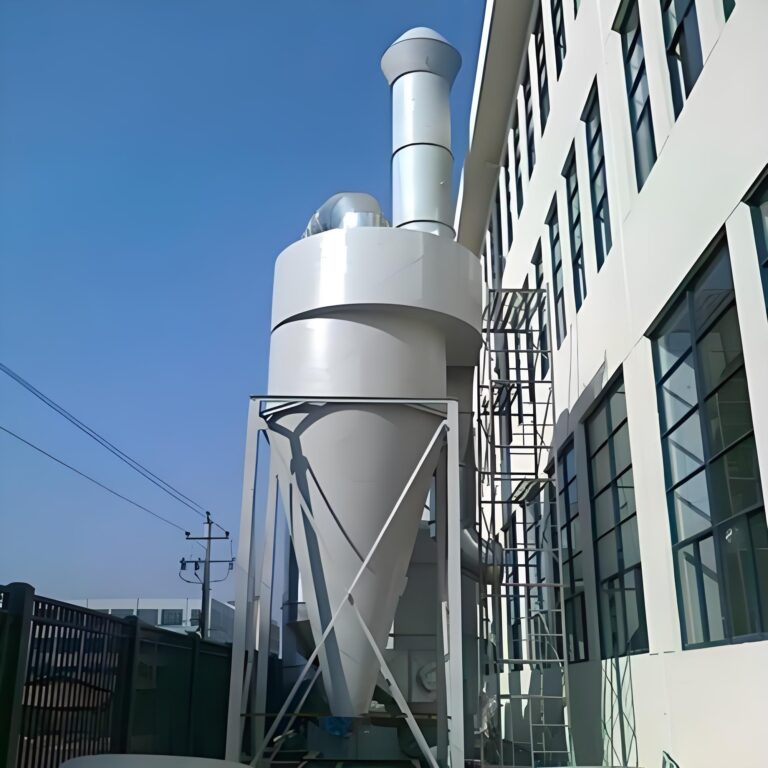
Dust collection systems play a crucial role in maintaining clean, safe, and efficient work environments across various industries. From manufacturing plants to woodworking shops, these systems are essential for capturing and removing harmful particulates from the air. As industries evolve and environmental regulations become more stringent, the applications of dust collection systems continue to expand and diversify.
In this comprehensive article, we'll explore the wide-ranging applications of dust collection systems, their importance in different sectors, and the latest advancements in technology. We'll delve into how these systems protect worker health, improve product quality, and contribute to environmental sustainability. Additionally, we'll examine the specific challenges faced by different industries and how tailored dust collection solutions address these unique needs.
As we embark on this exploration of dust collection system applications, it's important to understand that these systems are not one-size-fits-all solutions. Each industry, and even each facility within an industry, may require a customized approach to dust collection. This article will provide insights into how different sectors leverage dust collection technology to overcome their specific challenges and meet regulatory requirements.
Dust collection systems are essential for maintaining a safe and productive work environment, with applications spanning across numerous industries including manufacturing, pharmaceuticals, food processing, and woodworking.
How do dust collection systems improve workplace safety?
Workplace safety is paramount in any industry, and dust collection systems play a pivotal role in ensuring a safe environment for workers. By removing harmful particulates from the air, these systems significantly reduce the risk of respiratory issues and other health problems associated with dust exposure.
In industries where combustible dust is a concern, such as woodworking or grain processing, dust collection systems are crucial for preventing potentially catastrophic explosions. These systems not only capture dust particles but also help maintain proper air quality, which is essential for worker comfort and productivity.
Effective dust collection systems can reduce the risk of respiratory diseases by up to 90% in industrial settings, making them a critical component of workplace safety programs.
When it comes to workplace safety, the importance of dust collection systems cannot be overstated. They not only protect workers from immediate health hazards but also contribute to long-term occupational health by minimizing exposure to harmful particulates over time.
| Industry | Safety Improvement | Dust-Related Risk |
|---|---|---|
| Woodworking | 85% reduction in airborne dust | Fire and explosion |
| Metalworking | 75% decrease in metal particulates | Respiratory issues |
| Pharmaceuticals | 99% containment of fine powders | Cross-contamination |
The implementation of dust collection systems goes beyond mere compliance with safety regulations. It demonstrates a company's commitment to employee well-being and can significantly improve morale and productivity. As PORVOO continues to innovate in this field, we can expect even more advanced solutions that further enhance workplace safety across various industries.
What role do dust collection systems play in environmental compliance?
Environmental compliance has become increasingly important for businesses across all sectors. Dust collection systems are at the forefront of efforts to meet and exceed environmental regulations by capturing and containing pollutants before they can be released into the atmosphere.
Many industries are subject to strict air quality standards set by environmental protection agencies. Dust collection systems help facilities meet these standards by efficiently removing particulate matter from exhaust air. This not only ensures compliance with regulations but also contributes to broader environmental protection efforts.
Industrial dust collection systems can achieve up to 99.9% efficiency in removing particulate matter, significantly reducing a facility's environmental footprint and helping to meet or exceed regulatory requirements.
The environmental benefits of dust collection systems extend beyond air quality improvement. By capturing valuable materials that would otherwise be lost as dust, these systems can contribute to resource conservation and waste reduction. This aspect is particularly important in industries such as mining and recycling, where material recovery is a key concern.
| Regulation | Particulate Limit | Typical Dust Collector Efficiency |
|---|---|---|
| EPA PM2.5 | 12 µg/m³ (annual) | >99% for particles >1 µm |
| OSHA PEL | Varies by substance | 95-99.9% depending on system |
| EU Directive 2008/50/EC | 25 µg/m³ (PM2.5 annual) | >99.5% for most industrial applications |
As environmental regulations continue to evolve, dust collection systems will play an increasingly vital role in helping businesses maintain compliance. The Dust Collection System Applications offered by industry leaders are designed to meet these challenges, providing solutions that are both effective and adaptable to changing regulatory landscapes.
How do dust collection systems enhance product quality in manufacturing?
In manufacturing environments, product quality is paramount. Dust collection systems play a crucial role in maintaining the high standards necessary for producing top-quality goods. By removing airborne particles, these systems prevent contamination that could otherwise compromise the integrity of products during various stages of production.
For industries such as electronics manufacturing, where even microscopic particles can cause defects, advanced dust collection systems are indispensable. These systems create clean room conditions that are essential for producing sensitive components with extremely low tolerance for impurities.
Implementing a state-of-the-art dust collection system can reduce product defects by up to 30% in precision manufacturing processes, directly impacting a company's bottom line through improved quality and reduced waste.
The impact of dust collection on product quality extends to various sectors, including food processing, pharmaceuticals, and automotive manufacturing. In these industries, maintaining a clean production environment is not just about meeting regulatory standards—it's about ensuring consumer safety and product reliability.
| Industry | Quality Improvement | Economic Impact |
|---|---|---|
| Electronics | 99.99% particle-free environment | 25% reduction in defect-related costs |
| Food Processing | 99.9% removal of allergens | 40% decrease in product recalls |
| Automotive | 95% reduction in paint defects | 20% increase in first-pass yield |
By investing in advanced dust collection technology, manufacturers can significantly improve their product quality, reduce waste, and enhance their reputation in the market. As industries continue to push the boundaries of precision and quality, the role of dust collection systems in manufacturing excellence will only grow in importance.
What are the energy efficiency considerations for dust collection systems?
As industries strive to reduce their carbon footprint and operational costs, the energy efficiency of dust collection systems has become a critical consideration. Modern dust collection solutions are designed not only to effectively remove particulates but also to optimize energy consumption throughout their operation.
One of the key factors in energy-efficient dust collection is the use of variable frequency drives (VFDs) on fan motors. These drives allow the system to adjust its performance based on the actual dust load, rather than running at full capacity continuously. This adaptive approach can lead to significant energy savings without compromising on dust collection efficiency.
Advanced dust collection systems equipped with energy-efficient features can reduce power consumption by up to 40% compared to traditional systems, resulting in substantial cost savings and a lower environmental impact.
Another important aspect of energy efficiency in dust collection is the design of the ductwork and filter elements. Properly sized ducts and high-efficiency filters can minimize pressure drop across the system, reducing the power required to maintain adequate airflow. Regular maintenance and timely filter replacement also play crucial roles in maintaining optimal energy efficiency.
| Feature | Energy Savings | Payback Period |
|---|---|---|
| VFD Integration | 20-30% | 1-2 years |
| High-Efficiency Filters | 10-15% | 6-18 months |
| Optimized Ductwork | 5-10% | 2-3 years |
As energy costs continue to rise and environmental concerns grow, the focus on energy-efficient dust collection systems will intensify. Manufacturers and facility managers are increasingly looking for solutions that balance performance with energy conservation, making this an area of ongoing innovation and development in the industry.
How are dust collection systems adapted for specific industry needs?
Different industries face unique challenges when it comes to dust collection, and as a result, dust collection systems must be tailored to meet these specific needs. From the type of dust generated to the scale of the operation, each factor plays a role in determining the most effective dust collection solution.
In the metalworking industry, for example, dust collection systems must be capable of handling heavy, abrasive metal particles and potentially explosive dust. These systems often incorporate spark arrestors and explosion venting to ensure safety. On the other hand, the pharmaceutical industry requires systems that can capture extremely fine particles and prevent cross-contamination between different products.
Custom-designed dust collection systems can improve collection efficiency by up to 50% compared to off-the-shelf solutions, addressing the unique particulate challenges of specific industries.
The food processing industry presents its own set of challenges, with strict hygiene requirements and the need to handle various types of organic dust. Dust collection systems in this sector often incorporate features such as stainless steel construction and easy-clean designs to maintain food safety standards.
| Industry | Key Challenge | Specialized Solution |
|---|---|---|
| Woodworking | Combustible dust | Explosion-proof collectors |
| Pharmaceutical | Fine particulates | HEPA filtration systems |
| Welding | Metal fumes | Source capture arms |
As industries evolve and new processes emerge, dust collection system manufacturers must continually innovate to meet changing needs. This adaptability ensures that businesses across various sectors can maintain clean, safe, and efficient operations while complying with industry-specific regulations.
What are the latest technological advancements in dust collection systems?
The field of dust collection is experiencing rapid technological advancement, driven by the need for more efficient, intelligent, and environmentally friendly solutions. These innovations are transforming the way industries approach dust management, offering unprecedented levels of control and performance.
One of the most significant developments is the integration of Internet of Things (IoT) technology into dust collection systems. Smart sensors and connected devices allow for real-time monitoring of system performance, predictive maintenance, and remote diagnostics. This connectivity enables facility managers to optimize system operation and address issues before they lead to costly downtime.
IoT-enabled dust collection systems can reduce maintenance costs by up to 30% through predictive analytics and condition-based maintenance strategies, significantly improving system reliability and longevity.
Another area of innovation is in filter media technology. Advanced materials and nanotechnology are being employed to create filters that offer higher efficiency, lower pressure drop, and longer service life. These improvements translate to better dust capture, reduced energy consumption, and lower operational costs.
| Technology | Benefit | Industry Impact |
|---|---|---|
| IoT Integration | 24/7 monitoring | 25% reduction in unexpected downtime |
| Nanofiber Filters | 99.99% efficiency | 40% increase in filter life |
| AI-driven Control | Adaptive performance | 15% improvement in energy efficiency |
The development of more compact and modular dust collection systems is also noteworthy. These systems offer greater flexibility in installation and can be easily scaled to meet changing production needs. For industries with limited space or frequently changing layouts, these adaptable solutions provide significant advantages.
How do dust collection systems contribute to sustainable manufacturing practices?
Sustainability has become a core focus for many industries, and dust collection systems play a crucial role in sustainable manufacturing practices. By efficiently capturing and controlling particulate emissions, these systems help reduce the environmental impact of industrial processes and contribute to cleaner, greener operations.
One of the key ways dust collection systems support sustainability is through the recovery and recycling of materials. In many industries, the dust collected can be reprocessed or reused, turning what was once considered waste into a valuable resource. This not only reduces the need for raw materials but also minimizes waste disposal costs.
Effective dust collection and material recovery can lead to a 20-30% reduction in raw material consumption in some manufacturing processes, significantly contributing to sustainability goals and resource conservation efforts.
Additionally, modern dust collection systems are designed with energy efficiency in mind, helping to reduce the overall carbon footprint of manufacturing operations. Features such as regenerative blowers, high-efficiency motors, and advanced control systems all contribute to lower energy consumption and reduced greenhouse gas emissions.
| Sustainability Aspect | Impact | Environmental Benefit |
|---|---|---|
| Material Recovery | 25% reduction in waste | Decreased landfill use |
| Energy Efficiency | 30% lower power consumption | Reduced CO2 emissions |
| Air Quality Improvement | 99% particulate removal | Enhanced local environment |
The implementation of dust collection systems also supports companies in achieving environmental certifications and meeting corporate social responsibility goals. As consumers and investors increasingly prioritize sustainability, effective dust management becomes not just an operational necessity but a competitive advantage in the marketplace.
In conclusion, dust collection systems are far more than just a means of keeping workplaces clean. They are integral to workplace safety, environmental compliance, product quality, energy efficiency, and sustainable manufacturing practices. As industries continue to evolve and face new challenges, the applications of dust collection systems will undoubtedly expand and adapt.
The diverse range of dust collection system applications demonstrates their critical role across various sectors. From improving air quality in manufacturing plants to enabling precision production in clean rooms, these systems are essential for modern industrial operations. As technology advances and environmental concerns grow, we can expect to see even more innovative applications and improvements in dust collection systems.
For businesses looking to enhance their operations, improve safety, and meet sustainability goals, investing in advanced dust collection solutions is a strategic decision. With ongoing developments in technology and a growing focus on environmental responsibility, dust collection systems will continue to be at the forefront of industrial innovation, driving progress towards cleaner, safer, and more efficient manufacturing processes.
External Resources
- Industrial Dust Collection Systems | RoboVent – This resource explains the necessity of industrial dust collection systems, their applications in various industries such as manufacturing, mining, and food production, and the different types of systems including source capture and ambient systems.
- How Do Industrial Dust Collectors Work? – CPE Filters – This article details the functioning of industrial dust collectors, including the basic components and types such as fabric filter baghouses, inertial separators, cartridge collectors, wet scrubbers, and electrostatic precipitators. It also highlights their importance in various industrial sectors.
- Dust collector – This Wikipedia article provides a comprehensive overview of dust collectors, their uses in different processes, and the various methods used to collect dust and other impurities from the air.
- Different Types of Industrial Dust Collection Systems Explained | A.C.T. – This blog post discusses the different types of industrial dust collection systems, their advantages, and how to choose the appropriate system for specific needs. It also highlights the benefits of using these systems in industrial environments.
- Industrial Dust Collection Systems: A Guide to Choosing the Right One – This guide helps in selecting the right industrial dust collection system by considering factors such as the type of dust, airflow requirements, and the specific industry needs.
- Dust Collection Systems for Industrial Applications – This resource from Camfil provides information on dust collection systems tailored for industrial applications, including their design, installation, and maintenance.