Многие предприятия по обработке камня устанавливают осветлитель и считают, что проблема рециркуляции воды решена. В благоприятных условиях осветлитель справляется с очисткой перелива, но как только песок обходит контур, твердые частицы накапливаются в отстойниках, насосы и форсунки изнашиваются быстрее, чем ожидалось, а качество резки ухудшается, прежде чем кто-либо сможет установить, что причиной является состояние воды. На самом деле при планировании вопрос заключается не в том, следует ли осуществлять рециркуляцию, а в том, как поддерживать баланс твердых частиц на всех этапах — удаления песка, осаждения, дозирования химикатов и фильтр-прессования — в рамках единой взаимосвязанной цепочки, поскольку сбой на любом этапе приводит к проблемам на следующем. Приведенная ниже информация поможет вам определить, на каком этапе твердые частицы выходят из контура, какое качество воды фактически требуется на каждом этапе процесса и в каком месте экономическая эффективность рециркуляции превращается из экономии в скрытые затраты.
Определить уровень повторного использования с учетом потребностей в резке, полировке и мойке
Повторное использование воды на предприятии по обработке камня сопряжено с различными рисками в зависимости от того, куда она поступает. Вода, подаваемая на режущее оборудование, должна быть достаточно чистой, чтобы выполнять функции охлаждающей и смазочной жидкости, не загрязняя лезвие или шпиндель взвешенными твердыми частицами, которые вызывают трение и нагрев. Если это условие не соблюдается, оборудование перегревается, срок службы инструмента сокращается, а убытки от повреждений возникают еще до того, как кто-либо успеет проверить качество воды. Вода, используемая для полировки, требует еще большей чистоты; на качество поверхности влияют загрязнения, которые остались бы незамеченными при промывке оборудования.
На практике это означает, что качество воды для повторного использования следует определять исходя из эксплуатационных требований каждого этапа технологического процесса, а не на основе единого стандарта очищенной воды, применимого ко всему предприятию в целом. Этапы резки, доочистки и промывки имеют разные допустимые пределы содержания твердых частиц, и поток рециркулируемой воды, приемлемый для промывки, может ухудшить качество резки, если его подать в неподходящий контур. Перед проектированием контура повторного использования необходимо определить, какие этапы технологического процесса являются потребителями воды и какие показатели содержания твердых частиц и прозрачности допустимы для каждого из них. Методы, описанные в стандарте ISO 7027-1:2016 для измерения мутности и в стандарте ISO 11923:1997 для определения содержания взвешенных твердых частиц, обеспечивают основу для испытаний, позволяющую оценить характеристики рециркулируемой воды с учетом указанных допустимых значений, хотя ни один из этих стандартов не устанавливает технологические пределы — они определяются характеристиками оборудования и спецификацией продукции.
Если подойти к этому вопросу неверно, это приведет к тому, что вы будете устранять проблемы с качеством на уровне оборудования, а не на уровне водяного контура, что является более длительным и дорогостоящим способом диагностики.
Удалите песок до того, как твердые частицы попадут в контур повторного использования
Песок — крупные абразивные фрагменты камня — ведет себя иначе, чем мелкие взвешенные частицы, для улавливания которых и предназначена седиментация. Он плохо поддается воздействию химических реагентов, оседает быстрее, чем мелкая взвесь, а затем вновь взвешивается в условиях турбулентного потока, что приводит к механическому износу насосов, трубопроводов и сопел, который со временем усугубляется. Если песок попадает в контур повторного использования, это становится не только проблемой качества воды, но и проблемой технического обслуживания и срока службы оборудования.
Критерием планирования в данном случае является последовательность, а не тип оборудования. Удаление песка должно происходить до того, как вода поступит в любую систему отстаивания или рециркуляции, поскольку после того, как песок смешивается с мелкой суспензией и к ней добавляется флокулянт, его полное отделение становится более сложным, а твердые частицы, поступающие на фильтр-пресс, содержат более крупную фракцию, что негативно сказывается на производительности пресса. Защита расположенных ниже по потоку насосов и форсунок от абразивного износа означает, что удаление песка следует рассматривать как граничное условие для всего цикла повторного использования, а не как этап предварительной очистки, который можно добавить позже, если возникнут проблемы.
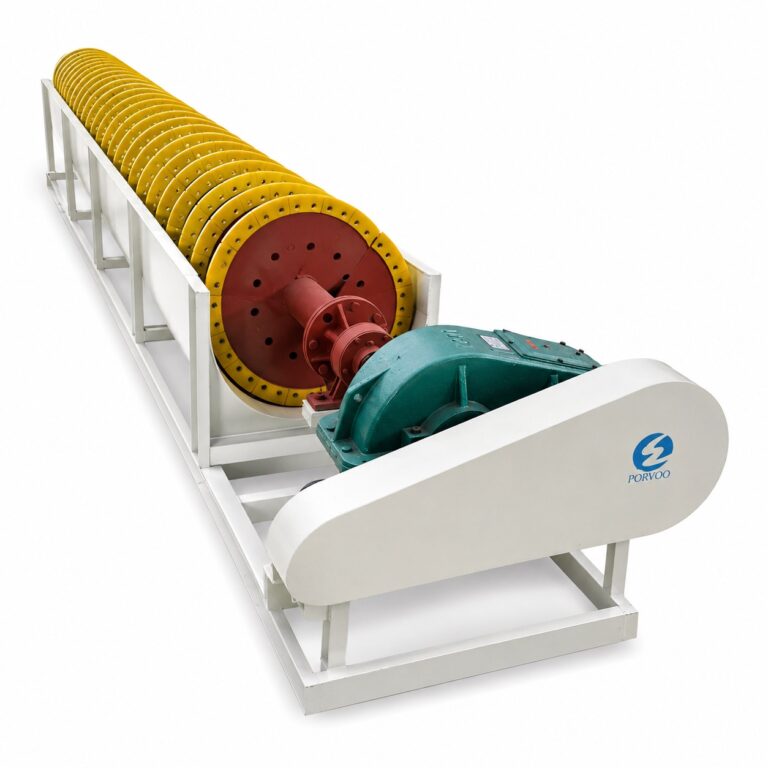
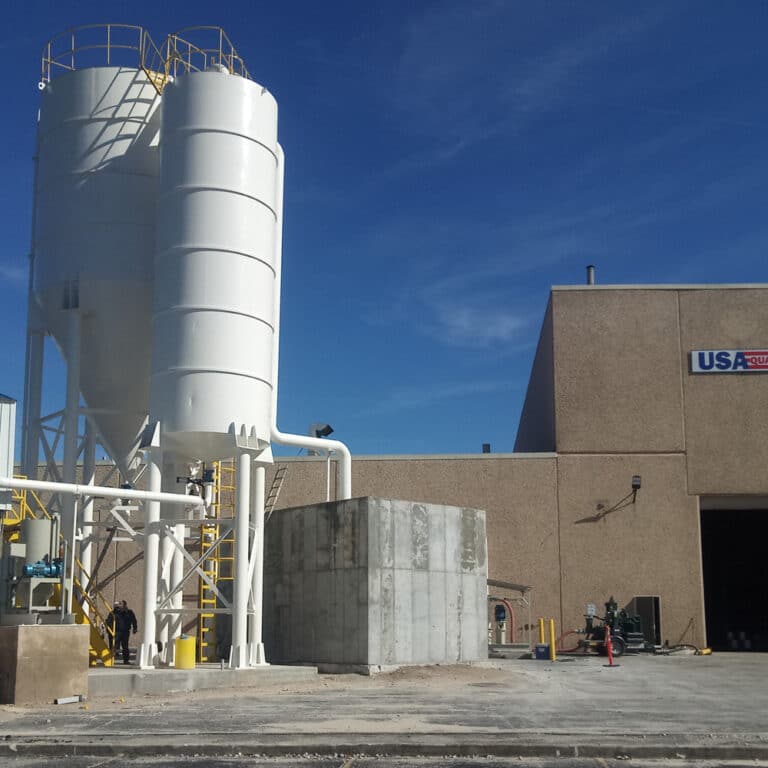
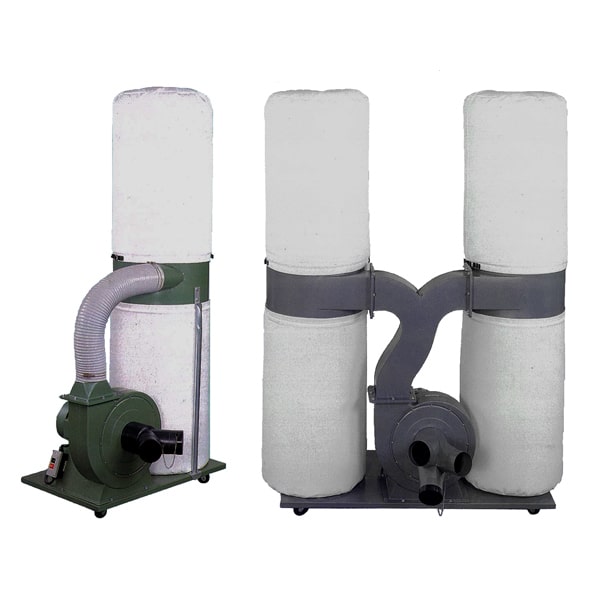
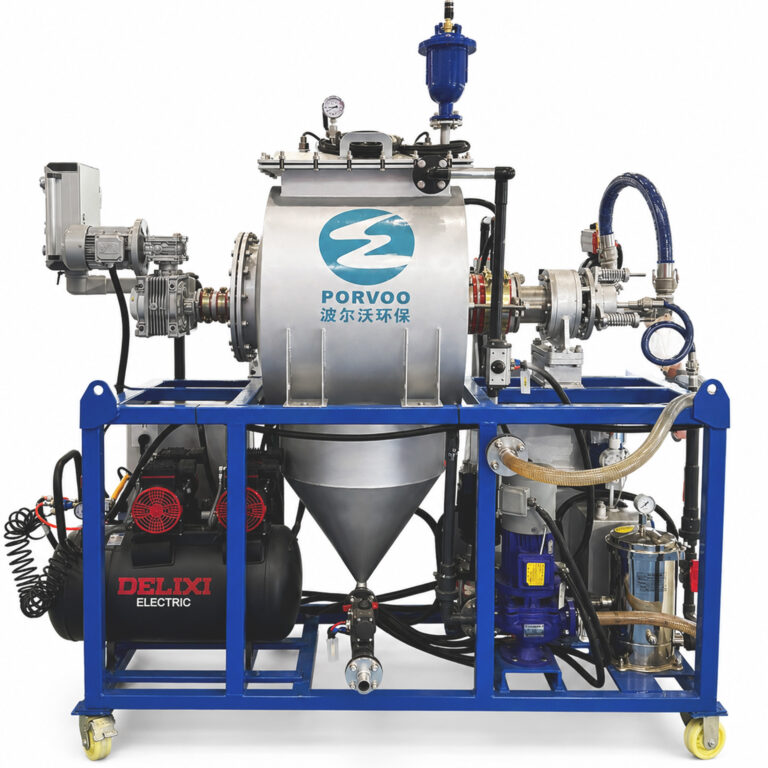
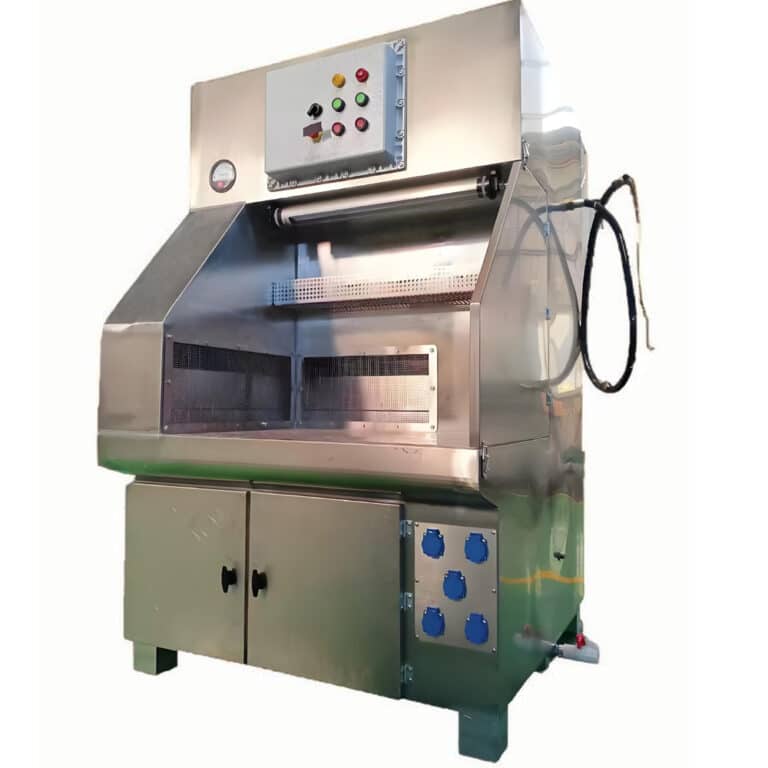
На предприятиях, которые пропускают этот этап или уделяют ему недостаточное внимание в период пиковой производственной нагрузки, как правило, наблюдается постепенное изнашивание насосов и падение давления в контурах распыления и охлаждения ещё до того, как будет выявлена связь с загрязнением песком. A Удаление крупных частиц песка Ступень, расположенная выше отстойника, изначально предотвращает возникновение этого пути повреждения.
Использовать дозирование по осадку и прессование в качестве единого баланса твердых веществ
Рассмотрение процессов осаждения, дозирования химикатов и фильтр-прессования как отдельных решений по закупкам создает риск нарушения координации, который проявляется на этапе эксплуатации. Дозы коагулента и флокулянта, обеспечивающие хорошее осаждение осадка, также определяют, что поступает на фильтр-пресс: его объем, влажность, а также то, выходит ли он в виде сухого осадка или остается пластичным и труднообрабатываемым. Если дозировка оптимизирована с учетом качества осветленного перелива без учета возможности обезвоживания на последующих этапах, на фильтр-пресс поступает осадок, для которого он не был рассчитан.
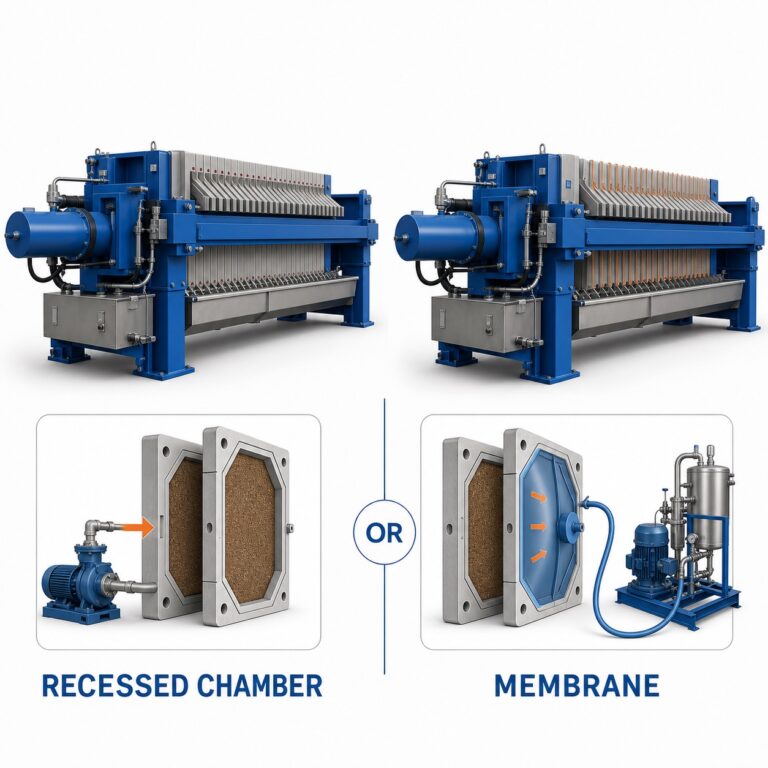
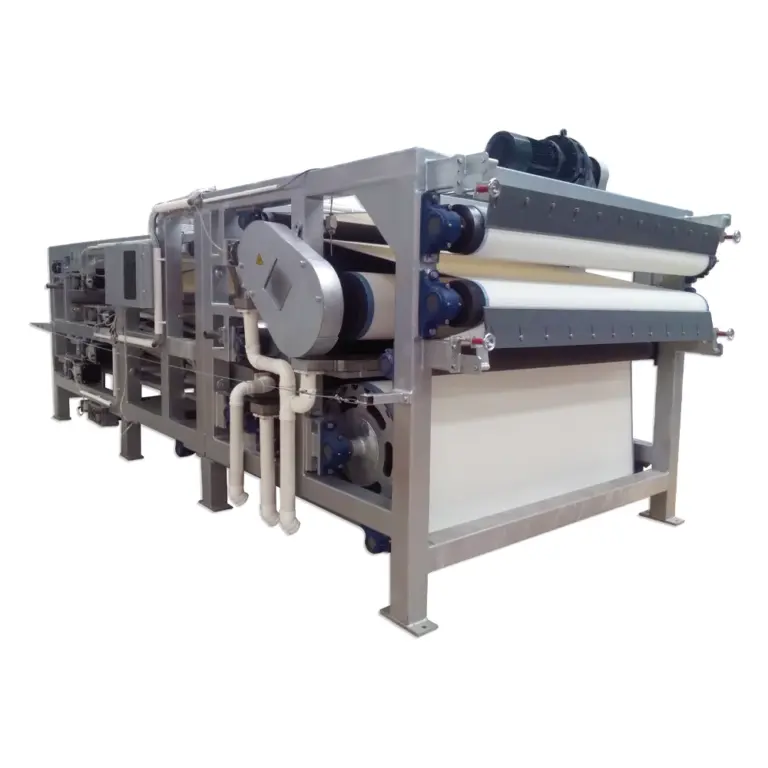
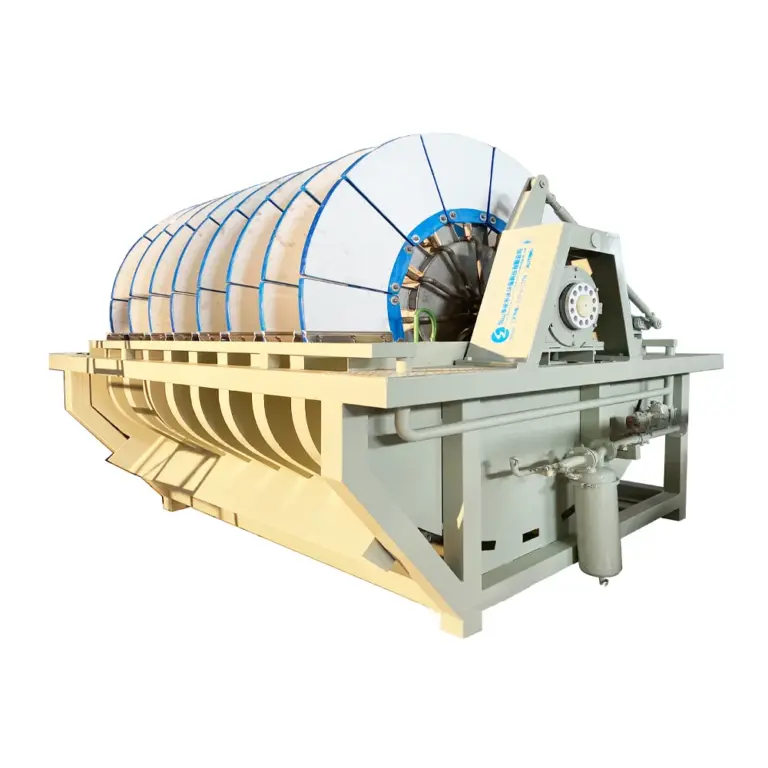
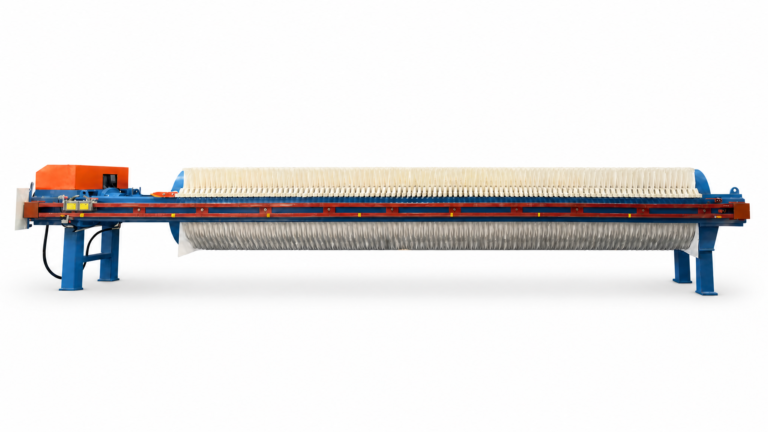
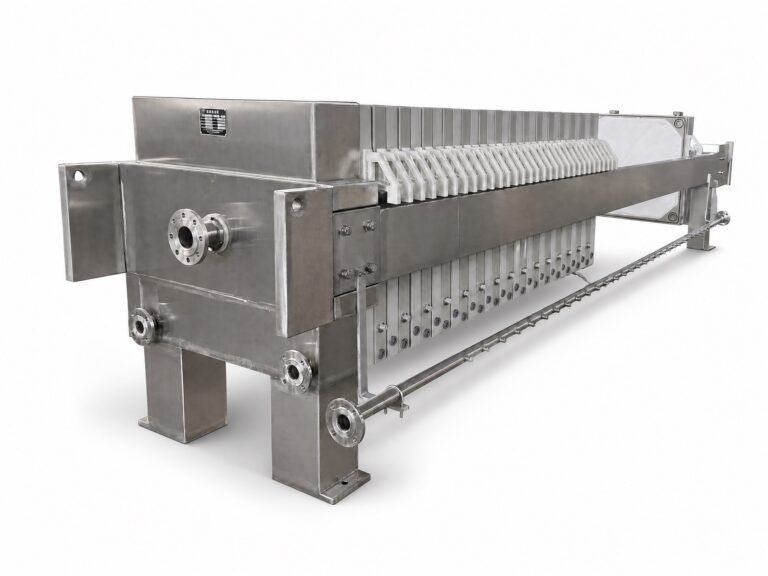
Общий механизм хорошо известен: коагулянты нейтрализуют поверхностные заряды взвешенных частиц, а флокулянты объединяют их в более крупные структуры, которые оседают под действием силы тяжести. Однако результаты не являются фиксированными. Этап гравитационного сгущения может сократить объем осадка до пятидесяти процентов, но фактическая величина зависит от характеристик суспензии, которые варьируются в зависимости от типа камня, скорости резания и объема производства. Затем фильтр-пресс нацелен на достижение содержания влаги в обезвоженном осадке на уровне около двадцати процентов, что вполне достижимо для большинства шламов из натурального камня. Риск, связанный с суспензией из искусственного камня, носит специфический характер и заслуживает прямого упоминания: мелкая фракция частиц, связанных смолой, может забивать камеры пресса вместо того, чтобы образовывать легкоотделяемый осадок, в результате чего получается грязная серая вода, которая возвращается в контур вместо сухих твердых веществ, готовых к утилизации. Это не является неисправностью самого пресса — это проблема совместимости суспензии, которую следует подтвердить с помощью испытаний в банке и пилотного обезвоживания до того, как будет определена спецификация всей системы.
| Шаг | Типичный результат | Что необходимо уточнить |
|---|---|---|
| Коагуляция и флокуляция | Заряды нейтрализованы, частицы агрегированы для осаждения | Правильный выбор типа химиката и дозировки для конкретного шлама; избыточная или недостаточная дозировка может повлиять на прозрачность и объем осадка |
| Осаждение под действием силы тяжести | Объем осадка сократился на ≤50% | Необходимо ли дальнейшее обезвоживание; фактическое уменьшение объема зависит от характеристик шлама |
| Обезвоживание с помощью фильтр-пресса | Предназначен для воды с содержанием ~20%; эффективен для большинства каменных шламов | Существует риск засорения шламом из искусственного камня, что может привести к образованию грязной серой воды вместо сухого осадка |
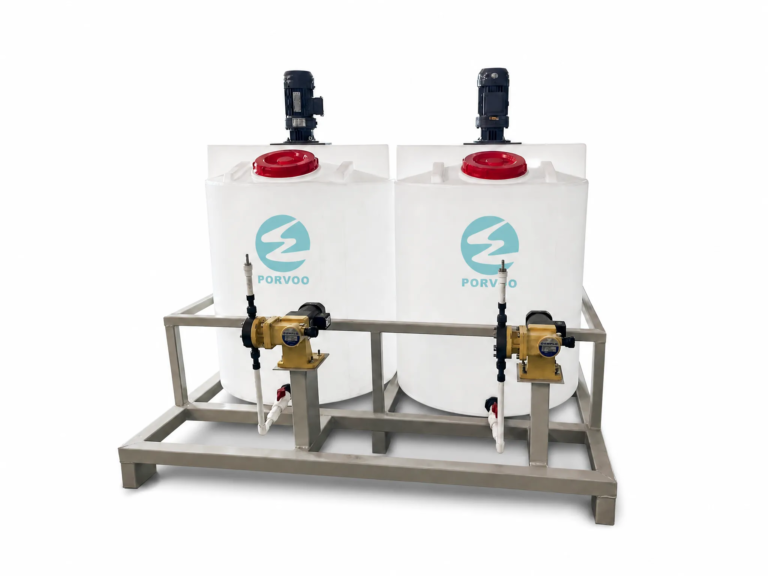
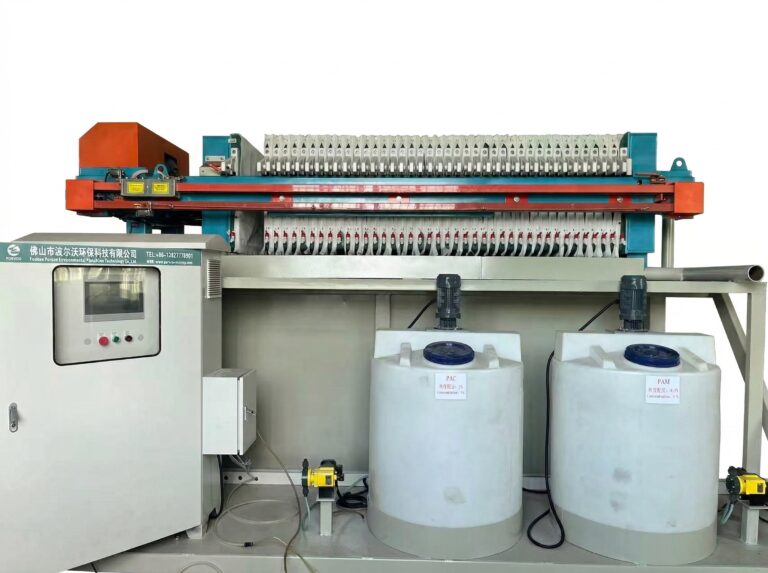
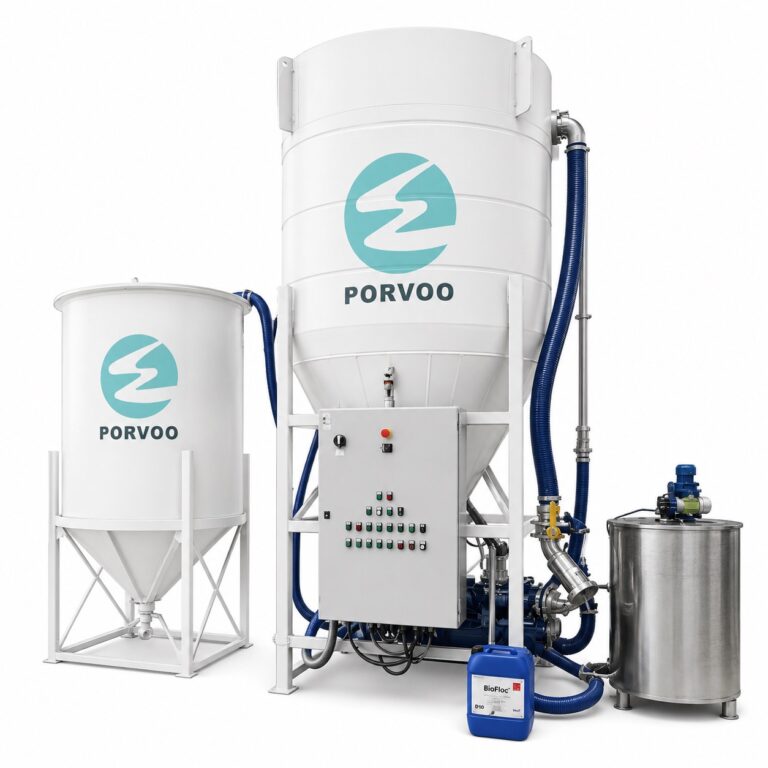
Рассматривая эти три этапа как единый баланс твердых веществ, необходимо проанализировать их в совокупности: убедиться, что дозируемые химические вещества подходят для конкретной суспензии, проверить, находится ли концентрация нижнего потока сгустителя в пределах технических требований к сырью для пресса, а также определить, какие характеристики осадка требуются для выбранного способа утилизации. A Интеллектуальная система дозирования химических веществ PAM/PAC может способствовать поддержанию стабильной зависимости «доза-реакция» при изменяющейся нагрузке твердых веществ, что имеет важное значение, поскольку взаимосвязь между дозой, качеством осадочного ила и поведением прессованного осадка изменяется при изменении объема производства или типа камня.
Отслеживайте показатели мутности, pH и содержания взвешенных частиц в течение смен
Качество рециркулируемой воды меняется неравномерно в течение рабочей смены. Нагрузка твердыми частицами достигает пиковых значений в периоды резки с высокой производительностью, дозирование химикатов может отставать от изменений нагрузки, а накопление осадка в сгустителе влияет на состав стоков, возвращаемых в поток повторного использования. Один ежедневный пробник дает лишь моментальный срез, который может не отразить длительные отклонения в показателях, наблюдаемые в течение рабочих часов.
Мониторинг мутности, pH и содержания взвешенных частиц с периодичностью, соответствующей продолжительности рабочей смены — а не в рамках ежедневных или еженедельных проверок на соответствие требованиям — представляет собой механизм контроля, позволяющий выявлять отклонения в технологическом процессе до того, как они повлияют на производительность резки или полировки. Показатель мутности быстро реагирует на изменения эффективности дозирования и может сигнализировать о проблемах с осаждением до того, как накопление взвешенных частиц станет серьезным. pH имеет важное значение, поскольку каменные суспензии могут быть щелочными, а значительное отклонение pH в воде повторного использования влияет как на эффективность дозирования химикатов, так и, в некоторых случаях, на совместимость оборудования. Стандарты ISO 7027-1 и ISO 11923 описывают методы измерения мутности и взвешенных твердых частиц соответственно; они не устанавливают предельных значений, которые должны определяться исходя из того, что каждый этап процесса может надежно выдержать.
Практическим следствием того, что этот процесс рассматривается как периодическая проверка на соответствие нормам, а не как оперативный инструмент на уровне смены, является то, что ухудшившееся качество воды поступает в контуры резки и доочистки в течение нескольких смен, прежде чем это будет обнаружено. К этому моменту причина может быть завуалирована накопленными факторами — изменениями в дозировке, колебаниями объемов производства или неэффективной работой уплотнителя — что замедляет принятие корректирующих мер. Более подробная информация о соотнесении времени пребывания в отстойнике с целевыми показателями качества рециркулирующей воды приведена в Планирование резервуара для отстаивания воды: Как керамические и каменные заводы согласовывают время отстаивания с целевыми показателями оборотной воды.
Не допускать, чтобы загрязнённый фильтрат вызывал дестабилизацию в резервуарах для хранения
Как фильтрат из фильтр-пресса, так и перелив из осветлителя поступают обратно в резервуар для повторного использования. В нормальном режиме работы оба потока достаточно чисты, поэтому резервуар выполняет функцию буферного резервуара. Когда качество одного из потоков ухудшается — из-за сбоя в дозировании, засорения пресса или перегрузки сгустителя — загрязненная вода накапливается в резервуаре без каких-либо очевидных немедленных признаков. Резервуар выглядит полным и исправным, в то время как качество находящейся в нем жидкости постепенно ухудшается.
Риск сбоев носит кумулятивный характер. Мелкие твердые частицы в резервуаре оседают и накапливаются в виде осадка на дне резервуара, создавая неконтролируемый источник повторного взвешивания, что сводит на нет эффективность последующих этапов осветления. Содержание органических веществ в рециркулируемой воде, особенно если в процессе резки камня используются поверхностно-активные вещества или помольные добавки, может способствовать росту микроорганизмов в резервуарах с длительным гидравлическим временем пребывания. Ни одно из этих явлений невозможно обнаружить, опираясь исключительно на показания приборов контроля уровня или расхода в резервуаре.
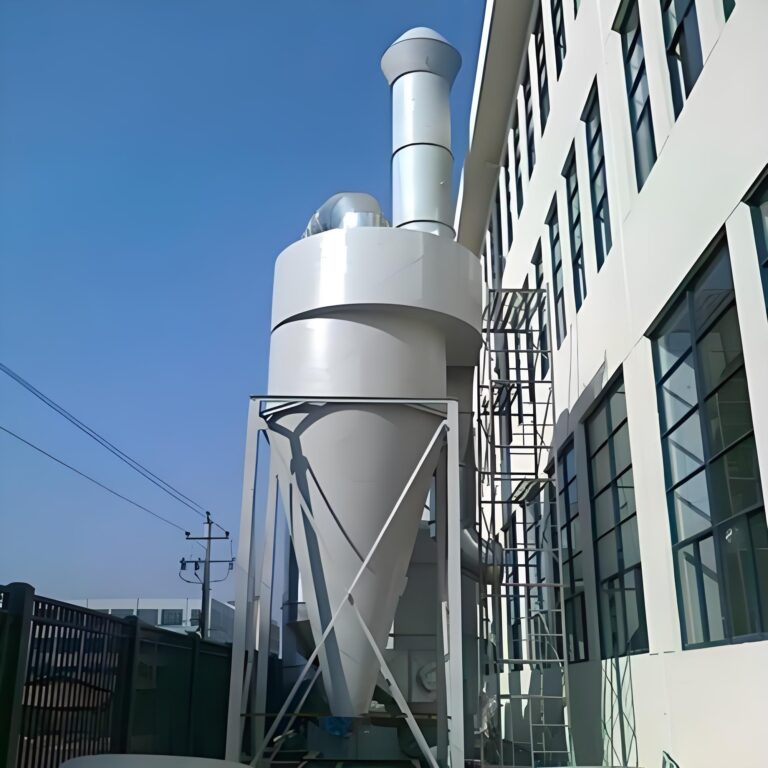
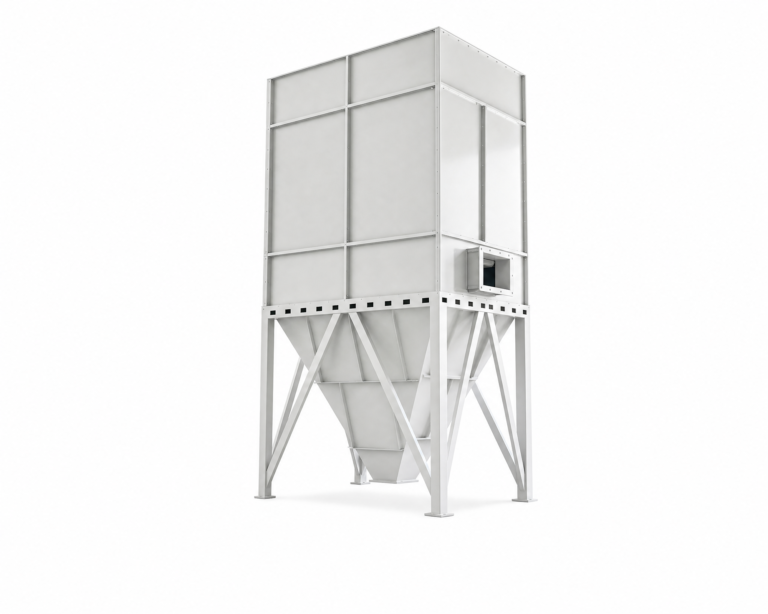
Чтобы этого избежать, необходимо рассматривать резервуар для хранения не как пассивный объект инфраструктуры, а как объект, требующий периодического осмотра и контроля. Перед поступлением в резервуар необходимо контролировать прозрачность потоков, возвращаемых с фильтр-пресса; если качество фильтрата неудовлетворительное, следует устранять первопричину на этапе работы фильтр-пресса или дозирования, а не разбавлять его в резервуаре. A Вертикальная осадочная башня для рециркуляции сточных вод Наличие четко обозначенного переливного порога и маршрута удаления осадочного ила снижает риск попадания загрязненного нижнего потока обратно в контур повторного использования, однако не исключает необходимости отдельного контроля качества возвращаемого фильтрата.
Сравните экономию воды с затратами на удаление осадка и химикаты
Экономическая целесообразность рециркуляции воды в замкнутом цикле при обработке камня вполне реальна. Предприятие, потребляющее до 15 000 галлонов воды в день, несет значительные расходы на коммунальное водоснабжение, а хорошо функционирующая система замкнутого цикла со временем может существенно сократить эти затраты. Материалы Агентства по охране окружающей среды США (EPA) по повторному использованию промышленных сточных вод подтверждают широкую актуальность подходов, основанных на замкнутом цикле, для промышленных объектов, стремящихся сократить затраты на водозабор и сброс сточных вод. Однако общая цифра экономии не отражает сопутствующие ей операционные затраты.
| Статья расходов | Воспользуйтесь преимуществами замкнутого цикла переработки отходов | Что необходимо подтвердить |
|---|---|---|
| Расходы на водоснабжение города | Значительная экономия; средний магазин может потреблять до 15 000 галлонов в день | Фактическое суточное потребление воды и местный тариф на воду; убедиться, что качество рециркулированной воды соответствует технологическим требованиям |
| Утилизация/очистка осадка | Исключает сброс отходов, что позволяет сократить расходы на их утилизацию и переработку | Удается ли полностью избежать всех затрат на утилизацию; объем и способ утилизации обезвоженного ила |
Затраты на химикаты не являются фиксированными. Расход флокулянтов и коагулянтов зависит от нагрузки твердых веществ, а она, в свою очередь, меняется в зависимости от объема производства и типа камня. Система, настроенная на расчетную дозировку для резки гранита, будет вводить избыточную или недостаточную дозу, когда ассортимент продукции смещается в сторону искусственного камня или мрамора, что приводит к изменению как качества осветленной воды, так и объема осадка. Утилизация осадка представляет собой реальные затраты, которые необходимо учитывать при расчете выгоды от замкнутого цикла: объемы обезвоженного осадка, его транспортировка, а также варианты утилизации или повторного использования — все это сопряжено с постоянными расходами. Чистая экономия представляет собой разницу между сокращением затрат на воду и сброс сточных вод и суммой затрат на химикаты, техническое обслуживание, эксплуатацию пресса и утилизацию осадка — и эта разница сужается или увеличивается в зависимости от условий эксплуатации, характерных для конкретного завода. Анализ безубыточности, в котором используется единственный средний показатель потребления без учета фактического суточного потребления и местных тарифов, приведет к завышению показателей рентабельности.
Решения о повторном использовании должны приниматься с учетом допустимых отклонений в процессе
Решения по качеству воды для повторного использования легко принимать в отрыве от реальных условий — определить предельное значение мутности, установить целевой показатель содержания твердых частиц и предположить, что система спроектирована правильно, если она достигает этих показателей. Проблема заключается в том, что спецификация качества воды имеет смысл только в том случае, если она отражает то, что действительно может выдержать последующий технологический процесс, а допустимые нагрузки в процессах не одинаковы. Уровень мутности, приемлемый для контура промывки, может привести к заметному ухудшению качества поверхности на станции полировки, а то же отклонение, которое остается незамеченным на одном этапе, приводит к необходимости доработки на другом.
Связь между качеством повторного использования и результатами технологического процесса означает, что эксплуатационные пределы следует устанавливать с учетом того, на какие нагрузки фактически рассчитаны режущие лезвия, полировальные головки и распылительные форсунки или какие нагрузки они, как показывает практика, способны выдерживать, а не исходя из того, каких показателей система водоочистки может стабильно достигать в среднем за смену. Это два разных вопроса. Первый определяет, как выглядит сбой на технологическом процессе; второй — что производит система очистки. Если эти параметры не будут сознательно согласованы, система может достигать целевых показателей качества воды, в то время как технологический процесс по-прежнему будет накапливать повреждения.
Это также означает, что при отклонении показателей качества рециркулируемой воды — вызванном отклонением в дозировке, перегрузкой сгустителя или засорением пресса — решение о том, продолжать ли использовать рециркулируемую воду или перейти на забор свежей воды, должно приниматься исходя из порогового значения допуска технологического процесса, а не из того, находится ли отклонение в пределах допустимого диапазона на графике мониторинга очистки воды. Предприятия, которые разделяют эти две системы принятия решений, как правило, обнаруживают необходимость повторной обработки из-за ухудшения качества позже и с большими затратами, чем предприятия, которые рассматривают их как один и тот же контроль. Более подробная информация о том, какие модули очистки наиболее надежно обеспечивают эту стабильность, приведена в Оборудование для очистки промышленных сточных вод: Какие модули реально меняют стабильность повторного использования воды на заводах по производству керамики и камня.
Стабильность системы рециркуляции воды при обработке камня определяется не тем, получается ли осветлённая вода, а тем, удаляются ли твердые частицы из контура контролируемым образом на каждом этапе — от отделения песка до нижнего потока сгустителя и прессованного осадка. Переменные, подрывающие эту стабильность — несовместимость шлама из инженерного камня со стандартным режимом работы пресса, качество фильтрата, не соответствующее ожиданиям, задержки в дозировании во время пиковых нагрузок — все они можно выявить на этапе проектирования системы, если рассматривать полный баланс твердых веществ как единую проектную задачу, а не как последовательность выбора отдельных элементов оборудования.
Прежде чем утвердить конфигурацию системы, необходимо подтвердить фактический суточный расход воды и состав каменной смеси, определить требования к качеству воды на каждом этапе технологического процесса, провести пилотные испытания эффективности обезвоживания на репрезентативных образцах шлама, а также установить периодичность оперативных проверок, позволяющую выявлять отклонения в качестве на уровне смены до того, как они достигнут технологического оборудования. Эти четыре проверки позволяют определить, достижимы ли прогнозируемые экономические показатели и выдержит ли конструкция системы производственную нагрузку.
Часто задаваемые вопросы
Вопрос: На нашем заводе перерабатывается только натуральный камень, а не искусственный. Стоит ли нам по-прежнему беспокоиться о забивании фильтр-пресса и совместимости шлама?
A: Суспензии из натурального камня, как правило, обезвоживаются до образования сухого осадка без проблем с забиванием частиц, связанных смолой, характерных для искусственного камня, однако совместимость не гарантируется одним лишь типом камня. Проведение испытаний в баке с использованием вашей конкретной суспензии и пилотный цикл обезвоживания по-прежнему остаются необходимыми для подтверждения того, что фильтр-пресс производит осадок, который можно извлечь, с ожидаемым содержанием влаги, а также того, что выбранный флокулянт эффективен при работе с вашей производственной смесью.
Вопрос: Каков первый шаг при определении допустимых значений качества воды для каждого станка для резки и полировки на нашем заводе?
A: Для начала соберите указанные производителем предельные значения по содержанию взвешенных твердых частиц, мутности и размеру частиц для каждого станка, а затем сопоставьте их с любыми историческими данными о случаях засорения форсунок, необходимости доработки поверхности или износе насосов, наблюдавшихся во время известных отклонений в качестве воды. Если данные производителя отсутствуют, проведите сравнительные испытания, подавая на станок воду с известным, измеренным качеством и отслеживая производительность и износ инструмента в течение определенного производственного периода.
Вопрос: Существует ли уровень суточного потребления воды, при котором рециркуляция в замкнутом цикле вряд ли будет экономически целесообразной?
A: Фиксированного порога нет, поскольку экономическая целесообразность в большей степени зависит от местных тарифов на воду, затрат на утилизацию осадка и стоимости простоев оборудования из-за низкого качества воды, чем от одного лишь объема водопотребления. Даже установки с небольшим объемом водопотребления могут быть выгодными, если высокие тарифы на воду или строгие ограничения на сброс сточных вод делают использование пресной воды дорогостоящим, а утилизацию — практически невозможной, однако точку безубыточности всегда следует рассчитывать исходя из вашего фактического потребления и эксплуатационных затрат, полученных в ходе пилотных испытаний, а не на основе среднеотраслевых показателей.
Вопрос: Следует ли проектировать систему рециркуляции таким образом, чтобы обеспечить подачу воды одной и той же высокой степени очистки на каждое оборудование, или допустимо повторно использовать воду более низкого качества в менее чувствительных зонах?
A: Разделение контуров водоснабжения в зависимости от допустимых отклонений в технологическом процессе, как правило, является более экономически эффективным решением, чем очистка всей воды до самого высокого стандарта. На этапах доочистки и промывки зачастую можно использовать воду, которая при применении на этапе резки привела бы к повреждению оборудования, поэтому подбор качества воды в соответствии с потребностями позволяет сократить расход химикатов и энергии, при этом обеспечивая защиту чувствительного оборудования. Ключевым моментом является знание фактических допустимых отклонений для каждого технологического процесса — как только это будет установлено, можно определить, сколько уровней качества воды целесообразно внедрить с учетом планировки вашего завода, не усложняя при этом технологический процесс без необходимости.
Вопрос: Как рассчитать срок окупаемости системы рециркуляции воды для обработки камня с учетом наших конкретных эксплуатационных затрат?
A: Срок окупаемости — это не фиксированное число; его рассчитывают, сопоставляя ожидаемую ежемесячную экономию за счет снижения сборов за водопотребление и сброс сточных вод с текущими затратами на химикаты, утилизацию осадка, эксплуатацию фильтр-пресса и техническое обслуживание, которые возникают при использовании системы с замкнутым циклом. Наиболее надежный способ провести такое сравнение — провести пилотные испытания системы с использованием типичной шламовой смеси и на основе фактических данных о дозировке химикатов, объеме осадка и показателях качества воды спрогнозировать затраты при полномасштабной эксплуатации, а затем вычесть их из ваших текущих счетов за воду и сброс сточных вод, чтобы определить, сколько времени займет окупаемость в ваших реальных условиях.