Предприятия, занимающиеся очисткой и повторным использованием технологической воды, зачастую при закупке оборудования устанавливают единый показатель качества на выходе — один показатель общего содержания взвешенных твердых частиц (TSS), один диапазон pH — и применяют его ко всему циклу повторного использования. Такой упрощенный подход редко выдерживает проверку в условиях реального производственного цеха, где линия доочистки, этап промывки корпусов и резервуар для приготовления шлама по-разному реагируют на одни и те же параметры воды. Когда на чувствительной линии возникает отклонение показателей качества, пороговое значение, которое казалось адекватным на выходе из осветлителя, оказывается плохо согласованным с тем, что на самом деле допускает данный этап, и первой корректирующей мерой часто становится модернизация: добавление точек отбора проб, изменение маршрута прохождения контрольно-измерительных приборов или пересмотр заданных значений дозирования с учетом базовых показателей, которые никогда не были должным образом установлены. Понимание того, как соотнести целевые показатели качества с последующими этапами, различать, что именно сигнализируют общие взвешенные твердые вещества (TSS), мутность и pH, а также определить пороговые значения до начала строительства — а не во время ввода в эксплуатацию — позволяет эксплуатировать систему повторного использования как контролируемый процесс, а не управлять ею реактивно, реагируя на исключения.
Связать целевые показатели повторного использования с этапом производства, на котором происходит поступление воды
Чувствительность к качеству воды на заводе по производству керамической плитки не является одинаковой по всей производственной линии, и если на этапе проектирования считать её одинаковой, это приводит к появлению категории дефектов, которые выявляются только после ввода системы в эксплуатацию. На линии полировки вода, контактирующая с поверхностями готовой плитки, циркулирует повторно; мелкие взвешенные частицы в этом потоке могут вызывать видимые повреждения поверхности или осаждать абразивные остатки, которые влияют на внешний вид глазури. Этап промывки заготовки происходит на более раннем этапе процесса и может допускать более широкий диапазон содержания твердых частиц, если само промывание осуществляется эффективно. В зоне подготовки шлама вода поступает в процесс дозирования, где стабильность pH и химическая совместимость имеют большее значение, чем количество частиц, и некоторое количество переносимых твердых частиц может быть допустимо, если они химически инертны и их количество остается постоянным.
Сведение этих различий к единому системному показателю приводит к несимметричным последствиям. Если единый показатель будет ужесточен с целью защиты линии полировки, система может подвергать воду чрезмерной очистке до того, как она достигнет этапов, на которых допускается поступление стоков более низкого качества, что приведет к увеличению частоты забора воды и нагрузки на систему утилизации осадка без соответствующей выгоды. Если же показатель установить на более низком уровне, чтобы избежать чрезмерной очистки, ухудшение качества на этапе доочистки может оставаться незамеченным до тех пор, пока в готовой продукции не появятся дефекты. Ни один из этих исходов нелегко предсказать заранее без пошаговой карты чувствительности, встроенной в проект.
| Этап производства | Типичная чувствительность к качеству воды | Основные параметры, которые необходимо определить |
|---|---|---|
| Линия полировки | Очень высокий — частицы могут вызывать видимые дефекты поверхности | TSS, мутность, pH |
| Этап стирки | Умеренная степень — возможно переносит ограниченное количество твёрдой пищи при условии эффективного ополаскивания | TSS, мутность, pH |
| Подготовка суспензии | Переменная величина — некоторые твердые вещества могут быть допустимы, если их химический состав остаётся стабильным | TSS, pH |
После составления пошаговой карты чувствительности систему очистки — включая расчетные параметры отстойника, объем резервуаров и схему дозирования — можно адаптировать к самым строгим фактическим требованиям, а не к условным средним показателям.
Раздельное определение влияния взвешенных твердых частиц, мутности и pH
Показатели TSS и мутности часто рассматриваются как взаимозаменяемые термины, обозначающие “степень загрязнения воды”, однако они измеряют разные величины и могут различаться в аспектах, имеющих практическое значение для эксплуатации. Показатель TSS, измеряемый как масса фильтруемых твердых веществ на единицу объёма, показывает, какое количество твердого материала присутствует в воде. Турбидность, измеряемая по степени рассеяния света в пробе воды, отражает оптический эффект частиц, включая мелкие коллоиды, которые проходят через стандартные фильтры и не учитываются в результатах измерения TSS. Низкое значение TSS не гарантирует низкой турбидности; проба с высокой долей мелких частиц может иметь приемлемую массу, но при этом вызывать проблемы с внешним видом или свидетельствовать о неполной флокуляции.
pH относится к совершенно другой категории. Этот показатель вообще не характеризует содержание твердых частиц — он описывает химический состав воды, поступающей на последующий этап процесса. Щелочной сдвиг в рециркулируемой воде может нарушать химический состав глазури на линиях полировки, ускорять образование накипи на поверхностях труб и сопел или сигнализировать о дисбалансе дозирования, который со временем усугубится, если останется незамеченным. Рассматривать pH как второстепенный фактор только потому, что он не влияет на видимую мутность, — это пробел в мониторинге: эти два параметра могут изменяться независимо друг от друга, и поток воды, который по показаниям турбидиметра считается чистым, все равно может химически не соответствовать требованиям для чувствительного последующего этапа технологического процесса.
Стандарт ISO 11923:1997 определяет рамки испытаний для определения TSS; стандарт ISO 7027-1:2016 регулирует измерение мутности методом нефелометрии. Эти стандарты определяют, как измеряются параметры, но не указывают, какие пределы являются приемлемыми для конкретного случая повторного использования — эти пределы зависят от конкретного технологического процесса и должны устанавливаться с учетом допустимых значений для каждого последующего этапа процесса.
| Параметр | Что это означает | Типичные проблемы, связанные с повторным использованием |
|---|---|---|
| TSS (мг/л) | Масса фильтруемых твердых частиц | Дефекты поверхности, засорение сопел, абразивный износ |
| Мутность (NTU) | Рассеяние света мелкими частицами | Проблемы с внешним видом, неполное удаление загрязнений |
| pH | Кислотность или щелочность | Химические помехи, коррозия, сбои в технологическом процессе |
Параллельное использование всех трёх параметров не является избыточностью — это минимальный набор инструментов, необходимый для того, чтобы различить проблему перегрузки твердыми частицами, проблему переноса мелких частиц и химическую проблему, каждая из которых требует принятия различных корректирующих мер.
Определите точки отбора проб до начала строительства системы
Архитектура системы отбора проб тесно зависит от последовательности строительных работ: трассировка трубопроводов, геометрия резервуаров, расположение выхода осветлителя и точки дозирования — все эти факторы ограничивают возможности физического размещения датчика или пробоотборного патрубка. Если решение о размещении точек отбора проб откладывается до завершения строительства системы, круг практических вариантов значительно сужается. Модернизация часто сопряжена с вскрытием существующих трубопроводов в местах, которые с гидравлической точки зрения не подходят для надежных измерений, что приводит к появлению мертвых зон, где оседают твердые частицы и искажаются результаты отборки проб, либо к размещению датчиков ниже точки дозирования, где состав жидкости не отражает состояние всего резервуара.
Следствием этого становится пробел в данных, который трудно устранить без проведения работ по перепроектированию. Если точка отбора проб после осветлителя расположена в зоне турбулентного потока или там, где остатки коагулянта ещё не рассеялись, показания по общему взвешенному веществу (TSS) и мутности, полученные в этом месте, могут не отражать качество воды, поступающей в резервуар. Если точка отбора проб в месте использования на входе в производственную ступень отсутствует вовсе, у операторов нет подтвержденных данных о том, что фактически поступает на следующую ступень — только предположение, основанное на показаниях резервуара-накопителя, которые могли измениться за время нахождения воды в резервуаре. Любой аудит эффективности системы повторного использования опирается на этот поток данных, и пробелы в нём трудно объяснить задним числом.
| Точка отбора проб | Ключевые параметры, подлежащие мониторингу | Обоснование |
|---|---|---|
| Установка после очистки (например, отстойник) | TSS, мутность | Перед хранением проверьте эффективность очистки |
| В резервуаре для повторного использования | pH, мутность | Обнаружение изменений в течение времени удержания |
| В точке использования (на входе в технологическую операцию) | TSS, pH | Проверить качество воды в критической точке подачи |
Определение окончательных мест расположения точек отбора проб на этапе проектирования трубопроводов и контрольно-измерительных приборов — а не во время ввода в эксплуатацию — позволяет оптимизировать их расположение с учетом гидравлической устойчивости, удобства доступа и логической согласованности с последовательностью очистки и дозирования.
Установить стандартные пороговые значения для предупреждений и прекращения использования
Наличие единственного целевого показателя качества без структуры уровней реагирования ставит операторов перед дилеммой: продолжать повторное использование или прекратить его. На практике качество воды меняется постепенно, а не переходит от приемлемого к неприемлемому за один раз, и ценность системы пороговых значений заключается в том, что она дает возможность принять корректирующие меры до того, как возникнут условия, требующие прекращения использования.
Практичная трехуровневая структура определяет для каждого параметра — общего растворенного твердого вещества (TSS), мутности, pH — нормальный рабочий диапазон, предупреждающий диапазон, при выходе за пределы которого требуется провести расследование или скорректировать дозировку, а также порог прекращения использования, при достижении которого подача на соответствующий этап производства прекращается. Сами по себе эти диапазоны не являются универсальными нормативными пределами; это расчетные значения, полученные с учетом чувствительности каждого последующего этапа и оперативных решений руководства предприятия. Линия доочистки может требовать гораздо более жесткого порогового значения TSS для прекращения использования, чем зона подготовки суспензии, использующая ту же рециркулирующую воду. Установление этих значений требует знания допусков для конкретных этапов, определенных в ходе ранее проведенного анализа — именно поэтому принятие решения о пороговых значениях следует за анализом этапа-получателя, а не является независимым от него.
Стоит отметить один риск, связанный с калибровкой: если порог предупреждения установлен слишком близко к нормальному рабочему диапазону, обычные естественные колебания качества воды будут вызывать частые сигналы тревоги, на которые операторы начнут не обращать внимания. Если же он установлен слишком близко к порогу прекращения использования, время реагирования между обнаружением проблемы и сбоем в работе процесса окажется недостаточным. Разница между порогом предупреждения и порогом прекращения использования должна быть достаточно большой, чтобы цикл корректировки дозировки успел подействовать до достижения границы прекращения использования — для этого необходимо знать гидравлическое время пребывания в системе и задержку между изменением дозировки и появлением измеримого эффекта в точке отбора проб.
Установить связь между качеством воды и мерами по дозированию и удалению осадка
Пороговые значения качества, существующие лишь на бумаге — без определённых корректирующих мер — создают проблему иного рода. Когда какой-либо параметр выходит за пределы предупредительного диапазона, операторам необходим заранее настроенный алгоритм реагирования: какую дозировку корректировать, насколько и в какую сторону. Без такой схемы реагирования меры принимаются импровизированно в момент обнаружения, а импровизированные действия во время производственного процесса часто склоняются к излишней осторожности, что приводит либо к передозировке коагулянта, либо к ненужному ускорению образования осадка.
Взаимосвязь между контролем содержания взвешенных твердых веществ (TSS) и частотой удаления осадка представляет собой скрытый компромисс, который зачастую не учитывается на этапе закупки оборудования. Ужесточение целевого показателя TSS на выходе из осветлителя — например, для защиты чувствительной линии доочистки — означает, что от осветлителя требуется более полное осаждение перед сбросом воды в резервуар. Такое повышенное удаление приводит к перемещению большего количества твердых веществ в нижний поток осадка, что увеличивает его объем и частоту удаления. Если система обезвоживания, расположенная ниже по потоку, была рассчитана с учётом менее строгого целевого показателя TSS, то возросшая нагрузка может превысить её расчётную пропускную способность или удлинить время цикла, что приведёт к скоплению осадка в отстойнике. Это не незначительный эффект; это системное последствие ужесточения одного параметра без пересмотра подхода к обработке осадка.
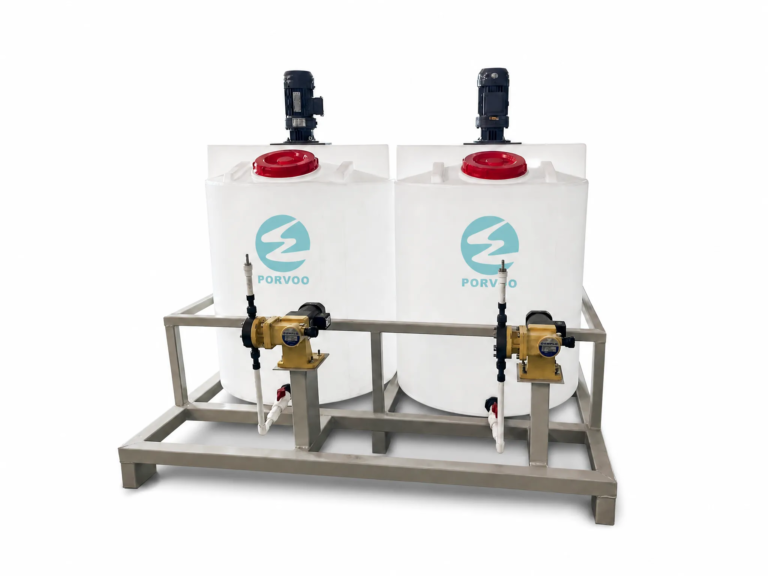
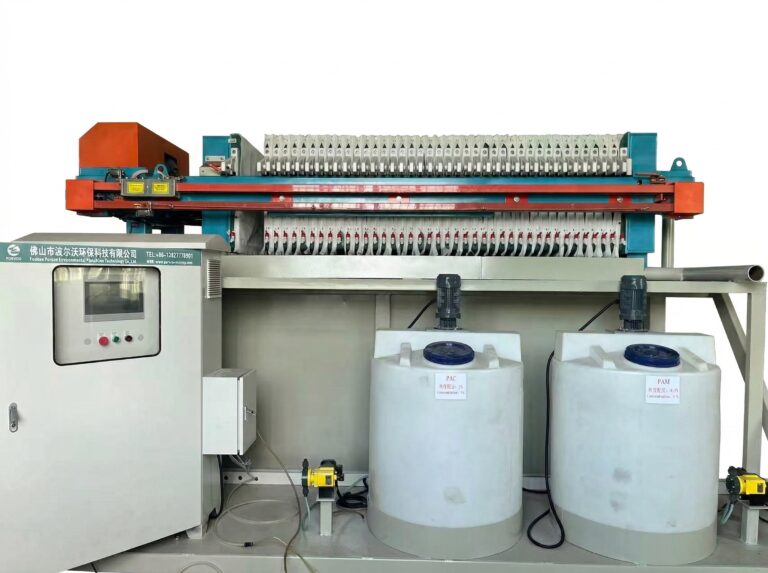
A Интеллектуальная система дозирования химических веществ PAM/PAC Настройка с использованием уставных значений, привязанных к параметрам, позволяет заранее определить реакцию системы дозирования на превышение определенных пороговых значений, а не полагаться на субъективное решение оператора в данный момент. Практическое требование заключается в том, чтобы логика дозирования была откалибрована с учетом фактической гидравлики отстойника и измеренной задержки между дозированием и реакцией в точке отбора проб на выходе — эти показатели можно установить только во время ввода в эксплуатацию в реальных условиях нагрузки, а не взять из типовых технических характеристик оборудования.
Не следует использовать один универсальный показатель качества для всех случаев повторного использования
Риск, связанный с использованием единого общесистемного показателя качества, носит асимметричный характер в зависимости от того, в каком направлении он отклоняется от нормы. Если он установлен в соответствии с самыми строгими требованиями на предприятии — допусками линии доочистки — вода очищается до уровня, который не требуется на участке подготовки шлама и на этапах промывки корпусов, что приводит к увеличению расхода химикатов, количества циклов забора воды и нагрузки на систему утилизации осадка без соразмерной выгоды для этих этапов. Если же он установлен на среднее значение, чтобы избежать чрезмерной очистки, это может незаметно допускать условия, наносящие ущерб наиболее чувствительной последующей стадии, не вызывая при этом никакой реакции, поскольку собственный порог системы был откалиброван относительно эталона с более низкой чувствительностью.
Ни один из этих сбоев не бросается в глаза сразу. Случай чрезмерной очистки проявляется постепенно в виде роста эксплуатационных затрат и объема осадка, причем ни то, ни другое, как правило, не связывают с принятым решением о целевых показателях качества. Случай недостаточной очистки может выявиться только тогда, когда жалоба на качество продукции или появление визуальных дефектов на линии доочистки вынуждают провести расследование первопричин — к этому моменту же журнал аудита, необходимый для понимания того, какие условия качества фактически были обеспечены на данном этапе, может оказаться неполным.
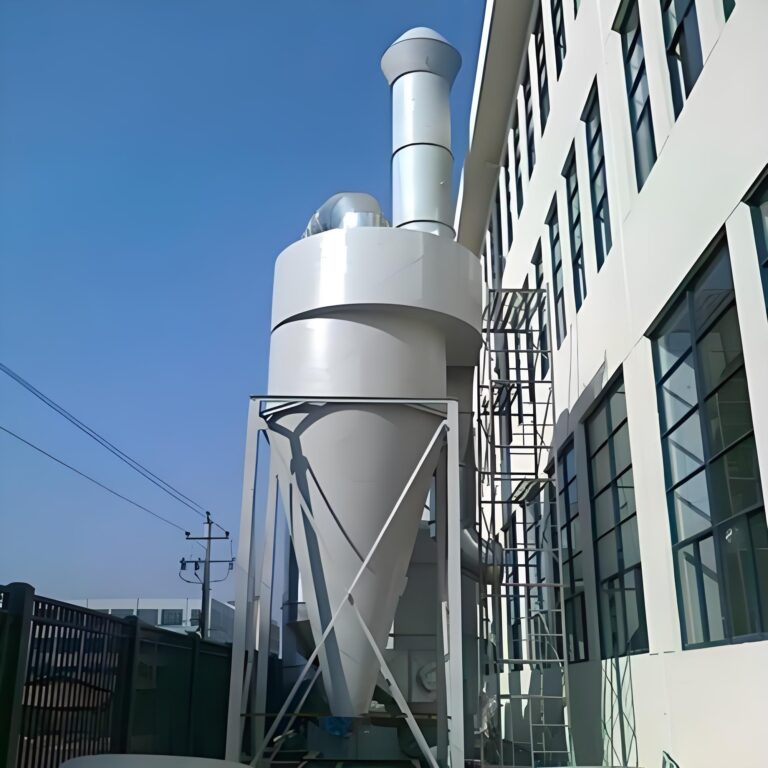
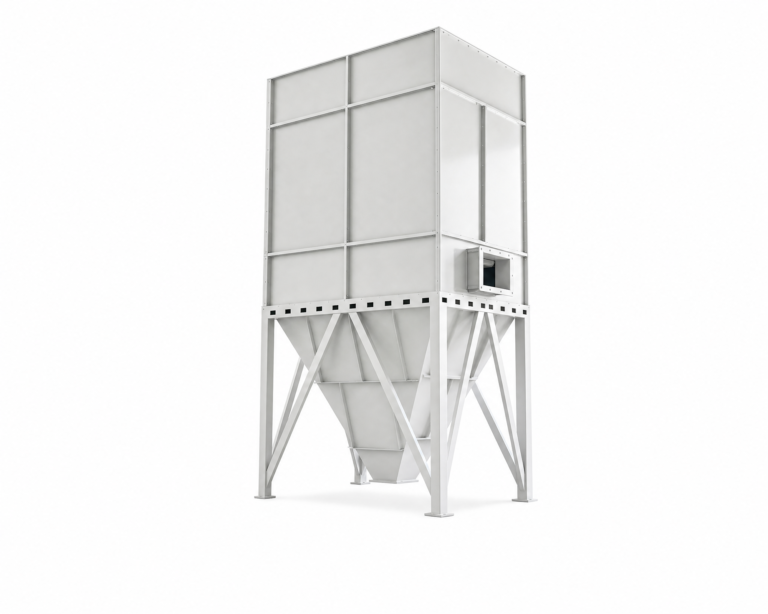
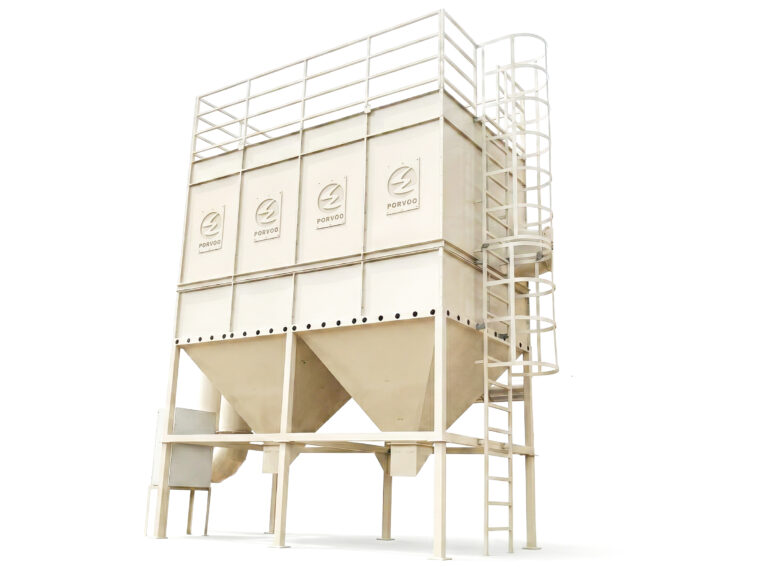
Практическая позиция проста: для каждого этапа производства, на котором используется повторно используемая вода, должны быть установлены собственные задокументированные допустимые пределы качества, собственные пороговые значения и собственная точка отбора проб. Если два этапа имеют действительно схожие допустимые пределы, они могут использовать один и тот же пороговый показатель. Однако такое сходство должно подтверждаться результатами анализа, специфичного для данного этапа, а не предполагаться по умолчанию. Для предприятий, рассматривающих возможность Вертикальная осадочная башня для рециркуляции сточных вод Поскольку отстойник является первичным этапом очистки, качество стоков на выходе из него необходимо соотносить с наиболее строгими требованиями принимающего объекта — а не с общими показателями качества для повторного использования — чтобы определить, достаточно ли одного прохождения через отстойник или требуется дополнительная доочистка перед резервуаром-накопителем. Соответствующие аспекты проектирования, касающиеся расчета размеров отстойника и времени пребывания, рассматриваются в Руководство по проектированию отстойников для заводов по производству керамики и камня.
Пересмотр целевых показателей при приеме продукции и в связи с сезонными изменениями
Показатели качества воды, согласованные на этапе проектирования, являются исходными значениями, а не постоянными техническими требованиями. Существуют три условия, при которых обязательно требуется повторная оценка: первоначальный приемку системы, сезонные изменения температуры, а также изменение объема производства или вида продукции.
При приемочной проверке системы заданные на этапе проектирования целевые показатели должны быть сверены с измеренными характеристиками при реальной эксплуатационной нагрузке. Если показатели общего взвешенного твердого вещества (TSS) или мутности в отстойнике отличаются от проектных допущений, пороговые значения, установленные исходя из этих допущений, возможно, потребуют корректировки до перехода системы на штатную эксплуатацию. Приемка системы без подтверждения того, что задокументированные целевые показатели достижимы в реальных условиях — а не только во время вводных испытаний с низкой нагрузкой — приводит к тому, что эти показатели остаются непроверенными и потенциально несоответствующими тому, что система может надежно обеспечить.
Сезонные колебания температуры влияют на химический состав воды таким образом, что эти изменения легко упустить из виду в системе, спроектированной и введенной в эксплуатацию в течение одного сезона. Более низкие температуры воды замедляют кинетику флокуляции, что может привести к увеличению мутности на выходе из осветлителя без каких-либо изменений в скорости дозирования; более высокие температуры летом могут стимулировать биологическую активность в резервуарах-накопителях, влияя на стабильность pH и мутность через механизмы, не связанные с нагрузкой твердых веществ. Руководство Агентства по охране окружающей среды США (EPA) по повторному использованию воды поддерживает общий принцип, согласно которому критерии качества воды для повторного использования требуют периодической переоценки по мере изменения условий эксплуатации — эта позиция в контексте плиточных заводов означает, что сезонные проверки следует рассматривать как рутинный этап эксплуатации, а не как исключительное событие.
| Условие запуска проверки | Что следует пересмотреть | Возможные последствия в случае отсутствия пересмотра |
|---|---|---|
| Первоначальный приём системы | Исходные показатели TSS, мутности и соответствия значениям pH | Непроверенные целевые показатели могут не учитывать риски, связанные с процессами |
| Сезонные изменения температуры | стабильность pH, потенциал биологического роста | Изменения качества воды, влияющие на качество плиточной отделки |
| Объем производства или изменение ассортимента продукции | Допуск на ступени приемки | Устаревшие целевые показатели, приводящие к дефектам или простоям |
Смена ассортимента продукции приводит к появлению менее предсказуемого повода для проведения проверки. Переход на формат плитки или тип глазури с иной чувствительностью поверхности может означать изменение допустимых пределов качества воды на линии полировки — ужесточение или смягчение требований в зависимости от нового химического состава технологического процесса — без каких-либо изменений в самой системе очистки.
Наиболее обоснованная система обеспечения качества вторичного использования на заводе по производству керамической плитки — это такая система, которая обеспечивает отслеживание каждого этапа производства вплоть до системы очистки: что допускается на данном этапе, где производится измерение, какой пороговый уровень вызывает реакцию и как эта реакция выглядит. Именно такая прослеживаемость — от чувствительности этапа приемки до размещения точек отбора проб, от пороговых уровней до корректирующих мер — позволяет управлению качеством функционировать как контролируемый процесс, а не как реактивный.
Перед вводом в эксплуатацию убедитесь, что пороговые значения для каждого этапа приема задокументированы отдельно, что точки отбора проб физически размещены и доступны в условиях эксплуатации, а также что реакции дозирования заранее настроены с учетом превышения конкретных параметров, а не зависят от ситуативной оценки. При приемочной проверке убедитесь, что система очистки достигает заданных показателей при реальной нагрузке, а не только при запуске. Эти проверки сложнее провести, а их доработка после ввода системы в эксплуатацию обходится дороже — именно поэтому решения должны приниматься на этапе проектирования, а не в первом квартале эксплуатации.
Часто задаваемые вопросы
Вопрос: На нашем заводе имеется только один контур повторного использования, питающий все этапы производства — применим ли в этом случае поэтапный пороговый подход, или он целесообразен только при наличии отдельных трубопроводов для каждого этапа?
A: Это правило по-прежнему действует, и в конфигурации с общей контуром оно имеет даже большее значение, а не меньшее. Когда одна контур обслуживает несколько этапов, целевое значение эффективного качества для всей контура по умолчанию соответствует самому строгому допуску среди всех последующих этапов — то есть линия полировки диктует условия и для зоны подготовки шлифовальной суспензии. Именно пошаговый анализ позволяет определить, является ли это ограничение управляемым или же оно вынуждает прибегать к избыточной обработке, которую можно было бы избежать, добавив даже минимальное разделение потоков. Без пошагового моделирования нет оснований для принятия решения о том, является ли общий контур приемлемым компромиссом или же это конструктивная проблема, которую стоит исправить.
Вопрос: После определения пороговых значений для предупреждения и прекращения эксплуатации, какой первый оперативный шаг необходимо предпринять, если во время производства значение какого-либо параметра действительно выходит за пределы диапазона предупреждения?
A: Необходимо немедленно применить заранее настроенную корректировку дозировки, а не принимать решение на основе мгновенной оценки ситуации. Предупредительная зона существует именно для того, чтобы обеспечить время на реагирование до достижения порога прекращения использования, но это окно будет полезно только в том случае, если корректирующие меры — какой параметр дозировки следует изменить, в каком направлении и на какую величину — уже задокументированы для конкретного случая превышения данного порога. Если меры реагирования приходится разрабатывать непосредственно во время события, гидравлическая задержка между изменением дозировки и появлением измеримого эффекта в точке отбора проб на выходе поглотит большую часть или всё доступное время. Именно калибровка этой задержки во время ввода в эксплуатацию при реалистичной нагрузке делает уровень предупреждения функциональным, а не номинальным.
Вопрос: В какой момент ужесточение нормативных требований к содержанию TSS на выходе из отстойника перестает приносить пользу, оправдывающую дополнительные затраты на переработку осадка?
A: Соотношение затрат и выгод меняется, когда дополнительное снижение содержания общего взвешенного вещества (TSS) на выходе перестает коррелировать с измеримым улучшением на наиболее чувствительном этапе приема. Если показатель качества линии доочистки стабилизируется на уровне ниже определенного значения TSS — поскольку риск повреждения поверхности или образования отложений обусловлен мелкими коллоидными частицами, которые фиксируются показателем мутности, но не TSS, — то дальнейшее ужесточение целевого показателя TSS приводит к увеличению объема осадка, не устраняя при этом фактический механизм возникновения дефектов. Для выявления этой стабилизации необходимо сопоставлять показания TSS и мутности на выходе не только друг с другом, но и с конкретными результатами технологического процесса на каждом этапе. В случаях, когда эти два параметра расходятся при низких концентрациях твердых веществ, мутность, как правило, является более значимым показателем для этапов, чувствительных к повреждению поверхности, и целевой показатель TSS можно установить на менее строгом уровне без потери защитных свойств.
Вопрос: Как данные рекомендации соотносятся с простой реализацией общего промышленного стандарта повторного использования, а не с разработкой целевых показателей для каждого этапа с нуля?
A: Общий стандарт устанавливает обоснованный минимальный уровень, но не может заменить конкретные целевые показатели для отдельных этапов на заводе по производству плитки. Опубликованные нормативные документы, такие как «Руководство EPA по повторному использованию воды», определяют критерии качества воды для повторного использования в зависимости от категории применения в приемном объекте, а не с учетом тонких различий в технологических процессах между линией доочистки и резервуаром для приготовления шлама на одном и том же предприятии. Соответствие общему пороговому значению подтверждает, что вода очищена до признанного уровня; оно не подтверждает, что она соответствует тому, что фактически допускает конкретный последующий этап. Практический риск, связанный с опорой исключительно на общее значение, заключается в той же асимметричной несостоятельности, что и в случае с единым универсальным целевым показателем: это может привести к чрезмерным ограничениям для этапов, которые могли бы принимать воду более низкого качества, или к недостаточной защите этапов, где общее ограничение является более мягким, чем того требует технологический процесс.
Вопрос: Оправдано ли с точки зрения затрат создание отдельных точек отбора проб и пороговых уровней для каждого этапа производства на небольшом или среднем заводе по производству плитки, или такие затраты имеют смысл только на крупных предприятиях?
A: Стоимость контрольно-измерительного оборудования и документации в большей степени является фиксированной, чем зависит от масштабов производства, однако издержки, связанные с их отсутствием, прямо пропорциональны объёму производства и вероятности возникновения дефектов. Небольшое предприятие, эксплуатирующее линию полировки с общей контуром повторного использования, подвержено такому же риску, что и крупное — нарушение качества на поверхности готовой плитки не станет менее серьезным только потому, что завод меньше по размеру. Более актуальным вопросом является то, проводится ли на предприятии этап полировки вообще: заводы, ограничивающиеся промывкой заготовок и приготовлением шлифовальной суспензии, менее чувствительны к качеству поверхности и могут счесть достаточной более простую двухточечную систему мониторинга. При наличии линии полировки инфраструктура для отбора проб и определения пороговых значений не является необязательными накладными расходами — это минимальная основа для подтверждения того, что система повторного использования эксплуатируется в качестве контролируемого процесса.