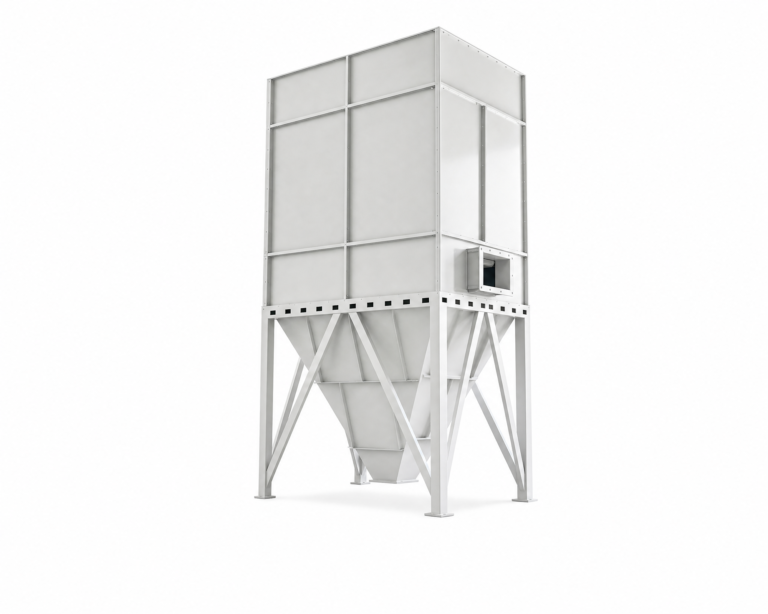
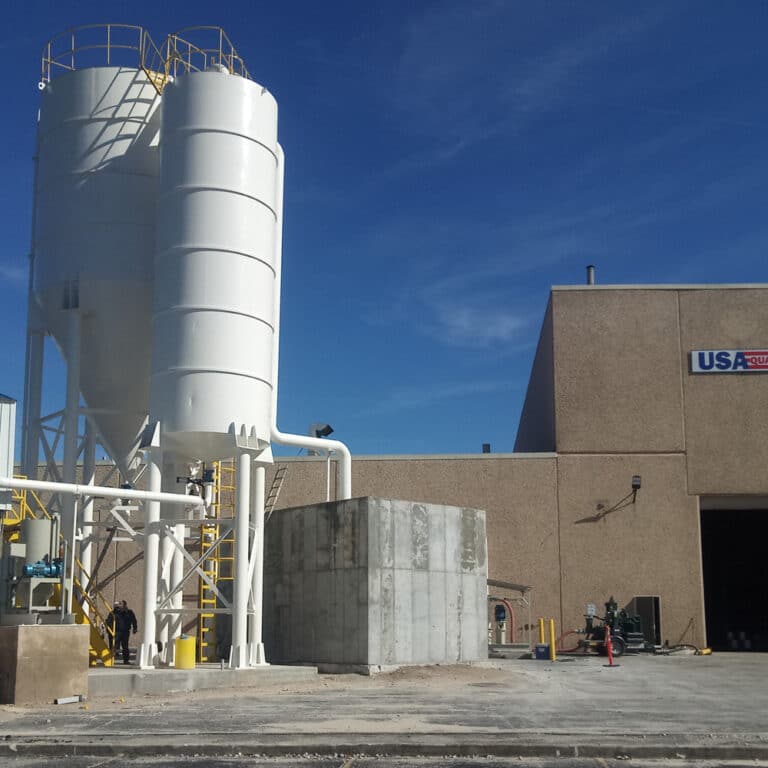
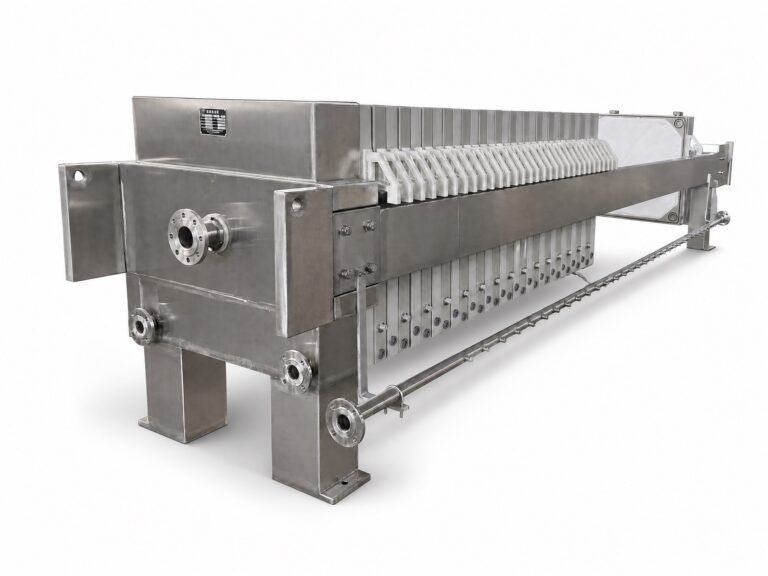
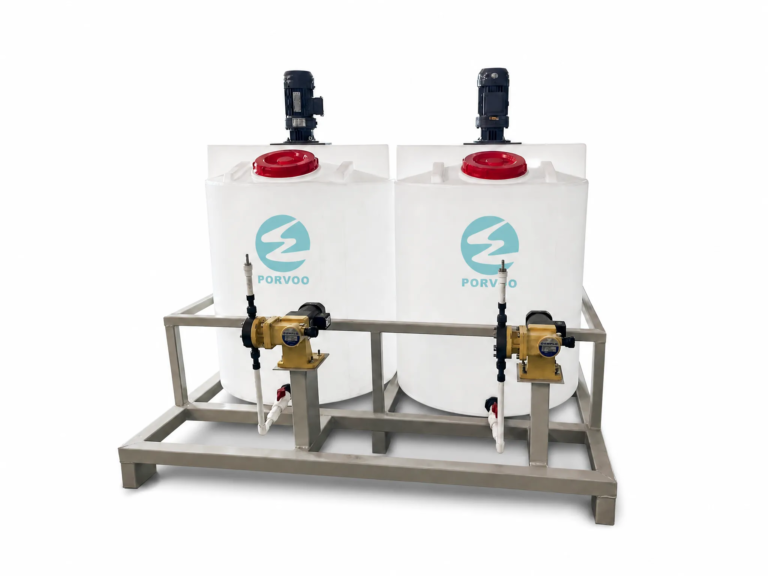
For a modular dust collector moving across borders, the commercial handoff and the physical receiving point can create different problems if they are not aligned before dispatch. DAP, DPU, and FCA change where the seller’s delivery obligation ends, who must coordinate unloading or carrier handoff, and where the buyer’s site team must be ready. The selected rule and named place shape the contract interface, while module arrangement, site access, lifting, and technical acceptance remain separate project matters. Resolving the rule against the named place and receiving plan before release reduces the risk of an arrival built on the wrong unloading assumption.
Why the Shipping Term Changes the Buyer’s Handoff Plan
The commercial handoff should be read from the incorporated Incoterm and named place, not from the acronym alone. The International Chamber of Commerce — Incoterms 2020 rules allocate cost, risk, and obligations between buyer and seller, but they do not automatically determine how a модульный импульсно-реактивный пылеуловитель will be packed, lifted, accessed, or accepted at the site. The ICC public page also does not determine collector packing, site access, lifting, customs, taxes, insurance, or PORVOO responsibilities. Buyers should therefore treat DAP, DPU, or FCA as one contract interface among several rather than a complete arrival instruction.
DAP vs DPU: The Unloading Difference to Resolve
The directly supported distinction is narrow but operationally important: under DAP, the seller does not unload and delivery occurs before unloading; under DPU, the seller unloads. That changes the buyer’s coordination scope even when the named place appears similar. The buyer should connect the agreed named place to unloading equipment, access, staging, and the confirmation of which party carries out the physical handoff. The exact division may still depend on the contract wording and named-place precision.
| Term | ICC-supported unloading point | Buyer-side project questions to confirm |
|---|---|---|
| DAP | Seller does not unload; delivery occurs before unloading | Named place, unloading party, equipment, access, staging, and arrival coordination |
| DPU | Seller unloads | Named place, unloading scope, site access, equipment interface, staging, and local constraints |
Resolve the unloading party and exact named place before the shipment arrives, not after the truck or container is on site.
Where FCA Requires Carrier and Document Coordination
FCA is best treated as a carrier-handoff coordination case, not a simple named-place arrival term. ICC identifies FCA as one of the Incoterms 2020 rules and describes an option for the buyer to instruct the carrier to issue an on-board bill of lading to the seller in a sea-carriage situation. The public rule page does not disclose the complete FCA duty allocation, so the buyer should verify the exact named place, loading, carrier, cost, risk, and document split against the incorporated rule text and the sales contract. Leaving FCA in shorthand can create an unclear handoff if the buyer assumes site-delivery coordination when the contract named a different point.
Turn the Agreed Term into an Arrival and Receiving Plan
Once the commercial term is confirmed, the buyer should convert it into a site-readiness cross-check. The arrival notice, transport documents, package identification, unloading readiness, staging space, and condition records need to be aligned with the confirmed handoff, not assumed from the Incoterm label. These are coordination questions; they do not automatically create obligations for either party unless the contract and incorporated rule state them.
| Confirmed contract element | Site or logistics item to align | Record to identify in the project package |
|---|---|---|
| Chosen Incoterm and named place | Actual handoff location and access constraints | Agreed contract wording and named-place reference |
| Unloading allocation | Unloading party, equipment, access, and staging | Responsibility confirmation and arrival plan |
| Carrier coordination | Contact, notice, and handoff sequence | Carrier and transport-document list |
| Module and packing arrangement | Package identification and receiving space | Approved packing list or module schedule |
Confirm the Named Place and Responsibility Split Before Dispatch
The shipping term should be confirmed as part of the contract package, not as a logistics afterthought. ISO 10006:2017 Quality management in projects supports tailoring project-quality arrangements to the characteristics and interested parties of a specific project. It is general guidance, not a shipping contract or logistics procedure, and it does not by itself allocate shipping duties or select an Incoterm. Buyers should reconcile the selected rule, named place, module/packing plan, site constraints, and responsibility matrix before order or dispatch. Unknown local customs, tax, insurance, legal, and carrier requirements require qualified project confirmation. For the wider project information and acceptance path, PORVOO’s Industrial Environmental Equipment Project Planning From Process Data To Performance Acceptance article may help connect commercial delivery decisions to the technical and acceptance sequence.
| Decision item | What must be confirmed | Почему это важно |
|---|---|---|
| Rule and edition | Exact Incoterm used | Prevents shorthand from replacing the incorporated rule |
| Named place | Precise contractual location | Anchors the agreed delivery point |
| Cost, risk, and obligation split | Contract-specific allocation | Identifies unresolved commercial interfaces |
| Unloading and staging | Agreed party and site readiness | Connects the commercial handoff to physical receiving |
| Carrier and documents | Required coordination and records | Aligns transport handoff with project documentation |
Часто задаваемые вопросы
Q: Does choosing DPU remove the need to plan unloading at our site?
A: No. DPU assigns unloading to the seller, but the project still needs an agreed named place and confirmation of access, unloading scope, equipment interfaces, and staging space. Resolve those site details with the commercial allocation before dispatch.
Q: We can receive the modules but have not arranged unloading. Is DAP enough to proceed?
A: DAP leaves unloading outside the seller’s delivery obligation, with delivery occurring before unloading. Confirm the unloading party, equipment, access, and arrival coordination in the project package before treating the receiving plan as ready.
Q: Can an FCA shipment provide the seller with an on-board bill of lading?
A: An optional agreement can allow the buyer to instruct the carrier to issue an on-board bill of lading to the seller for sea carriage. Confirm that arrangement with the carrier and contract; the exact FCA handoff, loading, cost, and risk allocation also needs the chosen rule text and named place.
Q: What should our purchasing and site teams agree before releasing the shipment?
A: Reconcile the exact rule and edition, named place, commercial responsibility split, module and packing arrangement, and receiving plan. Identify arrival notices, transport documents, package identification, staging, and condition records so the handoff is usable by both teams; technical acceptance remains a separate project matter.