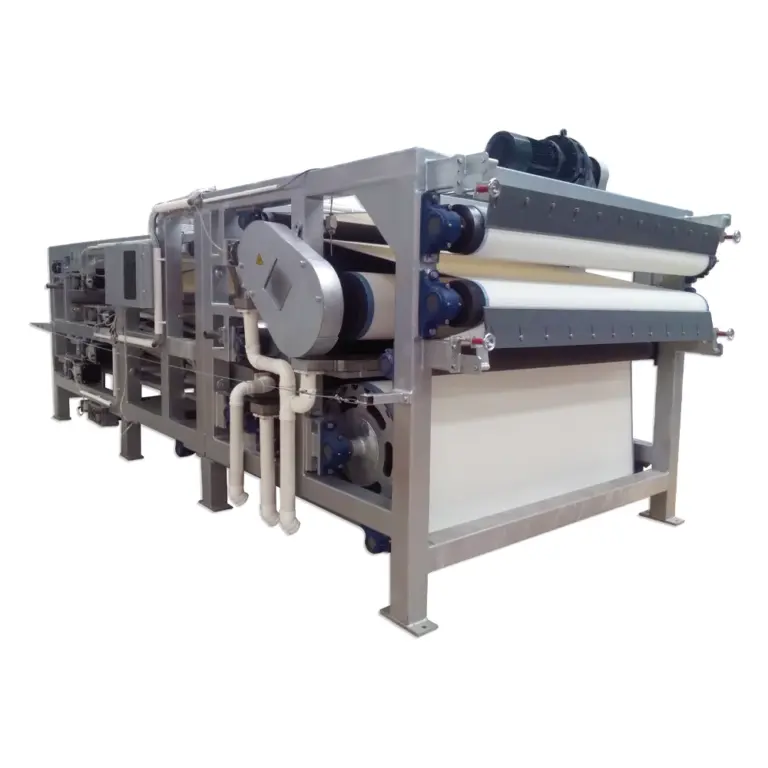
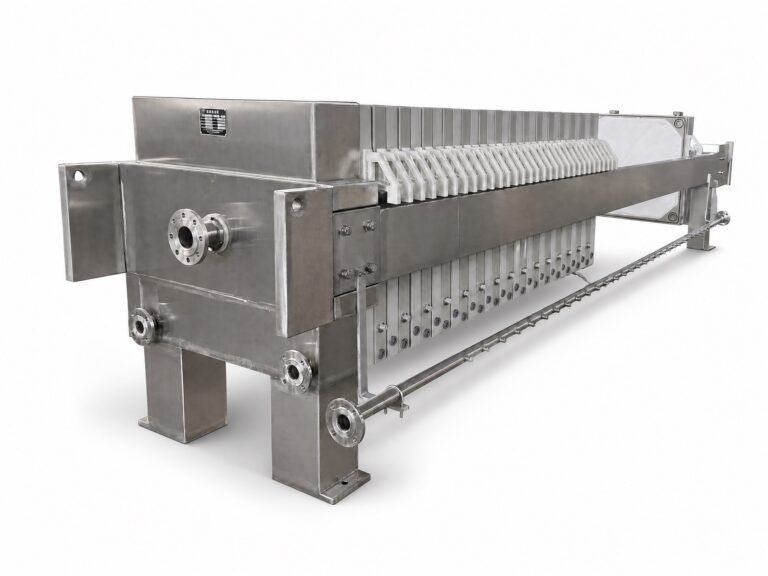
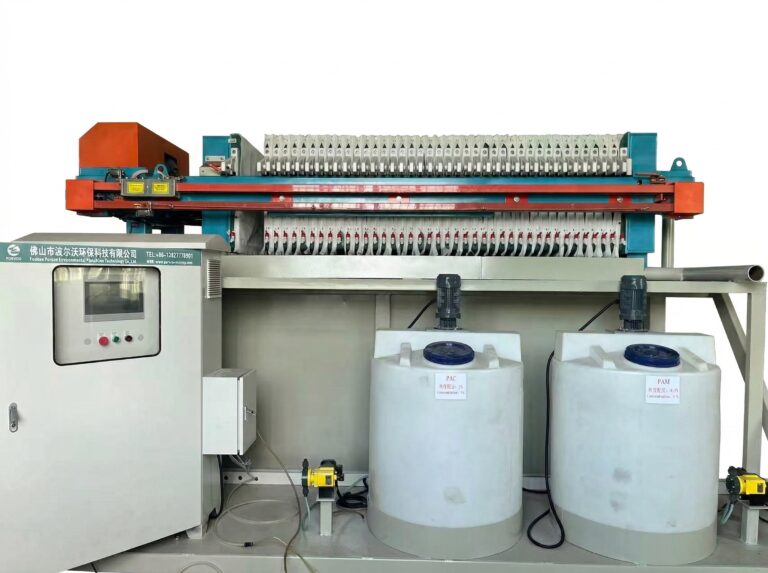
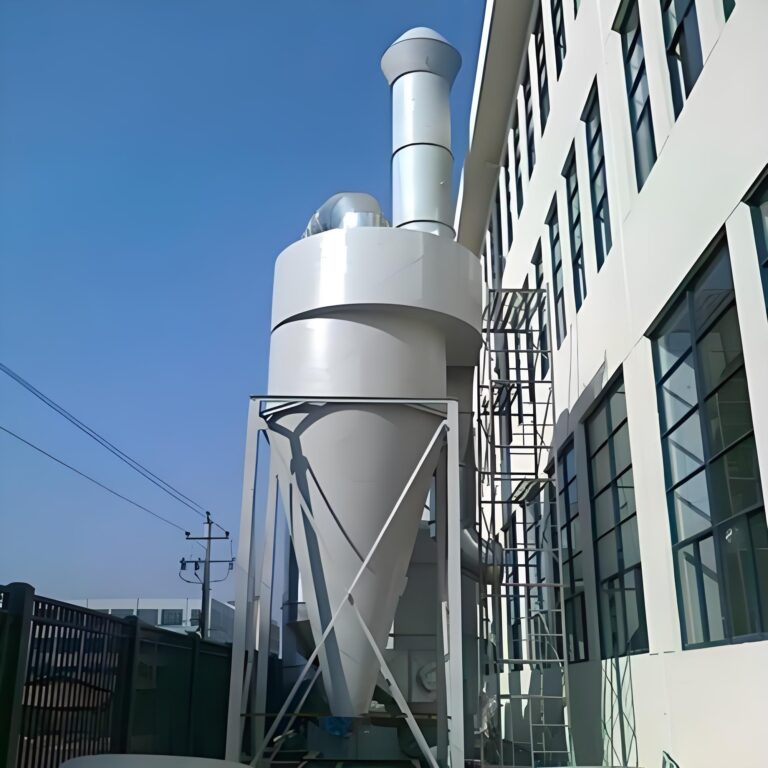
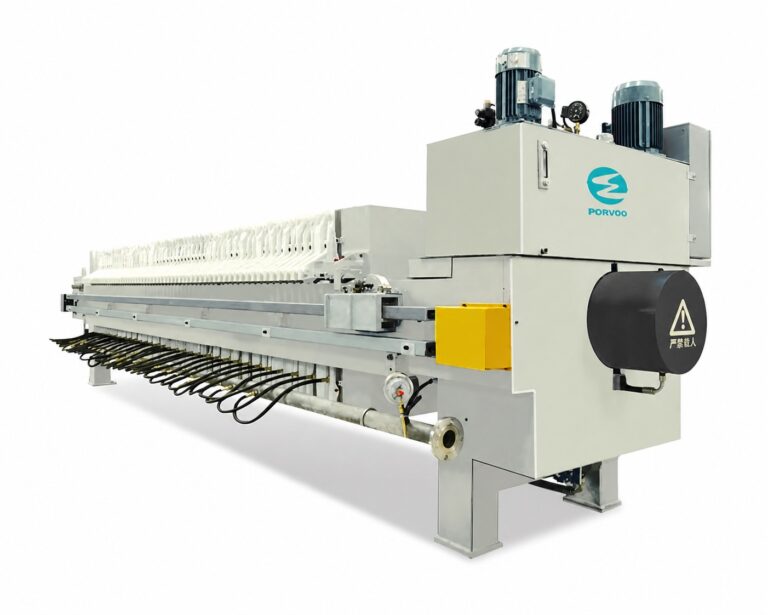
Stone cutting operations generate a wastewater stream that looks like fine slurry but behaves like liquid sandpaper moving through your treatment equipment. Procurement teams that specify a filter press without first characterizing the abrasive particle load frequently discover the problem at commissioning, when pump impellers begin showing accelerated wear and filter cloth fails within weeks rather than months. The cost consequence is not just a replacement cloth — it is unplanned downtime, diagnostic delay, and a retrofit to add pretreatment that should have been scoped from the start. Understanding where grit originates, how it damages equipment, and when a removal step is justified before pressing is what separates a durable installation from one that underperforms and overruns its maintenance budget.
Identify abrasive grit sources in stone cutting wastewater
Stone cutting produces wastewater that is fundamentally different from the fine particulate slurry generated by most other industrial processes. Sawing, grinding, and polishing operations release mineral fragments across a wide particle size range — from coarse chips displaced by blade contact down to fine silica dust carried in suspension. The coarser fraction tends to settle quickly in sumps and collection channels, but it does not disappear; it accumulates and re-enters the flow during surge events or agitation. The fine abrasive fraction stays suspended far longer and travels with the wastewater stream into downstream treatment equipment.
What makes this particularly relevant for treatment design is the density and hardness of the particles. Stone cutting generates fragments of granite, marble, sandstone, or engineered quartz composites — materials with specific gravities significantly higher than organic sludge and surface hardness that will score metal surfaces and abrade woven filter cloth. Mineral processing operations are well recognized as generating suspended solids with these abrasive characteristics, which is why particle characterization — not just total suspended solids measurement — is the correct starting point for treatment design.
The practical implication is that the grit load in stone cutting wastewater cannot be inferred from a TSS reading alone. A high TSS with coarse, dense mineral particles requires a different pretreatment approach than the same TSS composed of fine clay-like fines. Identifying particle size distribution and specific gravity before specifying any downstream equipment is the prerequisite that determines whether a simple screen suffices or whether a dedicated grit removal stage is warranted.
Check how grit affects pumps valves and filter cloth life
The damage path for unremoved grit follows the same sequence in most stone cutting installations: abrasive particles enter the feed system, accelerate through pump impellers, pass valves under pressure, and reach filter cloth that was designed to capture fine dewatered solids — not to resist abrasion from mineral grit. Each stage accumulates wear, but the cumulative effect only becomes visible once the damage is already significant.
Pump impeller wear is often the first symptom, though it is rarely diagnosed as a feed quality problem initially. Operators typically attribute reduced pump performance to mechanical age or seal degradation rather than tracing it back to abrasive particle loading in the feed. Valve seat scoring is similarly gradual and tends to manifest as increasing leakage and maintenance frequency before a direct connection to grit loading is made. Filter cloth damage is the most consequential failure because cloth replacement carries both direct material cost and dewatering downtime, and because a damaged cloth allows finer solids to pass into the filtrate stream, undermining the entire separation objective.
| Компонент | Effect of Unremoved Grit | Impact if Unaddressed |
|---|---|---|
| Насосы | Abrasive particles accelerate wear on impellers and seals | Reduced pump life, unplanned downtime |
| Клапаны | Grit scores valve seats and damages packing | Valve leakage, increased maintenance frequency |
| Фильтрующая ткань | Sharp objects and grit tear and abrade the cloth surface | Cloth replacement costs, risk of filtrate quality deviations |
The failure pattern worth flagging here is diagnostic delay. Because pump wear, valve degradation, and cloth damage each appear as separate maintenance problems, the root cause — grit loading in the feed — can remain unaddressed for an extended period. Each component is replaced on its own schedule while the underlying abrasive load continues. This is the mechanism by which skipping a grit removal step generates costs that dwarf the original capital avoided.
Decide when gravity vortex or hydrocyclone removal is justified
Not every stone cutting operation requires a full hydrocyclone or vortex grit chamber. The decision depends on particle size distribution and the volumetric load of abrasive material entering the treatment system, and the first question to answer is whether mechanical screening alone can handle what the process generates.
A general design figure used in screening practice is the 6 mm threshold: mechanical bar screens can reliably capture solids larger than approximately 6 mm, preventing large debris and coarse fragments from reaching downstream equipment. For stone cutting operations with controlled cutting processes and well-designed collection channels, a properly sized bar screen may be sufficient to protect pumps and cloth from the coarsest fraction. However, stone cutting characteristically produces a significant fine abrasive fraction — particles well below 6 mm — that passes through bar screens freely and continues to the filter press feed. This is the fraction that drives pump impeller wear and cloth abrasion over time, and it is the fraction that justifies a secondary removal stage.
| Способ удаления | Размер улавливаемых частиц | Цель защиты |
|---|---|---|
| Mechanical bar screen | >6 mm debris | Prevents filter cloth damage from large, sharp objects |
| Grit chamber / hydrocyclone | Fine abrasive grit (<6 mm) | Reduces pump and cloth wear, stabilizes feed consistency |
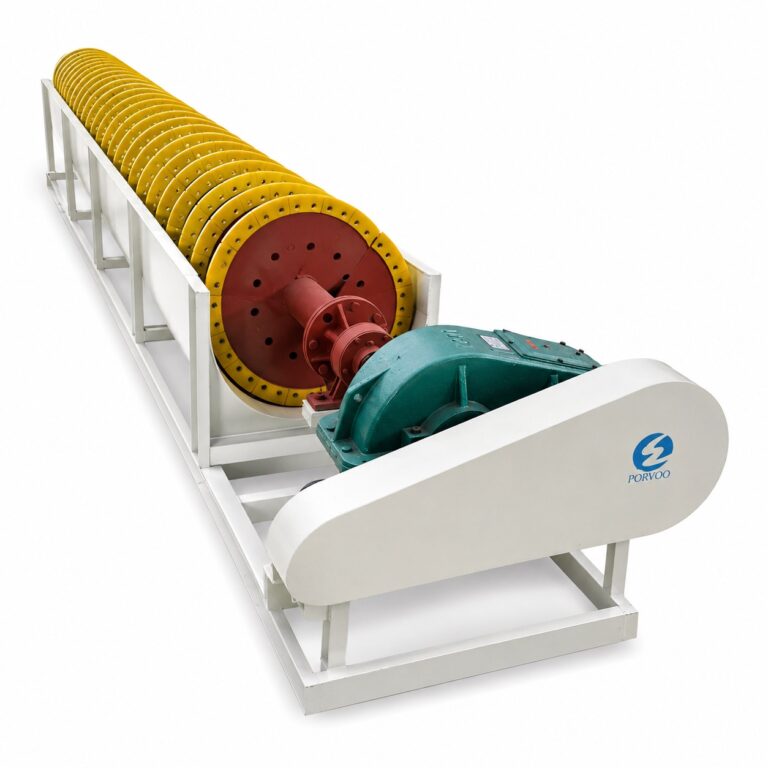
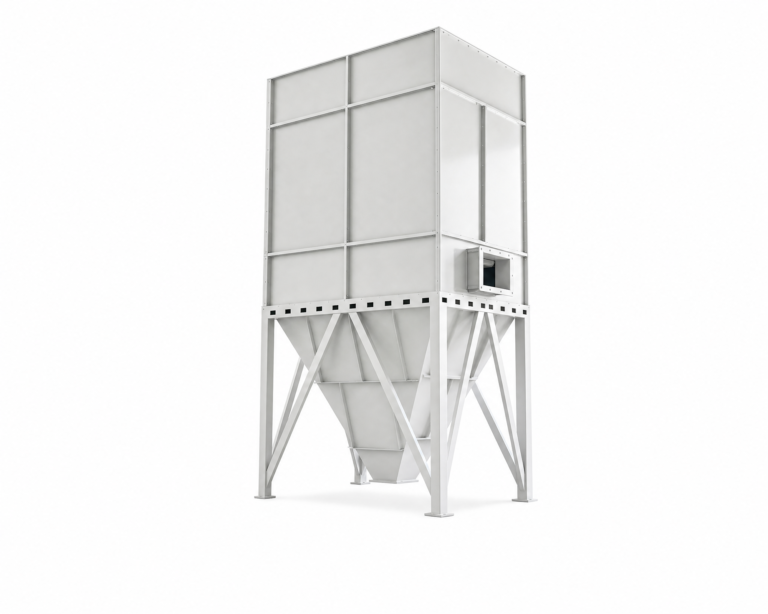
The decision threshold is not simply particle size — it is particle load combined with density. A low-volume operation cutting soft stone may generate a fine grit fraction that a correctly conditioned filter press can tolerate through polymer optimization and managed cloth replacement cycles. A high-throughput operation cutting granite or engineered quartz generates abrasive fines at a rate that will make cloth replacement intervals uneconomical without upstream separation. Vortex grit chambers work well where flow rates are relatively stable and particle density is high enough for gravity-assisted separation. Hydrocyclones are more appropriate where flow rates are variable or where a more compact footprint is needed. The practical criterion for justifying either is straightforward: if fine abrasive loading is high enough to shorten cloth life below the replacement interval that makes the press economical to operate, the removal stage pays for itself. For guidance on how these systems compare across performance criteria, Выбор системы удаления песка с крупными частицами: 8 важнейших критериев эффективности для муниципальных и промышленных применений provides a useful comparative framework.
Protect the filter press from oversized solids and unstable feed
A filter press is a dewatering device, not a size-reduction device. Its design assumes a feed stream where solids are within a manageable size range, particle characteristics are relatively consistent, and nothing in the feed will mechanically damage cloth under the operating pressures applied during a press cycle. When stone cutting wastewater enters a press without adequate upstream preparation, two problems occur simultaneously: oversized or sharp particles physically damage cloth on contact, and inconsistent particle size distribution destabilizes the cake formation process that makes dewatering efficient.
Feed instability is worth treating as a distinct risk from simple cloth damage. A filter press operating on a feed with inconsistent particle size distribution tends to form uneven filter cakes — areas where fine particles blind the cloth and areas where coarse particles create preferential flow channels. The result is variable moisture content in the discharged cake, inconsistent cycle times, and a need for more frequent operator intervention to manage press performance. This is often misread as a polymer dosing problem or a press configuration issue when the actual source is upstream feed quality.
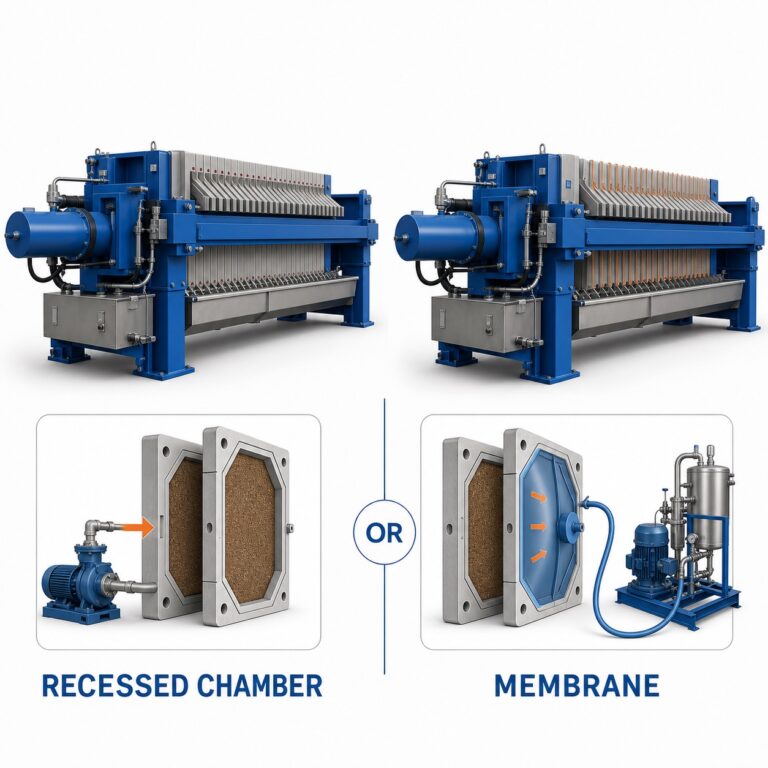
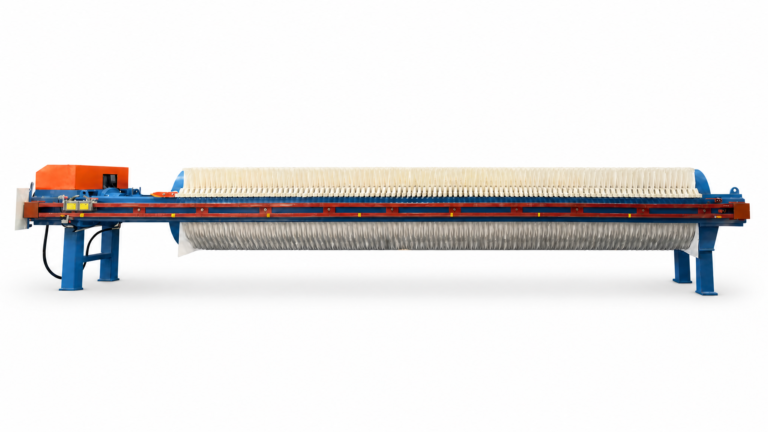
The operational prerequisite is that wastewater entering a пластинчато-рамный фильтр-пресс с углублением should be screened to remove debris and oversized solids before the feed pump. Where stone cutting operations produce coarse fragments or sharp chip material, grinding the coarse fraction before screening is an option worth evaluating, but in most cases properly staged upstream removal is cleaner and more maintainable than grinding. The key design principle is that the press should receive a feed stream characterized enough to allow stable cake formation — and characterizing that stream before specifying press parameters is a prerequisite, not an afterthought.
Monitor filtrate solids after upstream separation changes
When a grit removal stage is added or reconfigured upstream of a filter press, the solids loading reaching the press changes — sometimes in ways that improve performance and sometimes in ways that require adjustment to polymer dosing or press cycle parameters. Monitoring filtrate solids quality after any upstream separation change is the practical way to verify that the system is performing as intended and to detect whether the press is now working on a meaningfully different feed.
Filtrate monitoring is not a regulatory obligation in this context; it is a verification check. If upstream grit removal is functioning correctly, filtrate solids should stabilize or improve as the press is relieved of abrasive loading that was previously passing through cloth and appearing in the filtrate. If filtrate solids increase after a separation change, it may indicate that fine particles previously trapped in the grit fraction are now reaching the press feed at higher concentrations, requiring polymer dosing adjustment. ASTM D5907-18, which provides standard test methods for filterable and nonfilterable matter in water, offers a recognized measurement framework for quantifying these changes in a consistent way — useful when comparing baseline filtrate quality against post-modification performance without introducing measurement variability.
The practical timing of this check matters. Operators should establish a filtrate quality baseline before making upstream changes, then re-measure at a consistent point after changes are stable. Monitoring only after a problem surfaces misses the diagnostic window where early adjustments are inexpensive. A single filtrate quality comparison taken too soon after a process change — before the system reaches steady state — can also produce misleading results that trigger unnecessary interventions.
Balance grit removal cost against press downtime and cloth replacement
The capital cost of a grit removal system is visible at procurement. The savings it generates are distributed across the operational life of the press and rarely appear in a single budget line, which is why this trade-off is consistently underestimated during project cost comparisons.
The investment logic is straightforward in principle: grit removal reduces the rate at which abrasive loading attacks cloth, pump internals, and valve seats. Each of those components has a replacement cost and a downtime cost associated with failure. Reducing failure frequency extends the intervals between replacement events and reduces unplanned operational interruptions. The challenge is that maintenance savings are probabilistic and spread over years, while the capital outlay for grit removal is certain and immediate. Procurement teams working under capital budget pressure routinely trim what appears to be an optional pretreatment step — and the downstream consequence typically surfaces in the first operational year as elevated cloth replacement frequency, increased wash water consumption, and higher operator attention for belt tracking and scraper adjustment.
| Операционный фактор | Без удаления песка | С удалением песка |
|---|---|---|
| Belt inspection & maintenance frequency | Frequent, due to higher risk of debris damage | Reduced, as abrasive load is lowered |
| Wash water consumption | Higher, to keep belt clean of accumulated fines | Lower, less blinding and residue buildup |
| Operator attention | High, more tracking adjustments and scraper checks | Reduced, more stable operation |
| Cloth replacement interval | Shorter, from tears and accelerated wear | Longer, less mechanical damage |
The honest framing of this trade-off is that grit removal does not eliminate cloth replacement or pump maintenance — it shifts those activities to a lower frequency and a more predictable schedule. The value is operational reliability and reduced total cost of ownership, not a guarantee of specific savings. Quantifying that value for a specific installation requires knowing the expected abrasive load, the cloth replacement cost, and the downtime cost per event — inputs that should come from the feed characterization step, not from generic benchmarks. For a broader view of how grit removal fits into a complete heavy-solids treatment sequence, Процессы очистки сточных вод на предприятиях с высоким содержанием твердых частиц addresses the sequencing logic that governs cost-effective pretreatment design.
Lock the pretreatment requirement before press quotation
The most consequential planning error in stone cutting wastewater treatment is finalizing a filter press quotation before the pretreatment scope is confirmed. A press specification produced without a defined upstream pretreatment configuration is technically incomplete — it describes equipment optimized for a feed condition that has not been guaranteed to exist.
The downstream consequence of this omission is not always immediately obvious. A press will be quoted, sized, and delivered against assumptions about feed solids characteristics. If those assumptions are not protected by confirmed upstream pretreatment, the press may operate against a feed that contains abrasive particles and inconsistent solids loading from the first day of commissioning. Retrofitting grit removal after installation is significantly more expensive than building it into the original scope — both in equipment cost and in the cost of diagnosing and managing the performance shortfall in the intervening period. The удаление крупных частиц песка equipment scope should be defined before the press is quoted, not treated as a scope addition to be resolved later.
| Pretreatment Requirement | Why It Matters for Press Performance | What to Confirm Before Quotation |
|---|---|---|
| Просеивание и удаление песка | Prevents cloth damage, pump wear, and unstable feed | Specify grit removal equipment and screen size in pretreatment scope |
| Кондиционирование полимеров | Ensures consistent floc formation and avoids cloth blinding | Confirm polymer type, dosing system, and integration with upstream grit removal |
Polymer conditioning sits alongside grit removal as a pretreatment requirement that must be confirmed before quotation. Polymer type, dosing concentration, and mixing integration all affect floc characteristics entering the press — and those characteristics directly govern dewatering performance and cloth blinding risk. If grit removal changes the particle size distribution reaching the polymer dosing stage, the polymer specification may also need adjustment. Both requirements belong in the pretreatment scope review, not in a post-installation troubleshooting process.
The central judgment this article is designed to support is sequence: characterize the grit load first, determine what removal method is appropriate, specify pretreatment explicitly, and then finalize the press quotation. Reversing that sequence — quoting the press first and treating pretreatment as an optional add-on — produces a system that appears complete on paper but is exposed to accelerated wear, unpredictable maintenance costs, and dewatering performance that is difficult to stabilize without retrofitting equipment that should have been included from the start.
Before issuing or accepting a press quotation for a stone cutting wastewater application, confirm that the pretreatment scope includes a defined screening threshold, a grit removal method matched to the expected particle size distribution and abrasive load, and a polymer conditioning system that has been specified with the upstream separation configuration in view. These are not optional refinements — they are the conditions under which a filter press can perform reliably and deliver the dewatering economics it was sized to achieve.
Часто задаваемые вопросы
Q: Does this guidance apply if the stone cutting operation is small-scale or intermittent rather than a continuous high-throughput process?
A: Scale and intermittency affect the threshold for justifying a dedicated grit removal stage, but they do not eliminate the underlying risk. A low-volume or batch operation cutting soft stone may generate abrasive fines at a rate manageable through optimized polymer conditioning and a shorter cloth replacement cycle, without a full vortex chamber or hydrocyclone. However, the particle characterization step — measuring size distribution and specific gravity, not just TSS — remains necessary regardless of scale. Without it, there is no reliable basis for deciding that grit removal is unnecessary; the conclusion is simply assumed rather than established.
Q: Once grit removal is operating and the filter press is running stably, what should be done if cloth life is still shorter than expected?
A: The first check should be whether the grit removal stage is actually capturing the fine abrasive fraction, not just coarse material. Shortened cloth life after pretreatment is added often indicates that the removal method is sized or configured for larger particles while sub-6 mm abrasive fines continue to reach the press feed. A particle size analysis of the press feed — taken after grit removal — will confirm whether the fine fraction has been adequately reduced. If it has, the cause of short cloth life shifts to feed consistency issues such as variable solids loading or polymer conditioning, which require separate investigation.
Q: At what point does adding a grit removal stage stop improving filter press performance and begin creating diminishing returns?
A: Grit removal reaches its practical ceiling when the remaining solids reaching the press are fine enough and consistent enough that cloth wear is driven by normal dewatering pressure cycles rather than abrasion. Beyond that point, further separation refinement upstream does not extend cloth life meaningfully — the limiting factor becomes cloth material selection, press operating pressure, and polymer floc quality. The signal that this threshold has been reached is cloth failure patterns that are uniform across the cloth surface rather than localized at points of abrasive contact, combined with stable filtrate solids that no longer improve with upstream adjustments.
Q: Is a vortex grit chamber or a hydrocyclone a better investment for a stone cutting facility that has highly variable daily flow rates?
A: A hydrocyclone is generally better suited to variable flow conditions. Vortex grit chambers rely on relatively stable hydraulic residence time to achieve consistent separation by gravity, and their performance degrades when flow rates fluctuate significantly because the vortex pattern becomes unstable at off-design flows. Hydrocyclones generate centrifugal separation that is less sensitive to flow variation and can be staged or bypassed to match operating conditions. The trade-off is that hydrocyclones have higher energy input and more complex maintenance requirements than gravity-based vortex units, so the benefit of flow adaptability should be weighed against that operational cost for each specific installation.
Q: How should the cost of grit removal be presented internally to secure capital approval when the savings are spread across years of operation rather than appearing in a single line item?
A: The most effective framing is to convert expected cloth replacement frequency and press downtime into a per-year cost at current replacement and labor rates, then compare two scenarios: one with grit removal capital included upfront, one without. The scenario without grit removal will typically show lower year-one costs but accumulating maintenance and downtime expenses that cross the grit removal capital cost within the first two to three operational years. This approach makes the distributed savings visible as a concrete comparison rather than a probabilistic claim — and it anchors the conversation in the feed characterization data already collected, which provides the abrasive load inputs needed to make the cloth replacement frequency estimate credible rather than generic.