Elegir una mesa de corriente descendente húmeda sin un plan de gestión del agua aguas abajo es una de las formas más previsibles de convertir la adquisición de un sistema de control de polvo en un problema de mantenimiento de las instalaciones. La mesa captura el polvo de forma eficaz desde el primer día, pero los lodos que se acumulan en el depósito degradan silenciosamente el rendimiento de la captura a medida que aumenta la carga de sólidos, la calidad del agua se deteriora y los filtros de neblina obstruidos reducen el flujo de aire —a menudo antes de que nadie identifique la causa—. Las instalaciones que no han previsto en su presupuesto la capacidad de sedimentación, el acceso para la retirada de lodos o una conexión al sistema de tratamiento suelen descubrir estas carencias solo después de instalar la mesa, momento en el que las opciones de adaptación se ven limitadas por la distribución del espacio y el coste. Comprender qué requiere el material capturado tras su recogida es lo que determina si el equipo seguirá siendo funcional a lo largo de su vida útil.
Separar la suspensión de polvo capturado del agua de proceso habitual
El polvo capturado en una mesa de corriente descendente húmeda no desaparece simplemente en el suministro de agua, sino que se convierte en una suspensión con características físicas y químicas diferentes a las del agua limpia de proceso que circula por la misma unidad. Es importante tener clara esta distinción durante el diseño y el funcionamiento, ya que la suspensión que vuelve a entrar en el circuito de agua limpia puede reintroducir partículas finas en la corriente de aire, lo que reduce la eficiencia del lavado en lugar de mantenerla.
El mecanismo de separación varía según el diseño. En algunas configuraciones, el agua contaminada se separa de la corriente de aire mediante filtros de niebla, lo que permite que las partículas de polvo más pesadas se depositen en forma de lodo en la base de la cámara de recogida, mientras que el agua limpia vuelve al circuito de circulación. Este enfoque de circuito cerrado es la solución que propone un fabricante para el problema de la reincorporación; no es la única arquitectura posible, pero ilustra el requisito fundamental de planificación: el punto en el que el agua sucia se separa del agua utilizable debe definirse en las especificaciones, y no dejarse a la especulación.
La consecuencia práctica de no tener en cuenta esta distinción se manifiesta durante el funcionamiento habitual. Si la lechada se filtra en el agua que se suponía que debía estar relativamente limpia, el agua de lavado se va contaminando progresivamente con cada ciclo, y el rendimiento de captura medido en relación con las condiciones de diseño originales deja de ser fiable. La norma GB/T 15187-2017 establece un marco de ensayo para verificar el rendimiento de captura de los colectores de polvo húmedos, lo que la convierte en una referencia útil a la hora de confirmar si una unidad sigue funcionando según las especificaciones tras un periodo prolongado de servicio; sin embargo, no establece requisitos de diseño sobre cómo debe llevarse a cabo la separación internamente.
Plan de sedimentación y eliminación de lodos para la descarga de la mesa húmeda
Todas las mesas de corriente descendente húmeda generan lodos sedimentados. La cuestión a tener en cuenta no es si se acumulan lodos, sino a qué ritmo, en qué volumen y si la instalación dispone de un sistema de eliminación capaz de seguir el ritmo de producción.
Los sistemas de corriente descendente en seco ofrecen un contraste útil en este sentido: su menor carga de mantenimiento se debe, en parte, a que no es necesario reponer agua ni gestionar los sólidos sedimentados. Esa comparación no cuantifica la producción de lodos del sistema húmedo, pero enmarca la decisión correctamente: elegir una mesa húmeda implica aceptar desde el principio una obligación recurrente de eliminación de sólidos. Las instalaciones que tratan este aspecto como algo secundario suelen encontrarse con que el depósito de recogida se llena más rápido de lo previsto en el programa de mantenimiento, especialmente en aplicaciones de trituración o corte de alto rendimiento, en las que las partículas metálicas finas se acumulan rápidamente.
La frecuencia de retirada depende del tipo de material, el volumen de la pieza de trabajo y la geometría de la cámara de recogida, ninguno de los cuales es universal. Lo que sí es universal es que los lodos no retirados acaban reduciendo el volumen efectivo de agua en el sumidero, alteran la relación agua-sólidos y deterioran las condiciones hidráulicas de captura de las que depende la mesa. Si es necesario caracterizar los lodos para su clasificación a efectos de eliminación —especialmente cuando el material capturado incluye metales pesados u otras sustancias reguladas—, la norma ISO 5667-13 ofrece una metodología de muestreo pertinente para los lodos de origen industrial, aunque no regula el diseño de la mesa ni determina por sí sola la clasificación para su eliminación.
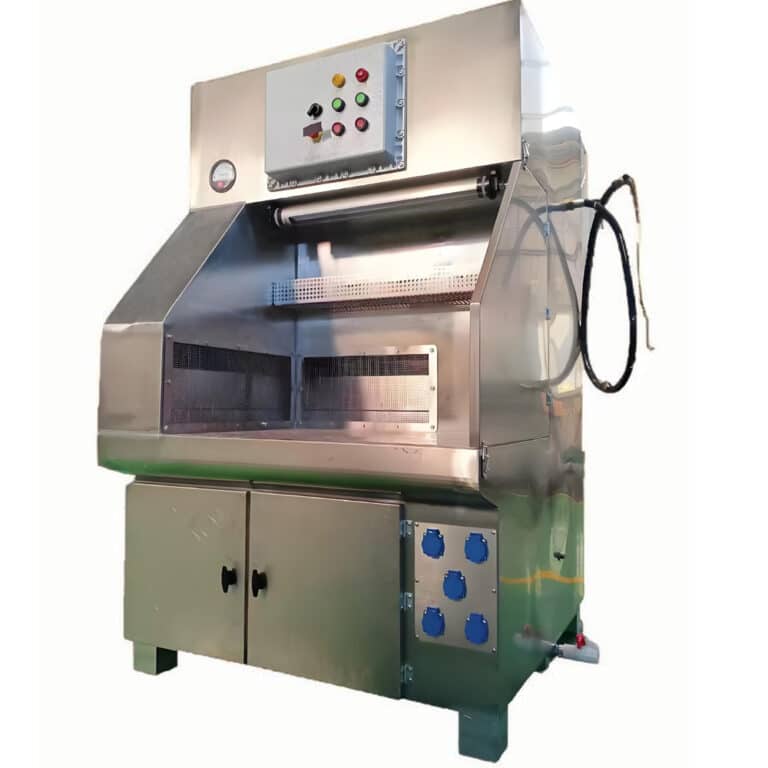
Para Mesas de esmerilado con extracción descendente para estaciones industriales de trabajo en seco y en húmedo, la reunión sobre la planificación del alta debería celebrarse durante la fase de diseño de las instalaciones, no después de la puesta en servicio.
Evita que la calidad del agua reduzca el rendimiento de la captura
La calidad del agua en una mesa de corriente descendente húmeda no es estática: cambia a medida que se acumulan sólidos, la evaporación concentra las sustancias disueltas y el agua de lavado recircula a lo largo de ciclos repetidos. El rendimiento de la captura es sensible a estos cambios de formas que no siempre son visibles hasta que la eficiencia ya se ha deteriorado.
El riesgo más inmediato es el aumento de la concentración de sólidos en el agua de recirculación. A medida que se acumulan las partículas finas y no se eliminan, el agua de lavado pierde eficacia a la hora de capturar partículas adicionales, y la corriente de aire que sale de la unidad puede transportar más polvo del que se había previsto en las especificaciones originales. El nivel del agua es una variable relacionada: si no se compensan las pérdidas por evaporación, el volumen disponible para el lavado disminuye y cambian las condiciones hidráulicas en la zona de captura. Algunos fabricantes abordan la gestión del nivel mediante sistemas de control automático con configuraciones de múltiples sondas diseñadas para mantener el volumen de agua dentro del rango de funcionamiento. Vale la pena verificar ese enfoque de diseño como elemento de las especificaciones al revisar el equipo, pero el control automático del nivel solo aborda una de las variables que afectan a la calidad del agua: no sustituye al cambio periódico del agua ni a la eliminación de sólidos.
La implicación operativa es que el control de la calidad del agua debe considerarse parte del protocolo de mantenimiento de la mesa, y no dejarse exclusivamente en manos de sistemas automatizados. Si el programa de mantenimiento de una instalación no incluye controles de la calidad del agua junto con los intervalos de retirada de lodos, el primer indicio de un deterioro en la captación podría ser una queja procedente del área de trabajo o un resultado anómalo en la medición de la calidad del aire, y ambos se producen más tarde que el problema subyacente.
Comprobar el acceso para la limpieza del depósito y la eliminación de sólidos
El acceso físico a la zona de recogida de lodos es un requisito técnico que a menudo se revisa demasiado tarde. Si no se confirman la geometría del sumidero, la configuración del desagüe o los puntos de acceso a la cámara antes de la compra, una cubeta que sobre el papel parezca funcionar correctamente puede plantear verdaderas dificultades de mantenimiento en la práctica.
Un enfoque de diseño utiliza una cubeta de lodos inclinada, colocada de manera que permita el acceso directo, ya sea mecánico o manual, a los sólidos acumulados. Esa configuración refleja la intención de facilitar la retirada rutinaria; la geometría específica varía según el fabricante, pero el criterio de acceso que permite —si el personal de mantenimiento puede retirar los lodos sin desmontar componentes principales ni trabajar en posiciones incómodas y con poco espacio— es un criterio de especificación válido independientemente de la unidad que se esté evaluando. A la hora de revisar propuestas de equipamiento o auditar sistemas instalados, la cuestión del acceso debe tratarse como un criterio de facilidad de mantenimiento, más que como una característica secundaria de comodidad.
Las consecuencias derivadas de un acceso deficiente se manifiestan de dos formas. En primer lugar, los intervalos de mantenimiento se alargan de manera informal debido a la dificultad de la tarea, lo que acelera la acumulación de lodos y el deterioro del sistema de captación. En segundo lugar, si la eliminación de lodos requiere finalmente vaciar todo el depósito o desmontar componentes, el tiempo de inactividad por cada operación de limpieza es significativamente mayor de lo que las instalaciones suelen tener en cuenta en la planificación de la producción. Comprobar el acceso durante la selección del equipo no supone ningún coste; sin embargo, adaptar el acceso tras la instalación suele estar limitado por restricciones estructurales.
Decide si el vertido se une al circuito principal de tratamiento
Una vez que los lodos están listos para su retirada, la instalación debe decidir la vía de eliminación que conecte la mesa de corriente descendente húmeda con la infraestructura general. Las dos vías principales —la retirada del sumidero en forma de lodos sedimentados y el drenaje en forma de lodos en suspensión hacia el sistema de tratamiento principal— conllevan distintos requisitos operativos y de coordinación.
| Método de eliminación | Descripción | Pregunta clave que hay que aclarar |
|---|---|---|
| Retirada del foso como lodos sedimentados | Los lodos se acumulan en el sumidero; se retiran de forma mecánica o manual. | ¿Permite el área de trabajo un acceso seguro y habitual para la retirada y la eliminación de los lodos? |
| Desagüe hasta la planta de tratamiento | Los lodos se descargan en forma de suspensión hacia el sistema de tratamiento de la instalación | ¿Puede la línea principal de tratamiento admitir y procesar esta suspensión sin que se produzcan interrupciones? |
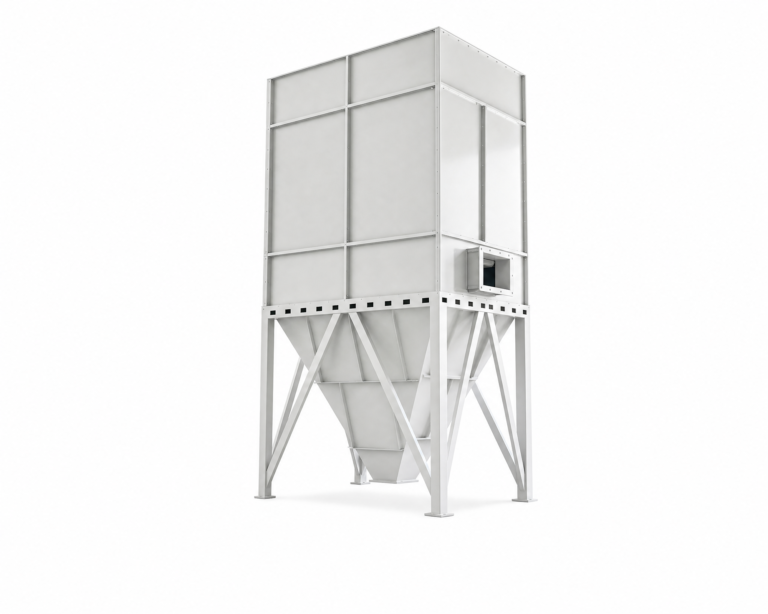
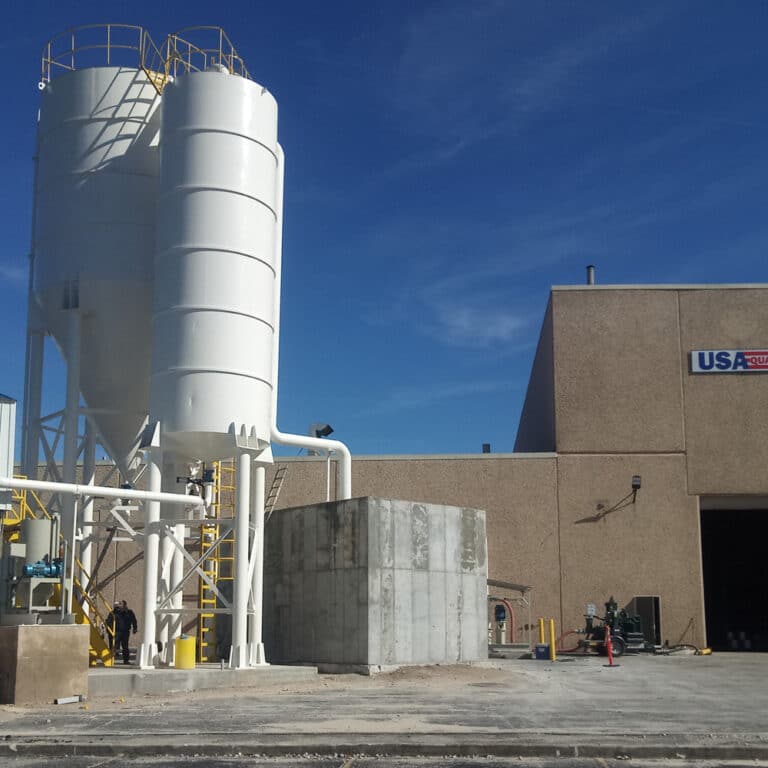
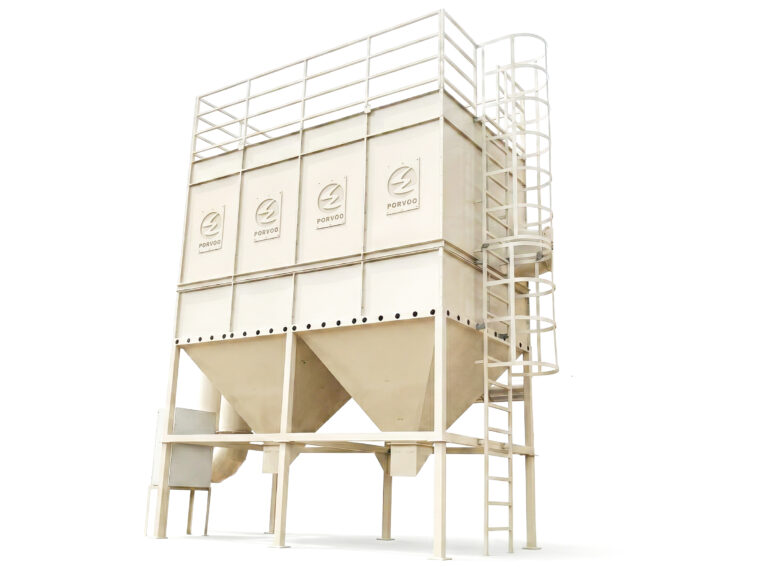
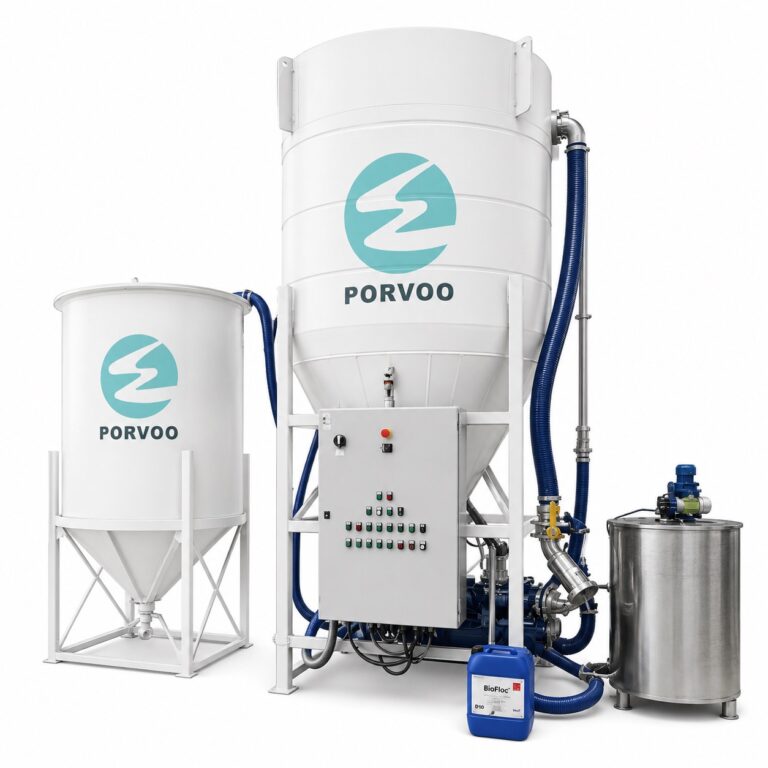
La elección no es meramente técnica. El vertido al circuito principal de tratamiento requiere que el sistema receptor pueda gestionar la carga de lodos entrante sin que ello afecte a su propio rendimiento. Es posible que un sistema de tratamiento dimensionado para aguas residuales de procesos generales no esté diseñado para gestionar la concentración de sólidos o la distribución del tamaño de las partículas procedentes de una aplicación de trituración o corte. Si un torre de sedimentación vertical Si ya forma parte del sistema de gestión del agua de la instalación, la cuestión de la integración radica en si dicha unidad está situada y dimensionada para gestionar el aporte adicional de lodos procedente de una o varias mesas de lavado, y si la carga de sólidos se ajusta a sus parámetros de diseño.
Los equipos de compras que no se coordinen con los sistemas de aguas residuales de las instalaciones antes de ultimar las especificaciones de la mesa corren el riesgo de descubrir un desajuste en la integración cuando la mesa ya esté en servicio. La consecuencia es o bien una costosa adaptación de las tuberías, un sistema de tratamiento que funciona fuera de su rango de diseño o que la instalación tenga que recurrir a la eliminación manual de los pozos de recogida como solución provisional; a veces, las tres cosas a la vez. Los recursos de la EPA sobre la reutilización del agua pueden informar sobre cómo se podría reciclar el agua recuperada dentro de la instalación una vez que el tratamiento esté en marcha, pero la cuestión previa de si la cadena de tratamiento puede aceptar el vertido es un problema de coordinación del diseño que debe incluirse en el alcance del proyecto antes de encargar el equipo.
Incluir en el mantenimiento los riesgos relacionados con los olores, la corrosión y los tiempos de inactividad
Una mesa de corriente descendente húmeda que funciona correctamente permite una captación controlada del polvo. Una mesa que no haya recibido un mantenimiento adecuado provoca daños por corrosión, olores debidos a lodos estancados o biológicamente activos, y paradas imprevistas que a menudo cuestan más de lo que habría costado el trabajo de mantenimiento original.
La corrosión es el riesgo más significativo desde el punto de vista estructural. Las superficies en contacto con el agua —depósitos de recogida, cámaras de lavado, vías de drenaje internas— están expuestas a lodos que pueden resultar químicamente agresivos en función del material que se procese. Los fabricantes abordan este problema mediante la selección de materiales y recubrimientos protectores: acero inoxidable de gran espesor para las superficies en contacto con el líquido, acero inoxidable de menor espesor para las zonas adyacentes no en contacto con el líquido y, en algunas configuraciones, recubrimientos epoxi homologados para entornos corrosivos industriales y marinos. Las opciones concretas varían según el fabricante y la aplicación, y la tabla siguiente muestra cómo estas decisiones sobre los materiales se corresponden con los riesgos que pretenden gestionar.
| Componente / Área | Material o tratamiento habitual | Contra qué protege |
|---|---|---|
| Superficies metálicas en contacto con el agua | Acero inoxidable de calibre 12 | Corrosión provocada por la inmersión constante en agua y por lodos agresivos |
| Superficies metálicas no en contacto con el líquido | Acero inoxidable de calibre 14 | Humedad ambiental y corrosión por salpicaduras |
| Componentes del exfoliante (opcionales) | Acero dulce o acero inoxidable soldado | Corrosión en zonas de matorral con alta humedad; el acero inoxidable ofrece una mayor resistencia |
| Revestimiento de la estructura general | Epoxi de dos componentes AmerLock-2 | Entornos industriales y marinos con altos niveles de corrosión |
El olor es una señal de mantenimiento, no solo una cuestión de comodidad. Los lodos que permanecen estancados en un sumidero sin ser retirados periódicamente pueden desarrollar actividad biológica o productos de descomposición química, dependiendo del material capturado. Cuando aparece el olor, suele indicar que ya se ha superado el intervalo de retirada. Considerarlo una molestia en lugar de una alerta de mantenimiento suele significar que los daños por corrosión y la degradación del rendimiento llevan más tiempo progresando de lo que se suponía.
Sobre el riesgo de explosión de lodos: algunas directrices de los fabricantes señalan que los lodos procedentes de la captura en húmedo, si se manipulan adecuadamente, no entrañan el mismo riesgo de ignición que el polvo capturado en seco procedente del esmerilado de metales reactivos. Se trata de una distinción significativa para la planificación de la seguridad, pero debe leerse con atención: la expresión ”manipulados adecuadamente” implica condiciones operativas reales, y las instalaciones que trabajan con metales reactivos deben confirmar los requisitos de manipulación de su material específico consultando la documentación de seguridad pertinente, en lugar de considerar la afirmación general como una autorización incondicional. El aspecto de la captura por aire de esta cuestión se analiza con más detalle en Cómo los sistemas de extracción descendente con agua evitan las explosiones de polvo según las consideraciones de la norma NFPA 484 para el esmerilado de metales reactivos.
Considera la captura en húmedo como una tarea tanto de control del aire como de gestión del agua
Una mesa de corriente descendente húmeda no es una unidad de tratamiento de aire que, casualmente, utilice agua. Se trata de un sistema que realiza simultáneamente funciones de control del aire y de gestión del agua, y su diseño debe permitir ambas cosas para que la mesa siga funcionando correctamente a lo largo del tiempo.
Algunas unidades están diseñadas como estaciones de trabajo totalmente autónomas: el sistema de captación de polvo con agua es interno, el aire filtrado se recircula de vuelta al espacio de trabajo en lugar de expulsarse, y el agua permanece dentro de la unidad en lugar de descargarse a un sistema externo. Esta arquitectura reduce la demanda de agua fresca y evita la necesidad de canalizar el vertido hacia una cadena de tratamiento, pero concentra la responsabilidad de la gestión de los lodos dentro de la propia unidad: los intervalos de retirada y el acceso interno cobran aún más importancia cuando no hay salida al exterior. Otras configuraciones incluyen combinaciones de filtros posteriores y eliminadores de neblina para capturar la neblina fugitiva a la salida de la corriente de aire, teniendo en cuenta que incluso un depurador húmedo bien diseñado puede generar gotitas de agua secundarias en suspensión que transportan partículas finas si no se controlan en el punto de descarga.
Los requisitos funcionales que se derivan de esta doble función deben confirmarse durante la fase de especificación, y no darse por sentados a partir de las descripciones de las categorías de productos.
| Requisito funcional | Característica a tener en cuenta | Beneficio |
|---|---|---|
| Captación de polvo en suspensión y control de la niebla | Combinación de filtro y eliminador de neblina | Captura el vapor fugitivo y mantiene la calidad del aire en el lugar de trabajo |
| Contención de agua y lodos | Sistema autónomo de recogida de polvo con agua | Recircula el agua, reduce la demanda de agua nueva y retiene los lodos |
| Tratamiento del aire con bajo consumo energético | Recircula el aire filtrado de vuelta al espacio de trabajo | Reduce los gastos de calefacción y aire acondicionado |
En el caso de las instalaciones que ya cuentan con una infraestructura de tratamiento de agua, es necesario comprobar si un desarenado de partículas grandes Es necesario un paso previo al sistema de tratamiento principal como comprobación relevante en una fase temprana, cuando la mesa húmeda va a descargar partículas de trituración de metal de mayor tamaño. La estructura de doble función también tiene implicaciones en la forma en que se mide el rendimiento de la captura: un protocolo de ensayo que evalúe únicamente la eliminación del polvo en suspensión sin tener en cuenta las condiciones del agua en el momento de la medición podría sobreestimar el rendimiento que la mesa ofrecerá de forma fiable en condiciones reales de funcionamiento.
La decisión de optar por una mesa de corriente descendente húmeda implica para la instalación una obligación paralela de gestión del agua que comienza el primer día de funcionamiento. Tanto si los lodos se retiran manualmente del sumidero como si se canalizan hacia la línea de tratamiento, es necesario definir la vía de retirada, la capacidad del sistema de tratamiento para recibirlos y el acceso interno a la mesa para su limpieza antes de adquirir el equipo, y no después de su instalación, cuando las deficiencias operativas ya sean evidentes.
Antes de ultimar un pliego de condiciones, hay que confirmar cuál es, de forma realista, el intervalo de retirada de lodos para el material y el caudal en cuestión; si la línea principal de tratamiento puede aceptar la descarga de lodos sin modificaciones; y si las superficies del equipo en contacto con el agua y la geometría de acceso se ajustan a las condiciones de mantenimiento que la instalación puede realmente mantener. La respuesta a estas tres preguntas, si se da en una fase temprana, determina si la mesa funciona como una solución de captación duradera o si se convierte en el cuello de botella de mantenimiento que se pretendía evitar al seleccionarla.
Preguntas frecuentes
P: ¿Qué ocurre si mis instalaciones no disponen de un sistema de tratamiento de aguas residuales al que conectar la mesa de extracción descendente húmeda?
R: Aún así, es posible utilizar una mesa húmeda si se opta por un diseño totalmente autónomo que recircule el agua internamente y capture el polvo en forma de lodos sedimentados para su eliminación manual. Por ejemplo, nuestro Mesa de esmerilado con extracción descendente para uso industrial en seco y en húmedo mantiene el agua dentro de la unidad y elimina la necesidad de un sistema de tratamiento externo. Si recurres a la eliminación de lodos fuera de las instalaciones, comprueba antes de la compra que una empresa autorizada para la gestión de residuos acepte el material y que tu equipo de mantenimiento pueda cumplir con la frecuencia de limpieza manual requerida.
P: ¿Cómo podemos calcular las tasas de acumulación de lodos para nuestra operación concreta antes de instalar una mesa de corriente descendente húmeda?
R: Calcule el caudal aproximado multiplicando la masa de material eliminado por turno por la eficiencia de captura de polvo prevista en la tabla (normalmente entre 0,85 y 0,95); a continuación, suponga que los sólidos capturados forman un lodo húmedo con un contenido de sólidos de entre 30 y 50% en peso. Divida la masa seca entre la fracción de sólidos para estimar el volumen de lodos húmedos. Utilice esta cifra para planificar los intervalos de retirada y confirme que su programa de mantenimiento pueda seguir el ritmo: una acumulación desatendida reduce rápidamente el volumen del depósito y merma el rendimiento de la captura.
P: ¿A partir de qué concentración de sólidos en suspensión se deteriora la calidad del agua hasta el punto de que ya no cumple los niveles de rendimiento establecidos en la norma GB/T 15187-2017?
R: La norma no establece un límite reglamentario concreto, pero la experiencia práctica demuestra que la eficiencia de captura disminuye de forma apreciable cuando los sólidos suspendidos totales (SST) superan aproximadamente entre 1 y 21 TP3T en peso en el agua de recirculación. Por encima de ese rango, el agua pierde su capacidad para humedecer y retener partículas finas de forma eficaz, y aumenta la rearrastrada. Programe el cambio de agua o el vaciado de lodos antes de que los SST alcancen este umbral para mantener el rendimiento dentro de las especificaciones de diseño.
P: ¿En qué se diferencian realmente las mesas de corriente descendente húmedas y secas en cuanto al coste total de propiedad a lo largo de 10 años?
R: Las mesas húmedas conllevan mayores costes recurrentes relacionados con la gestión de lodos, el tratamiento del agua y el control de la corrosión, pero eliminan la necesidad de sustituir los medios filtrantes secos y reducen los gastos derivados de la mitigación de explosiones en el caso de los metales reactivos. La menor carga de mantenimiento diario de un sistema seco puede verse contrarrestada por cambios de filtro más frecuentes y por la necesidad de contar con un sistema de ventilación antiexplosión cuando se procesan polvos combustibles. En el caso del polvo inerte de gran volumen, el sistema en seco suele resultar más rentable en términos de coste total; en cuanto a la molienda de aluminio o titanio, la ventaja en materia de seguridad que ofrece la mesa húmeda suele justificar el coste operativo adicional.
P: ¿En qué casos no merece la pena instalar una mesa de extracción descendente con sistema de lavado, aunque haya polvo?
R: Si el polvo es incombustible, no reactivo y se genera en pequeñas cantidades, una mesa de corriente descendente en seco con filtros de cartucho probablemente ofrecerá un mantenimiento más sencillo y un coste total menor. Una mesa húmeda también se convierte en una mala inversión cuando la instalación no puede mantener la rutina de eliminación de lodos —ya sea por falta de personal, limitaciones de espacio o presupuesto—, ya que los lodos acumulados degradan rápidamente la captación y convierten la mesa en un cuello de botella en el mantenimiento, en lugar de una solución de control fiable.