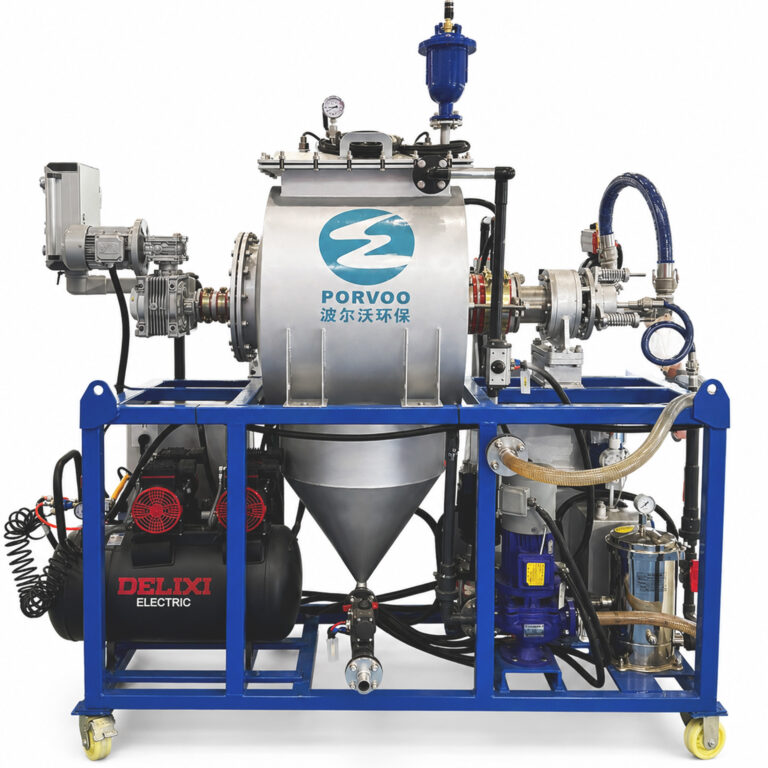
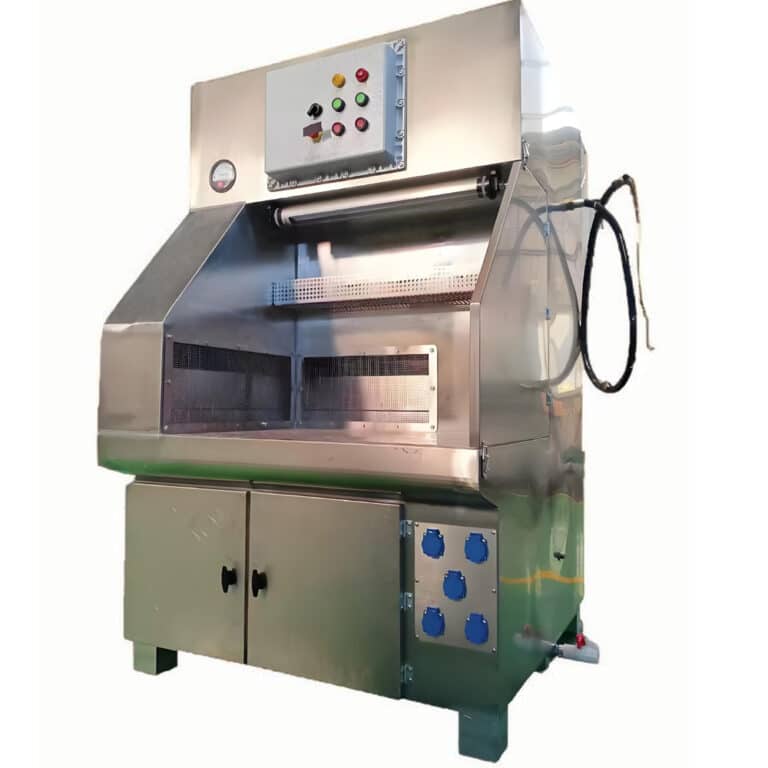
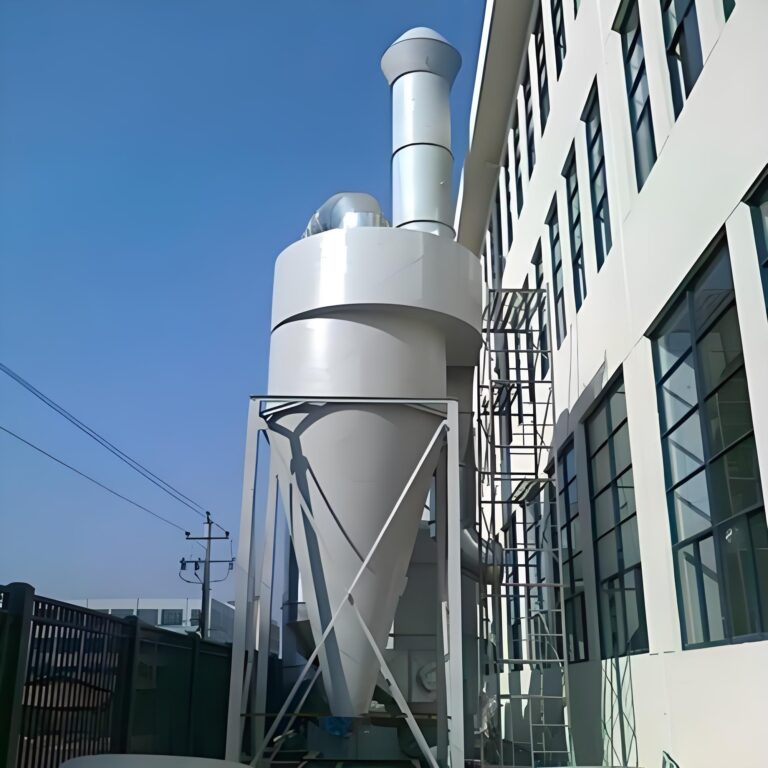
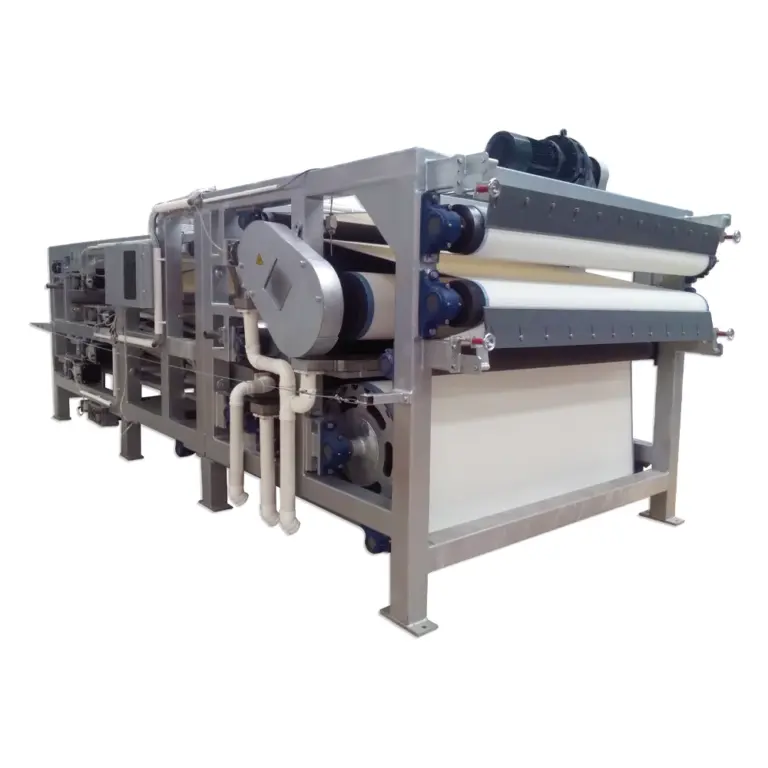
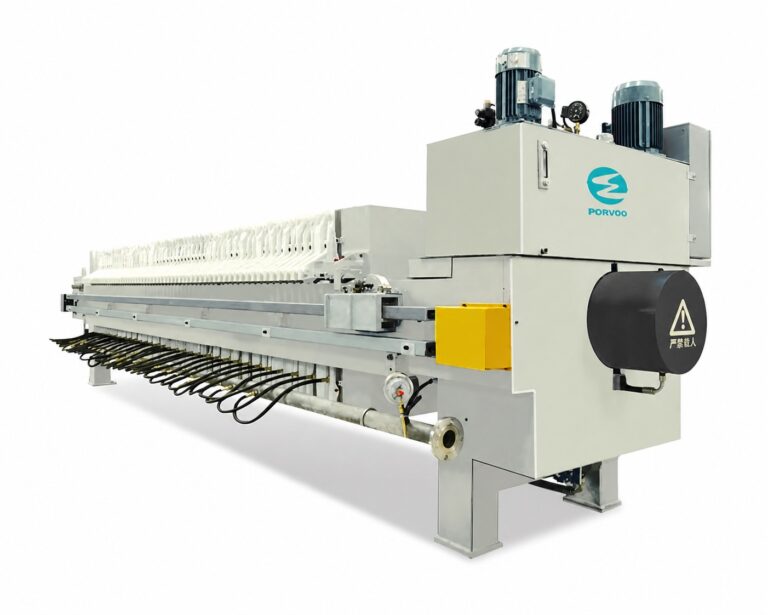
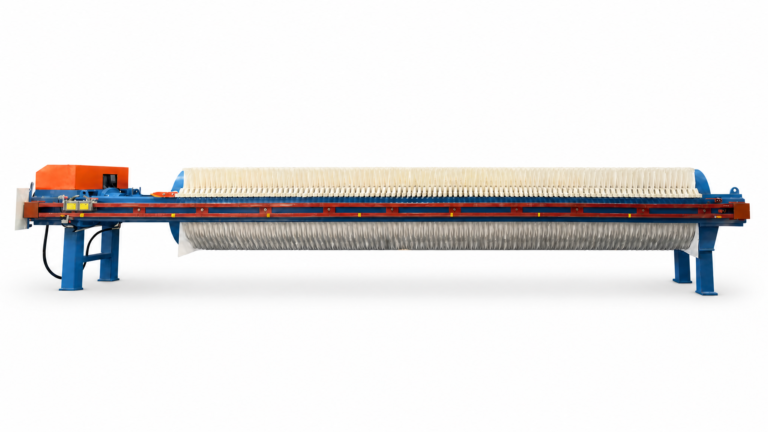
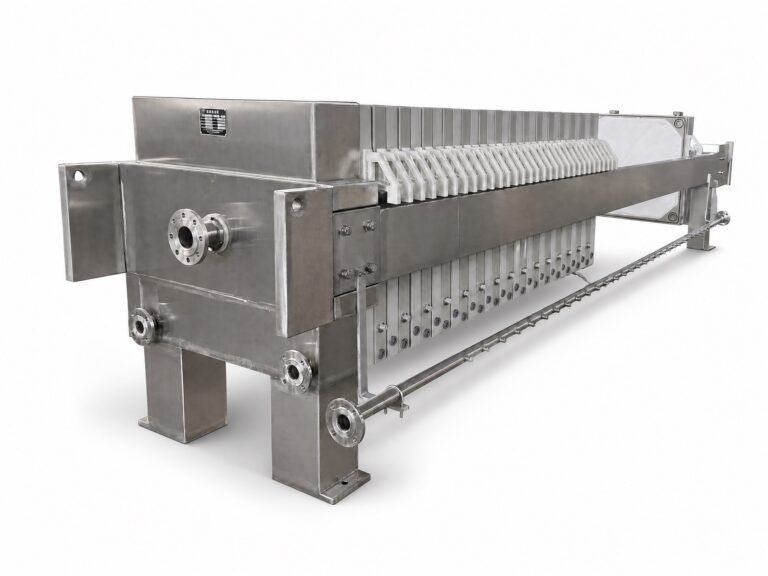
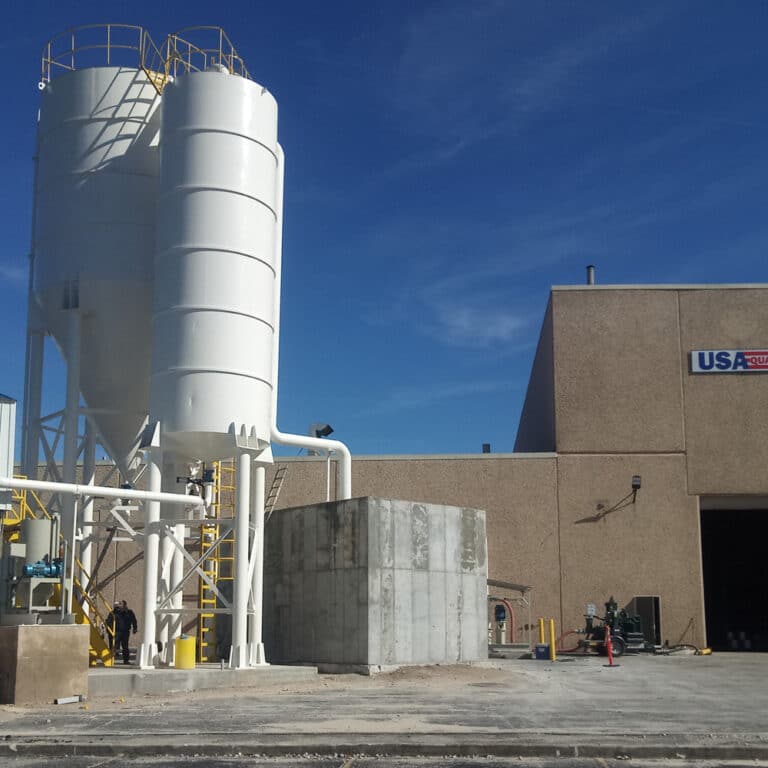
Los tanques de estabilización de tamaño insuficiente comprimen toda la cadena de tratamiento posterior. Los tanques de estabilización de tamaño excesivo permiten que los sólidos se asienten y lleguen al separador de láminas o a la etapa de dosificación en forma de masas discontinuas en lugar de una alimentación constante, lo que provoca picos de turbidez, inestabilidad de los flóculos y lotes de lodos más difíciles de deshidratar. El filtro prensa es donde se hacen visibles esas decisiones tomadas en las etapas anteriores: la torta húmeda, los tiempos de ciclo prolongados y el consumo excesivo de polímeros suelen ser síntomas de etapas descoordinadas en las fases previas, no de fallos en el filtro prensa. A continuación se presenta un análisis etapa por etapa de los puntos en los que las decisiones tienen consecuencias duraderas, para que pueda confirmar la lógica de secuenciación antes de especificar el equipo, en lugar de después de que la puesta en marcha revele las deficiencias.
Empieza por los sólidos en el agua de entrada, la arena, el pH y la variabilidad del caudal
La variabilidad del caudal en las instalaciones de cerámica y piedra no es un aspecto secundario del diseño: es la primera variable que puede estabilizar o, por el contrario, comprometer todo el proceso posterior. Las operaciones de trituración, pulido y corte generan aguas residuales por lotes, y la concentración de sólidos en suspensión puede variar drásticamente entre los cambios de turno, los ciclos de los equipos o los cambios de materia prima. Un tanque de ecualización absorbe esas fluctuaciones y suministra una alimentación constante al tratamiento posterior, pero solo si está configurado para mantener los sólidos en suspensión en lugar de permitir que se sedimenten y vuelvan a entrar en el sistema en forma de picos concentrados.
El problema práctico que plantea el dimensionamiento de los tanques de ecualización es que, con frecuencia, los equipos resuelven la cuestión de la variabilidad del caudal sin abordar plenamente la gestión de los sólidos dentro del propio tanque. En las instalaciones que manejan finos minerales pesados, suele ser necesaria la agitación —ya sea mecánica o neumática— para mantener una suspensión uniforme. Sin ella, un tanque de dimensiones adecuadas puede seguir suministrando sólidos de alimentación inconsistentes al separador de láminas o al punto de dosificación. Sobredimensionar el tanque para crear un tiempo de amortiguación adicional puede empeorar este resultado al reducir la velocidad y permitir que las partículas más finas se acumulen en el fondo entre intervalos de limpieza.
La variabilidad del pH agrava el problema de los sólidos, ya que el rendimiento del PAC es sensible al pH de entrada. Si la etapa de ecualización suministra una alimentación químicamente inconsistente, la etapa de dosificación no puede optimizarse únicamente mediante ensayos en jarra, ya que los resultados de los ensayos no reflejarán las condiciones de funcionamiento. Confirme el rango de pH y la concentración de sólidos en suspensión a lo largo de todo el ciclo de producción antes de determinar el volumen del tanque de ecualización, y considere la agitación como un parámetro de configuración que debe decidirse en función de la carga de sólidos medida, en lugar de omitirla porque el tanque parezca funcionar con normalidad durante la puesta en marcha.
Separar las partículas grandes antes del acondicionamiento químico
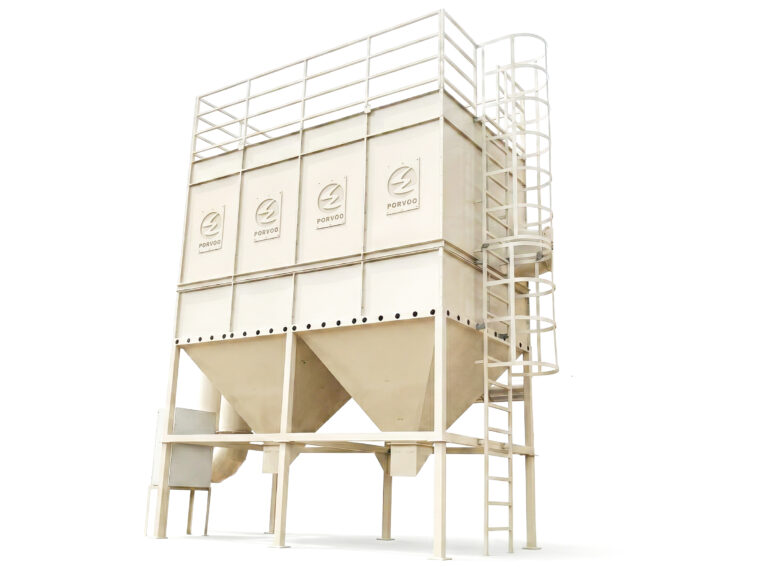
La dosificación de productos químicos no puede compensar la presencia de arena que no se haya eliminado. Cuando partículas gruesas —granos de arena, fragmentos minerales de gran tamaño, partículas de aglutinante no hidratadas— entran en un separador de láminas o en un tanque de sedimentación junto con sólidos en suspensión finos, aceleran el desgaste de los componentes móviles, provocan una acumulación desigual de lodos en la zona del embudo y pueden formar puentes físicos a través de los canales de las placas. El resultado es una reducción de la superficie efectiva de sedimentación y una extracción de lodos irregular, lo que se traduce aguas abajo en una separación deficiente de los flóculos y en lodos más espesos de lo esperado.
Los clarificadores de láminas pueden funcionar sin floculantes durante una primera pasada, lo que ofrece una oportunidad práctica: utilizar el clarificador como etapa de preacondicionamiento en lugar de dosificar productos químicos en una corriente mixta que contenga partículas lo suficientemente pesadas como para sedimentarse por sí solas. No se trata de una regla de funcionamiento universal —depende de la distribución del tamaño de las partículas y de la gravedad específica de los sólidos entrantes—, pero cuando el contenido en minerales es elevado, la ventaja de reducir la carga de partículas gruesas antes de introducir PAC y PAM puede traducirse en un consumo de productos químicos notablemente menor y una estructura de flóculos más predecible.
| Fase de pretratamiento | Método y condiciones | Ventajas antes de la dosificación de productos químicos |
|---|---|---|
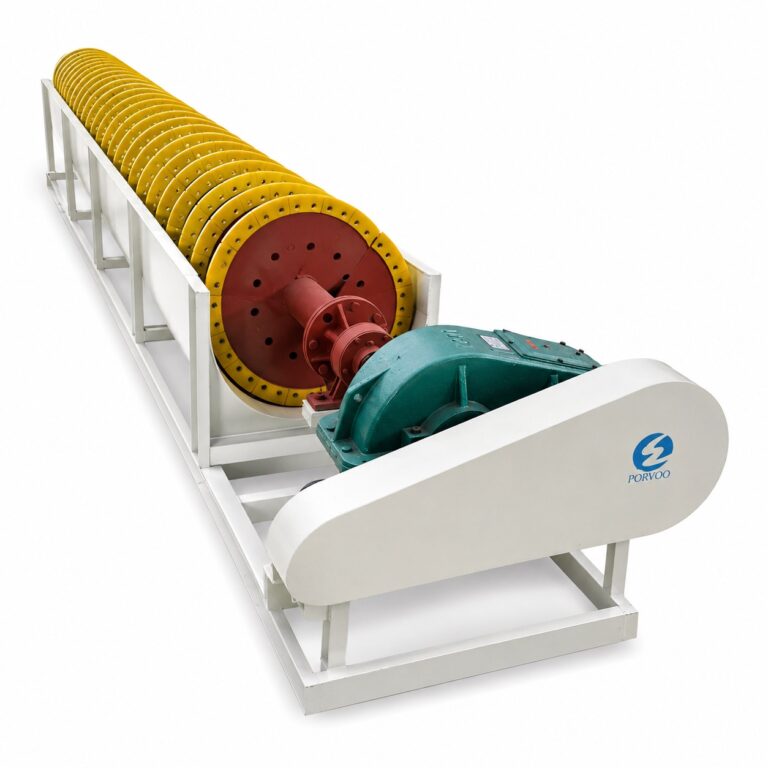
| Eliminación de partículas gruesas | El sinfín transportador retira los residuos de yeso de gran tamaño; se utiliza en las aguas residuales del yeso | Evita que las láminas se obstruyan y reduce la carga mecánica |
| Separación inicial de partículas finas | Clarificador de láminas que funciona sin floculantes | Reduce el consumo de productos químicos y mejora la sedimentación en las etapas posteriores |
El enfoque por etapas es especialmente importante en aplicaciones en las que se utilizan sinfines transportadores o clasificadores de tornillo para manejar residuos gruesos —una configuración habitual en las aguas residuales de yeso, donde el yeso sin fraguar debe separarse mecánicamente antes de que el separador de láminas reciba la fracción de partículas finas—. Combinar estos pasos de forma inadecuada —alimentando partículas grandes directamente a la etapa de acondicionamiento químico— traslada la carga al floculante para cubrir las lagunas que la separación física gestiona de manera más eficiente y con un menor coste operativo. El desarenado de partículas grandes Por lo tanto, la función es una decisión de secuenciación, no un simple complemento.
Ajustar la dosificación de PAM/PAC al proceso de sedimentación y a la extracción de lodos
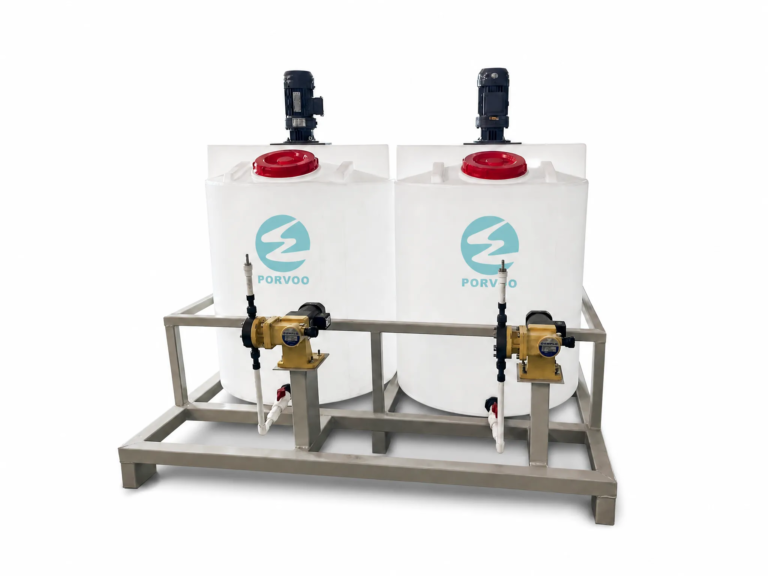
El acondicionamiento químico en el tratamiento de aguas residuales de la industria cerámica conlleva una mayor responsabilidad de la que la mayoría de los diseños de sistemas le atribuyen explícitamente. La etapa de dosificación influye en la velocidad de sedimentación, el volumen de lodos y —lo que es más importante— en el contenido de humedad de la torta que sale del filtro prensa. Este último aspecto se suele considerar una variable del rendimiento del filtro prensa, cuando en realidad es, en parte, una variable del acondicionamiento químico. Un floculante que forma flóculos ligeros y voluminosos puede lograr una buena eliminación de la turbidez, pero producir lodos que se deshidratan mal bajo la presión del filtro prensa, lo que aumenta la duración del ciclo y deja la humedad por encima de los umbrales de eliminación.
La combinación de PAC y PAM aniónico logra una eliminación superior al 90 % de la turbidez y los sólidos en suspensión en la mayoría de los flujos de aguas residuales cerámicas con los que se encuentra en la práctica. Ese valor de referencia es un punto de partida útil para el diseño del sistema, pero no un resultado garantizado: la composición química del efluente, la temperatura y la carga orgánica pueden alterar el rango de dosis eficaz. Las pruebas en jarra son el paso ineludible entre ese punto de referencia general y una especificación de dosificación específica para cada emplazamiento. También es el mecanismo que permite ajustar la selección de productos químicos al momento de la retirada de lodos: un floculante que se sedimenta rápidamente puede ser adecuado para un sistema con intervalos de retirada frecuentes, pero poco adecuado para un sistema en el que los lodos se retienen más tiempo antes del bombeo, lo que permite que la estructura de los flóculos se degrade y libere el agua atrapada de nuevo al sobrenadante.
| Factor de dosificación | Qué confirmar | Por qué es importante para la retirada de lodos |
|---|---|---|
| Combinación de PAC y PAM aniónico | Lograr una eliminación superior al 90 % de la turbidez y los sólidos en suspensión; eficaz en más del 90 % de los flujos de aguas residuales de la industria cerámica | Establece un nivel mínimo; si no se alcanza, se ve afectada la sedimentación y la calidad de los lodos |
| Selección del floculante | Comprobar el efecto sobre el volumen final de la torta de lodos y su grado de secado | Influye directamente en los costes de eliminación de residuos y en el rendimiento de la prensa de deshidratación |
| Prueba del frasco | Realizar pruebas en frasco para determinar el tipo y la dosis óptimos para cada flujo concreto | Evita la sobredosificación o la subdosificación, y garantiza que la sedimentación coincida con el momento de la extracción de lodos |
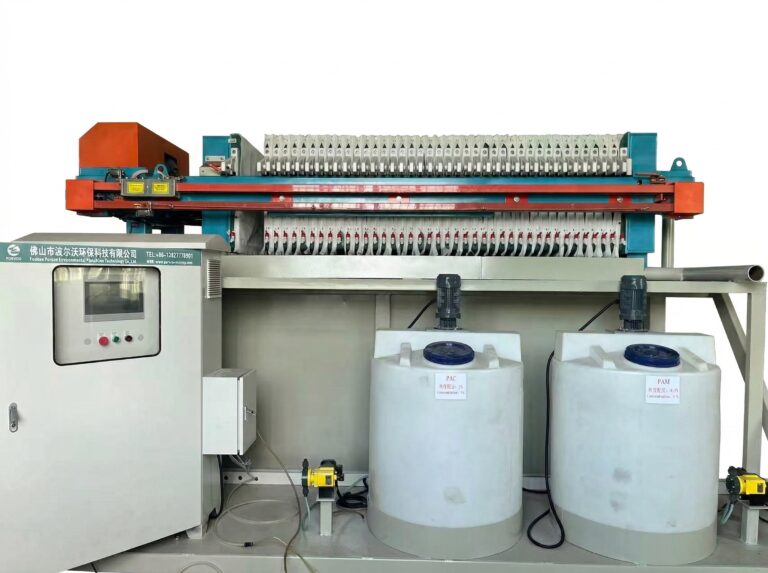
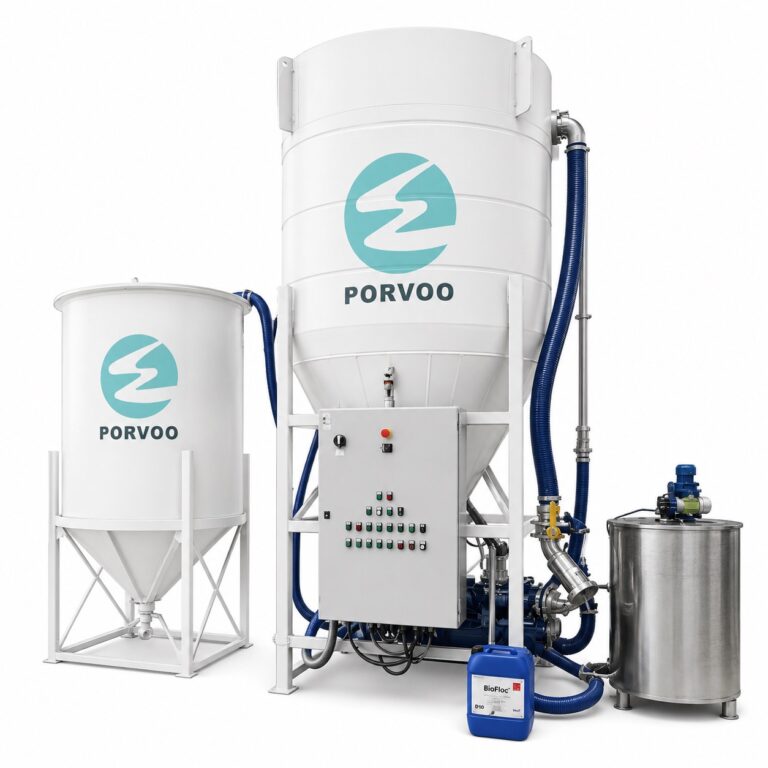
Conviene dejar claro, antes de construir el sistema, que la etapa de dosificación es responsable del grado de secado de la torta de lodos. Si la elección del floculante se realiza independientemente de las especificaciones del filtro prensa —un patrón de adquisición habitual cuando los paquetes de suministros civiles, mecánicos y químicos se contratan por separado—, es posible que el filtro prensa se especifique correctamente para el volumen de lodos, pero no para sus características de compresibilidad. Esa discrepancia solo se hace evidente en condiciones de funcionamiento y es difícil de corregir sin volver a realizar ensayos en jarra, ajustar el polímero o modificar los programas de ciclo del filtro prensa. El Sistema inteligente de dosificación de productos químicos PAM/PAC se encuentra en la intersección de esos dos resultados, y su configuración debe considerarse como una entrada común tanto para la fase de sedimentación como para la de deshidratación.
Para obtener una visión más amplia de cómo interactúan la coagulación, la sedimentación y el tratamiento de los lodos antes de la reutilización del agua, esta descripción general de los sistemas de dosificación de productos químicos y los clarificadores abarca la lógica de alineación a lo largo de toda la secuencia.
Suposiciones sobre el tamaño de filtración en torno a los lodos espesados, no en las aguas residuales sin tratar
El dimensionamiento de las prensas de filtro suele calcularse a partir de los caudales de entrada y de estimaciones generales de sólidos en suspensión en una fase temprana, cuando aún no se dispone de datos medidos sobre las características de los lodos. Ese proceso de toma de decisiones introduce un error que se acumula. La compresibilidad, la resistencia específica y el contenido de sólidos del lodo espesado —la alimentación real de la prensa— pueden diferir sustancialmente de lo que predicen los datos brutos de entrada, especialmente en instalaciones cerámicas donde la química de los coadyuvantes de molienda, la mineralogía y los residuos del horno de cocción influyen en el comportamiento del lodo.
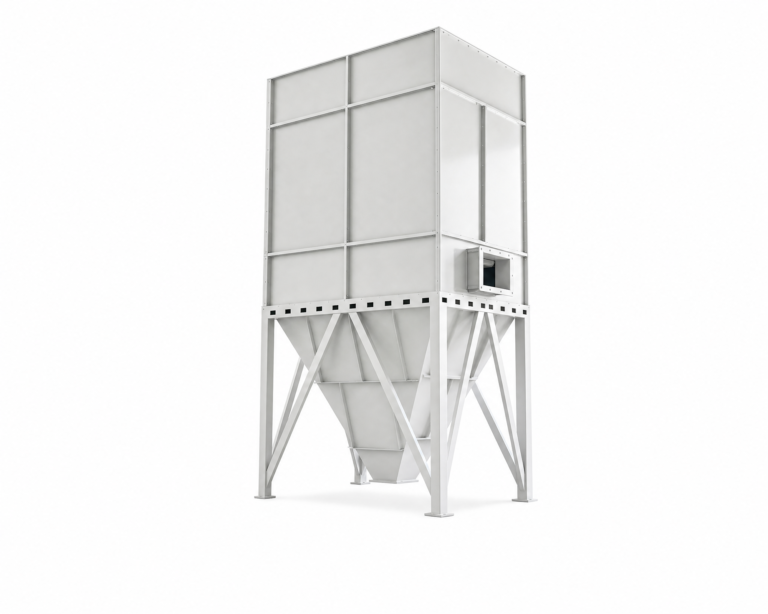
Los datos correctos para el dimensionamiento son las propiedades de la suspensión espesada, medidas tras la etapa de sedimentación, no antes del acondicionamiento químico. Los espesadores de cono profundo o los espesadores de rastrillo concentran los lodos hasta alcanzar un contenido de sólidos en la alimentación que la prensa pueda gestionar realmente en un tiempo de ciclo predecible. Si la prensa se dimensiona en función de estimaciones de afluente sin tratar y el lodo espesado llega con una concentración de sólidos superior a la esperada o con una compresibilidad inferior, el resultado es o bien tiempos de ciclo prolongados que reducen el rendimiento diario, o bien una capacidad de la prensa insuficiente para gestionar la tasa de acumulación de lodos —ambos se convierten en problemas de mantenimiento y operativos, más que en problemas de equipamiento—. El BREF de la industria cerámica proporciona un marco de referencia de procesos para este principio, identificando la caracterización de los lodos como un dato funcional para la selección del equipo de deshidratación, en lugar de un ajuste posterior a la instalación.
La comprobación práctica en este caso consiste en verificar que la etapa de sedimentación —ya sea una torre de sedimentación vertical o un espesador convencional— esté dimensionada para producir una suspensión espesada que cumpla unas especificaciones definidas, y que la selección de la prensa se base en dichas especificaciones y no se realice antes de ellas. Cuando un torre de sedimentación vertical Si se utiliza como etapa de concentración, el contenido de sólidos en el flujo de salida y la tasa de extracción deben ser los datos principales para el dimensionamiento del filtro prensa.
Controle la calidad del filtrado antes de devolver el agua al proceso de producción
La reutilización de agua en circuito cerrado en las instalaciones de cerámica y piedra reduce los costes de producción, pero también crea una vía de contaminación que vuelve a la línea de fabricación si no se comprueba la calidad del filtrado antes de que el agua vuelva a entrar en las máquinas de proceso. Los sólidos en suspensión o la turbidez que pasan a través de la etapa de filtración —ya sea debido a un tejido filtrante degradado, una formación deficiente de flóculos o un fallo en el sellado de la prensa— fluyen directamente hacia los sistemas de esmerilado, pulido o pulverización, donde pueden dejar depósitos en las superficies acabadas o contaminar los circuitos de pulverización.
El método más fiable no consiste en controlar el agua de retorno en la salida del depósito de almacenamiento, sino en realizar un seguimiento en la salida del separador de láminas y, de nuevo, una vez que el filtrado de la prensa se ha mezclado con el rebosado clarificado antes de entrar en el circuito de almacenamiento. Las normas ISO 10523 e ISO 11923 proporcionan marcos de ensayo para el pH y los sólidos en suspensión, respectivamente —puntos de referencia relevantes para diseñar un protocolo de control—, aunque su aplicación depende de lo que realmente exijan el permiso de explotación y las especificaciones de producción de la instalación, en lugar de ser normas universales de cumplimiento para el circuito de retorno.
Si la turbidez del filtrado supera el rango aceptable para el agua de producción, el origen del fallo casi siempre se encuentra en las fases anteriores: flóculos que se han formado de forma deficiente, arena que ha pasado por el pretratamiento o un intervalo de retirada de lodos demasiado prolongado que ha permitido que las partículas finas vuelvan a entrar en el rebosadero. Por lo tanto, la calidad del filtrado es una señal de diagnóstico útil, no solo un criterio de reutilización. Un problema en el filtrado que persiste a lo largo de los ciclos de prensado es más probable que se deba a un problema de dosificación o sedimentación que a un problema de la prensa, y resolverlo únicamente a nivel de la prensa prolongará el diagnóstico innecesariamente.
Identificar dónde el tiempo de ciclo y el almacenamiento de lodos provocan cuellos de botella
La sincronización operativa en el tratamiento de aguas residuales con tecnología cerámica es el punto en el que los sistemas bien diseñados suelen fallar. Los equipos pueden estar correctamente dimensionados y secuenciados, pero aún así pueden crear cuellos de botella que bloquean la producción si los intervalos de retirada de lodos, la programación de los ciclos de prensado y las secuencias de parada al final del turno no se definen y se aplican como parte de las operaciones diarias, en lugar de como documentación de puesta en marcha que posteriormente se ignora.
El fallo de sincronización más habitual es el retraso en la extracción de lodos de la zona del embudo del separador de láminas. Los lodos que se dejan acumular más allá del intervalo previsto se compactan, pierden fluidez y se resisten a la extracción por bombeo, lo que obliga a una limpieza manual o a un tiempo de inactividad prolongado. El problema se agrava cuando el programa de producción de la instalación genera periodos de acumulación irregulares: un separador lamelar que funciona con intervalos de extracción constantes de 20 minutos durante un turno completo puede no recibir ninguna extracción durante un turno con personal parcial, lo que permite que la acumulación en el embudo alcance un nivel que afecte a la geometría de sedimentación en el paquete de placas situado encima.
| Paso del proceso | Requisitos de plazos / Aspectos que hay que aclarar | Riesgo de incumplimiento |
|---|---|---|
| Extracción de lodos del embudo del separador de láminas | Bombea los lodos a intervalos regulares durante el funcionamiento | La acumulación de sólidos y las obstrucciones en el embudo interrumpen el flujo |
| Operación de rastrillado de residuos tras el cese de la producción | Continuar la ejecución de «rabble rake» durante un tiempo determinado tras la producción | Una parada prematura provoca que los sólidos se depositen y obstruyan el sistema, lo que genera un cuello de botella en el mantenimiento |
La secuencia de parada del rastrillo de residuos al final de la producción es una secuencia temporal específica que debe definirse según el diseño del sistema durante la puesta en marcha y reforzarse operativamente a partir de entonces. Detener el rastrillo de residuos simultáneamente con la alimentación de producción es una suposición razonable para los operadores que no han recibido instrucciones contrarias; también es una vía segura para que los sólidos se asienten en el cono de reflujo, lo que requiere una intervención mecánica para su limpieza antes de la siguiente tanda de producción. La secuencia de parada correcta suele requerir que el rastrillo siga funcionando durante un periodo definido tras la parada de la alimentación, lo que permite que los sólidos sedimentados se desplacen hacia el punto de extracción antes de que se apague el mecanismo. La duración de ese periodo definido depende de la geometría del tanque y de la carga de sólidos: se trata de un parámetro de puesta en marcha, no de una regla general, y debe registrarse y enseñarse, en lugar de dejarse a criterio del operador.
Confirma a qué fase corresponde cada métrica de aceptación
Cuando los sistemas no rinden lo esperado, la responsabilidad tiende a recaer sobre el elemento más visible, que en el tratamiento cerámico de aguas residuales suele ser la prensa de filtro. El pastel húmedo, los tiempos de ciclo lentos y el elevado consumo de polímeros son resultados de la prensa, por lo que es esta la que se somete a un minucioso escrutinio operativo. Pero cada uno de esos resultados tiene una causa previa que el filtro prensa no puede resolver por sí solo, y si esa responsabilidad no se determina antes de la entrega del sistema, se debatirá en lugar de diagnosticarse una vez que aparezcan los primeros problemas operativos.
La humedad de la torta de lodos es el parámetro que con mayor frecuencia se interpreta erróneamente. Depende de los parámetros de la prensa —presión del ciclo, presión de compresión de la membrana, duración del ciclo—, pero también se ve directamente influida por el tipo y la dosis de floculante. Un floculante que genere flóculos compresibles con una buena sedimentación inicial pero con escasa integridad estructural bajo presión producirá una torta que permanecerá húmeda independientemente de cómo se programe la prensa. La etapa de dosificación es en parte responsable del resultado de la humedad, y esa responsabilidad debe reflejarse en cómo se traducen los resultados de las pruebas en jarra en las especificaciones del ciclo de prensado, y no tratarse como dos problemas de optimización independientes.
La turbidez en el agua de retorno y el tiempo de ciclo en la prensa son parámetros que se comparten de forma similar. La turbidez se remonta al rendimiento de la sedimentación y, antes de eso, a la calidad de los flóculos y al grado de eliminación de la arena. El tiempo de ciclo se remonta a la consistencia de la alimentación de lodos, a la concentración del flujo inferior del espesador y al estado de la tela de la prensa. Establecer en el traspaso qué etapa anterior es responsable de cada parámetro de aceptación —y cuál es la ruta de diagnóstico cuando un parámetro falla— evita el patrón operativo en el que cada operador de etapa confirma que su equipo funciona correctamente, mientras que el sistema en su conjunto no cumple los objetivos de rendimiento.
El riesgo más persistente en el diseño de sistemas de tratamiento de aguas residuales con cerámica y piedra es la suposición de que cada etapa se optimizará de forma independiente y de que el sistema en su conjunto funcionará según lo previsto cuando se combinen dichas etapas. En la práctica, el filtro prensa recibe las consecuencias acumuladas de todas las decisiones tomadas en las etapas anteriores: arena que no se eliminó por completo, pH inconsistente, flóculos que no se validaron en función del momento real de extracción de los lodos y flujo de fondo del espesador que nunca se caracterizó antes de que se determinara la capacidad del filtro prensa. Esas decisiones son reversibles, pero corregirlas tras la puesta en marcha suele suponer un mayor coste en tiempo, residuos químicos e interrupción de la producción que resolverlas durante la fase de diseño y especificación.
Antes de determinar el dimensionamiento de los equipos o los protocolos de acondicionamiento químico, confirme la secuencia: caracterice los lodos espesados antes de especificar la prensa, realice ensayos en jarras antes de decidir la selección del floculante, defina los intervalos de retirada de lodos y las secuencias de parada como parte de los resultados de la puesta en marcha, y asigne parámetros de aceptación a las etapas que realmente los controlan. La brecha de rendimiento en la mayoría de los sistemas cerámicos de tratamiento de aguas residuales no se debe a la falta de equipos, sino a una lógica de secuenciación sin resolver que se traduce en costes operativos tras la puesta en marcha.
Preguntas frecuentes
P: ¿Qué ocurre si no se han realizado pruebas de los archivos JAR durante la adquisición y el sistema ya está instalado?
R: Como primera medida correctiva, vuelva a realizar la prueba del frasco en condiciones reales de funcionamiento; no se trata únicamente de una herramienta previa a la instalación. Utilice lodos espesados reales procedentes de la etapa de sedimentación, no el efluente sin tratar, y compruebe el tipo y la dosis de floculante en función de los parámetros del ciclo de prensado que se estén utilizando actualmente. Si el problema actual es la torta húmeda o los tiempos de ciclo prolongados, los resultados de la prueba en frasco identificarán si el problema radica en la selección del polímero, la dosis o el momento de la retirada, lo que limita la solución a un ajuste químico o de programación en lugar de uno mecánico.
P: ¿Se aplica esta secuencia de tratamiento si la planta cuenta con líneas de producción de cerámica por proceso en seco junto con líneas de proceso en húmedo?
R: La secuencia se aplica únicamente a las operaciones de proceso húmedo que generan aguas residuales: esmerilado, pulido, corte y aplicación de esmalte. Las líneas de proceso seco producen emisiones atmosféricas de partículas en lugar de aguas residuales de proceso, por lo que requieren medidas de control de la contaminación atmosférica en lugar de tratamiento de líquidos. Si ambos tipos de líneas comparten una misma instalación, el sistema de aguas residuales debe dimensionarse y caracterizarse únicamente en función del caudal del proceso húmedo y la carga de sólidos, y el mapeo de la variabilidad de las entradas debe tener en cuenta qué turnos de producción generan realmente vertidos líquidos, en lugar de calcular un promedio de todas las líneas.
P: ¿En qué momento resulta más conveniente separar los flujos de aguas residuales por procesos en lugar de tratarlos como un afluente combinado?
R: La separación de flujos merece ser evaluada cuando dos o más líneas de proceso generan aguas residuales con rangos de pH, cargas de sólidos o composiciones químicas significativamente diferentes, lo que requeriría condiciones de dosificación contradictorias en un tanque de igualación combinado. Por ejemplo, una línea de esmaltado que genera aguas residuales con alto contenido de TDS y aglutinantes orgánicos se comporta de manera diferente con PAC y PAM aniónico que una suspensión mineral limpia. Combinarlas obliga a un compromiso en la dosificación que a menudo da lugar a un rendimiento inferior en ambos casos. Si las pruebas en jarra con el influente combinado requieren sistemáticamente dosis de polímero más altas que las de cualquiera de las corrientes probadas individualmente, la separación de corrientes suele recuperar ese coste químico más rápidamente de lo que implica la inversión adicional en obra civil y tuberías.
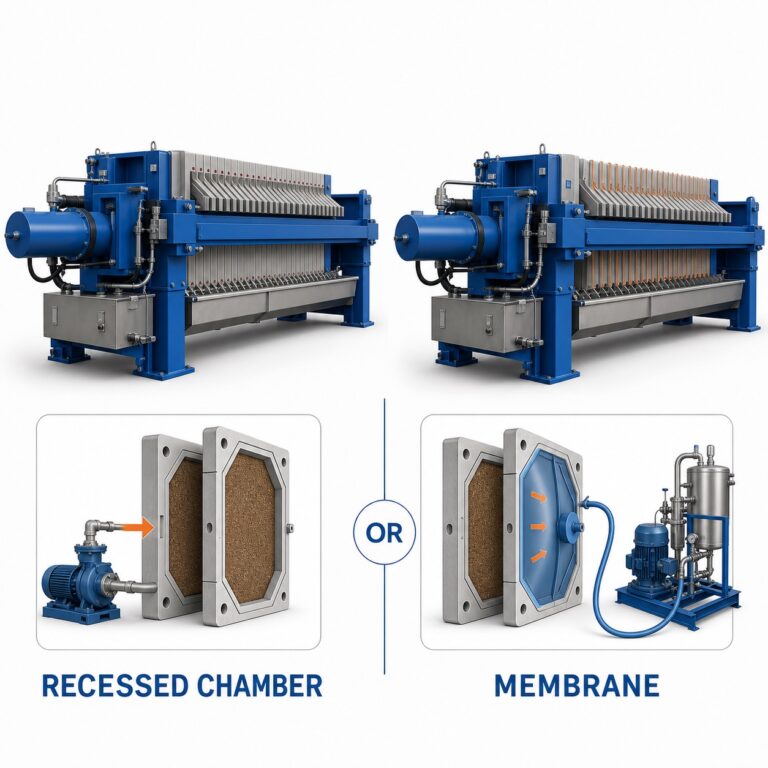
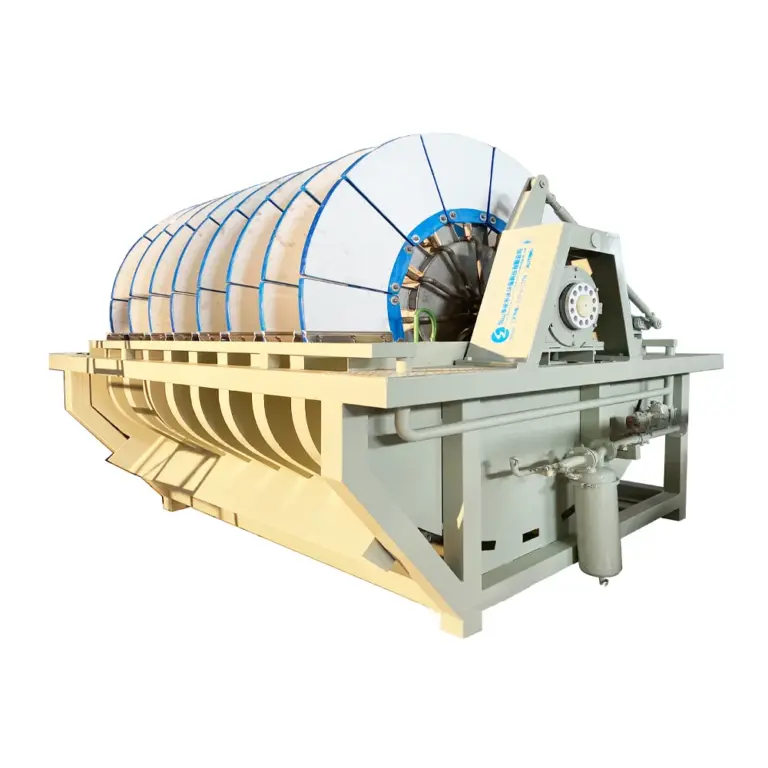
P: ¿Cómo deben tenerse en cuenta los costes de eliminación de la torta de lodos a la hora de decidir entre un filtro prensa de membranas y un filtro prensa de cinta para esta aplicación?
R: Una prensa de filtro de membrana suele producir una torta más seca en aplicaciones relacionadas con la cerámica y la piedra, lo que reduce directamente el peso de los residuos y los costes de transporte; sin embargo, esta ventaja solo se materializa si la calidad de los flóculos en las etapas previas lo permite. Un filtro prensa de cinta funciona de forma continua y puede ser adecuado para instalaciones con altas tasas de generación de lodos y capacidad de almacenamiento limitada, pero suele dejar una mayor humedad residual y requiere un lavado más minucioso de la tela. Si la eliminación se cobra por peso o volumen y la instalación genera lodos con una compresibilidad variable debido a la mezcla de minerales, el filtro prensa de membrana es la opción más recomendable en cuanto al coste operativo total, siempre que la etapa de acondicionamiento químico esté configurada para producir flóculos con la integridad estructural adecuada bajo la presión de prensado.
P: Una vez que el sistema está puesto en marcha y funciona según las especificaciones, ¿cuál es el indicador temprano más fiable de que el rendimiento en las fases iniciales se está deteriorando antes de que afecte a la calidad del agua de producción?
R: Controle el tiempo de ciclo de la prensa como indicador adelantado: este reacciona a los cambios en la consistencia del lodo de alimentación, la concentración del flujo inferior del espesador y la calidad de los flóculos antes de que dichos cambios se hagan visibles en la turbidez del filtrado o la humedad de la torta. Un aumento gradual del tiempo de ciclo en lotes consecutivos de prensado, sin ningún cambio en la programación de la prensa, casi siempre se debe a un cambio en la compresibilidad de los lodos o en el contenido de sólidos de la alimentación. Investigar en ese momento —comprobar la concentración del flujo inferior del espesador, revisar las tasas de dosificación recientes, confirmar que se mantuvieron los intervalos de extracción de lodos— permite corregir la causa subyacente antes de que afecte a la calidad del filtrado o provoque una interrupción de la producción.