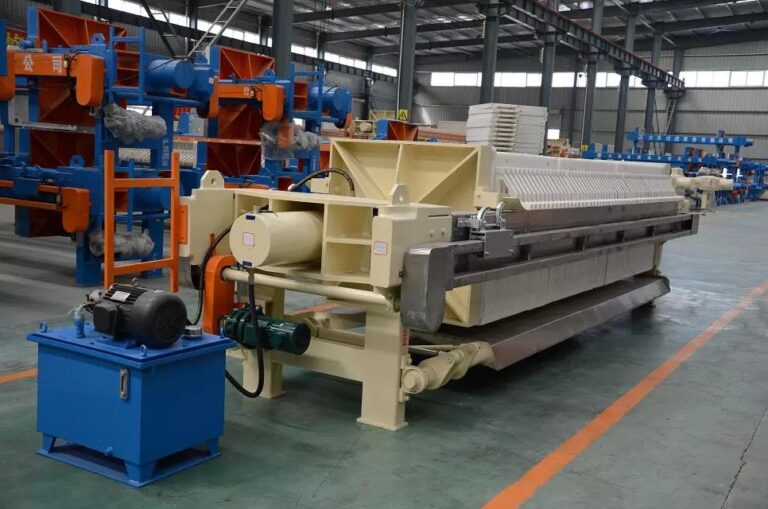
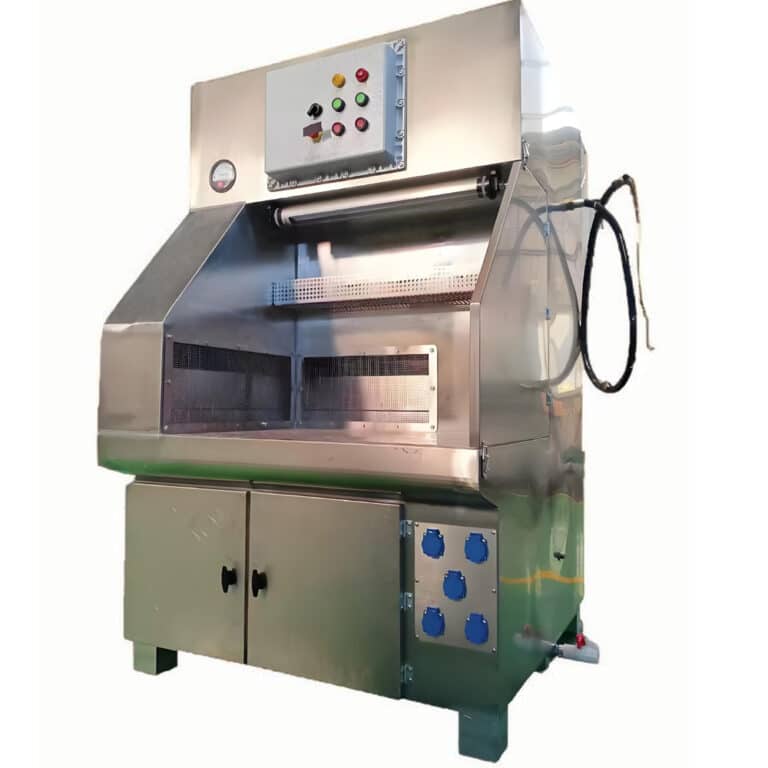
For coal processing engineers and plant managers, the choice between a ceramic disk filter and a belt filter press is often framed as a simple capital expenditure decision. This perspective is a costly misconception. The real financial and operational impact is determined over the equipment’s lifecycle, not at the point of purchase. Selecting the wrong dewatering technology for tailings can lock in high operating costs, compromise dry stacking goals, and create persistent reliability issues.
The imperative for precise dewatering has never been greater. Stricter environmental regulations and the global push for ESG-compliant dry stacking demand consistently drier cake. Simultaneously, rising energy and chemical costs make operational efficiency a primary profit lever. A superficial comparison based on sticker price fails to account for these systemic pressures. A true evaluation requires a granular analysis of Total Cost of Ownership (TCO), where the interaction of energy use, consumables, cake dryness, and operational stability defines the final cost per ton of tailings processed.
Ceramic Disk vs Belt Press: Core Operating Principles Compared
Defining the Separation Mechanism
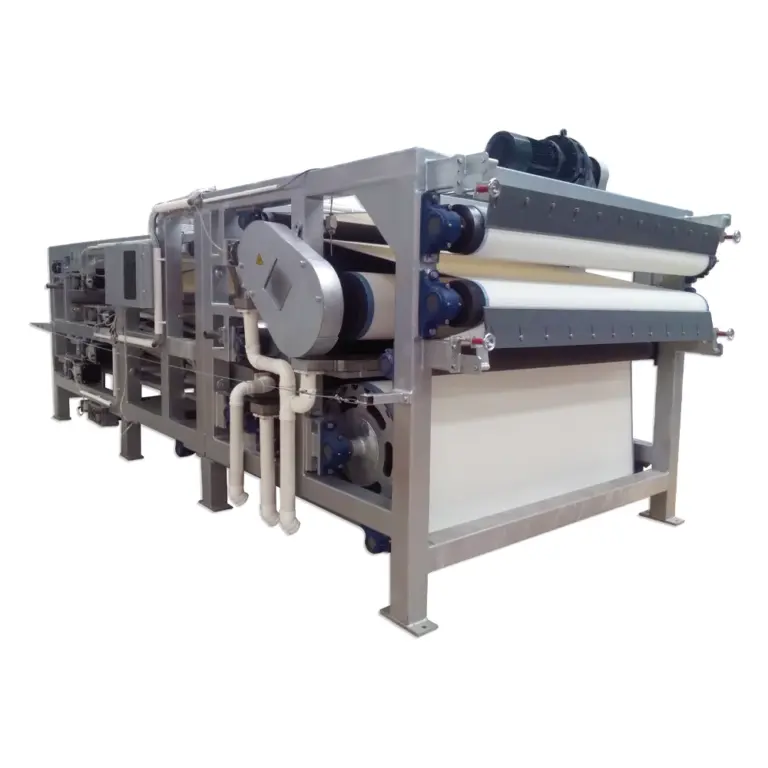
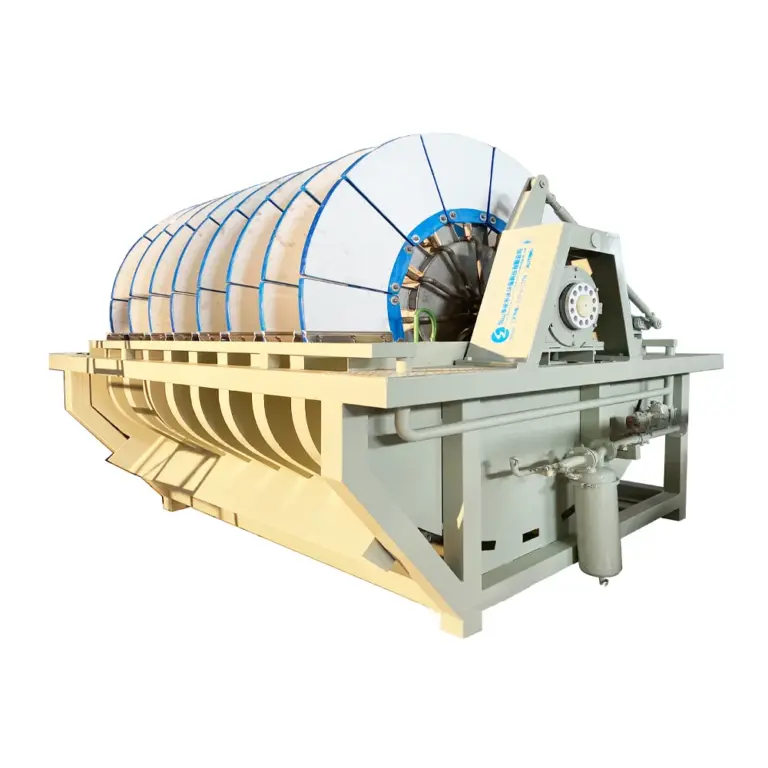
The fundamental physics governing each system dictates its entire performance envelope. A ceramic disk vacuum filter operates on capillary action. Microporous ceramic plates, with submicron pores, rotate through a slurry vat. A vacuum draws water through these pores, but the capillary effect prevents air from passing, forming a dry cake on the plate exterior with high efficiency at low vacuum pressures. This mechanism is inherently effective on fine, abrasive particles like coal tailings. In contrast, a belt filter press is a mechanical compression system. Conditioned slurry first undergoes gravity drainage on a moving belt, then is squeezed between two belts through a series of progressively tighter rollers.
Application in Coal Tailings Processing
This core difference creates distinct operational profiles. The ceramic filter’s vacuum/capillary action does not require chemical flocculation to agglomerate particles; it separates water directly from the slurry. This makes its performance less sensitive to changes in slurry chemistry. The belt press, however, is wholly dependent on effective chemical conditioning. Flocculants must create large, robust agglomerates that can release water under mechanical pressure. Without optimal conditioning, the process fails, leading to belt blinding and effluent quality issues. Industry experts recommend that any evaluation must start with representative feed samples tested on both technologies to understand these fundamental interactions.
Impact on System Design and Cost
The operating principle cascades into system design and cost structure. The ceramic filter’s efficiency at low vacuum translates to lower energy demand for the vacuum system. Its lack of chemical dependency eliminates a major variable consumable cost. The belt press design, with its series of motors, rollers, and high-pressure compression section, inherently consumes more energy. Furthermore, its reliance on a continuous synthetic filter belt—a consumable item subject to wear and blinding—introduces a recurring capital cost. We compared pilot data from several sites and found that overlooking these foundational principles is the most common mistake in preliminary system selection, leading to poor matches between technology and site-specific tailings characteristics.
Total Cost of Ownership (TCO): A Detailed Cost Comparison
The Problem with CAPEX-Only Analysis
Focusing solely on initial purchase price provides a dangerously incomplete financial picture. For coal tailings, the belt filter press often presents a lower capital expenditure (CAPEX), which can be appealing for tight budgets. The ceramic disk filter typically carries a higher upfront cost. However, this view ignores the operational expenditure (OPEX) that accrues daily over a 10-20 year asset life. The TCO model forces a shift from equipment cost to process outcome cost, integrating capital investment with long-term operating expenses and even downstream disposal savings.
The Solution: A Comprehensive TCO Model
A true TCO analysis must itemize all cost centers. For the ceramic filter, higher CAPEX is offset by lower energy consumption, no flocculant costs, and minimal consumable expenses from long-life ceramic plates. Its most powerful financial lever is the drier cake, which reduces mass for transport and disposal—a downstream cost that is frequently overlooked. For the belt press, the lower CAPEX is countered by continuous flocculant feed, regular belt replacement every 1-2 years, higher energy for mechanical action, and the cost of handling a wetter, heavier cake. According to research from lifecycle cost studies, the payback period for the higher CAPEX of a ceramic filter in a dry-stacking application is often under three years when all factors are modeled.
Validation Through Standardized Frameworks
Financial justification requires an authoritative framework. Modeling these costs isn’t speculative; it’s grounded in equipment performance standards that define test methods and efficiency parameters.
TCO Component Breakdown
The following table provides a direct comparison of the primary cost drivers that shape the Total Cost of Ownership for each dewatering technology.
| Cost Component | Ceramic Disk Filter | Belt Filter Press |
|---|---|---|
| Capital Expenditure (CAPEX) | Higher upfront cost | Lower initial purchase |
| Primary OPEX Drivers | Energy, ceramic plate cleaning | Flocculant, belt replacement, energy |
| Key Consumable Cost | Minimal (5-10 year plates) | High (1-2 year belt cycles) |
| Major Chemical Cost | None typically required | Continuous flocculant feed |
| Downstream Cost Impact | Lower transport/disposal costs | Higher mass for disposal |
Source: GB/T 25215-2010 Technical requirement for tailings dewatering filter press. This standard establishes the technical requirements and test methods for dewatering filter presses, providing the framework for evaluating the performance and lifecycle costs that underpin a TCO analysis for equipment like belt presses and ceramic disk filters.
Which System Delivers Lower Energy & Consumable Costs?
Energy Consumption Profiles
Energy demand is a primary differentiator. Ceramic disk filters leverage capillary action, which requires only enough vacuum to overcome the capillary pressure within the micro-pores. This results in significantly lower energy draw compared to older vacuum drum filters, with reported savings of 30-40%. More importantly, their load profile is stable. Belt filter presses consume energy through multiple motors driving belts, rollers, and the high-pressure compression section. This load is not only higher on average but can also have damaging peak demands during startup or when processing a stiff cake.
Consumable and Chemical Requirements
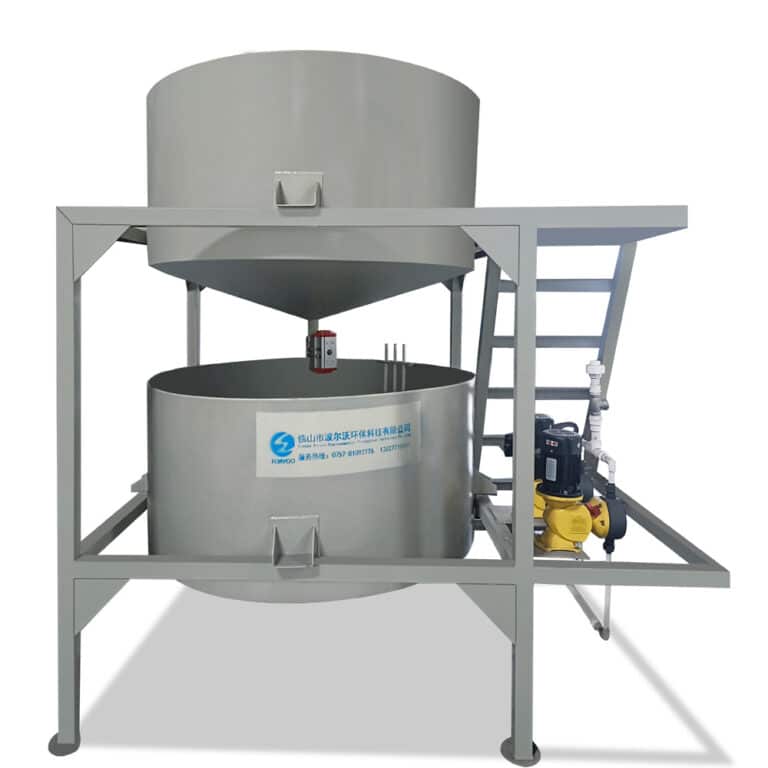
The consumable cost structure is where the economic argument becomes stark. The ceramic filter’s key consumable is the ceramic plate itself, with a typical service life of 5-10 years. Maintenance revolves around periodic cleaning via automated back-pulsing. The belt press’s central consumable is the continuous filter belt. Subject to abrasion, tracking issues, and blinding, these belts typically require replacement every 1-2 years, representing a major recurring capital outlay. Furthermore, belt press performance is chemically dependent. A consistent, often expensive, flocculant feed is not an optimization but a mandatory operational cost. An easily overlooked detail is the cost of flocculant preparation systems and the labor for their management.
Operational Cost Validation
The cumulative effect on OPEX is clear when parameters are compared side-by-side. A standardized view of these operational costs is essential for accurate budgeting.
| Parameter | Ceramic Disk Filter | Belt Filter Press |
|---|---|---|
| Energy Consumption | 30-40% lower (vs. old vacuum) | Higher (motors, compression) |
| Primary Consumable | Ceramic plates (5-10 year life) | Filter belt (1-2 year life) |
| Chemical Dependency | Not required for operation | Critical (flocculant mandatory) |
| Maintenance Focus | Periodic cleaning cycles | Belt tracking, roller bearings |
Source: MT/T 1126-2011 Technical specification for coal slurry dewatering equipment. This coal industry standard specifies the technical parameters and testing for dewatering equipment, directly informing the evaluation of energy efficiency and consumable usage for technologies like ceramic disk filters and belt presses.
Performance Compared: Cake Moisture, Capacity & Throughput
Cake Moisture: The Critical Output Metric
Final cake moisture is the performance metric with the greatest downstream financial impact. Ceramic disk filters consistently produce a drier cake, often achieving ≤10% moisture for suitably sized coal tailings. This results from the efficient capillary/vacuum mechanism that continues to extract moisture even as the cake layer builds. Belt presses typically achieve moisture content in the 15-25% range, heavily influenced by particle size distribution and flocculant effectiveness. This 5-15% moisture differential is not trivial; it translates directly to increased mass for hauling and disposal, with exponential cost implications over the life of a mine.
System Capacity and Feed Handling
Throughput characteristics differ. Belt presses generally offer high volumetric throughput and can tolerate wider fluctuations in feed density, provided conditioning is adjusted. However, their capacity is intrinsically linked to flocculation efficiency. Ceramic filters require a more consistent feed density for optimal operation but excel in handling fine particles that challenge other technologies. Their capacity is stable and highly automated. In our experience, the perceived advantage of belt press feed flexibility is often negated by the process instability that variable feed introduces to the conditioning stage.
Validating Performance Claims
Performance comparisons must be grounded in measurable, standardized outputs. The following table contrasts key operational metrics that define system capability.
| Performance Metric | Ceramic Disk Filter | Belt Filter Press |
|---|---|---|
| Typical Cake Moisture | ≤10% (for suitable tailings) | 15-25% moisture content |
| Feed Consistency Need | Requires stable, consistent feed | Tolerates wider feed fluctuations |
| Process Automation | High, stable automated operation | More manual, hands-on control |
| Key Throughput Risk | Fine particle handling strength | Belt blinding from poor conditioning |
Source: GB/T 25215-2010 Technical requirement for tailings dewatering filter press. The standard defines performance test methods for filter presses, including metrics like cake moisture and capacity, which are central to comparing the operational output of different dewatering systems.
Operational Differences: Maintenance, Labor & Process Stability
Daily Process Stability
Operational robustness determines plant reliability. Ceramic disk filters offer high process stability with minimal operator intervention. Automated controls manage vacuum levels, disk rotation, and back-pulsing cleaning cycles. The abrasive-resistant ceramic media handles fine tailings without clogging, leading to predictable operation. Belt press operation is more dynamic and hands-on. It requires precise, continuous management of flocculant dosing, belt tracking, and belt tension. The process is susceptible to upsets from changes in slurry chemistry or solids concentration, which can lead to poor dewatering, belt slippage, or blinding.
Maintenance Intensity and Labor
Maintenance philosophies contrast sharply. Ceramic filter maintenance is scheduled and predictable, focusing on pump seals, valve checks, and periodic inspection of ceramic plates. Major wear items are infrequent. Belt press maintenance is more intensive and routine. It involves daily attention to belt alignment and washing nozzles, weekly checks on rollers and bearings, and the labor-intensive task of belt replacement every 1-2 years. This not only requires more maintenance labor but also poses a greater risk of unplanned downtime.
The Systemic View of Operations
A key strategic insight is that dewatering performance is a system-wide outcome. For a belt press, effective upstream thickening to ensure optimal feed density is not merely beneficial—it is a critical dependency for both reliability and economics. Failure here cascades directly into poor performance and high operating costs. The operational comparison highlights a fundamental choice between a high-stability, low-touch system and a flexible but maintenance-intensive one.
| Operational Aspect | Ceramic Disk Filter | Belt Filter Press |
|---|---|---|
| Process Stability | High, automated with back-pulsing | Susceptible to slurry chemistry changes |
| Operator Intervention | Minimal daily attention | Precise flocculant/belt management |
| Maintenance Intensity | Low, predictable schedules | Regular belt/roller/spray maintenance |
| Key Process Dependency | Consistent feed density | Upstream thickening is critical |
Source: MT/T 1126-2011 Technical specification for coal slurry dewatering equipment. This standard covers the operational specifications and requirements for dewatering equipment, providing a basis for comparing the maintenance needs and process stability of different system types.
Space Requirements & Installation: Footprint Analysis
Physical Layout and Footprint
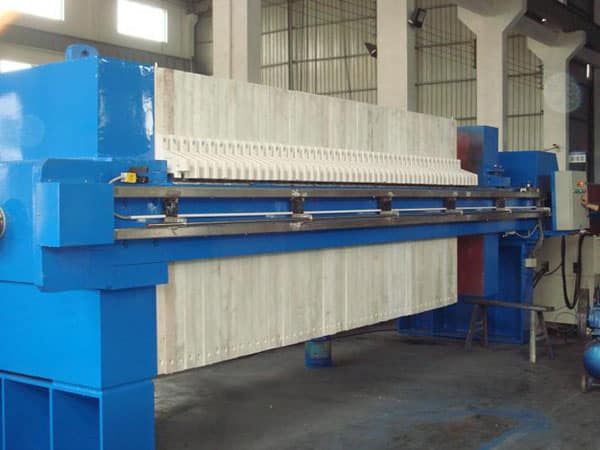
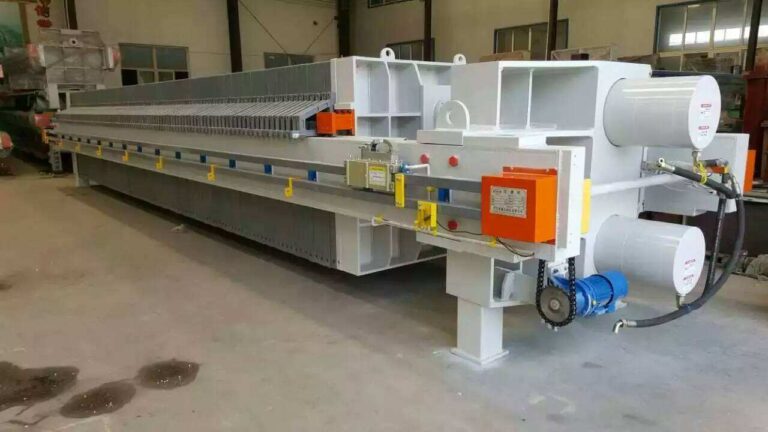
Plant layout and available space are practical constraints. Belt filter presses have a large horizontal footprint. Their linear process—encompassing gravity drainage, wedge zone, pressing stages, and discharge—requires significant floor length. This linear layout can dictate building dimensions for new installations. Ceramic disk filters utilize a vertical design. Multiple discs are arranged on a central shaft within a single vat, resulting in a compact, three-dimensional footprint. This design is particularly advantageous in space-constrained plants or for retrofitting dewatering into existing facilities where major structural modifications are prohibitive.
Installation and Integration Complexity
The footprint difference influences installation cost and complexity. The compact nature of the ceramic filter often simplifies structural support and foundation requirements. It can be installed in multi-level plants, with the cake discharge positioned for direct loading onto conveyors or trucks. The extended length of a belt press may require more extensive floor space preparation and can complicate material handling flow within an existing building. The space savings from a ceramic filter can translate into lower building costs or free up valuable area for other critical process units, adding an indirect economic benefit.
Which Dewatering System Is Better for Dry Stacking?
The Dry Stacking Imperative
Dry stacking stability is now a paramount objective, driven by stringent environmental regulations and ESG commitments. The technical requirement is a cake with sufficient shear strength and low liquefaction potential. The ceramic disk filter is inherently better suited for this application. Its consistently low moisture cake (≤10%) creates a drier, more geotechnically stable material that facilitates stacking, reduces pore pressure, and can minimize liner requirements for storage facilities. This directly supports safer, more compliant tailings disposal as outlined in modern safety specifications.
Challenges with Higher Moisture Cake
A belt press cake at 18-20% moisture retains significant water, compromising its shear strength. This material may not be stackable without additional processing. Sites often must mix the filter cake with waste rock or use dedicated drying beds to achieve a stackable consistency, adding substantial cost, complexity, and land use. In some cases, the higher moisture content may even preclude dry stacking entirely, forcing a return to conventional slurry impoundment with its associated risks and liabilities.
Alignment with Safety Standards
The choice of dewatering technology is an upstream decision with direct downstream safety implications. Producing a drier cake is a proactive risk mitigation strategy.
| Dry Stacking Factor | Ceramic Disk Filter | Belt Filter Press |
|---|---|---|
| Cake Moisture for Stacking | ≤10% (ideal stability) | 18-20% (higher moisture) |
| Geotechnical Stability | High, reduces liquefaction risk | Compromised shear strength |
| Additional Processing Need | Typically none required | May need drying beds/mixing |
| Regulatory & ESG Alignment | Directly supports safer disposal | Adds cost/complexity for compliance |
Source: AQ 1075-2020 Safety specification for coal mine tailings pond. This safety standard for tailings ponds underscores the importance of upstream dewatering to ensure pond stability. A drier cake from a ceramic filter directly contributes to meeting the safety and stability requirements outlined in this specification.
Decision Framework: Selecting the Right System for Your Site
Define the Non-Negotiable Outcome
The first step is to move beyond specifications and define the required outcome. Is the primary goal ultra-dry cake for compliant dry stacking, or is higher moisture acceptable for alternative disposal or backfill? This decision must align the technology with site-specific compliance mandates and water recovery goals. It frames all subsequent analysis. For operations where water security is critical, the ability of a system like a ceramic vacuum disk filter to produce a clear filtrate for reuse adds another dimension to the outcome-based selection.
Conduct Representative Pilot Testing
Assumptions are insufficient. Conducting continuous pilot testing with actual site tailings is non-negotiable for de-risking the capital decision. This testwork should generate definitive data on achievable cake moisture, throughput, chemical consumption (if any), and filtrate clarity under variable feed conditions. Leverage vendor expertise to design a test program that simulates real plant operating ranges, not just ideal laboratory conditions.
Model the Full TCO and Evaluate Partnerships
With pilot data, build a detailed financial model that integrates CAPEX with a 10-year projection of OPEX: energy, consumables (flocculant vs. ceramic life), maintenance labor, and—critically—the downstream costs of transport and disposal dictated by final cake moisture. Finally, evaluate the vendor as a lifecycle partner, not just an equipment supplier. The value chain is shifting toward outcome-based support. Prioritize suppliers who offer comprehensive support from testwork and flowsheet design to operational training and performance optimization, ensuring the selected system delivers sustained strategic value.
The decision pivots on three interconnected factors: the mandatory dryness of your cake for stacking compliance, the true lifecycle cost revealed by a detailed TCO model, and the operational model your team can sustain. For sites prioritizing dry stacking, water recovery, and low operating overhead, the ceramic disk filter’s higher CAPEX is strategically justified. For applications where cake moisture is less critical and chemical conditioning is already optimized, the belt press may offer a lower-cost entry.
Need a dewatering solution that aligns with strict dry stacking standards and optimizes lifetime cost? The engineering team at PORVOO specializes in outcome-based analysis and tailored filtration systems for coal tailings. Contact us to discuss pilot testing and a site-specific TCO model for your operation.
Frequently Asked Questions
Q: How does the cake moisture difference between a ceramic disk filter and a belt press impact total operational costs?
A: The ceramic disk filter typically produces a drier cake at ≤10% moisture, while a belt press output ranges from 15-25%. This moisture differential directly reduces the mass of material requiring transport and disposal, creating significant downstream cost savings. For projects where haulage distance or landfill fees are high, the ceramic system’s drier cake delivers a stronger financial case despite a higher initial purchase price.
Q: What are the key operational and maintenance differences that affect labor requirements for these dewatering systems?
A: Ceramic disk filters operate with high automation and stability, requiring minimal daily intervention as their ceramic media resists clogging. Belt presses demand precise, hands-on management of flocculant dosing and belt tracking, with maintenance focused on frequent wear parts like belts and rollers. If your operation requires consistent throughput with a lean crew, the automated ceramic filter reduces operational complexity and labor costs.
Q: Which dewatering technology is better suited for a dry stacking tailings management strategy?
A: The ceramic disk filter is inherently superior for dry stacking due to its consistently low-moisture cake (≤10%), which creates a geotechnically stable material that reduces liquefaction risk. A belt press cake retains more water, potentially requiring additional processing or mixing to achieve stackable consistency. This means facilities prioritizing dry stacking for safety or compliance, as outlined in standards like AQ 1075-2020, should prioritize the ceramic filter’s technical output.
Q: How do the core operating principles of each system influence their energy and consumable costs?
A: Ceramic filters use low-energy capillary action and have no continuous filter cloth, with durable plates lasting 5-10 years. Belt presses consume more energy for mechanical compression and require regular replacement of filter belts and flocculant chemicals. For operations focused on long-term OPEX reduction, the ceramic filter’s energy savings and elimination of cloth consumables directly offset its higher capital cost.
Q: What technical standards should we reference when specifying dewatering equipment for coal tailings?
A: Equipment selection and performance should align with industry-specific standards. Key references include MT/T 1126-2011 for coal slurry dewatering equipment specifications and GB/T 25215-2010 for technical requirements of tailings dewatering filter presses. This means your procurement and vendor evaluation process must verify that proposed systems meet these foundational technical criteria.
Q: How should we model Total Cost of Ownership (TCO) to justify a higher-capital ceramic disk filter investment?
A: A valid TCO model must integrate the initial CAPEX with multi-year OPEX for energy, consumables (flocculant vs. ceramic), maintenance labor, and the substantial downstream costs dictated by final cake moisture and transport. The ceramic filter builds its economic case through these operational savings. If your financial justification relies solely on purchase price, you will miss the strategic lifecycle value and guaranteed outcomes offered by alternative procurement partnerships.
Q: In a space-constrained plant retrofit, which system offers a footprint advantage?
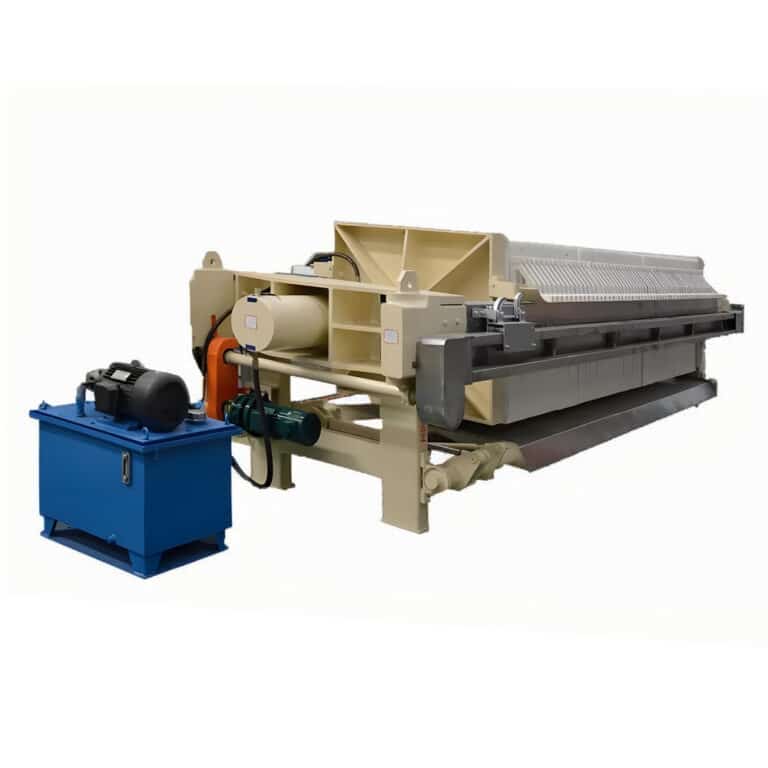
A: Ceramic disk filters utilize a vertical, multi-disc design that results in a compact, three-dimensional footprint. Belt filter presses require a long, linear layout for their sequential processing stages, demanding significantly more floor space. For integration into existing facilities without major structural changes, the ceramic filter’s space efficiency can lower installation costs and free up area for other process units.