For facility managers and process engineers, filter blinding represents a critical operational failure. It transforms a high-efficiency dust collector into a liability, causing a runaway pressure drop that cripples airflow, spikes energy costs, and forces unscheduled downtime. Understanding the cleaning mechanism that prevents this is not academic; it’s essential for asset reliability.
The pulse-jet baghouse is the dominant technology for this defense. Its online cleaning capability allows continuous operation, but its effectiveness hinges on precise engineering. Misapplied parameters or neglected maintenance quickly undermine the system. This breakdown examines the pulse cleaning mechanism not just as a component, but as the core of a proactive dust control strategy.
How Pulse-Jet Cleaning Works: A Step-by-Step Breakdown
The Filtration Phase
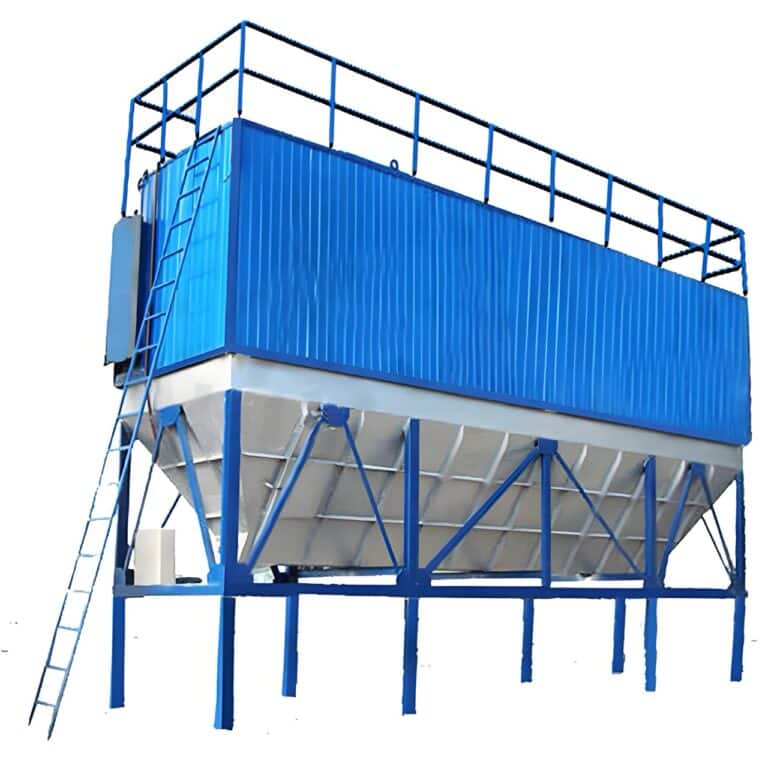
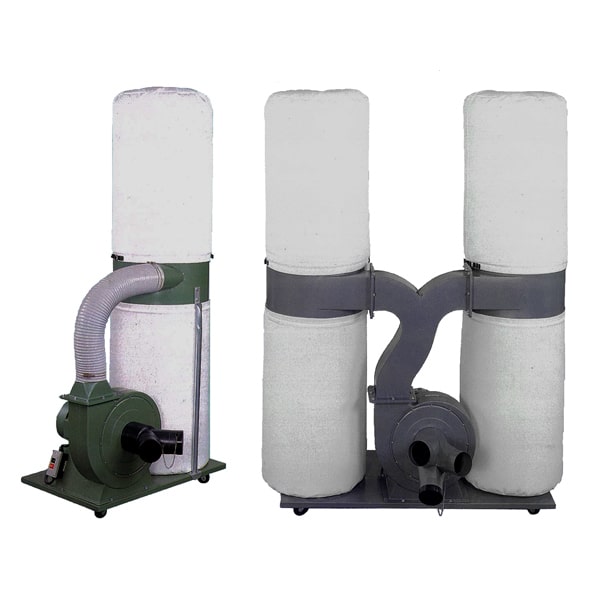
Contaminated air enters the housing and is distributed across vertically hung filter bags. Each bag is supported by a metal cage. Dust particles are captured on the external surface of the fabric, forming a porous dust cake. Clean air passes through this cake and the filter media, exiting through the top of the bag. This cake itself becomes the primary filtering medium, enhancing efficiency for fine particulates. The system operates continuously, with differential pressure gradually increasing as the cake builds.
The Cleaning Pulse Activation
Cleaning is triggered by a control system, typically based on a preset timer or, more effectively, by reaching a target differential pressure setpoint. Upon activation, a solenoid valve opens, releasing a short, high-pressure burst of compressed air from a dedicated header tank. This pulse duration is brief, usually between 0.1 and 0.15 seconds. The compressed air pressure is critical, generally maintained between 80-100 PSI to ensure effective cleaning without damaging the bags.
The Shockwave and Cake Release
The released air travels down a blowpipe running along the top of a row of bags. At each bag location, the pulse is directed into the bag through a venturi nozzle. This nozzle induces a secondary airflow, amplifying the pulse’s energy. The resulting shockwave travels the length of the bag, causing a rapid flexing of the fabric. This flex action breaks the mechanical bond between the dust cake and the filter media. The dislodged particulate falls into the hopper below. Crucially, this cleaning occurs row-by-row, allowing the majority of the filter area to remain in active service, which is the architectural advantage enabling compact, single-compartment designs.
The Critical Role of Pulse Cleaning in Preventing Filter Blinding
Defining the Blinding Failure Mode
Filter blinding is a permanent or semi-permanent increase in airflow resistance. It occurs when fine dust particles migrate deep into the fabric matrix or when moisture or chemical reactions cause dust to form a cementitious, impermeable layer on the bag surface. The result is a sustained, high differential pressure that cannot be reduced by normal cleaning cycles. This forces the system fan to work harder, consuming significantly more energy, and ultimately leads to zero airflow if unchecked.
Proactive Cake Management
The pulse-jet mechanism is engineered to prevent cake over-compaction. By delivering consistent, high-energy shocks at controlled intervals, it dislodges the dust layer before it can become too dense. This maintains the optimal, thin dust cake that aids filtration while keeping the pressure drop low and stable. Industry experts recommend monitoring differential pressure trends as the key real-time diagnostic; a steadily climbing baseline pressure often indicates the onset of blinding conditions before a full failure occurs.
Disrupting Adverse Conditions
Beyond simple dust, pulse cleaning helps manage moisture-related blinding. In processes with humid exhaust, a vigorous pulse can disrupt the formation of pasty, sticky agglomerates on the bag surface. It also helps clear hygroscopic materials that absorb moisture from the gas stream. We compared systems with and without adequate pulse pressure in humid environments and found that under-powered cleaning consistently led to rapid blinding and bag replacement cycles. The system’s ability to keep the filter surface dry and clear is its primary defense against these complex failure modes.
Key Technical Factors for Effective Pulse-Jet Operation
The Foundation: Compressed Air Quality
The effectiveness of every pulse hinges on the quality of the compressed air. Oil or moisture in the supply lines is a primary cause of filter blinding. Oil aerosols coat dust particles, making them adhesive and forming a tenacious, non-porous cake. Water vapor can condense in the pulse lines, especially in cold weather, leading to frozen valves or wetting the dust cake. Ensuring dry, oil-free air via proper filtration and dryers is a non-negotiable utility requirement for pulse-jet systems.
System Design Ratios
The air-to-cloth ratio—the volume of gas divided by the total filter area—is a fundamental design parameter. Pulse-jet baghouses operate at higher ratios (e.g., 6:1) than other designs, enabling a more compact footprint. However, this introduces a critical trade-off: a higher ratio means more dust is deposited per square foot of fabric between pulses. If the cleaning system is not perfectly tuned, the risk of rapid blinding increases significantly. This makes proper calibration not just an optimization task, but a necessity for stable operation.
Inlet Geometry and Particle Management
Proper inlet design is an easily overlooked detail that directly impacts bag life and blinding potential. A well-designed inlet incorporates baffles or other pre-separation devices to remove a portion of the coarse, abrasive dust from the gas stream before it reaches the bags. This reduces the abrasive load on the filter media and minimizes the potential for abrasive wear that can create pinholes and alter fabric characteristics, making it more susceptible to deep particle penetration and blinding.
The table below summarizes these interdependent technical factors and their impact on system performance.
Key Technical Factors for Effective Pulse-Jet Operation
| Factor | Typical Parameter / Requirement | Impact on System |
|---|---|---|
| Compressed Air Quality | Dry, oil-free | Prevents sticky dust blinding |
| Air-to-Cloth Ratio | High (e.g., 6:1) | Enables compact, single-compartment design |
| Inlet Design | Baffles, pre-separation | Reduces abrasive load on bags |
| Differential Pressure | Low, stable | Key diagnostic for baghouse health |
Source: Technical documentation and industry specifications.
Optimizing Pulse Duration, Interval, and Pressure
The Balancing Act of Parameters
Calibrating pulse duration, interval, and pressure is a precise exercise in balancing cleaning efficacy against operational cost and bag longevity. The sole objective is to maintain the system’s differential pressure within its designed target range. Each parameter interacts with the others; a change in one often requires adjustment of another. For example, a lower pulse pressure might be compensated for by a slightly longer duration, though this is less efficient.
Consequences of Over- and Under-Pulsing
Excessive pulsing—whether from too-high pressure, overly frequent intervals, or prolonged duration—wastes compressed air, a significant utility cost. More critically, it accelerates bag wear through fabric fatigue and can drive fine particles deeper into the media, ironically contributing to blinding. Insufficient pulsing allows the dust cake to become thick and compact, leading to a high, unsustainable pressure drop. This forces the system fan to operate against greater resistance, increasing energy consumption dramatically. The goal is to find the minimum effective cleaning energy.
A Data-Driven Optimization Approach
Optimization is not a one-time setup. It requires ongoing monitoring of differential pressure and adjusting the pulse interval accordingly. Modern controls use pressure transducers to initiate cleaning only when needed (pressure control), which is more efficient than simple timer-based cycles. This focus on parametric control aligns with a broader regulatory shift. Authorities increasingly tie compliance to demonstrating that the air pollution control system is operated and maintained within its designed parameters, as outlined in standards like ISO 11042-1:1996 for emission performance evaluation.
The following table outlines typical parameter ranges and optimization goals.
Optimizing Pulse Duration, Interval, and Pressure
| Parameter | Typical Range | Optimization Goal |
|---|---|---|
| Pulse Duration | 0.1 – 0.15 seconds | Sufficient cake release |
| Pulse Pressure | 80 – 100 PSI | Effective fabric flexing |
| Pulse Interval | Timer or pressure-based | Maintain target ΔP range |
| Excessive Pulsing | >100 PSI, frequent | Wastes air, accelerates wear |
| Insufficient Pulsing | Infrequent, low pressure | High ΔP, increased fan energy |
Source: Technical documentation and industry specifications.
Selecting the Right Filter Media for Pulse-Jet Systems
Structural Requirements for Pulse Cleaning
The filter media must withstand the aggressive mechanical action of pulse-jet cleaning. Needle-felt fabrics, non-woven structures of interlocked fibers, are the standard. Their three-dimensional matrix provides depth filtration and the durability to endure repeated flexing without fiber degradation. Woven fabrics are generally unsuitable for pulse-jet applications as they lack the required rigidity and cake release characteristics.
The Multi-Variable Selection Matrix
Choosing the correct bag material is a function of the gas stream and dust properties. Key variables include continuous operating temperature, chemical composition (acidity, alkalinity), presence of moisture, and particle abrasiveness. For example, aramid fibers (e.g., Nomex) are selected for high-temperature applications like from cement kilns, while polyphenylene sulfide (PPS) handles acidic environments in coal boilers. An incorrect selection is a primary failure point that leads directly to premature chemical attack, blinding, and bag failure.
The Role of Membrane Laminates
For challenging applications involving fine, sticky, or hygroscopic dusts, a membrane laminate is often essential. A microporous PTFE (e.g., Teflon) membrane is laminated to the surface of a standard needle-felt substrate. This membrane provides surface filtration, preventing particles from penetrating the felt base. It creates a superior cake release surface, dramatically reducing the potential for blinding and allowing lower stable pressure drops. The strategic implication is clear: the long-term cost of media failure in downtime and replacement far outweighs the initial filter cost.
Selecting media requires matching characteristics to the application, as shown below.
Selecting the Right Filter Media for Pulse-Jet Systems
| Media Characteristic | Example Material | Primary Application Consideration |
|---|---|---|
| Durability / Structure | Needle-felt fabrics | Withstands aggressive pulse flexing |
| High Temperature | Aramid fibers | Cement kiln applications |
| Chemical / Sticky Fines | PTFE membrane | Aggressive or fine particulates |
| Selection Failure | Incorrect material | Premature blinding, bag failure |
Source: Technical documentation and industry specifications.
Common Pulse-Jet Problems and How to Troubleshoot Them
Compressed Air and Valve Failures
Many performance issues originate in the cleaning system itself. Failed solenoid valves or leaking diaphragms in the pulse valves result in weak or absent cleaning pulses. The symptom is a steadily climbing differential pressure across one specific row or the entire baghouse. Moisture in the air lines can freeze valves in cold climates or cause internal corrosion. A routine maintenance check should include listening for the audible “snap” of each valve firing and inspecting for leaks.
Bag Failure and Leak Detection
A sudden drop in differential pressure, accompanied by visible dust emissions from the stack, often indicates a bag rupture. Isolating the compromised compartment is the first step. Pinpointing the exact failed bag among hundreds, however, requires a methodical approach. According to research from maintenance specialists, triboelectric leak detection systems or fluorescent dye testing (e.g., using a Leak Seeker kit) transform this from a guessing game into a targeted repair. These diagnostics are essential for safeguarding product recovery rates and maintaining compliance with emission limits.
The Importance of Technical Partnership
Troubleshooting complex issues often requires more than a parts catalog. Many problems underscore the critical nature of the vendor relationship. Effective resolution relies on deep technical partnership—access to system schematics, historical performance data, and expert analysis—not just transactional parts supply. From my experience, facilities with a strong technical support agreement resolve chronic issues like inconsistent cleaning or mysterious pressure spikes far faster than those operating in isolation.
Common symptoms, causes, and diagnostics are summarized in this table.
Common Pulse-Jet Problems and How to Troubleshoot Them
| Problem Symptom | Likely Cause | Diagnostic / Solution |
|---|---|---|
| Rising ΔP | Failed solenoid valve | Inspect valves, diaphragms |
| Sticky dust cakes | Moisture in air lines | Ensure dry, clean air supply |
| Visible dust emissions | Bag failure | Triboelectric leak detection |
| Sudden ΔP drop | Bag rupture | Immediate bag inspection |
Source: Technical documentation and industry specifications.
Maintaining Your Pulse Cleaning System for Longevity
Scheduled Component Inspection
Proactive maintenance extends far beyond reactive bag replacement. A formal schedule should include inspecting pulse valves, diaphragms, and solenoids for wear or damage. The compressed air supply system—including filters, dryers, and drains—must be checked and serviced regularly. Even small amounts of accumulated oil or water can have outsized effects. Regularly checking and calibrating the differential pressure gauges and control system sensors is also essential, as these instruments provide the system’s vital signs.
From Preventive to Predictive Maintenance
Modern technology supports a shift from calendar-based tasks to condition-based monitoring. By integrating IoT sensors to track pressure drop trends, individual valve actuation, and fan motor current draw, facilities can move toward predictive maintenance. Data analytics can identify patterns that forecast failures, such as a gradually increasing cleaning frequency indicating bag conditioning issues or a slowing valve response time signaling air supply problems. This data-driven approach delivers superior operational reliability.
Training and Knowledge Retention
The most sophisticated monitoring system is only as good as the personnel interpreting it. Training operations and maintenance staff to understand differential pressure trends, recognize the sound of a healthy pulse, and identify early visual warning signs is crucial. This knowledge turns staff into first-line diagnosticians, capable of initiating corrective actions before a minor issue escalates into a production stoppage. Establishing clear response protocols for alarm conditions ensures consistent and effective intervention.
Implementing a Proactive Baghouse Maintenance Strategy
Establishing Performance Baselines
A comprehensive strategy begins with establishing and documenting baseline performance metrics for a newly installed or overhauled system. The primary baseline is the clean-pressure drop—the differential pressure across new bags under standard operating conditions. All future performance is measured against this baseline. Maintenance should then be guided by system data trends rather than a fixed calendar, adjusting inspection and cleaning frequencies based on actual pressure trends and operational hours.
Integrating the Baghouse into Process Management
The most effective strategy treats the baghouse not as a standalone pollution control device, but as an integral, optimized component of the production process. This means considering how upstream process changes (new raw materials, higher throughput, different fuel) will impact the dust collector. It involves investing in pre-separation, specifying the proper media from the start, and using monitoring data to inform process adjustments. This holistic view protects the capital investment and ensures continuous compliance.
The Long-Term Operational Philosophy
Ultimately, optimal baghouse performance depends on continuous, informed management. It requires a commitment to scheduled inspection, quality spare parts, and expert technical support. The strategy must acknowledge that the lowest lifetime cost is achieved not by minimizing initial expenditure, but by maximizing operational uptime and energy efficiency through diligent care of the entire system, from the air compressor to the filter bags in the pulse-jet dust collector.
Preventing filter blinding and ensuring long-term pulse-jet baghouse reliability hinges on three priorities: precise calibration of cleaning parameters against real-time pressure data, uncompromising maintenance of compressed air quality, and the strategic selection of filter media matched to the specific process dust. These are not isolated tasks but interconnected elements of a system-wide approach.
Need professional analysis of your pulse-jet system’s performance or support in implementing a proactive maintenance strategy? The engineering team at PORVOO specializes in optimizing industrial dust collection for efficiency and longevity. Contact us to discuss a diagnostic review or explore upgrade solutions for your operation.
Frequently Asked Questions
Q: How does the pulse-jet cleaning cycle prevent filter blinding in baghouse dust collectors?
A: The mechanism prevents blinding by using short, high-pressure air bursts to aggressively flex the filter fabric. This shockwave forcibly dislodges the dust cake before it can over-compact or allow fine particles to permanently embed in the media. This means facilities handling fine or hygroscopic dusts must ensure their pulse system is correctly tuned to maintain this proactive cake management and avoid a crippling rise in differential pressure.
Q: What are the key technical parameters to optimize for an efficient pulse-jet system?
A: You must calibrate pulse duration (typically 0.1-0.15 seconds), interval (frequency), and pressure (80-100 PSI) to balance cleaning efficacy with energy use and bag life. The goal is to maintain a target differential pressure range, adjusting the pulse interval based on real-time monitoring. For projects where compressed air is costly or particulate is abrasive, plan for precise control logic to minimize wasteful pulsing and fabric fatigue.
Q: Why is filter media selection critical for pulse-jet baghouse longevity, and what are common choices?
A: The media must withstand aggressive flexing, making needle-felt fabrics standard. Material choice is a function of gas temperature, chemistry, and particle characteristics—PTFE membranes handle sticky fines, while aramid fibers resist heat. An incorrect selection is a primary failure point leading directly to blinding and downtime. If your operation has variable or aggressive process conditions, prioritize expert media selection over initial filter cost to avoid unplanned shutdowns.
Q: How can we troubleshoot a pulse-jet system when differential pressure climbs steadily?
A: A steady pressure rise typically indicates weak or failed cleaning pulses. First, inspect the compressed air supply for moisture and check solenoid valves and pulse valve diaphragms for failure. For precise leak detection, use specialized triboelectric or dye-based testing to pinpoint bag or seal failures. This means maintenance teams should move from guesswork to a diagnostic approach, using targeted tools to safeguard compliance and product recovery.
Q: What role does compressed air quality play in pulse-jet system reliability?
A: Dry, oil-free compressed air is non-negotiable; moisture or oil in the supply can coat dust particles, making them sticky and directly causing filter blinding. This introduces a critical trade-off: while pulse-jets offer compactness, their performance is inherently tied to the cost and complexity of maintaining clean auxiliary air systems. Facilities must therefore budget for and maintain robust air dryers and filters as part of the core dust collector investment.
Q: How does a proactive maintenance strategy differ from a reactive approach for baghouses?
A: A proactive strategy uses system data, primarily differential pressure trends, to guide maintenance tasks rather than a fixed calendar. It integrates scheduled inspections of valves and air quality with condition-based monitoring, potentially using IoT sensors to forecast failures. This holistic view treats the baghouse as a critical production asset. If your goal is superior operational reliability, you should invest in training and monitoring systems that enable this predictive shift.
Q: Are there operational standards for monitoring baghouse emissions that relate to pulse-jet performance?
A: While specific baghouse design standards were not provided, broader environmental performance monitoring is addressed in standards like ISO 11042-1:1996 for gas turbine exhaust. Furthermore, regulatory compliance is increasingly tied to demonstrating the dust collector operates within its designed parameters, including stable differential pressure. This means you must maintain accurate logs of pressure drop and cleaning cycles as evidence of proper system operation and control.