Selecting the right sedimentation technology is a critical design decision that directly impacts project feasibility, regulatory compliance, and lifecycle cost. The choice between vertical sedimentation towers and horizontal clarifiers is often oversimplified to a basic footprint comparison, leading to suboptimal system performance and unexpected capital expenditures. Professionals must navigate a complex matrix of hydraulic efficiency, site constraints, and evolving regulatory expectations that demand more than presumptive, volume-based sizing.
The industry is shifting from generic treatment targets to outcome-based standards focused on protecting specific receiving environments. This requires a deeper analysis of particle dynamics, site-specific hydrology, and long-term operational predictability. Understanding the nuanced performance specifications, capacity ratings, and true cost drivers of each system is essential for making a defensible, value-driven selection.
Vertical Sedimentation Towers vs. Horizontal Clarifiers
Core Design Philosophy & Flow Path
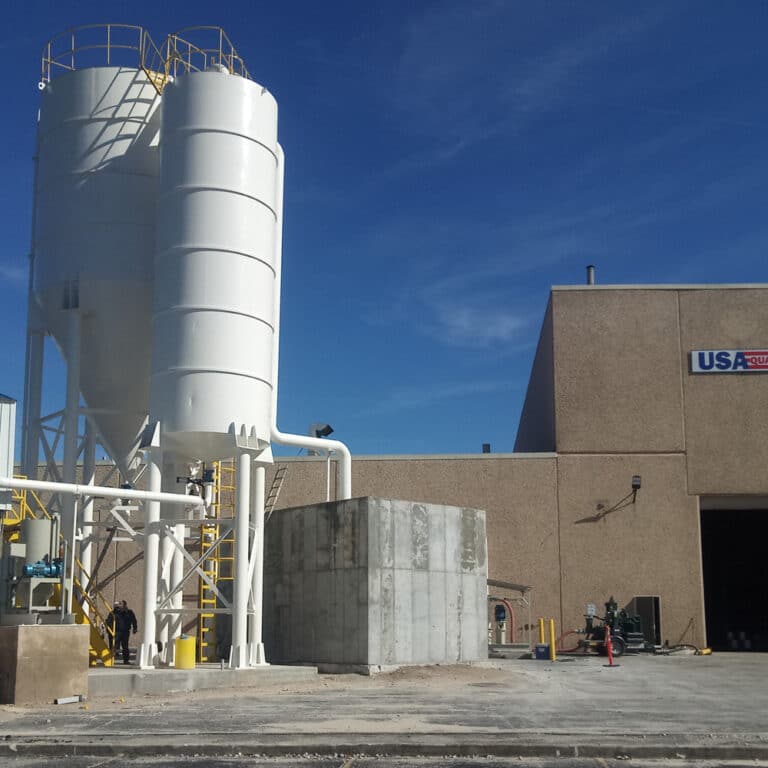
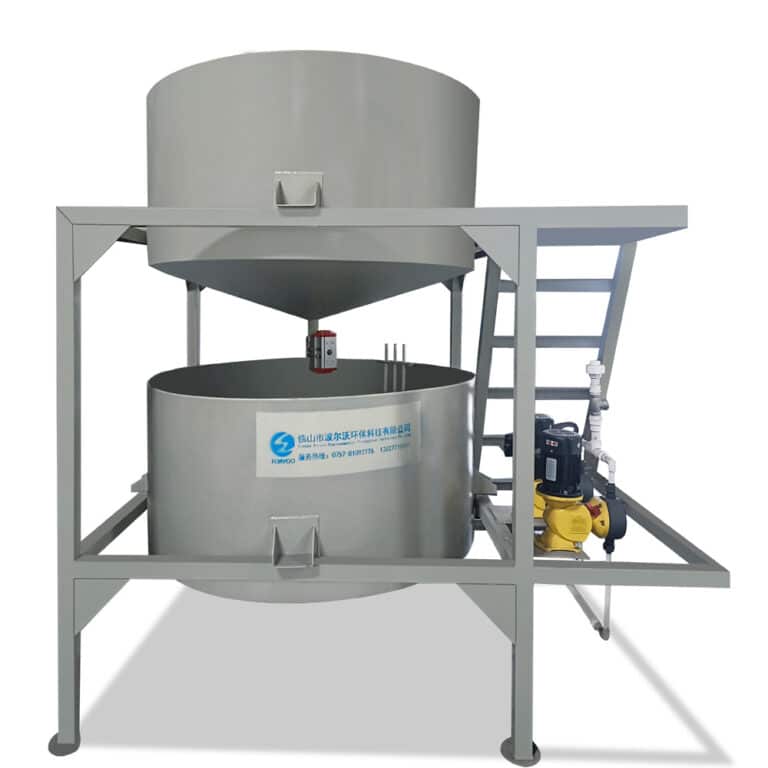
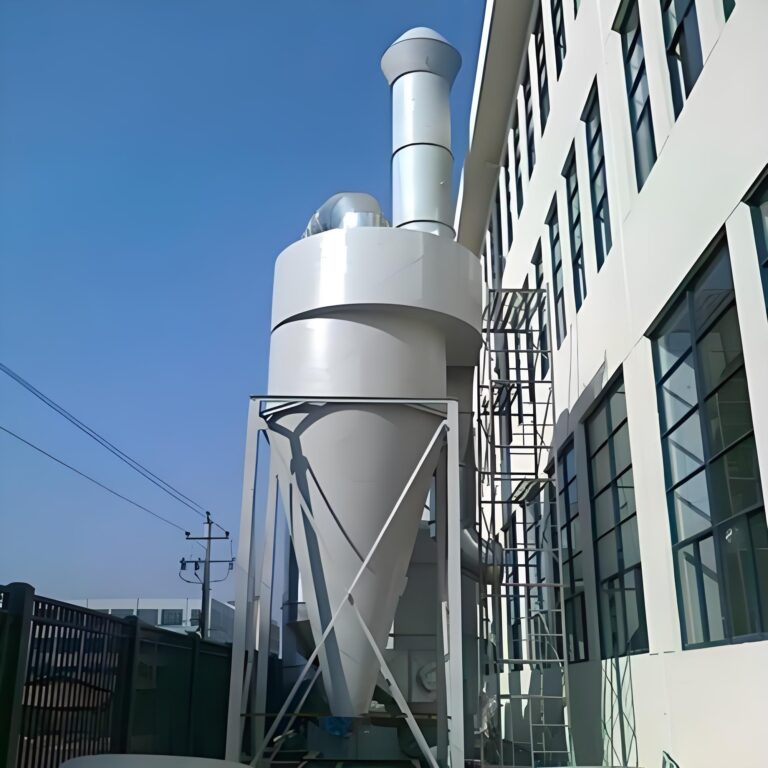
The primary distinction lies in flow geometry. Horizontal clarifiers rely on a long, shallow basin where water travels laterally, allowing settleable solids to descend over a large, calm surface area. This design offers forgiving hydraulics and straightforward maintenance access. Conversely, vertical sedimentation towers, particularly upflow designs with integrated tube settlers, utilize a deeper tank. Here, water flows upward while particles settle downward against the current. This vertical orientation dramatically reduces the plan area required by decreasing the settling distance, effectively packing more settling surface into a compact footprint.
The Fundamental Trade-off: Space vs. Subsurface Complexity
The trade-off is structural and geotechnical. The deep excavation for vertical towers demands robust engineering, reinforced walls, and careful consideration of groundwater and soil conditions. In our experience, a project’s apparent surface space savings can be quickly offset by challenging subsurface conflicts, such as high bedrock or utility congestion. Horizontal systems, while land-intensive, typically present less complex foundation work. The optimal choice isn’t about which technology is universally better, but which one aligns with the specific spatial and subsurface profile of your site.
TSS Removal Efficiency Compared: Standards & Real-World Results
Theoretical Benchmarks vs. Operational Reality
Regulatory standards often cite an average annual Total Suspended Solids (TSS) removal of approximately 80% for properly sized systems, based on overflow rates and ideal settling velocities. However, real-world efficiency frequently diverges from these models. Performance is highly dependent on the site-specific particle size distribution (PSD) and hydrology. A system designed for a generic silt load may underperform with fine clays or organic matter. Industry experts recommend moving beyond TSS concentration as a sole metric, as it poorly predicts ecological impact for sensitive receptors like coral, where the actual mechanism of harm is sediment deposition and smothering.
Key Risks in Performance Validation
Common mistakes include designing solely to a treatment volume without accounting for hydraulic short-circuiting or scour during peak flows. Easily overlooked details, such as inlet configuration and baffle placement, can create flow paths that bypass the effective settling zone, drastically reducing efficiency. Performance must be validated against the specific vulnerability of the receiving water body, not just a concentration threshold.
Quantifying the Performance Gap
The following table contrasts the idealized design standards with the practical considerations that determine actual TSS removal performance in the field.
| Performance Metric | Theoretical Standard | Real-World Consideration |
|---|---|---|
| Annual TSS Removal | ~80% average | Site-specific hydrology dependent |
| Design Basis | Overflow rate & settling velocity | Particle size distribution critical |
| Limiting Factor | Generic concentration thresholds | Receiving environment morphology |
| Key Risk | Presumptive volume-based sizing | Hydraulic short-circuiting & scour |
Source: Technical documentation and industry specifications.
Capacity Ratings: Hydraulic Design & Peak Flow Management
Defining Hydraulic Parameters
System capacity is governed by two interdependent hydraulic parameters: the surface overflow rate (OFR) and the hydraulic retention time (HRT). The OFR, typically ranging from 10,000 to 20,000 m³/m²/day for stormwater applications, determines the required surface area for settling. The HRT, often a minimum of 20-30 minutes, ensures sufficient time for particles to settle within the tank volume. These parameters work in tandem to size the system’s permanent pool, which is designed to capture and treat the water quality volume (e.g., the first 0.5-1.0 inches of runoff).
Managing Peak Flow and Treatment Transition
A critical, dual-purpose function is managing larger storm events. Beyond the permanent pool, extended detention storage is provided for peak flow attenuation. The challenge lies in the transition between the treatment mode and the flow control mode. According to research, continuous simulation modeling is becoming essential. This method analyzes long-term rainfall records to accurately size these components and predict how the system behaves under variable inflow, moving beyond simplistic, single-event design storms that can misrepresent actual performance.
Core Design Parameters for Capacity
The table below outlines the key hydraulic design parameters that define the capacity and primary function of sedimentation systems.
| Design Parameter | Typical Range | Primary Function |
|---|---|---|
| Overflow Rate (OFR) | 10,000-20,000 m³/m²/day | Water quality treatment sizing |
| Hydraulic Retention Time (HRT) | ≥20-30 minutes | Particle settling |
| Permanent Pool Volume | 0.5-1.0 inches runoff | Treatment volume |
| Extended Detention Storage | Larger storm volumes | Peak flow attenuation |
Source: Technical documentation and industry specifications.
Footprint Comparison: Space Optimization & Key Trade-offs
The Space Efficiency Equation
Footprint is a direct function of the required surface area (from OFR) and the necessary depth (from storage volumes). Vertical sedimentation towers excel in space optimization by achieving a high volume-to-footprint ratio. This makes them the default consideration for constrained urban sites, brownfield redevelopments, or projects where land value is prohibitive. Standardized comparison metrics, such as TSS removal efficiency per unit area, clearly favor vertical designs in a plan-view analysis.
Navigating Subsurface Trade-offs
The key trade-off is that optimizing for a small surface footprint with a deep structure introduces subsurface complexities. As highlighted in permeable pavement research, conflicts arise when site conditions are unfavorable. Challenging soil conditions, high groundwater tables, or shallow bedrock can escalate foundation costs, necessitate dewatering, or require specialized liner systems. These factors can negate the capital cost advantage of a smaller excavation area. The decision must weigh surface space savings against potential geotechnical expenses.
System Advantages and Constraints
This comparison table summarizes the core spatial advantages and inherent constraints of different sedimentation system geometries.
| System Type | Key Advantage | Primary Constraint |
|---|---|---|
| Vertical Sedimentation Tower | High volume-to-footprint ratio | Deep excavation & foundations |
| Horizontal Clarifier | Forgiving hydraulics | Large surface land use |
| Space-Optimized Design | Minimal plan area | Subsurface conflict risk |
| Standardized Metric | TSS removal per unit area | Compaction-infiltration conflicts |
Source: Technical documentation and industry specifications.
Cost Analysis: Capital, Operational & Lifecycle Considerations
Breaking Down Capital Expenditure
Capital costs for vertical towers are often higher on a per-unit-volume basis due to the need for deep excavation, reinforced concrete walls, and more complex formwork. However, the total installed cost picture changes in high-value land markets. The significant land cost savings from a minimal surface footprint can make the vertical tower the more economical overall solution. The cost driver shifts from pure construction to a combination of construction and real estate.
The Dominance of Operational & Lifecycle Costs
The dominant operational cost for both system types is sludge removal. This is where a transformative insight applies: predictive modeling of site-specific sediment accumulation rates enables accurate forecasting of maintenance dredging schedules and budgets. Shifting lifecycle cost management from reactive to proactive is crucial for justifying capital investments in more efficient technologies. A system with a higher upfront cost but lower, predictable maintenance requirements often demonstrates a lower total cost of ownership.
Comprehensive Cost Component Analysis
Understanding the cost structure is vital for accurate budgeting. The following table details the key cost components specific to vertical sedimentation towers.
| Cost Component | Vertical Sedimentation Tower | Key Driver |
|---|---|---|
| Capital Cost (per unit volume) | Higher | Reinforced walls, deep excavation |
| Land Cost Savings | Significant in high-value areas | Minimal surface footprint |
| Dominant Operational Cost | Sludge removal | Sediment accumulation rate |
| Lifecycle Cost Management | Predictive, proactive scheduling | Modeling of dredging intervals |
Source: Technical documentation and industry specifications.
Which System Is Better for High-Density or Space-Limited Sites?
The Case for Vertical Towers
For high-density or space-limited sites, vertical sedimentation towers typically present the superior solution. Their compact footprint allows for integration into tight urban plots, parking lot corners, or as a component within multi-level treatment structures. This spatial efficiency is often the deciding factor in dense metropolitan areas or infill developments where every square meter is at a premium. A well-designed vertical tower can meet treatment requirements without sacrificing developable area.
Critical Qualifications and System Integration
This advantage is not absolute. Subsurface constraints, as previously noted, can negate the depth advantage. Furthermore, a vertical sedimentation tower is rarely a standalone solution. It functions most effectively as a core component within a broader treatment train. Pretreatment (e.g., forebays, oil/grease separators) is essential to remove debris and floatables that could clog the system. For higher effluent quality requirements, downstream filtration or disinfection may be necessary. The tower’s role must be defined within the context of the complete treatment process.
Key Selection Criteria: Matching Design to Your Project Needs
Moving Beyond Presumptive Sizing
Selection must be a deliberate, criteria-driven process. The first step is confirming site constraints: not just the available footprint, but also geotechnical reports, groundwater levels, and utility layouts. The second is defining the required performance based on the specific sensitivity of the receiving water, moving beyond generic TSS targets to address the actual mechanism of harm, as guided by standards like ISO 5667-23:2011 for understanding contaminant loading.
The Shift to Verified Performance
The market is shifting towards proven performance. Specifiers should prioritize technologies with third-party verification (e.g., ISO Environmental Technology Verification) and demand that designs are supported by continuous simulation modeling. This approach matches the system design to the actual sediment PSD, local hydrology, and required regulatory outcome. The goal is certainty, not just compliance.
Framework for Technology Selection
Use the following criteria table as a decision framework to ensure all critical project and performance factors are evaluated during the technology selection process.
| Selection Criterion | Critical Consideration | Industry Trend |
|---|---|---|
| Site Constraints | Confirmed footprint & subsurface | Continuous simulation modeling |
| Performance Verification | Third-party certification (e.g., ISO ETV) | Shift to proven performance |
| Design Basis | Actual sediment PSD & hydrology | Beyond presumptive sizing |
| Regulatory Outcome | Specific receiving water sensitivity | Match to mechanism of harm |
Source: ISO 5667-23:2011 Water quality — Sampling — Part 23: Guidance on passive sampling in surface waters. This standard underpins accurate water quality monitoring, which is essential for establishing site-specific sediment characteristics (Particle Size Distribution) and validating the long-term performance of sedimentation systems against regulatory outcomes.
Implementation & Maintenance: Ensuring Long-Term Performance
Construction Oversight for Hydraulic Integrity
Successful implementation begins during construction. Close oversight is required to ensure inlet and outlet structures are perfectly aligned according to design specifications. Misalignment can induce hydraulic short-circuiting, where flow takes a direct path from inlet to outlet, bypassing the settling zone and crippling removal efficiency. Similarly, proper installation of internal baffles or tube settlers is non-negotiable for achieving design flow patterns.
Proactive, Predictive Maintenance Planning
Maintenance planning cannot be an afterthought. Access for sludge removal equipment—whether via vacuum trucks or dredges—must be designed into the system’s footprint and access routes. The sedimentation model used for design should directly inform the asset management plan. Predictive modeling of accumulation rates provides a data-driven schedule for cleanouts, transforming maintenance from a reactive, potentially disruptive expense into a planned, budgeted operation. This proactive approach is key to ensuring the system performs as intended over its full design life.
The decision between vertical and horizontal sedimentation systems hinges on a balanced analysis of spatial efficiency, subsurface risk, and total lifecycle cost. Prioritize site-specific data—especially particle size distribution and geotechnical conditions—over generic sizing rules. Implement continuous simulation modeling to validate hydraulic performance and predictive maintenance modeling to secure operational budgets.
Need professional guidance specifying a high-efficiency vertical sedimentation system for wastewater recycling? The engineering team at PORVOO can provide detailed performance specifications and design validation for your project’s unique constraints. For a direct consultation, you can also Contact Us.
Frequently Asked Questions
Q: How do vertical sedimentation towers achieve a smaller footprint than horizontal clarifiers?
A: Vertical towers use a deep tank geometry where water flows upward, allowing particles to settle downward against the flow. This design reduces the settling distance and packs more effective settling surface area into a smaller plan area compared to the long, shallow basins of horizontal clarifiers. For projects where land cost or availability is a primary constraint, expect to evaluate the structural and geotechnical implications of deeper excavations.
Q: What are the key hydraulic parameters for sizing a sedimentation system’s capacity?
A: System capacity is defined by the overflow rate, typically 10,000-20,000 m³/m²/day for stormwater, and the hydraulic retention time, often a minimum of 20-30 minutes for water quality treatment. Modern design now requires continuous simulation modeling of the full hydrologic record to accurately size the permanent treatment pool and the extended detention storage for peak flows. This means facilities must move beyond simple event-based sizing to manage the transition between treatment and flow control effectively.
Q: Why is TSS removal efficiency alone an insufficient performance metric for regulatory compliance?
A: While standards often presume 80% annual TSS removal, the actual ecological impact on sensitive receptors like coral is driven by sediment deposition and smothering, which depends on particle morphology. Real-world efficiency varies due to site-specific hydrology, particle size distribution, and issues like hydraulic short-circuiting. If your receiving environment has specific vulnerabilities, you should evaluate system performance against deposition risk, not just a generic concentration threshold.
Q: What are the primary cost trade-offs between vertical and horizontal sedimentation systems?
A: Vertical towers typically have higher capital costs per unit volume due to deep excavation and reinforced walls, but a lower cost per unit of treated runoff on high-value land. Operational costs are dominated by sludge removal, which can now be forecasted using predictive modeling of site-specific sediment accumulation. This means you can justify a higher initial investment by demonstrating a lower total cost of ownership through proactive, scheduled maintenance.
Q: How should we select a sedimentation technology for a space-limited urban site?
A: Vertical sedimentation towers are typically superior for minimal surface land use, allowing integration into tight plots or multi-level structures. However, selection must confirm that subsurface conditions like high groundwater or bedrock do not negate the depth advantage, and the tower should be planned as a core component within a broader treatment train. This means you must conduct thorough geotechnical investigation and plan for necessary pretreatment to ensure long-term system performance.
Q: What is critical for ensuring the long-term performance of a sedimentation system after installation?
A: Long-term performance requires proper construction oversight to prevent inlet/outlet misalignment and designing maintenance access for sludge removal equipment. Crucially, the sedimentation model used for design should directly inform a predictive asset management plan for cleanout scheduling. Furthermore, you should view the unit as part of an integrated treatment train where upstream pretreatment extends service intervals and protects settling efficiency.
Q: What standards or verification methods should specifiers demand for sedimentation technology?
A: Specifiers should prioritize technologies with independent third-party performance verification (e.g., ISO ETV) and require vendors to provide continuous simulation modeling results for the specific site. This approach matches the design to the actual particle size distribution, hydrology, and required regulatory outcome. For projects with sensitive receptors, this due diligence is essential to move beyond presumptive sizing and ensure proven, site-appropriate performance. Guidance on monitoring water quality, which informs performance validation, can be found in ISO 5667-23:2011.