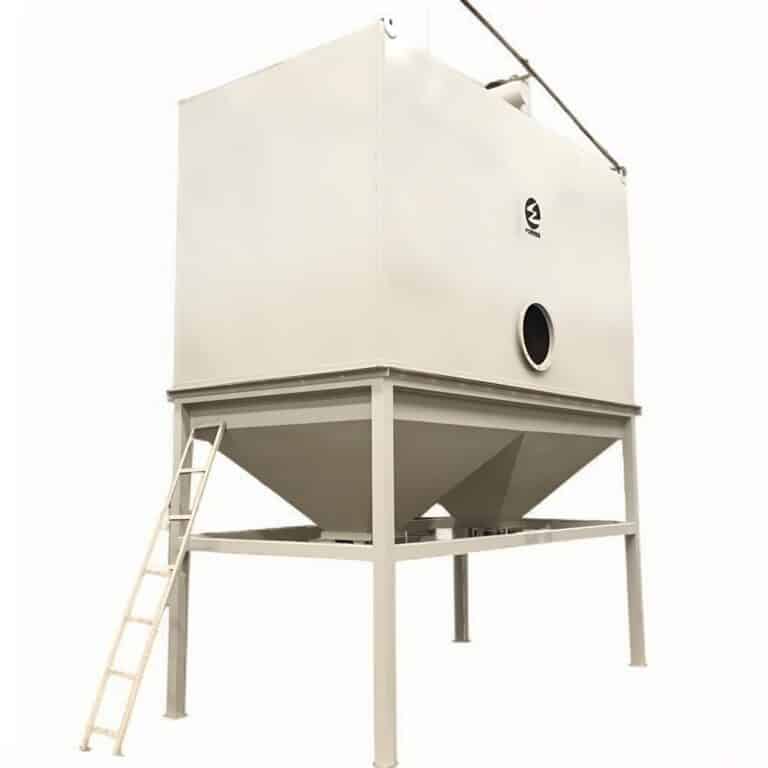
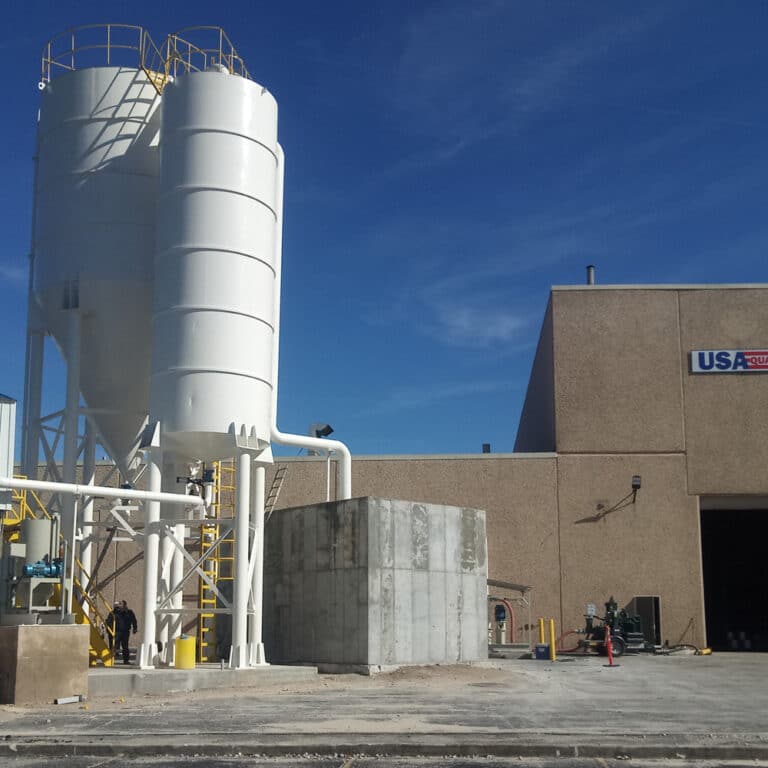
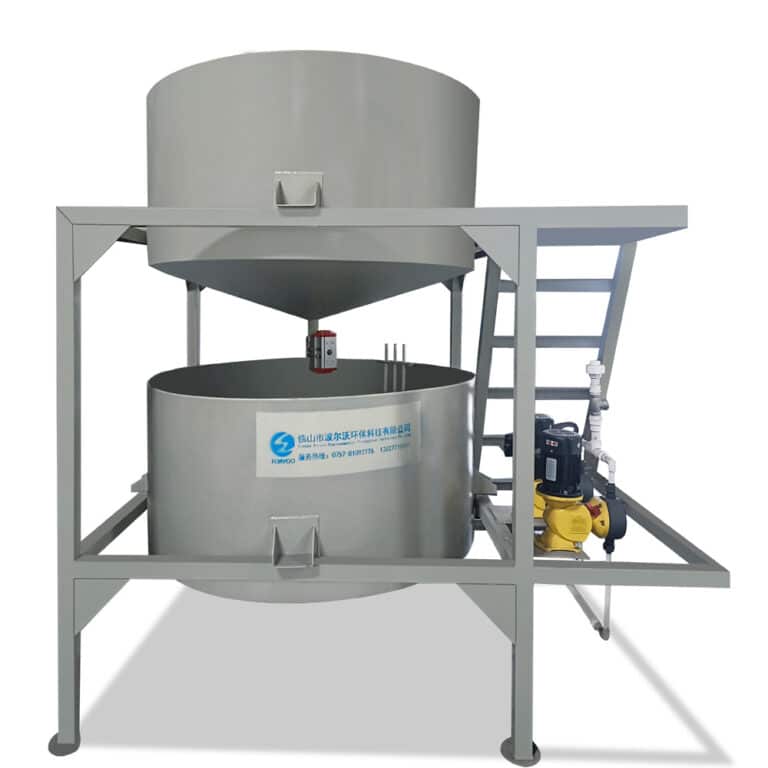
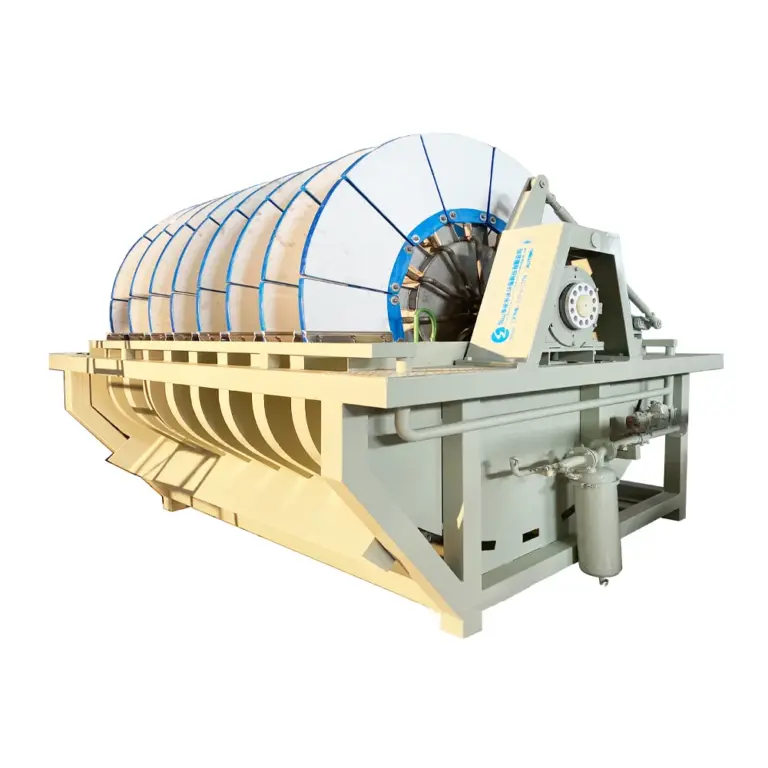
For wastewater treatment engineers and plant managers, achieving consistent fine particle removal in vertical settling towers remains a persistent operational challenge. Sub-optimal settling velocity directly impacts effluent clarity, compliance, and downstream process health. The core misconception is viewing chemical dosing and physical design as separate levers, when true optimization requires their precise, integrated application.
Attention to settling fundamentals is critical now due to tightening discharge regulations and the economic pressure to maximize asset performance. A strategic approach to optimization—balancing Stokes’ Law physics with practical hydraulic design and smart control—transforms a basic clarification unit into a reliable, cost-effective workhorse for water recycling and reuse.
Key Design Principles for Vertical Settling Optimization
The Physics Governing Particle Capture
Settling efficiency is dictated by Stokes’ Law, where terminal velocity increases with particle size and density differential. The primary design metric is the overflow rate (Q/A). A particle is only captured if its settling velocity exceeds this upward fluid velocity. This makes particle size enlargement through coagulation the most powerful optimization lever available to operators. Tank depth must balance sufficient retention time and sludge storage against capital cost, while inlet design is critical for energy dissipation.
Hydraulic Design for Uniform Flow
The strategic goal is to transition from turbulent inlet flow to a uniform, quiescent upflow regime. Inlet and feedwell design are paramount for this, aiming to distribute flow evenly and prevent short-circuiting. According to research on particle-fluid dynamics, optimal removal occurs in a specific parameter range where inertial filtering and gravitational drift are balanced. This insight guides the specification of target floc size and density to match the designed flow regime.
The Critical Balance of Forces
A key, often overlooked detail is the competing effect of particle inertia and gravity. Inertial filtering dampens velocity fluctuations, while gravitational drift causes particles to sample fluid that decorrelates rapidly. Design must account for this to ensure particles experience more downward-flowing fluid regions. We compared theoretical models with operational data and found that designs ignoring this local fluid environment consistently underperform, especially for particles in the 1-10 micron range.
Comparing Chemical vs. Physical Optimization Methods
The Role of Chemical Enhancement
Chemical methods directly target the variables in Stokes’ Law. Coagulants, such as metal salts, neutralize surface charges to destabilize colloids. Flocculants, typically high-molecular-weight polymers, then bridge these destabilized particles to artificially increase aggregate size and density. This transformation is essential for sub-micron particles that would otherwise never settle by gravity alone. The selection is a targeted science based on waste stream pH, ionic strength, and zeta potential.
The Foundation of Physical Design
Physical optimization focuses on managing the flow regime to achieve quiescent, laminar conditions. This involves advanced feedwell designs to dissipate inlet turbulence and ensure uniform upflow velocity across the tank’s cross-section. The mean upward fluid velocity must be lower than the target particle’s settling velocity. Industry experts recommend that physical design creates the stable environment where separation can occur, but it cannot create settleable solids from colloidal suspensions.
Why an Integrated Approach is Non-Negotiable
The choice between methods is sequential, not exclusive. Evidence shows that gravity drastically reduces inter-particle cohesion, meaning flocs formed chemically can be torn apart in a turbulent physical environment. Therefore, effective chemical creation of settleable flocs must be paired with a physical design that protects them from disruptive shear forces. An integrated approach ensures chemically engineered particles meet their design potential in a hydraulically optimized settling zone.
Comparing Optimization Pathways
| Optimization Method | Primary Target | Key Action | Strategic Role |
|---|---|---|---|
| Chemical (Coagulants) | Particle surface charge | Neutralizes colloid charges | Destabilizes sub-micron particles |
| Chemical (Flocculants) | Particle size & density | Bridges particles into aggregates | Artificially increases Stokes’ Law variables |
| Physical (Flow Design) | Flow regime | Manages turbulence & distribution | Creates quiescent, laminar conditions |
| Integrated Approach | System synergy | Pairs chemical creation with physical protection | Non-negotiable for fine particle removal |
Source: Technical documentation and industry specifications.
This table clarifies the distinct yet complementary roles of chemical and physical methods, highlighting why a standalone strategy often fails.
Cost Analysis: Capital Investment vs. Operational ROI
Understanding CAPEX for Advanced Designs
Financial justification requires analyzing capital expenditure (CAPEX) against operational return. High-efficiency physical designs, like advanced feedwells or lamella plate settlers, incur higher upfront costs. Lamella clarifiers leverage geometry to minimize settling distance, allowing higher throughput in a smaller footprint—a major CAPEX saving for space-constrained greenfield sites. The strategic question is whether the increased initial outlay is justified by long-term performance and savings.
The OPEX Savings from Optimization
Operational expenditure (OPEX) is where superior optimization delivers tangible returns. Effective chemical and physical optimization reduces polymer consumption, energy for mixing, and sludge handling costs. Improved underflow density decreases volume for dewatering or disposal. In my experience evaluating retrofit projects, a 15-30% reduction in polymer usage is a common and financially significant outcome from a well-executed optimization program, paying back the investment in a predictable timeframe.
The Holistic System View on Investment
A holistic view is crucial. Investing in adequate, actively raked sludge thickening capacity prevents process failure, directly protecting the ROI of the primary clarifier. Strategically, retrofitting proven technologies like optimized feedwells offers a high-ROI opportunity to debottleneck existing assets without full unit replacement. The highest lifecycle value comes from CAPEX spent on designs that minimize long-term OPEX and operational instability.
Investment Impact Analysis
| Investment Area | CAPEX Impact | OPEX Impact / ROI Driver |
|---|---|---|
| Advanced Feedwells | High upfront cost | Reduces turbulence, improves clarity |
| Lamella Plate Settlers | High initial investment | Higher throughput, smaller footprint |
| Retrofitting Existing Assets | Lower than replacement | Debottlenecks, improves underflow density |
| Adequate Sludge Handling | Moderate capital cost | Prevents process failure, protects clarifier ROI |
| Superior Chemical Optimization | Low to moderate | Reduces polymer & energy consumption |
Source: Technical documentation and industry specifications.
This analysis helps frame the trade-offs between upfront costs and the operational drivers that deliver financial return.
Optimizing Flow Dynamics to Minimize Turbulence
From Turbulent Inlet to Quiescent Upflow
Flow dynamics are the execution layer of settling theory. The goal is efficient energy dissipation at the inlet to prevent turbulent kinetic energy from causing particle resuspension in the settling zone. Controlled energy dissipation in the feedwell can even enhance flocculation. The key insight is that settling enhancement depends on the mean vertical velocity of the fluid sampled by the particles, not the bulk average. Design must therefore manipulate the local fluid environment.
The Impact of Particle Trajectories
The “crossing-trajectories effect” means settling particles drift through eddies. This can prevent them from being trapped in recirculation zones but also reduces clustering opportunities. Baffles and diffusers are used strategically to ensure particles experience more downward-flowing fluid regions. Easily overlooked details include the impact of temperature changes on fluid viscosity, which alters flow dynamics and settling rates, requiring design that is robust across a range of operating conditions.
Validating Hydraulic Performance
Tracer studies are the definitive method for identifying hydraulic short-circuiting or dead zones that compromise theoretical retention time. These studies validate whether the physical design achieves its intended flow distribution. Without this validation, assumptions about uniform upflow are just that—assumptions. Implementing changes based on tracer data, such as modifying baffle placement, often yields immediate improvements in effluent turbidity and consistency.
Advanced Coagulant and Flocculant Selection Guide
Engineering Optimal Floc Properties
Selecting chemicals is a process of engineering flocs with high settling velocity and shear resistance. The objective is to create aggregates that perform predictably in the gravitational field of the settling tank. Coagulant selection (e.g., alum vs. ferric chloride) depends heavily on waste stream pH and the charge of the target colloids. Flocculant selection then focuses on molecular weight and charge density to build large, dense aggregates from the destabilized particles.
The Gravity Constraint on Flocculation
A critical strategic insight tempers expectations: gravity significantly reduces particle clustering and collision opportunities compared to static jar tests. This means the flocculation process must create robust aggregates before they enter the settling zone, as gravity will then work to keep them separate. Therefore, chemical programs should aim for consistently large, dense flocs (high Stokes number) that perform predictably, rather than targeting complex turbulent-interaction behaviors that are dampened in the settling basin.
A Framework for Chemical Selection
| Chemical Type | Common Examples | Primary Function | Selection Basis |
|---|---|---|---|
| Coagulants | Alum, Ferric Chloride | Neutralizes surface charges | Waste stream pH, zeta potential |
| Flocculants | High-MW Polymers | Bridges particles into aggregates | Ionic strength, particle distribution |
| Target Floc Property | High Settling Velocity | High Shear Resistance | Predictable gravitational performance |
| Process Insight | Create robust aggregates before settling | Gravity reduces clustering post-formation | Aim for consistently large, dense flocs |
Source: ISO 13318-1: Determination of particle size distribution by centrifugal liquid sedimentation methods — Part 1: General principles and guidelines. This standard governs the analysis of fine and colloidal particles where chemical enhancement is critical, providing the framework for understanding and designing separation processes for engineered aggregates.
This guide, informed by sedimentation standards, shifts the focus from trial-and-error to engineered particle design.
Integrating Real-Time Monitoring and Control Systems
Essential Parameters for Process Stability
Process stability in the face of variable influent requires real-time adaptation. Monitoring key parameters—turbidity, sludge blanket level, pH, and flow rate—provides the data needed for automated control loops. These systems can adjust polymer dose, coagulant feed, and sludge underflow rates to maintain performance. Without this feedback, even a well-designed system operates sub-optimally as conditions change.
Moving from Reactive to Proactive Control
This is where evidence-based predictive models become invaluable. A validated analytical model that predicts particle dynamics for arbitrary Stokes and Froude numbers provides a powerful scaling tool. By feeding real-time process data into such a model, control systems can anticipate adjustments for changing particle loads or fluid viscosity, moving from reactive to proactive optimization. We compared plants with and without model-predictive control and found the latter achieved more consistent effluent quality with lower chemical usage.
The Control Loop in Action
| Monitored Parameter | Control Action | System Outcome |
|---|---|---|
| Turbidity | Adjusts polymer dose | Maintains effluent clarity |
| Sludge Blanket Level | Modifies underflow rate | Prevents solids washout |
| pH & Flow Rate | Adjusts coagulant feed | Adapts to variable influent |
| Predictive Model Input | Anticipates adjustments for load/viscosity | Shifts from reactive to proactive control |
Source: Technical documentation and industry specifications.
This integration closes the loop between design theory and operational reality, ensuring continuous operation in the optimal parameter range.
Evaluating System Performance for Your Specific Waste Stream
Rejecting the One-Size-Fits-All Approach
A universal optimization formula fails in wastewater treatment. Performance evaluation must be stream-specific, starting with a detailed analysis of particle size distribution, density, and chemical composition. Jar testing remains the fundamental method for determining optimal chemical type and dose, but it must be interpreted within the context of full-scale hydraulic conditions. Tracer studies are equally critical to identify physical shortcomings like hydraulic short-circuiting.
The Cascading Train Strategy
The strategic evolution of settling technology highlights the need for tailored design. Simple chambers are inefficient as final polishing units but serve as high-value pre-treatment “rock boxes” for streams with wide size distributions, removing >100 µm material to protect downstream sensitive equipment like membrane bioreactors. This cascading train approach optimizes total lifecycle cost by using simpler, robust technology for coarse removal and reserving advanced, optimized vertical towers for fine particle separation.
Methods for Stream-Specific Evaluation
| Evaluation Method | Measures | Strategic Application |
|---|---|---|
| Particle Size Analysis | Size distribution, density | Determines need for chemical enhancement |
| Tracer Studies | Hydraulic short-circuiting | Identifies physical flow issues |
| Jar Testing | Optimal chemical type/dose | Provides stream-specific chemical program |
| Cascading Train Approach | Removes >100 µm material first | Protects downstream sensitive equipment |
| Validated Scaling Model | Extrapolates pilot to full-scale | Reduces need for exhaustive testing |
Source: ISO 13317-1: Determination of particle size distribution by gravitational liquid sedimentation methods — Part 1: General principles and guidelines. This standard provides the foundational methodology for analyzing particle settling behavior, which is essential for conducting accurate stream-specific performance evaluations and scaling up treatment processes.
Adhering to established sedimentation standards ensures evaluations are methodical and scalable.
Selecting the Right Optimization Strategy for Your Plant
New Build vs. Retrofit Decision Framework
Final strategy selection synthesizes technical and financial analysis. For new plants, integrated design incorporating advanced hydraulic features and monitoring from the outset is most cost-effective. For retrofits, the focus should be on high-impact, modular upgrades. Feedwell replacement, lamella plate installation, or the integration of a real-time control system often provide the best return on investment by debottlenecking existing assets without a complete rebuild.
Ensuring Holistic System Synergy
The chosen strategy must be holistic. Sludge handling capacity must be matched to improved clarifier performance; an optimized tower that produces thicker underflow can overwhelm an undersized thickener. The 3D analysis frontier presents a strategic consideration: while current 2D models are powerful, investment in advanced volumetric diagnostics can unlock the next level of optimization by fully validating complex particle-fluid interactions in the settling zone.
The Path to Reliable Performance
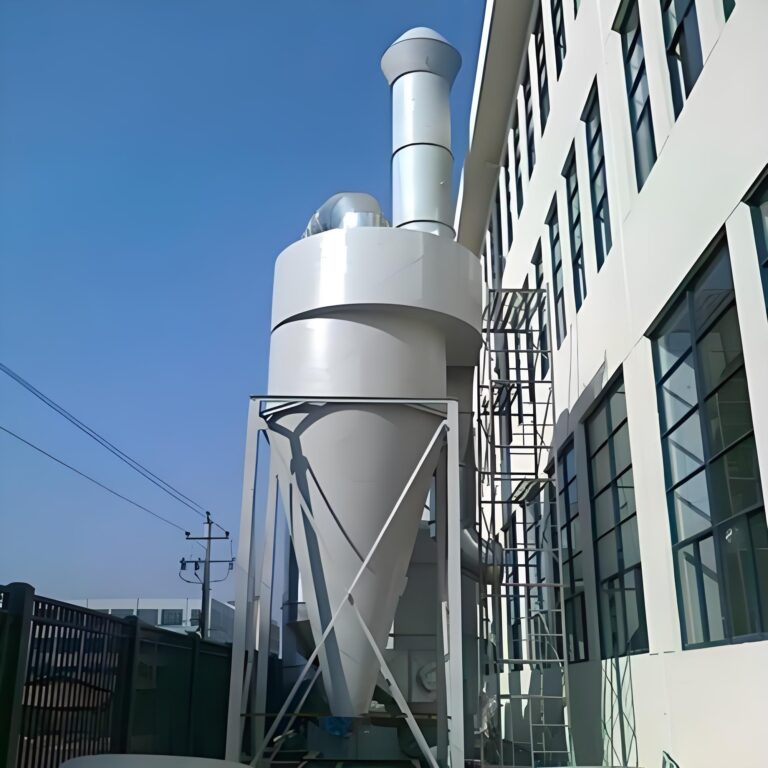
Ultimately, the right strategy creates a self-reinforcing synergy. Chemical programs engineer the ideal particle, physical design—including efficient vertical sedimentation tower systems—creates the ideal settling environment, and control systems maintain that ideal state. This integrated approach delivers reliable, cost-effective fine particle removal, turning a basic clarification process into a predictable and high-performing asset.
The core decision points are clear: commit to an integrated chemical-physical approach, validate designs with stream-specific data, and invest in control systems that lock in performance. For retrofits, prioritize modular upgrades that address the primary bottleneck, whether hydraulic or chemical. New designs should embed monitoring and flexibility from the start to adapt to future waste stream changes.
Need professional guidance to optimize your vertical settling system for fine particle removal? The engineers at PORVOO specialize in analyzing specific waste streams and designing tailored solutions that balance advanced hydraulic principles with operational practicality, ensuring your system meets both performance and financial targets.
For a detailed consultation on your application, you can also Contact Us directly.
Frequently Asked Questions
Q: How do we determine the key design metric for sizing a vertical settling tower?
A: The primary design metric is the overflow rate, calculated as flow rate divided by surface area (Q/A). A particle is only captured if its terminal settling velocity exceeds this rate. This principle is central to gravitational sedimentation analysis as defined in standards like ISO 13317-1. This means your design must first target particle enlargement through coagulation to increase settling velocity before adjusting the tank’s physical dimensions.
Q: Should we prioritize chemical or physical methods for optimizing fine particle removal?
A: You should use an integrated, sequential approach, not an exclusive choice. Chemical methods like coagulants and flocculants directly increase particle size and density per Stokes’ Law. Physical optimization then creates a quiescent, laminar flow regime to protect those formed flocs from disruptive turbulence. This means effective fine particle removal is non-negotiable and requires investing in both advanced chemical programs and hydraulic design features from the outset.
Q: What is the financial trade-off between advanced clarifier designs and operational costs?
A: High-efficiency physical designs, such as lamella plate settlers or advanced feedwells, require greater capital expenditure (CAPEX) but deliver substantial operational savings (OPEX). These designs reduce polymer consumption, sludge handling costs, and energy use while often allowing higher throughput in a smaller footprint. For retrofits, this means targeted upgrades like feedwell replacement typically offer the highest ROI by debottlenecking existing assets without full replacement.
Q: How does flow dynamics theory impact practical inlet and feedwell design?
A: Effective design must transition turbulent inlet flow to a uniform, low-velocity upflow regime. The critical insight is that particle capture depends on the local vertical fluid velocity sampled by the particles, not the bulk average. This means your inlet and feedwell design must use baffles and diffusers to ensure particles encounter more downward-flowing fluid regions, making advanced feedwells a paramount strategic lever for preventing short-circuiting.
Q: What is the strategic goal when selecting coagulants and flocculants for a vertical tower?
A: The goal is to engineer flocs with high settling velocity and shear resistance by targeting large, dense aggregate formation. Selection is based on waste stream pH, ionic strength, and zeta potential. However, gravity reduces inter-particle cohesion in the settling zone itself. This means your chemical program must create robust flocs before they enter the clarifier, as gravity will then work to separate them, favoring consistently large and dense floc properties.
Q: Why is real-time monitoring critical for maintaining optimized settling performance?
A: Real-time monitoring of turbidity, sludge blanket level, and flow enables control loops to adjust chemical dose and sludge underflow, maintaining stability against variable influent. Feeding this data into validated predictive models allows proactive adjustments for changes in particle load or fluid viscosity. This means facilities facing highly variable waste streams should plan for this sensor and control integration to move from reactive troubleshooting to consistent, cost-effective operation.
Q: How should we evaluate if our existing settling system is right for our specific waste stream?
A: Conduct a stream-specific analysis including particle size distribution, jar testing for chemicals, and tracer studies for hydraulic performance. Use this data with validated scaling models to extrapolate pilot results to full-scale expectations. This evaluation often reveals that a cascading train approach, using a simple chamber as a pre-treatment “rock box,” optimizes total lifecycle cost. This means you must tailor your strategy rather than applying a one-size-fits-all clarifier design.
Q: What is the primary consideration when selecting an optimization strategy for a retrofit project?
A: Focus on high-impact, modular upgrades that debottleneck existing assets without full replacement. The highest-value retrofits typically involve feedwell replacement or lamella plate installation to immediately improve flow distribution and surface area. This means your selection should prioritize proven technologies that synergize with your current chemical program and sludge handling capacity, ensuring the retrofit protects your operational ROI.