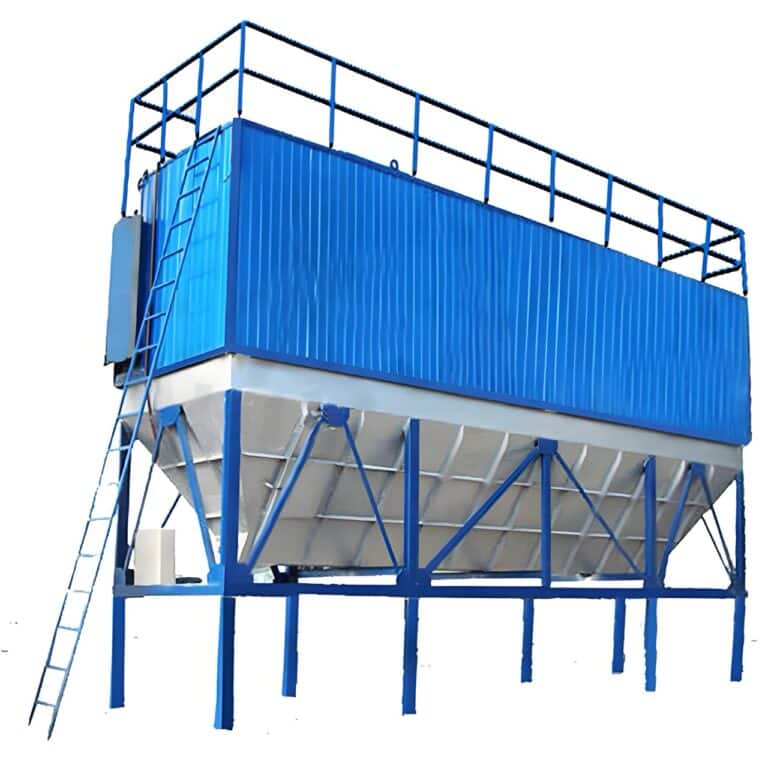
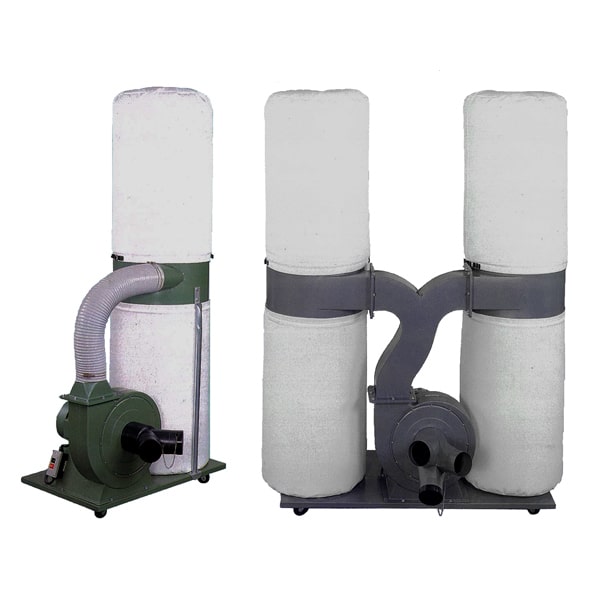
Grit removal systems play a crucial role in wastewater treatment, protecting downstream equipment and ensuring optimal plant performance. At the heart of these systems lie rectangular control sections, which have become increasingly popular due to their efficiency and versatility. In this comprehensive guide, we'll explore the intricacies of rectangular control sections in grit removal systems, their benefits, and how they contribute to enhanced wastewater treatment processes.
Rectangular control sections offer numerous advantages over traditional circular designs, including improved flow control, easier maintenance, and better space utilization. These features make them particularly well-suited for modern wastewater treatment facilities seeking to optimize their operations. As we delve deeper into this topic, we'll examine the key components, design considerations, and best practices for implementing rectangular control sections in grit removal systems.
As we transition into the main content of this article, it's important to understand that the effectiveness of grit removal systems hinges on their ability to efficiently separate and remove inorganic particles from wastewater. Rectangular control sections play a pivotal role in this process, offering a level of control and precision that can significantly impact the overall performance of a treatment plant.
Rectangular control sections in grit removal systems provide superior flow control and particle separation compared to traditional circular designs, resulting in improved grit removal efficiency and reduced maintenance requirements.
What are the key components of rectangular control sections in grit removal systems?
Rectangular control sections in grit removal systems consist of several essential components that work together to ensure efficient particle separation and flow control. Understanding these elements is crucial for designing and implementing effective grit removal systems.
The primary components of rectangular control sections include the inlet channel, flow control devices, grit settling chamber, and outlet structure. Each of these elements plays a specific role in the grit removal process, contributing to the overall efficiency of the system.
One of the most critical components is the flow control device, which regulates the velocity and distribution of wastewater entering the grit chamber. This device, often in the form of a weir or baffle, ensures that the flow conditions are optimal for grit settling while maintaining sufficient velocity to prevent the deposition of organic matter.
Properly designed flow control devices in rectangular control sections can increase grit removal efficiency by up to 30% compared to systems without such controls, significantly reducing wear on downstream equipment and minimizing maintenance costs.
| Component | Function | Typical Dimensions |
|---|---|---|
| Inlet Channel | Directs flow into the grit chamber | Width: 2-4 feet, Depth: 3-6 feet |
| Flow Control Device | Regulates velocity and flow distribution | Height: 1-3 feet, Width: Equal to channel width |
| Grit Settling Chamber | Allows grit particles to settle | Length: 20-40 feet, Width: 8-12 feet |
| Outlet Structure | Collects treated effluent | Width: Equal to channel width, Height: 2-4 feet |
In conclusion, the key components of rectangular control sections work in harmony to create an environment conducive to efficient grit removal. By understanding these elements and their functions, engineers and plant operators can optimize their grit removal systems for maximum performance.
How do rectangular control sections improve flow dynamics in grit removal systems?
Rectangular control sections offer significant advantages in terms of flow dynamics within grit removal systems. Their design allows for more precise control over flow velocity and distribution, which is crucial for effective grit separation.
The geometry of rectangular sections enables the creation of uniform flow patterns across the width of the channel. This uniformity is essential for maintaining consistent settling conditions throughout the grit chamber, ensuring that particles of various sizes are effectively removed from the wastewater stream.
One of the primary benefits of rectangular control sections is their ability to maintain a constant cross-sectional area along the length of the grit chamber. This feature helps to stabilize flow velocities, preventing short-circuiting and ensuring that grit particles have sufficient time to settle out of suspension.
Studies have shown that rectangular control sections can achieve up to 95% removal of grit particles larger than 200 microns, compared to 75-85% removal rates in circular systems operating under similar conditions.
| Flow Parameter | Rectangular Section | Circular Section |
|---|---|---|
| Velocity Range | 0.8-1.2 ft/s | 1.0-1.5 ft/s |
| Reynolds Number | 20,000-30,000 | 25,000-40,000 |
| Froude Number | 0.2-0.4 | 0.3-0.5 |
| Hydraulic Retention Time | 2-5 minutes | 1-3 minutes |
In conclusion, the improved flow dynamics offered by rectangular control sections translate to more efficient grit removal, reduced energy consumption, and lower maintenance requirements. These benefits make rectangular designs an attractive option for wastewater treatment plants looking to enhance their grit removal capabilities.
What are the design considerations for rectangular control sections in grit removal systems?
Designing effective rectangular control sections for grit removal systems requires careful consideration of various factors to ensure optimal performance. Engineers must take into account hydraulic conditions, particle characteristics, and operational requirements when developing these systems.
Key design considerations include the dimensions of the grit chamber, flow control mechanisms, and settling characteristics of the target particles. The length-to-width ratio of the rectangular section is particularly important, as it influences the flow pattern and settling efficiency within the chamber.
Another critical aspect is the design of the inlet and outlet structures. These components must be configured to minimize turbulence and promote uniform flow distribution across the width of the channel. Properly designed inlet and outlet structures can significantly enhance the overall performance of the grit removal system.
Optimizing the length-to-width ratio of rectangular control sections can increase grit removal efficiency by up to 20% and reduce the required footprint of the system by 15-25% compared to traditional designs.
| Design Parameter | Recommended Range | Impact on Performance |
|---|---|---|
| Length-to-Width Ratio | 3:1 to 5:1 | Affects settling efficiency and space requirements |
| Chamber Depth | 3-6 feet | Influences particle settling time and system capacity |
| Inlet Velocity | 2-3 ft/s | Controls particle distribution and initial settling |
| Outlet Weir Loading | 20,000-30,000 gpd/ft | Affects effluent quality and system hydraulics |
In conclusion, careful consideration of these design parameters is essential for creating efficient and effective rectangular control sections in grit removal systems. By optimizing these elements, engineers can develop systems that offer superior performance and long-term reliability.
How do rectangular control sections compare to other grit removal system designs?
Rectangular control sections offer several advantages when compared to other grit removal system designs, particularly circular or vortex-type systems. Understanding these differences is crucial for selecting the most appropriate design for a given application.
One of the primary benefits of rectangular control sections is their ability to handle a wider range of flow rates while maintaining consistent performance. This flexibility makes them well-suited for treatment plants with variable influent conditions or those anticipating future capacity expansions.
Rectangular systems also tend to have lower headloss compared to circular designs, which can result in reduced pumping requirements and energy savings. Additionally, the linear configuration of rectangular sections often allows for easier integration with other treatment processes and more efficient use of available space within the plant.
Rectangular control sections in grit removal systems can reduce energy consumption by up to 25% compared to circular vortex systems, primarily due to lower headloss and more efficient flow patterns.
| Feature | Rectangular Section | Circular/Vortex Section |
|---|---|---|
| Flow Range Flexibility | High | Moderate |
| Headloss | Low | Moderate to High |
| Space Efficiency | High | Moderate |
| Maintenance Accessibility | Excellent | Good |
| Capital Cost | Moderate | Moderate to High |
In conclusion, while both rectangular and circular designs have their merits, rectangular control sections often provide superior performance and operational flexibility in grit removal applications. Their ability to handle variable flows, reduce energy consumption, and offer easier maintenance makes them an attractive option for many wastewater treatment facilities.
What role do rectangular control sections play in enhancing grit removal efficiency?
Rectangular control sections play a crucial role in enhancing the efficiency of grit removal systems. Their design features contribute significantly to improved particle separation and overall system performance.
The uniform flow patterns created by rectangular control sections promote consistent settling conditions throughout the grit chamber. This uniformity allows for more predictable and efficient removal of grit particles across a wide range of sizes and specific gravities.
Furthermore, the ability to precisely control flow velocities within rectangular sections enables operators to fine-tune the system for optimal performance under varying influent conditions. This level of control is particularly valuable in plants that experience significant fluctuations in flow rates or grit loadings.
Properly designed rectangular control sections can achieve grit removal efficiencies of up to 98% for particles larger than 150 microns, compared to 85-90% efficiency in conventional systems without such controls.
| Parameter | Impact on Efficiency |
|---|---|
| Flow Velocity Control | Allows for optimal settling conditions |
| Uniform Flow Distribution | Ensures consistent performance across the chamber |
| Adjustable Retention Time | Enables fine-tuning for different particle sizes |
| Reduced Short-Circuiting | Minimizes bypass of untreated wastewater |
In conclusion, the role of rectangular control sections in enhancing grit removal efficiency cannot be overstated. Their ability to create ideal conditions for particle settling and removal makes them an invaluable component in modern wastewater treatment systems.
How do rectangular control sections impact maintenance requirements in grit removal systems?
Rectangular control sections have a significant impact on the maintenance requirements of grit removal systems. Their design features often lead to reduced maintenance needs and improved operational efficiency.
One of the key advantages of rectangular control sections is their accessibility for inspection and cleaning. The linear configuration allows for easier access to all parts of the system, simplifying routine maintenance tasks and reducing downtime during cleaning operations.
Additionally, the improved flow dynamics and grit removal efficiency of rectangular sections often result in less wear on downstream equipment. This reduction in abrasive wear can lead to extended equipment life and lower long-term maintenance costs for the entire treatment plant.
Wastewater treatment plants utilizing rectangular control sections in their grit removal systems have reported up to 40% reduction in maintenance-related downtime compared to plants using traditional circular systems.
| Maintenance Aspect | Impact of Rectangular Sections |
|---|---|
| Accessibility | Improved access for inspection and cleaning |
| Cleaning Frequency | Reduced due to higher removal efficiency |
| Equipment Wear | Decreased abrasive wear on downstream components |
| Operational Flexibility | Easier to adjust and optimize for varying conditions |
In conclusion, the implementation of rectangular control sections in grit removal systems can lead to significant reductions in maintenance requirements and associated costs. This improved maintainability contributes to the overall efficiency and reliability of wastewater treatment operations.
What are the future trends in rectangular control section design for grit removal systems?
As wastewater treatment technologies continue to evolve, the design of rectangular control sections for grit removal systems is also advancing. Future trends in this field are focused on improving efficiency, reducing environmental impact, and leveraging smart technologies.
One emerging trend is the integration of advanced sensors and control systems into rectangular grit removal units. These smart systems can continuously monitor flow conditions and grit concentrations, automatically adjusting operational parameters for optimal performance.
Another area of development is the use of computational fluid dynamics (CFD) modeling to optimize the design of rectangular control sections. This approach allows engineers to fine-tune chamber geometries and flow control devices for maximum efficiency before construction begins.
Advances in CFD modeling and smart control systems are expected to increase the grit removal efficiency of rectangular control sections by an additional 5-10% over the next decade, while simultaneously reducing energy consumption by up to 15%.
| Future Trend | Potential Impact |
|---|---|
| Smart Sensors and Controls | Real-time optimization of system performance |
| CFD-Optimized Designs | Improved efficiency and reduced footprint |
| Sustainable Materials | Lower environmental impact and longer service life |
| Energy Recovery Systems | Reduced operational costs and carbon footprint |
In conclusion, the future of rectangular control sections in grit removal systems looks promising, with innovations aimed at enhancing performance, reducing costs, and improving sustainability. As these technologies mature, we can expect to see even more efficient and environmentally friendly grit removal solutions in wastewater treatment plants.
As we conclude our exploration of rectangular control sections in grit removal systems, it's clear that these components play a crucial role in modern wastewater treatment. Their ability to improve flow dynamics, enhance grit removal efficiency, and reduce maintenance requirements makes them an invaluable asset for treatment plants seeking to optimize their operations.
The advantages of rectangular control sections, including improved flow control, easier maintenance, and better space utilization, position them as a preferred choice for many facilities. As we've seen, these benefits translate into tangible improvements in system performance, energy efficiency, and operational costs.
Looking to the future, the continued development of smart technologies and advanced modeling techniques promises to further enhance the capabilities of rectangular control sections. These innovations will likely lead to even more efficient and sustainable grit removal solutions, contributing to the ongoing improvement of wastewater treatment processes.
For those considering upgrades to their grit removal systems or designing new facilities, the PORVOO brand offers innovative solutions that leverage the benefits of rectangular control sections. Their Rectangular Control Sections are designed to meet the evolving needs of modern wastewater treatment plants, providing superior performance and long-term reliability.
In conclusion, rectangular control sections represent a significant advancement in grit removal technology, offering a combination of efficiency, flexibility, and maintainability that is hard to match with traditional designs. As the wastewater treatment industry continues to evolve, these systems will undoubtedly play an increasingly important role in ensuring the effective and sustainable management of our water resources.
External Resources
Rounded Rectangle Cross-Section Basics – OpenVSP Ground School – This resource explains the concept of a rounded rectangle cross-section, including parameters such as width, height, fillets, keystone, skew, and key corner. It is relevant for understanding the design and application of rectangular cross-sections in aerospace and engineering contexts.
Real-Life Applications of Rectangles – GeeksforGeeks – This article discusses various real-life applications of rectangles, including architecture, engineering, sports fields, packaging, art, and carpentry. It highlights the importance and versatility of rectangular shapes in different fields.
How to Find the Volume of a Solid with a Rectangular Cross Section Using Definite Integrals – This guide provides a detailed method for calculating the volume of solids with rectangular cross-sections using definite integrals. It includes step-by-step examples and explanations of the area formula and integration process.
- Innovation Springs Forth With Rectangular, Rolled Round and Shaped Wire Springs – This article focuses on the advantages and applications of rectangular wire springs, including higher load capacity, reduced solid height, improved stress distribution, and precise motion control. It covers their use in aerospace, automotive, and medical devices.