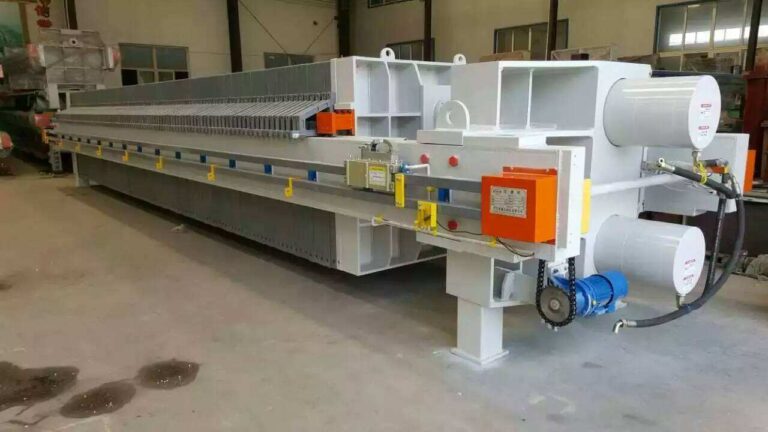
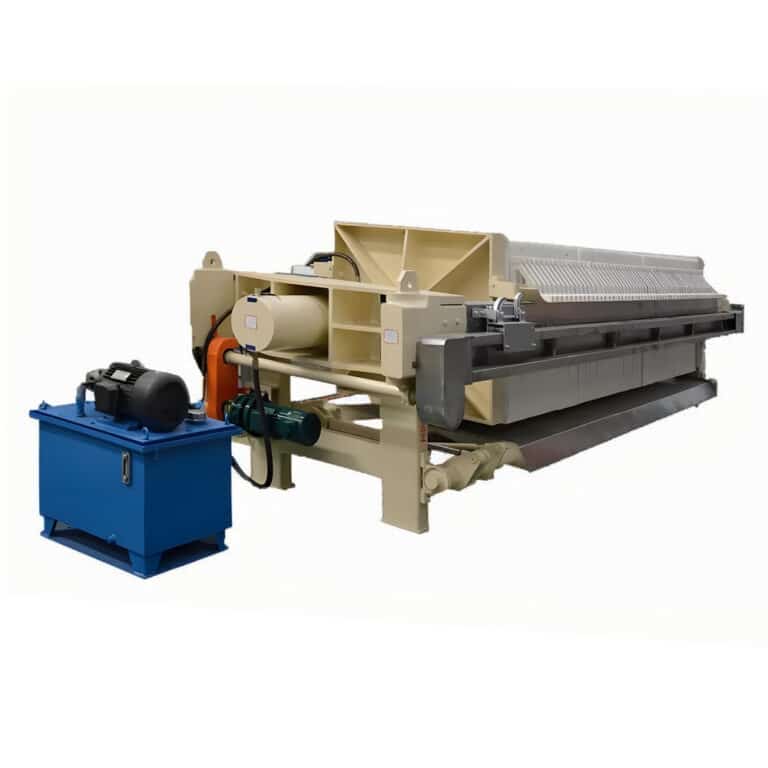
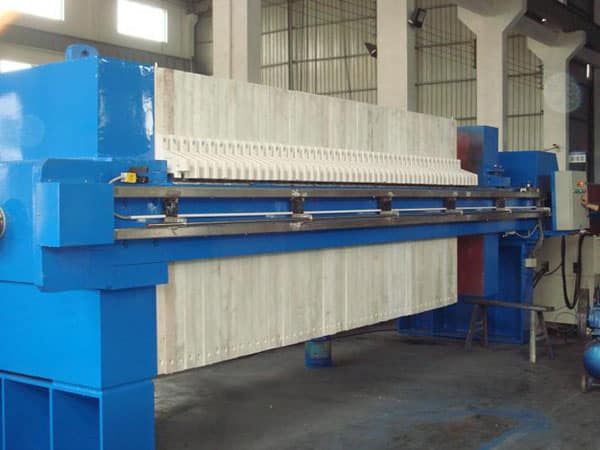
Specifying a recessed plate filter press is a high-stakes capital decision. The common mistake is treating it as a simple capacity calculation based on liquid volume. This leads to undersized equipment, operational bottlenecks, and inflated total cost of ownership. The real challenge is translating your unique sludge characteristics and production goals into a precise technical specification that balances throughput, cake dryness, and operational labor.
Accurate sizing is critical because these are batch systems with a 20+ year lifespan. An error in the initial specification locks in inefficiency, high consumable costs, and potential vendor lock-in for decades. This guide provides a deterministic, 8-step method to move from process parameters to a validated equipment specification, ensuring your investment delivers predictable performance and controlled operating costs.
Step 1: Define Your Core Process Parameters
The Non-Negotiable Foundation
Accurate sizing begins with three foundational parameters, not liquid flow. First, define the daily mass of dry solids (M) to be processed, including any conditioning agents like lime or polymer. The filter press is a solids-concentrating device; this dry mass is the primary capacity driver. Second, establish the target cake dryness (S_F). This is a strategic variable that dictates downstream handling and disposal costs, representing a compromise between sludge characteristics and conditioning chemistry.
The Cycle Time Bottleneck
Third, estimate the total cycle time (T_cycle). This includes filling, filtration, pressing, optional air drying, cake discharge, and periodic cloth washing. The standard 2-4 hour cycle creates an inherent operational bottleneck. Industry experts recommend that sizing calculations must prioritize robust batch cycle management over theoretical throughput to prevent system overload during shift changes or maintenance. Overlooking the full cycle, including manual discharge time, is a primary cause of undersizing.
Step 2: Calculate Filtration Area and Plate Count
From Solids to Chamber Volume
With core parameters defined, calculate the required total chamber volume (VT) using the formula VT = (M / K) / (SF * ρcake), where K is the daily number of cycles and ρcake is wet cake density. This equation highlights that chamber capacity is calculated backward from the desired solid cake output. The required total filtration area (A) is then derived from this volume and the selected cake thickness (L): A = VT / (2 * L * 1000).
The Cake Thickness Compromise
Cake thickness, typically 30mm, is a key design choice balancing cycle time and area requirements. This area dictates the number and size of plates. In my experience, the most critical input here is accurate, pilot-tested sludge data; guessing parameters like achievable dryness or wet cake density almost guarantees an inefficient specification. The following table outlines the key parameters and their implications for this calculation phase.
Key Sizing Parameters and Implications
The following table summarizes the critical variables and constants used in the filtration area and plate count calculation, along with their operational significance.
| Parameter | Typical Value / Range | Key Driver / Implication |
|---|---|---|
| Cake Thickness (L) | 30 mm (standard) | Design compromise choice |
| Wet Cake Density (ρ_cake) | ~1.1 kg/L | Calculation constant |
| Plate Sizes | 800, 1200, 1500 mm | Dictates filtration area |
| Daily Cycles (K) | 2-4 cycles/day | Creates operational bottleneck |
Source: JB/T 4333.3-2013 Recessed plate filter press type and basic parameters. This standard defines fundamental sizing parameters, including filter plate dimensions and filtration area, which are directly used in the calculation formulas presented in this section.
Step 3: Specify Operating Pressure and Cycle Time
Pressure as an Interdependent Variable
Operating pressure and cycle time are not independent specs. Standard filtration pressure is typically 15 bar, with 7-bar systems for less demanding applications. The hydraulic clamping force must exceed this internal pressure to prevent leaks, a requirement detailed in standards like JB/T 4333.1-2013. For compressible cakes, membrane plates apply a secondary mechanical squeeze (15-20 bar) to further reduce moisture.
Optimizing the Batch Cycle
Cycle time is optimized by concluding the filtration phase based on a low filtrate flow rate, not just a timer. This batch nature creates inherent labor peaks, especially for sludges requiring manual cake detachment. Therefore, specifying automation like plate shifters is a strategic ROI calculation to mitigate labor intensity and reduce operational variability. The energy cost of achieving this pressure is a major TCO component.
Performance Specifications for Pressure and Cycle
The table below details the standard operating pressures and their impact on system performance and energy consumption, which are critical for defining cycle parameters.
| Component | Specification / Metric | Performance Impact |
|---|---|---|
| Standard Filtration Pressure | 15 bar | Common operating pressure |
| Low-Pressure Systems | 7 bar | Less demanding applications |
| Membrane Squeeze Pressure | 15-20 bar | Secondary mechanical dewatering |
| Cycle Time Reduction (Membrane) | 25% or more | For compressible sludges |
| Energy Consumption | 25-35 kWh/ton dry solids | Major TCO component |
Source: JB/T 4333.1-2013 Recessed plate filter press technical conditions. This standard establishes the technical requirements and safety regulations for operating pressures and other performance criteria critical to specifying cycle parameters.
How Do You Calculate Total Cost of Ownership (TCO)?
Beyond the Capital Quote
A comprehensive TCO extends far beyond the purchase price. It includes energy consumption (typically 25-35 kWh per ton of dry solids), labor for manual operations, and recurring consumable costs. The most significant recurring cost center is often filter cloths and, over the long term, plate replacement. Cloth life exceeding 2000 cycles is achievable with proper selection, but material compatibility is non-negotiable.
The Captive Aftermarket Risk
Critically, the supply chain for these custom, wear-prone consumables creates a captive aftermarket. This transforms the business model, creating vendor lock-in for proprietary parts that significantly impact operational expenditure over the asset’s 20+ year life. Evaluating long-term parts availability and cost during specification is a key strategic safeguard. I’ve seen projects where the annual consumable cost rivaled the equipment finance payment within five years.
Breakdown of Total Cost of Ownership
Understanding the full financial commitment requires analyzing recurring and long-term cost categories, as outlined below.
| Cost Category | Key Metric / Consideration | Strategic Implication |
|---|---|---|
| Energy | 25-35 kWh/ton dry solids | Significant recurring OPEX |
| Filter Cloth Life | >2000 cycles | Proper selection critical |
| Asset Life Expectancy | 20+ years | Long-term parts availability key |
| Consumables Cost | Major recurring center | Creates captive aftermarket |
| Vendor Lock-in Risk | High for proprietary parts | Evaluate during specification |
Source: Technical documentation and industry specifications.
Key Technical Specifications: Plates, Cloths, and Feed Systems
Plate Technology Defines Capability
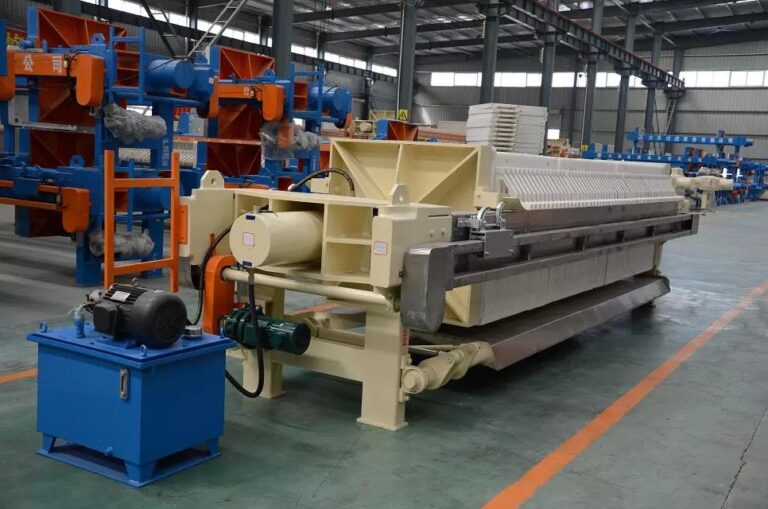
Plate technology defines fundamental process limits. Recessed chamber plates are standard, with a choice between non-gasketed (NG) and gasketed (CGR) designs for leak-free operation. Molded polypropylene is the standard material for its chemical resistance and weight. These specifications, governed by standards like JB/T 4333.1-2013, lock in limits for dewatering efficiency and maintenance complexity.
Cloth Selection is a Performance Variable
Filter cloth selection is a critical performance variable, not a commodity purchase. Material (PP, polyester), weave, and sealing method directly control filtrate clarity, cake release, and cloth life. For the feed system, a center-feed design promotes even filling, paired with a pump capable of a controlled pressure ramp for optimal cake formation. An air-operated diaphragm pump is often specified for this duty.
Critical Component Specifications
The selection of core components determines the operational envelope and maintenance profile of the filter press.
| Component | Key Options / Specs | Primary Function |
|---|---|---|
| Plate Type | Recessed chamber (NG/CGR) | Defines process capability |
| Plate Material | Molded polypropylene | Standard for chemical resistance |
| Cloth Material | PP, polyester | Controls clarity & release |
| Feed System Design | Center-feed | Promotes even filling |
| Feed Pump Type | Air-operated diaphragm | Controlled pressure ramp |
Source: JB/T 4333.1-2013 Recessed plate filter press technical conditions. This standard specifies technical requirements for critical components like plates, cloths, and feed systems, which lock in dewatering efficiency and maintenance complexity.
What Are Common Sizing Mistakes and How to Avoid Them?
Mistake 1: Basing Size on Liquid Volume
The primary error is sizing based on liquid feed volume rather than daily dry solids mass (M). This leads to an undersized chamber volume because it ignores the final cake solids concentration. Another is overlooking the full cycle time, including discharge and washing, which fails to account for the necessary 8-hour capacity buffer for reliable operation.
Mistake 2: Assuming Generic Sludge Behavior
Assuming a generic cake dryness without considering the specific compromise imposed by conditioning chemistry is also risky. For example, adding lime increases dry mass but can create a more permeable, drier cake, while polymer alone might yield a stickier, wetter cake. These differences drastically affect the calculated chamber volume and filtration area.
The Validation Imperative
To avoid these, insist on pilot testing with your actual, conditioned sludge. This evidence-based approach gathers accurate data for filterability, achievable dryness, and cycle time, as per the test methods in JB/T 4333.2-2013. It is the only reliable way to prevent costly operational bottlenecks and ensure the sizing formulas are applied with correct inputs.
Comparing Membrane vs. Standard Recessed Plates
The Performance-Cost Trade-Off
The choice is a strategic trade-off. Standard recessed plates rely solely on pump pressure. Membrane plates incorporate an elastic diaphragm that, after initial filtration, is inflated with water or air to mechanically squeeze the cake. This can significantly increase final dryness and reduce cycle time for compressible sludges.
Justifying the Premium
However, this capability comes at a 30-50% cost premium and requires a more complex auxiliary system for squeeze media. The strategic implication is clear: membrane technology is only justified when maximizing cake dryness or minimizing cycle time delivers a direct operational or disposal cost saving that offsets the higher capital and maintenance complexity. It is not a universal upgrade.
Technology Comparison Matrix
The decision between standard and membrane plates involves weighing clear performance benefits against increased cost and complexity.
| Criteria | Standard Recessed Plates | Membrane Plates |
|---|---|---|
| Dewatering Mechanism | Pump pressure only | Pump + mechanical squeeze |
| Final Cake Dryness | Standard | Significantly increased |
| Cycle Time | Standard | Reduced by 25%+ |
| Capital Cost Premium | Baseline | 30-50% higher |
| System Complexity | Lower | Higher (auxiliary system) |
Source: Technical documentation and industry specifications.
Note: Membrane technology is justified when increased dryness or reduced cycle time offsets higher capital and maintenance costs.
Next Steps: Validating Your Specification and Getting Quotes
From Calculation to Confirmation
With a preliminary specification drafted, validation is crucial. Engage suppliers for a formal review and request a pilot test using your sludge to confirm key assumptions like cycle time and cake dryness. This step mitigates the risk inherent in the sizing formula’s dependencies. Reputable suppliers should offer test facilities or support on-site trials.
Decoding the Quote
When soliciting quotes for a recessed plate filter press system, demand detailed breakdowns that separate equipment, automation, and auxiliary systems. Scrutinize the consumables (cloths, plates) section for unit costs and projected life to model long-term OPEX. Evaluate suppliers on their application expertise and their ability to offer performance-based service contracts that guarantee process outcomes, not just hardware delivery.
The specification process culminates in three decisions: validating sludge data through pilot testing, selecting component technology based on a clear TCO analysis, and choosing a supplier based on lifecycle support capability. Each choice directly impacts 20 years of operational cost and reliability. Need professional support to translate your process data into a precise, optimized specification? The engineering team at PORVOO specializes in applying this deterministic methodology to develop filtration solutions that meet both technical and financial targets. Contact Us to discuss your application data and receive a validated system proposal.
Frequently Asked Questions
Q: What is the most critical parameter for correctly sizing a filter press?
A: The daily mass of dry solids (M) is the primary sizing parameter, not liquid feed volume. This mass, along with the target cake dryness and total cycle time, forms the foundation for calculating required chamber volume and filtration area. This means facilities must base their capacity planning on accurate sludge characterization data to prevent undersizing and operational bottlenecks.
Q: How do you calculate the total filtration area and number of plates needed?
A: You first calculate the required total chamber volume from the daily dry solids mass and target cake dryness. The filtration area is then derived from this volume and your chosen cake thickness, typically 30mm as a standard. This area dictates the plate size and count, as defined by standard parameters in JB/T 4333.3-2013. For projects where sludge characteristics are variable, plan for pilot testing to confirm these calculations before finalizing the specification.
Q: When should we specify membrane plates over standard recessed plates?
A: Specify membrane plates when processing compressible sludges where maximizing final cake dryness or reducing cycle time by 25% or more justifies a 30-50% capital cost premium. The mechanical squeeze from the inflated diaphragm operates at 15-20 bar. This means facilities facing high disposal costs or tight processing windows should evaluate the operational savings against the higher initial investment and auxiliary system complexity.
Q: What are the most common mistakes in filter press specification and how can we avoid them?
A: The primary errors are sizing based on liquid volume instead of dry solids mass and overlooking the full cycle time, including discharge and washing. Another mistake is assuming a generic cake dryness without considering the specific impact of conditioning chemicals. To avoid these, insist on pilot testing with your actual, conditioned sludge to gather evidence-based data on filterability and cycle time for reliable sizing.
Q: What factors dominate the total cost of ownership for a filter press system?
A: Beyond capital cost, TCO is driven by energy use (25-35 kWh per ton of dry solids), manual labor, and recurring consumables. Filter cloths and eventual plate replacement are significant long-term cost centers, creating a captive aftermarket. This means evaluating long-term parts availability and cost during vendor selection is a key strategic safeguard against operational expenditure surprises over the asset’s 20+ year life.
Q: How should we validate a preliminary filter press specification before procurement?
A: Engage suppliers for a formal review and request a pilot test using your sludge to confirm critical assumptions like cycle time and achievable cake dryness. This step mitigates the inherent risk in sizing calculations. When you get quotes, scrutinize detailed cost breakdowns for consumables and projected cloth life. For operations requiring guaranteed outcomes, plan to evaluate suppliers on their application expertise and the terms of performance-based service contracts.
Q: What technical standards govern the specification and testing of recessed plate filter presses?
A: Key standards include JB/T 4333.1-2013 for technical conditions and basic parameters, and JB/T 4333.2-2013 for test methods covering filtration capacity and cake moisture. The broader GB/T 32759-2016 standard also provides foundational requirements. This means your specification and vendor validation processes should reference these standards to ensure equipment meets defined performance and safety criteria.