Selecting the right industrial dust collector is a high-stakes capital decision. The choice between pulse-jet, reverse-air, and shaker baghouse technologies involves navigating complex trade-offs between performance, cost, and operational impact. A common mistake is focusing solely on initial capital expenditure, which ignores critical long-term factors like energy dependency, maintenance complexity, and production continuity.
Understanding these trade-offs is essential for optimizing total cost of ownership and ensuring compliance with increasingly stringent air quality standards. The right system aligns with your specific dust characteristics, plant constraints, and strategic operational goals.
Pulse Jet vs Reverse Air vs Shaker: Core Cleaning Mechanisms Compared
The operational DNA of a baghouse is defined by its cleaning mechanism. This fundamental choice dictates system architecture, filter media selection, and suitability for specific applications.
Defining the Three Cleaning Methods
Shaker systems clean offline by mechanically shaking filter bags, requiring the isolation of entire compartments. Reverse-air systems also clean offline but use a reversed airflow to gently collapse and flex the bags. Pulse-jet technology employs high-pressure air blasts (70-100 psi) directed into the bag, cleaning it while the system remains online. This architectural difference means space constraints and the need for production continuity are primary selection drivers from the outset.
How Mechanism Dictates System Design
The cleaning aggression directly constrains filter media choice. Gentle shaker and reverse-air systems typically use woven fabrics. The aggressive cleaning of a pulse-jet system requires durable, non-woven felt media to withstand the force. As industry experts note, this linkage means you cannot simply optimize media for a specific dust without considering a potential full system redesign if switching between these core technologies.
Strategic Implications for Plant Operations
The cleaning mode creates divergent operational realities. Offline systems (shaker, reverse-air) introduce planned downtime for cleaning cycles, which must be factored into production schedules. Pulse-jet systems offer continuous operation, a critical advantage for processes that cannot be interrupted. However, this comes with a dependency on clean, dry compressed air—a significant utility and maintenance consideration that becomes a core part of the system’s ecosystem.
Capital & Operating Cost Comparison: Initial vs Long-Term Investment
A simplistic focus on purchase price is a strategic error. True financial analysis requires modeling the total cost of ownership (TCO) over the asset’s lifecycle, where hidden dependencies often dominate.
Breaking Down Initial Capital Expenditure
Upfront costs vary significantly by technology. Shaker systems generally have low-to-moderate capital costs due to their mechanical simplicity. Reverse-air systems carry the highest initial cost, driven by complex damper assemblies, dedicated reverse-air fans, and compartmentalized housing. Pulse-jet systems fall in the middle but introduce a critical, often underestimated, capital component: the compressed air supply system (compressors, dryers, piping).
Modeling Operational and Energy Costs
Long-term operating costs reveal the true financial picture. Shaker systems have low energy needs, primarily for fan operation. Reverse-air systems incur higher maintenance costs for damper and fan upkeep. The pulse-jet’s operational cost center is compressed air. Generating clean, dry air at 80-100 PSI is energy-intensive, making the compressor a significant and ongoing energy consumer. We compared lifecycle costs across several installations and found that for facilities without existing high-quality air supply, the compressor’s energy use can erode the pulse-jet’s footprint savings within a few years.
The Total Cost of Ownership Framework
A responsible TCO model must integrate all factors: energy consumption, scheduled maintenance labor and parts, filter bag replacement frequency, and the production value lost during offline cleaning. For example, a lower-cost shaker system requiring frequent full-baghouse shutdowns for cleaning may have a higher operational cost than a pulse-jet that runs continuously.
| Cost Component | Pulse Jet | Reverse Air | Shaker |
|---|---|---|---|
| Initial Capital Cost | Moderate | Highest | Low-Moderate |
| Key Operational Cost | Compressed air energy | Damper/fan maintenance | Fan energy only |
| Energy Dependency | High (80-100 PSI air) | Moderate | Low |
| Operational Complexity | Moderate (valves, air) | High (dampers, fans) | Low |
Source: Technical documentation and industry specifications.
Performance Face-Off: Air-to-Cloth Ratio, Efficiency & Pressure Drop
Cleaning efficacy translates directly into measurable performance metrics that impact system size, energy use, and emission control capability.
Air-to-Cloth Ratio and Physical Footprint
The air-to-cloth ratio (ACR) measures the volume of air filtered per square foot of media per minute. It is a key determinant of collector size. Shaker and reverse-air systems operate at low to moderate ACRs (1.5-4.0 ft/min), requiring more filter area and a larger physical footprint. Pulse-jet systems achieve high ACRs (5.0-15+ ft/min), delivering greater capacity in a much smaller enclosure. This trade-off is strategic: the gentler cleaning that promotes longer bag life comes at the cost of significantly more floor space.
Filtration Efficiency and Particle Size
All three systems can achieve filtration efficiencies exceeding 99%. However, the method of cake dislodgement influences performance on submicron particles. Pulse-jet systems, with their forceful cleaning, often maintain a more consistent filter cake and can achieve higher efficiency on fine particulates. The performance of the filter media itself is classified under standards like ISO 16890-1:2016 Air filters for general ventilation, which provides the framework for evaluating particulate removal.
Pressure Drop and Fan Energy Consumption
Pressure drop is the resistance to airflow through the dust cake and filter media. A stable, low pressure drop optimizes fan energy use. Pulse-jet systems, with frequent online cleaning, maintain a lower and more stable pressure drop profile. Shaker and reverse-air systems experience a sawtooth pattern—pressure drop builds until an offline cleaning cycle occurs, causing higher average resistance and greater fan energy consumption over time.
| Performance Metric | Pulse Jet | Reverse Air | Shaker |
|---|---|---|---|
| Air-to-Cloth Ratio (ft/min) | 5.0 – 15+ | 1.5 – 4.0 | 1.5 – 4.0 |
| Filtration Efficiency | >99% (submicron) | >99% | >99% |
| Pressure Drop Profile | Low & stable | Moderate | Moderate-High |
| Footprint vs. Capacity | Most compact | Largest | Largest |
Source: ISO 16890-1:2016 Air filters for general ventilation. This standard provides the foundational framework for classifying filter media efficiency based on particulate matter (PM) removal, which underpins the performance metrics of all three baghouse types.
Which System Is Better for Your Specific Industry Application?
Suitability is not about which technology is “best,” but which is optimal for your dust’s physical properties and your process’s operational demands.
Heavy Industrial and High-Temperature Applications
For large-volume, high-temperature applications like coal-fired power generation, cement kilns, or metallurgical processes, reverse-air systems are often the default. They handle high temperatures well and their gentle cleaning preserves bag integrity in continuous, demanding service. Their compartmentalized design also allows for easy offline inspection and maintenance.
Processing Moderate, Non-Adhesive Dusts
Industries like food, grain, or certain wood processing, where dust is moderate and non-sticky, can benefit from shaker baghouse simplicity. The lack of compressed air dependency reduces complexity and utility costs. Their offline cleaning is acceptable where process interruptions can be scheduled. However, they are poorly suited for hygroscopic or cohesive dusts that form a hard cake.
High Dust-Loading and Space-Constrained Facilities
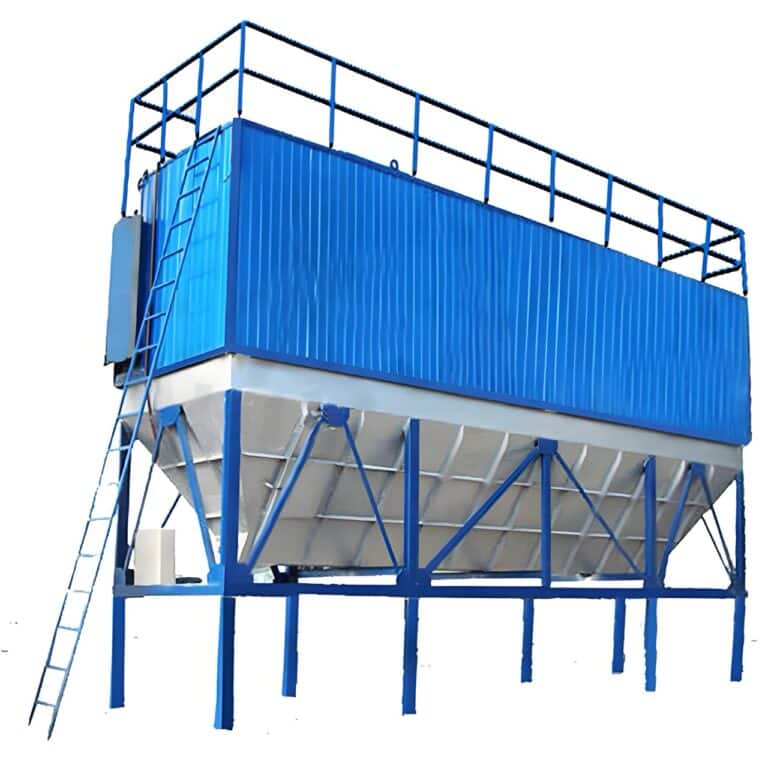
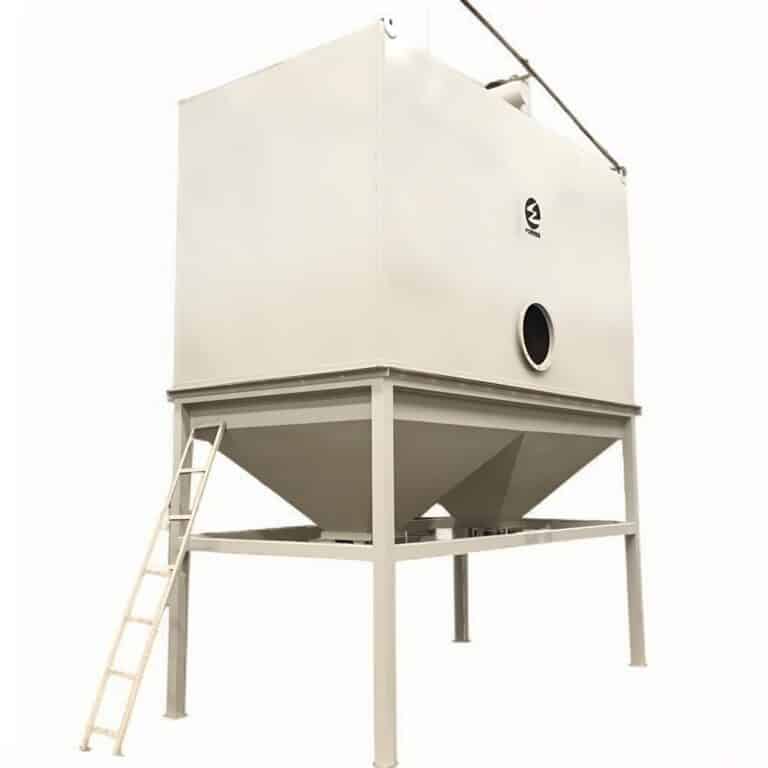
Pulse-jet technology dominates applications with high dust concentrations, sticky particulates, or severe space limitations. Its continuous operation is critical for processes like metal grinding, pharmaceutical powder handling, or silica collection. The compact pulse jet dust collector design is a decisive advantage in facility expansions or retrofits where floor space is at a premium. The industry trajectory shows pulse-jet converging as the standard for its versatility, a trend accelerated by tightening emission standards that challenge gentler systems.
| Industry Application | Recommended System | Primary Justification |
|---|---|---|
| Power Generation / Cement | Reverse Air | High-temperature, gentle cleaning |
| Food / Grain Processing | Shaker | Non-sticky dust, simplicity |
| High Dust-Loading / Sticky | Pulse Jet | Continuous operation, high capacity |
| Space-Constrained Facilities | Pulse Jet | Compact footprint |
Source: Technical documentation and industry specifications.
Maintenance, Downtime & Bag Life: Operational Impact Analysis
The day-to-day interaction with the dust collector—through maintenance schedules, bag changes, and process interference—defines its operational burden and long-term reliability.
Maintenance Complexity and Skill Requirements
System complexity dictates maintenance needs. Shaker systems are mechanically simple, with motors, drives, and linkages. Reverse-air systems introduce high complexity with numerous dampers, seals, and a dedicated fan system, requiring more skilled mechanical attention. Pulse-jet systems shift complexity to the compressed air system (solenoid valves, diaphragms, air treatment) and electrical controls. The maintenance team’s expertise should align with the chosen technology.
Process Downtime: Online vs. Offline Cleaning
This is a fundamental operational differentiator. Offline cleaning (shaker, reverse-air) means full compartments must be taken out of service, which can interrupt process airflow if not carefully managed with excess capacity. Pulse-jet cleaning is online and continuous, eliminating scheduled cleaning downtime—a major advantage for 24/7 operations. However, pulse-jet valve maintenance typically must be performed online, requiring safe work procedures for pressurized systems.
Filter Bag Life and Replacement Costs
Bag life reflects the cleaning mechanism’s aggression. Gentle shaker and reverse-air systems typically deliver the longest bag life. The more forceful pulse-jet cleaning can lead to shorter bag life from abrasion and fatigue. However, this is a strategic trade-off: shorter bag life is offset by the system’s higher capacity, smaller footprint, and lack of cleaning downtime. The cost of more frequent bag changes must be calculated against the savings from a smaller collector and continuous operation.
| Operational Factor | Pulse Jet | Reverse Air | Shaker |
|---|---|---|---|
| Cleaning Mode | Online | Offline | Offline |
| Maintenance Complexity | Moderate | High | Low |
| Process Downtime for Cleaning | None | Required | Required |
| Typical Bag Life | Shorter (aggressive) | Longer (gentle) | Longest (gentle) |
Source: Technical documentation and industry specifications.
Space & Infrastructure Requirements: Footprint and Utility Needs
The physical and utility demands of a dust collector can be deciding factors, often dictating feasibility before performance is even considered.
Physical Footprint and Layout Implications
The air-to-cloth ratio directly governs footprint. Shaker and reverse-air baghouses, with their low ACRs and need for multiple compartments, require the largest physical space. A pulse-jet system with a high ACR can handle the same air volume in a fraction of the area. This compactness is not just about floor space; it affects structural support, material handling for bag replacement, and integration into existing plant layouts. For indoor installations, headroom clearance is also a critical check.
Utility Dependencies: Air, Power, and Noise
Infrastructure needs diverge sharply. Shaker and reverse-air systems primarily require electrical power for fans and drives. Pulse-jet technology mandates a reliable supply of plant air or dedicated compressed air at 80-100 PSI—clean, dry, and oil-free. This is a non-negotiable capital and operational add-on. Furthermore, integrated noise control is becoming a key differentiator. The sharp report of pulse-jet valves may require acoustic insulation or housing, especially for indoor installations where worker exposure is a concern.
| Requirement | Pulse Jet | Reverse Air | Shaker |
|---|---|---|---|
| Physical Footprint | Most compact | Largest | Large |
| Compressed Air Need | Mandatory (80-100 PSI) | None | None |
| Primary Utility Need | Electrical + Air | Electrical | Electrical |
| Noise Control Consideration | Often required | Less critical | Less critical |
Source: Technical documentation and industry specifications.
Key Decision Criteria: Selecting the Right Dust Collector for Your Plant
Moving from comparison to selection requires a structured, weighted evaluation of your specific operational and financial realities.
Step 1: Analyze Dust Characteristics and Process
Begin with a definitive analysis of your dust: particle size distribution, moisture content, temperature, abrasiveness, and adhesiveness. This data will immediately disqualify unsuitable technologies. For instance, sticky dusts rule out shakers; very high temperatures may favor reverse-air. Simultaneously, define non-negotiable process requirements: must the collector run 24/7 without interruption? Is there flexibility for scheduled cleaning downtime?
Step 2: Audit Plant Constraints and Infrastructure
Conduct a clear-eyed audit of constraints. Precisely measure available space, including headroom and access for maintenance. Assess existing infrastructure: is there sufficient, high-quality compressed air? What is the electrical capacity? These practical limitations often narrow the field to a single viable option before financial models are even run.
Step 3: Build a Total Cost of Ownership Model
Construct a 10-15 year TCO model that includes all cost vectors: capital depreciation, energy (fan and compressor), preventive and corrective maintenance labor/parts, filter bag replacement costs, and the production impact of any required downtime. This model provides the financial justification for what may be a higher initial investment.
Step 4: Future-Proof Against Regulatory Trends
Consider the regulatory trajectory. Emission standards, particularly for PM2.5 and submicron particles, continue to tighten. Selecting a system that operates at peak efficiency with stable pressure drop, like a well-maintained pulse-jet, provides a margin of safety against future compliance challenges. The filter media’s performance, as tested under standards like EN 779:2012, forms the basis of this compliance.
Upgrade Considerations: Converting Older Systems to Modern Technology
For facilities with operational but aging baghouses, a complete replacement is not the only option. Retrofit conversion offers a capital-efficient path to modern performance.
The Retrofit Advantage: Leveraging Existing Assets
The core strategy is to reuse the major structural assets—the housing, hopper, support steel, and ductwork—while replacing the internal filtration and cleaning technology. The most common conversion is upgrading an older shaker or reverse-air housing to a pulse-jet system. This approach can increase airflow capacity by 2-3x within the same physical footprint, effectively unlocking new capacity without a major structural project.
Drivers for Considering a Conversion
Key drivers for conversion include the need for higher efficiency to meet new emission standards, reducing the maintenance burden of obsolete or complex damper systems, and eliminating production downtime associated with offline cleaning. It is a viable third option between the high cost of a full greenfield installation and the operational risk of continuing with legacy, potentially non-compliant equipment.
Technical and Design Evaluation
A successful conversion requires a thorough engineering evaluation. The existing housing must be structurally sound and appropriately sized for the new internal arrangement and increased air-to-cloth ratio. Hopper geometry, access doors, and support steel are assessed. The new design integrates modern pulse-jet tubesheets, venturi-equipped bag cages, and a high-pressure air manifold. This process turns a limitation into an opportunity for strategic modernization.
The optimal choice balances technical performance with strategic operational and financial realities. There is no universal best technology, only the best fit for your specific dust, process, and plant constraints. A disciplined evaluation of dust characteristics, space, infrastructure, and total cost of ownership will point to the clear solution.
Need professional guidance to navigate this critical decision for your facility? The engineering team at PORVOO specializes in auditing existing systems and designing optimized solutions, whether for retrofit or new installation, to meet your performance and compliance goals. Contact Us to discuss your application requirements.
Frequently Asked Questions
Q: How does the cleaning mechanism affect our choice of filter media when selecting a baghouse?
A: The cleaning method directly dictates compatible filter fabrics. Gentle shaker systems work with woven fabrics, while aggressive pulse-jet cleaning demands durable felt media for longevity. This constraint means you cannot independently optimize media for a specific dust without considering a full system redesign. For projects where dust characteristics are variable or poorly defined, plan for a system whose cleaning aggression aligns with a wider range of compatible media types.
Q: What are the hidden operational costs we should model for a pulse-jet dust collector?
A: Beyond the moderate capital cost, pulse-jet systems introduce a critical dependency on clean, dry compressed air at 80-100 PSI. This creates a significant, ongoing operational cost center for compressor energy and maintenance, which must be included in your Total Cost of Ownership model. If your facility lacks reliable compressed air infrastructure, expect to budget for its installation and long-term operational energy consumption as a non-negotiable add-on.
Q: We need to maximize capacity in a tight space. Which system offers the highest air-to-cloth ratio?
A: Pulse-jet baghouses achieve the highest operational air-to-cloth ratios, typically between 5.0 to over 15 ft/min, allowing for greater air volume handling in a compact footprint. This performance stems from their high-pressure online cleaning, which maintains a lower, stable pressure drop. This means facilities with severe space constraints should prioritize pulse-jet technology, but must accept the associated compressed air utility needs and potential for shorter bag life due to more aggressive cleaning.
Q: How do industry application trends influence the choice between shaker, reverse-air, and pulse-jet systems?
A: Pulse-jet technology is converging as the industry standard for its versatility, high efficiency on submicron particles, and continuous operation. This trend is accelerated by tightening emission standards that challenge gentler shaker and reverse-air systems. For applications with high dust-loading, sticky particulates, or stringent compliance needs, you should evaluate pulse-jet systems first, as their performance and compact design often provide the most future-proof solution.
Q: Can we retrofit our existing shaker baghouse to modern technology without a full replacement?
A: Yes, retrofitting an older shaker or reverse-air housing with modern pulse-jet internals is a capital-efficient upgrade path. This approach reuses structural assets like the housing and ductwork while replacing the core filtration and cleaning technology, potentially tripling airflow capacity within the same footprint. If your drivers are meeting new emissions standards or reducing maintenance complexity, this conversion offers a viable third option between full replacement and continuing with legacy equipment.
Q: What standard should we reference to understand the baseline filtration performance of the media used in these systems?
A: The filtration performance of particulate filter media is fundamentally defined by standards like ISO 16890-1:2016, which classifies efficiency based on particulate matter (PM) removal. Historical testing procedures are also outlined in EN 779:2012. This means when comparing vendor claims for any baghouse type, you should verify that the filter media efficiency data is derived from these established test methods to ensure a consistent performance baseline.
Q: How does required operational continuity impact the choice between online and offline cleaning systems?
A: Systems with offline cleaning, like shaker and reverse-air baghouses, require compartment isolation for maintenance, which can interrupt your process flow. Pulse-jet systems clean online, enabling continuous operation without production pauses. If your plant cannot tolerate scheduled downtime for filter cleaning, you should prioritize online pulse-jet technology, but must balance this with the need for vigilant maintenance of its solenoid valves and air treatment equipment.