Selecting the right dust collection system is a critical capital decision with long-term financial implications. The choice between cartridge and baghouse technology is often oversimplified to initial purchase price, a mistake that can lock in higher operational costs for years. A true evaluation requires a disciplined analysis of Total Cost of Ownership (TCO) over a five-year horizon, factoring in energy, maintenance, and system longevity.
This focus is essential now as manufacturing plants face intense pressure to optimize operational efficiency and control costs. Energy prices remain volatile, labor is scarce, and unplanned downtime directly impacts profitability. A strategic TCO comparison moves the decision from a simple equipment purchase to a long-term investment in plant reliability and financial performance.
Cartridge vs Baghouse: Core Technology Differences
Architectural Divergence
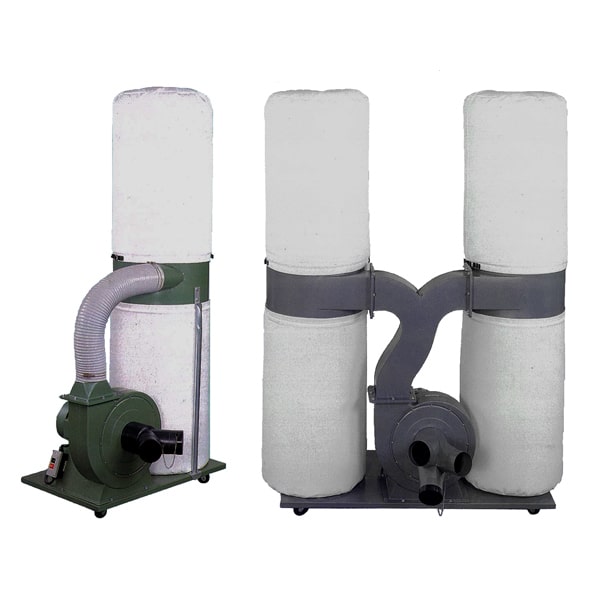
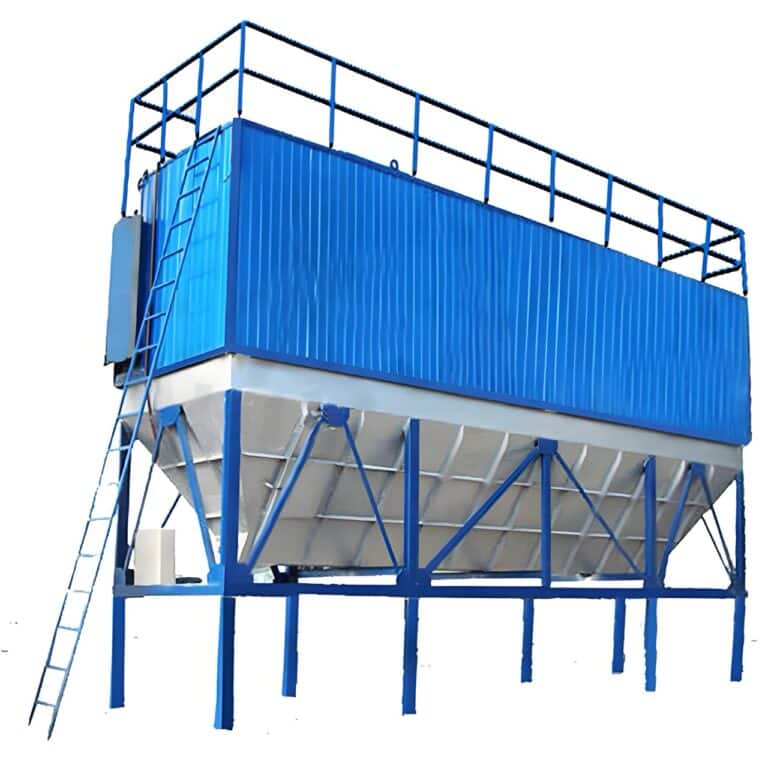
The fundamental operating principles of cartridge and baghouse dust collectors create distinct cost and performance profiles. Cartridge collectors utilize pleated, non-woven filter media in a cylindrical form, offering a high surface area in a compact footprint. They excel at capturing fine, sub-micron dust via surface loading and are cleaned with pulse-jet systems. Baghouses employ long, tubular fabric bags, handling higher air volumes and heavier dust loads. Their cleaning mechanisms—pulse-jet, reverse-air, or mechanical shaking—influence bag life and energy use.
The Flow Capacity Threshold
This architectural divergence is not merely technical but strategic. The primary technical driver is the required system airflow (CFM). A clear threshold often determines the system’s physical footprint and capital layout. Choosing the wrong architecture for your projected airflow can lead to costly retrofits, making early integration of flow projections into facility design critical. Industry experts recommend modeling not just current needs but future expansion scenarios to avoid capacity limitations.
Strategic System Role
We compared dozens of installations and found that filtration is evolving from a pure cost-center to a value-generation asset that protects equipment and ensures product quality. Therefore, selection criteria must expand to include system reliability and contribution to operational excellence goals, not just meeting a basic technical specification. The right system protects capital investment in production machinery and maintains a safe, compliant working environment.
5-Year TCO Compared: Capital vs Operational Costs
Defining CapEx and OpEx
A true financial comparison requires analyzing Total Cost of Ownership over a five-year horizon, moving beyond initial price. Capital Expenditure (CapEx) includes equipment, installation, ductwork, and auxiliary systems like explosion protection mandated by standards such as NFPA 652:2023. Baghouses often have higher initial equipment and structural costs. Operational Expenditure (OpEx) is where long-term differences crystallize. It encompasses energy consumption, filter media replacement, maintenance labor, and disposal costs.
The OpEx Dominance
A system with a lower CapEx but higher annual OpEx can become far more expensive over five years. Maintenance labor is a hidden cost driver, transforming the economic analysis. A TCO model must factor in labor rates and change-out frequency, not just media costs, to reveal the true advantage of systems designed for service efficiency. According to research from plant maintenance logs, easily overlooked details include the cost of specialized tools, safety training for maintenance personnel, and waste disposal fees for spent filters.
Comparative Cost Drivers
The following table summarizes the key financial drivers over a five-year period.
| Cost Category | Cartridge Collector | Baghouse Collector |
|---|---|---|
| Capital Expenditure (CapEx) | Lower initial equipment cost | Higher equipment & structural cost |
| Energy Consumption (OpEx) | Higher potential energy cost | More stable energy profile |
| Filter Media Replacement | Lower labor, higher frequency | Higher labor, lower frequency |
| 5-Year TCO Driver | Annual OpEx & labor | Initial CapEx & media life |
Source: Technical documentation and industry specifications.
Energy Consumption & Pressure Drop: A Cost Comparison
Pressure Drop as the Key Metric
Energy is a dominant, recurring OpEx item, primarily driven by system pressure drop (ΔP). As filters load with dust, resistance increases, forcing the fan to consume more energy to maintain airflow. Cartridges can experience a faster ΔP rise if not cleaned effectively, while well-designed baghouses may maintain more stable resistance. The energy for pulse-jet cleaning also contributes directly. System pressure drop is a direct proxy for energy efficiency.
The Fan Energy Equation
Technologies that maintain a lower, stable ΔP create a continuous energy savings stream. Therefore, a lower initial system cost can be eclipsed by higher long-term energy costs, making ΔP a core selection criterion for maximizing ROI. The test methods defined in ISO 16890-2:2022 provide the technical basis for comparing the air flow resistance of filter media, which is foundational for these energy calculations.
Comparing Energy Profiles
The table below breaks down the energy consumption factors for each system type.
| Parameter | Cartridge Collector | Baghouse Collector |
|---|---|---|
| Pressure Drop (ΔP) Stability | Faster rise if poorly cleaned | More stable resistance possible |
| Primary Energy Driver | Fan energy (ΔP dependent) | Fan energy (ΔP dependent) |
| Secondary Energy Cost | Pulse-jet cleaning air | Pulse-jet cleaning air |
| Key Efficiency Metric | Maintain low, stable ΔP | Maintain low, stable ΔP |
Source: ISO 16890-2:2022. This standard specifies test methods for measuring air flow resistance (pressure drop) of filter media, providing the technical basis for comparing the energy efficiency of different filter types, a core component of operational cost.
Filter Media Life & Replacement: Cartridge vs Baghouse
Service Life and Labor Intensity
Filter replacement cost, frequency, and labor are central to TCO. Cartridges typically have a shorter service life but are easier and faster to change. Bags often last longer, especially with protective pre-filters or advanced membranes, but change-outs are more labor-intensive. In my experience, plants that only track media purchase price miss the larger cost of production interruptions during lengthy filter changes.
The Media Upgrade Leverage
Upgrading media material (e.g., to ePTFE membrane) can extend service life from months to years, offsetting a higher upfront cost through drastically reduced downtime and labor. This demonstrates that media selection based solely on initial price ignores the dominant financial impact of operational uptime. Furthermore, all disposable filters create stealth OPEX through consumable costs and landfill waste, linking cost reduction directly to sustainability (ESG) goals.
Replacement Cost Analysis
The comparative factors for filter media are detailed below.
| Factor | Cartridge Filter | Baghouse Bag |
|---|---|---|
| Typical Service Life | Shorter (months) | Longer (years) |
| Replacement Labor Intensity | Lower, faster change | Higher, more labor hours |
| Media Upgrade Impact | Extends life significantly | Extends life significantly |
| Key Cost Consideration | Frequency & downtime | Labor & disposal costs |
Source: Technical documentation and industry specifications.
Which System Is Better for High-Volume Applications?
The Baghouse Advantage
For high-volume, heavy-dust-load applications, baghouses generally hold an advantage due to their inherent design for larger air volumes and efficient cake release from long bags. Their ability to handle substantial particulate loads often translates to longer stable operation between cleaning cycles. This makes them a common choice for primary collection points in woodworking, mining, and metal processing.
The Hybridization Strategy
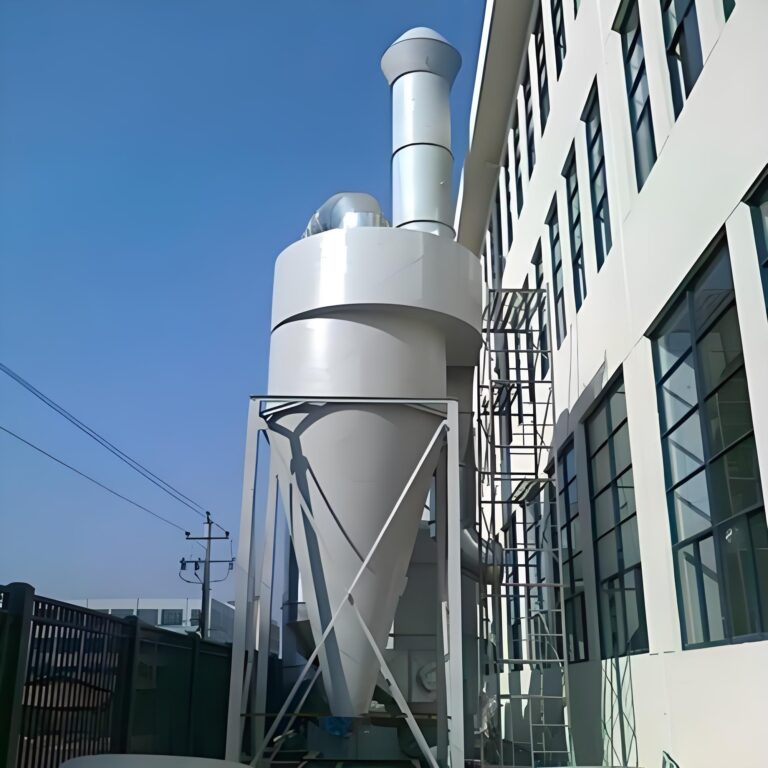
A more nuanced, optimal approach involves hybridization. Pairing a cyclone for bulk removal with a final-stage baghouse or cartridge collector creates a tiered, multi-technology solution. This optimizes the cost-capability ratio by using the right tool for each particulate size and volume segment, protecting the final filters and lowering the overall lifecycle cost for complex dust streams. This is particularly effective for applications with a wide range of particle sizes.
Application-Specific Design
The decision must be driven by the specific dust characteristics and process requirements. A well-designed system for a high-volume application, such as a modular cartridge dust collector, can still be optimal if the dust is fine and the footprint is constrained, especially when paired with effective pre-separation.
Maintenance Labor, Downtime, and Accessibility Compared
Accessibility Defines Labor Hours
Maintenance demands directly affect productivity and cost. Cartridge systems often feature tool-less access and modular designs, enabling faster filter changes. Baghouse maintenance may require entry into the collector, using specialized tools and more labor hours. Unplanned downtime for emergency changes results in direct production loss, a cost that often exceeds the price of the filters themselves.
The Predictive Maintenance Shift
IoT integration is revolutionizing this aspect. Real-time data on differential pressure and flow will enable predictive, condition-based maintenance, replacing static schedules. This optimizes labor and media use, minimizes unplanned downtime, and is a strategic reason to invest in “smart” filtration assets for superior TCO visibility and control. Easily overlooked details include the cost of integrating these sensors and the training required for staff to interpret the data.
Maintenance Factor Comparison
The operational differences are summarized in the following table.
| Maintenance Aspect | Cartridge System | Baghouse System |
|---|---|---|
| Filter Access & Design | Tool-less, modular | May require internal entry |
| Labor Hours per Change | Lower | Higher |
| Unplanned Downtime Risk | Production loss cost | Production loss cost |
| Future Trend (IoT) | Predictive maintenance | Predictive maintenance |
Source: Technical documentation and industry specifications.
Key Decision Factors: Dust Type, Space, and Airflow
The Primary Technical Drivers
The optimal technology depends on specific plant conditions. Dust characteristics—abrasiveness, moisture, particle size, and stickiness—dictate filter media choice and longevity. Available physical space often favors the compact footprint of cartridge collectors. Most critically, required system airflow (CFM) is the primary technical driver. A miscalculation here is the most common source of poor system performance and cost overruns.
Strategic Selection Goals
The selection framework must expand beyond mere compliance. Reliability and uptime are paramount strategic goals. A system that minimizes interruptions and protects downstream equipment generates value that far exceeds its operational cost. For any wet or dry process, analyze current and projected regulatory surcharges or disposal fees as primary ROI drivers. Compliance with NFPA 652:2023 is a non-negotiable cost factor that influences both CapEx and OpEx.
Decision Matrix
The following table outlines how key factors influence the technology selection.
| Decision Factor | Favors Cartridge | Favors Baghouse |
|---|---|---|
| Primary Technical Driver | Moderate airflow (CFM) | High-volume airflow (CFM) |
| Physical Space | Compact footprint | Larger footprint required |
| Dust Load | Fine, sub-micron dust | Heavy dust loads |
| Strategic Selection Goal | Reliability & uptime | Reliability & uptime |
Source: NFPA 652:2023. This standard mandates hazard analysis for combustible dusts, directly influencing system design, media selection, and safety features—all critical capital and operational cost factors in the TCO analysis.
Implementing Your TCO Analysis: A Step-by-Step Framework
Define Baseline Parameters
A structured, facility-specific analysis is essential. First, define baseline parameters: airflow (CFM), operating hours, and local costs for electricity and labor. Second, quantify all capital costs for each system, including auxiliaries like explosion vents, ducting, and structural supports. Third, calculate annual OpEx: sum energy costs (fan + compressed air), filter replacement (media + labor), preventive maintenance, and disposal fees.
Project and Compare TCO
Fourth, project the 5-Year TCO: CapEx + (5 x Annual OpEx). Finally, calculate comparative ROI: determine annual OpEx savings and the payback period for any incremental capital investment. A higher initial investment in a more efficient system or superior media often pays back quickly through operational savings. We compared project paybacks and found that factoring in potential future energy price increases makes efficient systems even more financially attractive.
Incorporate Strategic Variables
Given supply chain volatility, factor in lead times; a faster-deploying refurbished system or retrofit may offer a better strategic return than waiting for delayed new equipment, accelerating your ROI initiation. The final decision should balance the quantitative TCO model with these qualitative strategic factors, such as system flexibility and support availability from the supplier.
The core decision pivots on your specific airflow, dust characteristics, and operational cost structure. Prioritize a detailed OpEx projection over initial price, with energy consumption and maintenance labor as the primary levers. A disciplined TCO analysis reveals the true cost drivers and prevents long-term budget overruns.
Need professional support to model the 5-year TCO for your facility’s specific conditions? The engineering team at PORVOO can provide a detailed comparative analysis based on your process data, helping you select the system that delivers the optimal return on investment and operational reliability. For a direct consultation, you can also Contact Us.
Frequently Asked Questions
Q: How does system pressure drop directly impact our energy costs and ROI?
A: Pressure drop is the primary driver of energy consumption, as the system fan must work harder to overcome resistance from loaded filters. A collector that maintains a lower, more stable differential pressure (ΔP) over time will create continuous energy savings. This means you should prioritize ΔP performance data over initial equipment price, as a marginally cheaper system with higher long-term resistance will erode your five-year ROI through inflated utility bills.
Q: What is the most effective way to extend filter life and reduce maintenance costs?
A: Upgrading to advanced filter media, such as ePTFE membrane, can dramatically extend service life from months to years. This higher initial media cost is offset by fewer change-outs, reduced labor, and less production downtime. For operations targeting both cost control and sustainability, investing in premium media that matches your dust characteristics is a strategic move that lowers total operational expenditure and supports waste reduction goals.
Q: How do NFPA standards affect the total cost of ownership for a dust collection system?
A: Compliance with NFPA 652 is a mandatory safety investment that directly influences both capital and operational costs. It dictates requirements for explosion protection systems, ductwork design, and housekeeping protocols. If your process generates combustible dust, you must budget for these essential safety features upfront, as retrofitting them later is far more expensive and disruptive to plant operations.
Q: When should we consider a hybrid dust collection system instead of a single technology?
A: A hybrid approach, like pairing a cyclone pre-cleaner with a final-stage baghouse or cartridge unit, is optimal for complex, high-volume dust streams. The cyclone removes the bulk of coarse particulate, protecting the more expensive final filters and extending their life. For facilities with heavy, varied dust loads, this tiered design optimizes the cost-capability ratio and delivers a lower lifecycle cost than a single-stage collector.
Q: How can we accurately forecast the 5-year TCO for a new dust collector?
A: Use a structured framework: first, define your baseline airflow (CFM), operating hours, and local costs for power and labor. Second, sum all capital costs, including auxiliary systems. Third, calculate annual OpEx (energy, filter media + labor, maintenance, disposal). Finally, project 5-Year TCO as CapEx plus five times the Annual OpEx. This disciplined analysis reveals the true financial impact, so you should never base a decision solely on the initial equipment quote.
Q: Why is maintenance accessibility a critical factor in our system selection?
A: Ease of maintenance directly influences labor costs and production downtime. Cartridge systems with tool-less, modular access enable faster filter changes, while baghouse service may require confined space entry and more labor hours. If your plant operates with high labor rates or tight production schedules, you should prioritize collector designs that minimize the time and complexity of routine filter replacement and inspection.
Q: How does filter efficiency testing relate to operational cost and system selection?
A: Standards like ISO 16890 provide the technical basis for comparing filter performance, specifically fractional efficiency and airflow resistance. Selecting a filter involves balancing higher capture efficiency (which may increase pressure drop) against the energy cost to overcome that resistance. For your TCO model, you must evaluate this trade-off to choose media that meets your air quality goals without incurring excessive, long-term energy penalties.