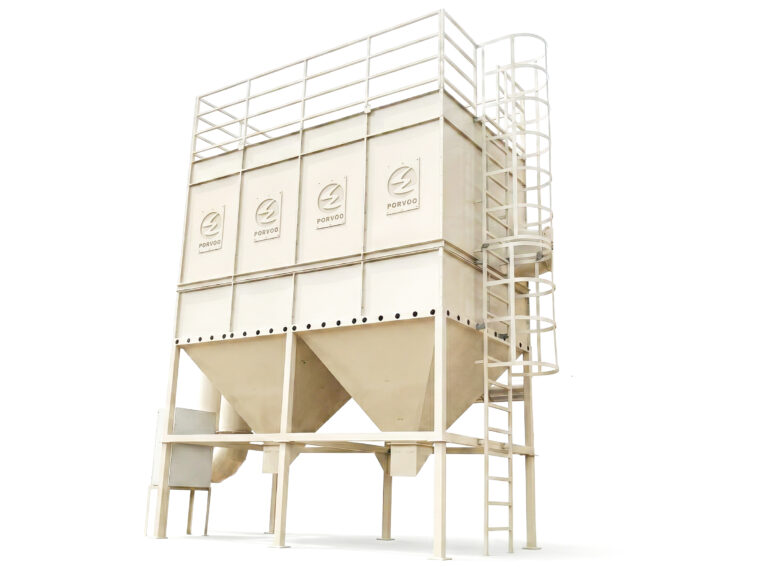
In the realm of wastewater treatment, the belt filter press stands as a crucial component, playing a pivotal role in the dewatering process. As we approach 2025, understanding the intricacies and advancements in this technology becomes increasingly important for environmental engineers, water treatment professionals, and policymakers alike. This comprehensive guide delves into the world of belt filter presses, exploring their functionality, benefits, and evolving role in modern wastewater treatment facilities.
The belt filter press, a mechanical dewatering device, has become an indispensable tool in the wastewater treatment process. It efficiently separates liquids from solids, reducing the volume of waste and facilitating easier handling and disposal. As environmental regulations tighten and the demand for more efficient water treatment solutions grows, the belt filter press continues to evolve, incorporating new technologies and methodologies to meet these challenges head-on.
As we embark on this exploration of belt filter presses in wastewater treatment, we'll uncover the latest innovations, best practices, and future trends shaping this critical aspect of water management. From understanding the basic principles of operation to examining cutting-edge applications, this guide aims to provide a thorough and up-to-date resource for anyone involved in or interested in wastewater treatment technologies.
"The belt filter press is a cornerstone technology in modern wastewater treatment, offering a balance of efficiency, cost-effectiveness, and environmental responsibility. Its role in dewatering processes is pivotal for achieving optimal sludge management and resource recovery."
How Does a Belt Filter Press Operate in Wastewater Treatment?
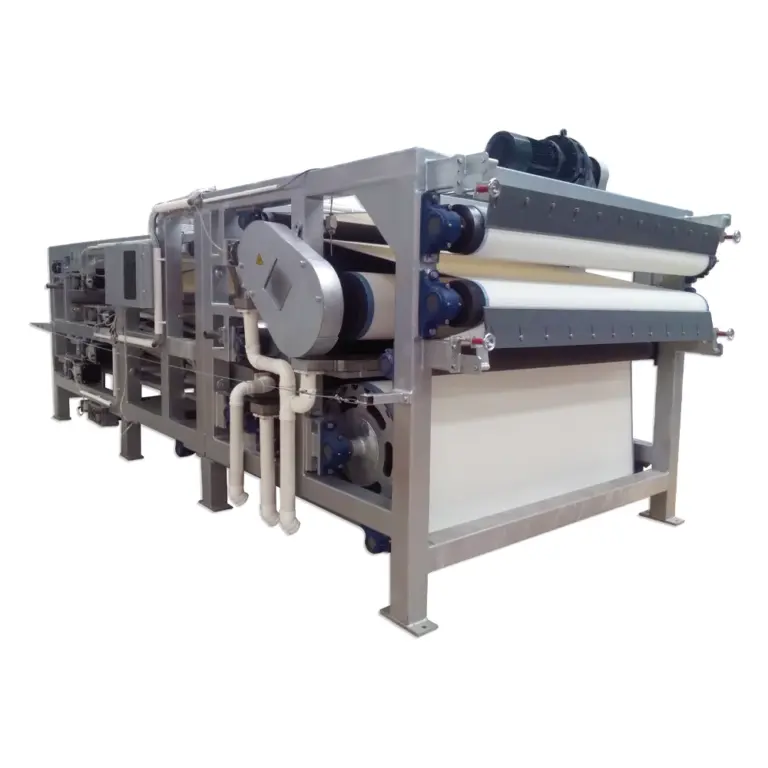
The operation of a belt filter press is a fascinating blend of mechanical engineering and environmental science. At its core, this device uses the principles of gravity and pressure to separate water from solid waste, a crucial step in the wastewater treatment process. The process begins with the introduction of wastewater sludge onto a moving porous belt.
As the sludge moves along the belt, gravity initially draws out a significant portion of the water. This initial dewatering is then enhanced by a series of rollers that apply increasing pressure to the sludge, squeezing out additional water. The belts are designed with specific pore sizes that allow water to pass through while retaining solid particles.
The effectiveness of a belt filter press lies in its ability to continuously process large volumes of sludge, making it an ideal solution for municipal and industrial wastewater treatment plants. The process not only reduces the volume of waste but also produces a cake-like solid that is easier to handle and dispose of or repurpose.
"Modern belt filter presses can achieve solids content of up to 30% in the final sludge cake, significantly reducing the volume and weight of waste that needs to be managed."
| Parameter | Typical Range |
|---|---|
| Feed Solids Content | 1-4% |
| Final Cake Solids | 15-30% |
| Throughput | 500-2000 kg/hr |
| Belt Speed | 1-5 m/min |
The operation of a belt filter press is not just about mechanical efficiency; it's also about optimizing the entire wastewater treatment chain. By effectively dewatering sludge, these machines contribute to reduced transportation costs, lower energy consumption in subsequent treatment processes, and improved overall plant efficiency.
In conclusion, the belt filter press operates as a critical link in the wastewater treatment process, transforming liquid sludge into a manageable solid form. Its continuous operation and high efficiency make it an indispensable tool in modern water treatment facilities, contributing significantly to environmental protection and resource conservation efforts.
What Are the Key Components of a Belt Filter Press?
Understanding the key components of a belt filter press is essential for anyone involved in wastewater treatment operations. These machines are marvels of engineering, designed to efficiently separate solids from liquids in a continuous process. Let's break down the main parts that make up this crucial piece of equipment.
The heart of the belt filter press consists of two endless belts made of porous material. These belts are the workhorses of the system, carrying the sludge and facilitating the dewatering process. The upper and lower belts work in tandem, moving at the same speed to ensure consistent pressure and dewatering.
Another critical component is the series of rollers. These include gravity drainage rollers, where initial water removal occurs, and pressure rollers, which apply increasing force to squeeze out remaining water. The configuration and number of rollers can vary depending on the specific model and manufacturer.
"Advanced belt filter presses now incorporate high-pressure rollers capable of exerting up to 30 bar of pressure, significantly enhancing dewatering efficiency and final cake dryness."
| Component | Function |
|---|---|
| Porous Belts | Carry sludge and allow water to pass through |
| Gravity Drainage Zone | Initial water removal |
| Wedge Zone | Begins pressure application |
| High-Pressure Zone | Maximum dewatering |
| Wash System | Cleans belts to maintain efficiency |
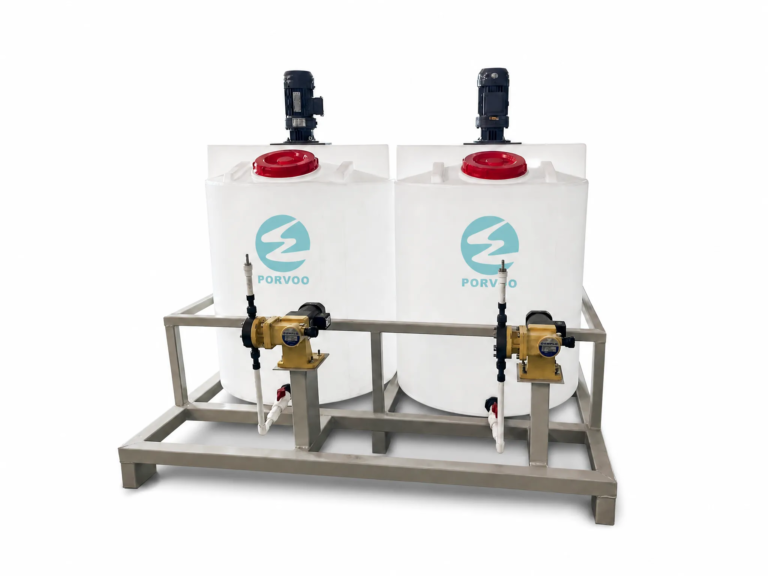
The feed system is another crucial element, responsible for evenly distributing the sludge onto the belt. This often includes a flocculation tank where chemicals are added to enhance the separation of solids from liquids. The wash system, typically comprising high-pressure spray nozzles, ensures the belts remain clean and efficient throughout operation.
Control systems and sensors play a vital role in modern belt filter presses. These components monitor various parameters such as belt tension, speed, and feed rate, allowing for real-time adjustments to optimize performance. Some advanced models even incorporate AI-driven systems for predictive maintenance and process optimization.
In conclusion, the belt filter press is a sophisticated assembly of components working in harmony to achieve efficient sludge dewatering. From the durable porous belts to the high-tech control systems, each part contributes to the overall effectiveness of the machine in the wastewater treatment process. Understanding these components is key to proper operation, maintenance, and troubleshooting of belt filter presses in wastewater treatment facilities.
What Are the Advantages of Using Belt Filter Presses in Wastewater Treatment?
Belt filter presses have become a staple in wastewater treatment facilities worldwide, and for good reason. These machines offer a host of advantages that make them an attractive option for sludge dewatering. As we look towards 2025 and beyond, understanding these benefits is crucial for decision-makers in the water treatment industry.
One of the primary advantages of belt filter presses is their continuous operation capability. Unlike batch processing systems, belt filter presses can handle a constant flow of sludge, making them ideal for large-scale treatment plants. This continuous operation translates to higher throughput and improved efficiency in the overall wastewater treatment process.
Energy efficiency is another significant benefit of belt filter presses. Compared to other dewatering technologies like centrifuges, belt filter presses typically consume less power while achieving comparable or better dewatering results. This energy efficiency not only reduces operational costs but also aligns with the growing focus on sustainable and environmentally friendly water treatment solutions.
"Modern belt filter presses can reduce the energy consumption of the dewatering process by up to 30% compared to traditional centrifuge systems, while maintaining or even improving dewatering performance."
| Advantage | Impact |
|---|---|
| Continuous Operation | Higher throughput |
| Energy Efficiency | Lower operational costs |
| Versatility | Handles various sludge types |
| Low Maintenance | Reduced downtime |
| High Cake Solids | Efficient volume reduction |
The versatility of belt filter presses is another key advantage. These machines can effectively handle a wide range of sludge types and concentrations, from municipal wastewater to industrial sludges. This adaptability makes them a valuable asset in diverse treatment scenarios, capable of adjusting to changing input conditions.
Maintenance requirements for belt filter presses are generally lower compared to some other dewatering technologies. The simple mechanical design, with fewer moving parts, results in less wear and tear and reduced maintenance needs. This translates to lower maintenance costs and less downtime, crucial factors in the efficient operation of wastewater treatment plants.
Finally, the quality of the end product – the dewatered sludge cake – is a significant advantage of belt filter presses. These machines can produce cakes with high solids content, typically in the range of 15-30%, depending on the sludge characteristics. This high level of dewatering significantly reduces the volume of sludge for disposal or further treatment, leading to cost savings in transportation and disposal.
In conclusion, the advantages of belt filter presses in wastewater treatment are multifaceted. From their energy efficiency and continuous operation to their versatility and low maintenance requirements, these machines offer a compelling solution for sludge dewatering. As environmental regulations become stricter and the focus on sustainable water management intensifies, the benefits of belt filter presses position them as a key technology in the future of wastewater treatment.
How Has Belt Filter Press Technology Evolved in Recent Years?
The evolution of belt filter press technology in recent years has been nothing short of remarkable. As we approach 2025, it's crucial to understand the advancements that have shaped this essential component of the wastewater treatment process. These innovations have not only improved efficiency but also addressed some of the longstanding challenges associated with sludge dewatering.
One of the most significant developments has been in the realm of belt materials. Modern belt filter presses now utilize advanced synthetic fabrics that offer superior durability and filtration capabilities. These new materials have longer lifespans, resist clogging, and provide more consistent performance over time. This improvement has led to reduced downtime for belt replacements and more efficient overall operation.
Automation and smart control systems have also revolutionized belt filter press technology. Many modern units now incorporate sensors and AI-driven control systems that can automatically adjust operating parameters based on sludge characteristics and desired outcomes. This level of automation not only improves efficiency but also ensures more consistent results across varying input conditions.
"The integration of IoT (Internet of Things) technology in belt filter presses has enabled real-time monitoring and predictive maintenance, reducing unexpected downtimes by up to 40% and extending the overall lifespan of the equipment."
| Innovation | Benefit |
|---|---|
| Advanced Belt Materials | Improved durability and filtration |
| Smart Control Systems | Optimized performance and consistency |
| High-Pressure Designs | Enhanced dewatering efficiency |
| Eco-Friendly Chemical Systems | Reduced environmental impact |
| Compact Designs | Smaller footprint and easier installation |
Advancements in high-pressure designs have also been a game-changer. Some modern belt filter presses can now operate at much higher pressures than their predecessors, leading to improved dewatering efficiency and higher cake solids content. This development has been particularly beneficial for treating difficult-to-dewater sludges that were once challenging for traditional belt filter presses.
Environmental considerations have driven innovations in chemical dosing systems associated with belt filter presses. New eco-friendly flocculants and coagulants, coupled with precise dosing systems, have reduced the environmental impact of the dewatering process while maintaining or even improving performance.
Lastly, the physical design of belt filter presses has evolved to meet the needs of modern treatment plants. Compact designs that offer the same or better performance in a smaller footprint have become increasingly popular. These space-saving designs are particularly valuable for facilities looking to upgrade their dewatering capabilities without extensive modifications to their existing infrastructure.
In conclusion, the evolution of belt filter press technology in recent years has been characterized by improvements in materials, automation, pressure capabilities, environmental considerations, and design efficiency. These advancements have collectively enhanced the role of belt filter presses in the wastewater treatment process, making them more efficient, reliable, and environmentally friendly. As we look towards the future, it's clear that belt filter press technology will continue to evolve, playing an increasingly vital role in addressing the global challenges of water treatment and resource recovery.
What Maintenance Practices Ensure Optimal Performance of Belt Filter Presses?
Maintaining belt filter presses is crucial for ensuring their optimal performance and longevity in wastewater treatment facilities. As these machines play a vital role in the dewatering process, proper maintenance not only enhances efficiency but also prevents costly downtime and repairs. Let's explore the best practices for maintaining belt filter presses as we approach 2025.
Regular cleaning is perhaps the most fundamental aspect of belt filter press maintenance. The porous belts, which are the heart of the system, require frequent cleaning to prevent clogging and maintain their filtration efficiency. This typically involves a combination of high-pressure water sprays during operation and periodic deep cleaning during scheduled downtimes.
Proper tensioning of the belts is another critical maintenance task. Incorrect belt tension can lead to uneven dewatering, increased wear, and even belt damage. Modern belt filter presses often come equipped with automatic tensioning systems, but these still require regular checks and calibrations to ensure they're functioning correctly.
"Implementing a proactive maintenance schedule for belt filter presses can increase their operational lifespan by up to 25% and reduce unexpected breakdowns by as much as 60%, significantly improving the overall efficiency of the wastewater treatment process."
| Maintenance Task | Frequency | Benefit |
|---|---|---|
| Belt Cleaning | Daily | Maintains filtration efficiency |
| Belt Tensioning | Weekly | Ensures even dewatering |
| Roller Inspection | Monthly | Prevents belt damage |
| Lubrication | As per manufacturer | Reduces wear on moving parts |
| Control System Check | Quarterly | Optimizes performance |
Regular inspection of rollers and bearings is essential. These components are subject to wear and can significantly impact the press's performance if not maintained properly. Look for signs of wear, misalignment, or damage, and address issues promptly to prevent more serious problems.
Lubrication is another key aspect of maintenance. All moving parts, including bearings and drive components, require regular lubrication as specified by the manufacturer. Using the correct type of lubricant and adhering to the recommended lubrication schedule is crucial for preventing premature wear and ensuring smooth operation.
In the era of smart technology, many modern belt filter presses are equipped with advanced monitoring systems. Regular checks and calibrations of these systems are essential. This includes verifying sensor readings, updating software, and ensuring that all automated features are functioning correctly.
Lastly, operator training should be considered an ongoing maintenance practice. Well-trained operators can spot potential issues early, operate the equipment more efficiently, and perform basic maintenance tasks correctly. Regular refresher courses and updates on new features or best practices can significantly contribute to the overall performance and longevity of the belt filter press.
In conclusion, maintaining belt filter presses for optimal performance involves a combination of regular cleaning, proper adjustment, timely inspections, and smart use of technology. By implementing a comprehensive maintenance program, wastewater treatment facilities can ensure that their belt filter presses operate at peak efficiency, contributing to a more effective and reliable wastewater treatment process. As we move towards 2025, these maintenance practices will become even more crucial in meeting the increasing demands for efficient and sustainable water treatment solutions.
What Future Trends Are Shaping Belt Filter Press Technology?
As we look towards the future of wastewater treatment, several exciting trends are emerging that promise to revolutionize belt filter press technology. These advancements are driven by the need for more efficient, sustainable, and intelligent solutions in water management. Understanding these trends is crucial for anyone involved in the wastewater treatment industry, as they will shape the landscape of sludge dewatering in the coming years.
One of the most significant trends is the integration of artificial intelligence (AI) and machine learning into belt filter press operations. These technologies are being used to optimize performance in real-time, predicting maintenance needs, and adjusting operational parameters based on incoming sludge characteristics. This level of intelligent automation is set to dramatically improve efficiency and reduce operational costs.
Another emerging trend is the development of hybrid systems that combine belt filter press technology with other dewatering methods. For instance, some innovative designs are integrating low-frequency vibration or ultrasonic technology to enhance water removal. These hybrid systems aim to achieve higher levels of dewatering efficiency while maintaining the reliability and simplicity of traditional belt filter presses.
"Next-generation belt filter presses incorporating AI-driven control systems and hybrid dewatering technologies are projected to improve dewatering efficiency by up to 20% while reducing energy consumption by 15%, marking a significant leap in wastewater treatment capabilities."
| Future Trend | Expected Impact |
|---|---|
| AI Integration | Enhanced efficiency and predictive maintenance |
| Hybrid Systems | Improved dewatering performance |
| Nanotechnology | Advanced filtration capabilities |
| Eco-friendly Materials | Reduced environmental footprint |
| Energy Recovery | Improved sustainability |
Nanotechnology is also making its way into belt filter press design. Researchers are exploring the use of nanomaterials in belt construction to create surfaces with enhanced filtration properties. These advanced materials could potentially increase the solids capture rate and improve the quality of the filtered water, addressing some of the longstanding challenges in sludge dewatering.
Sustainability is a driving force behind many future trends in belt filter press technology. This includes the development of more eco-friendly belt materials that are both durable and biodegradable. Additionally, there's a growing focus on energy recovery systems that can harness the potential energy in the dewatered sludge, contributing to the overall energy efficiency of wastewater treatment plants.
The trend towards more compact and modular designs is also shaping the future of belt filter presses. As urban areas grow and space becomes a premium, there's an increasing demand for high-performance dewatering solutions that can fit into smaller footprints. This trend is leading to innovative designs that maintain or even improve upon the efficiency of larger systems.
Lastly, there's a growing emphasis on the circular economy in wastewater treatment. Future belt filter presses are likely to be designed with resource recovery in mind, not just dewatering. This could include features that facilitate the extraction of valuable resources from sludge, such as phosphorus or organic compounds, turning waste into a potential revenue stream.
In conclusion, the future of belt filter press technology in wastewater treatment is bright and full of innovation. From AI-driven operations to advanced materials and sustainable designs, these trends are set to transform sludge dewatering processes. As we approach 2025 and beyond, these advancements will play a crucial role in addressing the global challenges of water scarcity and environmental protection, making belt filter presses an even more integral part of efficient and sustainable wastewater treatment solutions.
How Do Belt Filter Presses Compare to Other Dewatering Technologies?
In the diverse landscape of wastewater treatment, belt filter presses stand as one of several key technologies used for sludge dewatering. To fully appreciate their role and effectiveness, it's essential to compare them with other popular dewatering methods. This comparison not only highlights the strengths of belt filter presses but also helps in understanding when and why they might be chosen over alternative technologies.
Centrifuges are perhaps the most common alternative to belt filter presses. These high-speed machines use centrifugal force to separate solids from liquids. While centrifuges can achieve high levels of dewatering and operate in a smaller footprint, they typically consume more energy than belt filter presses. Additionally, centrifuges often require more skilled maintenance due to their complex mechanical systems.
Screw presses represent another competing technology. These devices use a rotating screw to gradually compress sludge, forcing out water. Screw presses are known for their low energy consumption and ability to handle variable sludge conditions. However, they generally have lower throughput compared to belt filter presses, making them more suitable for smaller operations.
"While centrifuges can achieve slightly higher cake solids in some applications, belt filter presses often provide a more cost-effective solution, with up to 30% lower operational costs over the lifetime of the equipment."
| Technology | Advantages | Disadvantages |
|---|---|---|
| Belt Filter Press | Continuous operation, Low energy use | Requires large footprint |
| Centrifuge | High dewatering efficiency, Compact | High energy consumption, Complex maintenance |
| Screw Press | Low energy use, Handles variable sludge | Lower throughput |
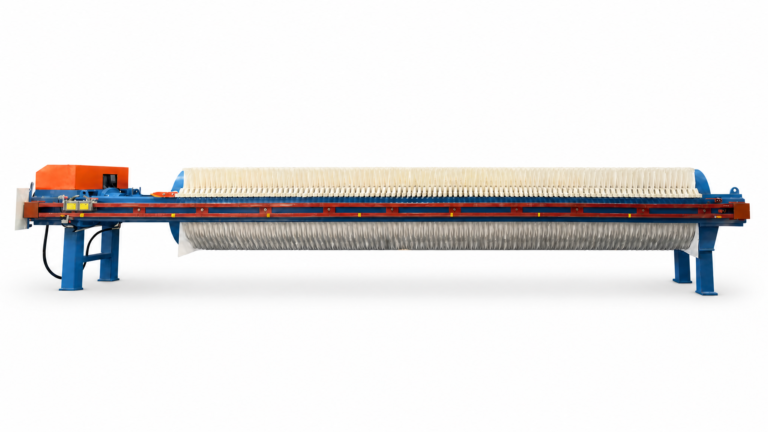
| Filter Press | High cake solids | Batch operation, Labor intensive |
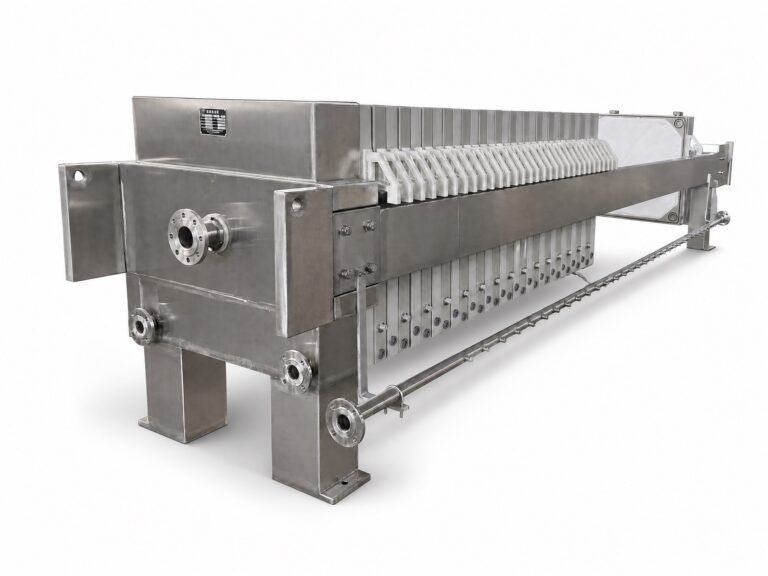
Filter presses, which operate in batches, are known for producing very high solids content in the final cake. However, they are labor-intensive and have longer cycle times compared to continuous processes like belt filter presses. This makes them less suitable for large-scale, continuous operations typical in many wastewater treatment plants.
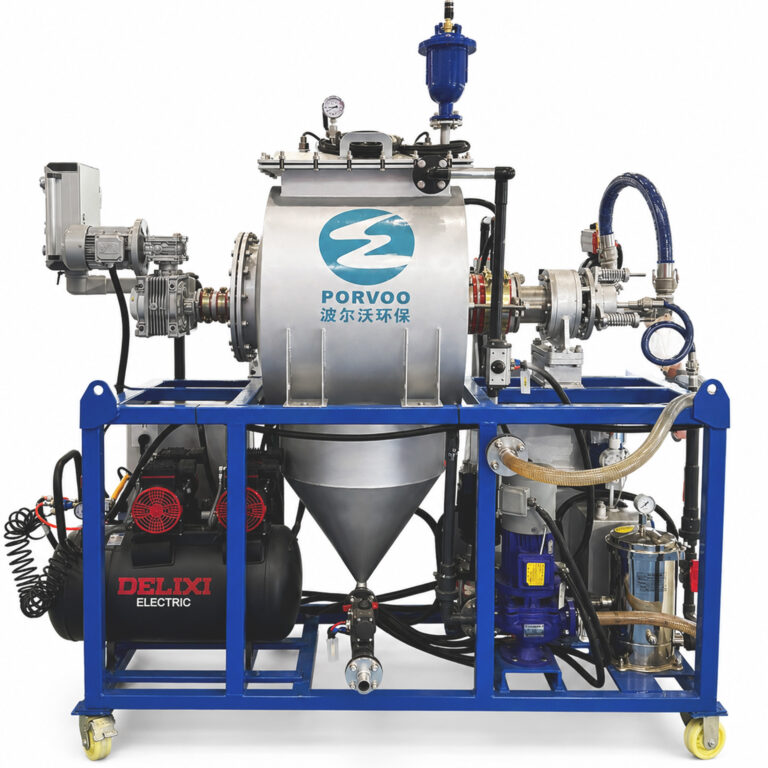
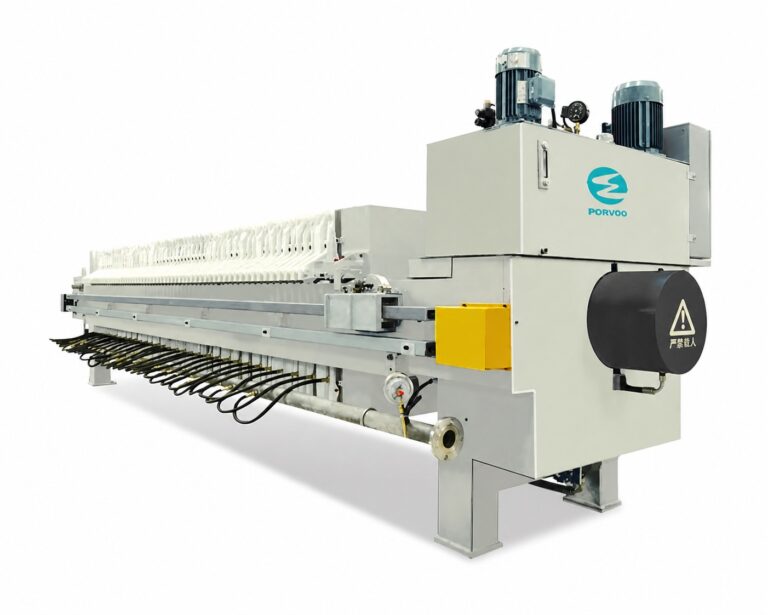
PORVOO, a leader in filtration technology, has been at the forefront of developing advanced belt filter press solutions that address many of the comparative challenges. Their innovative designs have focused on improving energy efficiency and reducing the footprint of belt filter presses, making them increasingly competitive with other technologies.
One area where belt filter presses excel is in their ability to handle a wide range of sludge types and concentrations. This versatility is particularly valuable in municipal wastewater treatment plants where influent characteristics can vary significantly. Centrifuges and screw presses, while effective, can be more sensitive to changes in sludge properties.
Maintenance requirements are another important factor in the comparison. Belt filter presses generally have lower maintenance needs compared to centrifuges, which require regular balancing and have more wear parts. This can translate to lower long-term operational costs and less downtime for belt filter press systems.
Environmental considerations also play a role in technology selection. Belt filter presses typically use less energy than centrifuges, aligning well with the growing focus on energy efficiency in wastewater treatment. Additionally, the polymer consumption in belt filter presses can be lower than in some other technologies, potentially reducing the environmental impact of the dewatering process.
In conclusion, while each dewatering technology has its strengths, belt filter presses offer a balanced combination of efficiency, versatility, and cost-effectiveness. Their ability to operate continuously, handle various sludge types, and maintain relatively low operational costs makes them a preferred choice in many wastewater treatment scenarios. As technology continues to advance, belt filter presses are likely to remain a key player in the field of sludge dewatering, evolving to meet the changing needs of the wastewater treatment industry.
Conclusion
As we've explored throughout this comprehensive guide, belt filter presses play a crucial role in the wastewater treatment process, offering a blend of efficiency, versatility, and cost-effectiveness that makes them indispensable in modern water management systems. As we approach 2025, the evolution of this technology continues to address the growing challenges in wastewater treatment, from increased regulatory pressures to the demand for more sustainable solutions.
The operational principles of belt filter presses, leveraging gravity and pressure to separate solids from liquids, remain fundamentally sound. However, advancements in materials, control systems, and overall design have significantly enhanced their performance and reliability. The integration of smart technologies, including AI and IoT, is pushing the boundaries of what these machines can achieve, offering unprecedented levels of automation and optimization.
Key advantages of belt filter presses, such as continuous operation, energy efficiency, and the ability to handle diverse sludge types, position them favorably in comparison to other dewatering technologies. While centrifuges, screw presses, and filter presses each have their merits, belt filter presses offer a balanced solution that meets the needs of many wastewater treatment facilities.
Looking to the future, trends such as AI integration, hybrid systems, and the use of nanotechnology in belt materials promise to further enhance the capabilities of belt filter presses. These innovations, coupled with a growing focus on sustainability and resource recovery, are set to reinforce the importance of belt filter presses in addressing global water management challenges.
Maintenance practices remain critical to ensuring the optimal performance and longevity of belt filter presses. As these machines become more sophisticated, a proactive approach to maintenance, leveraging predictive technologies and regular care, will be essential for maximizing their efficiency and lifespan.
In conclusion, belt filter presses stand as a testament to the ongoing innovation in wastewater treatment technology. Their role in efficient sludge dewatering contributes significantly to the broader goals of water conservation, environmental protection, and sustainable resource management. As we move towards 2025 and beyond, belt filter presses will undoubtedly continue to evolve, playing an increasingly vital role in our efforts to manage water resources responsibly and efficiently.
External Resources
Treatment Steps | City of Oconomowoc, WI – Official Website – This resource outlines the detailed steps involved in the wastewater treatment process, including screening, grit removal, primary and secondary settling, aeration/activated sludge, filtration, disinfection, and oxygen uptake.
Wastewater Treatment Process – DEP – NYC.gov – This page from the New York City Department of Environmental Protection describes the five major processes of wastewater treatment, including primary settling, secondary treatment with aeration, and disinfection using sodium hypochlorite.
Wastewater Treatment Process – This article from Gusta Water details the steps of wastewater treatment, including wastewater collection, primary and secondary sewage treatment, tertiary treatment, and sludge treatment. It also explains the use of various chemicals and processes like chlorination and UV treatment.
The four stages of wastewater treatment plants – IDRICA – This blog post explains the four stages of wastewater treatment: preliminary, primary, secondary, and tertiary treatments. It discusses the physical, chemical, and biological processes involved in each stage.
7 Steps – Altogether water treatment process – YouTube – This YouTube video explains the seven crucial steps of wastewater treatment, including screening, bioreactors, oxygenation, chemical disinfection, membrane filtration, UV irradiation, and the addition of sodium hypochlorite.
How Wastewater Treatment Works (EPA) – Although not directly listed, the EPA's page on wastewater treatment is a valuable resource that explains the treatment process, including physical, chemical, and biological treatments, and the importance of each step in ensuring water quality.
- Wastewater Treatment and Reuse (World Health Organization) – This WHO resource provides an in-depth look at wastewater treatment and reuse, covering the various stages of treatment, health considerations, and the importance of proper wastewater management for public health and environmental protection.