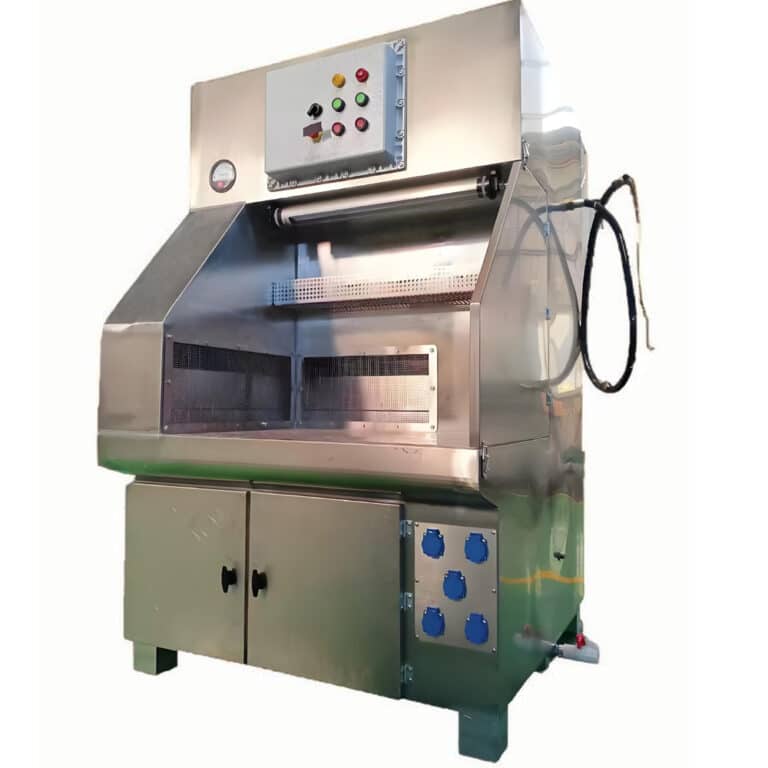
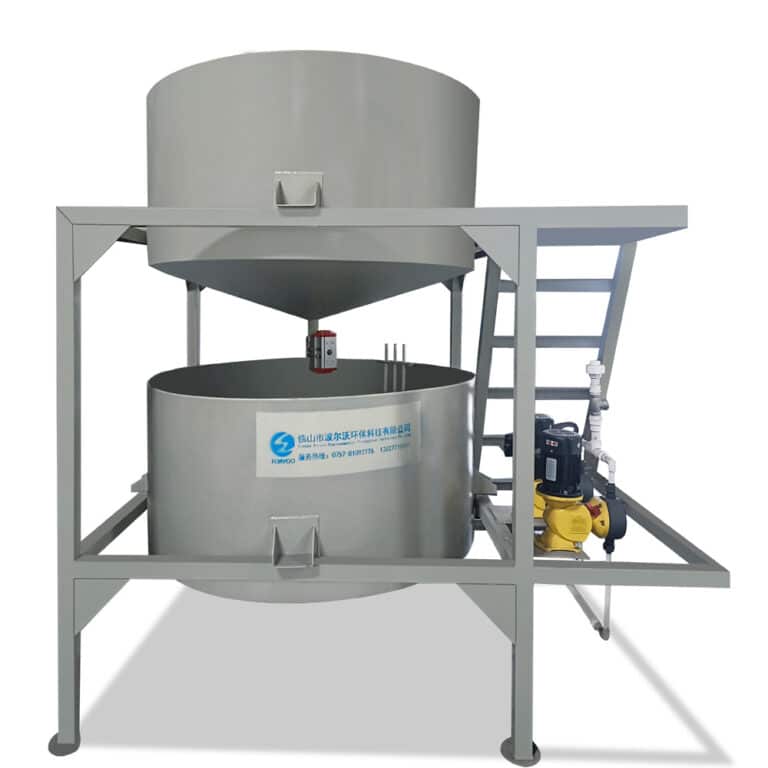
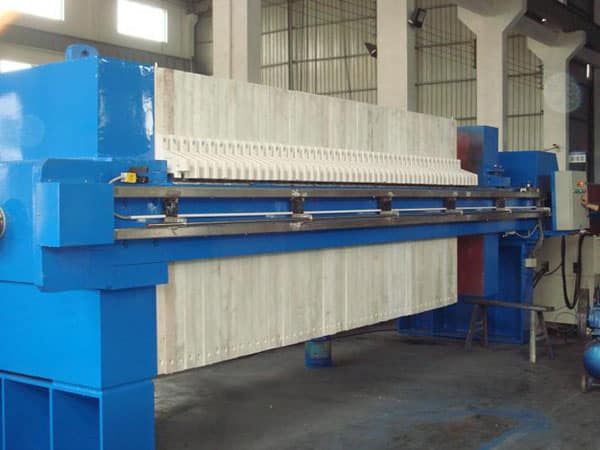
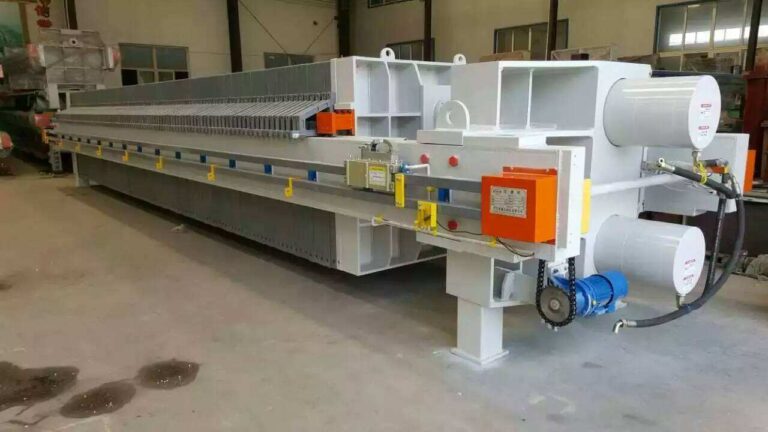
For wastewater treatment professionals, the choice between a belt filter press and a chamber press system is often framed as a simple capital cost decision. This is a critical mistake. The real financial battleground lies in operational expenses, where polymer consumption can create a six-figure cost differential over a system’s lifespan. Selecting the wrong technology based on upfront price alone commits a facility to decades of inflated chemical spending and suboptimal performance.
This analysis is urgent because polymer costs are volatile and rising. As sustainability and total cost of ownership (TCO) become central to procurement, understanding the nuanced operational and economic profiles of these two dominant dewatering technologies is non-negotiable. The decision impacts not just your chemical budget, but also labor strategy, disposal logistics, and long-term operational resilience.
Belt Filter Press vs. Chamber Press: Core Operational Differences
The Philosophy of Dewatering
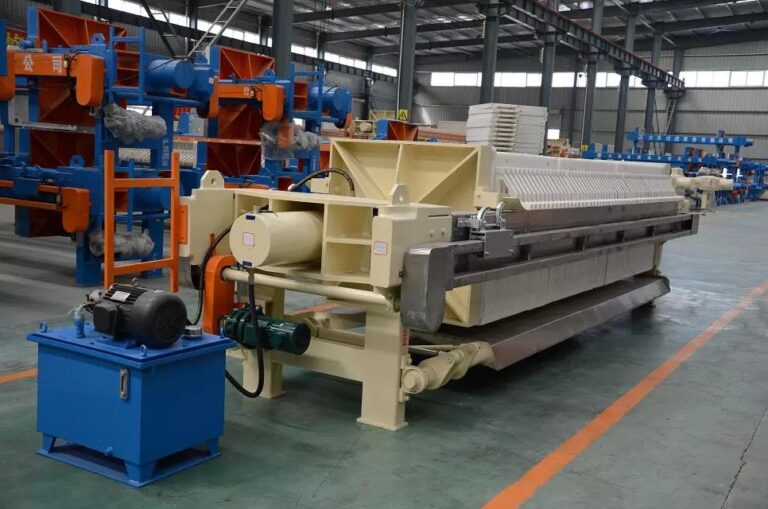
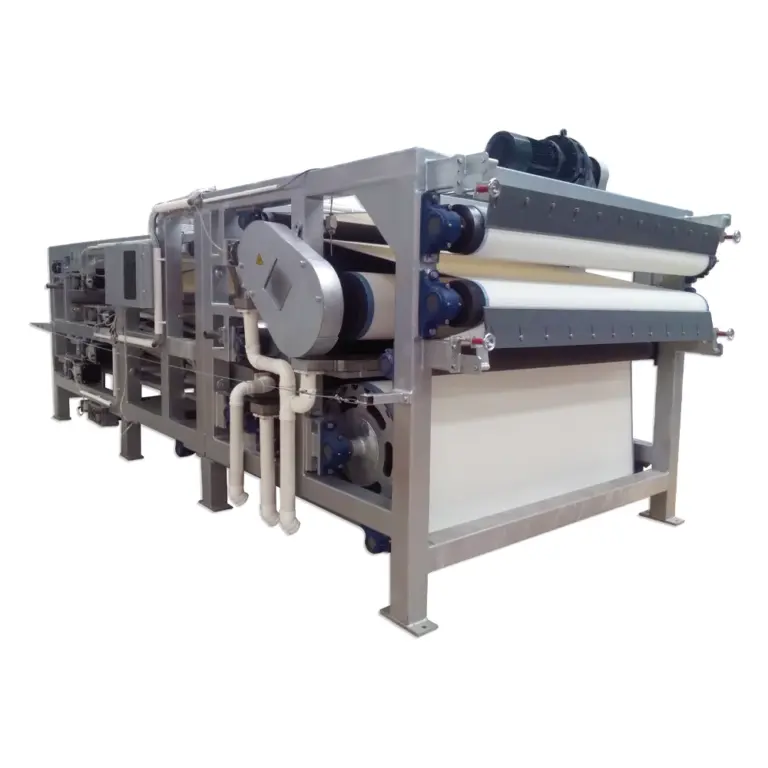
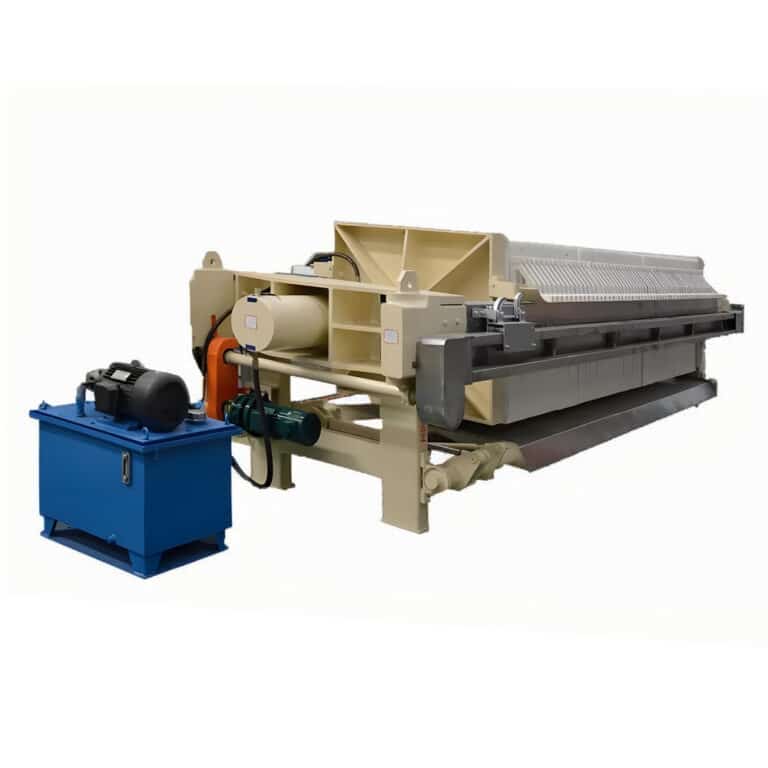
The fundamental divergence is one of operational philosophy. Belt filter presses (BFPs) are continuous, observable systems. Sludge is conditioned in an open mixing stage, where operators can visually assess floc formation and make real-time polymer adjustments. Dewatering occurs through gravity drainage followed by progressive pressure between two moving belts. This process demands robust, shear-resistant flocs. In contrast, chamber presses operate on a batch cycle. Conditioned sludge is pumped into sealed chambers where high, sustained pressure compacts solids. The polymer’s role shifts toward creating a permeable cake structure to accelerate filtration within this closed, automated environment.
Implications for Control and Consistency
This core difference dictates the facility’s operational model. The BFP’s open process offers adaptability and operator control, which is valuable for variable sludge streams. However, it translates to a higher demand for skilled labor to monitor belts, floc quality, and wash systems. The chamber press, as a “black box” system, prioritizes hands-off consistency and automation once the cycle is initiated. The choice here is strategic: it locks in a decades-long requirement for either adaptable, skilled operators or a maintenance team for specialized automated equipment. Industry experts recommend aligning this choice with your facility’s existing staff capabilities and long-term labor strategy.
Annual Polymer Cost Comparison: A Detailed Financial Model
Building the Cost Model
Polymer expense is the most significant recurring differentiator. To move beyond generalizations, a detailed financial model based on actual consumption ranges is essential. Technical data shows BFPs typically consume 0.5 to 3.0 kg of polymer per ton of dry solids, while chamber presses often operate at 0.2 to 1.5 kg/ton. Many optimized chamber systems target 0.5 kg/ton or less. This variance has a direct and calculable impact on the bottom line.
Quantifying the Annual Impact
The following table translates these ranges into a concrete annual cost scenario, highlighting the stark economic contrast.
| Parameter | Belt Filter Press | Chamber Press |
|---|---|---|
| Polymer Consumption (kg/ton DS) | 0.5 – 3.0 | 0.2 – 1.5 |
| Typical Consumption (kg/ton DS) | 2.0 | 0.5 |
| Annual Polymer Cost (10 DTPD, $3/kg) | $19,800 | $4,950 |
| Annual Savings (Chamber vs. Belt) | — | ~$14,850 |
Source: Technical documentation and industry specifications.
For a facility processing 10 dry tons per day over 330 operational days, with polymer at $3.00/kg, the annual cost difference is approximately $14,850. We compared capital-only evaluations to TCO models and found the former often obscures this recurring liability, making a comprehensive financial model non-negotiable for any objective selection process.
Which System Has Lower Polymer Consumption Rates?
The Quantitative Baseline
Quantitatively, chamber press systems generally achieve lower specific polymer consumption. The high-pressure, sealed environment can effectively compress sludge with less reliance on polymer-induced drainage, with reported usage frequently less than half that of a belt press for similar sludge. This establishes a lower baseline consumption range, as shown in the comparative analysis below.
| Factor | Impact on Polymer Consumption | Key Consideration |
|---|---|---|
| Typical Consumption Range | Chamber: 0.2-1.5 kg/ton | Lower baseline |
| Belt: 0.5-3.0 kg/ton | Higher baseline | |
| Sludge Characteristic Impact | High Volatile Solids/Grease | Invalidates absolute claims |
| Feed Concentration Impact | Thin, large-volume feed | May favor belt press |
| Mandatory Verification Method | Pilot test on site sludge | Essential for prediction |
Source: Technical documentation and industry specifications.
The Critical Variable: Sludge Characteristics
However, this advantage is not intrinsic. Sludge characteristics—volatile solids content, grease levels, and feed concentration—can completely invalidate any absolute claim. A thin, large-volume feed might be handled more efficiently by a BFP despite its higher typical dosage. Therefore, the only reliable method for predicting performance is a mandatory pilot test on actual site-specific sludge. Prescriptive recommendations without pilot data are fundamentally flawed and carry significant financial risk.
Integrating Polymer Costs into Total Cost of Ownership (TCO)
Beyond Chemical Expense
A true economic evaluation requires integrating polymer savings into a comprehensive TCO model spanning 10-15 years. While chamber presses often offer lower chemical costs, they typically carry a higher initial capital investment. Conversely, BFPs have lower upfront costs but higher ongoing labor expenses due to the need for continuous operator attention. This trade-off must be modeled precisely.
The High-Leverage Pretreatment Stage
Furthermore, innovations in pretreatment are altering the competitive landscape. Advanced mixing and conditioning systems can unlock hidden BFP efficiency, offering polymer reductions of 25-50% without replacing the core dewatering asset. This signals a strategic shift where competition focuses on the conditioning stage before the press as a high-leverage point for reducing total cost. Easily overlooked details like mixer type, energy input, and polymer activation can dramatically impact the performance of either system, making them critical evaluation points.
Operational & Maintenance Requirements Compared
Labor Model Trade-Offs
The operational labor model presents a clear dichotomy. BFPs require more continuous operator attention for visual process adjustment, belt tracking, and cleanup. Chamber presses are typically fully automated during their cycle, demanding less continuous oversight. This translates directly to labor cost allocations. The maintenance profiles also differ: BFPs need ongoing care for belts, rollers, and spray nozzles, while chamber presses require periodic cloth replacement and hydraulic system upkeep.
Assessing Systemic Risk
This reflects the market maturity of both technologies. However, it introduces different systemic risks. While chamber presses are less operator-dependent, their maintenance can be more specialized and potentially require longer downtime. The selection process must weigh the cost of skilled labor against the cost and availability of specialized maintenance services, aligning with the facility’s operational philosophy and risk tolerance.
Impact on Cake Solids and Disposal Costs
Cake Dryness as a Financial Driver
Cake dryness is a critical performance metric with direct financial implications. Chamber presses frequently produce a drier cake (30-45% solids) compared to typical BFP output (18-30% solids). This reduced weight and volume can yield substantial savings in hauling and disposal fees, which often far exceed polymer costs. The following comparison outlines the typical outcomes and their downstream effects.
| Metric | Belt Filter Press | Chamber Press |
|---|---|---|
| Typical Cake Solids (%) | 18 – 30 | 30 – 45 |
| Disposal Cost Impact | Higher weight/volume | Lower weight/volume |
| Hauling Frequency | Higher potential | Reduced potential |
| Downstream Handling | Lower odor potential | Higher odor potential |
Source: Technical documentation and industry specifications.
The Full Sludge Handling Chain
However, disposal logistics fundamentally alter the technology economics. A drier cake may reduce hauling frequency, but its handling properties and potential for higher odor could increase downstream processing complexity or require additional containment. The true cost-benefit analysis must model the entire sludge handling chain, as trade-offs in cake quality have cascading logistical implications that can negate apparent hauling savings.
Key Decision Criteria for Your Wastewater Facility
Multi-Variable Evaluation
Selecting the optimal system requires weighing multiple, often competing, criteria. Beyond polymer cost and cake dryness, facilities must consider capital budget, labor strategy, and space constraints. Energy consumption also creates a clear hierarchy; BFPs use roughly 20% of a centrifuge’s power, a critical factor for sustainability-focused procurement. The table below summarizes key decision vectors.
| Decision Criteria | Belt Filter Press | Chamber Press | Key Metric/Range |
|---|---|---|---|
| Capital Cost | Lower | Higher | Initial investment |
| Operational Labor | Higher | Lower | Staff time required |
| Energy Consumption | Low (vs. centrifuge) | Varies | ~20% of centrifuge |
| Space Requirements | Moderate | Larger footprint | Facility layout |
| Operational Philosophy | Operator-controlled | Automated “black box” | Staff skill alignment |
Source: ANSI/AWWA B604 Standard for Granular Activated Carbon. While focused on GAC filtration, this standard underscores the importance of media and process selection based on specific feed characteristics and performance metrics—a core principle directly applicable to selecting dewatering technology based on sludge properties and target outcomes like cake solids.
Aligning Technology with Culture
Furthermore, the embedded operational philosophy of each technology must align with the facility’s long-term operational culture and staff capabilities. There is no universal best choice, only the best fit for a specific set of constraints, goals, and even corporate culture regarding operational oversight and innovation adoption.
Making the Final Choice: A Practical Selection Framework
A Structured Four-Step Process
A practical framework moves beyond simple comparison to a structured, facility-specific evaluation. First, conduct pilot testing with your actual sludge to gather reliable, site-specific data on polymer dosage and achievable cake solids. This non-negotiable step provides the empirical foundation for all subsequent analysis.
Modeling and Qualitative Assessment
Second, build a detailed 10-15 year TCO model that integrates all quantifiable factors: capital cost, polymer expense, labor, maintenance, disposal fees, and energy. Third, assess non-quantifiable factors like available footprint, staff expertise, and tolerance for operational risk, including the potential need for standby units with batch systems. Finally, consider the innovation pathway and potential for integrating advanced polymer conditioning and mixing systems to enhance existing or new assets.
The final decision must balance immediate financial pressures with long-term operational resilience. It requires synthesizing hard data from pilot tests and TCO models with a clear-eyed assessment of your facility’s operational culture and strategic objectives. The goal is not to find the “best” technology in a vacuum, but the most resilient and economical solution for your specific context.
Need professional guidance to pilot test and model the TCO for your sludge dewatering operation? The engineers at PORVOO can help you navigate this critical capital decision with data-driven analysis tailored to your facility’s unique profile and constraints. Contact Us to discuss your project requirements and explore optimized dewatering solutions.
Frequently Asked Questions
Q: How do you accurately forecast polymer consumption for a new belt or chamber press installation?
A: You cannot reliably predict polymer use without pilot testing your specific sludge. Reported ranges are 0.5-3.0 kg/ton for belt presses and 0.2-1.5 kg/ton for chamber presses, but volatile solids and grease content dramatically alter performance. A mandatory site-specific test is the only method to gather data for your total cost of ownership model. This means your capital project budget must include funds for pilot studies before finalizing any technology selection.
Q: What are the hidden operational cost trade-offs between a belt filter press and a chamber press?
A: The trade-off is between higher polymer and labor costs versus higher capital and specialized maintenance. Belt presses demand continuous operator attention for floc observation and belt cleaning, increasing labor expenses. Chamber presses automate the batch cycle but require periodic cloth replacement and hydraulic upkeep. This means facilities with limited operational staff but available capital may favor chamber systems, while those with labor flexibility and tight budgets might initially choose belt presses.
Q: How does cake dryness from a chamber press impact total disposal costs compared to a belt press?
A: Chamber presses typically produce a drier cake (30-45% solids) versus a belt press (18-30% solids), reducing hauling weight and frequency. However, the drier cake may have different handling properties or odor potential, adding downstream complexity. Your true cost-benefit analysis must model the entire sludge handling chain. If your disposal fees are a primary cost driver, the higher dryness of a chamber system often justifies its higher initial investment.
Q: Can you reduce polymer use in an existing belt filter press system without replacing the press itself?
A: Yes, optimizing the conditioning stage before dewatering is a high-leverage strategy. Innovations in advanced mixing systems can improve floc formation and shear resistance, potentially cutting polymer consumption by 25-50%. This approach alters the competitive landscape by improving the efficiency of the core asset. For projects where polymer cost is escalating, you should first investigate pretreatment upgrades before considering a full system replacement.
Q: What non-financial factors should we weigh when choosing between a continuous and a batch dewatering system?
A: Key factors are your operational philosophy, staff expertise, and available footprint. Belt filter presses offer a transparent, operator-controlled process requiring visual adjustment skills. Chamber presses function as automated “black box” systems with less daily oversight but need specialized maintenance knowledge. This means your choice must align with your facility’s long-term operational culture; a hands-off batch system may struggle in an environment geared for continuous manual intervention and vice versa.
Q: How do filtration standards for media like granular activated carbon relate to optimizing dewatering polymer conditioning?
A: While standards like ANSI/AWWA B604 govern filter media performance in water treatment, the principles of optimizing media for solids separation and flow are analogous. Understanding how a medium performs under pressure informs the goal of polymer conditioning: to create a permeable cake structure that accelerates filtration. This means facilities should view polymer selection and dosing as a filtration optimization challenge, not just a chemical cost.