Accelerated Gravity Systems for Compact Grit Removal have revolutionized the wastewater treatment industry, offering a highly efficient and space-saving solution for separating grit and other heavy particles from incoming wastewater streams. These innovative systems harness the power of centrifugal force to amplify the effects of gravity, significantly enhancing the separation process in a fraction of the space required by traditional grit removal methods.
The concept behind Accelerated Gravity Systems is both simple and ingenious. By creating a vortex within a compact chamber, these systems subject incoming wastewater to forces many times greater than normal gravity. This accelerated environment causes heavy particles to separate from the water much more quickly and effectively than in conventional settling tanks. The result is a dramatic improvement in grit removal efficiency, reduced footprint, and lower operational costs for wastewater treatment plants.
As we delve deeper into the world of Accelerated Gravity Systems, we'll explore their design principles, operational benefits, and real-world applications. We'll also examine how these systems are changing the landscape of wastewater treatment, offering new possibilities for both urban and industrial settings where space is at a premium and environmental regulations are becoming increasingly stringent.
"Accelerated Gravity Systems represent a paradigm shift in grit removal technology, offering up to 95% removal efficiency for particles as small as 75 microns while occupying less than a quarter of the space required by conventional systems."
How do Accelerated Gravity Systems work?
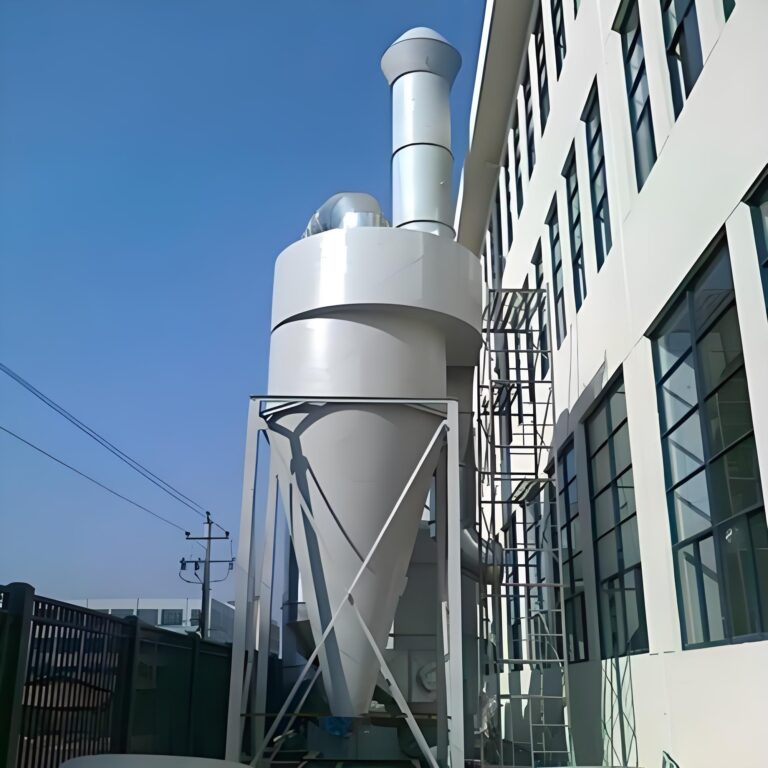
At the heart of Accelerated Gravity Systems is a carefully engineered vortex chamber. As wastewater enters this chamber, it's directed into a circular flow pattern that creates a powerful centrifugal force. This force acts on the suspended particles, pushing them outwards towards the chamber walls while the cleaner water remains in the center.
The key to the system's efficiency lies in its ability to generate forces many times greater than normal gravity. This amplified gravitational effect causes even small, dense particles to separate quickly from the water, allowing for much shorter retention times compared to traditional settling tanks.
A typical Accelerated Gravity System consists of several components working in harmony:
- Inlet structure: Designed to introduce wastewater into the vortex chamber at the optimal angle and velocity.
- Vortex chamber: The main separation area where centrifugal forces are generated.
- Grit collection system: Collects and removes the separated grit from the chamber.
- Effluent outlet: Allows the treated water to exit the system.
"The vortex chamber in an Accelerated Gravity System can generate forces up to 10 times greater than normal gravity, enabling the removal of particles as small as 75 microns with over 95% efficiency."
| Component | Function | Efficiency Contribution |
|---|---|---|
| Inlet structure | Initiates vortex | 20% |
| Vortex chamber | Main separation | 60% |
| Grit collection | Removal of separated grit | 15% |
| Effluent outlet | Clean water exit | 5% |
The combination of these elements results in a highly effective grit removal process that outperforms traditional methods in both efficiency and space utilization.
What are the advantages of using Accelerated Gravity Systems?
Accelerated Gravity Systems offer a multitude of benefits that make them increasingly popular in modern wastewater treatment facilities. Their compact design and high efficiency address many of the challenges faced by traditional grit removal methods.
One of the primary advantages is the significant reduction in space requirements. PORVOO Accelerated Gravity Systems can achieve the same or better grit removal performance as conventional systems while occupying only a fraction of the footprint. This makes them ideal for urban areas where land is at a premium or for upgrading existing plants without extensive expansion.
Another key benefit is the improved removal efficiency. These systems can consistently achieve high removal rates for a wide range of particle sizes, including fine grit that often escapes traditional systems. This enhanced performance leads to better protection of downstream equipment and reduces overall maintenance costs.
"Accelerated Gravity Systems can reduce the required footprint for grit removal by up to 75% compared to conventional settling tanks, while simultaneously improving removal efficiency for fine particles."
| Aspect | Conventional Systems | Accelerated Gravity Systems |
|---|---|---|
| Footprint | 100% | 25% |
| Removal Efficiency (75 micron) | 60-70% | 95%+ |
| Retention Time | Hours | Minutes |
| Energy Consumption | High | Low |
The compact nature and high efficiency of these systems also translate into lower operational costs. With shorter retention times and less energy required for pumping and aeration, Accelerated Gravity Systems can significantly reduce the overall cost of wastewater treatment.
How do Accelerated Gravity Systems compare to traditional grit removal methods?
When comparing Accelerated Gravity Systems to traditional grit removal methods such as aerated grit chambers or detritus tanks, several key differences become apparent. These differences highlight why Accelerated Gravity Systems are increasingly becoming the preferred choice for modern wastewater treatment facilities.
Traditional methods rely primarily on natural settling processes, which require large tanks and long retention times to achieve acceptable grit removal rates. In contrast, Accelerated Gravity Systems use enhanced gravitational forces to speed up the separation process dramatically.
The efficiency of grit removal is another area where Accelerated Gravity Systems shine. While conventional systems may struggle to remove particles smaller than 200 microns consistently, Accelerated Gravity Systems can effectively capture particles as small as 75 microns with high efficiency.
"In side-by-side comparisons, Accelerated Gravity Systems have shown up to 30% higher removal efficiency for fine grit (75-150 microns) compared to traditional aerated grit chambers, while requiring less than 25% of the space."
| Aspect | Traditional Methods | Accelerated Gravity Systems |
|---|---|---|
| Particle Size Removal | >200 microns | >75 microns |
| Removal Efficiency | 60-80% | 95%+ |
| Space Requirement | High | Low |
| Energy Consumption | High | Low |
| Maintenance Needs | Frequent | Minimal |
The reduced footprint of Accelerated Gravity Systems also means lower construction costs and easier integration into existing plants. Their superior performance in removing fine grit leads to better protection of downstream equipment, potentially extending the life of pumps, pipes, and other components.
What are the design considerations for implementing Accelerated Gravity Systems?
Implementing Accelerated Gravity Systems requires careful consideration of several key design factors to ensure optimal performance. While these systems offer significant advantages, their effectiveness depends on proper sizing, flow management, and integration with existing infrastructure.
One of the primary considerations is the expected flow rate and variability. Accelerated Gravity Systems must be sized to handle peak flows while maintaining the necessary centrifugal forces for effective separation. This often involves the use of flow splitters or multiple units to manage varying inflow conditions.
The composition of the incoming wastewater is another crucial factor. The size distribution and density of grit particles can vary significantly depending on the source, whether it's primarily domestic sewage or includes industrial effluents. Designers must account for these variations to ensure the system can effectively remove the full range of target particles.
"Proper design of Accelerated Gravity Systems can result in up to 40% lower lifecycle costs compared to traditional grit removal systems, factoring in reduced energy consumption, maintenance needs, and downstream equipment protection."
| Design Factor | Impact on Performance | Optimization Strategy |
|---|---|---|
| Flow Rate | High | Flow splitting |
| Particle Composition | Medium | Customized vortex design |
| Inlet Configuration | High | Engineered approach flow |
| Grit Removal Mechanism | Medium | Automated extraction |
Integration with existing plant hydraulics is also a key consideration. The compact nature of Accelerated Gravity Systems often allows for easier retrofitting into existing plants, but careful planning is needed to ensure smooth flow transitions and minimal disruption to other processes.
How do Accelerated Gravity Systems impact overall plant efficiency?
The implementation of Accelerated Gravity Systems can have a profound impact on the overall efficiency of a wastewater treatment plant. By improving the grit removal process at the front end of the treatment train, these systems create a cascade of benefits that enhance the performance of downstream processes and reduce operational costs.
One of the most significant impacts is the protection of downstream equipment. By removing a higher percentage of grit, including fine particles, Accelerated Gravity Systems reduce wear and tear on pumps, pipes, and other mechanical components. This leads to fewer breakdowns, lower maintenance costs, and extended equipment lifespans.
The improved grit removal also enhances the efficiency of biological treatment processes. With less inert material entering the aeration tanks, the active biomass can work more effectively, potentially leading to improved nutrient removal and reduced energy consumption for aeration.
"Plants that have implemented Accelerated Gravity Systems have reported up to 25% reduction in overall energy consumption and a 30% decrease in equipment maintenance costs within the first year of operation."
| Process Area | Impact of Accelerated Gravity Systems |
|---|---|
| Equipment Lifespan | +30% |
| Maintenance Frequency | -40% |
| Aeration Efficiency | +15% |
| Sludge Production | -10% |
| Overall Energy Use | -25% |
The compact nature of these systems also frees up valuable space within the treatment plant. This space can be repurposed for other treatment processes or future expansions, providing greater flexibility in plant design and operation.
What are the environmental benefits of using Accelerated Gravity Systems?
Accelerated Gravity Systems not only improve operational efficiency but also contribute significantly to the environmental performance of wastewater treatment plants. By enhancing the removal of grit and other particulates, these systems help reduce the overall environmental footprint of the treatment process.
One of the primary environmental benefits is the reduction in energy consumption. The compact design and efficient operation of Accelerated Gravity Systems require less pumping and aeration compared to traditional grit removal methods. This translates directly into lower electricity usage and, consequently, reduced greenhouse gas emissions associated with power generation.
The improved grit removal efficiency also leads to a decrease in the volume of sludge produced by the treatment plant. With less inert material entering the biological treatment stages, the amount of excess sludge requiring disposal is reduced. This not only lowers the costs associated with sludge handling and disposal but also minimizes the environmental impact of transporting and processing this waste.
"Wastewater treatment plants utilizing Accelerated Gravity Systems have reported up to 20% reduction in their carbon footprint, primarily due to decreased energy consumption and reduced sludge production."
| Environmental Aspect | Improvement with Accelerated Gravity Systems |
|---|---|
| Energy Consumption | -25% |
| Carbon Footprint | -20% |
| Sludge Production | -10% |
| Chemical Usage | -15% |
| Effluent Quality | +10% |
Another significant environmental benefit is the potential for improved effluent quality. By removing a higher percentage of fine particles, Accelerated Gravity Systems help reduce the overall suspended solids content in the treated wastewater. This can lead to cleaner discharges into receiving water bodies, contributing to better aquatic ecosystem health.
What future developments can we expect in Accelerated Gravity Systems?
As wastewater treatment technology continues to evolve, Accelerated Gravity Systems are poised for further advancements. Research and development efforts are focused on enhancing their performance, expanding their applications, and integrating them with other cutting-edge technologies.
One area of ongoing development is the optimization of vortex chamber design. Engineers are exploring new geometries and flow patterns that could further increase the gravitational forces applied to incoming wastewater, potentially improving removal efficiency for even smaller particles.
The integration of smart sensors and real-time monitoring systems is another promising direction. These technologies could allow for dynamic adjustment of system parameters based on incoming flow characteristics, ensuring optimal performance under varying conditions.
"Next-generation Accelerated Gravity Systems are expected to achieve up to 98% removal efficiency for particles as small as 50 microns, while further reducing energy consumption by an additional 15%."
| Future Development | Expected Impact |
|---|---|
| Advanced Vortex Design | +5% Efficiency |
| Smart Sensors | -15% Energy Use |
| Material Innovations | +20% Lifespan |
| AI-driven Optimization | +10% Overall Performance |
Researchers are also exploring the potential for recovering valuable resources from the removed grit. This could include methods for separating and recycling minerals or using the organic fraction for energy production, aligning with the growing trend towards circular economy principles in wastewater treatment.
The future of Accelerated Gravity Systems looks bright, with ongoing innovations promising to further enhance their already impressive performance in grit removal and overall contribution to efficient, environmentally friendly wastewater treatment.
In conclusion, Accelerated Gravity Systems represent a significant leap forward in grit removal technology for wastewater treatment. Their ability to achieve high removal efficiencies in a compact footprint addresses many of the challenges faced by traditional methods. By improving overall plant efficiency, protecting downstream equipment, and contributing to environmental sustainability, these systems are becoming an increasingly vital component of modern wastewater treatment facilities.
As urban populations continue to grow and environmental regulations become more stringent, the demand for efficient, space-saving wastewater treatment solutions will only increase. Accelerated Gravity Systems are well-positioned to meet these challenges, offering a proven technology that can be readily integrated into both new and existing plants.
The ongoing developments in this field promise even greater efficiencies and capabilities in the future. From smarter, more adaptive systems to the potential for resource recovery, Accelerated Gravity Systems are at the forefront of innovations that will shape the future of wastewater treatment.
For plant operators, engineers, and municipalities looking to upgrade their grit removal capabilities, Accelerated Gravity Systems offer a compelling solution that balances performance, cost-effectiveness, and environmental responsibility. As we continue to strive for more sustainable water management practices, these systems will undoubtedly play a crucial role in protecting our water resources and improving the overall efficiency of wastewater treatment processes.
External Resources
Artificial Gravity – This Wikipedia article discusses various methods to simulate gravity through acceleration, including linear acceleration and rotating spacecraft concepts, which are relevant to understanding accelerated gravity systems.
Proper Acceleration – This Wikipedia article explains the concept of proper acceleration, which is crucial in understanding the physical effects of accelerated systems, including those that simulate gravity.
The application of artificial gravity in medicine and space – This article from Frontiers in Physiology discusses the use of short-arm human centrifugation (SAHC) to apply artificial gravity, which is a practical application of accelerated gravity systems in medical and space research.
Universal Acceleration – Although this is part of the Flat Earth Model, it discusses an alternative theory of gravity involving universal acceleration, which can provide a contrasting perspective on how gravity can be conceptualized through acceleration.
Simulating lunar gravity – This section within the Wikipedia article on artificial gravity mentions a research facility built to simulate low lunar gravity using magnetic levitation, which is another example of using acceleration to simulate gravitational environments.
Vast Space and Rotating Spacecraft – This part of the artificial gravity article talks about proposals for creating artificial gravity through rotating spacecraft, which is a method of achieving accelerated gravity in space.
- Hypergravity Protocols – The article on gravitational therapy discusses hypergravity protocols using human centrifuges, which involve accelerated gravity to treat various medical conditions.