Compare energy at the same production rate and separation target. Industrial dust extraction, slurry dewatering and process-water reuse perform different jobs, so use an appropriate measurement for each and include the complete equipment train.
Define the duty and measurement boundary
Set the baseline and keep production, feed and output requirements comparable. Count all required utilities, including vacuum or compressed air, pump and fan power, wash water and cleaning. Log normal operation, peak loads and idle demand.
Related: PORVOO.
Industrial dust collection
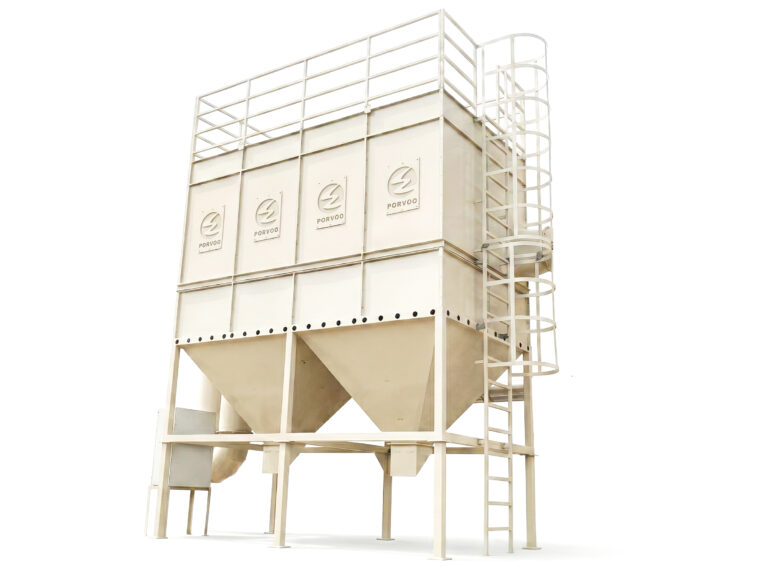
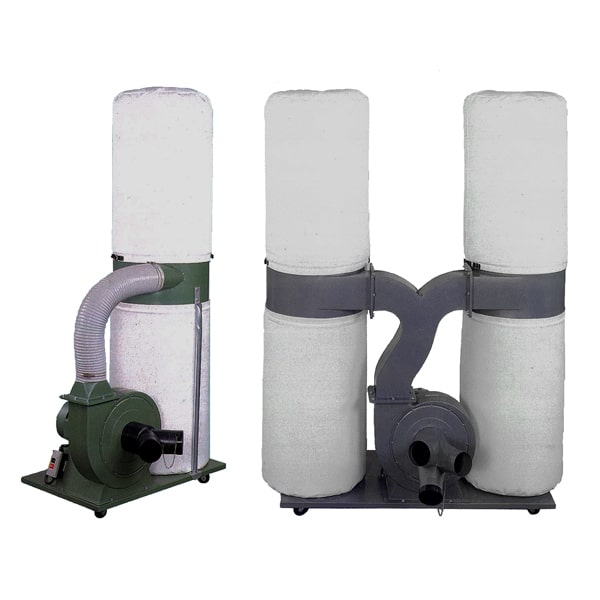
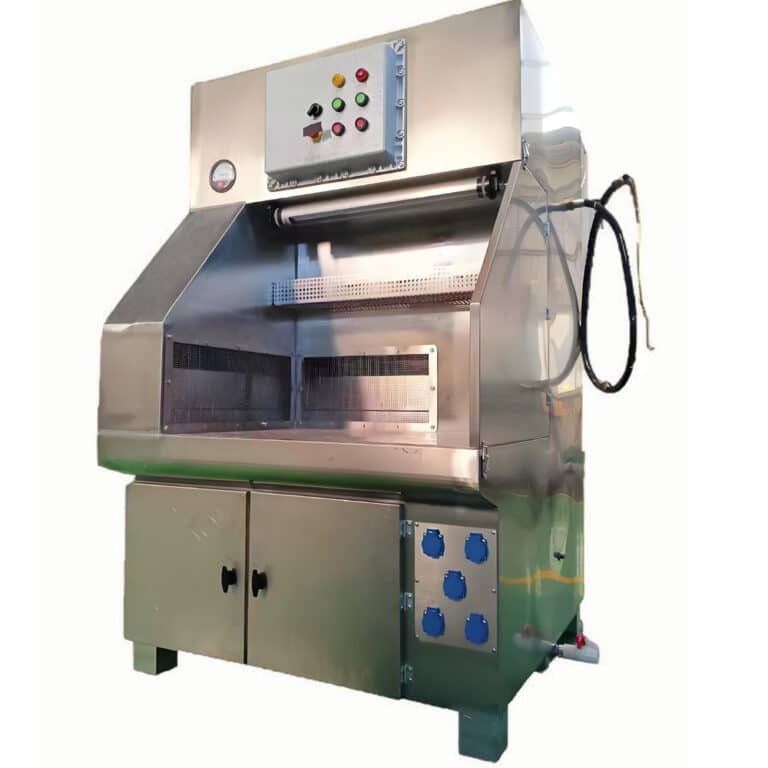
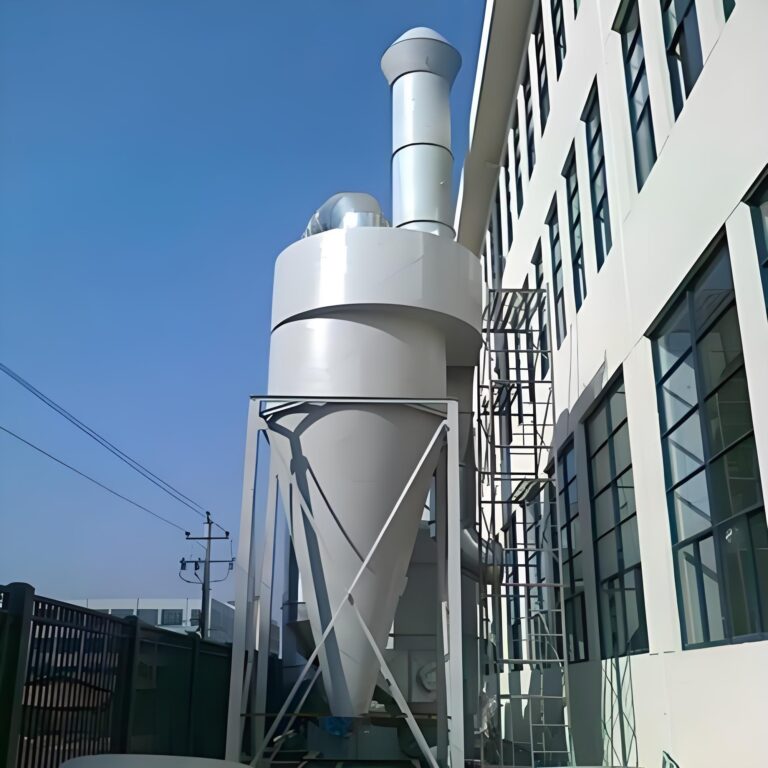
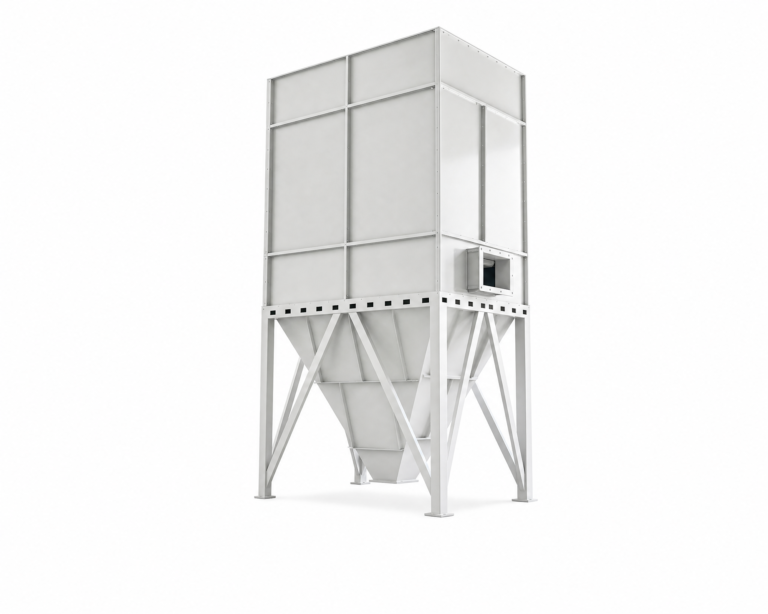
Compare extraction systems at the same hood capture requirement and representative simultaneous tool use. Include fan demand, filter pressure drop and cleaning energy. Compare loaded and clean filters and check airflow at the intended workstations. A dust collector for source capture should be assessed on that duty.
Continuous slurry dewatering
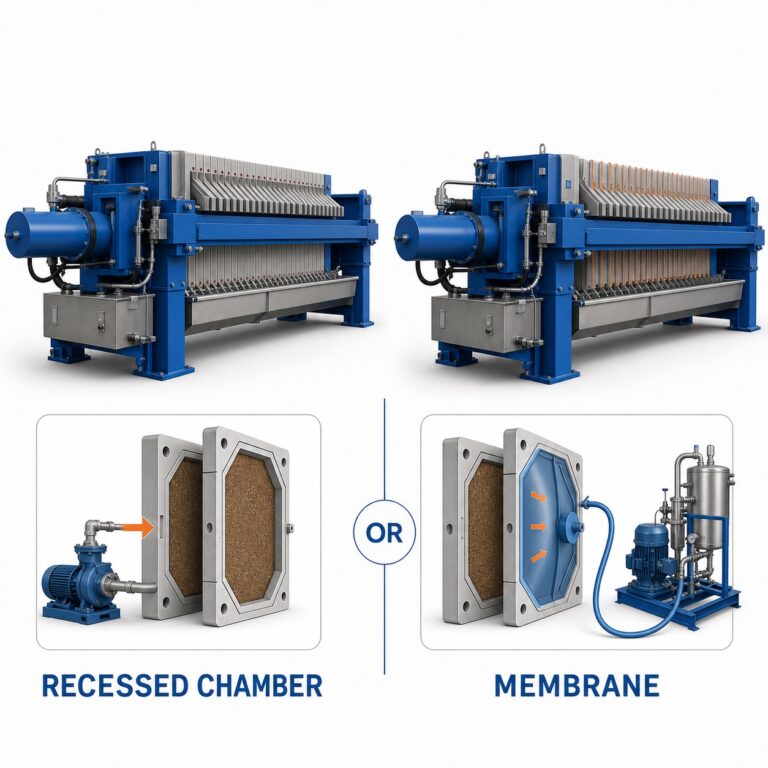
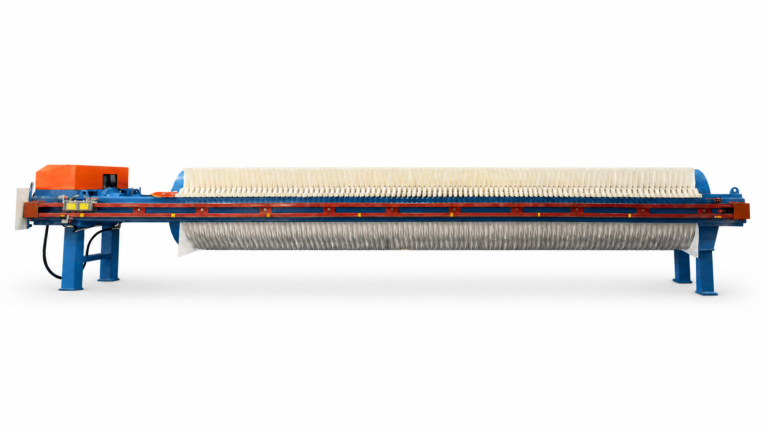
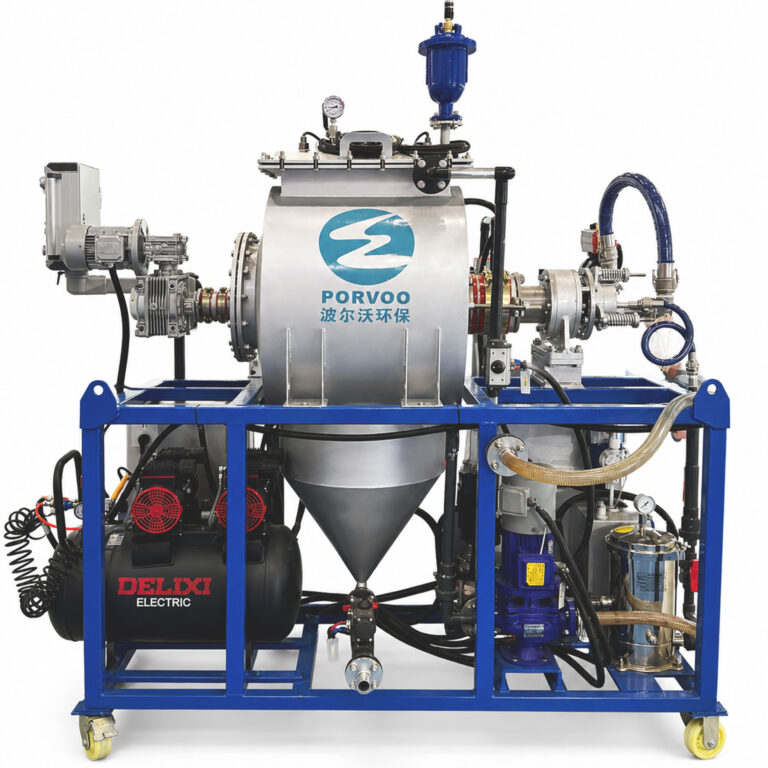
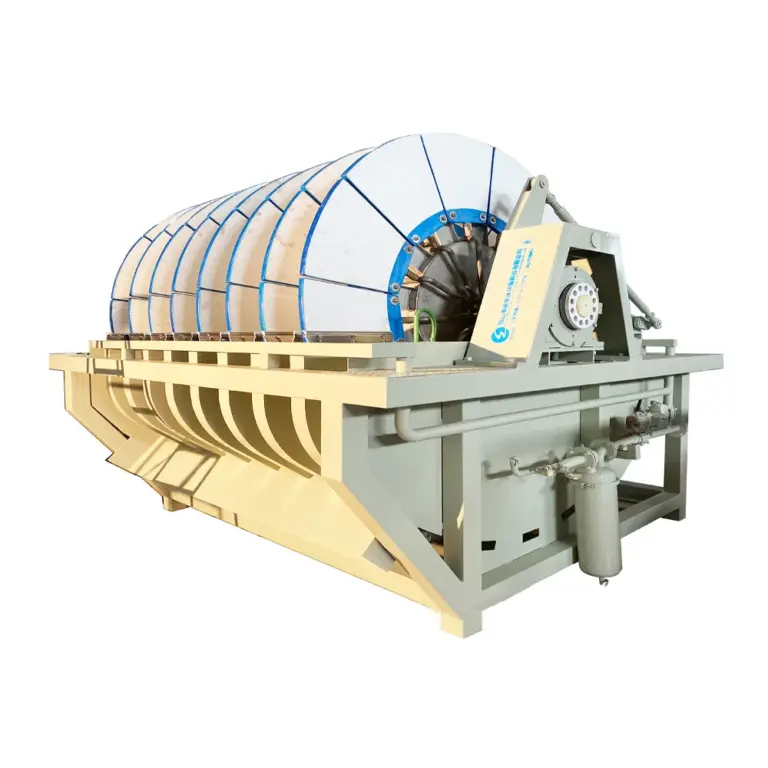
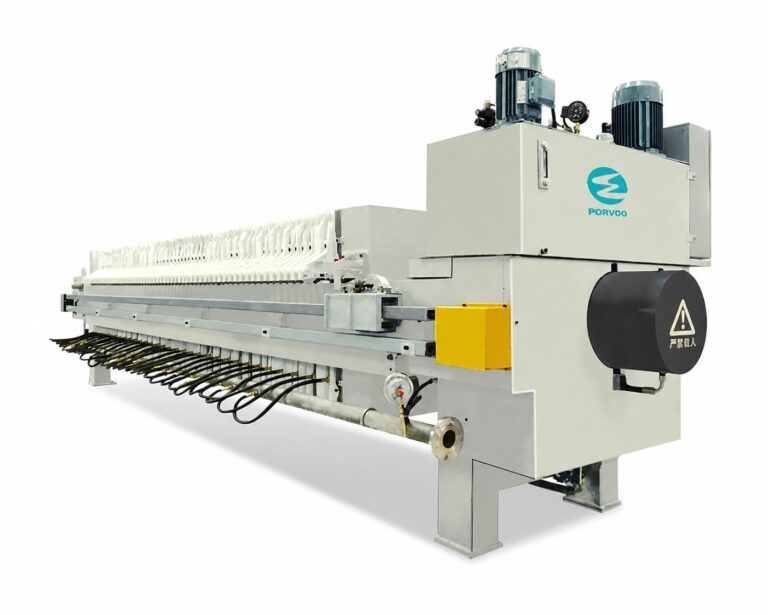
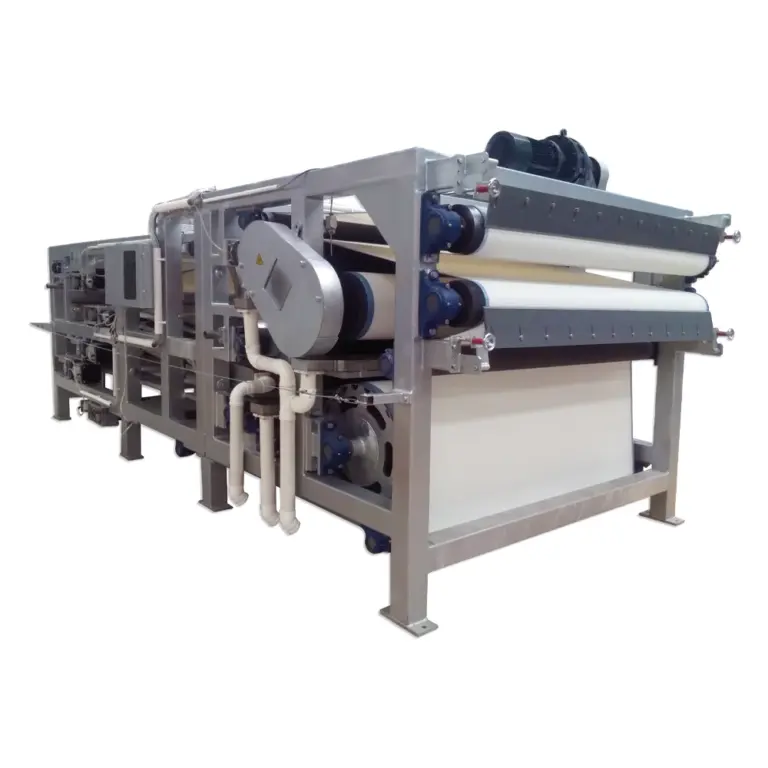
For a vacuum ceramic disc or other slurry filter, measure electricity per dry tonne at the same cake moisture and filtrate quality. Include the vacuum pump, feed and discharge equipment, wash cycle and start-up. Ensure the comparison covers a representative operating window.
Related: энергоэффективные системы фильтрации.
Process-water clarification and reuse
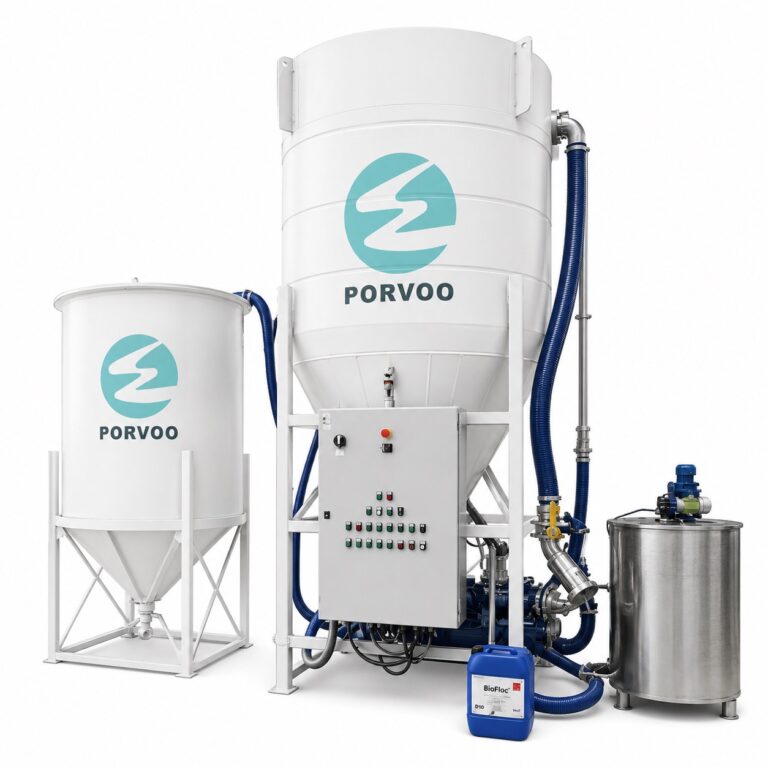
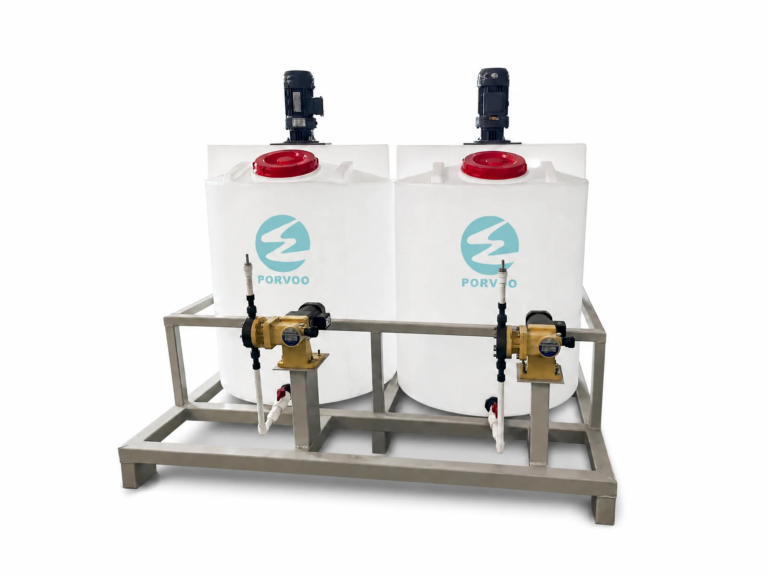
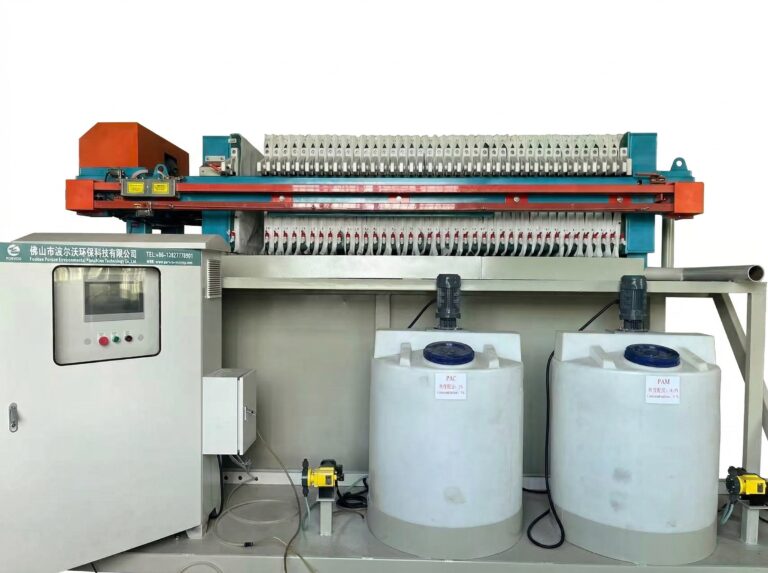
Start with the actual reuse demand and required water quality. Clarification and sludge dewatering serve different duties from polishing, and each may add energy and consumables. Measure usable recovered water and electricity at the required quality, including recirculation and cleaning.
Assess changes to controls
Trial changed fan or pump controls at stable production and during expected load changes. Check whether the system holds the target airflow, vacuum or throughput. Record operating electricity and service demand before crediting an improvement.
Compare recurring costs
Use site tariffs, actual operating time, replacement media and downtime to calculate annual costs. For a change in configuration, document which equipment and plant work are included. Report sensitivity to operating hours, feed variation and cleaning frequency.
What to send a supplier before asking for a quote
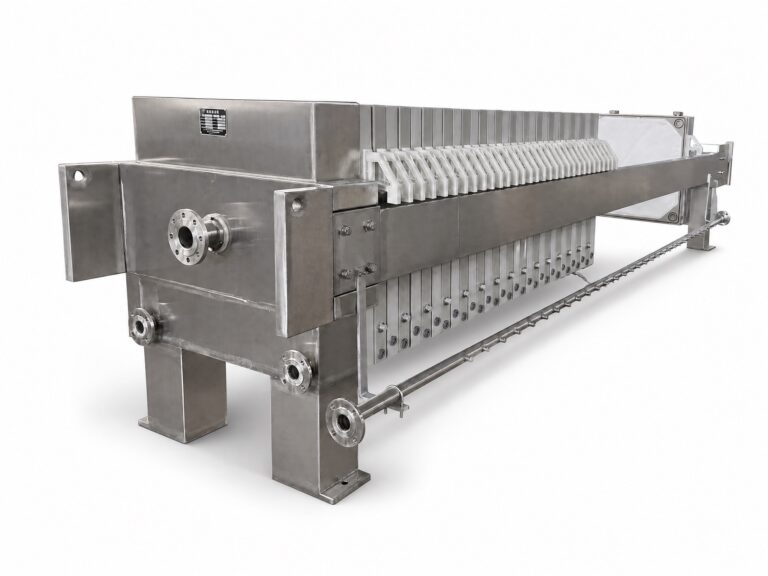
For dust extraction, send the workstations, schedule and required capture duty. For slurry dewatering, send representative feed data and cake and filtrate targets. For a water reuse loop, specify the incoming stream and acceptance at the reuse point. Ask for the test conditions behind any projected energy saving.
Внешние ресурсы
Freudenberg air filter energy classification – Explains the Eurovent energy classification for ventilation air filters.
Camfil Energy Cost Index program – Describes the manufacturer’s energy rating and filter selection program.
MANN+HUMMEL HVAC filters for energy-efficient buildings – Manufacturer overview of ventilation filtration options for commercial and industrial buildings.