Выбор между мокрым и сухим шлифовальными столами - это капитальное решение, имеющее долгосрочные последствия для эксплуатации и безопасности. Многие руководители предприятий предпочитают использовать привычные сухие системы, упуская из виду важнейшие нормативные требования и факторы совокупной стоимости владения, которые могут определять единственно возможный выбор. Это решение - не просто предпочтение оборудования, а согласование технологии с опасностью для материала, рабочим процессом и финансовым моделированием.
Ставки сейчас высоки как никогда. Ужесточение требований таких стандартов, как NFPA 484, в сочетании с ростом эксплуатационных расходов и повышенным вниманием к безопасности работников делают эту систему стратегической инвестицией. Выбор неправильной системы может привести к нарушению требований, незапланированным простоям и значительным скрытым расходам, что скажется как на безопасности, так и на рентабельности.
Мокрые и сухие приставные столы: Основные эксплуатационные различия
Определение механизма захвата
Эксплуатационная ДНК каждой системы определяется ее методом улавливания. В столах с сухой вытяжкой используется механическая фильтрация. Загрязненный воздух проходит через ряд фильтров - предварительный и основной картриджный или рукавный фильтр, - которые физически задерживают пыль и дым. В мокрых системах используется жидкая очистка, воздух проходит через водяную завесу или ванну, где частицы агломерируются и оседают в виде осадка. Это фундаментальное различие создает основной компромисс: эффективность фильтрации в сравнении со снижением опасности, присущей системе.
Стратегический компромисс: производительность против безопасности
Это основное отличие диктует область применения. Сухие системы с усовершенствованными фильтрами из нановолокна могут достигать эффективности 99,9% для субмикронного сварочного дыма, обеспечивая превосходную чистоту воздуха для общего производства. Мокрые системы обеспечивают мгновенное подавление искр и взрывов за счет погружения собранной пыли, что является обязательным условием безопасности при работе с горючими металлами. Отраслевые эксперты рекомендуют отдавать предпочтение одному параметру перед другим, поскольку ни одно решение в настоящее время не оптимизирует в равной степени как максимальную фильтрацию, так и максимальную безопасность воспламенения. Выбор становится стратегической директивой, основанной на вашем основном загрязнителе.
Влияние на проектирование и эксплуатацию системы
Выбранный механизм влияет на все аспекты работы. Конструкция сухой системы включает в себя доступ к фильтру, пульсирующие механизмы и управление воздушным потоком для предотвращения засорения фильтра. При проектировании мокрой системы основное внимание уделяется циркуляции воды, удержанию осадка и коррозионностойким материалам. В ходе наших сравнений мы обнаружили, что такая изначальная философия проектирования накладывает отпечаток на последующие годы технического обслуживания и требования к квалификации оператора, превращая первоначальный выбор в долгосрочное обязательство по выполнению определенного типа эксплуатационных нагрузок.
Сравнение затрат: Капитальные вложения против общей стоимости владения
Понимание факторов, определяющих затраты
Оценка стоимости требует смещения акцента с цены покупки на расходы в течение всего срока службы. Общая стоимость владения резко меняется после установки из-за принципиально разных профилей обслуживания. При обслуживании сухой системы основное внимание уделяется управлению фильтрами: периодической импульсной очистке, осмотру и последующей замене. Это влечет за собой постоянные расходы на расходные материалы и использование сжатого воздуха. Обслуживание мокрой системы переходит к управлению водой, включая мониторинг качества, контроль pH, добавление биоцидов и удаление осадка, при этом затраты на фильтр меняются на затраты на очистку воды и более высокое потребление энергии насоса.
Моделирование долгосрочных финансовых обязательств
Более низкие первоначальные затраты могут быть сведены на нет более высокими эксплуатационными расходами. Стратегическое обоснование должно моделировать эти долгосрочные обязательства на горизонте 5-10 лет, включая прямые расходные материалы и трудозатраты на техническое обслуживание. Легко упустить из виду такие детали, как стоимость сжатого воздуха для пульсирующих сухих систем и химикатов для очистки воды для мокрых систем. Тенденция к автоматизации - автоматические пульсирующие фильтры и электронные системы управления водой - является ключевым отличительным фактором, направленным на снижение скрытых трудозатрат и перенос стоимости с аппаратного обеспечения на интегрированный операционный интеллект.
Сравнительная разбивка затрат
В следующей таблице приведены компоненты эксплуатационных расходов для каждого типа систем, что обеспечивает основу для финансового моделирования.
| Компонент затрат | Сухой приставной столик | Стол для влажной вытяжки |
|---|---|---|
| Основной расходный материал | Картриджные/мешочные фильтры | Химикаты для воды и очистки |
| Ориентация на техническое обслуживание | Замена фильтра, пульсация | Качество воды, удаление осадка |
| Потребление энергии | Сжатый воздух для пульсации | Работа насоса |
| Выход отходов | Сухая пыль в мешках | Мокрый осадок |
| Набор трудовых навыков | Механическая обработка фильтров | Утилизация жидких отходов |
Источник: Техническая документация и отраслевые спецификации.
Какая система лучше для горючей металлической пыли?
Нормативный императив
Для горючей металлической пыли - алюминия, магния, титана - выбор диктуется правилами, а не предпочтениями. Стандарт NFPA 484 для горючих металлов прямо запрещает сухой сбор этих материалов, превращая техническое решение в юридическое требование. Настоящий стандарт устанавливает комплексные требования к безопасности, делая обязательным использование столов для мокрого сбора или других утвержденных методов. Компании должны сначала провести официальный анализ опасности пыли для классификации частиц; этот анализ определяет все последующие капитальные затраты.
Как мокрые технологии снижают риски
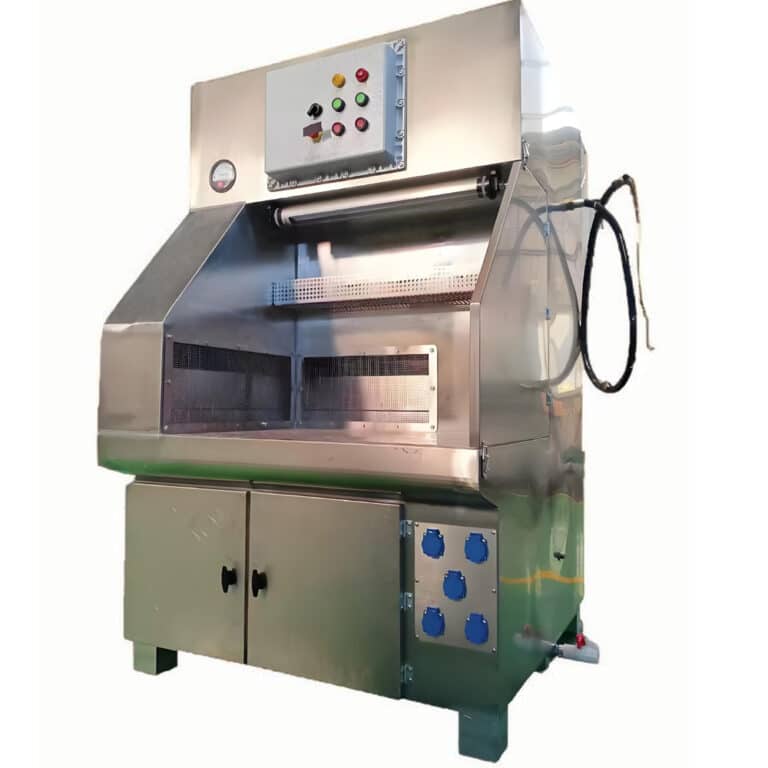
Столы с мокрым воздухоочистителем разработаны с учетом этой специфической опасности. Слой воды действует как постоянный искрогаситель, предотвращает образование взрывоопасного облака пыли и погружает источники топлива в воду сразу же после захвата. Именно благодаря этому встроенному механизму безопасности они являются обязательным решением. Все более строгое соблюдение таких стандартов приводит к разделению рынка на общее производство (сухие системы) и специализированную обработку горючих металлов (мокрые системы).
Критерии выбора для применения в опасных условиях
Когда речь идет о горючих веществах, система принятия решений становится ясной. В следующей таблице приведены критические факторы соответствия и безопасности, которые диктуют выбор оборудования.
| Фактор | Сухой приставной столик | Стол для влажной вытяжки |
|---|---|---|
| Соответствие требованиям NFPA 484 | Запрещено для горючей пыли | Обязательно для горючей пыли |
| Опасность искрения/взрыва | Высокий риск, образование облака пыли | Устранено, немедленное погружение в воду |
| Основной механизм безопасности | Только механическая фильтрация | Водяная завеса действует как разрядник |
| Типовое применение | Общее производство (сталь) | Алюминий, магний, титан |
| Регулирующий драйвер | Не применимо для горючих материалов | Требование закона |
Источник: Стандарт NFPA 484 для горючих металлов. Этот стандарт однозначно запрещает сухой сбор горючей металлической пыли, требуя применения мокрых или альтернативных методов для снижения взрывоопасности, что делает его окончательным руководством по данному критерию выбора.
Эффективность фильтрации: Сравнение размеров частиц и улавливания дыма
Эффективность в зависимости от размера частиц
Эффективность фильтрации не одинакова; она существенно зависит от типа и размера загрязнителя. Сухие системы, оснащенные высокоэффективными патронными фильтрами (например, 99% с рейтингом 0,3 микрона), исключительно эффективны для улавливания тонких дымов и дыма от сварки или плазменной резки. Мокрые системы высокоэффективны для более крупных и тяжелых частиц шлифовальной пыли, которые легко оседают в воде, но могут быть менее эффективны для улавливания очень тонких, гидрофобных дымов без специализированных энергоемких скрубберов.
Ключевые показатели для сравнения
Решения о закупках должны выходить за рамки базовых спецификаций и включать в себя проверенные показатели эффективности. Скорость улавливания на поверхности стола имеет решающее значение, поскольку она напрямую влияет на эффективность сдерживания. Мы сравнили системы и выяснили, что если в сухих системах скорость улавливания может уменьшаться по мере загрузки фильтров, то в мокрых системах обычно поддерживается постоянный поток воздуха, зависящий от работы насоса. Кроме того, мокрые скрубберы могут обеспечивать случайное поглощение некоторых водорастворимых паров и летучих органических соединений, обеспечивая определенную степень вторичной борьбы с запахами.
Сравнительная таблица производительности
Чтобы понять эти различия, необходимо провести параллельный анализ ключевых показателей производительности, как показано ниже.
| Метрика производительности | Сухой приставной столик | Стол для влажной вытяжки |
|---|---|---|
| Улавливание мелкодисперсного дыма (<0,3 мкм) | Отлично (эффективность 99,9%) | Менее эффективны, зависят от конструкции |
| Улавливание тяжелой пыли | Эффективный | Высокоэффективный |
| Скорость захвата | Может уменьшаться по мере загрузки фильтров | Как правило, постоянно |
| Вторичная выгода | Только улавливание твердых частиц | Случайная абсорбция летучих органических соединений/отравляющих веществ |
| Ключевая технология | Картриджные фильтры из нановолокна | Конструкция водяного скруббера |
Источник: Техническая документация и отраслевые спецификации.
Техническое обслуживание, простои и эксплуатационная нагрузка
Характер циклов технического обслуживания
Профиль технического обслуживания напрямую влияет на последовательность работы и распределение трудозатрат. В сухих системах производительность зависит от состояния фильтров. Поток воздуха и скорость улавливания уменьшаются по мере загрузки фильтров, что требует периодического пульсирования для восстановления эффективности и последующего отключения для замены фильтра. Производительность мокрой системы связана с качеством воды и работой насоса, а не с засоряющей средой. Однако при этом рабочая нагрузка перекладывается на управление потоком жидких отходов - контроль pH, добавление подавляющих веществ и удаление осадка, что требует иной квалификации оператора.
Влияние на время простоя и предсказуемость
Это расхождение влияет на факторы, определяющие время простоя. Простои в сухой системе часто связаны с заменой фильтров, которую можно спланировать. Перерывы в работе мокрой системы могут быть вызваны проблемами с качеством воды или обслуживанием насосов. Стратегическим следствием этого является необходимость согласования объема работ по техническому обслуживанию с имеющейся рабочей силой и опытом на объекте. Средства автоматизации, такие как датчики перепада давления на сухих фильтрах или автоматический контроль уровня и качества воды, становятся критически важными для сокращения ручного вмешательства и обеспечения возможности прогнозируемого обслуживания.
Сравнение операционной нагрузки
В следующей таблице представлены эксплуатационные аспекты, определяющие ежедневную и долгосрочную нагрузку для каждого типа систем.
| Операционный аспект | Сухой приставной столик | Стол для влажной вытяжки |
|---|---|---|
| Сигнал затухания производительности | Увеличение перепада давления | Ухудшение качества воды |
| Корректирующие действия | Пульсация/замена фильтра | Контроль pH, удаление осадка |
| Постоянство воздушного потока | Изменяется в зависимости от загрузки фильтра | Постоянная с функцией насоса |
| Тенденция автоматизации | Автопульсация, датчики давления | Автоматические регуляторы уровня воды |
| Драйвер простоя | Плановая замена фильтров | Обслуживание системы водоснабжения |
Источник: Техническая документация и отраслевые спецификации.
Требования к пространству и интеграция объектов
Гибкость конфигурации
Гибкость интеграции является основным отличительным фактором. Сухие столы с нисходящей тягой имеют две основные конфигурации: автономные устройства со встроенными блоками вентиляторов/фильтров или “голые” столы с воздуховодом для центрального пылеуловителя. Вариант с воздуховодом позволяет реализовать стратегию централизованного сбора пыли, упростить обслуживание и обеспечить сбор с нескольких рабочих мест. Мокрые столы почти всегда автономны из-за необходимости локального управления водой и шламом, что способствует распределенному подходу к использованию по месту.
Диктуя архитектуру растений
Выбор между централизованной эффективностью и распределенной гибкостью диктует фундаментальную архитектуру оборудования и влияет на будущую масштабируемость. Централизованная сухая система требует специального места для коллектора и прокладки воздуховодов. Многочисленные автономные мокрые блоки обеспечивают возможность установки "plug-and-play", но децентрализуют точки обслуживания. Растущая сложность интеграции этих столов в более широкую экосистему качества воздуха на предприятии означает, что стратегические покупатели должны отдавать предпочтение поставщикам с глубокими знаниями в области ОВКВ, которые могут выступать в качестве системных интеграторов.
Планирование интеграции
Легко упустить из виду такие детали, как доступ к инженерным коммуникациям. Сухим системам могут потребоваться линии сжатого воздуха для подачи импульсов. Мокрые системы требуют доступа к водопроводу и канализации, а также, возможно, защиты от возможных утечек. Планирование этих требований на этапе проектирования объекта предотвращает дорогостоящую модернизацию и гарантирует, что выбранная промышленная рабочая станция для шлифования легко интегрируется в производственный процесс.
Мокрый против сухого: Управление потоком отходов и их утилизация
Определение потока побочных продуктов
Уловленные загрязнения превращаются в поток отходов с определенной логистикой обращения. Сухие системы создают поток одноразовой сухой пыли, которую часто можно переработать в металлолом или сравнительно просто отправить на свалку. Мокрые системы генерируют смешанный осадок из металлических частиц и воды. Этот осадок требует изоляции, возможной очистки воды перед сбросом (в соответствии с местными нормами) и утилизации в качестве опасных или промышленных отходов.
Операционные и финансовые последствия
Это создает значительные эксплуатационные различия. Обработка мокрого осадка более сложна и может повлечь за собой более высокие затраты на утилизацию и контроль со стороны регулирующих органов. В стратегическом плане предприятия должны оценить местную инфраструктуру по переработке отходов, возможности соблюдения экологических норм и долгосрочные обязательства по утилизации. Операционная нагрузка смещается от работы с мешками с пылью к работе с жидкими отходами в бочках или цистернах, что влияет как на планирование трудозатрат, так и на модели текущих операционных расходов. Мы сравнили сценарии утилизации и обнаружили, что политика местных полигонов и наличие подрядчиков по переработке опасных отходов являются важнейшими, но часто упускаемыми из виду факторами в модели TCO.
Выбор правильного стола: Система принятия решений для покупателей
Четырехступенчатый процесс отбора
Стратегические рамки выходят за рамки технических характеристик и соответствуют бизнес-целям. Во-первых, проведите анализ опасности пыли, чтобы определить нормативные факторы - горючая пыль требует применения мокрой технологии. Во-вторых, оцените основной загрязнитель: отдайте предпочтение сухим системам для превосходного улавливания мелкого дыма или мокрым - для процессов с высоким содержанием искр. В-третьих, смоделируйте общую стоимость владения в течение 5-10 лет, учитывая трудозатраты на обслуживание, расходные материалы, энергию и утилизацию отходов. В-четвертых, рассмотрите философию проектирования объекта: централизованный сбор или распределенные устройства для точек использования.
Учет человеческих и стратегических факторов
В-пятых, оцените эргономические и трудовые факторы, такие как регулируемые по высоте поверхности и уровень шума, которые влияют на производительность и удержание оператора. Наконец, выбирайте поставщика, который может выступать в качестве системного интегратора и партнера по соблюдению нормативных требований, а не просто продавца оборудования. Задача интеграции “системы систем” - сбалансировать воздушный поток, системы управления и контроля безопасности - требует глубокого опыта применения, чтобы обеспечить инвестиции в будущее.
Примите решение, исходя из требований безопасности, доминирующего типа частиц и структуры эксплуатационных расходов. Эти три столпа четко укажут на необходимую технологию. Несоответствие в какой-либо одной области создает риск и неэффективность.
Нужен профессиональный совет, чтобы принять это критическое решение для вашего производства? Эксперты из PORVOO поможет вам провести надлежащий анализ опасностей и выбрать решение для приставного стола, отвечающее как эксплуатационным, так и нормативным требованиям. Для получения подробной консультации вы также можете Свяжитесь с нами напрямую, чтобы обсудить ваши конкретные операционные задачи.
Часто задаваемые вопросы
Вопрос: Каким образом NFPA 484 предписывает выбирать между мокрыми и сухими вытяжными столами для горючих металлов?
О: NFPA 484 прямо запрещает сухой сбор горючей металлической пыли, такой как алюминиевая и магниевая, поэтому мокрые столы являются законным требованием. Слой воды в этих системах действует как постоянный искрогаситель и предотвращает образование взрывоопасных пылевых облаков. Это означает, что ваше предприятие должно сначала провести формальный анализ опасности пыли, так как соответствие требованиям диктует весь путь капитальных затрат на специализированную обработку металлов. Стандарт доступен для ознакомления на сайте Стандарт NFPA 484 для горючих металлов.
В: Каковы основные различия в эффективности фильтрации тонкого сварочного дыма?
О: Сухие системы с высокоэффективными патронными фильтрами обеспечивают превосходное улавливание субмикронных частиц, часто достигая эффективности 99,9% для сварочного дыма. Мокрые системы отлично справляются с более крупными частицами пыли, но могут испытывать трудности с мелкими гидрофобными дымами без специализированных высокоэнергетических скрубберов. Если основным загрязнителем является мелкодисперсный дым, следует отдать предпочтение сухим системам и запросить подтвержденные данные испытаний скорости потока в реальных условиях эксплуатации.
Вопрос: Как следует моделировать общую стоимость владения при сравнении этих систем?
О: Вы должны смотреть не только на цену покупки, но и на моделирование затрат в течение 5-10 лет, включая трудозатраты на обслуживание, расходные материалы, энергию и утилизацию отходов. Сухие системы несут постоянные расходы на фильтры и сжатый воздух, в то время как мокрые системы обменивают их на очистку воды, добавки и более высокую энергию насоса. Это означает, что система с более низкой первоначальной стоимостью может стать более дорогой, поэтому ваше финансовое обоснование должно учитывать эти различия в долгосрочных эксплуатационных обязательствах.
В: В чем заключается основное операционное различие в управлении отходами между двумя технологиями?
О: Сухие системы производят одноразовую сухую пыль, которую зачастую проще переработать или отправить на свалку. Мокрые системы генерируют смешанный металловодный шлам, который требует локализации, потенциальной обработки и утилизации в качестве промышленных отходов, что влечет за собой более высокие сложности и затраты. Если местная инфраструктура по переработке отходов ограничена, вам следует предусмотреть дополнительную рабочую нагрузку и контроль со стороны регулирующих органов, связанный с управлением потоком жидких отходов.
Вопрос: Какая архитектура системы обеспечивает большую гибкость при планировке многостанционного комплекса?
О: Сухие столы имеют “голую” конфигурацию, которую можно направить в центральный коллектор, что позволяет реализовать консолидированную стратегию сбора воды из нескольких источников. Мокрые столы, как правило, представляют собой автономные устройства, предназначенные для использования в точках потребления, что обусловлено их местными потребностями в управлении водными ресурсами. Это означает, что ваш выбор диктует архитектуру оборудования: приоритет отдается сухим столам для обеспечения централизованной эффективности и возможности расширения в будущем или мокрым столам для распределенной установки на отдельных станциях по принципу "подключи и работай".
В: Чем отличается объем работы по техническому обслуживанию и какие функции автоматизации позволяют его снизить?
О: Обслуживание сухих систем сосредоточено на управлении фильтрами и пульсации, в то время как обслуживание мокрых систем включает контроль качества воды и удаление осадка. Автоматизация, например датчики давления для сухих фильтров или автоматические регуляторы уровня воды для мокрых систем, сокращает ручное вмешательство и позволяет проводить прогнозируемое обслуживание. При выборе следует ориентироваться на имеющийся опыт работы на объекте и отдавать предпочтение поставщикам, предлагающим такие интегрированные интеллектуальные системы, чтобы снизить общую эксплуатационную нагрузку.