При полировке керамики образуется сложный поток сточных вод. Высокая концентрация мелких частиц кремнезема и керамики в сочетании со щелочным рН создают трудноудаляемую взвесь, которую невозможно решить простым отстаиванием. Основная задача руководителей предприятий - разработать систему, которая бы надежно соответствовала стандартам сброса или повторного использования и при этом контролировала капитальные и эксплуатационные затраты. Ошибки в выборе химикатов или спецификации оборудования напрямую приводят к сбою процесса, образованию избыточного осадка и незапланированным простоям.
В связи с ужесточением экологических норм и ростом стоимости воды как ресурса, решение этой проблемы становится критически важным. Оптимизированная автоматизированная система очистки превращает бремя соблюдения требований в контролируемый процесс. Она обеспечивает стабильное качество стоков, сокращает количество химических отходов и позволяет повторно использовать воду, превращая операционный центр затрат в источник стратегической эффективности.
Основные параметры конструкции системы очистки объемом 50-500 м³/сутки
Определение профиля воздействующего вещества
Точное проектирование системы начинается с точной характеристики сточных вод. Сточные воды от полировки керамики характеризуются двумя основными признаками: высоким содержанием взвешенных твердых частиц (ВТВ), образующихся из абразивного кремнезема и керамической пыли, и щелочным pH, обычно варьирующимся от 7,5 до 11. Этот профиль диктует весь подход к очистке. Целевой диапазон производительности от 50 до 500 кубических метров в сутки требует проектирования, в котором сочетаются эффективность и масштабируемость. Распространенной ошибкой является проектирование с учетом среднего расхода без резерва на пиковые периоды производства.
Проектирование для обеспечения масштабируемости и избыточности
Для этого диапазона производительности наиболее эффективным принципом проектирования является модульное дублирование, а не отдельные крупногабаритные блоки. Масштабирование с базовой системы производительностью 50 м³/сутки до 500 м³/сутки лучше всего достигается за счет параллельного монтажа компонентов на салазках. Такой подход обеспечивает встроенную избыточность - если один дозирующий насос или смеситель требует обслуживания, система может продолжать работать с пониженной производительностью. Кроме того, такой подход обеспечивает гибкость капитальных затрат, позволяя поэтапно наращивать мощность по мере роста производственных потребностей. Ключевые параметры определения размеров выходят за рамки расхода и включают требуемое время гидравлического удержания в реакционных резервуарах и предполагаемый объем хранения осадка.
Система реализации
На начальном этапе проектирования необходимо зафиксировать критические параметры, чтобы избежать дорогостоящего пере- или недопроектирования. Мы сравнили несколько пилотных проектов и обнаружили, что точное определение размеров, основанное на недельном анализе сточных вод, отражающем изменчивость производства, предотвращает наиболее распространенные ошибки в определении характеристик материала. В приведенной ниже таблице указаны основные параметры, которые определяют этот этап проектирования.
| Параметр | Типичный диапазон / значение | Ключевое соображение |
|---|---|---|
| pH притока | 7.5 - 11 | Щелочной, переменный |
| Диапазон скорости потока | 50 - 500 м³/день | Модульная основа для масштабирования |
| Реактивный резервуар HRT | 1 - 30 минут | Коагуляция и флокуляция |
| Коэффициент пиковой нагрузки | 1,2 - 1,5x в среднем | Буфер емкости системы |
| Метод масштабирования | Дублирование параллельных салазок | Встроенная избыточность |
Источник: HJ 2008-2010 Техническая спецификация процесса коагуляции-флокуляции для очистки сточных вод. Настоящий стандарт представляет собой техническую основу для проектирования реакционных установок, включая соображения, касающиеся скорости потока, времени удержания и коэффициентов нагрузки, необходимых для определения размеров системы в этом диапазоне производительности.
Роль PAC и PAM в очистке керамических сточных вод
Механизм свертывания крови с помощью PAC
На первом химическом этапе используется неорганический коагулянт, как правило, полиалюминий хлорид (PAC). Его функция - нейтрализация заряда. Мелкие керамические частицы несут отрицательные поверхностные заряды, которые удерживают их в стабильной суспензии. PAC вводит высокозаряженные катионные виды алюминия, которые дестабилизируют эту суспензию, нейтрализуя заряды, что позволяет частицам начать агрегироваться в микрофлокулы. Ключевым преимуществом PAC является его эффективность в широком диапазоне pH, что делает его подходящим для переменных щелочных потоков, характерных для обработки керамики.
Стадия флокуляции с использованием ПАМ
После коагуляции добавляется полимерный флокулянт - обычно катионный полиакриламид (PAM). На этом этапе происходит образование оседающих твердых частиц. Длинноцепочечные молекулы PAM физически соединяют микрофлокулы, создавая крупные, плотные макрофлокулы, которые быстро оседают в осветлителе. Этот процесс - не просто добавка, это обязательная предварительная обработка. Данные подтверждают, что эффективная флокуляция сама по себе может устранить более 73% мутности и помочь агрегировать растворенные ионы металлов, предотвращая их загрязнение на фильтрационных мембранах или ионообменных смолах ниже по течению.
Выбор синергетических химических веществ
Выбор между PAC и традиционными квасцами или между катионными и анионными PAM не является общим. Он напрямую зависит от дзета-потенциала, щелочности и температуры конкретной сточной воды. Отраслевые эксперты рекомендуют не ограничиваться стандартными рецептурами; оптимальный выбор химического реагента определяется результатами испытаний банок на реальных сточных водах. В следующей таблице приведены функциональные роли и типичные области применения этих ключевых химических веществ.
| Химические | Типичный диапазон дозировок | Основная функция |
|---|---|---|
| PAC (коагулянт) | 50 - 200 мг/л | Нейтрализация заряда |
| ПАМ (флокулянт) | 0,5 - 5 мг/л | Объединение и агрегирование |
| Удаление мутности | >73% (с флокуляцией) | Эффективность предварительной обработки |
| PAC Эффективный pH | Широкий ассортимент | Подходит для щелочности |
| Тип PAM | Катионный | Для отрицательных частиц |
Источник: HG/T 5544-2019 Полиалюминий хлористый для очистки воды. Настоящий стандарт определяет параметры качества и производительности PAC, основного коагулянта, и поддерживает диапазоны дозировок и функциональную роль, указанные для эффективной очистки.
Основные компоненты системы: Дозирование, осаждение и фильтрация
Подсистема реакции и дозирования
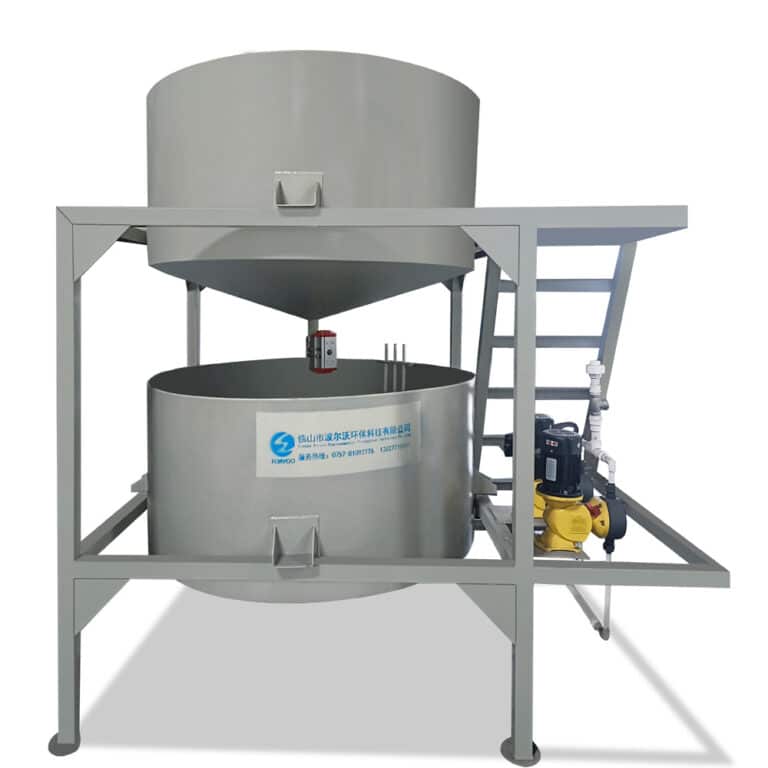
Эта подсистема включает в себя резервуары для подготовки химикатов, прецизионные дозирующие насосы и последовательные смесители. Насосы должны быть химически стойкими, чтобы работать с растворами PAC и PAM, а смесители обеспечивают различные энергетические профили, необходимые для каждой стадии: высокий сдвиг для быстрого диспергирования PAC и мягкое перемешивание для флокуляции PAM. Стратегический смысл заключается в том, что точный контроль дозирования напрямую определяет расход химикатов и объем осадка.
Разделение твердых и жидких веществ
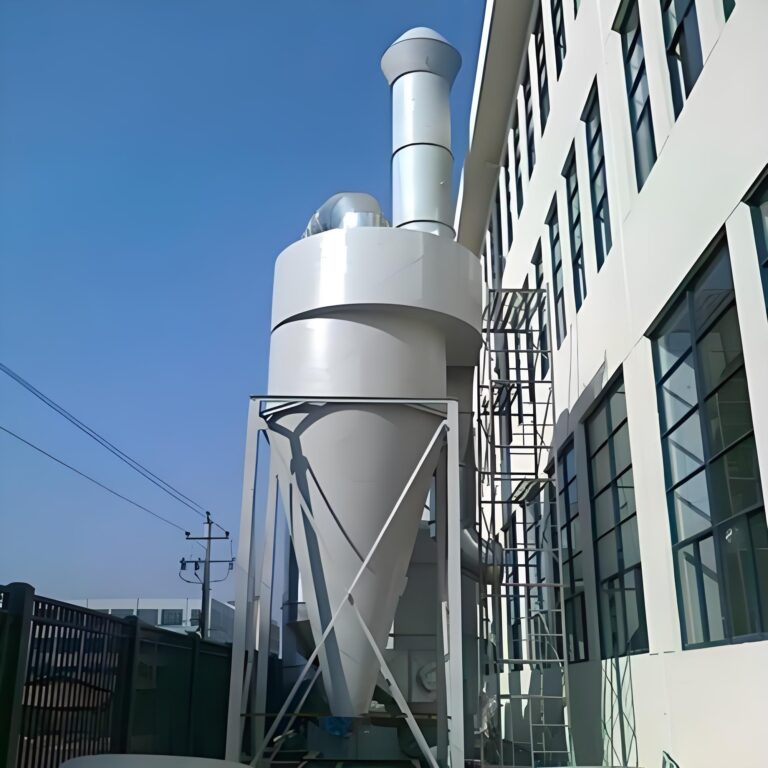
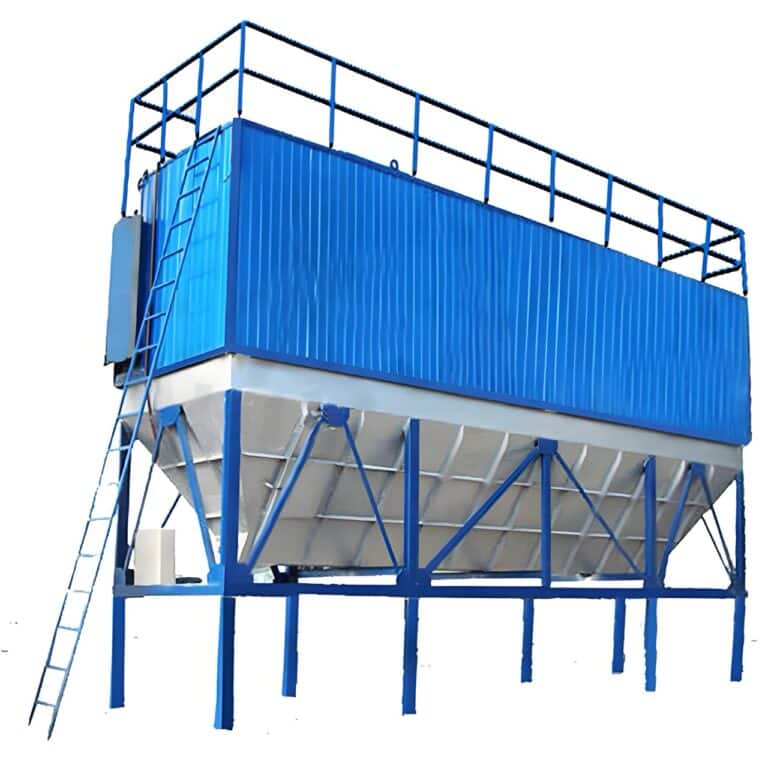
После флокуляции сточные воды поступают в седиментационный аппарат, который обычно представляет собой ламельный осветлитель. Здесь под действием силы тяжести происходит отделение осевших флокул (осадка) от осветленного надосадочной жидкости. Конструкция осветлителя, включая скорость загрузки поверхности и механизм сгребания осадка, определяет чистоту стоков и концентрацию осадка в нижнем бьефе. На этом этапе проблема жидких отходов превращается в управляемый поток твердых отходов.
Окончательная полировка и обезвоживание осадка
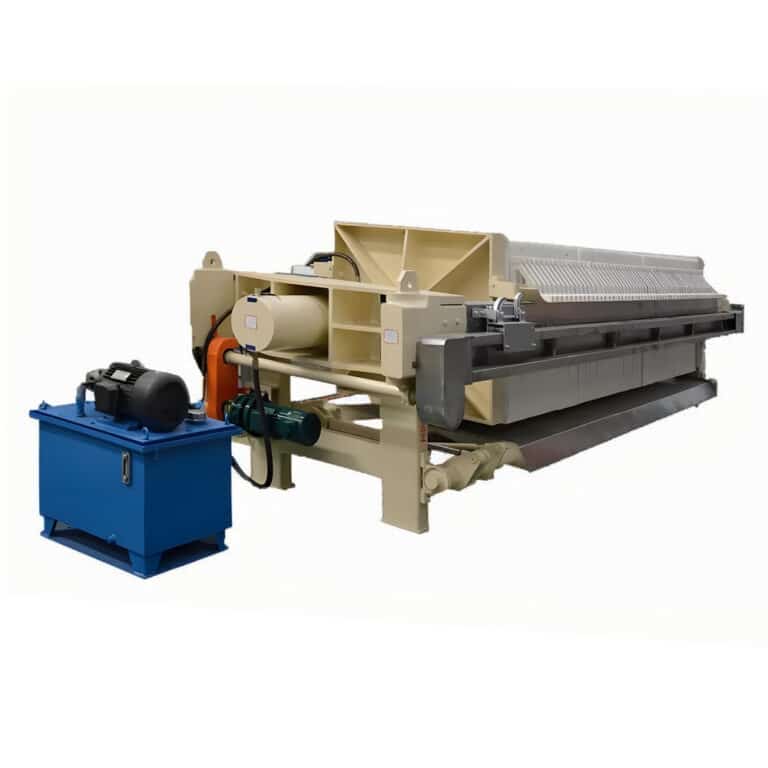
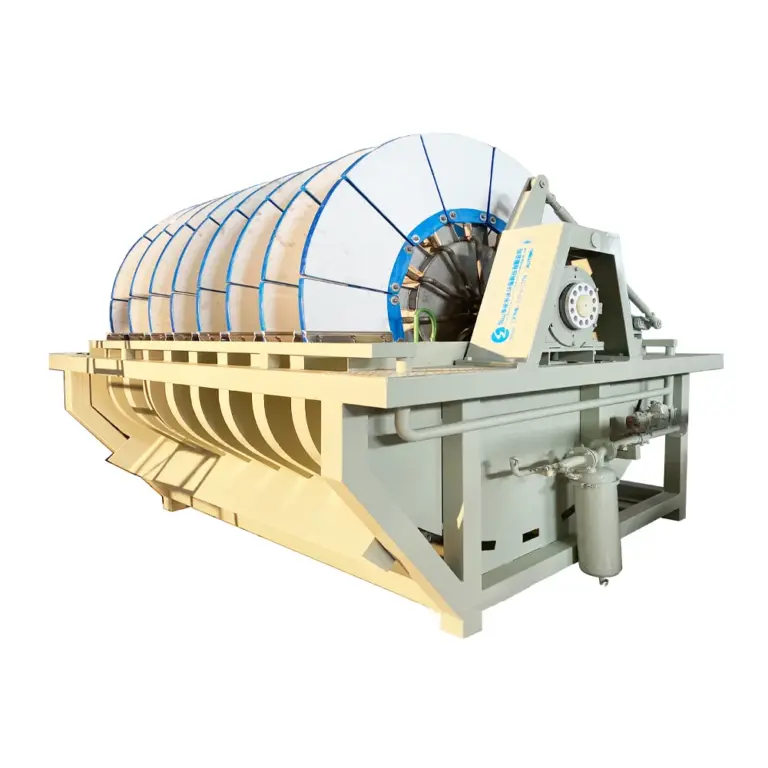
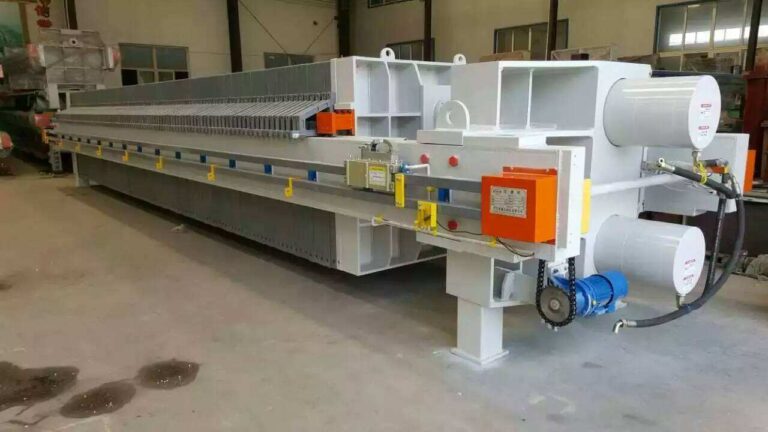
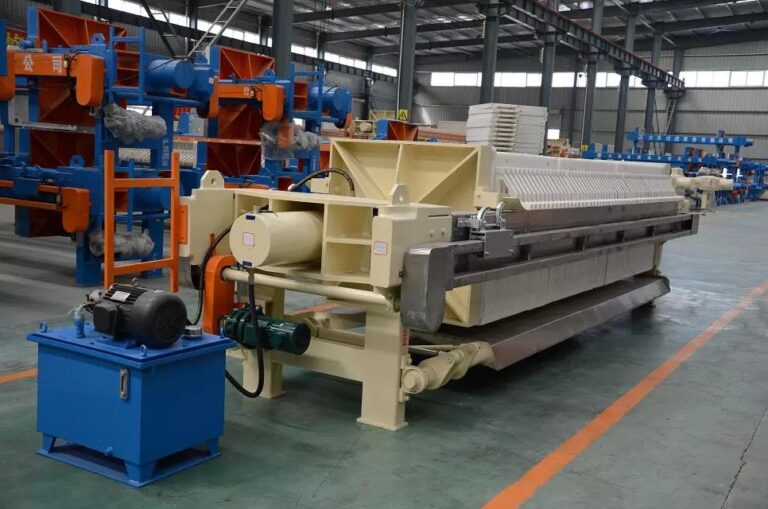
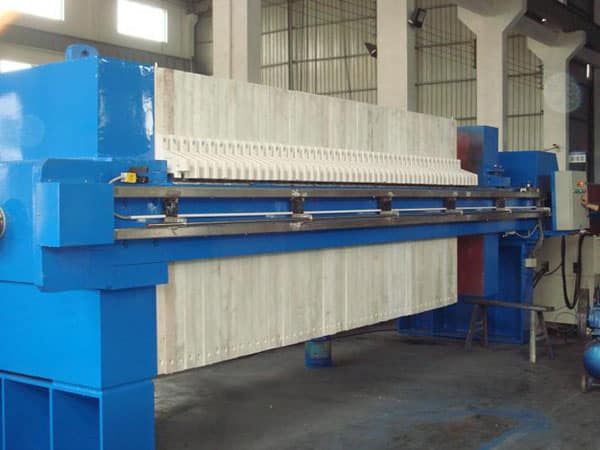
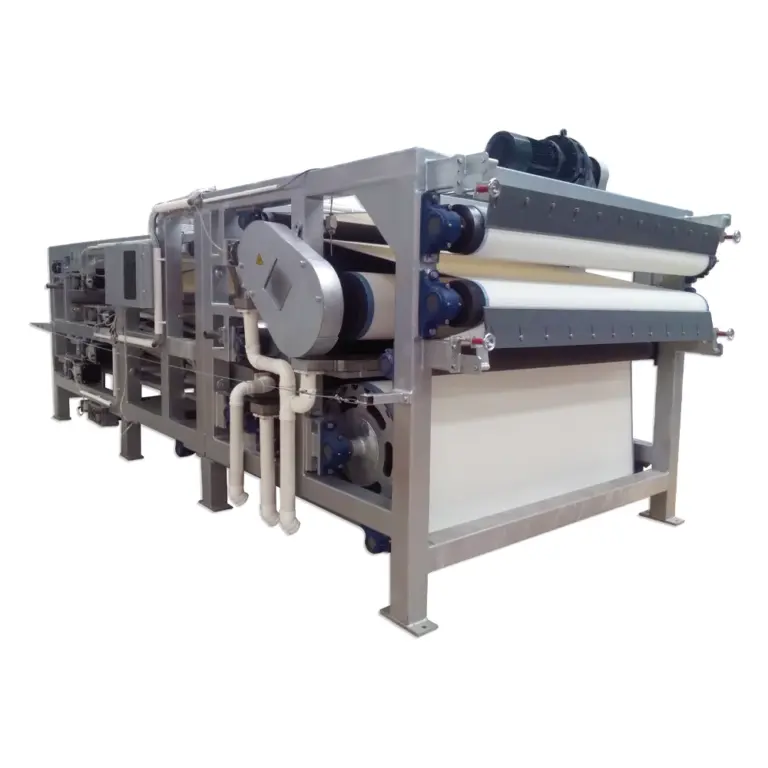
Осветленная вода может поступать на фильтры окончательной очистки. Тем временем осадок из осветлителя кондиционируется и подается в устройство для обезвоживания, чаще всего фильтр-пресс. Этот компонент очень важен: время его работы и содержание твердых частиц в кеке определяют частоту обработки и стоимость утилизации конечных отходов. Легко упустить из виду такие детали, как интеграция конвейеров или бункеров для хранения обезвоженного кека, логистика, которая может конкурировать с затратами на обработку жидкости.
Оптимизация дозировки и смешивания химических веществ для достижения максимальной эффективности
Установление базовых показателей с помощью Jar-тестирования
Оптимальное дозирование химических веществ - это не догадки. Для этого необходимо провести предварительное тестирование в банке, чтобы определить конкретные оптимальные диапазоны для ваших сточных вод, обычно 50-200 мг/л для PAC и 0,5-5 мг/л для PAM. Передозировка PAC может привести к повторной стабилизации частиц, в то время как избыток PAM создает хрупкие, чувствительные к сдвигу флокулы. Это тестирование также позволяет определить наиболее эффективный тип продукта. Мы сравнили несколько составов ПАМ и обнаружили, что катионный полимер со средней плотностью заряда часто обеспечивает наилучшее соотношение стоимости и эффективности для керамических твердых частиц.
Управление энергией смешивания
Параметры смешивания так же важны, как и дозировка. Коагуляция с PAC требует высокоинтенсивного перемешивания (G-value > 300 с-¹) в течение 1-3 минут для обеспечения быстрой и равномерной дисперсии. Последующая стадия флокуляции с PAM требует мягкого перемешивания (G-value 20-50 s-¹) в течение 10-30 минут для создания прочных, оседающих агрегатов без их разрушения. Неправильное перемешивание является частым источником плохого осаждения и высокой мутности стоков.
Уравнение эксплуатационных расходов
Такая оптимизация имеет прямое финансовое воздействие. При расчете чистой приведенной стоимости сэкономленных затрат на химикаты в течение всего срока службы системы экономическая целесообразность хорошо настроенной системы возрастает. Точное дозирование снижает эксплуатационные расходы и повышает потенциал для повторного использования высококачественной воды, которая может соответствовать таким стандартам, как GB/T 18920-2020 для живописных или экологических применений. В таблице ниже приведены ключевые параметры процесса для этой оптимизации.
| Стадия процесса | Энергия смешивания | Продолжительность |
|---|---|---|
| Коагуляция (PAC) | Высокоинтенсивный | 1 - 3 минуты |
| Флокуляция (PAM) | Мягкое возбуждение | 10 - 30 минут |
| Риск передозировки | Рестабилизация | Хрупкие флокулы |
| Метод оптимизации | Первоначальное тестирование банок | Непрерывный мониторинг |
| Ключевое преимущество | Сокращение операционных расходов | Восстановление воды |
Источник: HJ 2008-2010 Техническая спецификация процесса коагуляции-флокуляции для очистки сточных вод. В этом стандарте подробно описаны критические рабочие параметры для коагуляции и флокуляции, включая энергию перемешивания, продолжительность последовательности и необходимость испытания банок для установления оптимальных условий.
Интеграция автоматизации: Логика управления и выбор датчиков
Управление с прямой и обратной связью
Автоматизация является основой для последовательной работы без использования рук. Программируемый логический контроллер (ПЛК) должен реализовать контур управления с обратной связью, привязывая скорость насоса подачи химикатов непосредственно к сигналу от расходомера сточных вод. Для повышения отказоустойчивости контур обратной связи с использованием датчика мутности или детектора потокового тока на осветленном стоке позволяет точно настраивать дозировки в режиме реального времени, компенсируя изменения концентрации твердых частиц в поступающей воде.
Повышение операционной устойчивости
Уровень автоматизации определяет устойчивость работы. Базовая система может обеспечивать ручное управление, но полная система с автоматическим резервным переключением насосов и регулированием дозирования имеет решающее значение для бесперебойной работы в режиме 24/7. Такая философия проектирования гарантирует, что отказ одного компонента не приведет к остановке процесса или нарушению нормативных требований.
Данные как стратегический актив
Эти инвестиции создают ценную базу данных. Регистрация расхода, потребления химикатов, мутности и времени работы насоса позволяет проводить прогнозируемое обслуживание и закладывает основу для будущей оптимизации на основе искусственного интеллекта. Ниже приводится краткое описание стратегии управления.
| Стратегия управления | Первичный вход | Назначение |
|---|---|---|
| Feed-Forward | Измеритель расхода входящего потока | Базовая скорость дозирования |
| Обратная связь | Датчик мутности | Тонкая настройка дозировки |
| Основная функция ПЛК | Управление скоростью вращения насоса | Бесперебойная работа |
| Уровень устойчивости | Автоматическое переключение насоса | Круглосуточная работа |
| Фонд данных | Оперативное протоколирование | Предиктивное обслуживание |
Источник: Техническая документация и отраслевые спецификации.
Проектирование систем обработки и обезвоживания осадка
От суспензии до пирога
Процесс коагуляции-флокуляции концентрирует взвешенные твердые частицы в поток осадка, обычно 0,5-2% твердых частиц по весу из осветлителя. Этот шлам должен быть кондиционирован, часто с помощью небольшой дозы полимера, и подан на обезвоживающее устройство. Обычно используется фильтр-пресс, который позволяет получить твердый кек, который можно обрабатывать механически. При проектировании необходимо учитывать объем осадка, время цикла обезвоживания и целевое содержание твердых частиц в кеке, что напрямую влияет на стоимость утилизации.
Размер системы и резервирование
Для объектов, расположенных в верхней части диапазона 500 м³/сутки, система обработки осадка требует тщательного масштабирования. Для этого могут потребоваться дублирующие насосы для подачи осадка или более крупный фильтр-пресс с несколькими плитами. Для предотвращения переполнения резервуаров время цикла обезвоживания должно совпадать с производством осадка.
Интеграция всего потока отходов
Этот этап подчеркивает, что обработка осадка является одним из основных источников эксплуатационных затрат. Стратегическое планирование должно включать механическую интеграцию конвейеров, бункеров-накопителей или систем загрузки контейнеров для управления обезвоженным кеком. Пренебрежение такой интеграцией создает узкое место для ручной обработки и повышает долгосрочный эксплуатационный риск.
Выбор материала для абразивных, щелочных сточных вод
Проблема коррозии и абразивного износа
Сочетание абразивной природы керамических твердых частиц и щелочного pH требует тщательного выбора материалов для обеспечения долговечности системы. Смачиваемые детали, находящиеся в постоянном контакте со сточными водами и осадком, - корпуса насосов, валы смесителей, колена трубопроводов и скребки осветлителей - должны быть износостойкими и коррозионностойкими. Выход из строя материалов в этом случае напрямую ведет к незапланированным простоям и дорогостоящей замене компонентов.
Стандарты спецификации
Обычно для критически важных компонентов используются нержавеющие стали 304 или 316L, которые обеспечивают баланс между коррозионной стойкостью и механической прочностью. В зонах повышенного абразивного износа, например, в улитках шламовых насосов, могут потребоваться закаленные сплавы или керамические покрытия. В условиях сильной коррозии усиленную защиту обеспечивают конструкции из стеклопластика (армированного волокнами пластика) или специализированные сплавы, например дуплексные нержавеющие стали.
Цена компромисса
Это решение напрямую зависит от характеристик сточных вод. Точный и постоянный анализ сточных вод является необходимым условием для планирования капитальных затрат. Компромисс с техническими характеристиками материала для снижения первоначальной стоимости часто приводит к быстрой деградации системы и увеличению затрат на весь срок службы. Приведенная ниже таблица служит руководством для этого важнейшего процесса выбора.
| Компонент | Рекомендуемый материал | Причина |
|---|---|---|
| Критические смачиваемые детали | Нержавеющая сталь 304 / 316L | Устойчивость к коррозии |
| Корпуса насосов | Нержавеющая сталь или сплав | Устойчивость к истиранию |
| Тяжелые условия | Покрытие FRP / Специальные сплавы | Высокая степень защиты от коррозии |
| Выбор водителя | Анализ сточных вод | Предотвращает быстрое разрушение |
| Влияние на капитальные затраты | Высокая для правильных характеристик | Избегайте затрат на простои |
Источник: Техническая документация и отраслевые спецификации.
Дорожная карта внедрения: От тестирования банок до ввода в эксплуатацию
Поэтапное выполнение проекта
Успешное внедрение следует структурированной, поэтапной дорожной карте. Он начинается со всестороннего тестирования банок и, по возможности, пилотного исследования для определения типов и дозировок химических веществ. Эти данные непосредственно ложатся в основу детального инженерного проектирования, где окончательно принимаются решения о модульности и уровне автоматизации. На этапе закупок предпочтение следует отдавать поставщикам комплексных решений, обладающим компетенциями в области химии, машиностроения и автоматизации управления.
Ввод в эксплуатацию и передача знаний
После установки обязательно проводится поэтапный ввод в эксплуатацию. Это предполагает тестирование каждой подсистемы - дозирования, смешивания, осветления, фильтрации - по отдельности до полной интеграции. Наконец, для долгосрочного успеха необходимо всестороннее обучение оператора работе с системой управления, регулярному техническому обслуживанию и процедурам устранения неисправностей. Весь этот процесс обусловлен двойными потребностями - соблюдением нормативных требований и экономической ценностью повторного использования воды.
Приоритеты при проектировании системы керамической полировки сточных вод очевидны: точная характеристика поступающей воды, модульная масштабируемость и точность автоматизации химических процессов. Выбор правильного химического состава PAC и PAM с помощью испытаний в банке закладывает основу, а надежный выбор материала и интегрированная обработка осадка обеспечивают долгосрочную эксплуатационную надежность. Переход от ручной периодической обработки к непрерывному автоматизированному процессу - это то, что превращает затраты на соблюдение нормативных требований в контролируемую и эффективную работу.
Нужны профессиональные рекомендации по внедрению автоматизированной системы дозирования химических веществ на вашем предприятии? Команда инженеров из PORVOO специализируется на проектировании и вводе в эксплуатацию специализированных систем коагуляции-флокуляции, отвечающих конкретным требованиям к производительности и соблюдению норм. Свяжитесь с нами, чтобы обсудить параметры вашего проекта и рассмотреть подробное предложение.
Часто задаваемые вопросы
Вопрос: Как определить оптимальные дозировки PAC и PAM для новой линии очистки сточных вод из керамики?
О: Вы должны провести первоначальные испытания в банке с конкретными сточными водами, чтобы определить эффективные диапазоны, которые обычно находятся в пределах 50-200 мг/л для PAC и 0,5-5 мг/л для PAM. Такое тестирование необходимо для предотвращения передозировки, которая может привести к дестабилизации частиц или образованию слабых флокул. Для проектов, где затраты на химикаты являются основными эксплуатационными расходами, планируйте этот предварительный анализ, чтобы зафиксировать параметры, которые обеспечивают максимальную эффективность очистки и минимизируют долгосрочное потребление реагентов, что напрямую влияет на ваш операционный бюджет.
Вопрос: Каковы критические характеристики материалов для насосов и трубопроводов, перекачивающих абразивный керамический полировочный шлам?
О: Для компонентов, контактирующих со сточными водами и шламом, требуются износо- и коррозионностойкие материалы, например, нержавеющая сталь 304 или 316L для критических смачиваемых частей. В условиях сильной коррозии могут потребоваться стеклопластиковые покрытия или специальные сплавы. Это решение напрямую зависит от содержания в сточных водах абразивных твердых частиц и щелочного pH. Если анализ сточных вод неточный, ожидайте быстрой деградации системы и незапланированного простоя из-за отказа компонентов, поэтому точные характеристики являются необходимым условием для надежного планирования капитальных затрат.
Вопрос: Какой промышленный стандарт обеспечивает техническую основу для проектирования самого процесса коагуляции-флокуляции?
О: При разработке и эксплуатации процесса обработки активной зоны следует придерживаться следующих правил HJ 2008-2010 Техническая спецификация процесса коагуляции-флокуляции для очистки сточных вод. В настоящем стандарте подробно описаны инженерные принципы и выбор параметров для использования коагулянтов и флокулянтов. Это означает, что ваша инженерная группа должна использовать данный документ для проверки ключевых параметров проектирования, таких как время гидравлического удержания и энергия смешивания, обеспечивая соответствие системы признанным стандартам производительности.
Вопрос: Как автоматизация повышает эксплуатационную устойчивость системы дозирования PAM/PAC?
О: Система на базе ПЛК, использующая управление с обратной связью, которое привязывает дозировку химикатов непосредственно к расходомеру входящего потока, обеспечивает постоянную обработку. Для повышения надежности добавьте управление с обратной связью от датчика мутности осветленного стока, чтобы динамически настраивать дозировки. Эти инвестиции создают основу для работы на основе данных и будущей оптимизации. Если вашему предприятию требуется бесперебойная круглосуточная работа, приоритет следует отдать автоматизации с такими функциями, как автоматическое переключение резервных насосов, чтобы свести к минимуму ручное вмешательство и сбои в процессе.
Вопрос: Почему управление осадком считается одной из основных статей расходов при проектировании очистки керамических сточных вод?
О: В процессе очистки взвешенные вещества концентрируются в поток осадка, который затем требует кондиционирования, обезвоживания с помощью такого оборудования, как фильтр-пресс, и окончательной утилизации в виде твердого кека. При стратегическом проектировании необходимо учитывать время цикла обезвоживания, содержание твердых частиц в кеке, а также наличие конвейеров или бункеров-накопителей. Это означает, что на предприятиях объемом 500 м³/сутки необходимо планировать установку дублирующих питательных насосов или более крупных прессов, а также точно моделировать общие затраты на логистику твердых отходов, которые могут сравниться с расходами на очистку жидкостей.
Вопрос: В чем преимущество модульной конструкции на салазках для предприятий, планирующих увеличить мощность?
О: Масштабирование с 50 до 500 м³/сутки лучше всего достигается за счет параллельного размещения компонентов, монтируемых на салазках, таких как дозирующие насосы и шламовые насосы, вместо отдельных крупных агрегатов. Такой подход обеспечивает встроенное резервирование критически важного оборудования и позволяет гибко и поэтапно осуществлять капитальные вложения. Для предприятий с неопределенным будущим ростом или потребностью в высокой готовности системы такая модульная стратегия обеспечивает как операционную устойчивость, так и финансовую гибкость, позволяя наращивать мощность без полной реконструкции системы.
Вопрос: Как выбрать правильную марку полиалюминийхлорида (PAC) для обработки?
О: Выбор должен основываться на специфических характеристиках ваших сточных вод, что позволяет перейти от общего выбора к непосредственной реакции на анализ поступающих стоков. Качество и производительность самого коагулянта PAC определяются HG/T 5544-2019 Полиалюминий хлористый для очистки воды стандарт. Это означает, что в ваших спецификациях на закупку должна быть ссылка на этот стандарт, чтобы гарантировать соответствие химического продукта необходимым техническим требованиям для эффективной коагуляции в вашей системе.