Установка циклонного предсепаратора в систему пылеудаления при измельчении кажется простым способом снижения нагрузки — до тех пор, пока картриджные фильтры не начнут забиваться в установленные сроки, а проверка не выявит, что пыль никогда не была достаточно крупной, чтобы циклон мог эффективно работать. Это несоответствие часто обнаруживается только на этапе ввода в эксплуатацию, когда измеренный расход воздуха в точках отбора оказывается недостаточным, поскольку мощность вентилятора рассчитывалась с учетом сопротивления исходной системы воздуховодов, а не с учетом дополнительного статического давления, создаваемого циклоном. Основа для принятия решения более узкая, чем кажется: именно распределение частиц по размерам, а не общий объем пыли, определяет, оправдывает ли предварительная сепарация затраты на нее. К концу этой статьи вы сможете оценить, действительно ли ваш процесс измельчения генерирует достаточное количество крупных частиц, оправдывающее инвестиции, а также определить параметры расчета и технического обслуживания, от которых зависит, сохранит ли данная схема свою эффективность с течением времени.
Перед установкой циклона необходимо определить объем крупной пыли
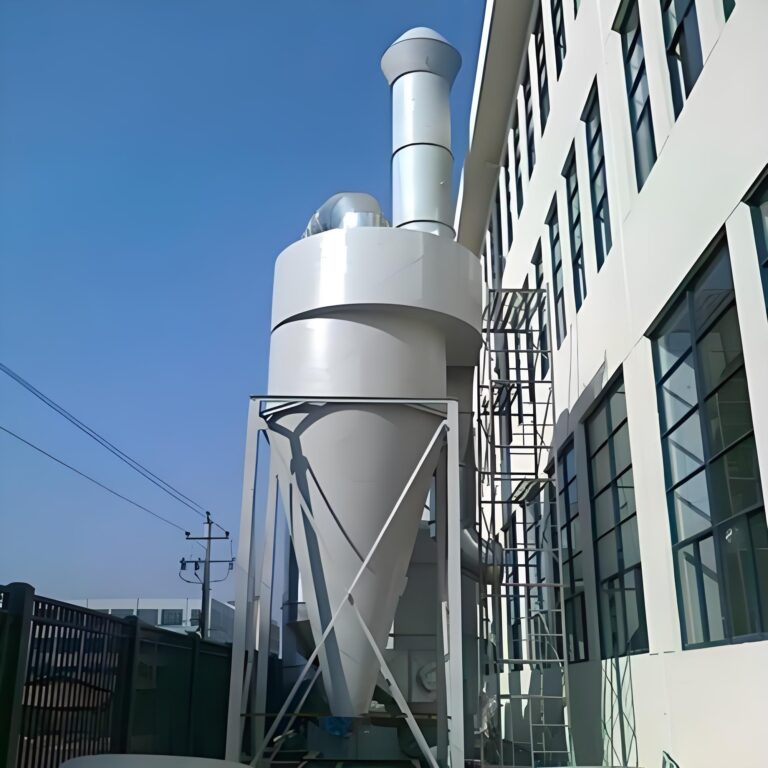
Решение о целесообразности использования циклонного предварительного сепаратора зависит почти исключительно от фактических характеристик пыли по весу и размеру частиц — а не от того, сколько дыма или тумана выделяется из дробилки во время работы. Циклонные сепараторы работают за счет центробежной инерции: более тяжёлые и крупные частицы отбрасываются к стенке и опускаются в бункер, в то время как более лёгкие мелкие частицы следуют за воздушным потоком к выходу. Этот механизм обеспечивает коэффициент улавливания примерно 80–99% по массе, когда большую часть пыли составляют крупные частицы, поэтому наиболее подходящими кандидатами являются системы крупного помола с большим объёмом. Однако эти цифры основаны на предположении, что распределение частиц по размерам соответствует требованиям.
Разница в эффективности между типами пыли достаточно велика, чтобы полностью изменить решение об инвестициях. Для крупных стружек, получаемых при строгании, коэффициент улавливания может превышать 95% по массе; для шлифовальной пыли или мелких частиц типа талька этот показатель снижается до 75%, что означает, что примерно одна четвертая часть по массе все же попадает в картриджный фильтр — и это не намного меньше, чем при полном отсутствии циклона. При размере частиц ниже примерно 1–5 мм эффективность циклона снижается ещё больше, а значительная доля мелких частиц в потоке пыли может привести к тому, что предсепаратор станет причиной падения давления при ограниченной эффективности фильтрации.
Прежде чем остановить свой выбор на циклонном фильтре, необходимо ответить на практический вопрос: какова доля крупных частиц в общей массе пыли по сравнению с мелкими, и достаточно ли велика доля крупных частиц, чтобы их удаление на 80–99% позволило существенно продлить срок службы картриджного фильтра? Эффективность улавливания разных типов пыли различна.
| Тип пыли / Сценарий | Типичный коэффициент улова (по весу) | Обоснование необходимости использования циклонного предварительного сепаратора |
|---|---|---|
| Пыль от грубого измельчения (>1 мм) | Восендть о еТтестяьТрочтемитнде-я дсеа яяов«вд сыосра» | Прочная конструкция — защита от высоких нагрузок |
| Стружка от строгального станка (крупная) | >95% | Сильный — очень эффективный |
| Шлифовальная пыль / тальк (более мелкий) | ~75% | Слабый — в картридже остается больше мелких частиц |
| Пыль размером менее 1 мм | Снижение (падение эффективности) | Не рекомендуется — польза незначительна |
Если анализ размера частиц показывает, что основной компонент пыли имеет размер менее 1 мм — что часто встречается при вторичном измельчении, финишной обработке поверхностей или абразивных операциях, при которых образуется мелкая стружка, — то на практике преимущество предварительной сепарации может не проявиться, а циклон лишь усложнит систему и увеличит перепад давления, не обеспечивая при этом соразмерной защиты фильтра.
Рассчитайте расход воздуха в циклоне и скорость воздушного потока на входе в точки забора
Эффективность сепарации в циклоне не является постоянной характеристикой устройства — она прямо зависит от фактического расхода воздуха, проходящего через него. Циклон, обеспечивающий хорошую степень сепарации при расчетном объемном расходе, может значительно снизить эффективность работы при падении фактического расхода воздуха (CFM) на входе, поскольку центробежная сила, отделяющая частицы от воздушного потока, зависит от скорости, с которой этот поток поступает в корпус циклона. Если вентилятор не обеспечивает расчетный расход, эффективность сепарации снижается, а преимущество в плане управления нагрузкой, которое оправдывало установку циклона, уменьшается.
Практическое требование к расчету заключается в том, чтобы соотнести пропускную способность циклона с общей потребностью в CFM всех подключенных точек отбора, с учетом того, какие станки работают одновременно. Промышленные системы измельчения и деревообработки обычно находятся в диапазоне 3 000–15 000 м³/ч в качестве ориентировочного показателя для определения масштаба системы, однако фактическая целевая величина для любой конкретной установки зависит от количества точек отбора, длины воздуховодов и одновременной работы станков — а не от значения диапазона. Игнорирование любого из этих факторов при расчете мощности вентилятора и размеров циклона, как правило, приводит к созданию системы, в которой либо на точках отбора не достигается необходимая скорость транспортировки, либо не удается поддерживать входную скорость, необходимую циклону для эффективного сепарации.
В данном случае механизм отказа носит последовательный характер: вентилятор недостаточной мощности → снижение расхода воздуха (CFM) на входе в циклон → ухудшение эффективности сепарации → попадание крупной пыли в картриджный фильтр → фильтр загрязняется практически с той же скоростью, что и без циклона, при этом система по-прежнему несет потери давления, связанные с работой циклона. Подробная методология расчета воздушного потока, применяемая к системам с циклонами, приведена в Руководство по определению размеров промышленных циклонных пылеуловителей (CFM) и расчету расхода воздуха описывает пошаговую логику проектирования.
Скорость на входе также необходимо сверять с расчетными параметрами воздуховода в каждой точке отбора, чтобы обеспечить поддержание скорости транспортировки крупных частиц на всем протяжении воздуховода. Падение скорости между измерительным прибором и входом в циклон приводит к тому, что крупные частицы оседают в воздуховоде до того, как достигнут сепаратора, что создает дополнительные проблемы с техническим обслуживанием и приводит к реальным потерям в массовом балансе системы.
Учтите дополнительный перепад давления и затраты на энергию
Каждый элемент, добавляемый в тракт воздушного потока вытяжной системы, потребляет статическое давление, а циклонный предсепаратор не является пассивным устройством — он создает сопротивление, которое вентилятор должен преодолеть, прежде чем воздушный поток достигнет картриджного фильтра или точек отбора. На практике общее статическое давление в системе с циклонным предсепаратором может быть значительным; в одном задокументированном примере система имела статическое давление 12,15 дюймов, хотя эта цифра зависит от конкретной конфигурации системы и должна рассматриваться скорее как иллюстративный пример порядка величины, а не как эталон. Суть в том, что вклад циклона в общее сопротивление является реальным и при выборе вентилятора его необходимо рассчитывать, а не оценивать приблизительно.
Компромисс между энергозатратами складывается таким образом, что при обсуждении вопросов закупок этот аспект часто упускается из виду. Когда целевая пыль имеет более крупные частицы и легче отделяется, перепад давления в циклоне остается приемлемым при умеренных входных скоростях. Когда в пыли присутствует значительная доля мелких частиц и требуется более высокая эффективность сепарации, необходимо изменить геометрию циклона для увеличения центробежной силы — что требует более высокой скорости на входе — что приводит к увеличению перепада давления — что, в свою очередь, требует использования двигателя вентилятора большей мощности. Таким образом, системы, в которых циклон демонстрирует наименьшую эффективность сепарации, являются также системами с наибольшими эксплуатационными затратами. Потери энергии растут именно в тот момент, когда преимущества сепарации сокращаются.
Для систематического анализа взаимосвязи между параметрами перепада давления и энергозатратами системы в циклонных конфигурациях, Анализ перепада давления в циклонном пылеуловителе В статье подробно рассматривается логика балансировки.
Практическая проверка перед утверждением технических характеристик вентилятора: необходимо убедиться, что общее статическое давление системы учитывает сопротивление корпуса циклона, потери в переходных участках на входе и выходе, всю сеть воздуховодов, а также сопротивление картриджного фильтра при его расчетной скорости потока по поверхности — а не только отдельно взятые воздуховоды и фильтр.
Следует организовать разгрузку бункера таким образом, чтобы избежать повторного увлечения материала
Повторное увлечение — это тип неисправности, который редко обсуждается на этапе закупок, но неизменно фигурирует в отчетах по техническому обслуживанию после ввода в эксплуатацию. Циклон улавливает крупную пыль и откладывает её в бункере под конусом, но если этот бункер не опорожняется по установленному графику, накопленная пыль скапливается в направлении выхода конуса, где воздушный поток может вновь увлечь её и перенести вниз по потоку к картриджному фильтру. В этом случае преимущества в виде увеличения срока службы фильтра, которые использовались для обоснования установки циклона, начинают сразу же снижаться, причем ухудшение происходит настолько постепенно, что его может быть невозможно обнаружить до тех пор, пока частота замены фильтров не вернётся к уровню, существовавшему до установки циклона.
Негерметичная прокладка бункера приводит к аналогичному результату, но по иному механизму: воздух, проникающий через утечку, нарушает вращательную структуру потока внутри корпуса циклона, снижая эффективность сепарации и позволяя уловленным частицам вновь попадать в выходной поток. Целостность прокладки на крышке бункера является элементом, требующим регулярного технического обслуживания, а не деталью, которую достаточно проверить при вводе в эксплуатацию и больше не обращать на нее внимания.
Геометрия конструкции также имеет значение. Повторное увлечение — это не только эксплуатационный сбой, но и возможный конструктивный недостаток. Неправильные углы наклона конуса или чрезмерно большие входные отверстия циклона снижают скорость воздушного потока на входе, которая обеспечивает центробежное разделение, в результате чего крупные частицы, которые должны были быть уловлены, попадают в выходной канал. Эти параметры, определяемые на этапе выбора, необходимо проверять с учетом фактических данных о расходе воздуха и размерах частиц до того, как будет выбран циклон, а не выявлять их в ходе устранения неисправностей.
| Причина повторного втягивания | Почему это важно | Что необходимо подтвердить |
|---|---|---|
| Пыль накапливается до уровня впускного отверстия | Воздушный поток вновь увлекает скопившуюся пыль, забивая фильтры, расположенные ниже по потоку | Подтвердите график опорожнения и мониторинг уровня заполненности контейнеров |
| Негерметичность уплотнителя (прокладки) мусорного контейнера | Воздух, проникающий через утечку, нарушает процесс разделения | Убедитесь, что прокладки герметичны и целостность уплотнения сохраняется |
| Непйлгннсикл ьла лы оиквоурацконануаона | Конструктивный недостаток способствует попаданию продукта в розетку | При выборе оборудования необходимо учитывать технические характеристики геометрии циклона |
| Увеличенное входное отверстие циклона | Снижает скорость потока на входе, способствуя осаждению частиц | Убедитесь, что размеры впускного отверстия соответствуют требуемому расходу воздуха |
С практической точки зрения это означает, что преимущество, связанное с предварительным отделением, не будет обеспечиваться автоматически после ввода системы в эксплуатацию. Для поддержания увеличения срока службы фильтра, на которое рассчитана система, необходимо соблюдать установленный график опорожнения, осуществлять мониторинг уровня наполнения бункера и проводить периодический осмотр прокладок.
Используйте картриджные фильтры для улавливания мелкой пыли
Циклонный предсепаратор не изменяет роль картриджного фильтра — он изменяет объем работы, которую картриджный фильтр должен проделать с крупной фракцией. Для частиц размером менее примерно 5–10 микрон эффективность улавливания циклоном снижается до пренебрежимо малой величины, а мелкая и субмикронная фракции, представляющие наибольший риск для дыхательных путей, полностью проходят через циклон. Картриджные фильтры улавливают частицы размером в диапазоне 0,12–0,6 мкм, то есть в том диапазоне, который циклоны не могут охватить в силу своего принципа действия. Это не конструктивное ограничение, которое можно обойти; это физическое следствие того, как работает инерционное разделение при малой массе частиц.
На практике это означает, что циклонный предсепаратор и картриджный фильтр не являются альтернативами друг другу и не дублируют друг друга — они обрабатывают разные части спектра размеров частиц с минимальным пересечением их эффективных диапазонов. Удаление картриджного фильтра из системы с предсепаратором под предлогом того, что циклон “выполняет большую часть работы”, является ошибкой, в результате которой мелкая фракция — именно та фракция, которая обладает наибольшей площадью поверхности и оказывает наиболее значительное влияние на качество воздуха — остается неуловленной.
| Размер частиц | Характеристики циклона | Характеристики картриджных фильтров | Роль вторичного фильтра |
|---|---|---|---|
| Крупный (>10 мкм) | Высокая степень захвата (80–99%) | Также зафиксировано, но не имеет существенного значения для данного диапазона | Снижение нагрузки на предсепаратор |
| Мелкие (1–10 мкм) | Эффективность значительно снижается | Высокая эффективность улавливания | Незаменимо для борьбы с мелкой пылью |
| Субмикронный (<1 мкм) | Незначительный улов | Задерживает частицы размером от 0,12 до 0,6 мкм | Обязательно для вдыхаемых частиц |
Технические требования к картриджному фильтру должны определяться характеристиками мелкой пыли, образующейся в процессе, а не тем, что не улавливает циклон. Если в процессе измельчения образуется значительное количество субмикронной пыли — что часто бывает при абразивной обработке твердых материалов — выбор картриджного фильтра и интервал импульсной очистки должны учитывать эту нагрузку независимо от того, насколько эффективно циклон улавливает крупную фракцию. A Картриджный пылесборник Система, настроенная для улавливания мелкодисперсной пыли, отличается по типу фильтрующих материалов и требованиям к очистке от системы, рассчитанной на улавливание частиц одного размера, при этом предполагается, что в ходе грубой предварительной сепарации уже удалена большая часть твердых частиц.
Сравните увеличение срока службы фильтра со сложностью системы
Основной финансовый аргумент в пользу использования циклонного предсепаратора заключается в том, что удаление 80–99% крупной пыли перед картриджным фильтром продлевает срок его службы и снижает частоту очистки, что, в свою очередь, сокращает расходы на расходные материалы, трудозатраты на техническое обслуживание и перерывы в производстве, связанные с простоями фильтра. Этот аргумент обоснован, если пыль преимущественно крупнозернистая, а её масса достаточно велика, чтобы изначально вызывать значительную загрузку фильтра. При соблюдении этих условий экономика жизненного цикла зачастую говорит в пользу предсепаратора, несмотря на более высокие первоначальные затраты и дополнительную занимаемую площадь.
Когда эти условия не соблюдаются — то есть когда в пыли присутствует значительная доля мелких частиц или общая концентрация крупных частиц находится на умеренном уровне — увеличение срока службы фильтра оказывается незначительным, экономическая целесообразность снижается, а система несет на себе дополнительный перепад давления, требует дополнительного технического обслуживания и более сложной конструкции при незначительной выгоде. Снижение риска возгорания, достигаемое за счет отделения искр и раскаленных углей до того, как они достигнут фильтрующего материала, является реальной вторичной выгодой, особенно в процессах измельчения, при которых образуются раскаленные частицы, но само по себе оно недостаточно весомо, чтобы оправдать предварительное отделение, если данные о загрузке не подтверждают его целесообразность.
| Фактор | Преимущества циклонного предварительного сепаратора | Что это означает для вашей системы |
|---|---|---|
| Загрязнение фильтра пылью | Удаляет 80–99% крупной пыли перед картриджем | Увеличенный срок службы фильтра, менее частая очистка |
| Время простоя на очистку | Снижение частоты очистки картриджных фильтров | Меньше простоев на техническое обслуживание |
| Опасность возгорания | Отделяет искры и раскаленные угли перед фильтрами | Преимущество с точки зрения безопасности; проблема мелкой пыли по-прежнему требует решения |
| Первоначальные затраты | Более высокие начальные инвестиции (циклон, воздуховоды, опоры) | Требуется анализ рентабельности инвестиций с учетом экономии за счет замены фильтров |
| Сложность системы | Дополнительный элемент в тракте воздушного потока | Требуется доработка конструкции, оптимизация баланса и увеличение площади пола |
| Перепад давления | Добавлено статическое давление (например, 12,15″) | Требуется более мощный двигатель вентилятора, более высокие затраты на электроэнергию |
Окупаемость циклонного предварительного сепаратора в первую очередь не зависит от расчета капитальных затрат — она определяется тем, сколько крупной пыли образуется в процессе и как быстро эта пыль в противном случае привела бы к загрязнению картриджного фильтра. Этот показатель должен основываться на фактических данных о загрузке пылью, а не на общих отраслевых рекомендациях или предположениях производителя оборудования. Если эти данные отсутствуют на этапе проектирования, более безопасным решением с точки зрения закупок будет сначала установить картриджную систему, измерить показатели загрязнения фильтров в процессе эксплуатации и добавить предварительный сепаратор только в том случае, если данные подтвердят, что срок службы фильтров достаточно короткий, чтобы оправдать его установку.
Используйте предварительное разделение только в том случае, если это поддерживается при загрузке данных
Основное правило принятия решения проще, чем может показаться из приведённого выше анализа: установка циклонного предсепаратора оправдывает свои затраты и сложность только в том случае, если данные о нагрузке подтверждают, что пыль преимущественно состоит из крупных частиц — размером более примерно 1 мм по весу — и что объём крупной фракции достаточно велик, чтобы без предварительной сепарации вызвать значительную загрузку фильтра. Оба условия должны быть подтверждены, а не просто предполагаться. Большой общий объём пыли с преобладанием мелких частиц не оправдывает установку циклона. Низкое содержание крупной фракции в потоке, объем которого в остальном высок, также не оправдывает использование циклона. Пороговое значение узкое, и экономическое обоснование инвестиций теряет смысл при отсутствии любого из этих условий.
Этапом проверки, который чаще всего пропускают, является измерение гранулометрического состава. Внешний вид пыли, образующейся в процессе шлифования, может вводить в заблуждение — видимая дымка или облако не означают, что пыль мелкая, а крупные стружки или опилки не означают, что доля мелких частиц пренебрежимо мала. Только на основании репрезентативной пробы, проанализированной на гранулометрический состав по массе, можно обоснованно сделать вывод о доле крупных частиц. Без этого решение о предварительной сепарации является не более чем догадкой, замаскированной под инженерное суждение.
Практическая проверка перед включением циклона в техническое задание: убедиться, что данные о распределении частиц по размерам показывают преобладание крупной фракции размером свыше 1 мм по массе; убедиться, что массовая нагрузка крупных частиц достаточна для сокращения срока службы фильтра, который предварительный сепаратор сможет заметно продлить; а также убедиться, что общее статическое давление системы с учетом циклона было рассчитано и вентилятор подобран соответствующим образом. Если какое-либо из этих трёх подтверждений невозможно выполнить на основе фактических данных, циклон-предварительный сепаратор должен оставаться условным до тех пор, пока это не станет возможным.
Циклонный предсепаратор представляет собой устройство для регулирования нагрузки, работающее при определённых условиях эксплуатации: он эффективен в тех случаях, когда крупная пыль с высокой массой поступает в картриджный фильтр с достаточной скоростью, и снижение этой нагрузки позволяет значительно продлить срок службы фильтра. Данное условие зависит от конкретного технологического процесса и размера частиц, и его необходимо подтвердить фактическими данными о характеристиках пыли до того, как система будет спроектирована с учётом предсепарации. Если это условие выполняется, увеличение срока службы фильтра, снижение частоты очистки и дополнительные преимущества, связанные с вторичным искровым сепаратором, оправдывают дополнительный перепад давления, корректировку расчёта мощности вентилятора, занимаемую площадь и требования к обслуживанию бункера, которые предъявляет данная схема.
Что необходимо уточнить перед утверждением технических характеристик любого предсепаратора: весовое распределение частиц по размерам, процентная доля крупной фракции размером более 1 мм, ожидаемая массовая нагрузка крупных частиц за час работы, общее статическое давление в системе с учетом циклона, а также способ разгрузки бункера с указанием интервала опорожнения. Эти пять параметров определяют, обеспечит ли предсепаратор более эффективные эксплуатационные показатели на протяжении всего срока службы по сравнению с правильно рассчитанным картриджный пылесборник обслуживается в соответствии с графиком — или же просто усложняет систему и увеличивает эксплуатационные расходы, в то время как в этом и не было необходимости.
Часто задаваемые вопросы
Вопрос: В процессе шлифования у нас образуется смесь крупной стружки и мелкой абразивной пыли — оправдывает ли циклон своё использование в случае такого различия в размерах частиц?
A: Скорее всего, нет, если только крупная фракция не преобладает по массе. Эффективность сепарации в циклоне определяется массой частиц размером примерно от 1 до 5 мм, поэтому смешанный поток, в котором мелкая абразивная пыль составляет значительную долю по массе, по-прежнему будет поступать в картриджный фильтр в большом объеме — циклон эффективно удаляет крупные стружки, но пропускает большую часть мелких частиц. Если анализ размеров частиц показывает, что крупная фракция размером более 1 мм не составляет большую часть массы пыли по весу, то продление срока службы фильтра будет незначительным, в то время как дополнительный перепад давления и необходимость обслуживания бункера останутся неизменными. В случаях с неравномерным распределением сначала измерьте процентное содержание крупной фракции; если не удастся подтвердить, что она преобладает, то экономическое обоснование установки предварительного сепаратора не будет иметь смысла.
Вопрос: Если мы установим систему с циклоном и картриджным фильтром, что необходимо настроить и проверить перед первым полномасштабным производственным циклом?
A: Перед запуском производства необходимо проверить фактический расход воздуха в каждой точке отбора, а не ограничиваться только расчетным расходом. Наиболее распространенной проблемой при вводе в эксплуатацию систем с предварительным сепаратором является обнаружение того, что вентилятор, работающий теперь при совокупном сопротивлении корпуса циклона, всей сети воздуховодов и картриджного фильтра, не может обеспечить расчетный расход в кубических футах в минуту (CFM) на инструменте. Этот дефицит снижает скорость воздушного потока на входе в циклон, что ухудшает эффективность сепарации, и одновременно снижает скорость транспортировки в воздуховодах, в результате чего крупные частицы оседают ещё до того, как достигнут сепаратора. Проверьте расход воздуха в точках отбора в реальных условиях эксплуатации, когда все подключённые машины работают одновременно, и убедитесь в герметичности уплотнений бункеров, прежде чем измерять базовые показатели загрузки фильтров для последующего сравнения.
Вопрос: При каком уровне загрязнения крупной пылью более целесообразно отказаться от использования циклона и просто чаще заменять картриджные фильтры?
A: Если частота замены фильтров и связанные с этим затраты на простои в течение 12-месячного периода ниже годовой стоимости эксплуатации циклонного предсепаратора — включая амортизацию основного оборудования, дополнительные затраты энергии на вентилятор из-за потери давления и трудозатраты на техническое обслуживание бункера — циклонный предсепаратор не является более выгодным вариантом. Точка пересечения индивидуальна для каждой установки и зависит от стоимости фильтрующего блока, срока службы картриджа без предварительной сепарации и фактической массовой нагрузки крупной пыли за час работы. Для производств, где нагрузка крупной пылью умеренная, а не высокая, более простая система, обслуживаемая по установленному графику замены фильтров, часто превосходит схему с предварительным сепаратором по совокупной стоимости. Решение следует принимать на основе данных о фактической нагрузке фильтров, полученных в ходе реального технологического процесса, а не на основе средних отраслевых показателей.
Вопрос: Стоит ли по-прежнему предусматривать установку циклонного предсепаратора, если главной задачей является отделение искр и углей, а не продление срока службы фильтра?
A: Изоляция искр является реальным и документально подтвержденным вторичным преимуществом циклонной предварительной сепарации, особенно при операциях измельчения, в ходе которых образуются раскаленные частицы, однако одного этого недостаточно для оправдания всей сложности системы, если данные о нагрузке не подтверждают необходимость предварительной сепарации. Если основной аргумент — продление срока службы фильтра — не выдерживает критики (поскольку пыль слишком мелкая или объем грубой загрузки слишком мал), установка циклона исключительно для изоляции искр приводит к падению давления, необходимости обслуживания бункера и затратам на перерасчет мощности вентилятора, которые специализированные искрогасители часто могут решить более непосредственно и с меньшими затратами для всей системы. Оценивайте меры по снижению искрообразования и управление пылевой нагрузкой как отдельные требования и выбирайте циклон только в том случае, если данные о распределении частиц по размерам самостоятельно подтверждают целесообразность управления нагрузкой.
Вопрос: Как импульсно-реактивный пылеуловитель сравнивается с картриджным фильтром в качестве вторичной ступени после циклона при крупнозерном измельчении с большим объемом?
A: Импульсно-струйный коллектор лучше подходит в качестве вторичной ступени, когда остаточная загрузка пылью после циклона по-прежнему достаточно высока и требует частой автоматической очистки, поскольку импульсно-струйные системы используют импульсы сжатого воздуха для непрерывного удаления накопившегося слоя с фильтрующего материала без остановки системы. Картриджные фильтры с ручной или таймерной импульсной очисткой хорошо подходят в тех случаях, когда остаточная загрузка мелкой фракцией после циклона умеренная, а интервал очистки можно легко вписать в график технического обслуживания. При крупномасштабном грубом измельчении, когда даже доля мелкой фракции после циклона значительна — типичным примером являются абразивные операции с твёрдыми материалами — импульсно-струйная конфигурация снижает риск забивания фильтра между интервалами технического обслуживания и обеспечивает более стабильное сопротивление на протяжении всего срока службы фильтра. Выбор зависит от того, какое количество остаточной мелкой пыли попадает на вторичную ступень, что требует измерения загрузки частицами после циклона, а не её оценки на основе условий, наблюдаемых на входе.