На керамических заводах схему рециркуляции воды часто выбирают исходя из имеющейся площади и капитальных затрат, а затем уже в течение первого года производства обнаруживают, что ни один из этих факторов на самом деле не был определяющим ограничивающим фактором. Настоящая причина сбоя проявляется позже: компактная вертикальная установка, из которой невозможно надежно удалить осадок, забивается и теряет очистную способность быстрее, чем традиционный отстойник — а не медленнее — и последующее ухудшение качества рециркулируемой воды трудно исправить без остановки системы. Решение, которое на самом деле определяет долгосрочную стабильность системы, заключается не в соотношении занимаемой площади и стоимости, а в том, соответствуют ли эксплуатационная дисциплина завода, изменчивость расхода и допустимые нагрузки на последующее оборудование выбранной схеме. Приведенные ниже разделы дают инженерам-технологам и руководителям заводов структурированную основу для принятия такого решения до заказа оборудования.
Сравните давление на опорную поверхность и режим эксплуатации
Площадь основания является отправной точкой для большинства обсуждений планировки, и компактные конструкции на основе ламелей действительно обеспечивают значительное сокращение требуемой площади осаждения — в инженерной литературе обычно указывается сокращение на 80% или более по сравнению с традиционными открытыми отстойниками с использованием теории осаждения при небольшой глубине. В рамках компактных конфигураций пластинчатые отстойники обладают дополнительным преимуществом в размерах по сравнению с трубчатыми отстойниками при одинаковой производительности по осаждению, причем расчетные данные указывают на сокращение площади отстойника в плане до 2 раз. Это полезные ориентиры для первоначальной оценки масштабов проекта, но не гарантированные эксплуатационные результаты; фактическая занимаемая площадь зависит от нагрузки твердых веществ в поступающей воде, расхода и конкретной геометрии выбранной установки.
Вопрос дисциплины — это тот аспект, который чаще всего упускается при сравнении различных схем. Компактная вертикальная установка концентрирует твердые частицы в меньшем объеме, а это означает, что ил накапливается быстрее, и последствия пропуска цикла откачки будут более серьезными. Если на предприятии отсутствует надёжная, плановая процедура удаления осадка — или если команда, отвечающая за систему отстаивания, также управляет другими технологическими участками, в результате чего график удаления осадка становится нестабильным, — компактный силос выйдет из строя быстрее, чем неглубокий открытый бассейн, где накопленные твердые частицы более заметны, а ухудшение работоспособности системы происходит более постепенно. Ограниченность площади является реальным фактором, но её следует оценивать наряду с объективной оценкой дисциплины эксплуатации, а не рассматривать как самодостаточное обоснование выбора конфигурации.
Проверьте, способен ли завод обеспечить надежный отвод осадка
Надежность удаления осадка является одним из факторов, которым уделяется наименьшее внимание при выборе между компактной системой и бассейном, однако именно от нее напрямую зависит, сможет ли любая из этих систем сохранить свои расчетные показатели очистки с течением времени. Традиционные методы удаления осадка сопряжены с определенными эксплуатационными рисками, которые следует тщательно проанализировать до окончательного утверждения любой схемы.
| Метод | Специфический риск | Общее воздействие |
|---|---|---|
| Вакуумные автоцистерны | Риск, связанный с оператором | Дорого и трудоемко |
| Центробежные насосы | Засорение | Дорого и трудоемко |
Последствием ненадежного слива является не только повышенное содержание твердых частиц в осветленном стоке. В компактной вертикальной установке накопившийся осадок, который не удаляется в установленные сроки, уплотняется в рабочей зоне отстойника, сокращает эффективную длину отстаивания и начинает попадать в поток повторного использования со скоростью, которая ускоряется, а не стабилизируется. Как только установка достигает такого состояния, для восстановления ее работоспособности, как правило, требуется полный слив и ручная очистка — мероприятие, которое вызывает гораздо большее нарушение рабочего процесса, чем пропущенный плановый слив. В традиционном отстойнике такое же пренебрежение ухудшает производительность более медленно и легче обнаруживается визуально, что, по крайней мере, позволяет станции принять меры до полной потери способности к осветлению. Если станция не может соблюдать четкий график слива и не располагает автоматической системой слива или системой, запускаемой датчиками, эта эксплуатационная реальность должна иметь большее значение при принятии решения о компоновке, чем сравнение занимаемой площади.
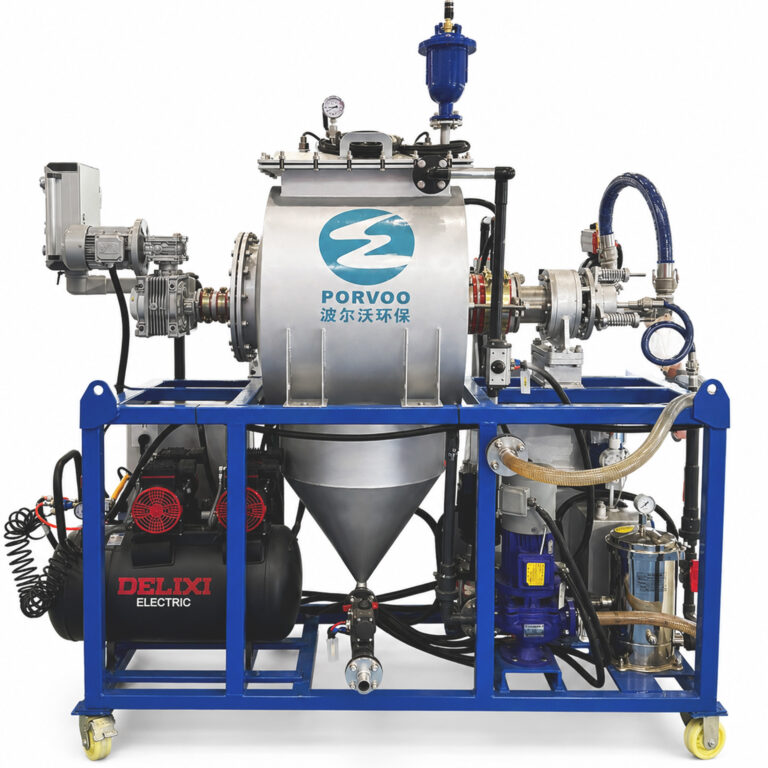
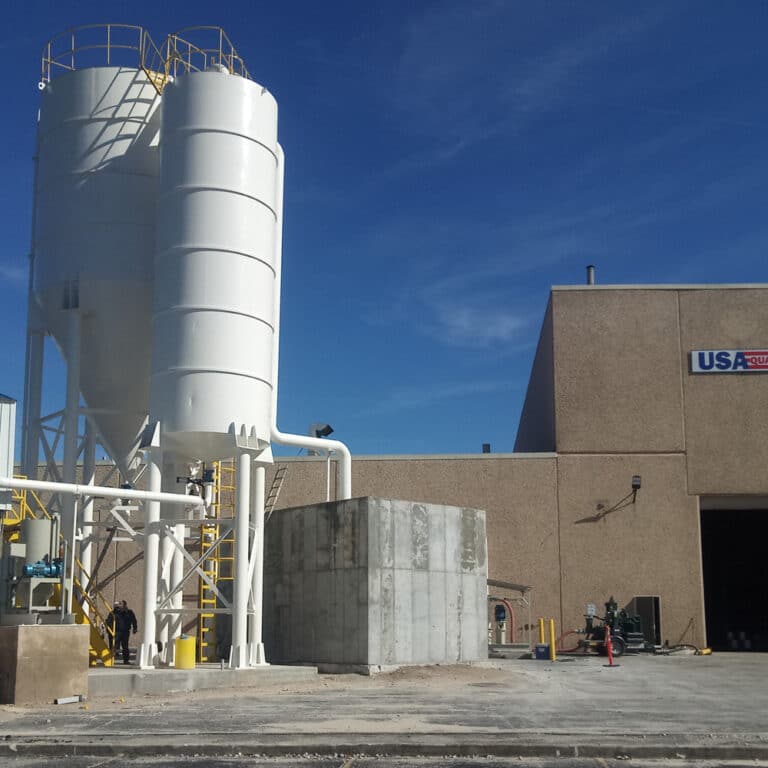
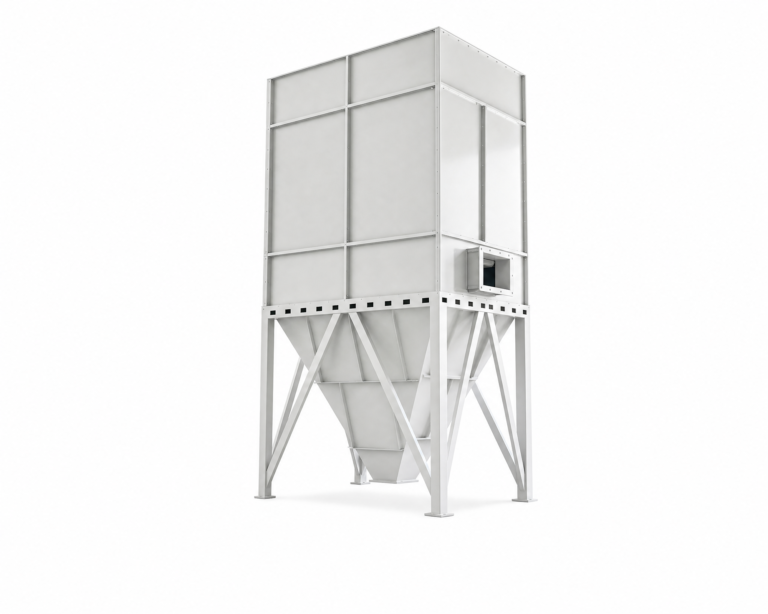
Для предприятий, на которых соблюдение порядка обращения с осадками подтверждено, а Вертикальная осадочная башня для рециркуляции сточных вод Наличие автоматизированного механизма извлечения существенно меняет профиль риска — однако такое подтверждение должно предшествовать выбору оборудования, а не следовать за ним.
Подберите бассейн или компактное силосное хранилище с учетом колебаний расхода
Изменчивость расхода сточных вод на керамических заводах редко бывает равномерной. Линии по измельчению, полировке и мокрому производству изменяют нагрузку в зависимости от графика производства, и система рециркуляции воды должна компенсировать эти колебания, не допуская попадания пиковых концентраций твердых частиц в последующее оборудование. От того, как планировка установки справляется с переменным притоком, зависит, останется ли качество рециркулируемой воды стабильным в течение всего производственного дня или же будет повторять колебания производства, создавая проблемы на последующих этапах.
Регулируемые V-образные водосливы представляют собой один из практичных механизмов решения этой проблемы. Позволяя операторам точно регулировать уровень воды, они поддерживают постоянную глубину над ламельным или пластинчатым наполнителем, что стабилизирует гидравлическую нагрузку и предотвращает возникновение «короткого замыкания», которое происходит, когда уровень воды опускается ниже расчетной отметки. Связанным с этим эксплуатационным преимуществом является борьба с водорослями: поддержание постоянной глубины воды над осадочным материалом ограничивает условия, при которых водоросли могут закрепиться, что важно для керамических заводов, где повторно используемая вода возвращается в технологическое оборудование с жесткими требованиями к чистоте. Эта конфигурационная особенность заслуживает особого внимания и проверки — она не является универсальной стандартной опцией в каждой конструкции отстойника, а её ценность зависит от фактического диапазона колебаний расхода, наблюдаемого на заводе в процессе эксплуатации.
Для керамических заводов, на которых наблюдаются значительные колебания между началом смены и пиковым производственным потоком, традиционный отстойник с большим гидравлическим объемом может справляться с такими колебаниями более пассивно, чем компактная установка, требующая активного управления для поддержания работы в пределах рабочей зоны. Практический вопрос, на который необходимо ответить, заключается в том, достаточно ли узкий диапазон колебаний потока на заводе, чтобы геометрия отстойника — с соответствующей конфигурацией водослива — могла компенсировать их без вмешательства оператора, или же более надежным решением будет использование буферного объема большего размера.
Учтите время, необходимое для технического обслуживания и уборки
Частота проведения очистки осадителя в автономном режиме и время, необходимое для этой очистки, — это затраты, которые редко учитываются при первоначальном сравнении конструкций, но быстро накапливаются в течение производственного года. Конструкции осадителей значительно различаются по тому, насколько они облегчают или затрудняют доступ для технического обслуживания, и это различие напрямую влияет на совокупные эксплуатационные расходы.
| Тип поселенца | Доступ к обслуживанию | Влияние простоев, связанных с уборкой |
|---|---|---|
| Пластинчатые отстойники | Верхняя часть с возможностью доступа для промывки | Сокращение времени простоя |
| Трубчатые сепараторы | Требуется слив жидкости или разборка | Увеличение времени простоя из-за забивания |
На практике это означает, что конструкции седиментаторов, позволяющие операторам ходить по верхней части пакета пластин для проведения промывки, могут обслуживаться без слива воды из агрегата, что ограничивает время простоя длительностью самой очистки. Конструкции трубчатых седиментаторов, как правило, требуют более радикальных мер при образовании накипи или засорении — либо частичного слива, либо разборки — что увеличивает период простоя. Для завода по производству керамики, где система рециркуляции воды является критическим элементом обеспечения непрерывности производства, разница между двухчасовой промывкой и многодневной операцией по сливанию и очистке является существенной. Конструкция, обеспечивающая доступ для технического обслуживания, должна быть подтверждена на этапе разработки технических требований, а не предполагаться исходя из категории продукта.
Прежде чем оценивать затраты на проектирование, необходимо оценить объем переноса твердых частиц
Перенос твердых частиц из отстойника в последующий контур рециркуляции является статьей затрат, которая в большинстве случаев учитывается слишком поздно при оценке схем установки. Первоначальные сравнения затрат сосредоточены на самом отстойнике; последствия для последующих звеньев цепочки ложатся на мембранное оборудование, фильтр-прессы или технологические насосы, стоимость которых не была учтена в сравнении.
Конструкции трубчатых отстойников сопряжены с определенными рисками, которые следует проанализировать до принятия окончательных решений по планировке: узкие проходные каналы подвержены забиванию при высокой концентрации твердых частиц, а при разрушении участков труб из ПВХ — будь то в результате термоциклирования, колебаний давления или механических повреждений — осколки попадают вниз по потоку в последующее оборудование. Повреждение фильтрующих материалов, царапины на мембранах и износ насосов из-за попадания обломков могут превратить небольшую экономию площади в затраты на замену оборудования, которые не были учтены при первоначальном проектировании. Это не означает, что конструкции трубчатых отстойников следует безоговорочно отвергать; установки с постоянной нагрузкой взвешенных твердых частиц и регулярным техническим обслуживанием могут работать без подобных сбоев. Однако эта проверка должна быть частью любого сравнения затрат, особенно на керамических заводах, где содержание взвешенных твердых частиц в поступающей воде варьируется в зависимости от интенсивности производства. Измерение содержания взвешенных твердых частиц в поступающей воде с учетом номинального диапазона нагрузки отстойника — с использованием стандартизированного метода, такого как ISO 11923:1997 для определения содержания взвешенных твердых частиц, — дает предприятию обоснованную основу для оценки того, соответствуют ли проектные параметры фактическим условиям эксплуатации.
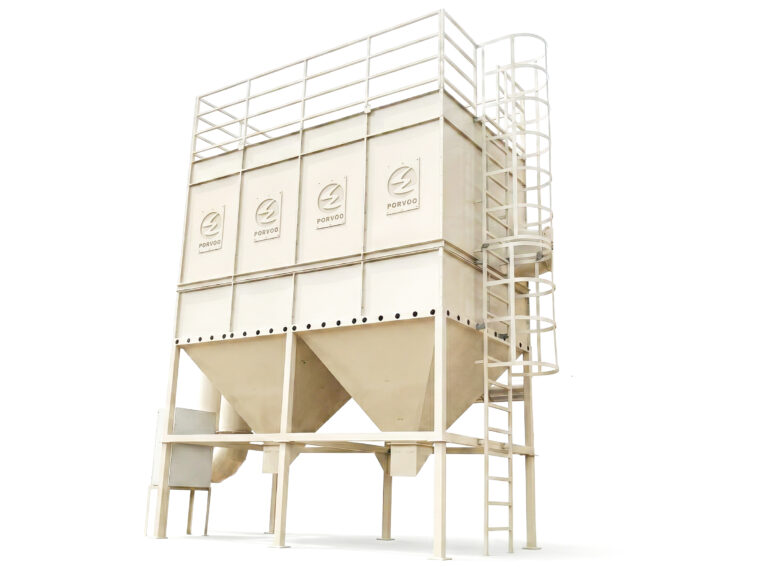
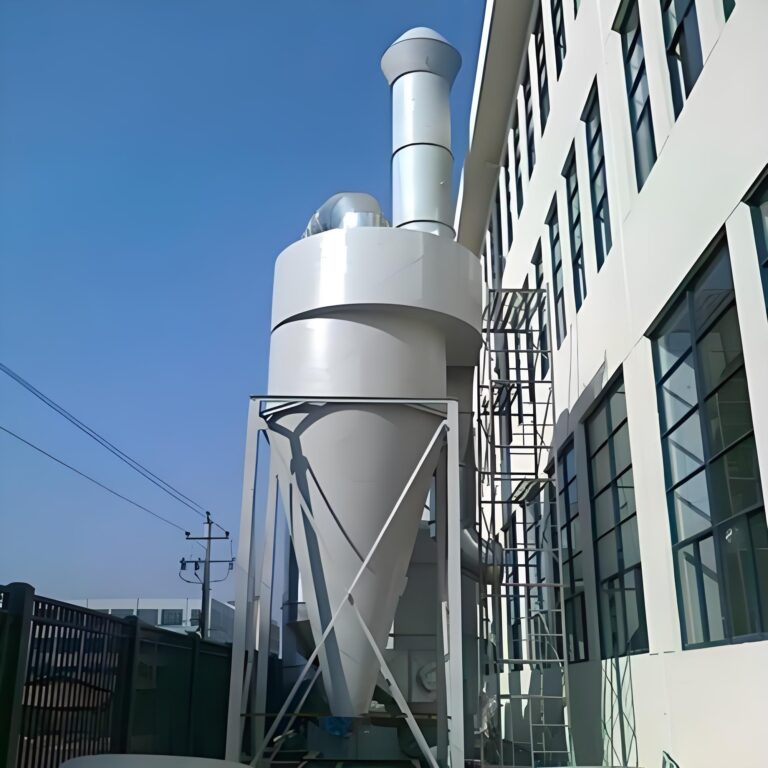
A Удаление крупных частиц песка Установка камеры, расположенной выше отстойника, — один из способов снизить пиковую нагрузку твердых частиц и ограничить условия, приводящие к забиванию; это актуально для установок, где в результате измельчения или резки крупные абразивные частицы попадают в поток технологической воды до того, как она поступает в контур рециркуляции.
Не стоит выбирать компактное оборудование, если на самом деле требуется большой буферный объем
Компактные многофункциональные конструкции, объединяющие аэрацию, осветление и сгущение осадка в одной установке, позволяют сократить общую занимаемую площадь за счет устранения физического разделения отдельных технологических операций. Компромиссом при этом является гидравлическая буферная емкость: одна интегрированная установка имеет меньший общий объём, чем отдельные резервуары, выполняющие те же функции последовательно.
| Подход к проектированию | Объем буфера | Гашение гидравлических ударов | След |
|---|---|---|---|
| Компактная многофункциональная раковина | Снижение | Сниженная способность гасить скачки напряжения | Меньше |
| Отдельные технологические операции | Крупнее | Повышенная способность гасить скачки напряжения | Крупнее |
Для керамического завода с относительно стабильным технологическим потоком такой компромисс зачастую является приемлемым — экономия площади реальна, а уменьшение буферного объема не создает эксплуатационных проблем. Рекомендация меняется в том случае, когда главным требованием является гашение скачков расхода. Если график производства завода приводит к резким скачкам в объемах образования сточных вод — смена смен, завершение периодических процессов или циклы промывки оборудования, при которых в короткие промежутки времени сбрасываются большие объемы — компактная конструкция с уменьшенным объемом буферного резервуара будет передавать эти скачки напрямую в отстойник и последующее оборудование, а не поглощать их. Результатом становятся случаи переноса твердых частиц, которые зависят от графика производства, а не от производительности отстойника, а качество воды для повторного использования становится ненадежным именно в тот момент, когда потребность производства в технологической воде максимальна.
Перед выбором компактной установки необходимо выполнить следующую проверку: составить карту пиковых расходов на предприятии и оценить продолжительность пика. Если гидравлический буфер в компактной конструкции меньше объема гидравлического удара, система не сможет его гасить. Если этот расчет не был выполнен, вопрос о достаточности объема буфера остается нерешенным, а решение о схеме размещения сопряжено со скрытым риском.
Выберите схему, обеспечивающую стабильное водоснабжение за счет повторного использования воды
Стабильное качество воды повторного использования — это функциональный результат, который должна обеспечивать схема установки, причем не только на этапе ввода в эксплуатацию, но и в условиях всего диапазона производственных режимов, в которых фактически работает завод. Схема, позволяющая достичь этой цели, — это та, в которой гидравлические параметры отстойника, частота удаления осадка и допустимая концентрация твердых частиц в последующих секциях системы согласованы друг с другом, а не просто та, которая вписывается в имеющуюся площадь помещения.
Мониторинг качества сточных вод дает предприятию практическую основу для отслеживания того, сохраняет ли выбранная схема установки свои эксплуатационные характеристики. Измерение мутности с использованием стандартизированного подхода — стандарт ISO 7027-1:2016 определяет рамки испытаний для определения мутности — может использоваться в качестве плановой проверки качества осветленной воды перед её поступлением в поток повторного использования, без необходимости применения сложного оборудования. Ценность постоянного мониторинга заключается в том, что он позволяет выявить снижение эффективности отстойников на ранней стадии, когда причиной обычно является проблема с графиком забора воды или отклонение уровня перелива, а не после того, как это уже повлияло на работу последующего оборудования.
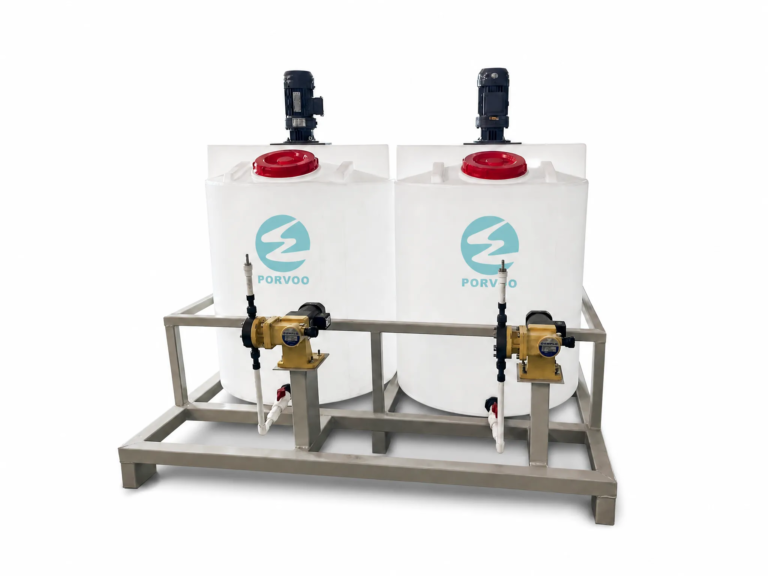
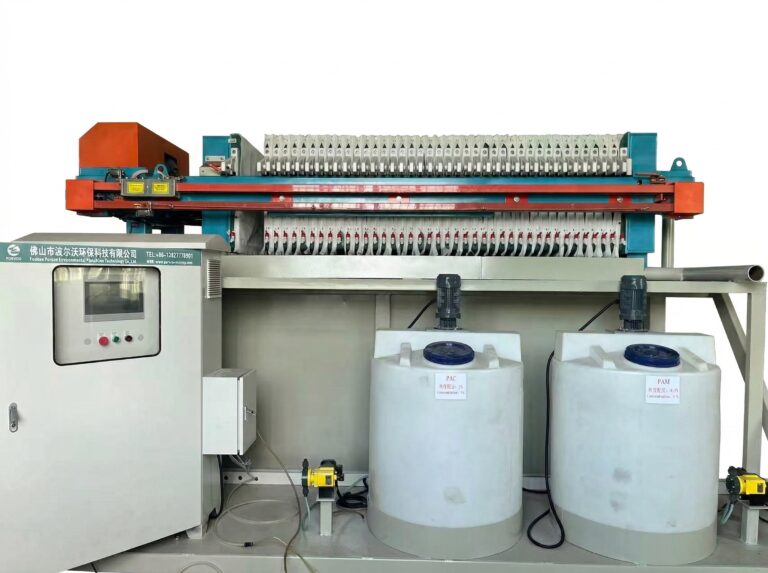
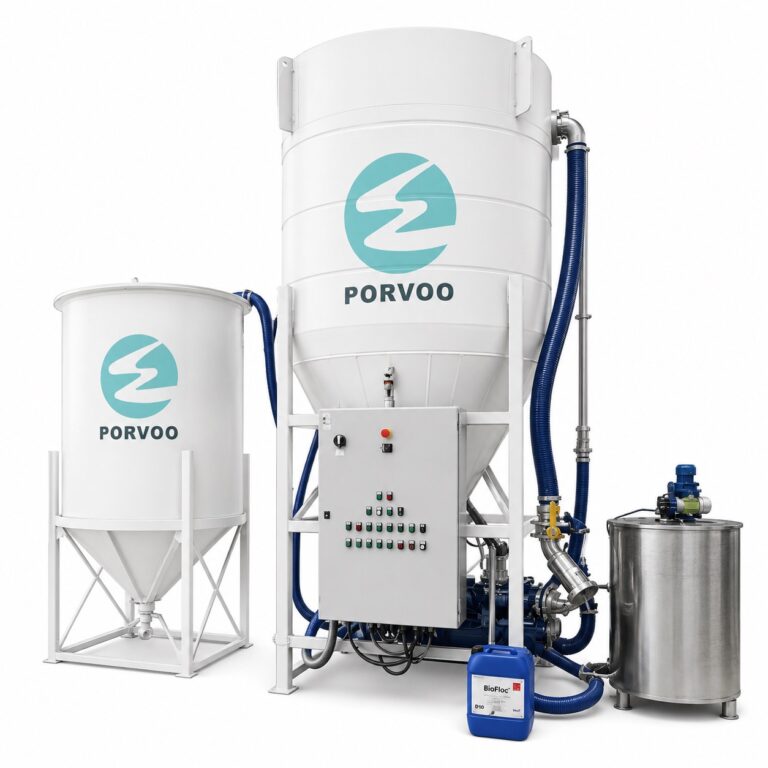
Регулирование глубины V-образного водослива способствует стабильности качества стоков за счет поддержания постоянных гидравлических условий над наполнителем отстойника, что также ограничивает условия, благоприятные для роста водорослей в ламельном или пластинчатом наполнителе. При применении керамических установок, где вода повторного использования напрямую контактирует с технологическим оборудованием, предотвращение биологического роста в отстойнике целесообразно обеспечить уже на этапе проектирования, а не реагировать на проблему постфактум. Это детали реализации, которые необходимо проверить во время ввода в эксплуатацию и подтвердить в первые недели работы — не требования к соответствию, а эксплуатационные особенности, которые отличают систему, сохраняющую свою производительность, от системы, в которой она снижается. А Интеллектуальная система дозирования химических веществ Добавление PAM/PAC позволяет обеспечить стабильное качество сточных вод за счет подготовки твердых частиц в поступающей воде до их поступления в отстойник, особенно в тех случаях, когда содержание взвешенных твердых частиц в поступающей воде колеблется в зависимости от объема производства — однако потребность в дозировании следует оценивать на основе фактических данных о характеристиках поступающей воды, а не исходить из предполагаемого стандартного дозирования для любой из схем.
Для получения дополнительной информации о том, как время выдержки и размеры заполнителя влияют друг на друга при производстве керамики и каменных изделий, см. статью по теме Проектирование отстойников для воды в ней более подробно рассматривается взаимосвязь между гидравлическим временем пребывания и целевыми показателями повторного использования воды.
Практический алгоритм принятия решения при выборе заключается в том, чтобы перед сравнением капитальных затрат или занимаемой площади подтвердить три момента: способна ли станция обеспечивать надежный отвод осадка с частотой, требуемой конструкцией отстойника; достаточен ли гидравлический буфер в предлагаемой схеме для пиковых расходов станции; и обладает ли последующее оборудование — фильтры, технологические насосы, контуры повторного использования — допустимой нагрузкой по твердым частицам, которую отстойник сможет стабильно выдерживать при изменяющихся условиях поступающих стоков. Если на эти три вопроса есть чёткие ответы, сравнение занимаемой площади и стоимости становится второстепенным критерием, а не основным фактором при принятии решения.
В случаях, когда ответы неоднозначны, традиционный отстойник с более понятной геометрией и большим гидравлическим объемом является менее рискованным вариантом по умолчанию — не потому, что он сам по себе работает лучше, а потому, что его режимы отказа протекают более постепенно, заметнее и их легче исправить без остановки всей системы рециркуляции. Компактная вертикальная установка оправдывает свои преимущества в плане занимаемой площади, когда подтверждена дисциплина эксплуатации и хорошо охарактеризован профиль расхода — а не в качестве общего решения проблемы нехватки места.
Часто задаваемые вопросы
Вопрос: На нашем заводе работает одна производственная смена с довольно стабильным потоком продукции — сопряжен ли компактный силос с теми же эксплуатационными рисками, что и на предприятиях с высокой изменчивостью?
A: Односменное предприятие со стабильным дневным расходом снижает, но не устраняет основные риски, связанные с компактными силосами. Строгое соблюдение графика удаления осадка остается критически важным независимо от колебаний расхода — компактная вертикальная установка по-прежнему накапливает твердые частицы быстрее, чем отстойник, и выходит из строя быстрее, если пропускаются циклы удаления осадка. Риск, связанный с колебаниями расхода, снижается, но риск, связанный с удалением осадка, остается неизменным. Если промывки в конце смены или периодические сбросы создают даже один большой суточный пик, этот пик все равно должен укладываться в гидравлический буфер компактной установки, поэтому перед тем, как исключить использование отстойника, необходимо провести расчет пикового расхода.
Вопрос: После ввода выбранной схемы в эксплуатацию, какая первая эксплуатационная проверка позволяет убедиться, что система действительно работает в соответствии с проектом?
A: Начните с ежедневных измерений мутности осветлённого стока перед его поступлением в контур повторного использования, используя единообразный метод, например, в соответствии со стандартом ISO 7027-1:2016 в качестве эталона измерения. Тенденция к повышению мутности в первые недели эксплуатации указывает на одну из трёх причин — отклонение уровня водослива, отставание от графика удаления осадка или превышение номинального диапазона нагрузки по твердым веществам в поступающей воде — и своевременное выявление причины позволяет предотвратить ухудшение качества воды, которое может повлиять на оборудование, расположенное ниже по потоку. Не следует дожидаться появления видимых проблем с качеством в контуре повторного использования; мониторинг мутности служит опережающим индикатором, позволяющим устранить причину, пока это можно сделать без остановки системы.
Вопрос: При какой концентрации взвешенных веществ в поступающей воде конфигурация трубного отстойника становится действительно рискованной, а не просто приемлемым компромиссом?
A: В статье не приводится фиксированного порогового значения, а опубликованные предельные значения варьируются в зависимости от конкретной геометрии труб и расхода — поэтому надежным способом является измерение фактического содержания взвешенных твердых частиц в поступающей воде в соответствии с ISO 11923:1997 и сравнение этого показателя с номинальным диапазоном нагрузки, указанным производителем отстойника для конкретной конфигурации, которая проектируется. Следует обращать внимание не на отдельное значение концентрации, а на сочетание высокой нагрузки по твердым веществам и изменчивости поступающей воды: когда пиковая нагрузка по твердым веществам регулярно превышает номинальную мощность, частота засоров возрастает, а вероятность образования фрагментов увеличивается. Если данные о характеристиках поступающей воды показывают пики, превышающие номинальные пределы, то перед тем, как остановить свой выбор на трубчатых отстойниках, следует рассмотреть в качестве альтернативы с меньшим риском установку предварительного пескоотделителя или пластинчатый отстойник.
Вопрос: Стоит ли по-прежнему рассматривать вариант сооружения традиционного отстойника, если стоимость земельного участка высока, но штат обслуживающего персонала ограничен?
A: Да, но при более узком наборе условий, чем можно было бы предположить, сравнивая занимаемую площадь. Главное преимущество отстойника при ограниченной численности персонала заключается в том, что его режимы отказа носят постепенный и заметный характер — ухудшение производительности из-за пропущенной очистки от осадка можно обнаружить до полной потери очищающей способности, что дает небольшой команде больше времени для принятия мер. Однако отстойник по-прежнему требует планового удаления осадка; разница заключается в том, что последствия пропущенного цикла накапливаются более медленно, а не в том, что отстойник не требует технического обслуживания. Если стоимость земельного участка действительно высока, а штат ограничен, наиболее обоснованным решением будет компактная установка с автоматической или управляемой датчиками системой удаления осадка, работоспособность которой подтверждена до ввода в эксплуатацию, а не согласие с увеличением занимаемой площади, связанным с использованием отстойника, в качестве компенсации за отсутствие дисциплины в эксплуатации.
Вопрос: Если схемы повторного использования на последующих этапах включают мембранную фильтрацию, влияет ли это на то, какая схема сопряжена с большим риском?
A: Да, это значительно повышает затраты, связанные со случаями попадания твердых частиц, и должно склонить выбор в пользу той схемы, которая способна наиболее стабильно удерживать содержание твердых частиц в стоках на уровне ниже предельных значений, установленных для входа в мембранную систему. Мембранное оборудование чувствительно как к длительному пребыванию твердых частиц в повышенных концентрациях, так и к попаданию фрагментов — конкретному типу отказа, связанному с разрушением наполнителя трубчатого отстойника, — поэтому при переменной нагрузке пластинчатый отстойник или хорошо управляемая вертикальная седиментационная установка, как правило, представляют меньший риск при размещении перед мембранами, чем трубчатый отстойник. Практический шаг заключается в том, чтобы получить от поставщика мембран технические требования к качеству поступающей воды, измерить содержание твердых частиц в стоке вашего отстойника в условиях пиковой нагрузки на входе и проверить запас между этими показателями перед окончательным выбором схемы. Если этот запас невелик, стоит рассмотреть возможность добавления этапа дозирования ПАМ/ПАК перед отстойником для подготовки твердых частиц поступающей воды, сопоставив это с фактическими данными о характеристиках поступающей воды.