Для руководителей предприятий и инженеров-технологов выбор между пластинчато-рамными и камерными фильтр-прессами с углубленной камерой часто сводится к единственному дорогостоящему показателю: сухости конечного кека. Более сухой кек уменьшает количество отходов, снижает транспортные расходы и может улучшить последующую переработку. Распространенное заблуждение заключается в том, что одна из этих классических конструкций изначально обеспечивает более высокую производительность обезвоживания. На самом деле, обе конструкции ограничены одной и той же фундаментальной физикой фильтрации с фиксированным объемом и приводом от давления.
Финансовое воздействие даже нескольких процентных пунктов содержания твердых частиц может быть существенным на протяжении всего жизненного цикла установки. Выбор неправильной технологии приводит к увеличению эксплуатационных расходов и ограничивает возможности адаптации. Этот анализ выходит за рамки маркетинговых заявлений и позволяет изучить основные механические различия, экономичность эксплуатации и критические характеристики осадка, которые определяют, какая конструкция пресса действительно оптимизирует сухость для вашего конкретного применения.
Пластинчато-каркасная камера по сравнению со встраиваемой камерой: Основные различия в конструкции
Механическая конструкция и формирование камеры
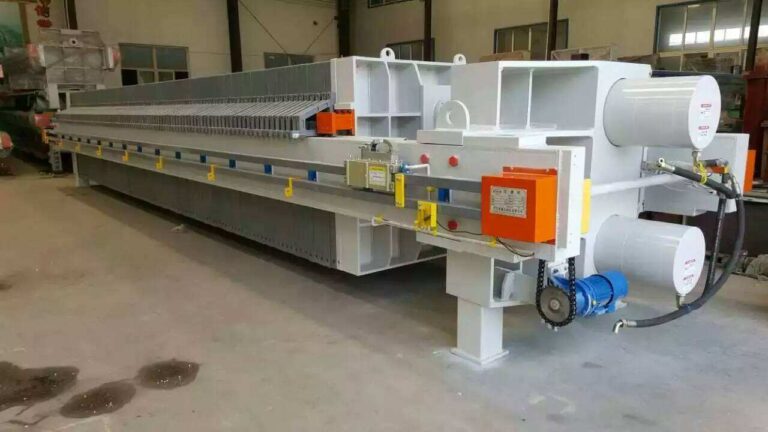
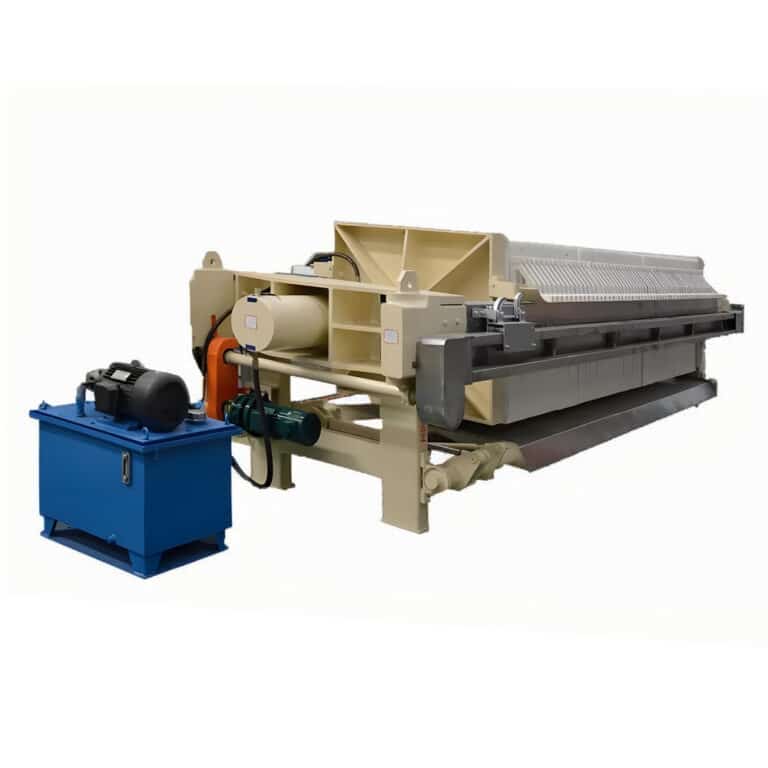
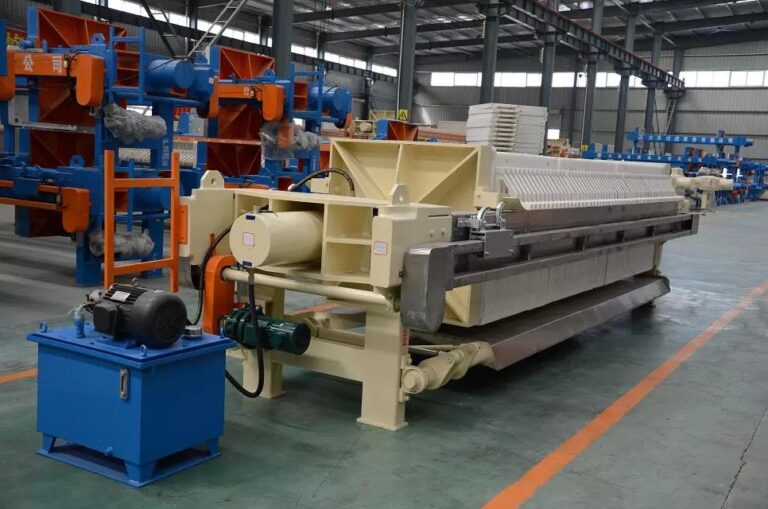
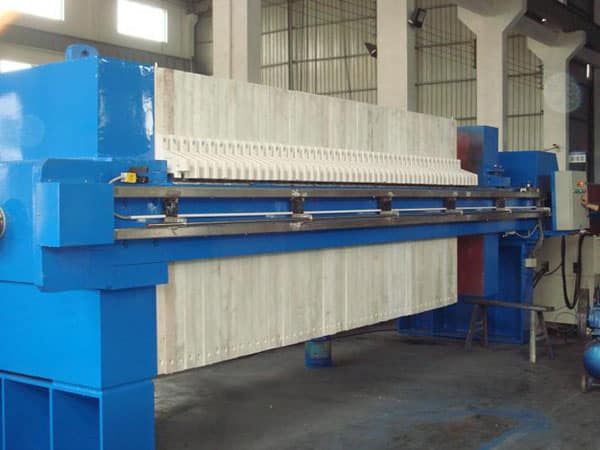
Архитектурное расхождение является основополагающим. В плитно-рамном прессе чередуются сплошные плиты и полые рамы. Рамы создают пустоты для образования кека, а плиты обеспечивают дренажные поверхности, покрытые фильтровальной тканью. В прессе с углубленной камерой используется только один тип компонентов: плиты с вдавленными, углубленными центрами. Скрепленные вместе, эти углубления образуют фильтровальные камеры. Разница в количестве компонентов напрямую влияет на сложность обслуживания и потенциальные пути утечки.
Общее ограничение обезвоживания с фиксированным объемом
Несмотря на конструктивные различия, обе системы работают по идентичному принципу пассивного обезвоживания. Они представляют собой камеры с фиксированным объемом. Максимальная толщина кека определяется глубиной рамы или углублением в пластине. Обезвоживание происходит исключительно за счет нагнетания суспензии в это статичное пространство под высоким давлением - часто до 16 бар - для проталкивания жидкости через ткань. Процесс завершается, когда камера заполняется твердыми частицами. Это означает, что оборудование обеспечивает емкость для разделения, но не производит активных манипуляций с кеком после его образования. Как отметил один из инженеров: “Мы сравнили данные циклов обоих типов на одной и той же суспензии и обнаружили, что конечное содержание твердых частиц было статистически идентичным, что подтверждает, что процесс определяется давлением и свойствами суспензии, а не способом конструкции камеры”.”
Эксплуатационные последствия дизайна
Отдельные компоненты пластины и рамы обеспечивают более гибкое расстояние между камерами, но требуют тщательного выравнивания и имеют большее количество уплотнительных поверхностей. Утопленная конструкция камеры обеспечивает более интегрированный и надежный уплотнительный интерфейс для каждой камеры. Закрытая конструкция также лучше удерживает аэрозоли и пары, что является ключевым фактором безопасности работников и экологического контроля в некоторых областях применения химических веществ.
Сравнение затрат: Капитальные вложения и эксплуатационные расходы
Анализ капитальных затрат (CAPEX)
Первоначальная стоимость покупки обычно имеет четкую иерархию. Плитно-рамная конструкция с ее более простыми отдельными компонентами часто имеет самую низкую капитальную стоимость. Пресс с утопленной камерой, с его более сложными литыми или формованными плитами, требует умеренной премии. Однако концентрация исключительно на капитальных затратах является стратегической ошибкой. При этом не учитываются эксплуатационные расходы, которые накапливаются в течение всего срока службы пресса.
Важнейшая роль совокупной стоимости владения (TCO)
Тщательный анализ совокупной стоимости владения позволяет выявить скрытые расходы, которые опровергают упрощенные сравнения. Он должен количественно оценить потребление химического кондиционирования (полимера), воды и энергии для промывки ткани, трудозатраты на ручное освобождение и очистку кека, а также замену деталей для технического обслуживания. Закрытая конструкция камерных прессов, как правило, снижает потребность в полимере и улучшает герметичность, перенося затраты с текущих операций на первоначальные капитальные вложения.
Количественная оценка факторов, влияющих на операционные расходы
В таблице ниже приведены основные компоненты затрат для трех основных типов прессы с указанием мест возникновения расходов.
| Компонент затрат | Плита и рама | Утопленная камера | Мембранная пластина |
|---|---|---|---|
| Капитальные расходы (CAPEX) | Самый низкий | Умеренный | Самый высокий |
| Потребление полимеров | Выше | Нижний | Переменная |
| Операционная сложность | Дополнительные компоненты | Меньше компонентов | Уход за мембраной |
| Контейнер для аэрозолей | Нижний | Выше | Самый высокий |
Источник: Техническая документация и отраслевые спецификации.
Отраслевые эксперты рекомендуют использовать модель TCO, которая прогнозирует затраты на 5-летний период. Это часто показывает, что более высокие первоначальные инвестиции в более эффективную конструкцию могут быстрее окупиться за счет снижения расхода полимеров, уменьшения платы за утилизацию и менее трудоемкой эксплуатации.
Какая конструкция обеспечивает более сухие торты в тестах?
Решающий фактор: Сжимаемость осадка
В контролируемых испытаниях со стандартными пластинами ни одна из традиционных конструкций не имеет решающего преимущества по сухости. Конечным ограничением является коэффициент сжимаемости осадка (S). Для осадков с S > 1 (высокая сжимаемость) увеличение давления подачи свыше примерно 7 бар дает минимальное дополнительное удаление воды. И пластинчато-рамные, и камерные прессы с углублением достигают такого же предела производительности. Для осадков с S < 0,7 более высокое давление остается эффективным, но обе конструкции получают одинаковые преимущества.
Плато давления
В обоих случаях механизм пассивный: гидравлическое давление уплотняет твердые частицы до полного заполнения камеры. Достижимая сухость - это результат реологии шлама и прилагаемого давления, а не характеристика, диктуемая выбором одного типа камеры по сравнению с другим. Это позволяет перевести обычный вопрос с “Какой пресс лучше?” на “Каков характер обезвоживания моего осадка?”.”
Результаты тестирования производительности
Полученные данные подтверждают, что выбор оборудования сам по себе не является определяющим фактором для сухости в системах с фиксированным объемом.
| Ключевой фактор | Влияние на сухость | Критический порог |
|---|---|---|
| Сжимаемость осадка (S) | Первичное ограничение | S > 1 |
| Предельное эффективное давление | Уменьшающаяся отдача | ~7 бар |
| Преимущество конструкции (стационарная камера) | Ни одного решающего | Н/Д |
| Управляющий вход | Свойства шлама, давление | Не выбор оборудования |
Источник: Техническая документация и отраслевые спецификации.
К числу деталей, которые легко упустить из виду, относится необходимость проведения стандартизированных испытаний на фильтруемость (например, испытания на поршневом прессе) перед любым выбором пресса. Это испытание позволяет получить данные о сжимаемости, необходимые для точного прогнозирования производительности.
Ключевые факторы, влияющие на сухость жмыха, помимо конструкции
Стратегический компромисс при выборе фильтровальной ткани
Выбор ткани является основным рычагом управления процессом. Меньшие размеры пор улучшают первоначальное улавливание твердых частиц и могут формировать более плотную, тонкую структуру кека, что потенциально способствует сухости, но увеличивает сопротивление потоку и ограничивает достижимую толщину кека. Более крупные поры способствуют увеличению скорости потока и образованию более плотного кека, что может повысить общую эффективность цикла, но может ухудшить прозрачность фильтрата. Оптимальная ткань - это компромисс, который зависит от конкретной суспензии и приоритетов завода в отношении чистоты и производительности.
Целевые показатели сухости для конкретной отрасли
Универсальные цели по сухости недействительны. В горнодобывающей промышленности для уменьшения объема хвостохранилища целевой показатель может составлять 40-50 мм. При переработке заполнителей отклонение в 5 мм может существенно повлиять на качество продукции. Для суспензий с высоким сопротивлением, например, богатых глиной, погоня за определенной толщиной кека часто менее эффективна, чем оптимизация концентрации твердых частиц сырья и кондиционирование полимера. Цель должна определяться технологическим процессом или структурой затрат на утилизацию.
Оптимизация параметров кондиционирования и кормления
Эффективное обезвоживание поддается диагностике. Оно требует настройки суспензии перед ее поступлением в пресс. Это включает в себя оптимизацию типа и дозировки полимера для создания прочных, легко высвобождающихся флокул, а также обеспечение постоянной концентрации твердых частиц сырья. Изменчивость условий подачи - главный виновник неравномерной сухости кека, независимо от конструкции пресса. Управление технологическим процессом должно быть сосредоточено в первую очередь здесь.
Технология мембранных пластин: Превосходное гибридное решение
От пассивного к активному обезвоживанию
Технология мембранных пластин представляет собой фундаментальную эволюцию конструкции с углубленной камерой за счет введения активной, вторичной фазы сжатия. Эти гибридные пластины включают гибкую мембрану из эластомера, расположенную за фильтрующей тканью. После того как камера заполняется в ходе начального цикла фильтрации, вода или воздух под высоким давлением надувают мембраны, механически отжимая кек с боков.
Количественная оценка преимущества сухости
Это механическое сжатие уменьшает объем камеры на 35%, вытесняя связанную интерстициальную жидкость, которая недоступна только под давлением насоса. Факты постоянно свидетельствуют о том, что мембранное прессование превосходит гидравлическое давление, снижая содержание влаги в среднем на десять процентных пунктов. Например, мембранный пресс с фиксированной камерой, производящий кек с содержанием твердых частиц 30%, может достичь содержания твердых частиц 40%. Это напрямую приводит к снижению веса и затрат на утилизацию.
Экономические преимущества и время цикла
Активное обезвоживание не только повышает сухость, но и часто улучшает освобождение кека от ткани и может значительно сократить время цикла. Благодаря более быстрому достижению заданной сухости мембранные прессы увеличивают производительность. Сравнительная эффективность очевидна.
| Параметр | Пресс с фиксированной камерой | Мембранный плитный пресс |
|---|---|---|
| Механизм обезвоживания | Пассивный, давление насоса | Активное, механическое сжатие |
| Типичный прирост твердых частиц | Базовый уровень (например, 30%) | +10 процентных пунктов |
| Пример конечного количества твердых частиц | 30% твердые вещества | Твердые частицы 40% |
| Циклическая экономика | Стандарт | Оптимизировано для сухости |
Источник: Техническая документация и отраслевые спецификации.
По нашему опыту, переход на мембранные пластины оправдан, когда стоимость утилизации высока или когда последующая обработка, например термическая сушка, требует максимально сухого сырья для снижения энергопотребления.
Примеры использования: Какие отрасли промышленности и осадки подходят для каждого дизайна?
Пластина и рама: Точность и четкость
Пластинчато-рамный пресс отлично подходит для тех случаев, когда приоритетом является кристально чистый фильтрат или когда продукт представляет собой ценное твердое вещество, требующее легкой и полной выгрузки кека. Это делает его подходящим для некоторых химических, фармацевтических или пищевых производств и напитков. Его конструкция позволяет облегчить контроль и очистку между партиями, что поддерживает требования к высокой чистоте.
Встраиваемая камера: Промышленная рабочая лошадка
Стандартный пресс с утопленной камерой - надежный выбор для крупносерийных непрерывных операций, где достаточно умеренной сухости. Он является основой для обработки минералов, промывки заполнителей и обезвоживания осадков городских сточных вод. Более простое количество компонентов в каждой камере и прочная конструкция эффективно справляются с абразивными материалами и сложными рабочими циклами.
Мембранная пластина: Максимальная сухость для экономичных применений
Мембранный пластинчатый пресс является превосходным решением там, где максимальная сухость является основным экономическим фактором. Сюда относятся переработка опасных отходов, передовая металлургия и любые другие области применения, где затраты на утилизацию, транспортировку или сжигание напрямую зависят от веса и объема кека. Его эффективность наиболее ярко проявляется при работе со шламами, где механическое сжатие может преодолеть ограничения, связанные с гидравлическим давлением.
| Дизайн | Идеальное применение в промышленности | Основной водитель |
|---|---|---|
| Плита и рама | Химическая, фармацевтическая | Кристально-прозрачный фильтрат |
| Утопленная камера | Обработка минералов, городской ил | Умеренная сухость, прочность |
| Мембранная пластина | Опасные отходы, металлургическая переработка | Максимальная сухость, стоимость утилизации |
Источник: Техническая документация и отраслевые спецификации.
Сравнение технического обслуживания, времени простоя и эксплуатационной сложности
Количество компонентов и доступ к обслуживанию
Плитно-рамные прессы имеют больше отдельных компонентов (плит и рамы), что удлиняет время сборки после замены ткани и увеличивает количество потенциальных мест утечки. Прессы с утопленной камерой имеют меньше деталей на камеру, что упрощает замену ткани и сокращает обслуживание уплотнений. Мембранные плиты добавляют еще один слой: сами эластомерные мембраны, которые требуют проверки на целостность, но часто способствуют более чистому выходу кека, уменьшая замутнение ткани.
Зависимость от квалифицированного оператора
Все конструкции фильтр-прессов требуют детальной настройки времени цикла, профилей давления и последовательности промывки ткани для достижения оптимальной производительности. Это создает зависимость от квалифицированных, опытных операторов, которых становится все меньше. Непоследовательная работа напрямую приводит к изменению степени сухости кека и увеличению эксплуатационных расходов.
Императив автоматизации
Эта трудовая проблема определяет стратегический переход к полной автоматизации. Системы с ПЛК, управляющие этапами цикла, оптимизирующие профили сжатия и автоматизирующие промывку тканей, превращаются из роскоши в производственную необходимость. Они обеспечивают согласованность, повышают безопасность и предоставляют данные для непрерывной оптимизации процесса, превращая сложность работы в управляемую переменную, а не в постоянное бремя.
Система принятия решений: Выбор правильного фильтр-пресса для вашего предприятия
Шаг 1: Проведение окончательного анализа осадка
Начните с лабораторных испытаний на фильтруемость, чтобы определить коэффициент сжимаемости осадка (S) и оптимальные параметры кондиционирования. Эти данные позволяют определить предельную производительность прессов с фиксированным объемом и оценить потенциальные преимущества мембранного сжатия. Это необязательный первый шаг, который предотвращает дорогостоящее завышение или занижение спецификации.
Шаг 2: Выполнение комплексной модели TCO
Выйдите за рамки простых капитальных затрат. Постройте 5-7-летнюю модель совокупной стоимости владения, включающую потребление полимера, энергию для перекачки и сжатия, воду для промывки, трудозатраты на эксплуатацию и обслуживание, а также затраты на утилизацию на основе прогнозируемого количества твердых частиц кека. Эта финансовая модель часто показывает, что более высокая эффективность пластинчато-рамный фильтр-пресс обеспечивает превосходную прибыль за счет систематического снижения текущих операционных расходов.
Шаг 3: Согласование технологий со стратегическими целями
Четко определите главную цель: Что важнее: максимальная сухость кека, высокая производительность, простота эксплуатации или качество фильтрата? При максимальной сухости и производительности мембранные прессы обеспечивают фундаментальную оптимизацию экономического цикла. Для надежной, не требующей обслуживания работы в рамках четко определенного процесса оптимальной может быть стандартная камера с углублением.
Шаг 4: Обеспечение будущего с помощью гибкости и контроля
Промышленность движется в направлении активного обезвоживания и интеллектуального, адаптивного управления. Инвестиции в конструкцию, обеспечивающую гибкость управления с помощью ПЛК, возможность регистрации данных и возможность модернизации таких компонентов, как ткани или даже мембранные пластины, защитят ваши инвестиции от изменения стандартов эффективности и отчетности.
| Шаг | Действие | Количественное руководство |
|---|---|---|
| 1. Анализ осадка | Определите коэффициент сжимаемости (S) | S > 1 против S < 0,7 |
| 2. Экономический анализ | Выполнение общей стоимости владения (TCO) | Количественная оценка полимеров, трудозатрат, утилизации |
| 3. Согласование целей | Отдайте предпочтение сухости, производительности или простоте | Мембрана сокращает время цикла >50% |
| 4. Защита на будущее | Инвестируйте в гибкость управления, активные компоненты | Адаптация к изменяющимся стандартам |
Источник: Техническая документация и отраслевые спецификации.
Выбор между конструкциями фильтр-прессов заключается не в общем “лучшем” варианте, а в оптимальном соответствии поведению осадка, экономическим факторам и эксплуатационным возможностям предприятия. Решение зависит от сжимаемости осадка, тщательного анализа совокупной стоимости владения и четкого соответствия целям переработки. В тех случаях, когда сухость напрямую связана с экономией средств, технология мембранных пластин обеспечивает определенное механическое преимущество.
Нужны профессиональные рекомендации по тестированию осадка и моделированию истинных затрат на обезвоживание? Инженеры из PORVOO может поддержать ваш анализ пилотными испытаниями и подробными прогнозами стоимости жизненного цикла. Свяжитесь с нами чтобы обсудить конкретные характеристики шлама и задачи вашего предприятия.
Часто задаваемые вопросы
В: Получает ли пластинчато-рамный или камерный пресс с углублением более сухой фильтрующий слой?
О: В стандартных конфигурациях ни одна из конструкций не обеспечивает решающего преимущества по сухости. Обе конструкции представляют собой системы с фиксированным объемом, в которых конечное содержание твердых частиц ограничивается коэффициентом сжимаемости шлама и максимальным давлением гидравлического насоса, а не конструкцией камеры. Для высокосжимаемых шламов (S > 1) повышение давления выше ~7 бар дает минимальный выигрыш. Таким образом, достижимая сухость кека определяется конкретными характеристиками обезвоживания осадка, а не выбором между этими двумя классическими конструкциями.
Вопрос: Когда следует инвестировать в мембранный плитный пресс, а не в стандартную конструкцию с углубленной камерой?
О: Выбирайте мембранный пластинчатый пресс, когда максимальная сухость является основным фактором затрат, например, при переработке опасных отходов или металлургической промышленности, где плата за утилизацию зависит от веса кека. Активное механическое сжатие эластомерной мембраны выводит связанную жидкость, чего не может сделать гидравлическое давление, часто увеличивая содержание твердых частиц на десять процентных пунктов. Для проектов, где затраты на транспортировку или захоронение отходов значительны, более высокие капитальные вложения в мембранную технологию обычно обеспечивают высокую операционную рентабельность.
Вопрос: Как выбор фильтровальной ткани влияет на процесс обезвоживания и конечную сухость кека?
О: Выбор ткани предполагает стратегический компромисс между скоростью потока и образованием кека. Меньшие поры улучшают первоначальное улавливание твердых частиц и могут создавать более плотную структуру, но увеличивают сопротивление потоку, что потенциально ограничивает толщину кека. Более крупные поры обеспечивают более быстрый поток и более плотный кек, но могут ухудшить прозрачность фильтрата. Это означает, что эффективное управление процессом является диагностическим; вы должны согласовать технические характеристики ткани с конкретными характеристиками суспензии и тем, что для вас является приоритетным: производительность, чистота или конечная сухость.
Вопрос: Какие скрытые расходы следует включить в анализ общей стоимости владения фильтр-прессом?
О: Строгая модель TCO должна количественно оценивать эксплуатационные потери, которые часто не учитываются при простом сравнении капитальных затрат. Ключевыми факторами являются расход химических реагентов (полимеров), использование воды для промывки тканей, трудозатраты на ручную очистку и контроль циклов, а также техническое обслуживание сложных компонентов, таких как мембраны. Закрытая конструкция камерных прессов позволяет сократить потребность в полимере и предотвратить образование аэрозолей, что переносит затраты с эксплуатационных на капитальные. Для предприятий с жестким операционным бюджетом такой профиль эксплуатационных расходов становится решающим фактором при принятии инвестиционного решения.
В: Как соотносятся сложность обслуживания и эксплуатации между тремя основными типами фильтр-прессов?
О: В плитно-рамных прессах больше компонентов (плит и рам), что приводит к увеличению времени сборки и потенциальных мест утечки. Утопленные конструкции камер упрощают замену ткани за счет меньшего количества деталей на камеру. Мембранно-плитные прессы усложняют работу, поскольку целостность мембраны является ключевым элементом технического обслуживания, хотя их более чистый выброс кека может уменьшить загрязнение ткани. Такая зависимость производства от квалифицированного персонала обуславливает стратегический переход к автоматизации с помощью ПЛК для обеспечения стабильной производительности и устойчивости к нехватке рабочей силы.
Вопрос: Каков первый шаг в выборе подходящей конструкции фильтр-пресса для нашей задачи?
О: Начните с проведения испытаний на фильтруемость для определения коэффициента сжимаемости осадка (S). Этот параметр определяет окупаемость систем высокого давления и позволяет сделать выбор между стандартными плитами с фиксированным объемом и активными мембранными технологиями. Если S больше 1, то системы высокого давления дают ограниченную выгоду, поэтому целесообразнее использовать стандартный пресс или мембранный пресс для механического сжатия. Такой подход к диагностике позволяет избежать чрезмерных инвестиций в системы высокого давления, которые не могут быть использованы вашей суспензией.