Большинство предприятий, вводящих в эксплуатацию систему рециркуляции воды для обработки керамики или камня, рассматривают обезвоживание как конечный этап — как только фильтр-пресс производит сухой осадок, считается, что контур работает. Последующий режим отказа протекает незаметно: очищенная вода или фильтрат из пресса возвращается на линии полировки или резки, унося с собой достаточное количество остаточных твердых частиц, которые оседают в обратных трубопроводах и соплах оборудования, а качество продукции снижается, прежде чем кто-либо сможет установить, что причиной является загрязнение контура. К тому моменту затраты на модернизацию — добавление этапа доочистки, замена обратных трубопроводов или разделение потоков глины, которые были объединены на этапе проектирования, — превышают то, во что обошлось бы более продуманное решение по планировке на начальном этапе. Цель данной статьи — помочь принять решение не о том, какое оборудование приобрести, а о том, как спланировать контур повторного использования, чтобы качество воды, маршрутизация обратного потока и обработка твердых частиц были определены до того, как закупка зафиксирует конфигурацию системы.
Определить сферу применения повторно используемой воды и риски, связанные с её качеством
Первое решение заключается не в том, какого размера должна быть система, а в том, в какой именно производственный процесс фактически возвращается рециркулируемая вода. Линии доочистки, пилы для резки, станции промывки стекла и линии подготовки плиточного заготовки — для каждой из них установлены свои допустимые пределы содержания взвешенных твердых частиц, колебаний pH и остаточных мелких частиц. Система, рассчитанная на обработку всего потока завода без учета конкретных мест возврата воды, технически будет осуществлять рециркуляцию воды, но при этом подвергать чувствительные процессы воздействию параметров качества, от которых оборудование изначально не было рассчитано на защиту.
Расчет расхода является полезной отправной точкой после определения конечных точек технологического процесса. Один из практичных методов заключается в расчете суточной потребности в воде путем умножения номинального расхода каждого станка на количество часов его работы в сутки, а затем усреднении результата по рабочей смене. Например, мостовая пила с номинальным расходом 30 галлонов в минуту, работающая три часа в день, потребляет примерно 20 100 галлонов в сутки — в среднем за восьмичасовую смену это соответствует постоянной потребности в рециркуляции около 42 галлонов в минуту. Данный подход не является нормативной формулой; это способ обеспечить соответствие мощности системы рециркуляции производственным потребностям без переразмера оборудования, которое впоследствии будет работать с неполной нагрузкой и утратит стабильность осаждения.
Риск, связанный с качеством, имеет более серьезные последствия, чем риск, связанный с производительностью. Операции резки чувствительны к мелким минеральным частицам, которые не оседают при седиментации, но накапливаются в узких соплах и каналах охлаждения режущих лезвий. Линии полировки могут допускать несколько более высокое содержание взвешенных твердых частиц, но более чувствительны к колебаниям pH, которые влияют на абразивные свойства и качество поверхности. Определение области повторного использования воды до выбора оборудования для седиментации и дозирования позволяет установить, действительно ли контур соответствует предполагаемой точке возврата — или просто перемещает воду по кругу, создавая проблему медленного износа производственного оборудования.
Определите, куда поступают фильтрат очищенной воды и перелив
Выбор обратного тракта влечет за собой эксплуатационные последствия, которые легко недооценить на этапе проектирования схемы. Две распространенные конфигурации — перелив с ламельного сепаратора, стекающий по наклонному желобу в резервуар-накопитель, а затем перекачиваемый обратно к оборудованию через бустер давления, и самотечное поступление фильтрата из фильтр-пресса непосредственно в резервуар повторного использования — различаются не только по энергопотреблению, но и по тому, насколько надежно каждая из них обеспечивает стабильное качество воды на оборудовании.
| Путь обратного соединения | Механизм течения | Основное оборудование | Энергия и сложность | Ключевое преимущество |
|---|---|---|---|---|
| Ламельный сепаратор → резервуар для хранения → оборудование | Гравитационный слив по наклонной в резервуар, затем перекачка с помощью насоса-усилителя давления | Накопительный бак, насос повышения давления | Требуемая энергия перекачки | Обеспечивает стабильную работу цикла повторного использования без ручного вмешательства |
| Фильтр-пресс → резервуар для повторного использования → оборудование | Гравитационная подача из фильтр-пресса в резервуар для повторного использования | Резервуар повторного использования, самотечные трубопроводы | Отсутствие затрат энергии на перекачку, более простая механическая конструкция | Снижает энергопотребление и уменьшает механическую сложность |
Тракт от ламельного фильтра к резервуару для хранения требует затрат энергии на перекачку, но обеспечивает буферный объём, способный компенсировать колебания расхода между производственными сменами и циклами осаждения. Гравитационный путь от фильтр-пресса механически проще и позволяет избежать технического обслуживания насоса, однако качество и объем фильтрата зависят от синхронизации циклов пресса — это означает, что если пресс находится между циклами, обратный поток останавливается. Для непрерывных процессов такая прерывистость может потребовать дополнительного буферного объема или схемы смешанной подачи. Выбор пути должен основываться на оценке чувствительности производственного процесса к перебоям в потоке, а не только на энергетических затратах или капитальных издержках.
Практическая проверка схемы перед окончательным выбором того или иного варианта: убедитесь, что резервуар для хранения или повторного использования рассчитан на буферизацию объема, соответствующего спросу как минимум за одну полную производственную смену, и что обратный насос — при его использовании — способен обеспечить давление, требуемое станом с самым высоким давлением в контуре. Недостаточное давление обратного потока — это проблема при вводе в эксплуатацию, которая проявляется только при работе производства на полную мощность.
Согласовать дозирование осадка и прессование с учетом стабильности в воде
Осаждение и дозирование химических веществ не являются взаимозаменяемыми этапами в технологической цепочке очистки — они выполняют разные функции по обеспечению стабильности, и решение о включении, корректировке или пропуске одного из них влечет за собой последствия для всего цикла повторного использования.
| Коэффициент проектирования | Значение / диапазон | Последствия для стабильности |
|---|---|---|
| Использование флокулянтов в ламельных отстойниках | Может работать как с флокулянтами, так и без них | Позволяет регулировать дозирование химических веществ с учетом меняющихся характеристик сточных вод |
| Требования к этапу осаждения | Пропустить этап отстаивания, если расход сточных вод ≤10 м³/ч | Упрощает технологическую схему, снижает капитальные затраты и занимаемую площадь при небольших расходах |
| Очистительная нагрузка (ламельный сепаратор) | 0,08–0,25 м³/м²·ч | Проектные критерии для расчета размеров ламельного отстойника, обеспечивающие стабильную эффективность осаждения |
Возможность пропуска этапа отстаивания при расходе 10 м³/ч и ниже является обоснованным способом сокращения капитальных затрат для небольших объектов, однако при этом устраняется основной контрольный пункт, на котором дозирование флокулянта позволяет стабилизировать состав изменчивого поступающего стока. Когда изменяется состав глины или гранулометрический состав — как это происходит на станциях, перерабатывающих различные типы сырья, — отстаивание с регулируемой дозировкой ПАК или ПАМ обеспечивает механизм корректировки, который прямая фильтрация не может воспроизвести. Станция, которая пропускает этап отстаивания для снижения первоначальных затрат, а затем меняет состав поступающего сырья, сталкивается с необходимостью модернизации, стоимость которой превышает первоначальную экономию.
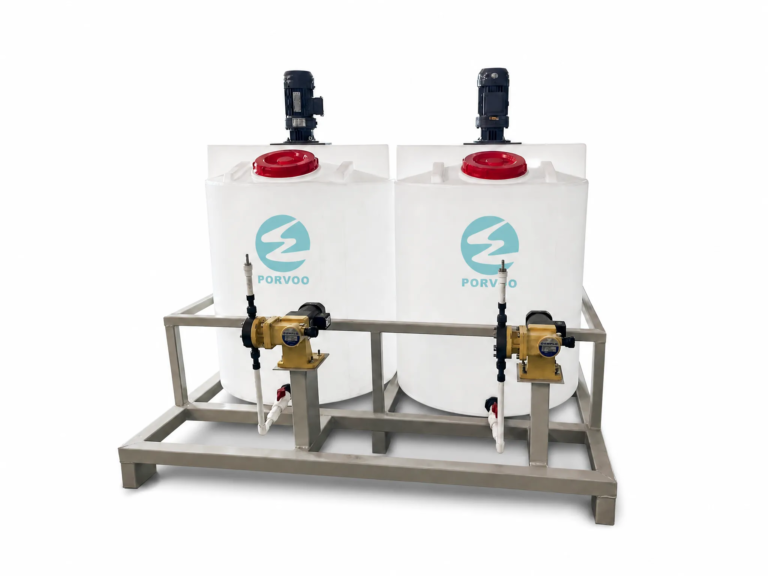
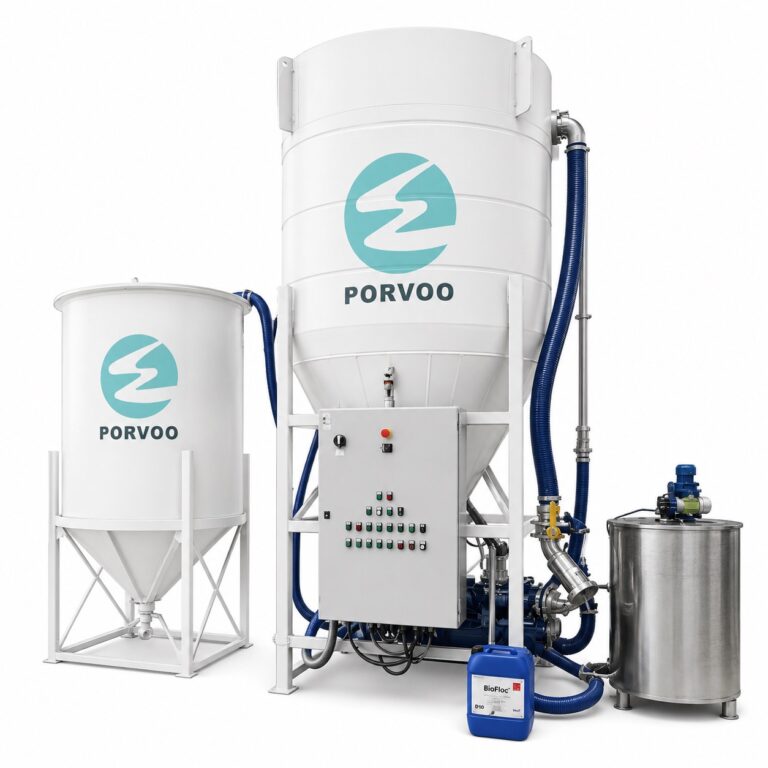
Диапазон нагрузки на зону осветления 0,08–0,25 м³/м²·ч для ламельных сепараторов является ориентиром при проектировании, а не нормативным ограничением. Он отражает диапазон, в пределах которого достижима стабильная седиментация при типичных характеристиках сточных вод — выбор ламельного осветлителя меньшей производительности, чем предусмотрено этим диапазоном, сокращает время пребывания и приводит к попаданию мелких частиц в поток осветленной воды, что напрямую ухудшает качество воды, предназначенной для повторного использования. Гибкость в использовании флокулянтов — ламельные системы могут эксплуатироваться как с добавлением химикатов, так и без него — позволяет корректировать дозировку по мере изменения характеристик поступающих стоков, что имеет значение на предприятиях, где химический состав технологической воды варьируется в зависимости от производственной линии или партии сырья. Интеллектуальная система дозирования химических веществ PAM/PAC поддерживает пропорциональную регулировку дозирования, которая зависит от нагрузки на входе, что является более целесообразным, чем дозирование с фиксированной скоростью, для установок с переменным качеством поступающего сырья.
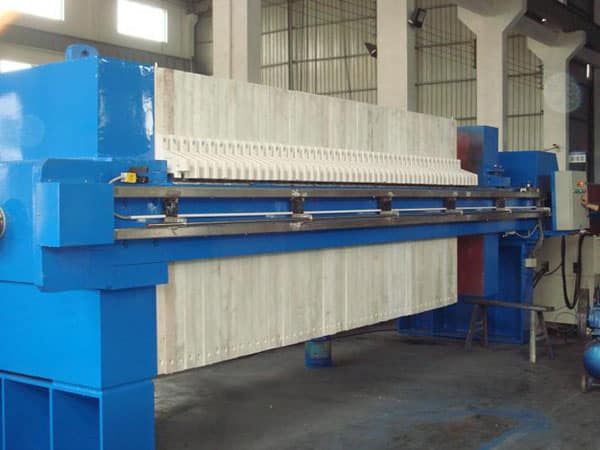
Прессование следует за осаждением в технологической цепочке и в первую очередь регулирует степень сухости осадка и качество фильтрата, а не стабильность контура повторного использования — однако производительность фильтр-пресса все же косвенно влияет на контур повторного использования. Фильтр-пресс, дающий осадок с высоким содержанием влаги, возвращает больше воды в поток осадка, что может привести к его скоплению, если емкость хранилища осадка недостаточна, вынуждая осадок рециркулировать и перегружая стадию осаждения. Производительность фильтр-пресса и вместимость хранилища осадка должны быть согласованы на этапе проектирования, а не рассматриваться как отдельные решения по оборудованию.
Используйте показатели мутности, содержания взвешенных частиц и pH в качестве контрольных показателей рабочего режима
Мутность, содержание взвешенных твердых частиц и pH — это три параметра, которые наиболее непосредственно определяют, достаточно ли стабильна осветленная вода для возврата в производственный цикл. Это контрольные параметры, а не пороговые значения с универсальными пределами, определяющими соответствие или несоответствие требованиям — допустимые значения зависят от того, для каких целей используется возвращаемая вода.
Для измерения мутности стандарт ISO 7027-1:2016 устанавливает признанную методологию нефелометрических измерений в воде. Это полезно для стандартизации методов измерения мутности на всех контрольных точках предприятия, однако стандарт не устанавливает допустимых пределов мутности для целей повторного промышленного использования. Соответствующие пределы зависят от конкретного технологического процесса: контур охлаждающей воды допускает более высокую мутность, чем контур охлаждения лезвий на пиле, а при промывке глазури допустимый уровень может быть ещё ниже. Предприятия, которые организуют мониторинг мутности, не определив предварительно конечную сферу повторного использования воды, в итоге получают данные, которые не позволяют принять обоснованное решение.
Мониторинг взвешенных твердых частиц на выходе из резервуара повторного использования — до того, как вода поступает в установку — позволяет выявить перенос частиц, который может быть упущен при использовании только измерения мутности в случае изменения гранулометрического состава. Мелкие глинистые частицы, подвергшиеся частичной флокуляции, могут пройти контроль по мутности, но со временем все равно накапливаются в форсунках. Практическим методом контроля является регулярное измерение мутности на переливе отстойника и содержания взвешенных частиц на входе в машину по установленному графику, а также рассмотрение увеличения разницы между этими показателями в качестве раннего признака разрушения флокул или неэффективности отстаивания, вместо того чтобы ждать, пока проблема не проявится в виде загрязнения форсунок.
Контроль pH имеет решающее значение для тех процессов, в которых качество поверхности или состав абразивных растворов чувствительны к кислотности или щелочности воды. Нестабильный уровень pH в обратном контуре, как правило, свидетельствует либо об изменении состава поступающей воды — изменении химического состава глины или появлении нового потока технологических отходов, — либо о нарушении стабильности дозирования химикатов. Поскольку изменение pH часто является опережающим индикатором нестабильности контура до появления видимых проблем с твердыми частицами, его следует отслеживать одновременно с мутностью, а не отдельно. Согласно требованиям Агентства по охране окружающей среды США (EPA) Руководство по повторному использованию воды представляет собой полезную концептуальную основу для понимания того, как комбинации параметров мониторинга способствуют принятию решений о повторном использовании в промышленных условиях, даже если конкретные предельные значения отличаются от эксплуатационных целевых показателей того или иного предприятия.
Планировать хранение осадка и обращение с осадочным осадком вне цикла повторного использования
Решения по обращению с осадком и осадочным слоем влияют на стабильность цикла повторного использования способами, которые становятся очевидными лишь тогда, когда система работает с полной производственной нагрузкой. Если осадок накапливается в отстойнике быстрее, чем его удаляют, концентрация нижнего потока увеличивается, эффективность отстаивания снижается, а качество осветленной воды на переливе ухудшается. Таким образом, метод обращения с осадком — это не просто вопрос логистики утилизации: он определяет, сохранит ли цикл повторного использования стабильность при длительной эксплуатации.
| Метод | Характеристика сухости | Улучшение обработки |
|---|---|---|
| Шнековый конвейер | Обеспечивает получение более сухих твердых веществ по сравнению с эксцентриковым шнековым насосом | Снижает риск утечки и появления неприятного запаха при обращении с продуктом |
| Эксцентриковый винтовой насос | Меньше сухого вещества | Может привести к возникновению проблем при эксплуатации, таких как утечка или появление запаха |
| Трубопроводы коллектора с принудительной подачей воздуха | Воздух способствует дальнейшему высыханию фильтрационных осадков | Повышает степень высушивания торта перед утилизацией |
Степень сухости осадка напрямую влияет на трудоемкость последующих операций. Разгрузка с помощью шнекового конвейера обеспечивает более сухой осадок по сравнению с разгрузкой с помощью эксцентрикового шнекового насоса, что снижает риск утечки и появления запаха во время фасовки в мешки, розлива в контейнеры или промежуточного хранения. Дополнительная стадия сушки с помощью воздушного коллектора позволяет ещё больше повысить степень сухости перед утилизацией, что имеет значение в тех случаях, когда осадок транспортируется для утилизации за пределы объекта, а вес или содержание влаги влияют на стоимость утилизации или логистику. Это доступные варианты, а не обязательные этапы процесса — при проектировании следует учитывать, допускает ли запланированный маршрут утилизации такой уровень влажности, который выбранный метод обезвоживания может надежно обеспечить.
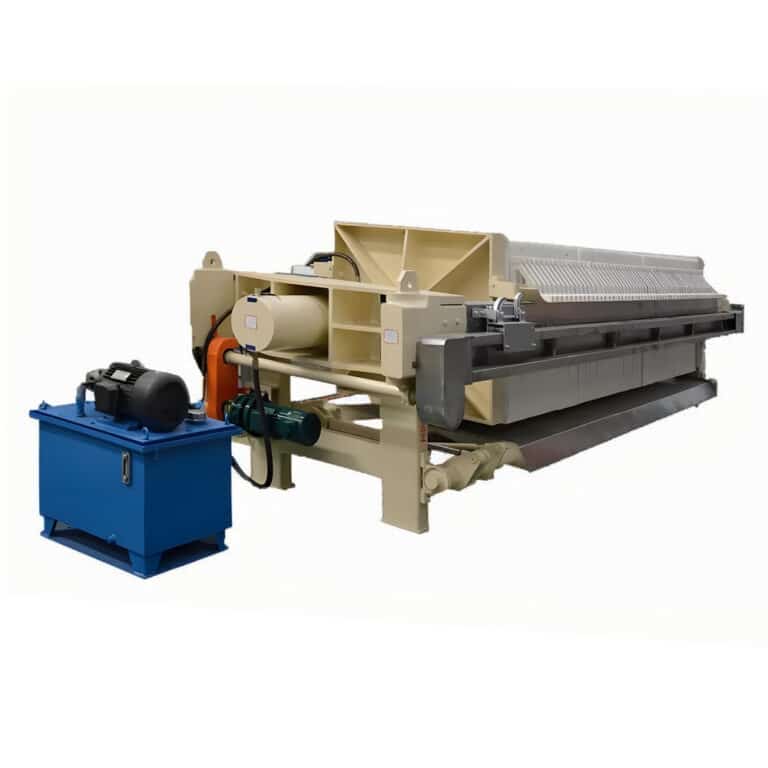
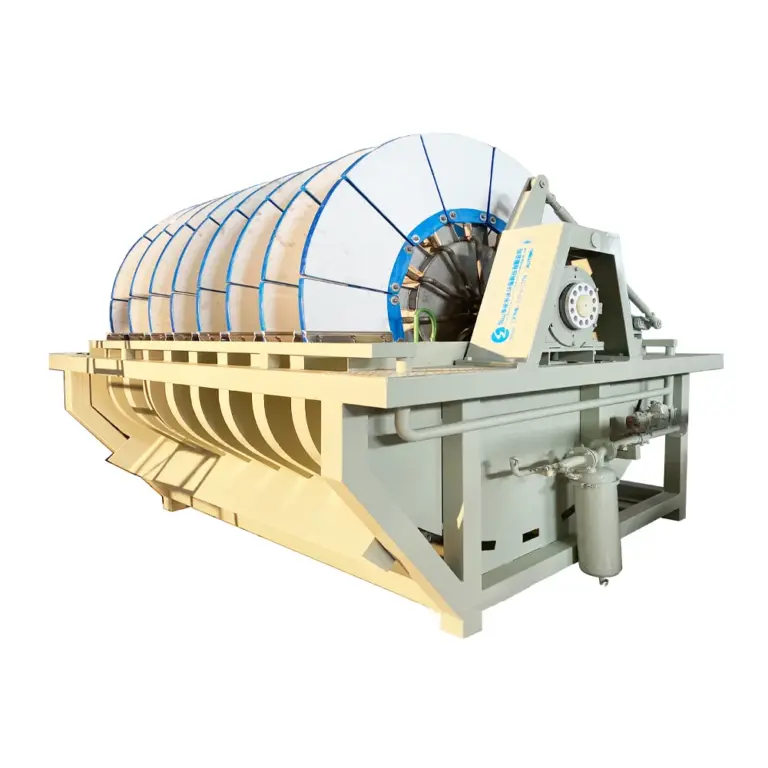
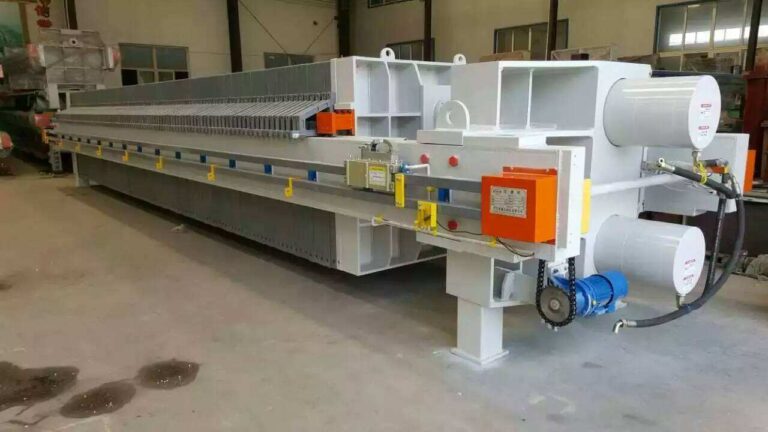
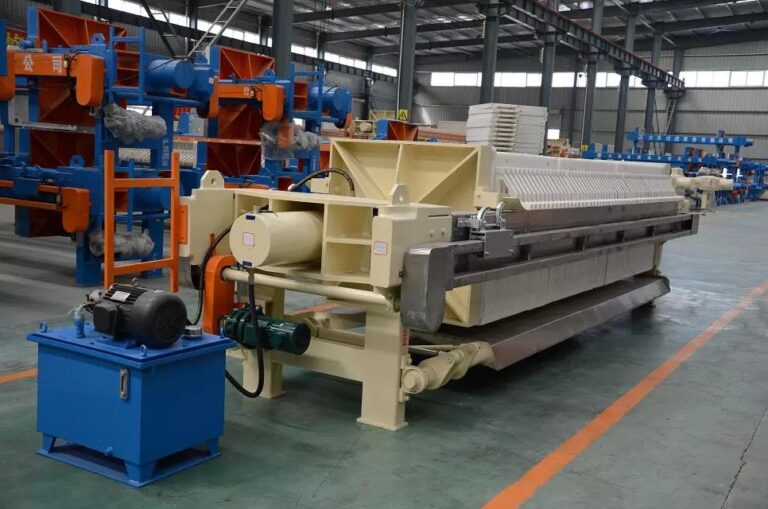
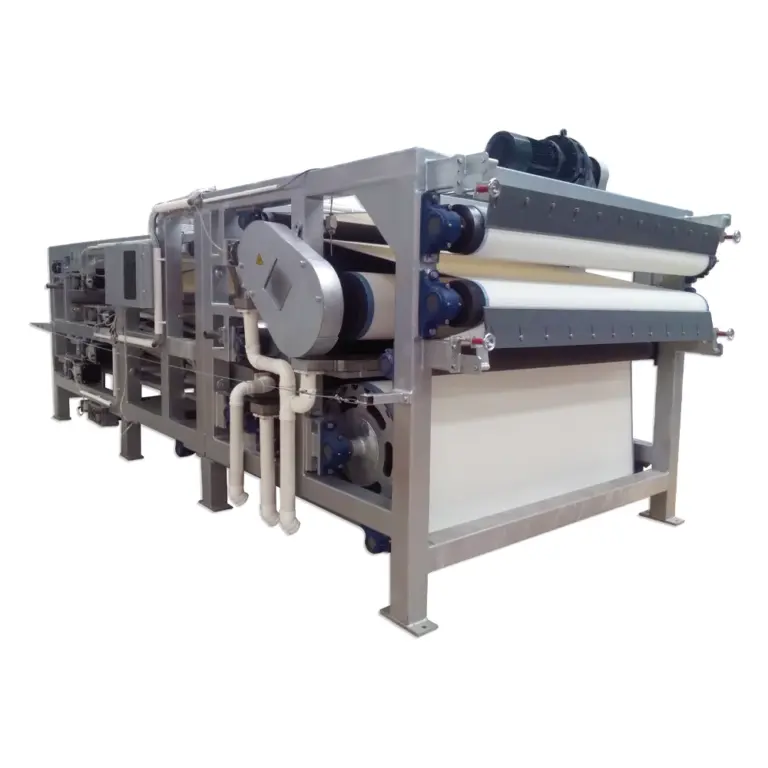
Биг-бэги, дренажные контейнеры и вакуумные ленточные фильтры предъявляют разные требования к занимаемому пространству и техническому обслуживанию при удалении осадка из отстойника. Выбор следует осуществлять с учетом графика смен, наличия операторов и площади для хранения рядом с отстойным оборудованием — а не только исходя из показателей обезвоживания. Предприятие, работающее в две смены, которое использует утилизацию с помощью больших мешков, но не имеет места для их временного хранения рядом с отстойником, будет вынуждено прерывать извлечение осадка во время производства, что приведет к повторному загружению отстойника и ухудшению качества осветленной воды — точно так же, как и в случае неэффективной работы оборудования. Мембранный фильтр-пресс поддерживает этап прессования в этой цепочке и его следует указывать наряду со способом удаления осадка, чтобы оба этапа были согласованы с одним и тем же временем цикла и целевым объемом осадка.
Не допускайте возврата нестабильного фильтрата в чувствительные технологические процессы
Наиболее распространённой причиной выхода из строя контура в системах рециркуляции воды для обработки керамики и камня является не внезапный сбой системы, а постепенное накопление твердых частиц в обратных трубопроводах и форсунках оборудования, которое накапливается в течение нескольких недель, пока не снижается эффективность резки или полировки и не возникает необходимость вызова технического персонала для устранения засоров.
| Условие риска | Последствия | Что необходимо уточнить |
|---|---|---|
| Перенос твердых частиц в рециркулируемой воде | Отложения в трубах и соплах, приводящие к засорению оборудования и нарушению процесса резки | Обеспечение надлежащего уровня удаления твердых частиц и мониторинг этого процесса до возвращения воды в производственный цикл |
| Смешанные типы глины в сточных водах | Качество воды не соответствует требованиям для повторного использования; нестабильная контурная система | Возможно ли разделение отходов по источникам или требуется ли перепроектирование технологического процесса в тех случаях, когда не удается избежать смешивания глины |
Наиболее частой причиной является перенос твердых частиц, связанный с ненадлежащей седиментацией или нарушением режима дозирования. Практическая проверка перед возвратом осветленной воды в любую систему предварительной очистки или доочистки заключается в том, чтобы убедиться, что удаление твердых частиц стабильно соответствует целевым показателям качества для данной системы — не только на этапе ввода в эксплуатацию, но и в течение первых недель производства при полной нагрузке. Ввод в эксплуатацию часто происходит при сниженной пропускной способности и стабильном составе поступающей воды; проблема переноса твердых частиц, как правило, возникает при наращивании объемов производства и увеличении колебаний состава поступающей воды.
Смешанные типы глин создают совершенно иной класс проблем. Если на предприятии перерабатываются керамические заготовки из глины разных источников, потоки сточных вод могут отличаться по распределению частиц по размерам, минералогическому составу и химическим свойствам поверхности, что приводит к разному поведению при использовании одного и того же флокулянта. Объединение этих потоков в единый контур повторного использования предполагает, что общие настройки дозирования позволят стабилизировать качество воды при любых условиях поступающей сточной воды — это предположение часто не оправдывается на практике при изменении состава глиняной смеси. Регулировка дозировки флокулянта может помочь, но в случаях, когда несовместимость глин является структурной особенностью процесса, более надежным решением, как правило, является разделение источников или частичная переработка технологического процесса. Определение того, является ли смешивание глин постоянным условием или эпизодическим явлением, должно быть частью характеристики поступающих стоков до завершения проектирования системы. См. также соответствующее обсуждение в Оборудование для очистки промышленных сточных вод: Какие модули реально меняют стабильность повторного использования воды на заводах по производству керамики и камня чтобы понять, как выбор модуля взаимодействует с изменчивостью поступающего потока на уровне контура.
Определите, в каких случаях для достижения целей повторного использования требуется перепроектирование процессов
Некоторые проблемы, связанные с нестабильностью контура, можно решить путем корректировки дозирования, оптимизации времени извлечения осадка или добавления этапа доочистки. Другие проблемы не могут быть решены без изменения последовательности очистки или разделения потоков, которые были объединены на этапе проектирования. Разграничение этих двух категорий до начала закупок позволяет избежать более дорогостоящего исхода — установки системы, её ввода в эксплуатацию и последующего обнаружения того, что контур не может обеспечить требуемое качество обратной воды для предполагаемого применения.
| Ситуация | Вариант | Почему это важно |
|---|---|---|
| Неопределенность в отношении того, сможет ли система очистки обеспечить качество воды, соответствующее требованиям к повторному использованию для конкретного производства | Аренда пилотной установки для проведения испытаний на месте | Позволяет проверить качество воды и рабочие характеристики системы до начала полномасштабного инвестирования, снижая риск неверного проектирования |
| На объекте отсутствует встроенная притопная яма | Установите наземный накопительный резервуар | Справляется с колебаниями расхода без ущерба для цикла повторного использования, адаптируясь к планировке объекта |
В случаях, когда степень неопределенности в отношении эффективности очистки значительна — особенно на объектах, обрабатывающих необычные типы глины, сточные воды с высокой изменчивостью или в условиях жестких требований к качеству возвращаемой воды, — проведение пилотных испытаний системы очистки на месте перед полномасштабной установкой позволяет снизить инвестиционные риски. Пилотные установки, доступные для аренды, позволяют проверить, действительно ли предлагаемая конфигурация систем отстаивания, дозирования и прессования обеспечивает получение фильтрата и осветленной воды качества, необходимого для конкретного случая повторного использования. Это скорее вариант снижения риска, чем обязательный этап, однако он является более обоснованным, чем опора на общие заявления о производительности, когда химический состав поступающих стоков или чувствительность конкретного применения создают значительную неопределенность.
Ограничения, связанные с планировкой объекта, создают иной класс факторов, вынуждающих перепроектировать систему. Объекты, не имеющие встроенной в грунт уравнительной камеры — что часто встречается в старых зданиях или в случаях, когда модификация плиты перекрытия невозможна, — лишаются буферной емкости, предотвращающей перегрузку этапа осаждения пиковыми производственными потоками. Установка надземного накопительного резервуара решает эту проблему, но при этом возникают ограничения по высоте, которые влияют на траектории обратного потока под действием силы тяжести и могут потребовать установки насоса там, где изначально планировался самотечный возврат. Это не означает, что надземные резервуары хуже — они являются вполне допустимым вариантом адаптации, — но решение об их использовании следует принимать до проектирования маршрута обратного потока, а не после того, как планировка уже зафиксирована. Буферизация потока необходима независимо от конфигурации резервуара; вопрос заключается лишь в том, где он располагается в планировке и как это влияет на проектирование обратного пути.
Прежде чем утвердить схему и направить запрос на предложение, самое важное — это не определить, какое именно оборудование следует указать, а выяснить, в какой именно производственный процесс фактически возвращается каждый поток воды и какое качество воды требуется на входе в оборудование. Решения по очистке сточных вод в керамической и каменной промышленности, приводящие к самым дорогостоящим модернизациям, — это те решения, которые принимаются на уровне контура до того, как будут даны ответы на следующие вопросы: объединенные потоки глины, которые невозможно стабилизировать с помощью единого режима дозирования; пути возврата, которые никогда не проверялись на соответствие требованиям оборудования к давлению или непрерывности потока; а также этапы отстаивания, которые были пропущены с целью сокращения капитальных затрат без учета того, что произойдет при изменении качества поступающей воды.
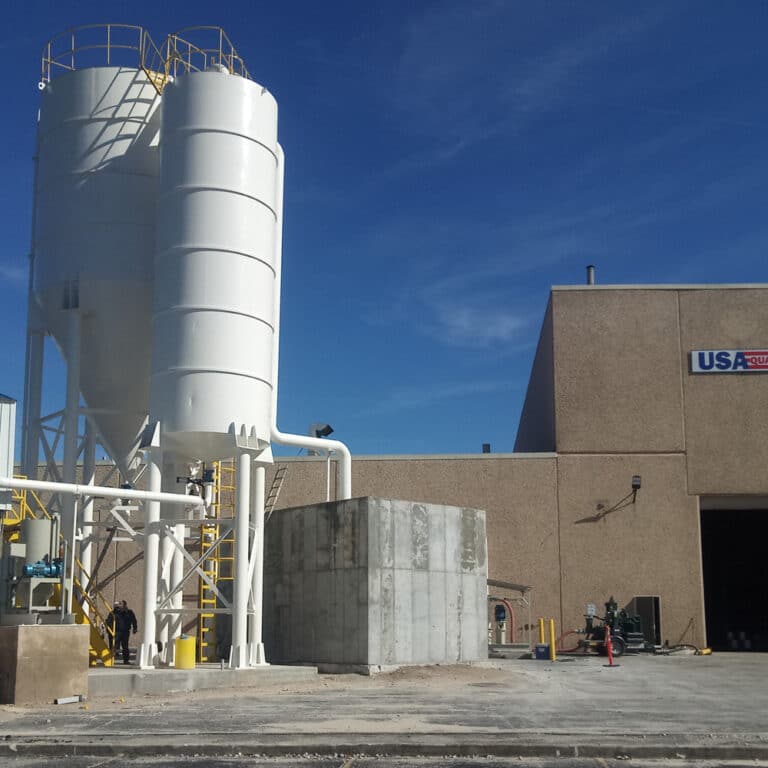
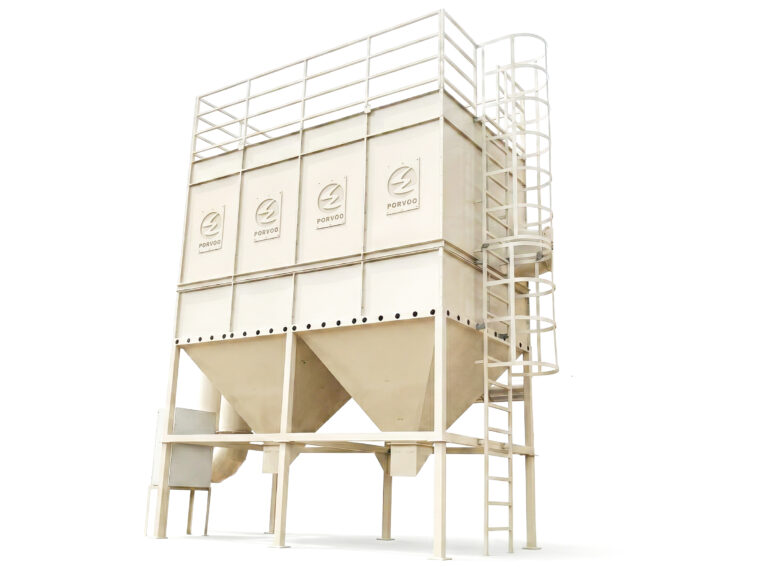
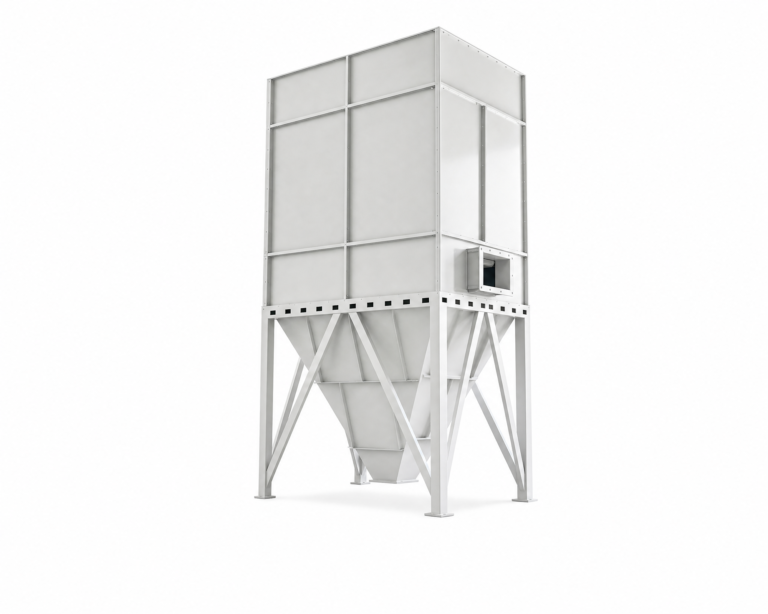
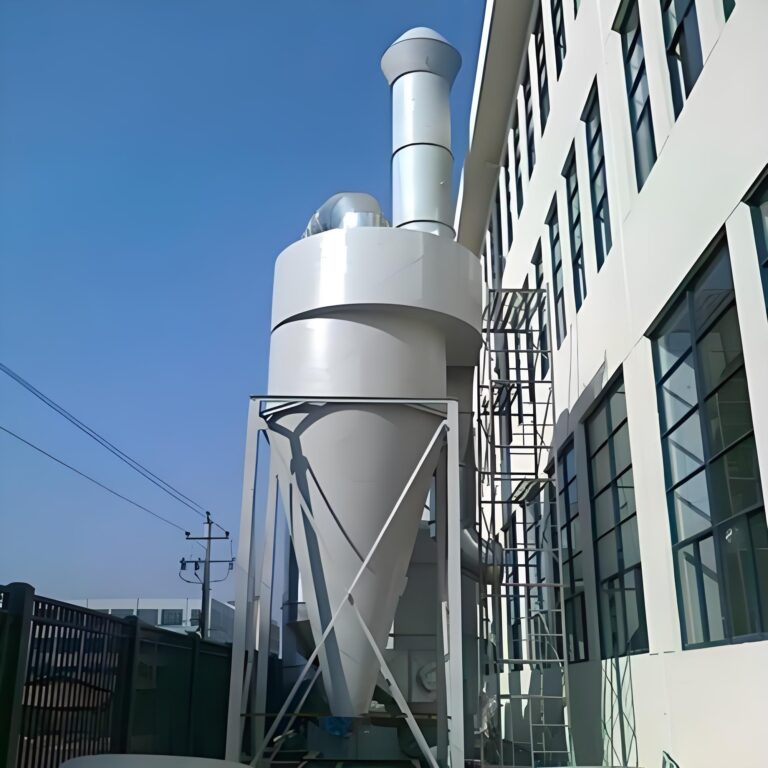
Практическая проверка, проводимая до заключения контракта, заключается в определении вариантов повторного использования воды, характеристике поступающей воды с учетом типа глины и графика производства, подтверждении способности объекта компенсировать пиковые расходы, а также проверке того, соответствует ли предлагаемый обратный контур — самотечный или с насосом — как требованиям к давлению оборудования, так и доступному объему резервуара. A вертикальная осадочная башня Система, подходящая для пропускной способности и характеристик поступающих стоков одной станции, может оказаться избыточной, недостаточной или не обладать той гибкостью дозирования, которая требуется для глинистой смеси другой станции. Эти различия целесообразно устранить на этапе проектирования, когда затраты сводятся к обсуждению, а не к замене системы.
Часто задаваемые вопросы
Вопрос: На нашем заводе перерабатывается только один вид глины с постоянным составом поступающей жидкости — нужна ли нам в этом случае стадия отстаивания, или можно сразу подавать жидкость на фильтр-пресс?
A: Отказ от отстаивания является оправданным вариантом только в том случае, если расход не превышает 10 м³/ч, а состав поступающей жидкости остается действительно стабильным. При превышении этого порога или если партии сырья варьируются даже эпизодически, отстаивание с регулируемой дозировкой становится единственным доступным механизмом корректировки при изменении гранулометрического состава. Предприятие, которое отказывается от отстаивания с целью сокращения первоначальных затрат, а затем меняет состав поступающего сырья, сталкивается с необходимостью модернизации, которая, как правило, обходится дороже, чем первоначальная экономия — ведь к тому моменту трубопроводы обратного слива, размеры резервуаров и система дозирования уже рассчитаны на технологическую линию, которая больше не соответствует характеристикам поступающей жидкости.
Вопрос: После ввода в эксплуатацию как определить, связана ли нестабильность контура с проблемой дозирования или с размером осадка?
A: Проводите измерения мутности на переливе отстойника и содержания взвешенных твердых частиц на входе в установку по одному и тому же графику, и рассматривайте увеличение разницы между этими двумя показателями как диагностический сигнал. Если мутность на переливе находится в пределах нормы, но содержание взвешенных частиц на входе в установку растет, это означает, что этап осаждения работает надлежащим образом, а проблема лежит ниже по потоку — перенос через обратный контур, недостаточный объем удерживания или проблема с качеством фильтрата, поступающего с пресса. Если мутность на переливе уже повышена, проблема заключается в самой стадии осаждения или дозирования. Эти две проверки в совокупности позволяют определить, какую часть контура необходимо отрегулировать, не дожидаясь, пока загрязнение форсунок сделает неисправность видимой.
Вопрос: Стоит ли арендовать пилотную установку, учитывая связанные с этим затраты и задержки, если на объекте уже имеются достаточно хорошо охарактеризованные поступающие сточные воды?
A: Только в том случае, если в условиях повторного использования предъявляются строгие требования к качеству обратной воды или химический состав глины настолько необычен, что нельзя полагаться на типовые данные о производительности. Для объекта с хорошо задокументированным составом поступающей воды, одним типом глины и схемой повторного использования, допускающей умеренное содержание взвешенных твердых частиц — например, общей моечной станции — риск того, что предлагаемая технологическая цепочка очистки покажет неудовлетворительные результаты, достаточно низок, так что проведение пилотных испытаний отнимает больше времени, чем снижает риск. Аргументы в пользу проведения пилотных испытаний становятся более весомыми, если объект повторного использования представляет собой линию резки или доочистки с узкими допусками по качеству, либо если в поступающей воде смешаны различные типы глины, поведение которых при флокуляции в условиях общего режима дозирования не было проверено.
Вопрос: У нас нет подземной ямы, и мы планируем установить надземный накопительный резервуар — повлияет ли это на выбор обратного трубопровода?
A: Да, и этот вопрос следует решить до разработки схемы обратного трубопровода, а не после. Наземный резервуар накладывает ограничения по высоте, которые могут исключить самотечный возврат как приемлемый вариант, что потребует установки насоса там, где он изначально не планировался. Размер этого насоса должен рассчитываться исходя из давления, требуемого машиной с самым высоким давлением в контуре — насос недостаточного размера станет проблемой при вводе в эксплуатацию, которая проявится только при полной производственной нагрузке. Сам накопительный резервуар по-прежнему должен быть рассчитан на то, чтобы буферизовать потребность как минимум одной полной смены; наземная конфигурация не меняет этого требования, она лишь изменяет местоположение резервуара на схеме и влияние этого положения на гидравлику обратного контура.
Вопрос: Если смешанные потоки глины приводят к нестабильности контура, достаточно ли для стабилизации системы регулировки дозирования флокулянта, или необходимо перепроектировать контур?
A: Регулировка дозирования флокулянта может компенсировать умеренные колебания состава поступающей воды, но не способна надежно стабилизировать контур, в котором типы глины с принципиально различной химической структурой частиц смешиваются в один поток. Когда состав глинистой смеси изменяется, режим дозирования, оптимизированный для одного состава, приводит к недостаточной или избыточной обработке другого, и в результате перенос загрязнений попадает в оборудование до того, как система мониторинга успевает на это отреагировать. Если смешивание глин является постоянным условием процесса, а не единичным явлением, более надежным решением станет разделение источников или частичная переработка технологического процесса — при этом определение того, какая из ситуаций имеет место, должно быть частью характеристики поступающей жидкости до завершения проектирования системы, а не после того, как на производстве уже проявилась нестабильность.